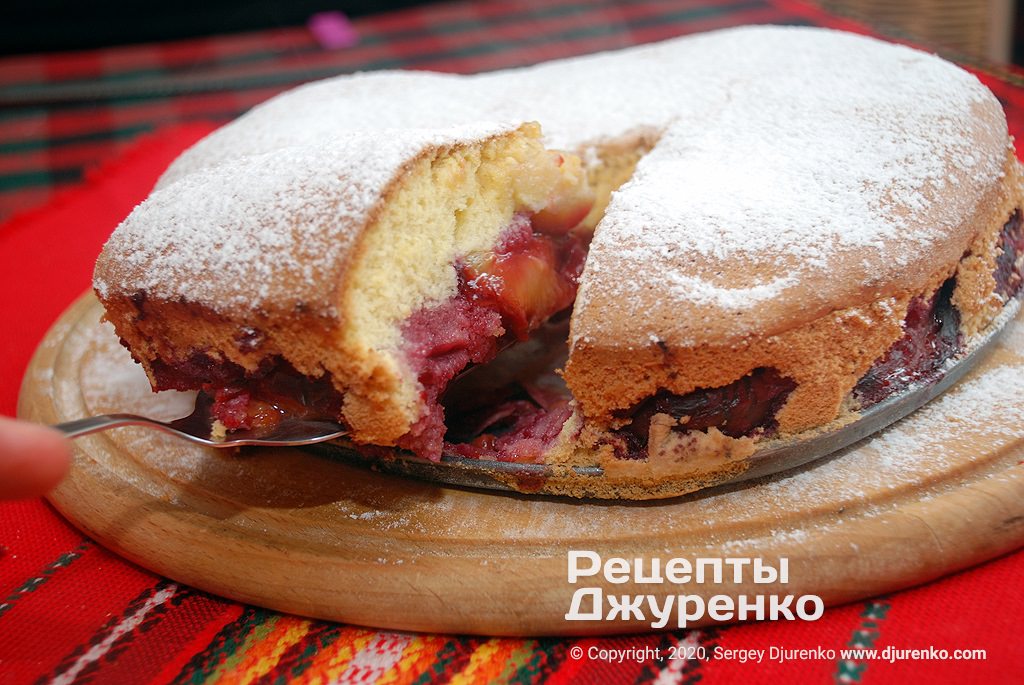
Plum Sharlotka: Easy Sponge Cake with Fresh Plums
Traditionally, we make plum sharlotka when the first summer plums appear. They're juicy and soft and make a superb filling for pies and sponge cakes. There's nothing hard about making this cake: an ordinary runny sponge batter, sweeter than usual, and halves of large ripe plums. It's a tasty, sweet dessert, great with tea and especially good with milk or cocoa, or just as a treat.
Around the world, the name charlotte is given to sweet desserts. Apple sharlotka is especially widespread. Very often it's made with custard. By and large, it's just a sponge cake with a filling. What makes this kind of baking special is that, if you like, the fruit or berry filling can be baked right into the sponge. Or it can be put inside a baked sponge loaf in place of the crumb. Then the filling stays fresh and can be combined with creams.
Charlotte is believed to have German roots, although England and France have very similar national dishes. Often the cake is made of layers that are put together after baking. Cooked-down fruit is used as the filling. The most popular choice is apples, since they're the most available and cheapest. That said, plums, pears and other fruit are far from rare, and strawberry sponge cake with cream is a whole separate dessert with its own history.
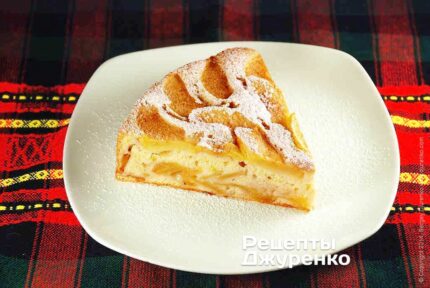
Here, the most popular cake with fresh apples is sharlotka. It's fundamentally different from the apple pie popular around the world. The filling changes with taste and preference, and that's normal and widely accepted. Whatever you bake it with, it's important that it's light and almost airy. The batter shouldn't play the leading role; it's more of a “case” for the tasty fruit filling.
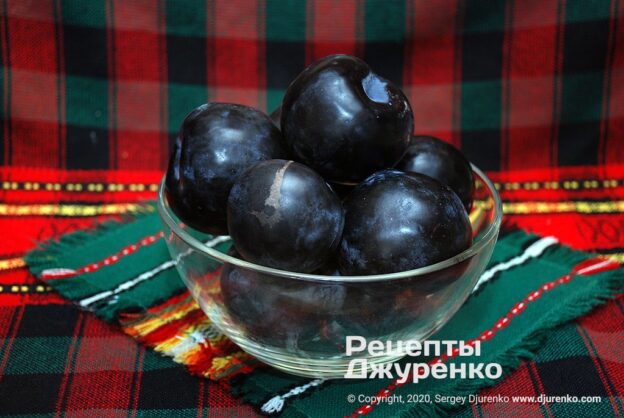
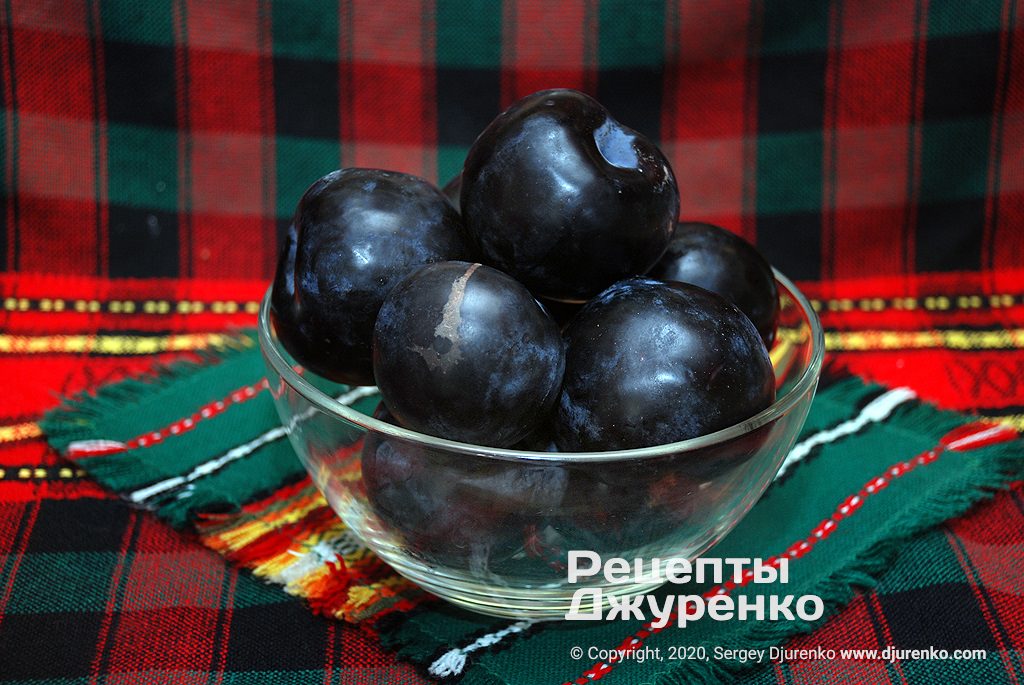
Ideally, you want large, juicy plums with pits that come away easily. It's extremely important that they aren't overripe, or the cake will simply turn runny. The well-known Italian prune plum variety works well for the filling.
Making a light sponge cake with a ripe plum filling doesn't take much time or special skills. The runny batter is made by simply mixing eggs and sugar with flour. It's worth adding flavorings to mask the taste and smell of the egg yolks. And to make the cake fluffier and keep it from sinking, use store-bought baking powder. The plum halves are simply covered with batter and baked.
Ingredients
4-6 servings
- Large ripe plums 1 kg
- Eggs 8
- Sugar 1½-2 cups
- Flour 2 cups
- Vanilla, lemon zest, baking powder, powdered sugar, vegetable oil to taste
Step-by-step recipe
- It's very important that the plum sharlotka doesn't turn runny: the fruit should be ripe and firm, reasonably juicy, but not leaking juice when pressed lightly. Wash and dry the plums. If there's a bluish bloom on the skin, wash it off, it's easy. Cut the plums with a small knife and remove the pits. Put the plum halves in a bowl.
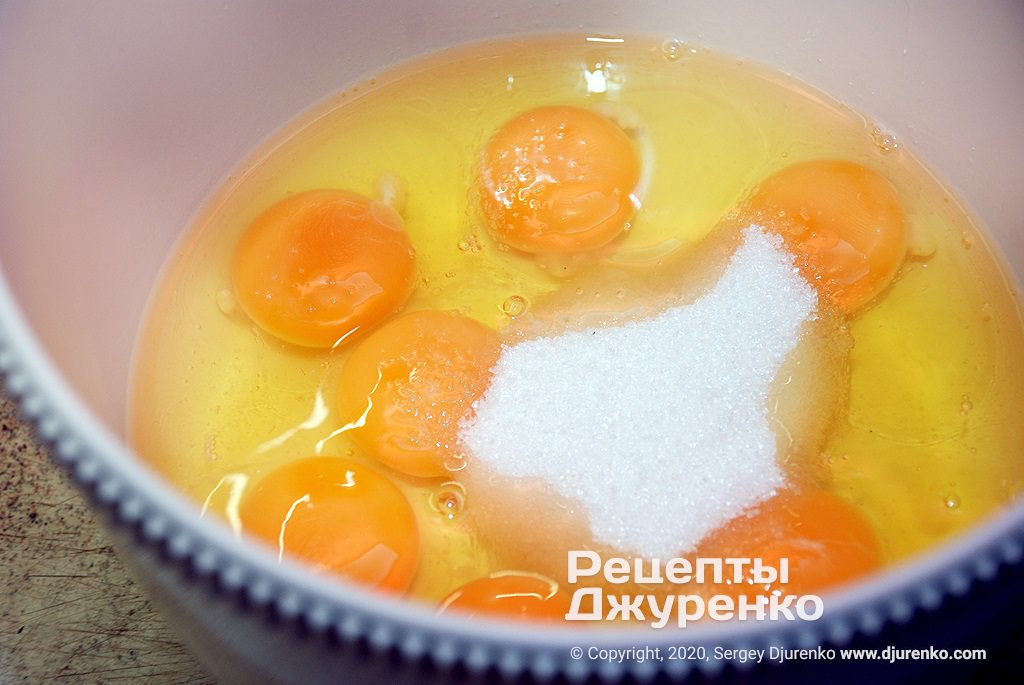
- To make the sponge batter you'll need a mixer; it makes combining the ingredients easy. Carefully crack the eggs into the mixer bowl. Make sure no bits of shell get in. Add the sugar: we usually use 2 cups of white sugar, but you can use a bit less if you like. Especially if the plums are very sweet.
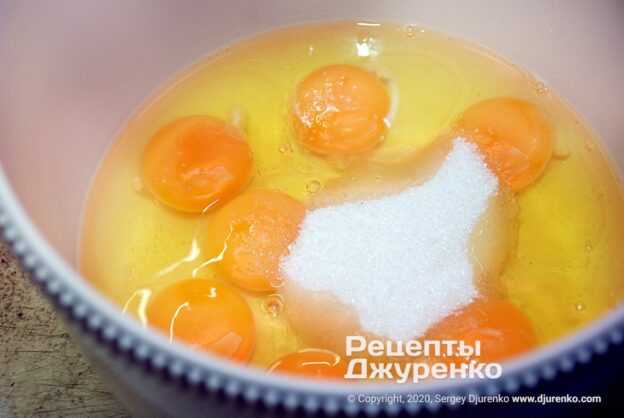
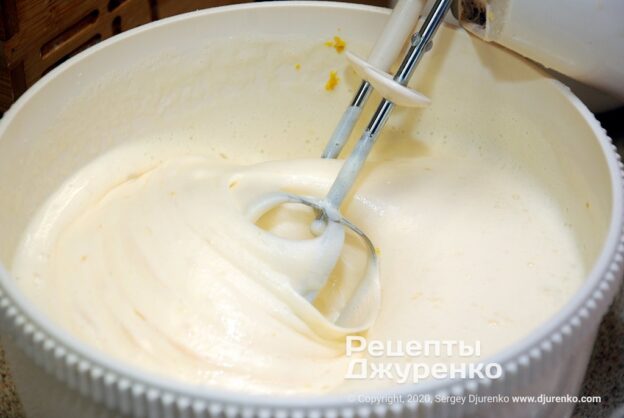
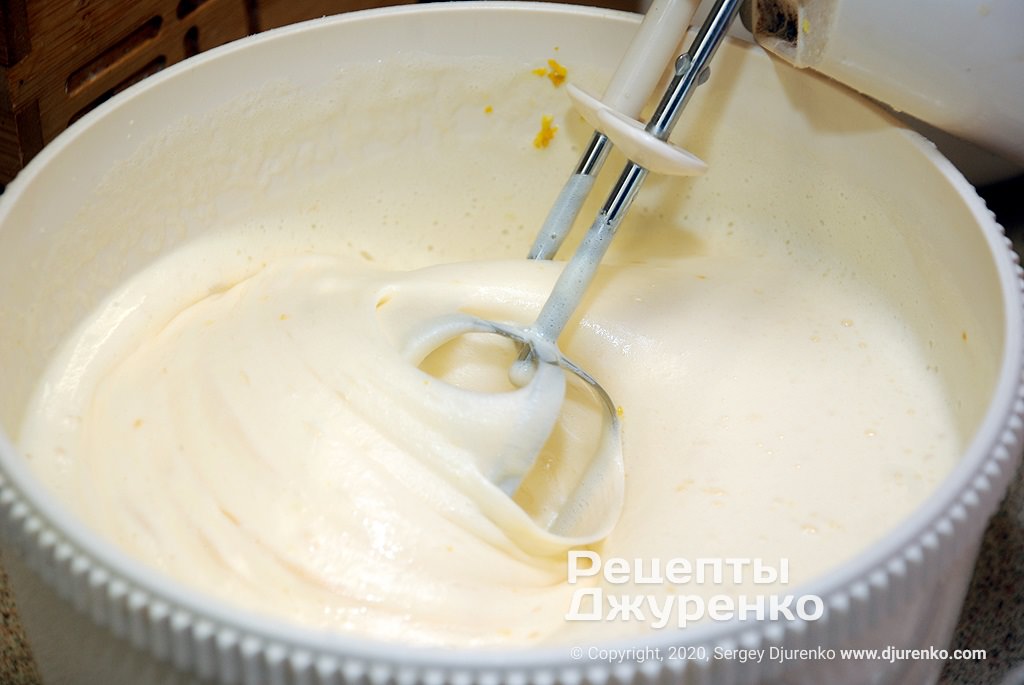
- Add a little vanillin or vanilla sugar: it makes the plum sharlotka more fragrant. Beat the eggs and sugar with the mixer for a long time, until they form a fluffy, fairly thick foam. The mixture will grow several times in volume. This is important so the sponge doesn't sink after baking and stays firm. Old cookbooks recommend beating the yolks and whites separately to get this effect, then gradually combining them.
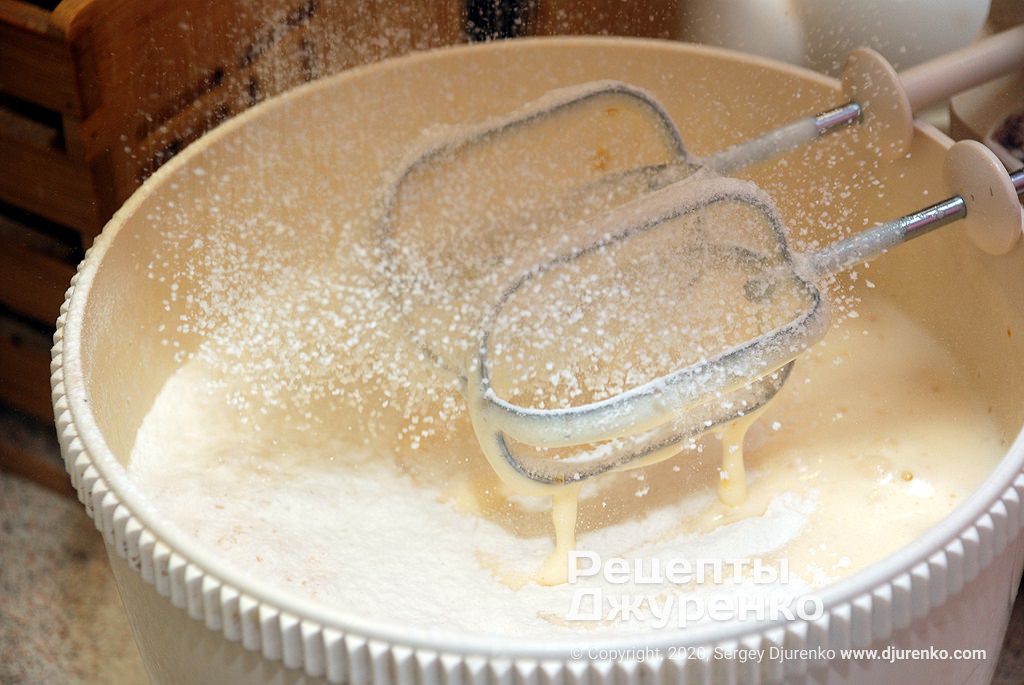
- Sift 2 cups of wheat flour into a bowl. Add store-bought baking powder. Don't use baking powder that has been sitting in an open packet for a while. It loses its strength and can have an unpleasant taste and smell. Don't use baking soda and acid either: it's extremely hard to get the proportions right. Mix the flour and baking powder. With the mixer running, combine the egg foam with the flour. Grate 1-2 tsp lemon zest into the batter and mix.
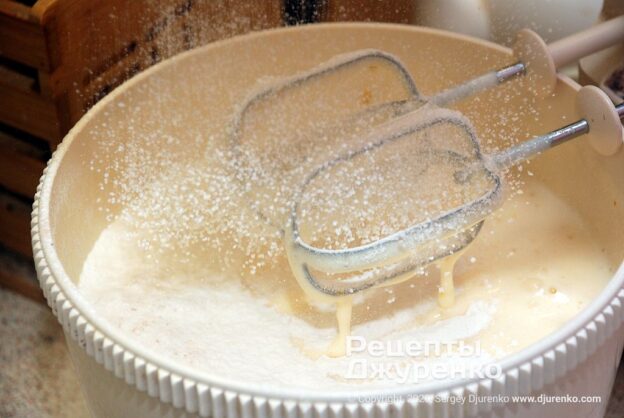
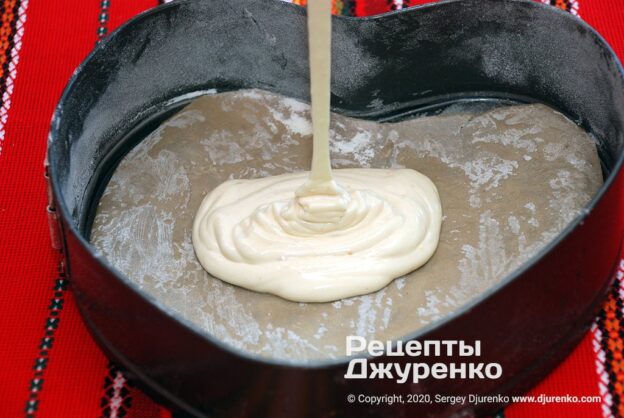
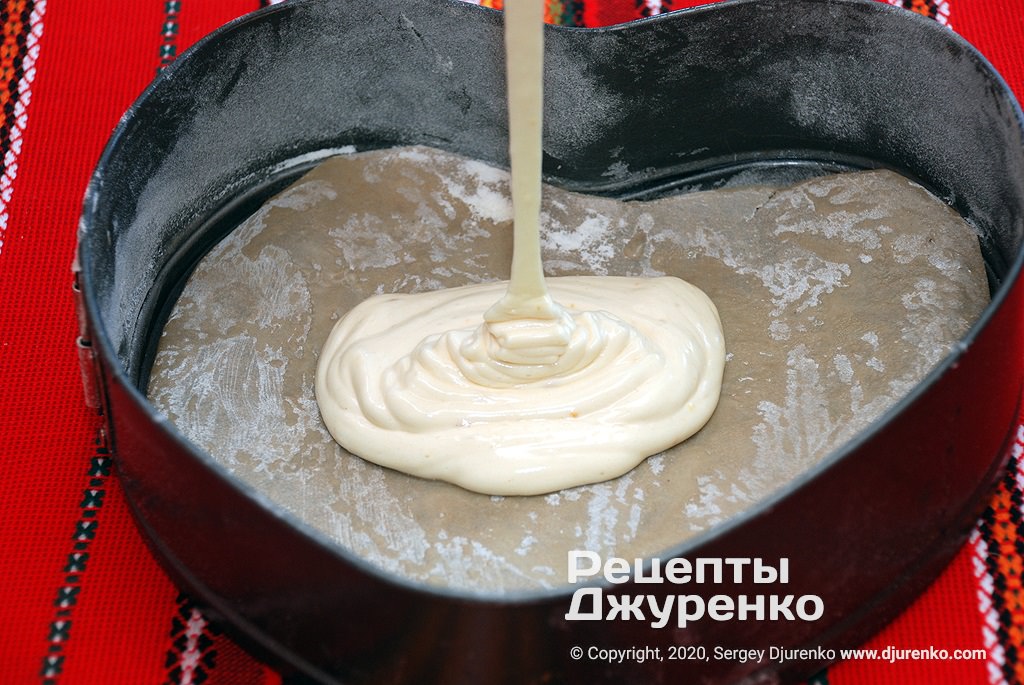
- The batter should be flowing and glossy. When you tip the bowl, it should slowly pour out. Get a baking pan ready, the right size and whatever shape you like. You can grease the pan so the sponge doesn't stick. Or, more conveniently, line the pan with baking paper and brush it with vegetable oil. Pour in about a quarter of the batter.
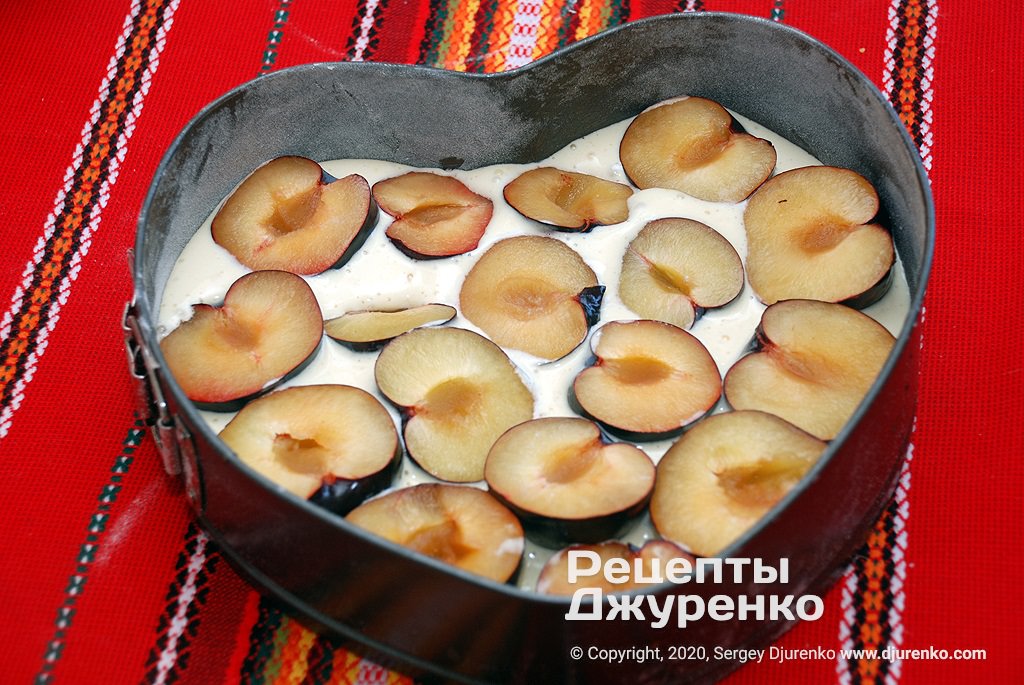
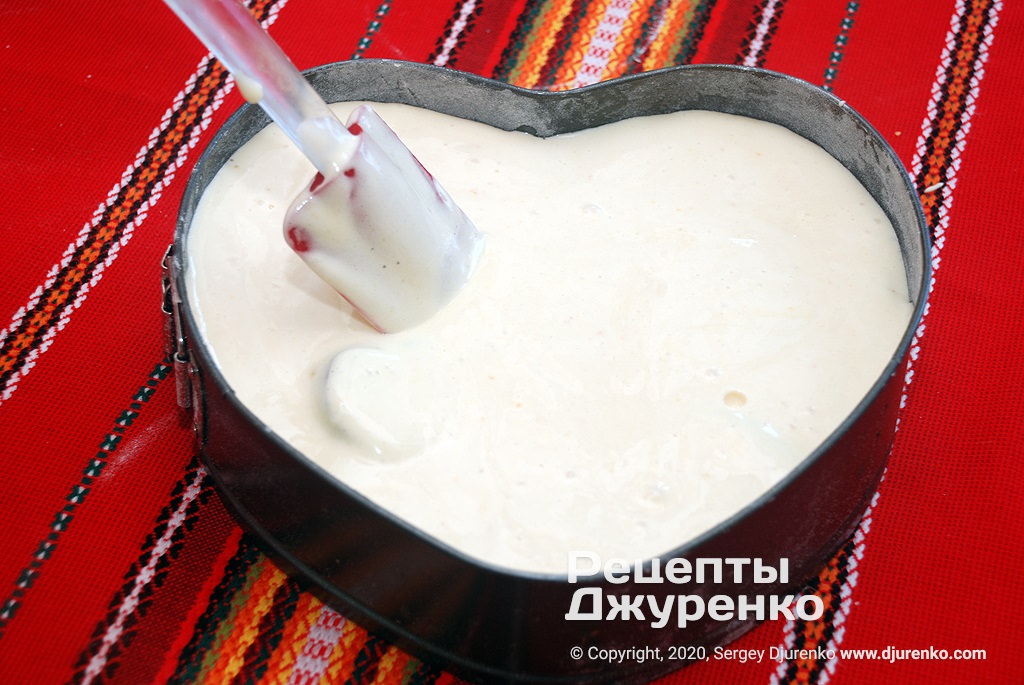
- Lay half the plums on the batter. Arrange the fruit halves cut side up, placing them fairly close together. The plums should be in a single layer. Then carefully pour batter over the plums. Smooth the batter with a spatula so all the fruit is covered.
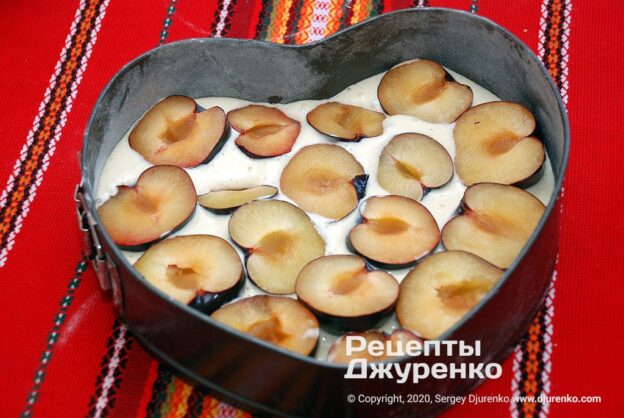
- Lay the second half of the plums over the batter, just like before. Pour the rest of the batter over the plum halves and smooth it with a spatula. In the end, the filling and batter should come up to about a third below the rim of the pan. The sponge rises as it bakes and could spill over. If you did everything right, the plum sharlotka will come out fluffy and tall.
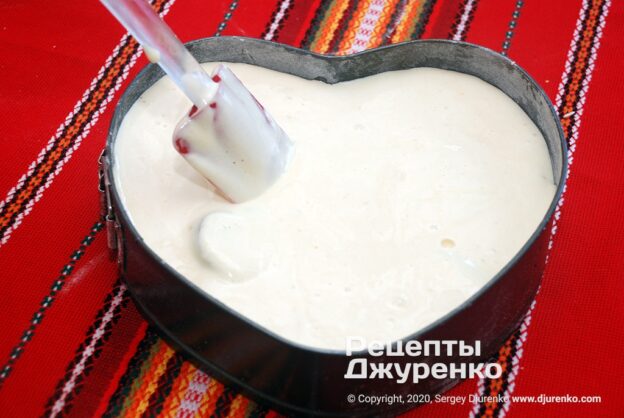
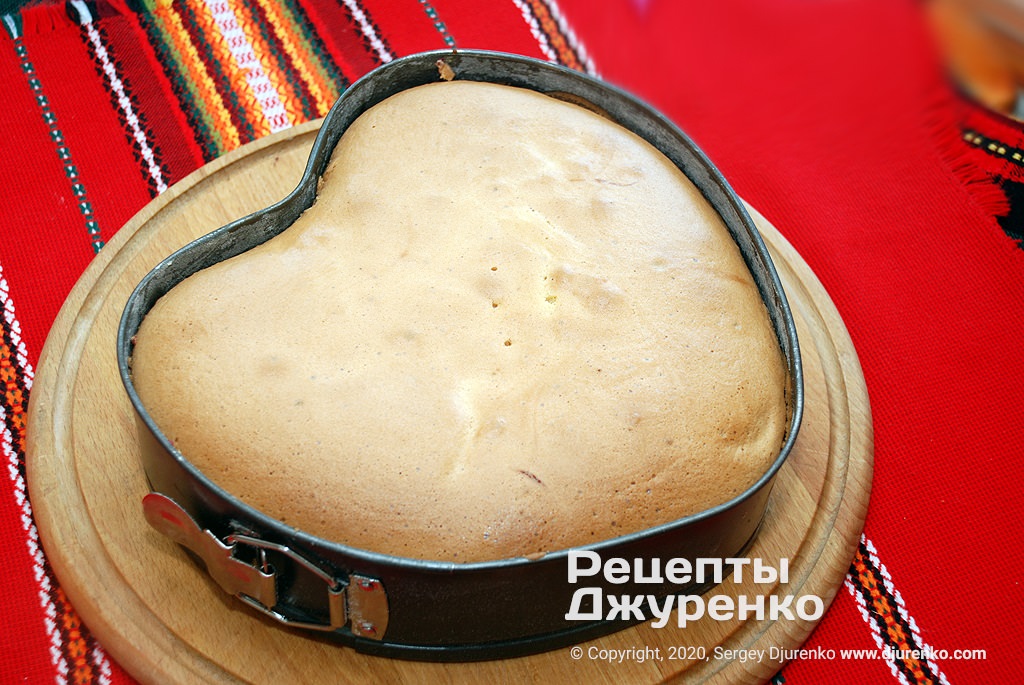
- Preheat the oven to 180°C and put the pan in. Our plum sharlotka bakes for about an hour. Although, depending on your oven, the time may vary. Check it with a wooden toothpick: if batter sticks to the wood, give it more time. Another important point: juicy plums heat up more slowly, and the batter around them may take longer to bake. Keep that in mind too.
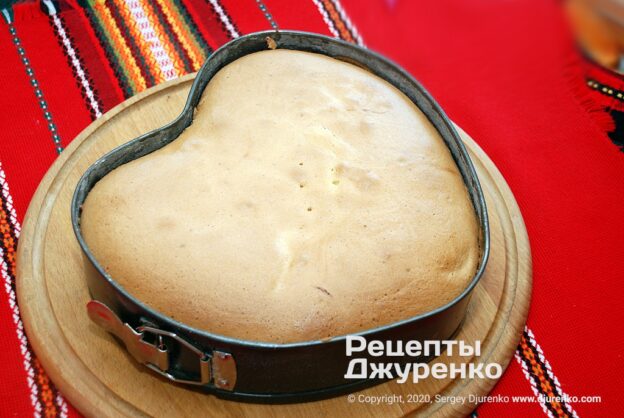
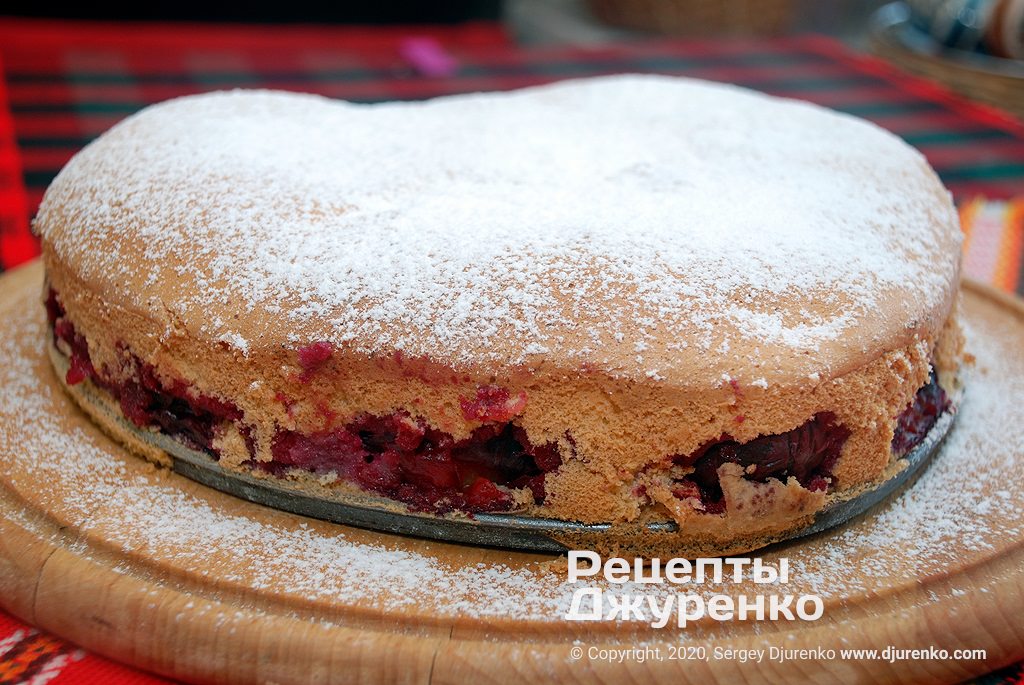
- Take the sharlotka out of the oven and let it cool. Remove the cake from the pan and transfer it to a large flat plate or board. As a rule, we don't decorate this kind of cake. But a dusting of powdered sugar on top is always welcome. It improves both the look and the taste.
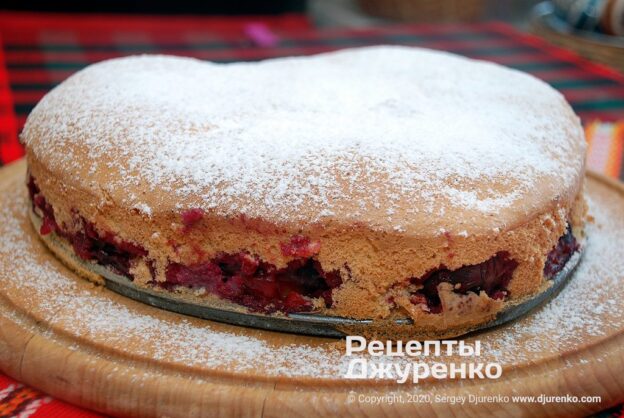
- Serve plum sharlotka slightly warm or cooled, as you like. Don't eat it hot: the plums are very hot and juicy, and you can burn yourself on the juice. This tasty cake is perfect with tea or warm milk.
| Serves: | 4-6 servings |
| Calories: | 200 |
| Prep: | 30 mins |
| Cook: | 1 h |
| Total: | 1 h 30 mins |
| Category: | Baking |
| Cuisine: | European |
| Rating: |
⭐
⭐
⭐
⭐
⭐
4.5
(2)
|