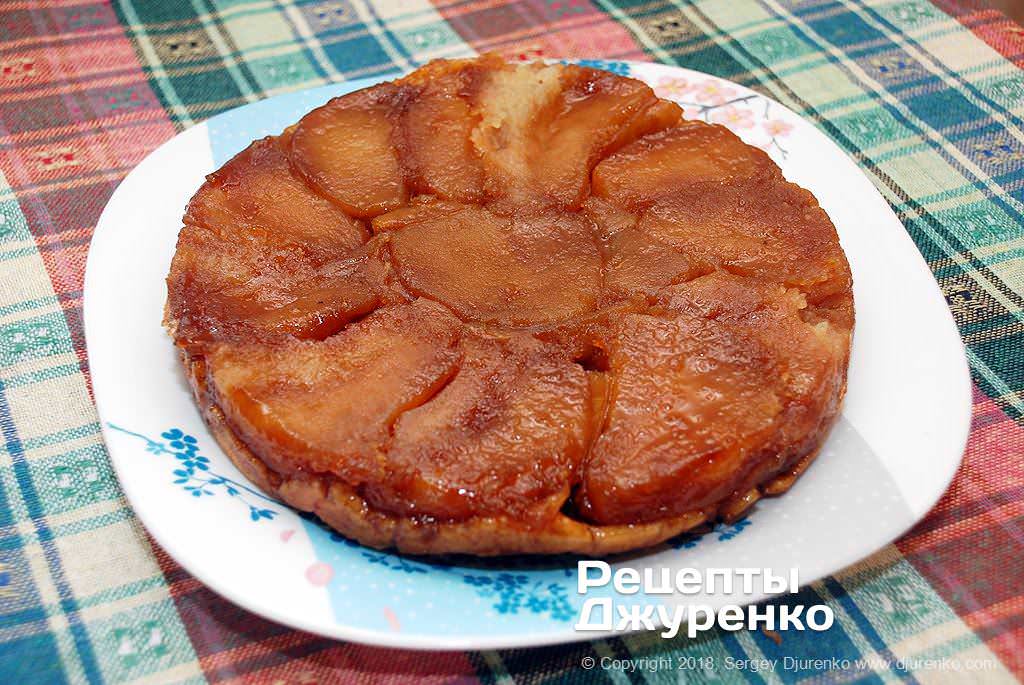
Tarte Tatin: French Apple Tart
Ingredients
4–6 servings
For the filling
- Large firm apples 3–4
- Butter 50 g
- Brown and white sugar, half and half 1 cup
- Lemon zest from half a lemon
- Cinnamon 1 tsp (3 g)
- Salt a pinch
For the pastry
- Wheat flour 1.5 cups (195 g)
- Butter 100 g
- White sugar 1 tbsp (14 g)
- Egg 1 (yolk only)
- Butter for the pan a little
Step-by-step recipe
Apples in caramel
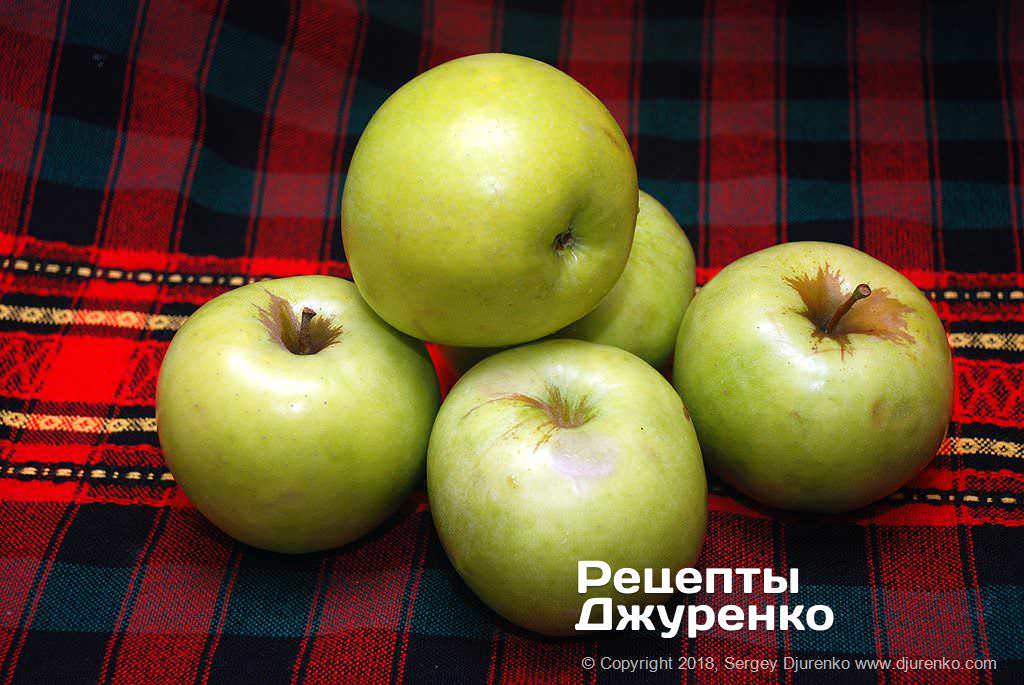
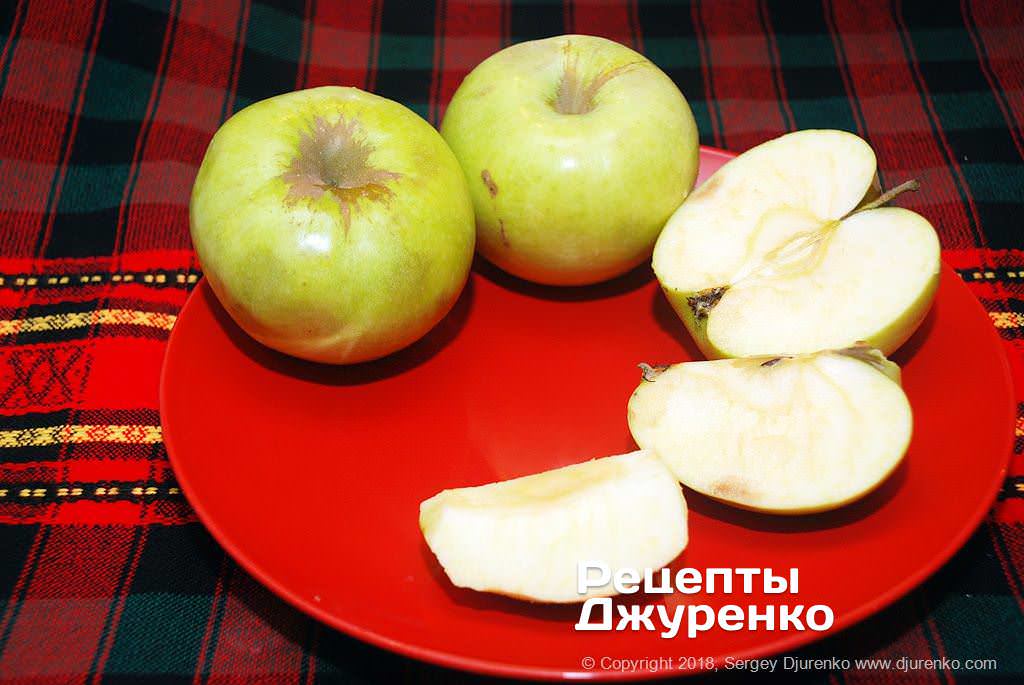
The pastry and filling for tarte Tatin are made at the same time. For the filling you need large apples with firm flesh that won’t turn to mush while cooking. Of the varieties available to us, tart-sweet Renet Simirenko and Granny Smith work well. They’re the most widely available apples here. They’re firm enough and make an excellent filling.
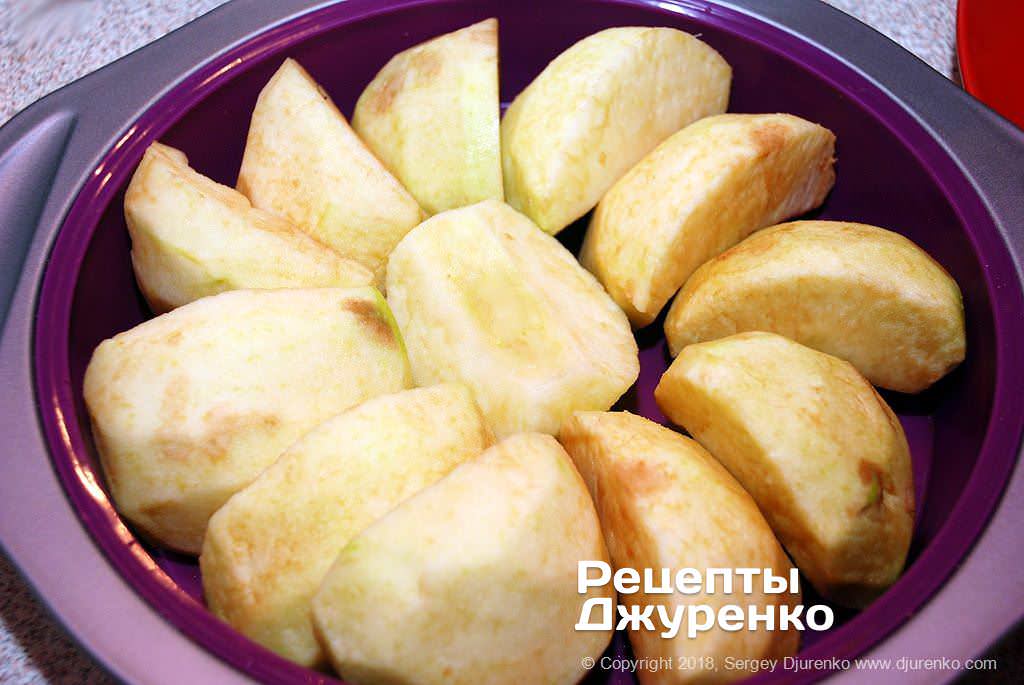
Peel and core the apples.
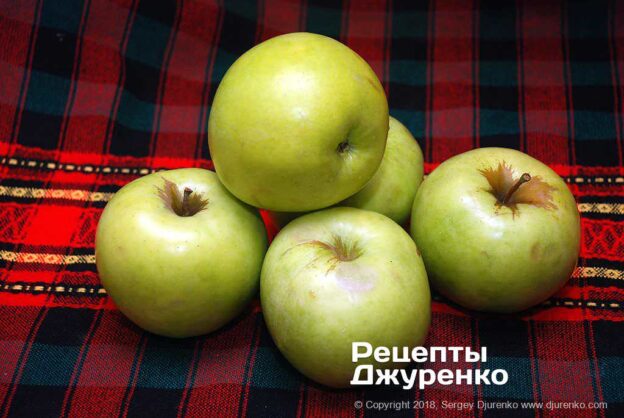
Cut each apple into 4–6 wedges, depending on size.
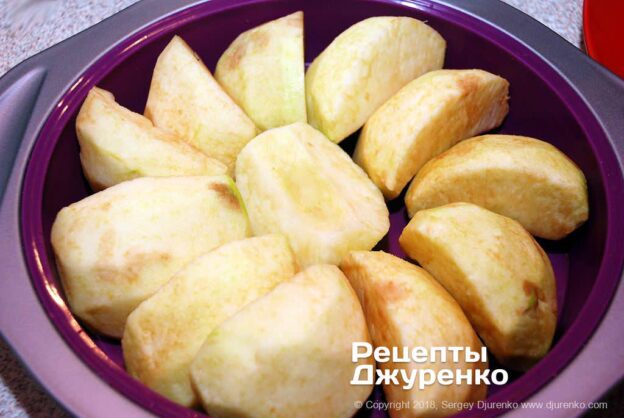
To bake the tart, you’ll need a round pan with high sides. For tarts like this, metal pans similar to quiche pans are usually used. It turned out a silicone mold of the right size works well too.
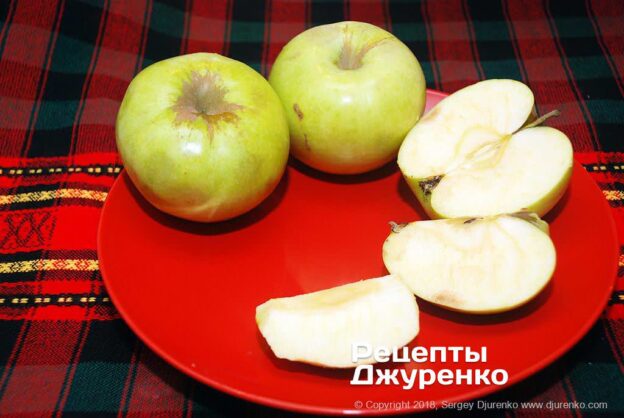
Check how many apple wedges fit in the pan when packed tightly in a single layer. You can eat the rest or save them for individual tartlets. Our 26 cm pan fit the wedges of three apples cut into quarters.
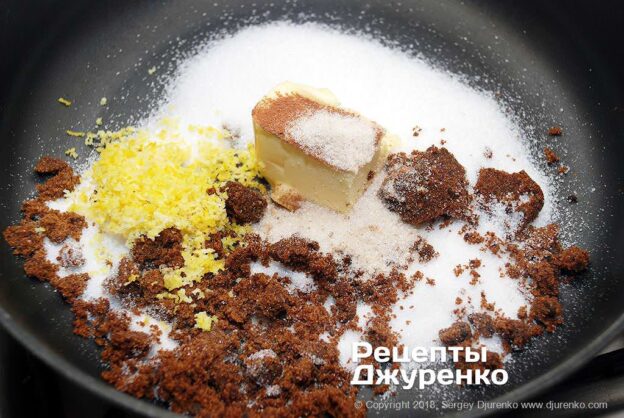
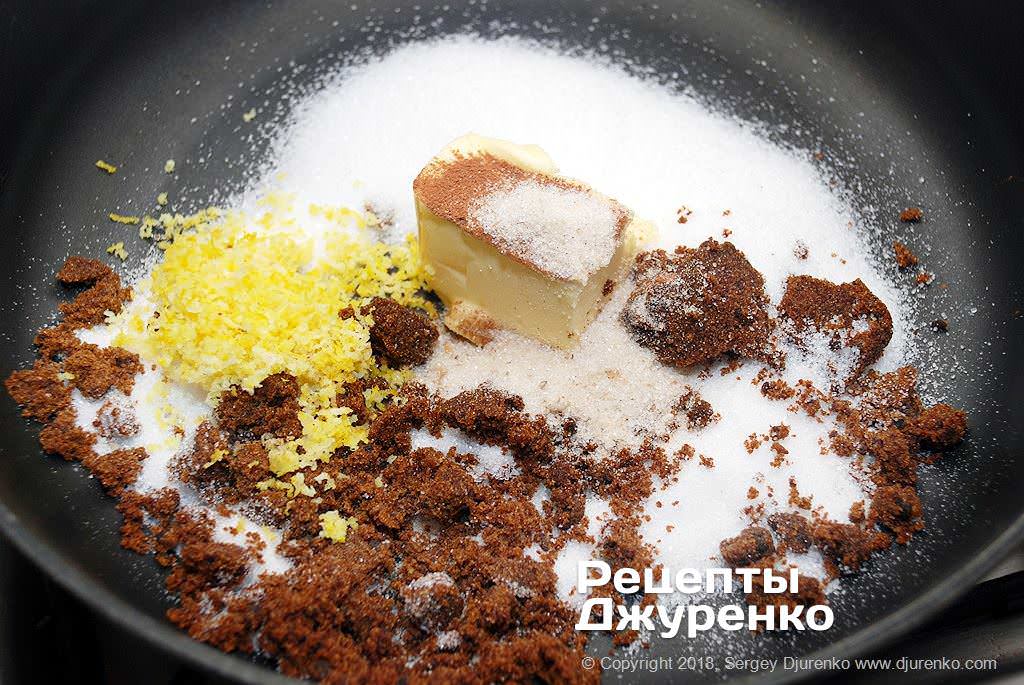
Make the caramel. In a skillet, combine 50 g butter, a cup of sugar (180 g) (half brown, half white), the zest of half a lemon, 1 tsp cinnamon (3 g) and a pinch of salt. Put the skillet over low heat and stir with a wooden spatula. The butter will heat up and blend with the rest, forming a hot liquid caramel. Let the mixture bubble for a bit until the sugar dissolves completely.
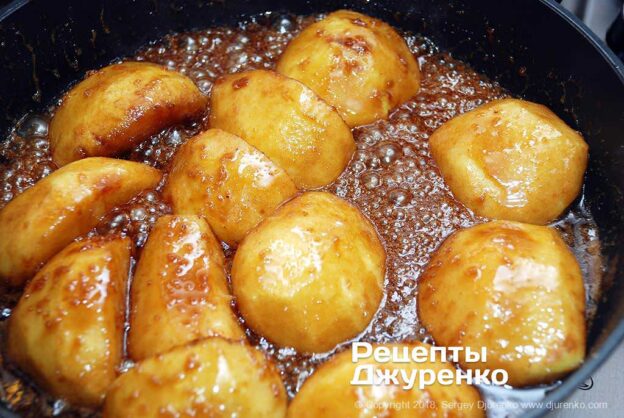
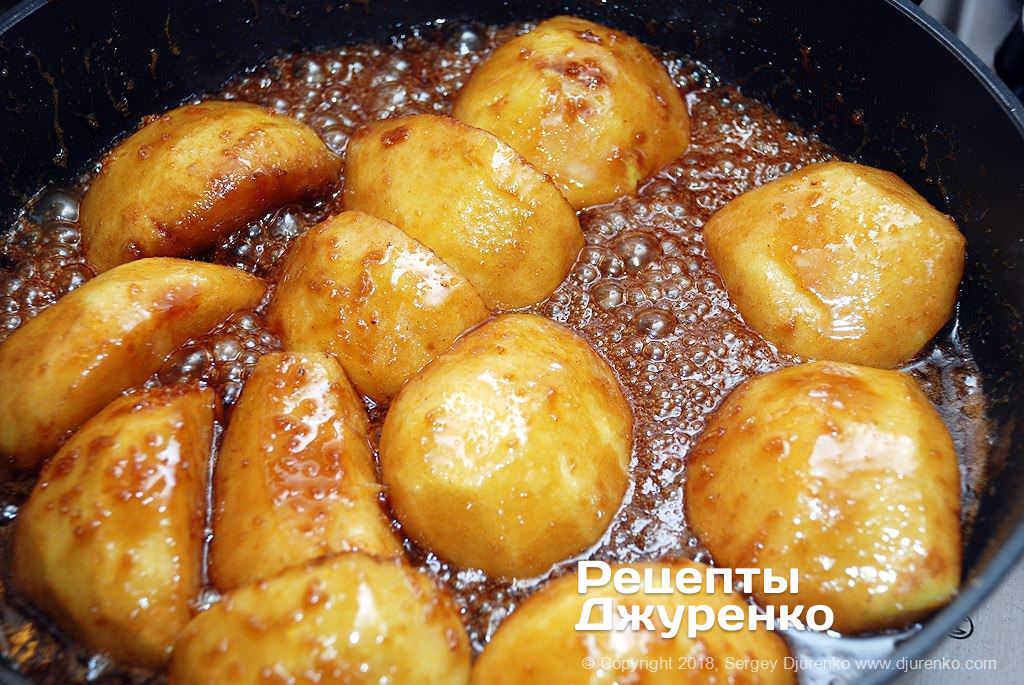
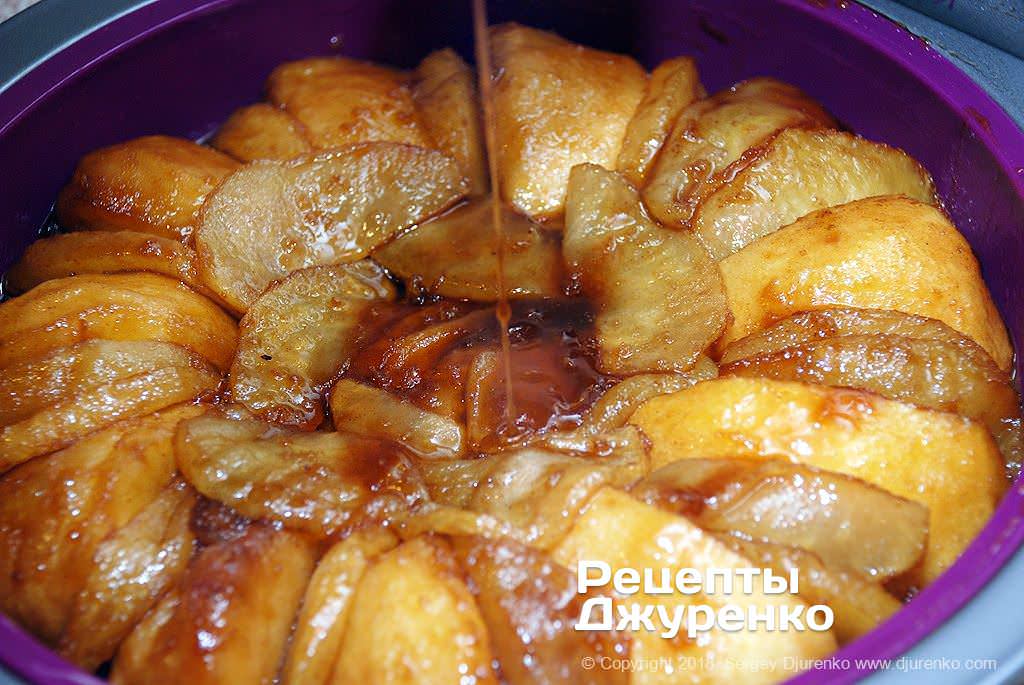
Add the peeled apples to the caramel and cook them over low heat for 20 minutes, turning occasionally with a fork. If the apples are firm, they’ll keep their shape. The apples for the filling are ready when a knife goes through them easily, without effort.
By the way, the caramel is very hot, so be careful.
Shortcrust pastry
Tarte Tatin is baked with shortcrust pastry, which is quick and easy to make. No water or milk, and a minimum of sugar.
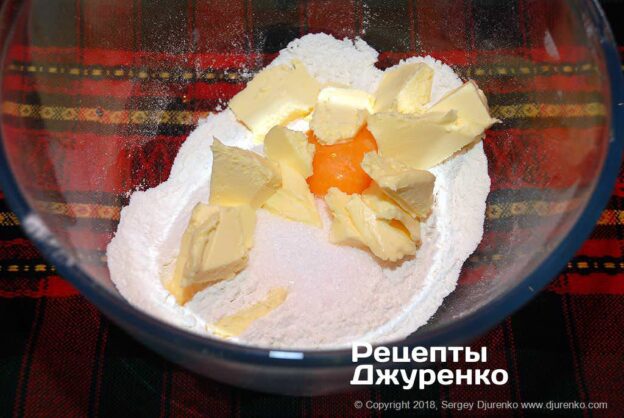
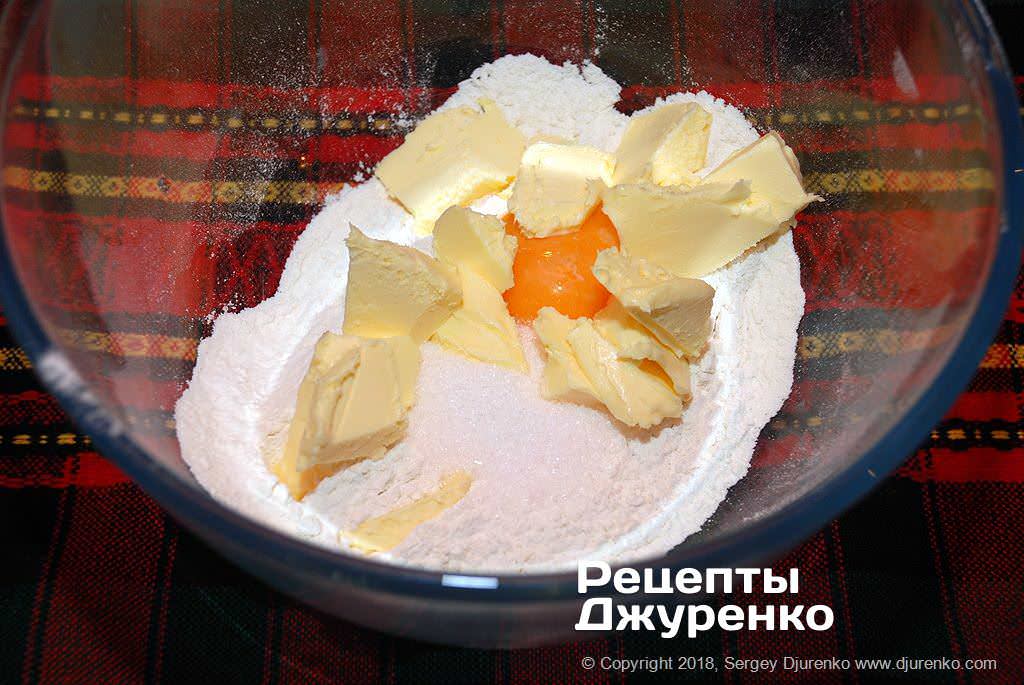
Separate the egg yolk from the white. Put the sifted flour in a bowl, add 1 tbsp sugar (14 g) and the egg yolk. Add 100 g softened butter; don’t heat it, just take it out of the fridge ahead of time and leave it at room temperature.
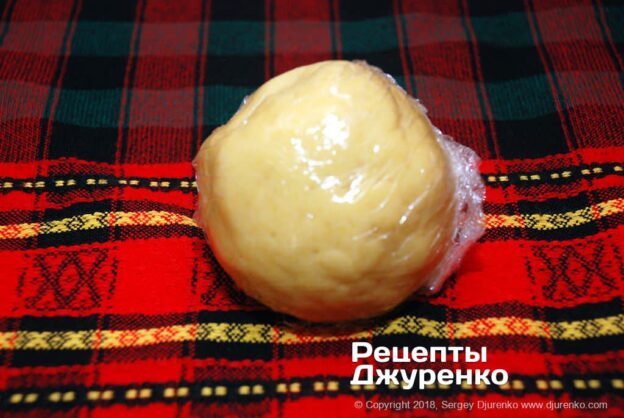
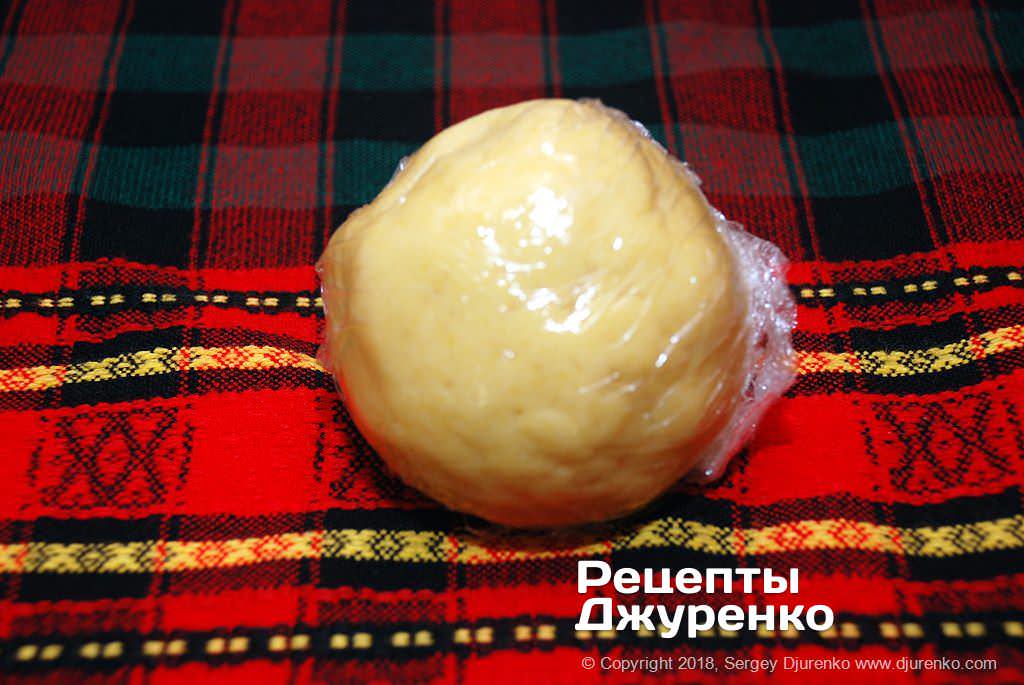
Make the pastry. Mash everything thoroughly with a fork into a loose, dry mixture. Knead it with your hands, pressing it together until it’s as smooth as possible. Gradually the crumbs will disappear and the shortcrust will come together. Don’t knead too long, as the warmth of your hands will melt the butter. Roll the pastry into a ball and wrap it in plastic wrap. No need to chill it.
Assembling and baking
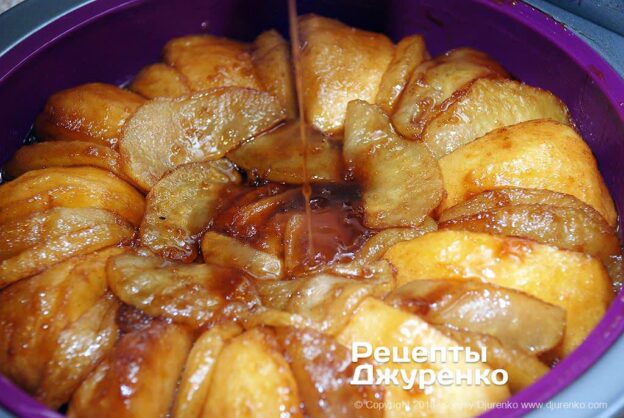
Grease your chosen pan with a little butter. Lay in the caramelized apple wedges as planned. It’s best to arrange them in a circle, packed tightly along the side, then fill the middle with the rest. That way all the apples sit evenly in a single layer across the whole pan. Pour all the remaining caramel over the apples.
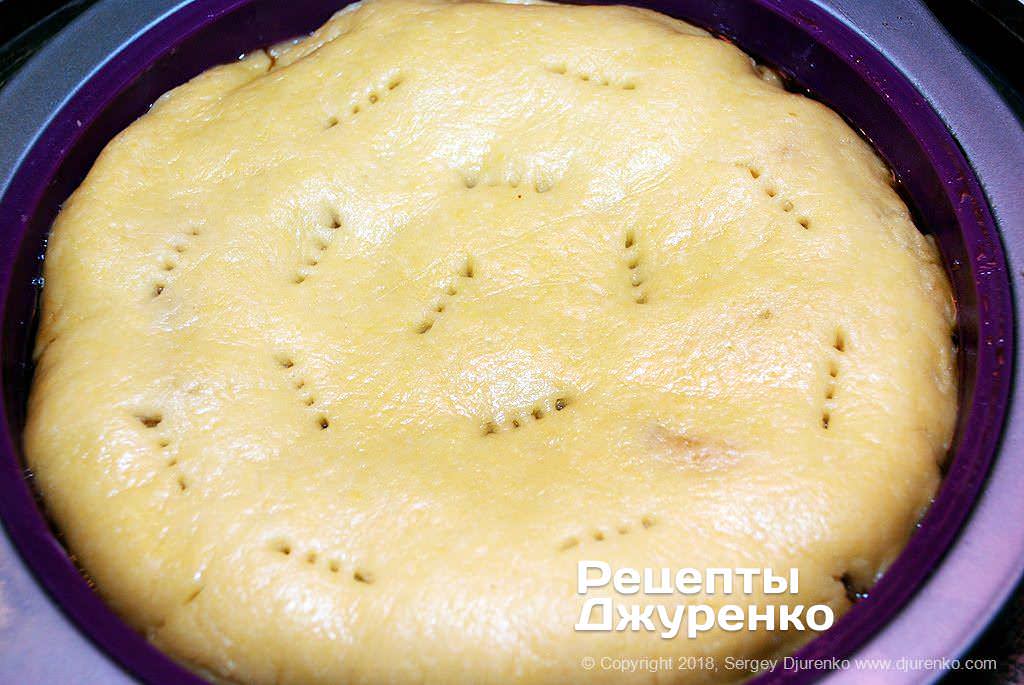
Roll the pastry into a circle just slightly larger than the pan, by 2–3 cm. By the way, it’s better to pat it out with your palms on a floured table than to use a rolling pin. Cover the apples with the pastry and tuck the edge inside the pan, so the pastry sits between the apples and the side about halfway down. Prick the pastry with a fork so steam doesn’t warp it during baking.
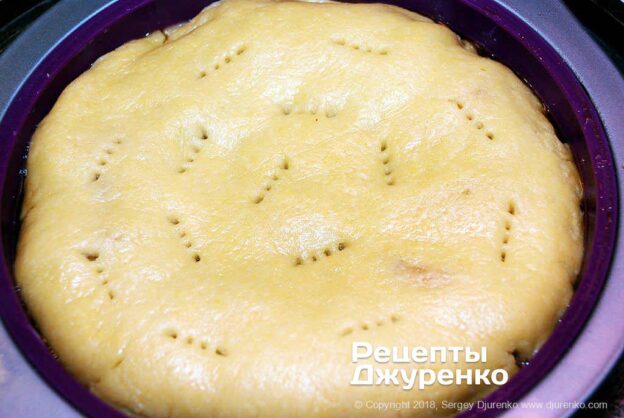
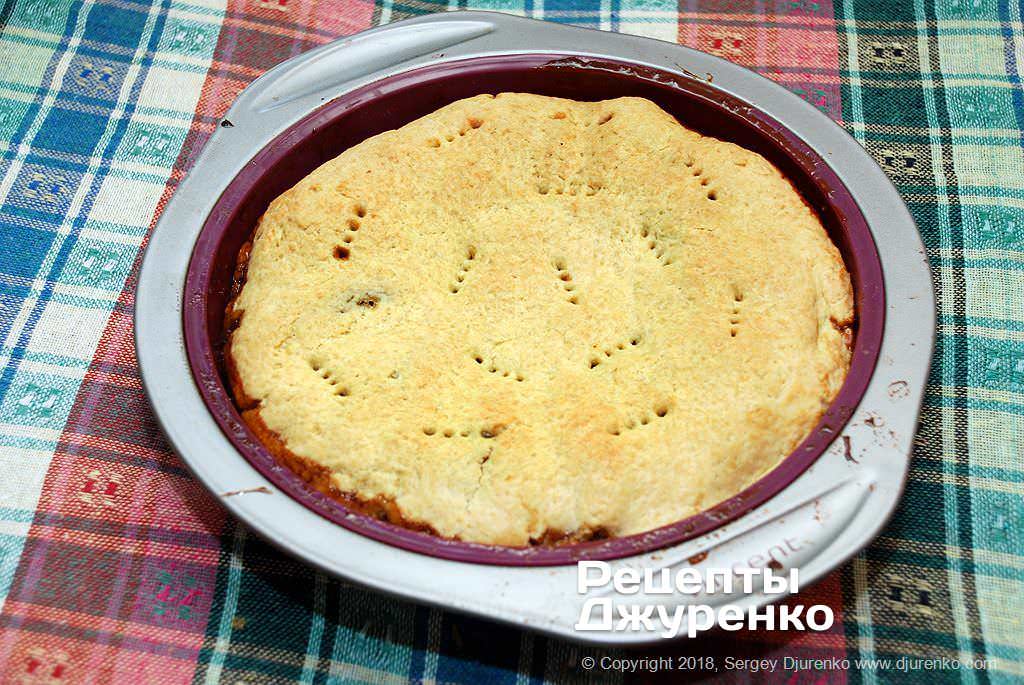
Put the pan in an oven preheated to 190–200°C. The tart usually bakes for over 30 minutes. Go by the pastry covering the filling: once it starts to brown slightly, the tart is definitely done. Take the pan out of the oven and let the tart cool a little.
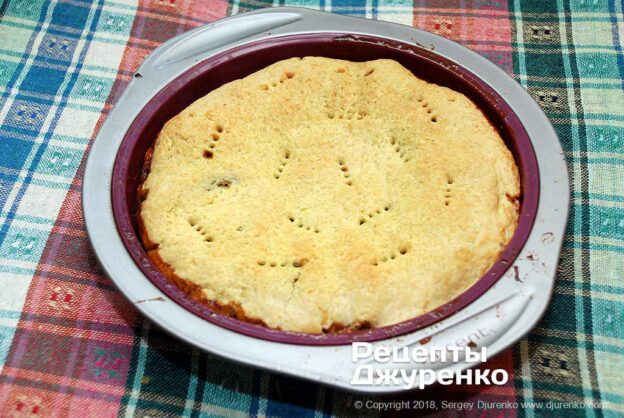
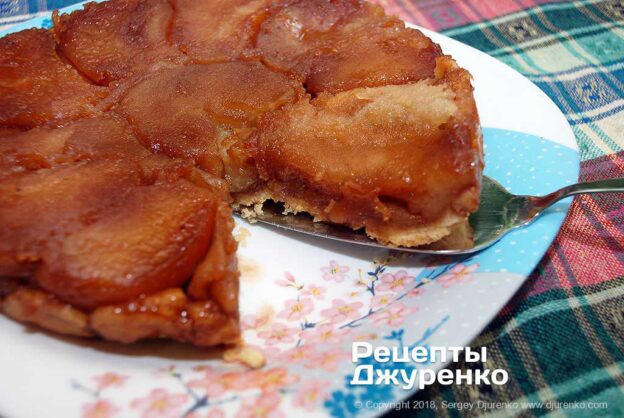
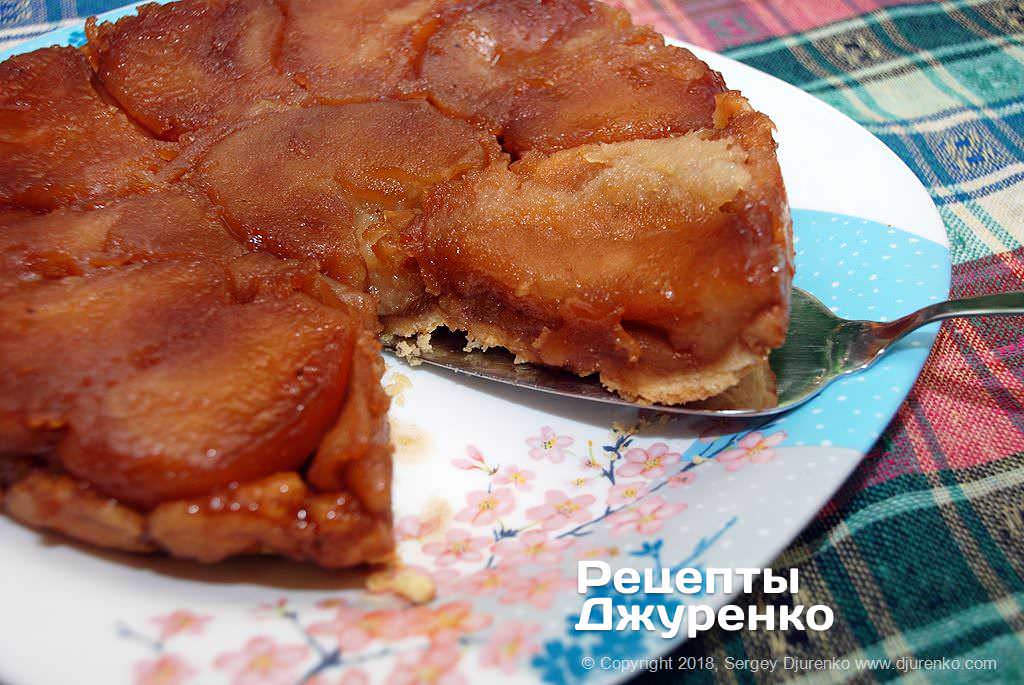
Turn the tart out onto a large plate: cover the pan with a plate and flip it over. The tart will drop out of the pan onto the plate. The filling most likely contains liquid caramel, which runs and can burn you. If a little liquid runs out, that’s normal.
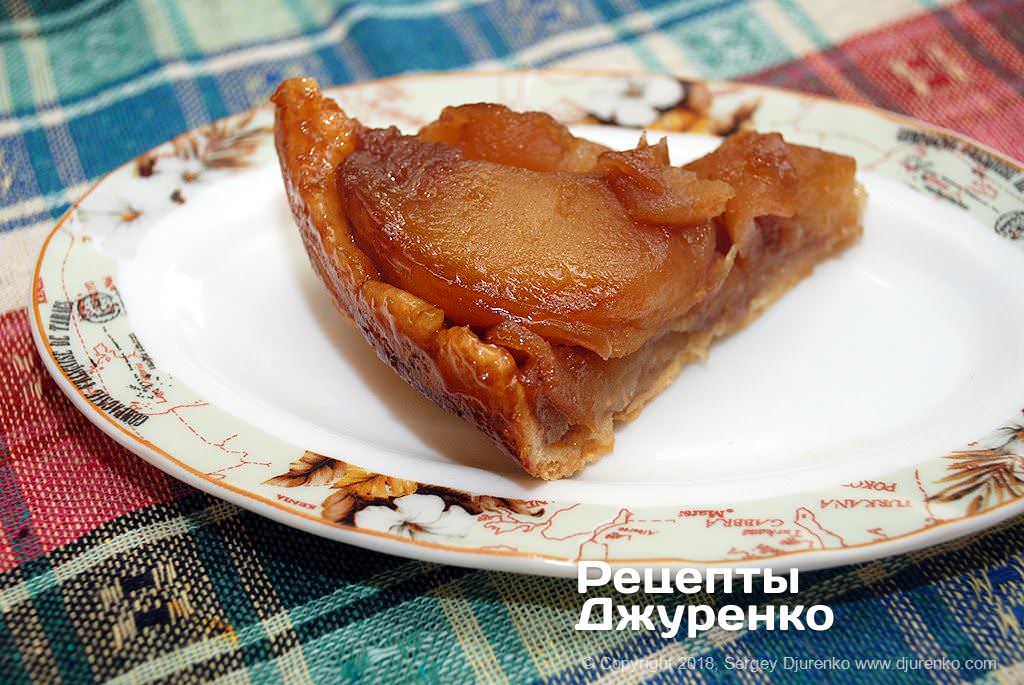
The finished tart looks like a quiche or a small pizza with a thick layer of deep amber apple filling.
Serving
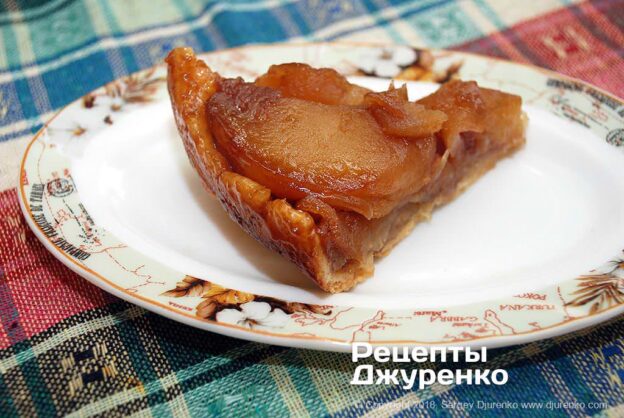
Carefully, without pressing, cut the tart into as many pieces as you like. It’s best to use the tip of a knife, so the shortcrust crumbles and breaks less. Put the pieces on dessert plates. If you like, serve the apple tart with whipped cream or custard. Once cooled, the tart goes wonderfully with homemade ice cream.
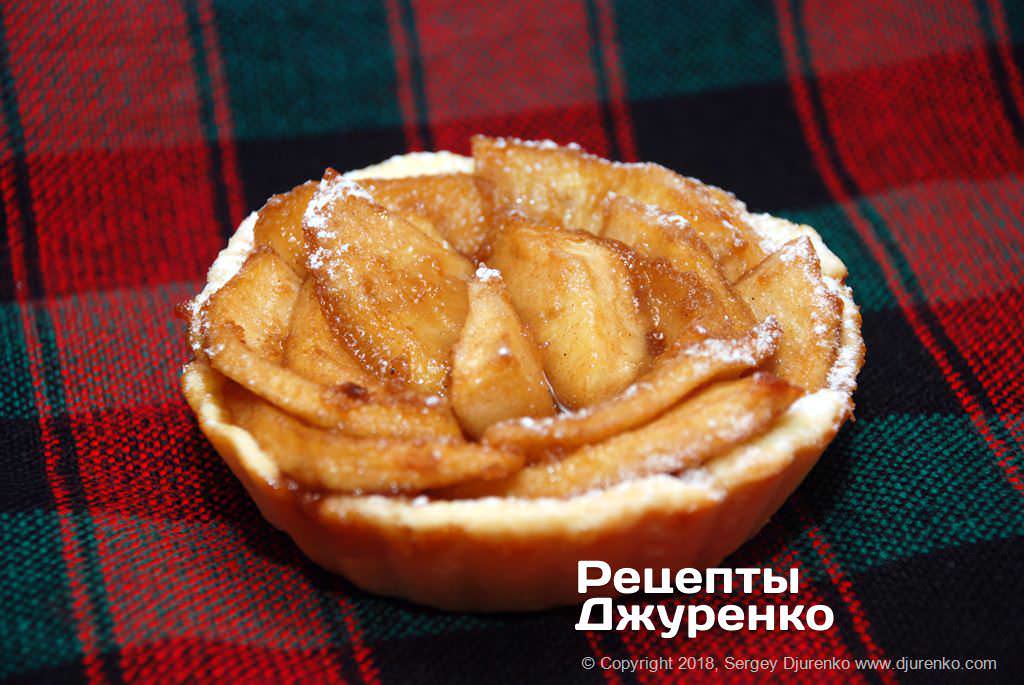
If you like, you can make mini tartlets with caramelized apples on the same principle. Or, to make it easier, make them the right way up: blind-bake shortcrust shells until half done, fill them with the caramel apples and bake until done. It’s very tasty dusted with powdered sugar just before serving.
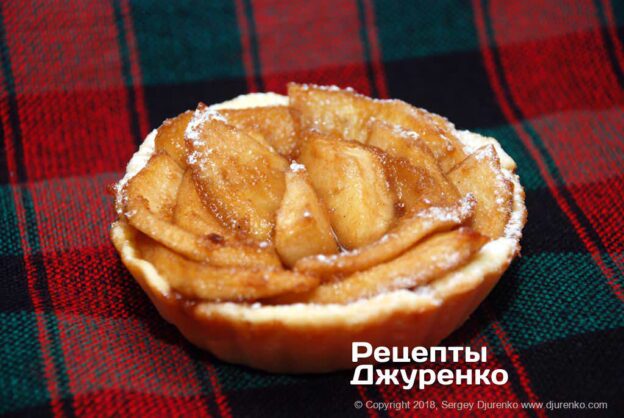
Tarte Tatin can be served warm or cooled, as you like. With tea or cappuccino, or just with milk, it’s simply unbeatable. If you like, you can easily swap the apples for plums, pears or quince. Keep in mind that softer, juicier fruit bakes and caramelizes faster.
Calories and macros
760 kcal
Serving ≈ 300 g
- Protein8 g4% of kcal
- Fat32 g39% of kcal
- Carbs106 g57% of kcal
100 g251 kcalProtein 2.5 gFat 10.7 gCarbs 34.9 g
Calculated from the recipe ingredients, excluding salt and spices. Data: USDA and Matvaretabellen.
How did you like this recipe?
To Get It Right
Which apples to use
Firm tart-sweet or sour apples: Simirenko, Granny Smith; readers also recommend Antonovka. Soft sweet apples will cook down to mush in the caramel, and the tart will be cloying.
If the pastry falls apart
The shortcrust is crumbly by nature: don’t roll it with a pin, pat it out with your palms right on a floured table. If it won’t come together into a ball, readers add 1–2 tbsp cold water. If the warmth of your hands has melted it, chill the pastry briefly in the fridge.
If it’s too sweet
Some find there’s too much caramel: you can use less sugar, say half a cup, and the sourest apples.
Spices
Besides cinnamon and lemon zest, you can add 3 cloves and a star anise to the caramel, as readers do.
Have your own trick for this recipe?
Questions and answers
What is tarte Tatin?
A French upside-down apple tart. The apples are caramelized in sugar and butter, covered with shortcrust and baked, then flipped before serving so the apples end up on top. It’s thought to be a traditional bake of the Sologne region in central France, named after the Tatin sisters.
Why is tarte Tatin called an upside-down tart?
It’s baked inside out: filling at the bottom, pastry on top. After baking, the pan is covered with a plate and flipped, so the pastry becomes the base and the caramel apples the top.
What’s the difference between a cake and a tart?
A tart is an open pie on shortcrust or pâte brisée, made without salt and sugar or with very little of them; the filling is the star. A cake is usually built from several layers with cream.
What pastry do you need for tarte Tatin?
Shortcrust, pâte brisée or any soft, crumbly pastry. The shortcrust in this recipe takes a few minutes: flour, butter, an egg yolk and a spoon of sugar, no water or milk. Store-bought puff pastry works too.
Can you make tarte Tatin in a skillet?
Yes, if the skillet has no plastic handle and fits in the oven: caramelize the apples right in it, cover with pastry and bake. In this recipe the caramel apples go into a separate high-sided pan, and a silicone mold turned out to work well too.