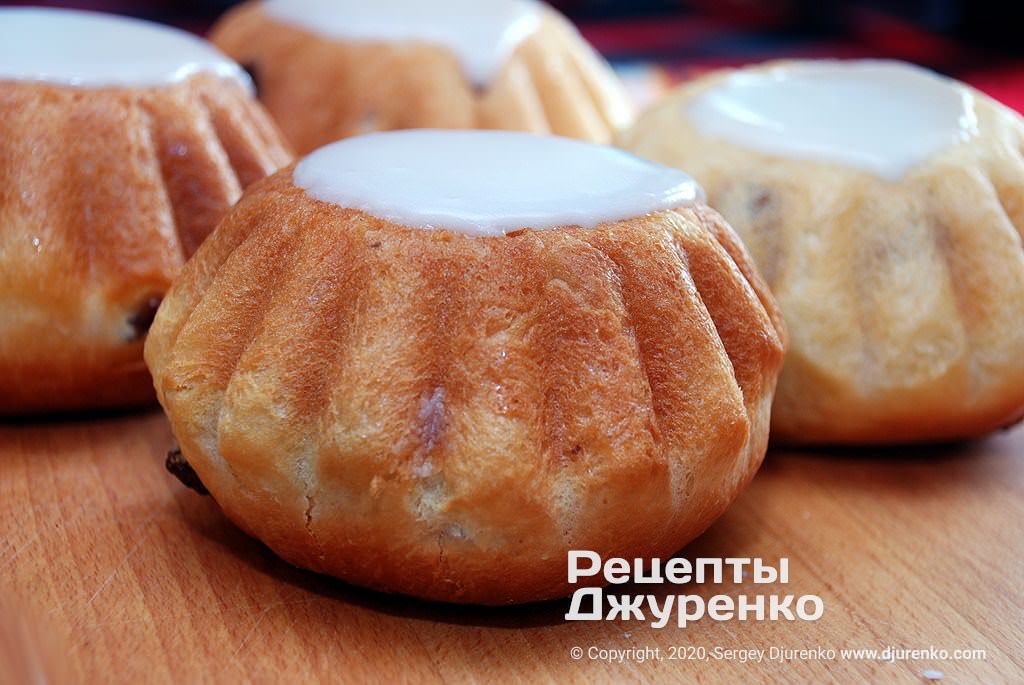
Rum Baba Recipe with Syrup Soak and Fondant Icing
One of the tastiest and most affordable treats of my childhood was the rum baba: a round, rich yeast bun soaked in sugar syrup with rum flavouring and topped with a thick cap of sugar fondant. Every school canteen had them, and they sold fast. To be honest, when my daughter and I decided to bake them, we realised we had never actually eaten a really good rum baba, despite how simple they are.
It is usually considered a Slavic pastry. In Polish cuisine there is a ceremonial bread called baba, although some sources say it is a variety of kugelhopf, the traditional festive bread of Austria and Germany. By and large, the dough and baking principles differ little from most enriched breads. A similar dough is used for panettone, and even for poppy seed or cinnamon buns. The rum soak is hardly typical of Slavic cuisines. Originally the soak was made with sweet wines and syrups, and only in the 18th century did the French replace them with rum, and then claim the dessert as their own.
The dough is enriched with butter, eggs, sugar, raisins and candied fruit. It is a simple dough made with fresh yeast. It makes perfectly good plain cakes that barely crumble. The dough must be kneaded very thoroughly and left to rise several times. The last rise happens right in the baking mold, where it grows three or even four times in volume. The baba bakes quickly and browns well.
As a rule, a finished baba weighs at least 100 g. We bake ours in metal cake molds shaped like a truncated cone with fluted or wavy sides. The top edge is 14-15 cm in diameter and the bottom is 6-7 cm.
The base is an ordinary yeast dough: flour, water and eggs. It rises on a sponge made with fresh yeast, and then the enrichments go in: sugar, butter and eggs. The result is a soft, fluffy baba that soaks up sweet liquid wonderfully, and that matters. The soak is most often water with sugar and rum flavouring. Real rum is used less often, since children love this dessert. Sugar fondant, or often chocolate or a more complex glaze, is an essential finishing touch.
More with eggs
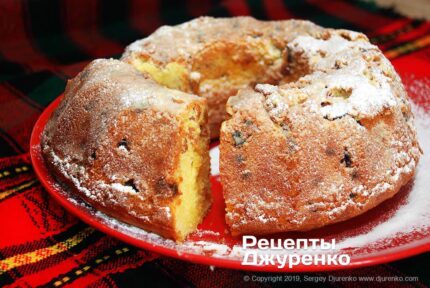 Raisin CakeHomemade raisin cake: a quick butter sponge batter with soaked raisins and orange zest, baked in a tube pan and dusted with powdered sugar. Perfect with tea.
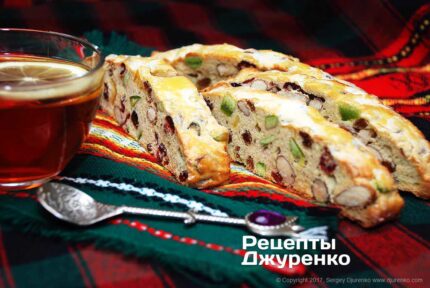 Biscotti: Italian Dry CookiesClassic Italian biscotti with almonds, hazelnuts and candied fruit: no fat, no leavening, twice-baked until crisp. Step-by-step recipe with photos.
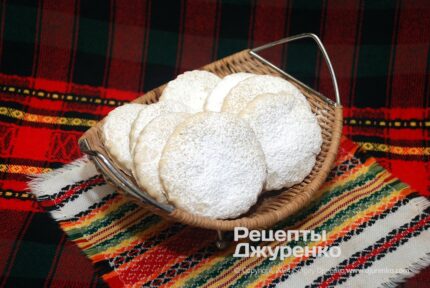 Milk CookiesSimple homemade milk cookies with butter, egg and flour. Crumbly or soft inside, with a fresh milk aroma and optional apple jam. Perfect with tea.
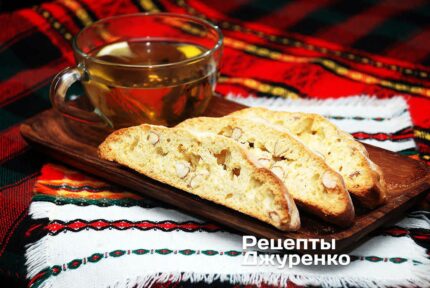 Cantucci with AlmondsTraditional Tuscan cantucci: dry twice-baked almond cookies with orange and lemon zest and Cointreau. Step-by-step recipe with photos.
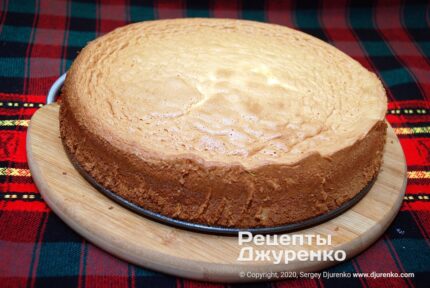 Sponge Cake Dough for Cake LayersSimple sponge cake dough with eggs, sugar and flour: step-by-step recipe, tips for a tall, airy sponge and how to cut it into cake layers.
Ingredients
8 pieces
Step-by-step recipe
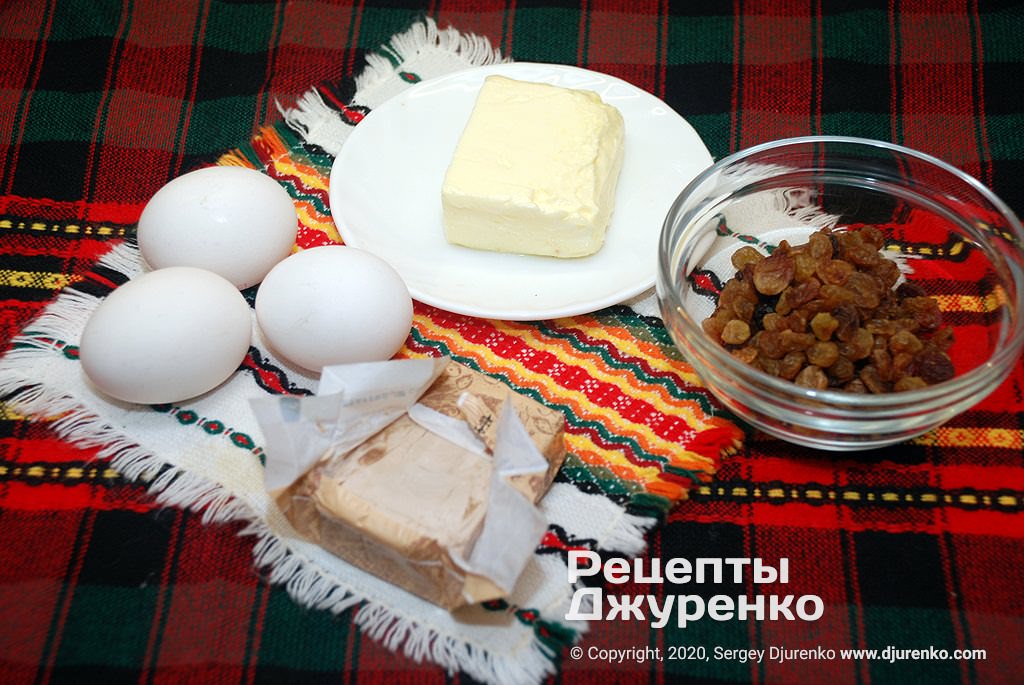
- As it turns out, homemade rum baba is not difficult. Making the rich yeast dough takes most of the time. Take the eggs and butter out of the fridge in advance, as they should be at room temperature. Seedless raisins need to be soaked: put them in a cup and cover with dark or light rum. If the dessert is for children, skip the alcohol and soak the raisins in plain warm water.
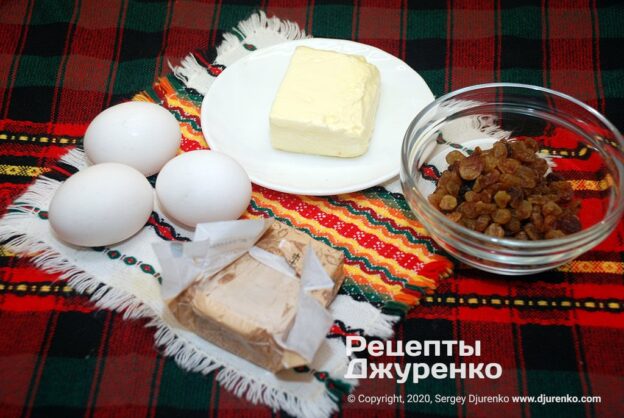
- Making the sponge for the yeast dough
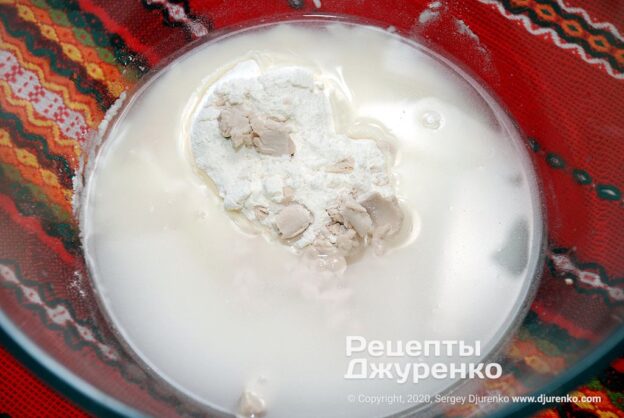
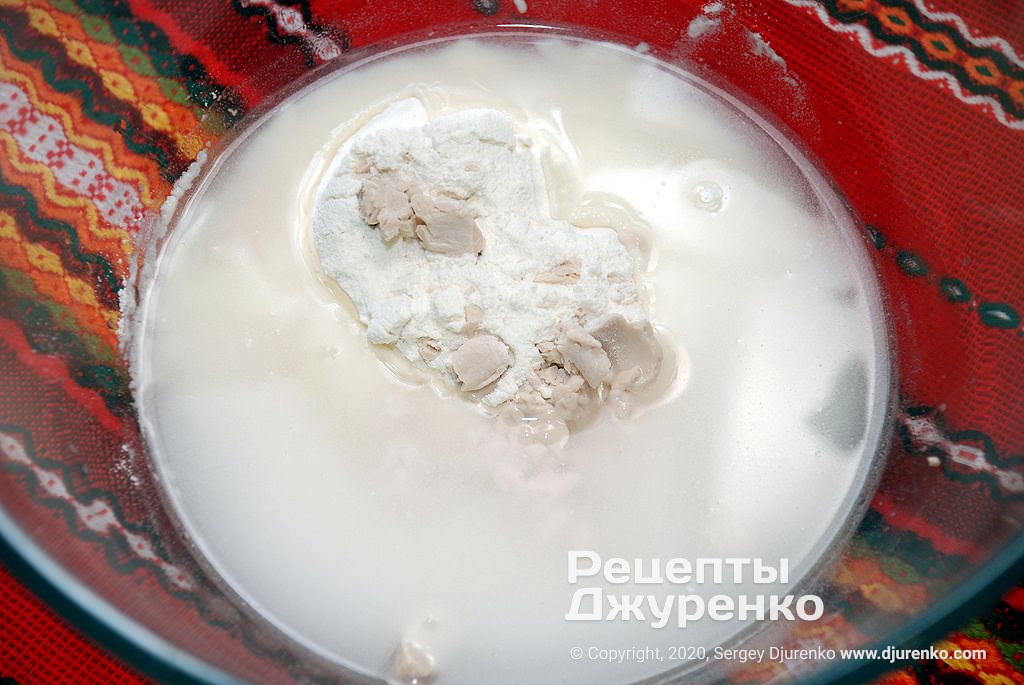
- In a large bowl, mix 150 g of sifted wheat flour with 150 ml of warm water in which 25 g of fresh yeast has been dissolved. Stir the yeast very thoroughly to remove all lumps. To be safe, you can even strain the yeast water through a sieve. Cover the bowl with a cloth or kitchen towel and put it in a warm place (30-35 °C) for 1 hour. Fermentation should begin.
- Making the rich dough for rum babas
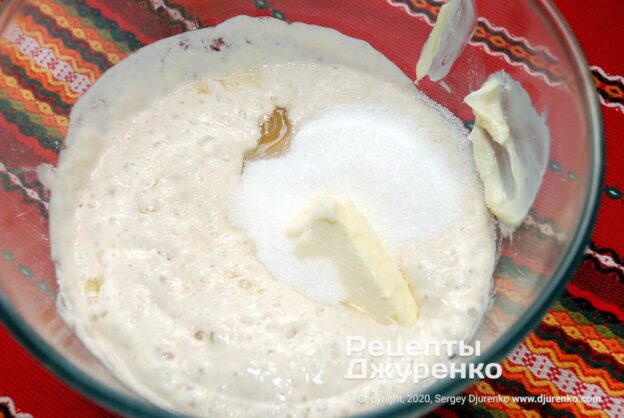
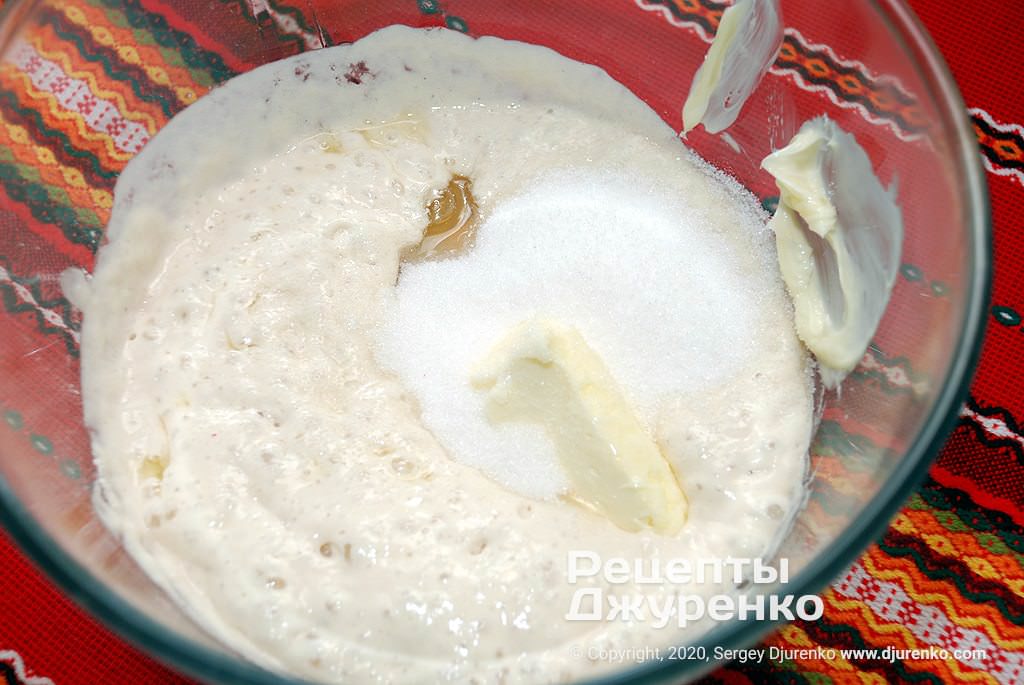
- Sift 1.5 cups of flour into a bowl. Add the sponge, the eggs and softened butter. Also add a pinch of fine salt and 4 tbsp of sugar. Knead the dough. It needs thorough kneading, adding the flour in small portions. To the still sticky dough add liquid vanilla to taste and 3-4 tbsp of rum. If the babas are for children, replace the rum with a flavouring or liquid essence with a matching aroma.
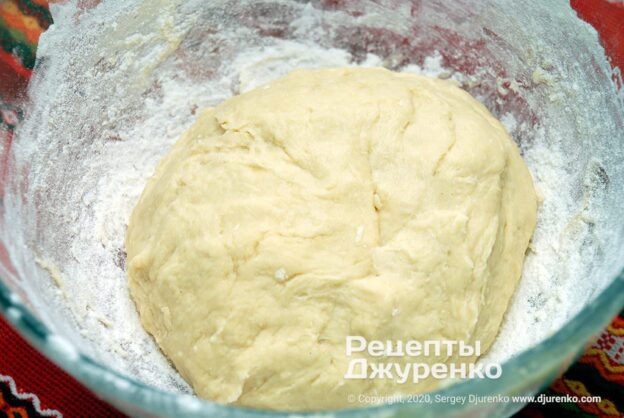
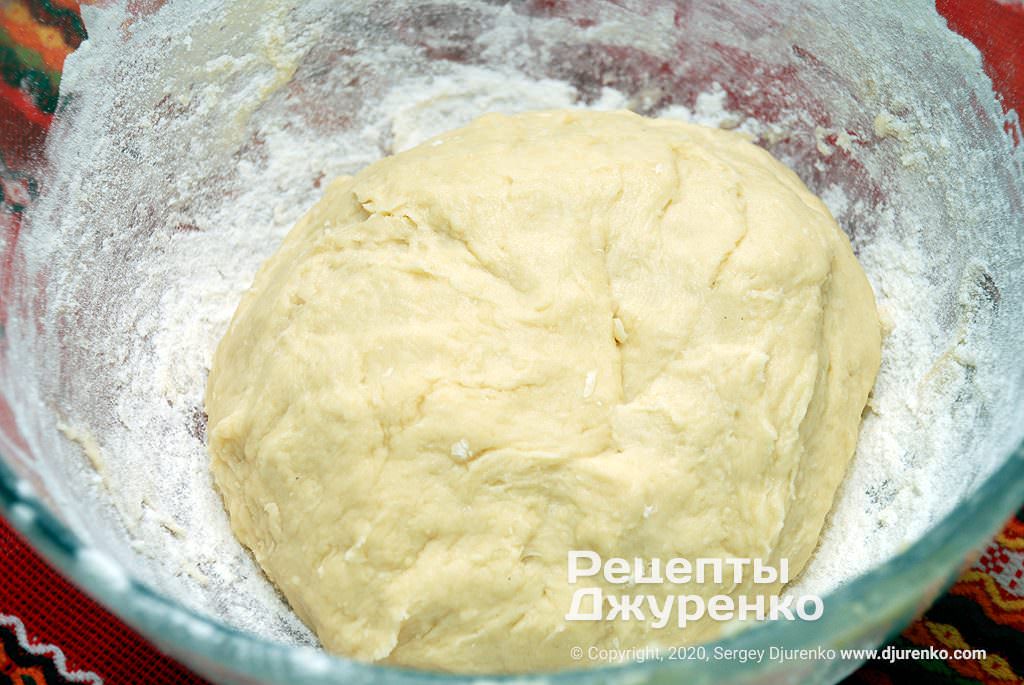
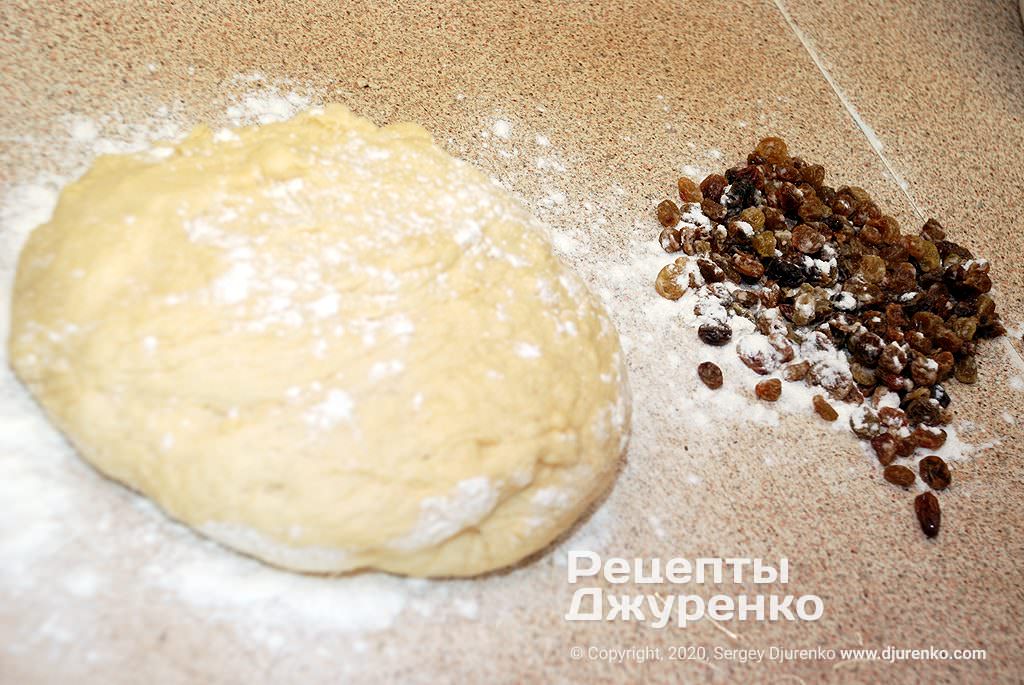
- Keep kneading the dough on a floured surface. Add flour until the dough is soft and only barely sticky, just a little. This guarantees soft, fluffy babas. Roll the dough into a ball and put it in a bowl. Cover with a towel and leave in a warm place for 1 hour. The dough rises well.
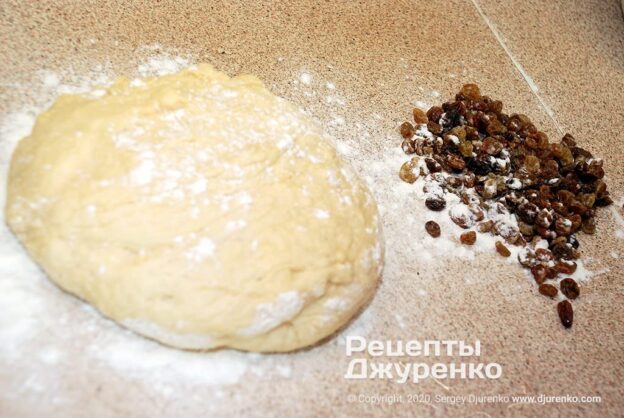
- Knead the risen dough down again and work in the soaked raisins. If needed, add a little flour, but only a little, as the dough should stay as soft as possible. Put the covered bowl back in a warm place. The dough should rise once more within an hour.
- Shaping the babas for baking
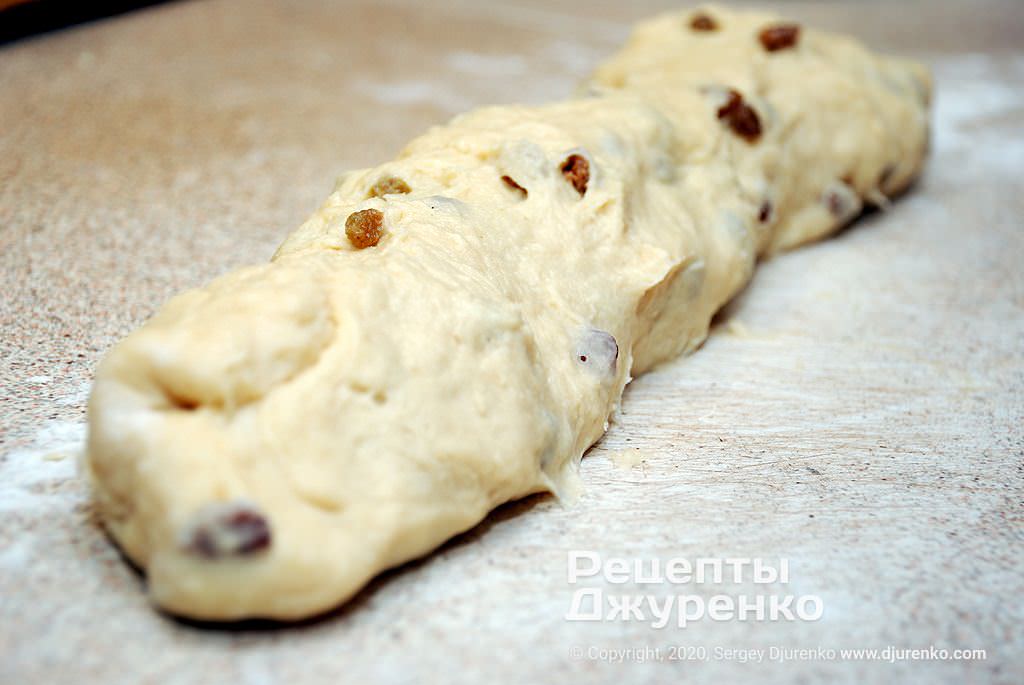
- Preheat the oven to 200 °C and let it heat through. This amount of dough makes 8 rum babas, each 14 cm across the top of the mold. Prepare the molds and grease them well with butter. Knead the dough with your hands and roll it into a log. Cut it with a knife into 8 equal pieces.
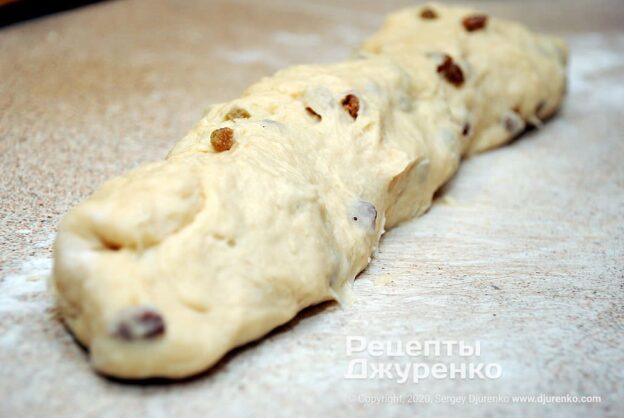
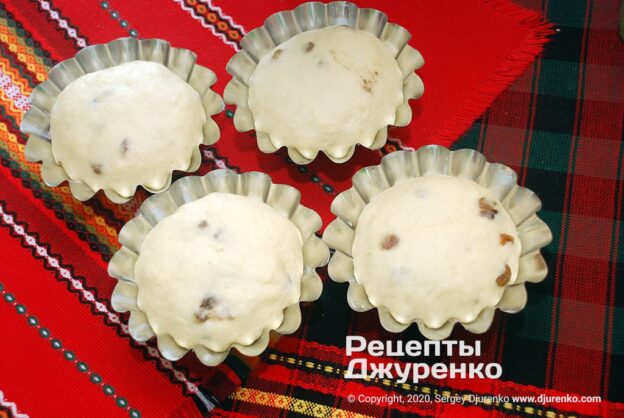
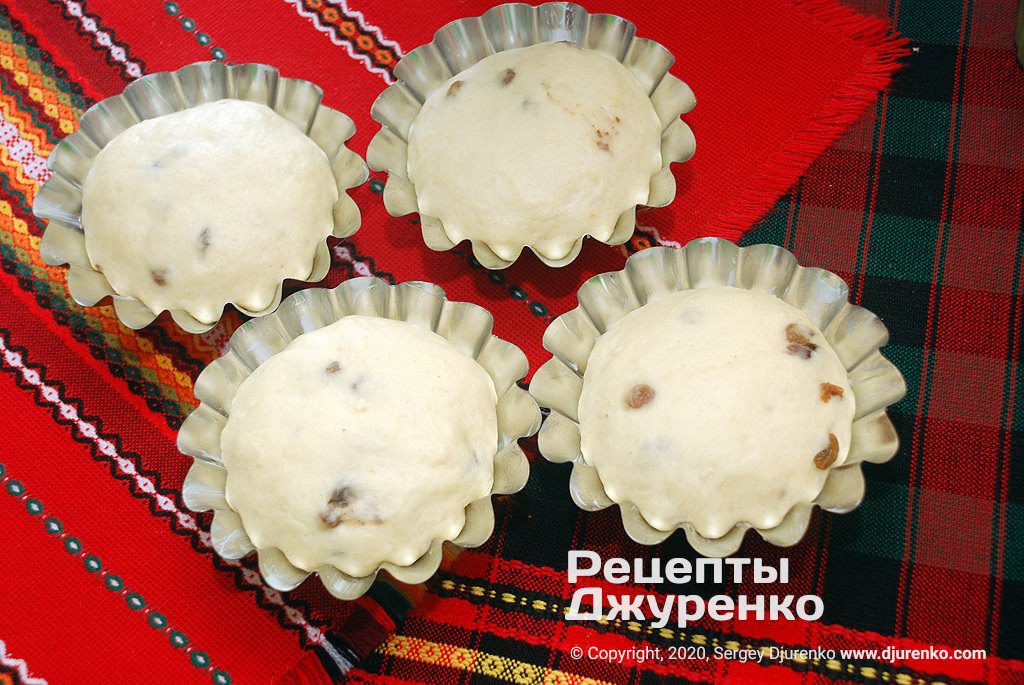
- Put one piece of dough in each mold and flatten it with your fingers so the surface is even from wall to wall. The dough should fill less than half the height of the mold. It grows considerably when rising and baking and can spill over. Cover the molds with a towel and leave in a warm place until the dough rises, 40-45 mins.
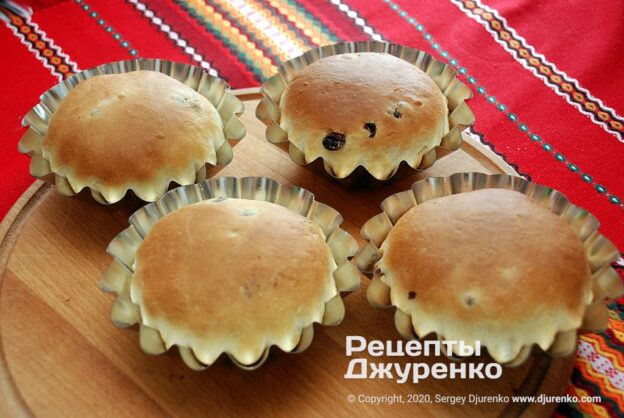
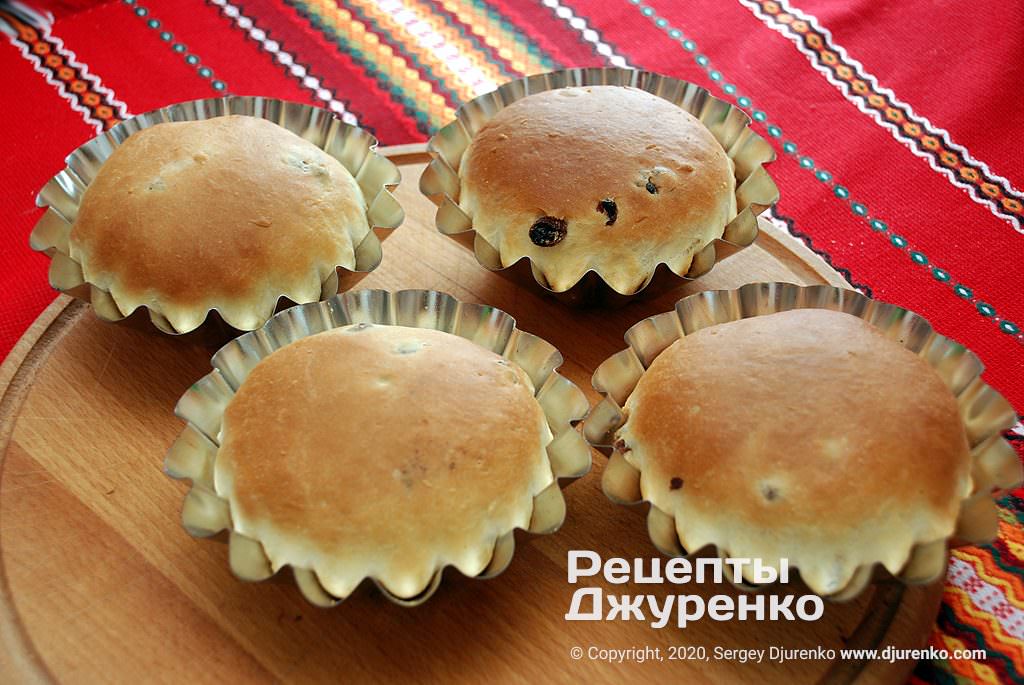
- Put the molds in a well-heated oven. Bake the babas for 30-40 mins, watching how done they are and how brown the tops get. The dough bakes through very well. You can check with a toothpick. Once no dough sticks to the wood when you pierce a baba, they are ready. Take them out of the oven, shake them out of the molds and let them cool completely.
- Preparing the soak
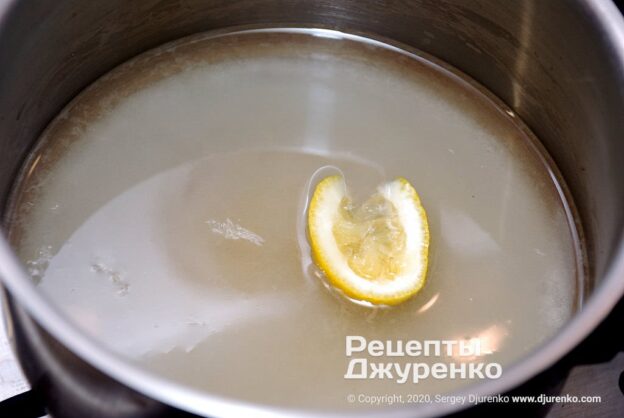
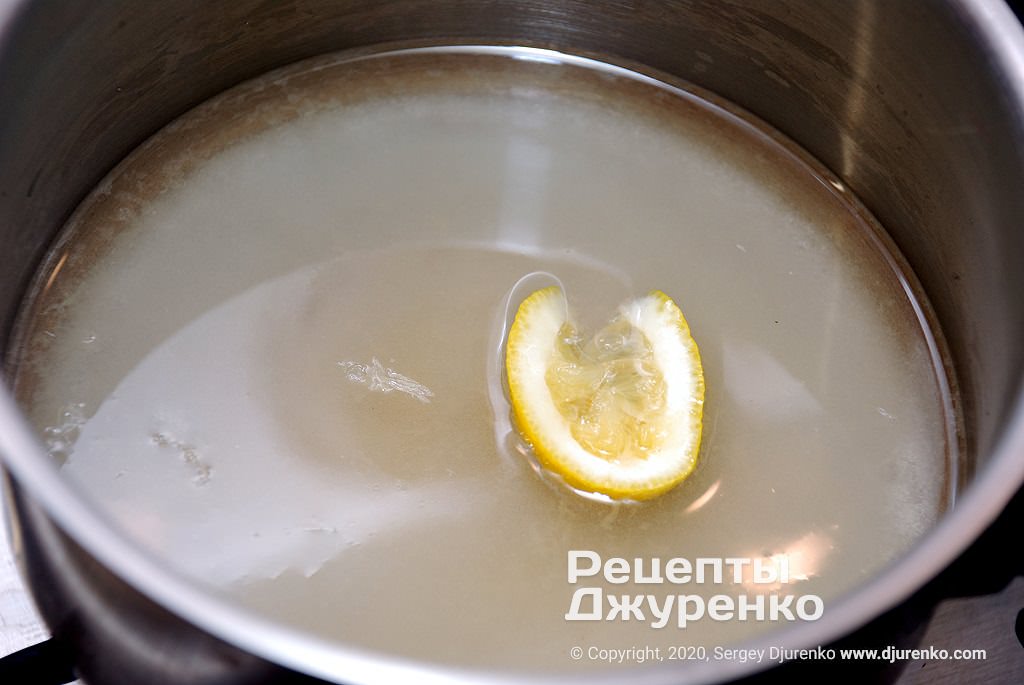
- In a small saucepan, mix 100-150 ml of water, 1 tbsp of lemon juice and 30-40 ml of rum. If alcohol is not an option, add a flavouring instead. By the way, the porous dough absorbs the soak very readily, so you can make more than suggested. Other aromatic liquids can go in too: vanilla, lemon or orange flavouring, rose water. Bring the liquid to a boil and cool to room temperature.
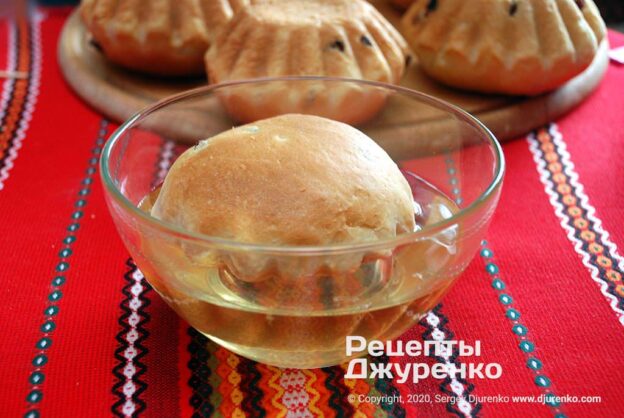
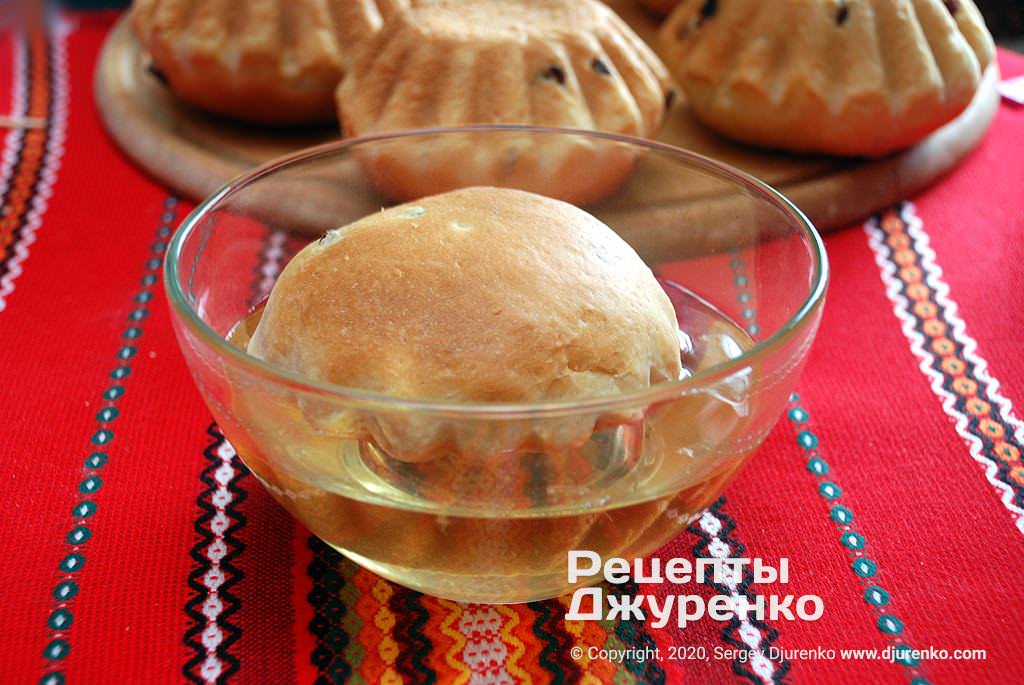
- Once the baba has cooled, it needs a good soaking. Pour the cooled soak into a bowl. Prick the babas so the liquid can get in. We used a shashlik skewer and pricked the bottoms of the buns, the narrower end, densely. Then we dipped the babas into the soak one at a time, bottom down. In 10-15 seconds the porous dough soaks up the liquid thoroughly. You can even make more soak, which only helps. Put all the babas on a flat dish or table so they sit level.
- Making the sugar fondant
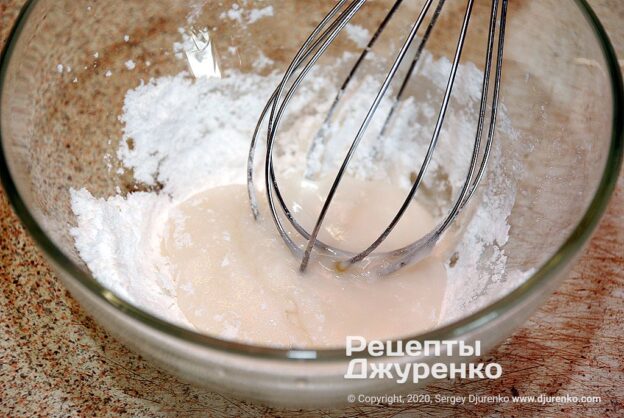
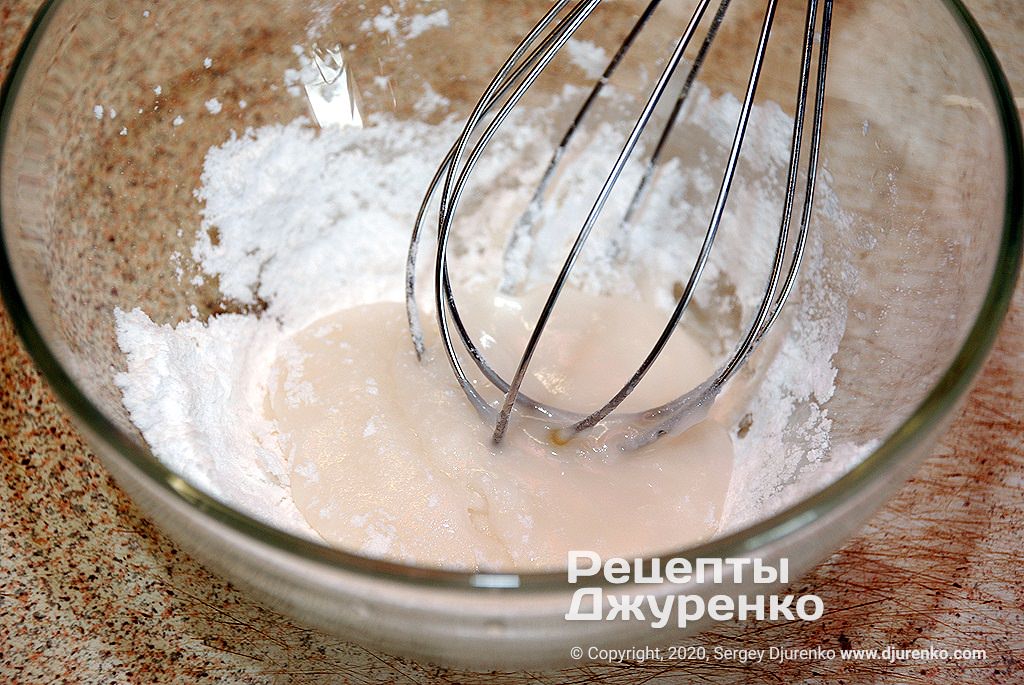
- In a cup or small bowl, mix 5-6 tbsp of powdered sugar and 1 tbsp of lemon juice. Stir, then add boiling water in small portions of 1 tbsp each. You should get a thick, very viscous mixture. If it is runny, add more powdered sugar. Use the fondant while it is hot, as it sets quickly.
- Finishing: rum baba with fondant
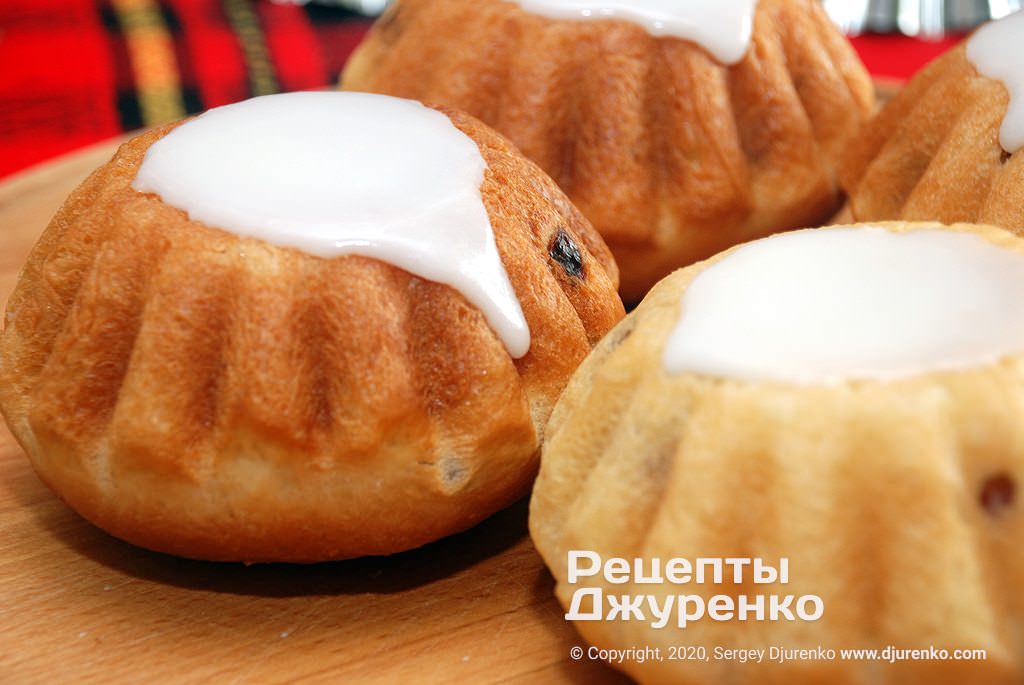
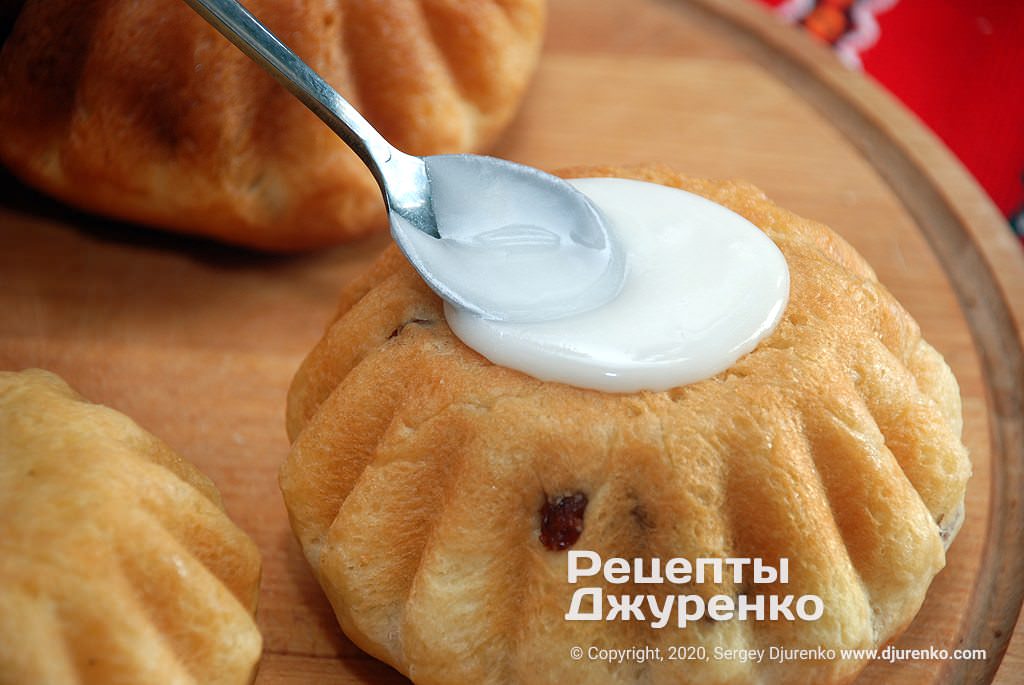
- Put all the soaked babas on a large dish, narrow side up. With a spoon, coat the bottom with sugar fondant, spreading it evenly. If it runs a little over the fluted sides, that is only welcome. Rum babas are often made with plenty of fondant running down the sides, and many people like that.
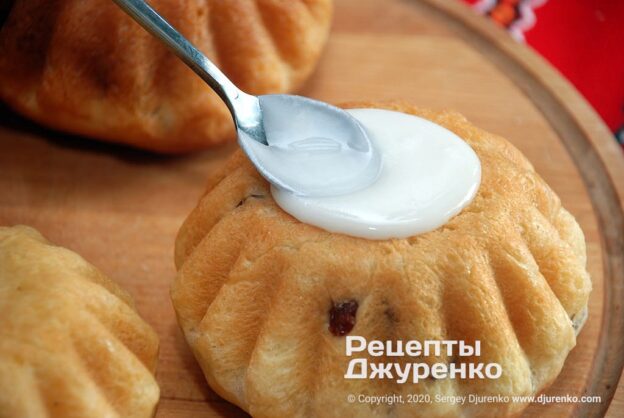
- The fondant sets quickly. In principle the baba au rhum is ready, but it is better to let it stand for at least a couple of hours so the soak fully penetrates. In that time the fragrant sweet liquid spreads through all the pores inside, and the fondant becomes properly firm.
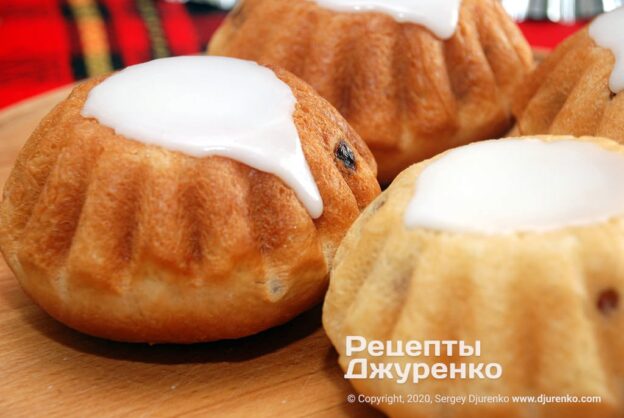
- Serve the baba with tea or coffee with milk. It is also delicious with a morning cappuccino. If, of course, nobody eats it sooner.
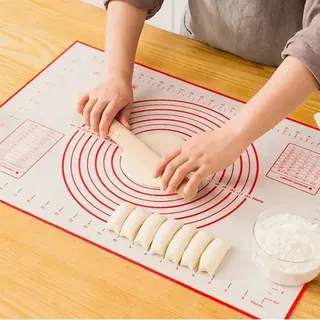 Silicone dough mat with markingsAliExpress
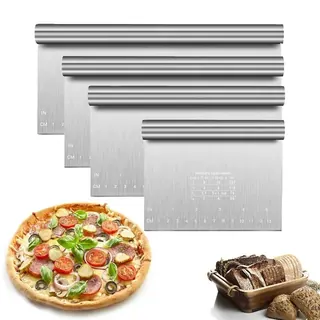 Dough scraper with scaleAliExpress
 Kitchen scale up to 5 kgAliExpress
 Pull chopper for garlic and onionAliExpress
 Oil sprayerAliExpress
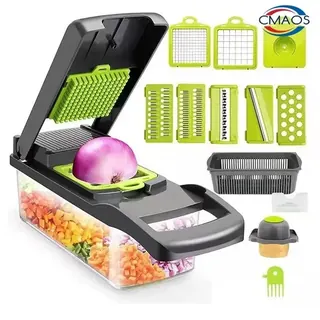 Vegetable chopper with handleAliExpress
| Yield: | 8 pieces |
| Calories: | 270 kcal per 100 g |
| Prep: | 3 h |
| Cook: | 2 h |
| Total: | 5 h (not including cooling and soaking) |
| Cuisine: | European |
| Rating: |