
Salted Lemons


Ingredients
1 jar (1 litre)
- Ripe lemons 5 (for a 1-litre jar)
- Coarse salt (sea salt) 1 kg
- Black peppercorns to taste
- Bay leaves to taste
- Clove 1, optional
- Fresh lemon juice if needed
Step-by-step recipe
Preparing the lemons
Lemons are the fruit of the evergreen lemon tree, a beautiful yellow colour called “lemon”. Everyone knows the aroma of a fresh lemon. Lemon is an excellent source of vitamin C and an indispensable part of good tea. I, for one, can’t imagine black tea without a slice of lemon. Unfortunately, lemons here are a seasonal fruit. Most people hardly notice, because lemons are shipped from different regions at different times. If you look closely, it is easy to see that sometimes lemons are a bit “greenish” in the off-season.
Making salted lemons is very simple. The difficulty, or rather two difficulties, is that you have to wait at least a month while the lemons cure. And the second, quite unexpectedly, is that you have to buy lemons that will fit through the neck of the jar. Still, you can pick a different jar or use a ceramic container of a suitable size.
The lemons should be ripe or only a touch underripe. Firm, bright yellow, fragrant. And, of course, undamaged. Also, I wouldn’t salt thick-skinned lemons. The thickness of the zest, the outer yellow peel that you actually eat as a snack or seasoning, will be the same, but the white, unused “underlayer” will be much thicker.
Wash the lemons thoroughly, rubbing them with a soft clean sponge or a piece of cloth.

Wipe off the remaining water with a napkin.
With a sharp knife, cut each lemon crosswise vertically two thirds of the way down. You end up with four lemon quarters joined at the bottom.

Carefully fill the cuts in the lemons with coarse salt crystals, tightly and generously. But try not to let the lemons fall apart.
It is better to use sea salt rather than rock salt. First, sea salt is much cleaner. Second, sea salt is sold in quite large crystals, I would even say like little stones, beautiful, almost white and free of impurities. And third, coarse sea salt is more convenient for salting lemons. By the way, nobody can ever tell you exactly how much salt you will need. It all depends on the size of your container and of the lemons.

Put the salt-filled lemons in a ceramic bowl and cover them with salt. Put a board (or an upside-down plate) on top and weigh the fruit down for 3 hours.


Packing the jar
Still, I advise making the lemons in a jar. Five fruits will easily fit in a wide 1-litre jar. By the way, I have seen 1.5-litre jars for sale with an airtight glass lid that flips aside and locks onto the neck with a clasp. They work great, and the neck is wide.
Take the weight off the lemons. Pour salt into a clean, dry jar to cover the bottom, add a bay leaf and a few black peppercorns.
You can also add a clove if you like. I didn’t use cloves, as I don’t like them. But many recipes recommend cloves, dried tea rose buds and other additions. To me, it is all unnecessary. But see for yourself.
Put the prepared lemons in the jar, as many as will fit in a single layer, including around the edge.

Cover the lemons with salt, trying not to leave any gaps. To do this, you can rock the jar gently from side to side and shake it a little. The salt is still dry and pours nicely, filling the gaps.
Add more bay leaf and peppercorns, then lemons, and cover with salt. And so on right to the top. Fill the jar with salt all the way to the lid.
I read in some recipe (I translated it myself, so I may have misunderstood it all) that you can improve the flavour by adding fresh lemon juice to the jar. I haven’t done that, but maybe it is worth trying some time.


Curing
Close the jar tightly with the lid. Put the jar in a dark, cool place. For a long time.
Should the jar go in the fridge? It seemed to me it makes little difference. Some recipes recommend salting lemons in the fridge, some in a cellar, and some in a pantry or on a shelf. It is enough for the jar of lemons to stand in a dark, cool place. Though in a fridge at +12°C the lemons cure just fine. In any case, don’t leave the jar in a warm room or on a windowsill.

Shake the jar from time to time so that the liquid the lemons release is spread evenly. In the first few days the salt will probably settle a little in the jar; top it up. If the salt has hardly dissolved within a week, add fresh lemon juice to the jar of lemons, not water (!). Leave the lemons to cure for at least 1 month, and better still longer. You can keep them for up to a year, by the way.

How to use them
When the time is up and you can try the salted fruit, take one fruit out of the jar and rinse the salt off very thoroughly. Blot off any remaining moisture with a napkin. Now it’s time! If you decided to make tagine, you can simply put the rinsed salted lemon into the dish whole.
For a snack, cut off the salted zest with a sharp knife and slice it into thin strips. You get an excellent snack with an aperitif, or even a shot of tequila. Although the ritual of drinking tequila, “Lick! Down it! Bite!”, is too harmonious to break. But I think a little variety won’t hurt.

Prepare the zest in the same way to add to a salad. A vegetable salad with cabbage or lettuce tastes much better with thinly sliced salted lemon zest added.
When making rice dishes with meat or chicken with rice, add a whole cut-off lemon peel to the dish. Salted lemons guarantee an exquisite flavour. Besides, you can always take the peel out of the dish so it doesn’t flavour it completely. There are options.

You can garnish finished chicken with rice with the sliced peel and eat the salted lemons together with the rice.


Calories and macros
7 kcal
100 g
- Protein0.3 g13% of kcal
- Fat0.1 g8% of kcal
- Carbs1.5 g78% of kcal
Calculated from the recipe ingredients, excluding salt and spices. Data: USDA and Matvaretabellen.
 Pull chopper for garlic and onionAliExpress
 Oil sprayerAliExpress
 Kitchen scale up to 5 kgAliExpress
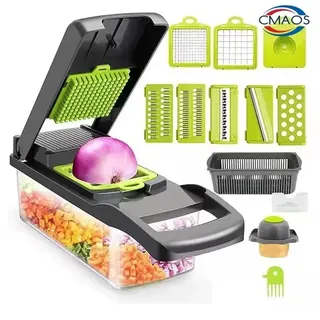 Vegetable chopper with handleAliExpress
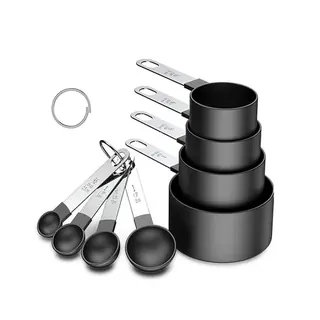 Measuring cups and spoonsAliExpress
 Peeler with wooden handleAliExpress