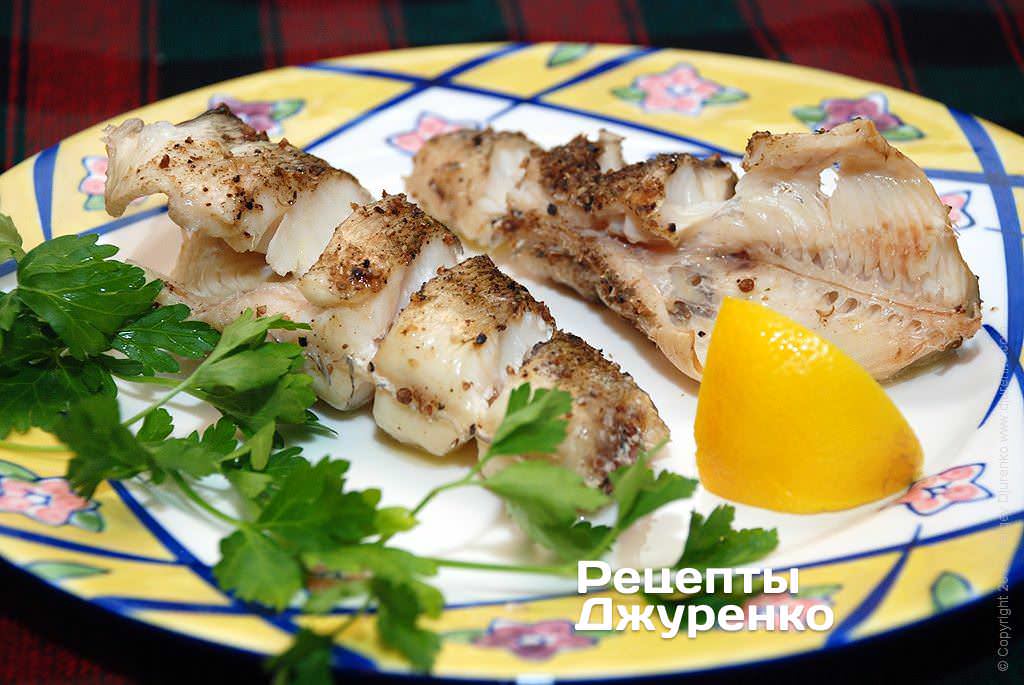
Steamed Fish with Spices and Lemon: Easy Step-by-Step Recipe
Over the last few decades, healthy living has become a full-blown craze, and often a rather comical one. Healthy eating comes first, of course, and morning exercise comes dead last. After all, what could be easier than keeping up the appearance of eating healthy?
I have often heard of people who, out of certain convictions, give up meat, fish, eggs, alcohol, smoking and so on. The last items on that list can only be welcomed, but giving up meat and fish leaves me puzzled. Then again, everyone has their quirks. But that's not what we're talking about now.
Cooking healthy food at home follows certain rules and canons. I once read somewhere that the foundation of any diet cooking is knowing how to steam. Think about it: as soon as you need to come up with a diet dish, the first thing that comes to mind is steamed cutlets. And it makes sense, because food steamed without added fat and spices is perfect for a diet, especially for people with digestive or heart problems.
Unfortunately, steaming isn't very popular either here or in the West. In Asia and the East, however, steamed dishes are a huge part of the culinary tradition. Couscous and rice are considered among the oldest dishes cooked with steam. In Asia, the steamer is a woven bamboo basket with a lid. Things are much simpler here. Hardly one kitchen in ten has a store-bought dedicated steamer. Most often people use a trendy multicooker.
Most people use an ordinary pot with a lid and put a rack or a perforated insert inside it. The boiling water in the pot steams food perfectly. Importantly, this setup doesn't take up much space and is easy to wash.
Once we made steamed fish, and ever since then steamed fish has been a regular part of our diet. Even the famous “Book of Tasty and Healthy Food” devotes a whole chapter to steamed fish and makes the point to readers that steamed fish is both tastier and healthier than boiled fish.
Steaming is the best way to cook most everyday foods, especially vegetables and fish. The exceptions are foods that need more intense cooking, such as large pieces of meat, or foods that require a vigorous boil.
Steamed fish is very easy to make. It doesn't have to be cooked without salt and spices, or without anything at all. Let me put it this way. For me, steaming is a way to cook food, not a way to announce “I only eat healthy food.” We steam with ordinary spices, mostly without fat or thickeners and with just a little salt.
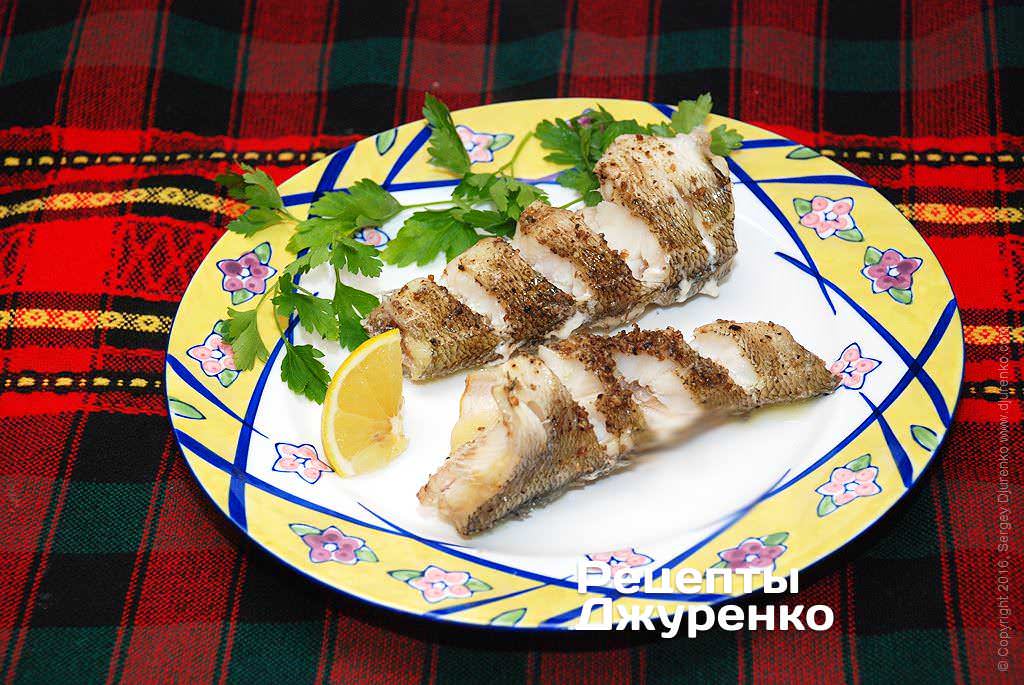
Ingredients
2 servings
- Fish (Antarctic rockcod) 4
- Salt, mixed peppercorns, coriander seeds, dried aromatic herbs optional
- Lemon, butter, parsley optional
Step-by-step recipe
- Steaming is a basic cooking method that suits almost any fish you want to cook. When I say any, I mean the readily available kinds of fish, not truly exotic fish you rarely come across. For home cooking, people most often buy inexpensive sea fish, the so-called “red” fish, or river fish. Of the river fish, zander and catfish are ideal for steaming. Steamed perch is also very tasty, but cleaning it is no fun at all. Of the sea fish, we steam cod, pollock and Antarctic rockcod.
- The main difficulty with steaming fish is that it's hard to catch the moment when the fish is done. If you leave the fish in the steamer too long, the flesh becomes watery and bland. That's why we go by a time of 12-15 mins, adjusting it slightly depending on the kind of fish, but only a little.
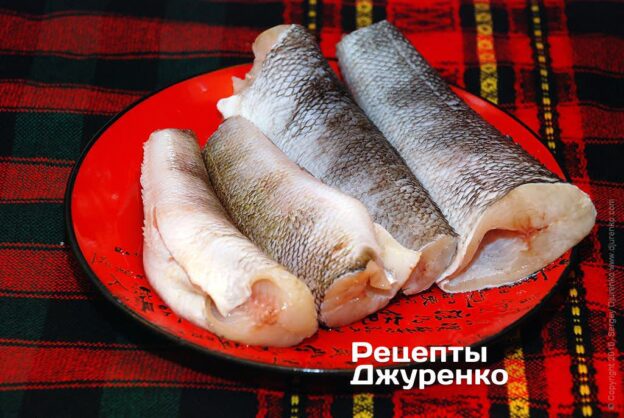
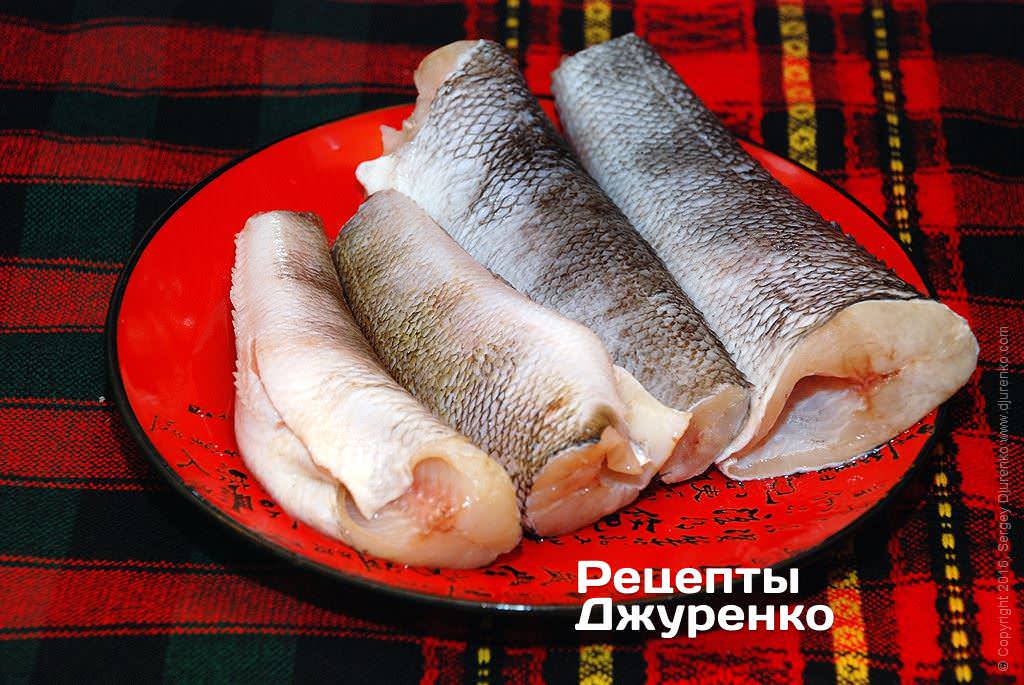
- Of the inexpensive fish, I recommend Antarctic rockcod, just as in the recipe for baked rockcod. This fish is sold as small headless and tailless carcasses. It's easy to clean, the flesh is tasty and it cooks easily. The carcasses are usually small, single-serving size. Two fish per serving are enough for a good breakfast. Scale the carcasses and remove any remaining innards. Be sure to cut off the fins. Rinse the rockcod under running water and pat dry with paper towels.
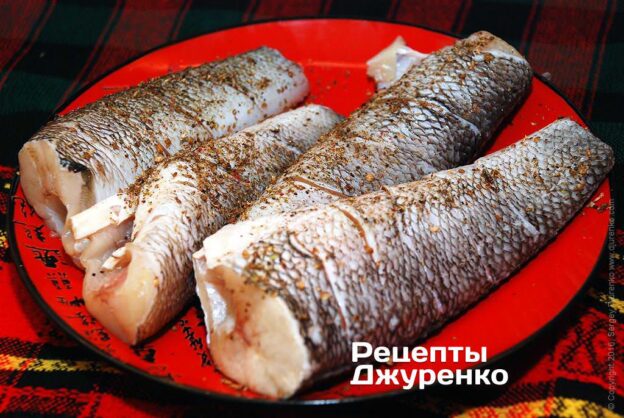
- In a mortar, grind black or mixed peppercorns, coriander seeds and a pinch of dried aromatic herbs (oregano, basil, sage, etc.). Mix the spices with a little fine salt.

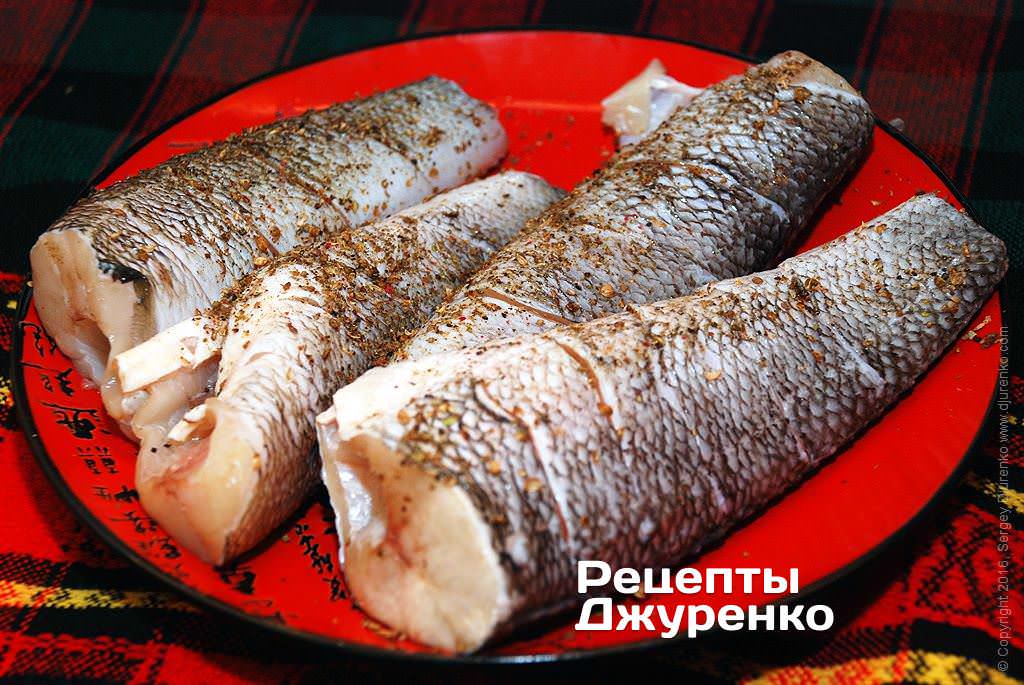
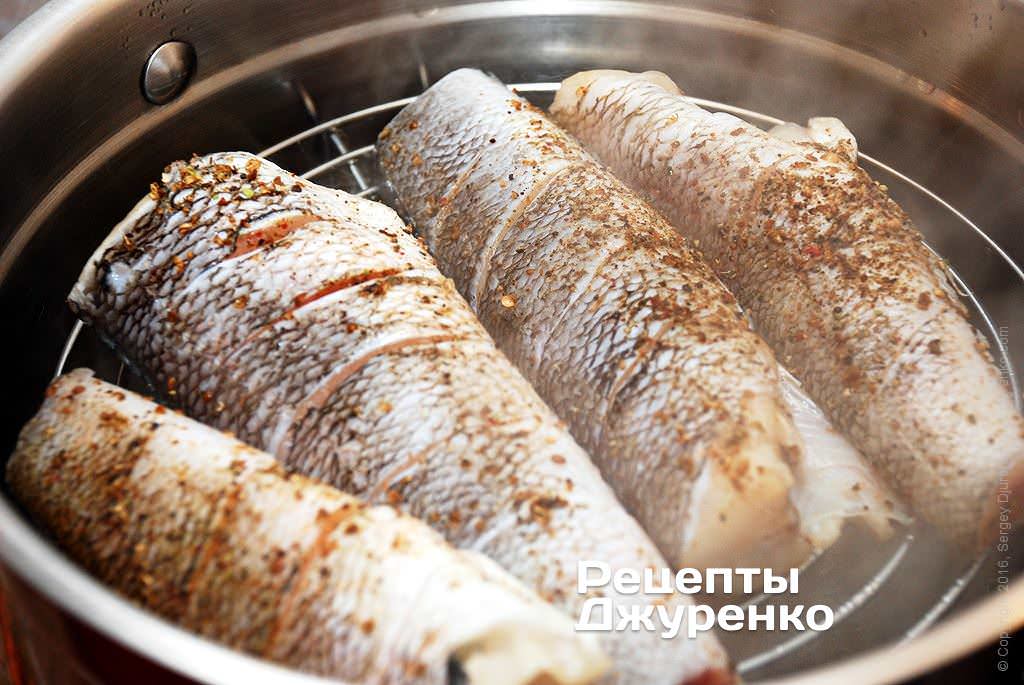
- Make 4-5 shallow cuts across the fish on each side. Don't cut down to the backbone, or the fish will fall apart while cooking; cuts 4-5 mm deep are enough. This is necessary, otherwise the fish will lose its shape while steaming. Rub the fish with the salt and spice mixture. Leave for 10 mins. If for some reason spices are off the table, you can skip these steps. In that case, I suggest adding 1 tsp of dried mint or dried aromatic herbs to the steamer water.
- Get your steamer ready. I use a 5-liter stainless steel pot with a metal rack on tall legs set inside it. Pour water into the pot so that it stays 5-6 cm below the rack. Put the pot on the heat and cover with a lid. Bring the water to a boil. The fish turns out best with plenty of steam.
- Place the prepared fish in the steamer. The fish shouldn't touch each other or the sides of the pot, otherwise you'll end up with baked fish rather than steamed. All the fish should lie freely on the rack insert. Cover the steamer with the lid. The heat under the pot should be at maximum.

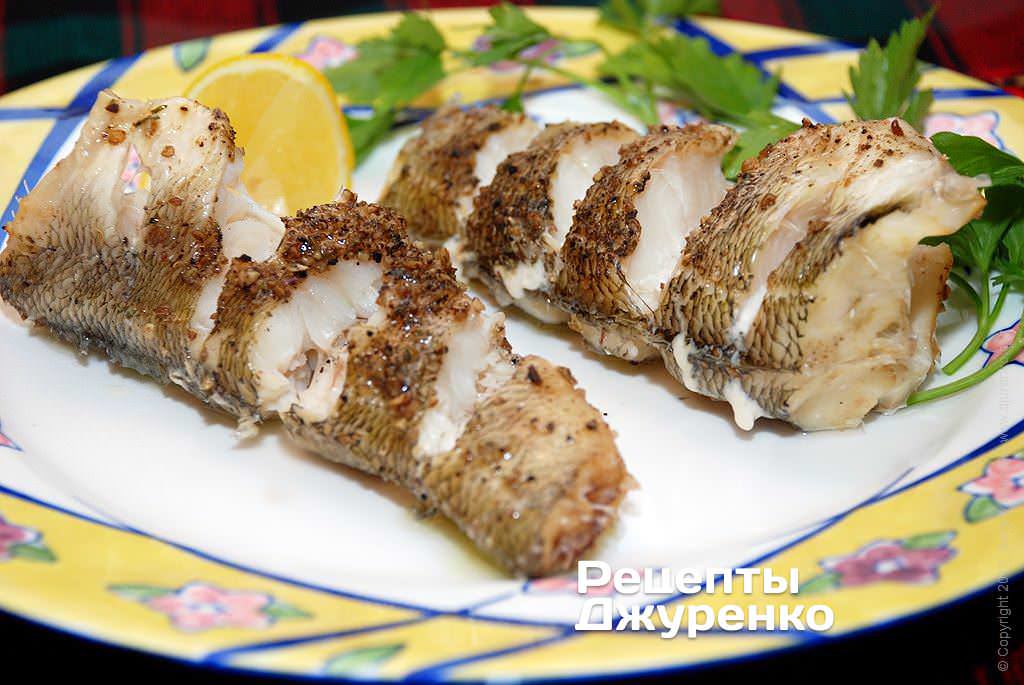
- Steamed fish starts cooking right away. The cooking time is about 12 mins. That's usually quite enough. If the fish are thick, add 1-2 mins. If you're cooking thin fillets rather than whole carcasses, you can shorten the time. In any case, the fish should steam for at least 10 mins. Don't overcook the fish in the steamer, or it will become watery and lose its flavor.
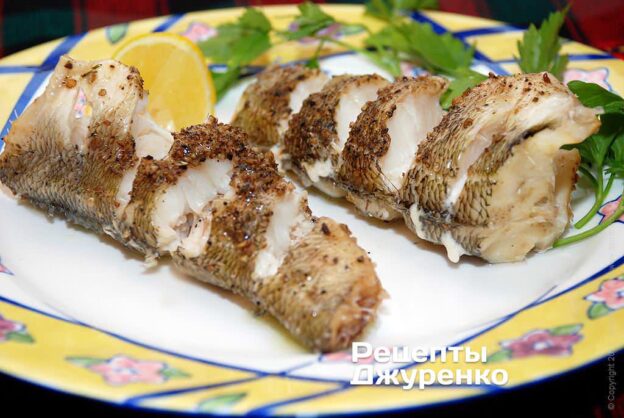
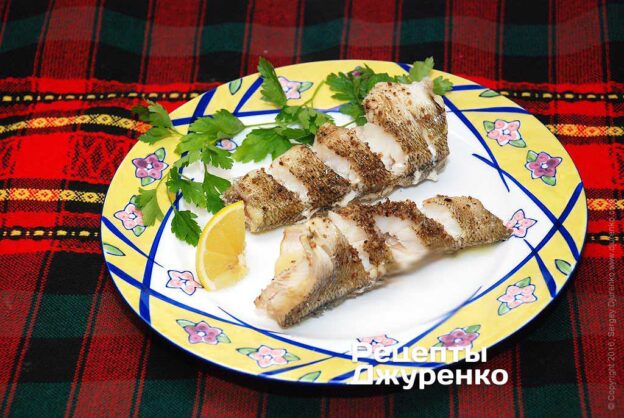
- Warm the plates before serving the fish. Put the fish on a plate and serve right away. If you like, and if you're not a steadfast devotee of some particular diet, you can drizzle the steamed fish with a little melted butter, literally 1 tsp, and add a slice of fresh lemon. Garnish with sprigs of herbs.

| Yield: | 2 servings |
| Calories: | 135 |
| Prep: | 30 mins |
| Cooking: | 15 mins |
| Ready in: | 45 mins |
| Category: | Main Dishes |
| Cuisine: | European |
| Rating: |
⭐
⭐
⭐
⭐
⭐
5
(2)
|