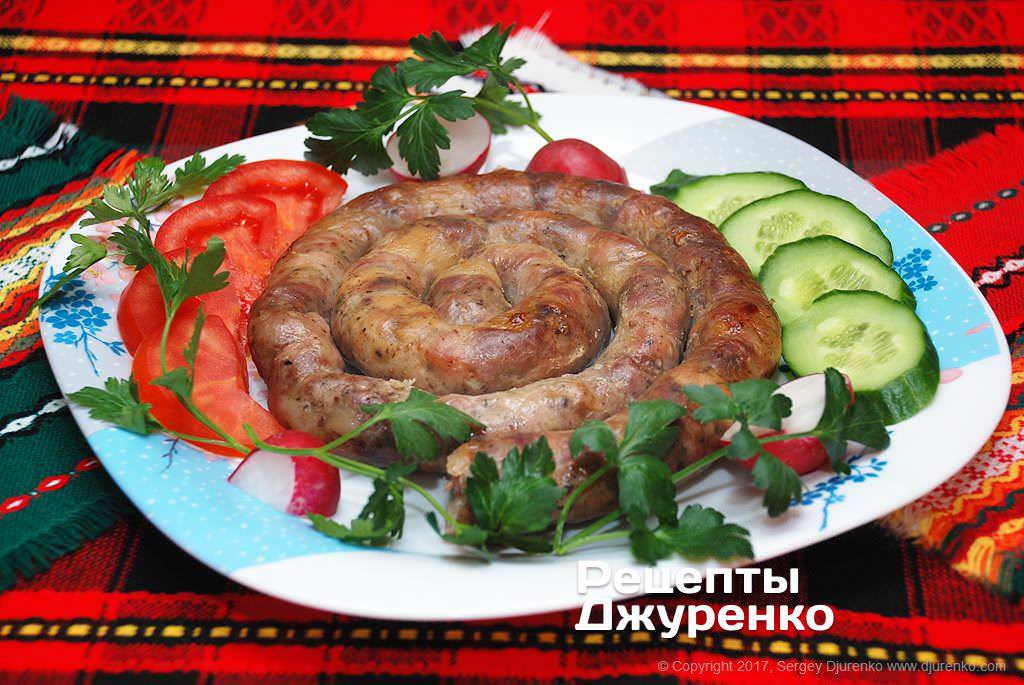
Homemade Pork Sausage Recipe in Natural Casing, Grandma's Way
When I was little, for every important holiday my grandmother would fire up the wood stove in her village house and make homemade pork sausage. There were always pigs in the household, so sausage was on the table very often – tasty and fragrant. A superb homemade meat appetizer.
For a while, the hardest part of making sausage was finding the casing. These days, though, you can buy it canned or frozen in large supermarkets. You can also strike a deal with vendors at your local market – they will gladly bring you exactly what you need, for your money, of course.
So we set out to make sausage from grandma's recipe. There was a time when having sausage on the table was a measure of status. But, as it turned out, happiness is not in the sausage itself but in its quality. And homemade sausage is quality! Natural casing, natural pork and pork fat, spices and inspiration – which is natural too.
In Bulgarian villages they make a delicious signature homemade sausage called “nadenitsa” – a hand-made fried sausage in which the ground meat is mixed with traditional Bulgarian seasonings: savory and fenugreek.
A similar Georgian sausage, kupaty, is made from thin intestines stuffed with ground pork and beef, with finely chopped onion, garlic, pomegranate seeds, salt, pepper and khmeli-suneli. Kupaty are grilled over coals in their whole casing. Sausage is made wherever people raise pigs, cows, sheep and even chickens. If a household has meat, the owners make sausage, and if there is poultry, you get a tasty chicken sausage. By and large, the technique is simple: a casing of cleaned intestines, ground meat with spices, and heat treatment.
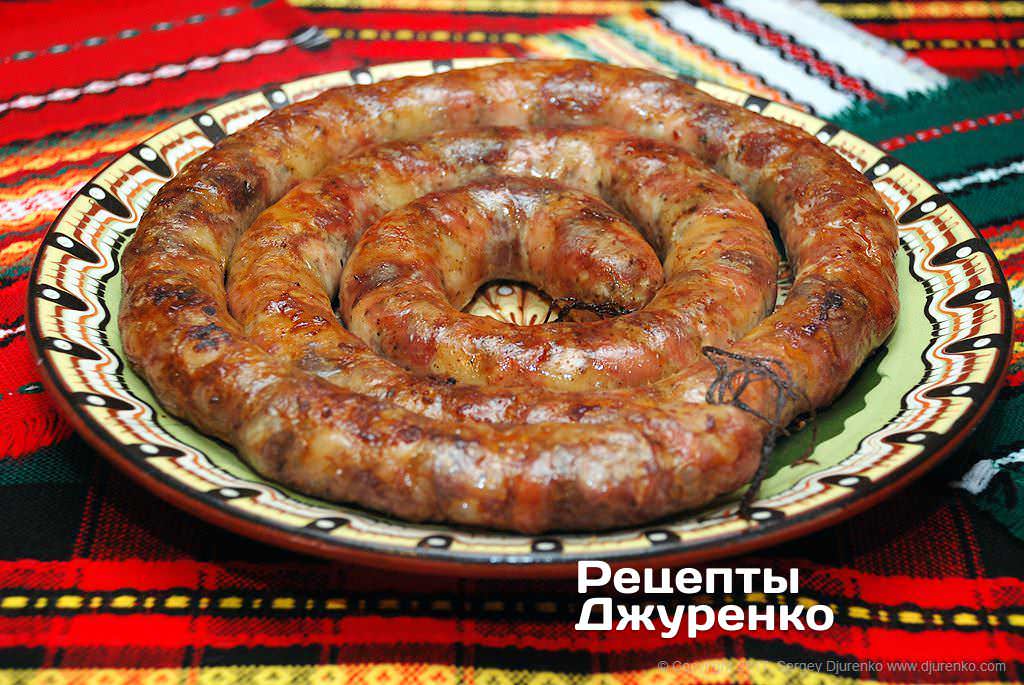
Ingredients
3 kg of sausage
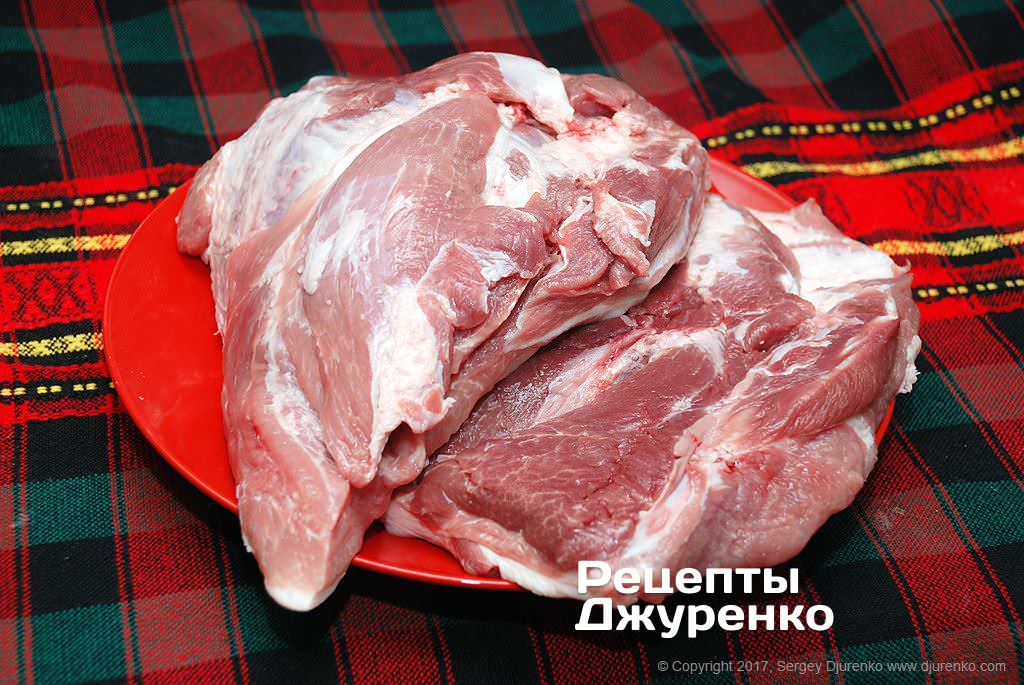
- Pork (neck, shoulder, ham) 2-2.5 kg
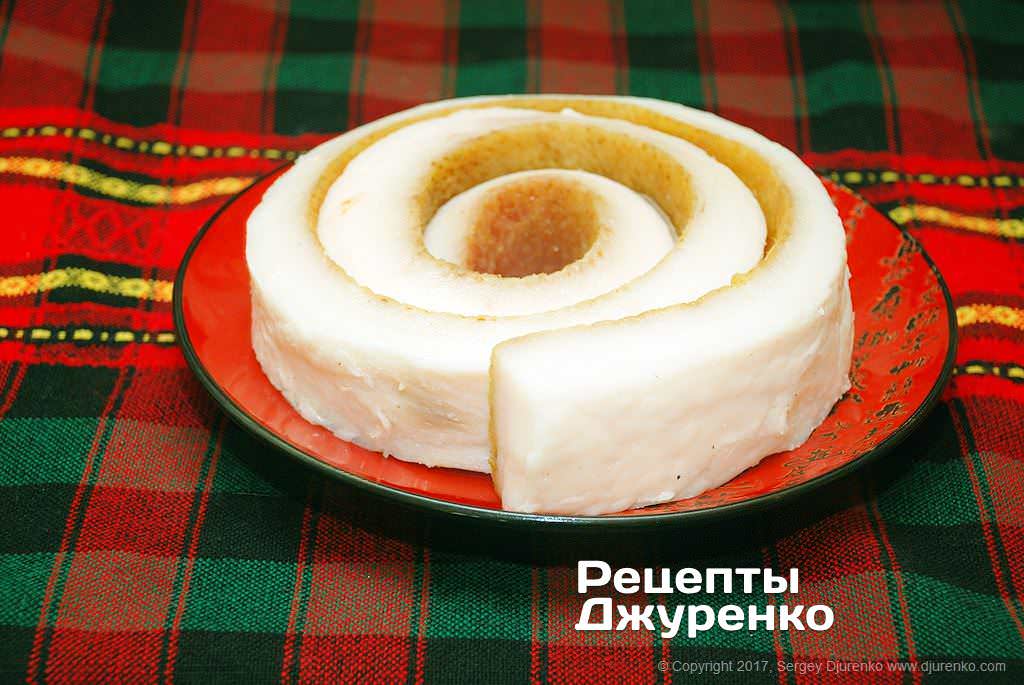
- Back fat (salo) 500-700 g
- Garlic 1 head
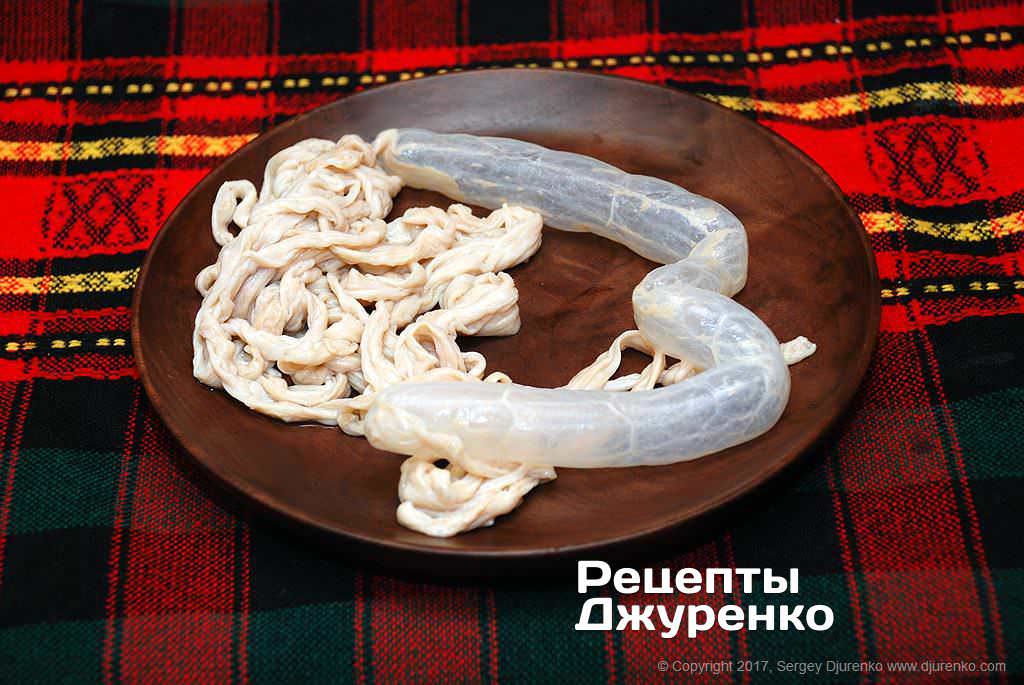
- Thin pork intestines (casings) 5 m
- Cognac or brandy optional
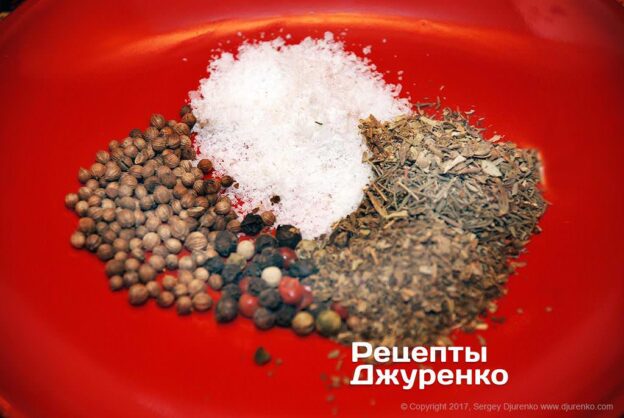
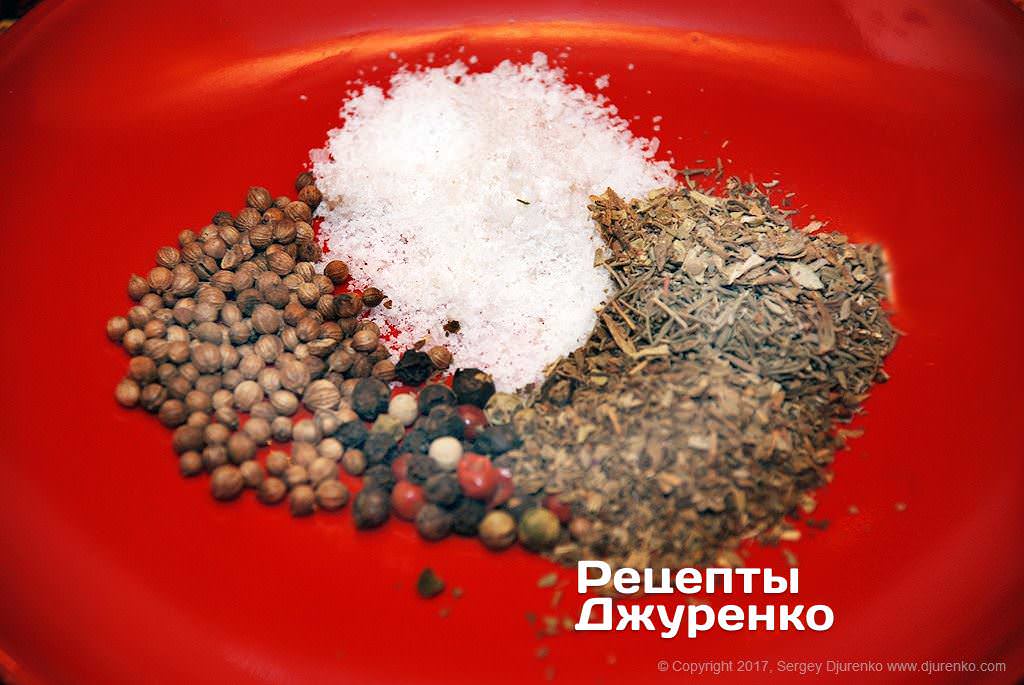
- Salt, ground black pepper, dried herbs (basil, thyme, oregano), ground coriander to taste
Step-by-step recipe
- Keep in mind that natural sausage is a very filling and delicious dish. It keeps very well, especially if the finished homemade sausage is packed into a ceramic pot and covered with melted lard.
- In any case, a holiday dish should be prepared the day before, and the final cooking done right before the feast. That's when the sausage is at its very best. Although I have yet to meet a person who would turn down a sandwich with cold sausage or a warmed-up one.
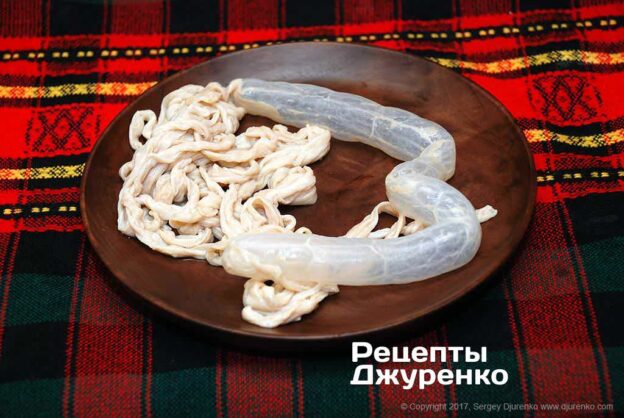
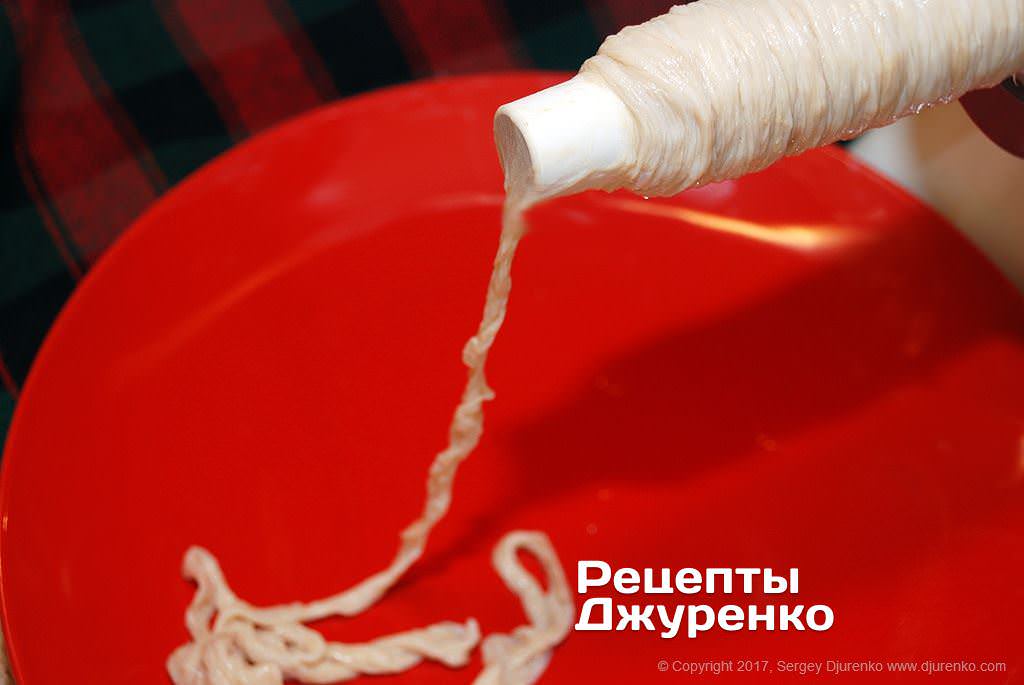
- No matter where you bought them, thaw the thin pork intestines at room temperature and rinse them very thoroughly. Turn the intestines inside out and rinse again. It won't hurt to scrape them with the back of a knife to remove the mucus.
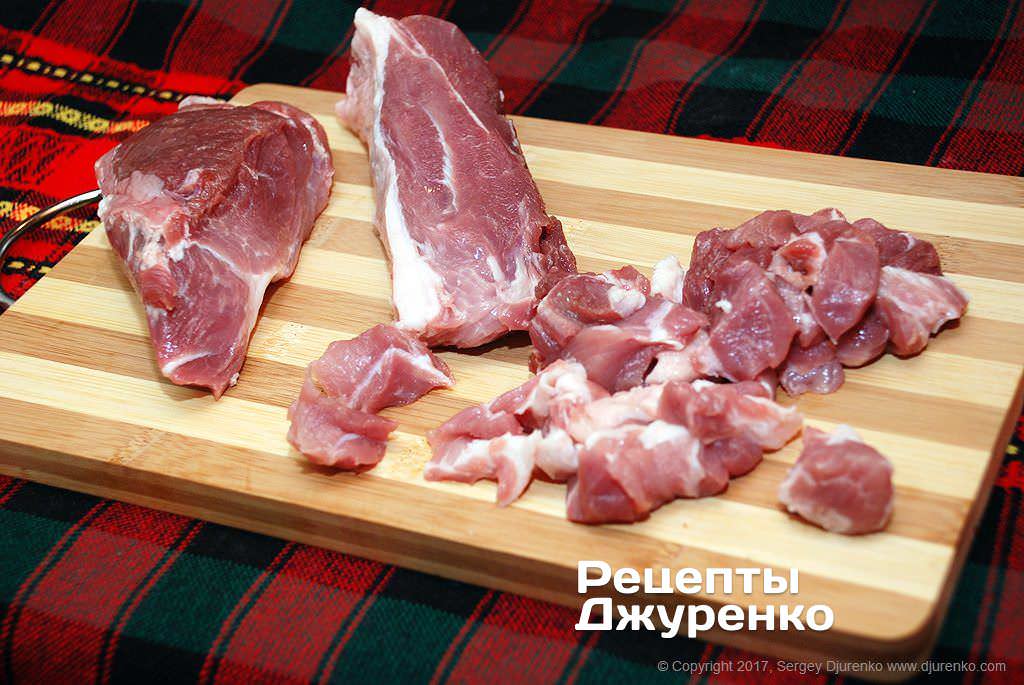
- You can use pork from any part of the carcass. Since the sausage gets added fat, the fat content of the meat doesn't matter. Neck, shoulder or ham will all work perfectly. Carefully clean the meat of any bones and cartilage – they must not end up in the sausage.
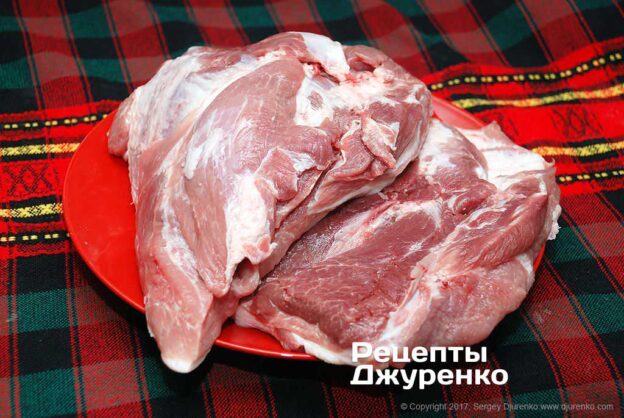
- In principle, sausage can be made from meat ground in a meat grinder. But grandma always cut the meat and fat by hand with a knife, into pieces the size of a small cherry. It is somewhat laborious, of course, but that way the sausage turns out especially tasty.
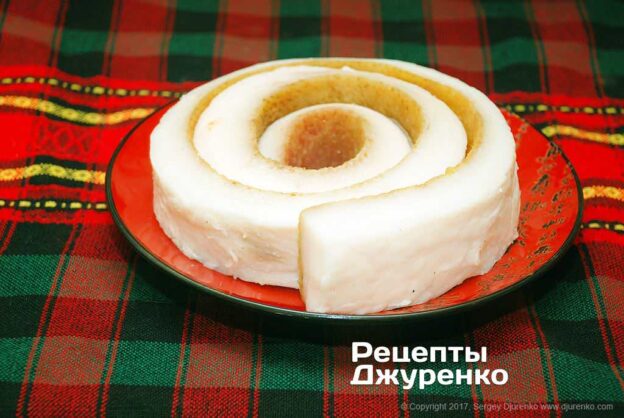
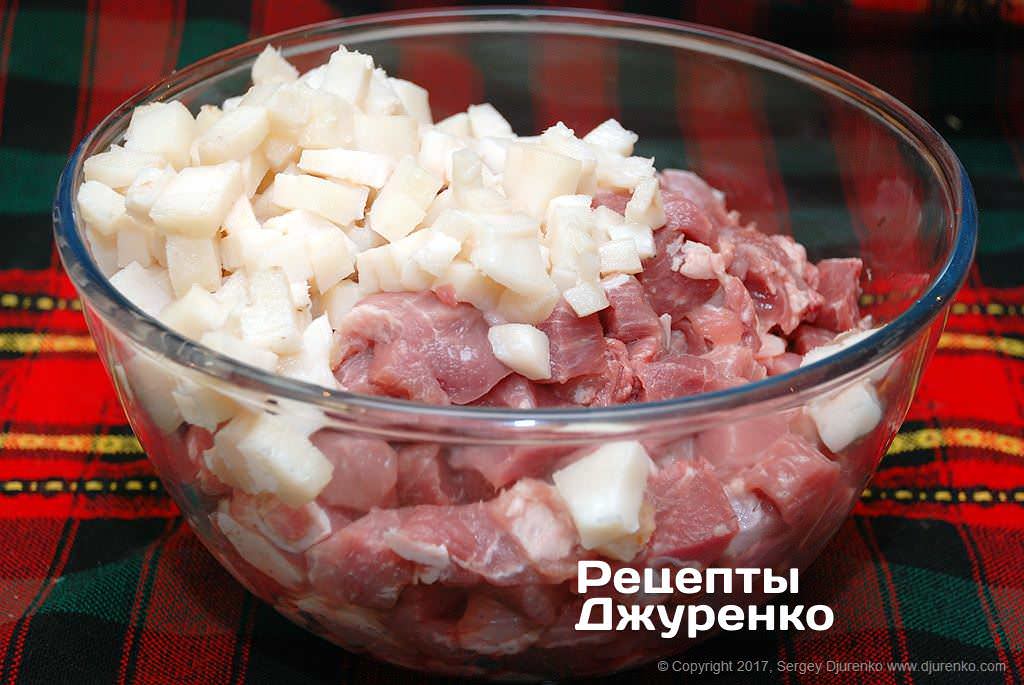
- Take the back fat, preferably unsalted and never frozen, and remove the rind. Cut off a piece of about 100 g and set it aside for now. Cut the rest of the fat into pieces half the size of the meat. The meat to fat ratio should be roughly 6:1 – very roughly. Keep in mind that if your pork is quite fatty, you should reduce the amount of added fat.
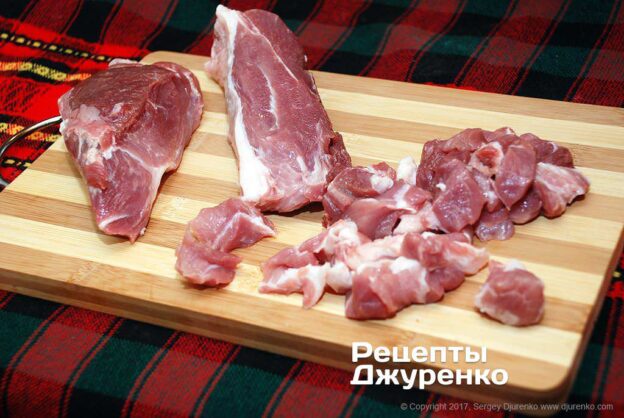
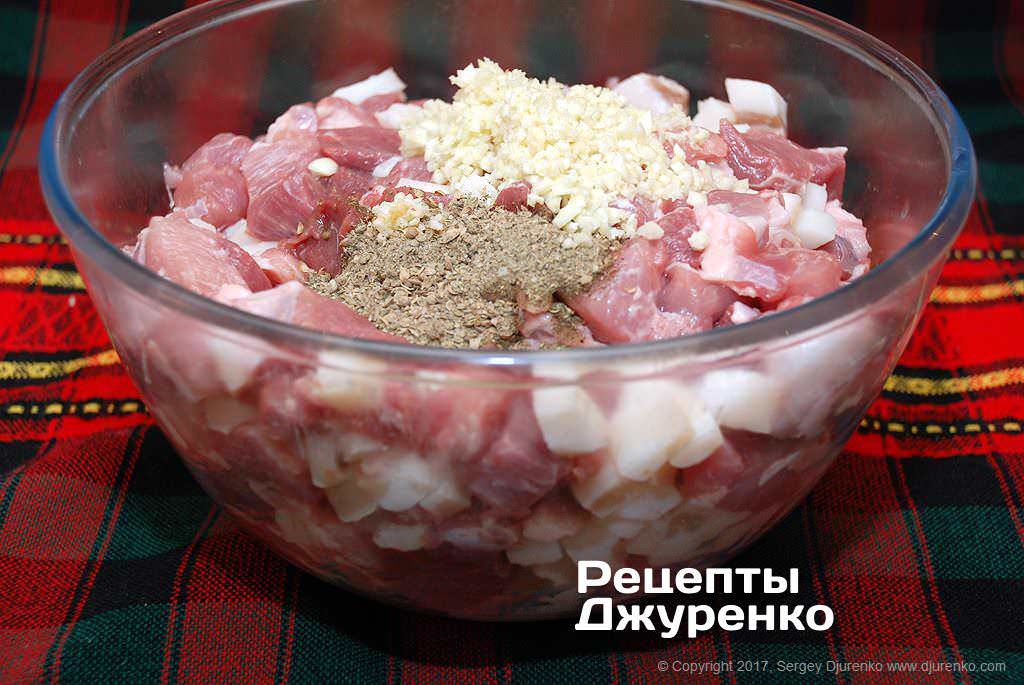
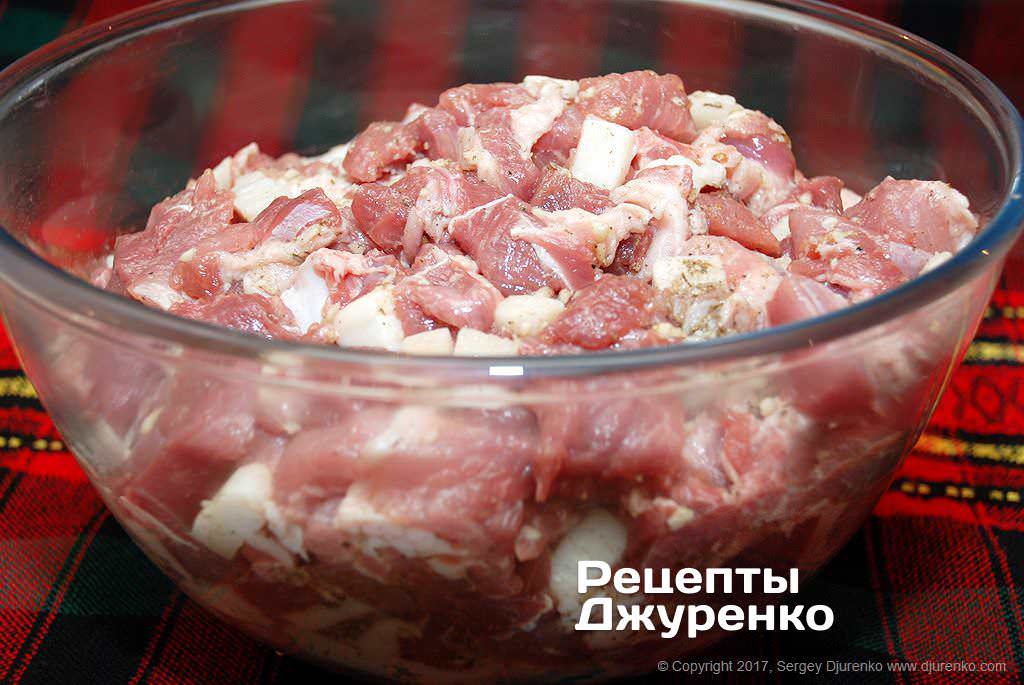
- In a large bowl, combine the cut meat and fat. Season with salt and pepper – you can even be a little generous. Add dried aromatic herbs: basil, oregano and, without fail, thyme. Add ground coriander to taste. Mix the meat very thoroughly so that all the spices are evenly distributed. Oh, and by the way, I don't add bay leaf.
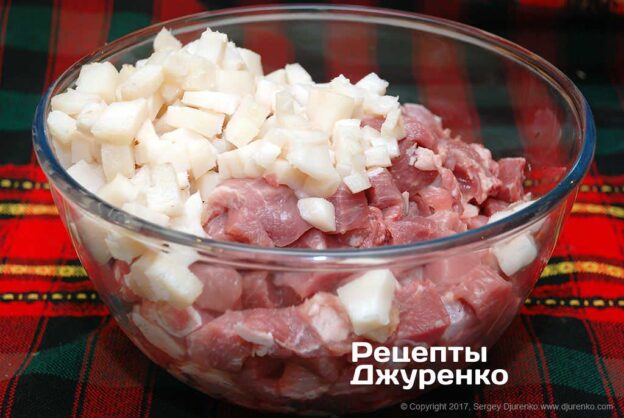
- Peel the head of garlic and chop the cloves with a knife as finely as you can. You can use a garlic press or a grater, but then you get a lot of garlic juice, and I don't like that. Add the chopped garlic to the meat mixture and mix. Next, I add a little good cognac to the mixture – 2–5 tbsp. This is optional. Give it a try, but don't add cheap substitutes or bad-smelling alcohol – it will affect both the aroma and the taste. If you're not sure, better skip this step. At the very end, mix the filling very thoroughly.
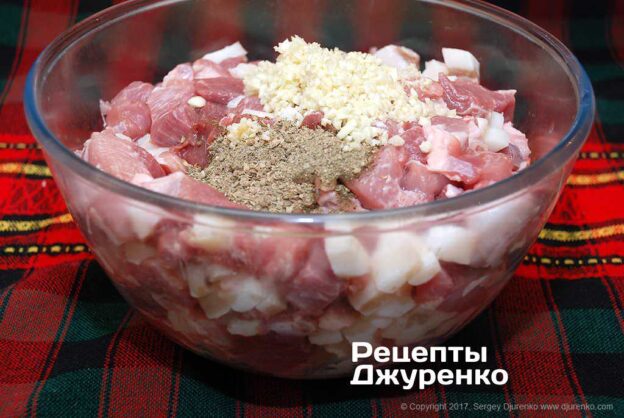
- Now comes the most important part – stuffing the sausage. The prepared casing will be filled with the meat mixture.
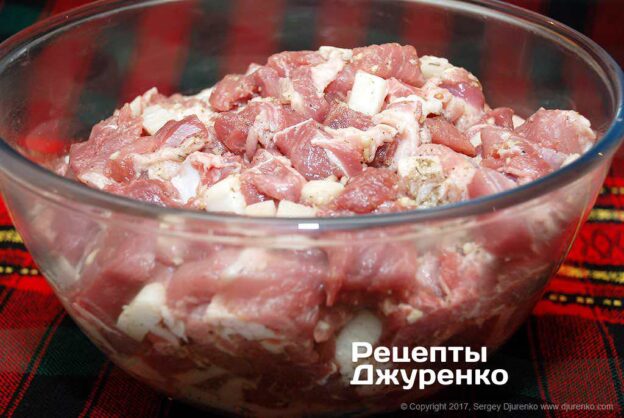
- If your home screw-type meat grinder has a special stuffing attachment – a plastic tube – the process becomes much easier. It's all simple: remove the cross-shaped blade and the grinding plate and insert the attachment instead. Pull the casing onto the attachment and tie the end of the intestine into a knot or with cotton thread. Important: the thread must contain no synthetic fibers – they will burn instantly during frying.
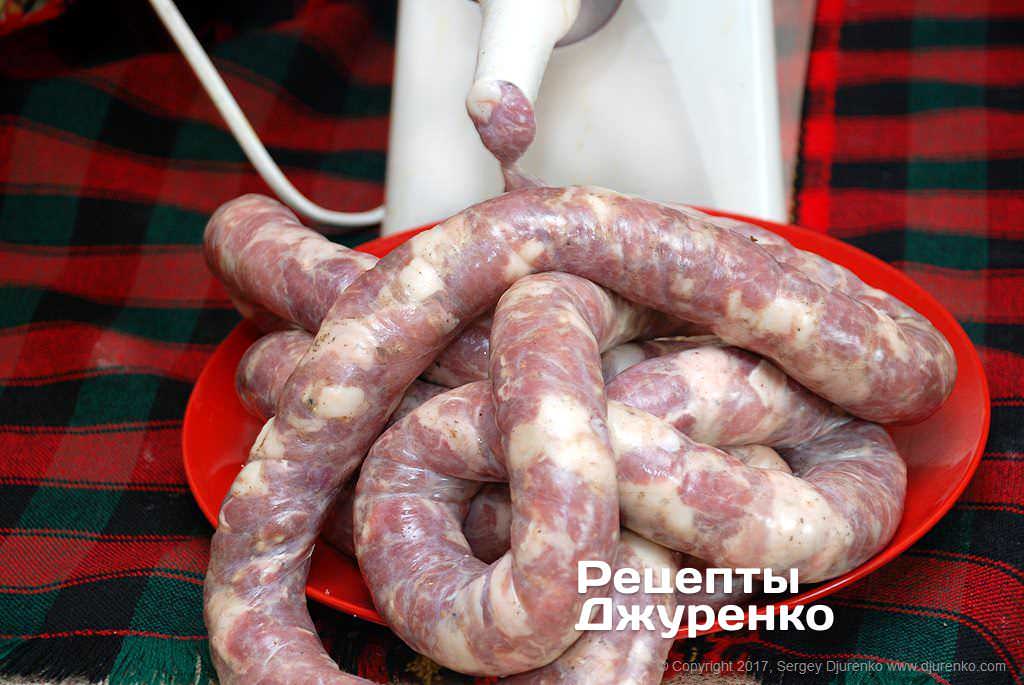
- Feed the filling into the grinder – the casing fills automatically and slides off the attachment as it fills.
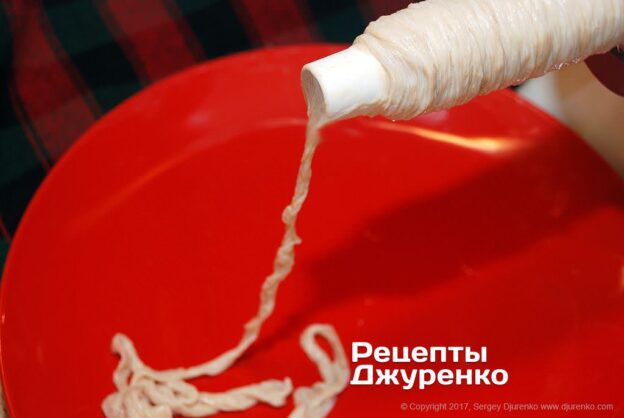
- Attention: don't stuff it too tightly. The casing should give easily when squeezed. If it is packed tightly, it is guaranteed to burst during boiling or frying.
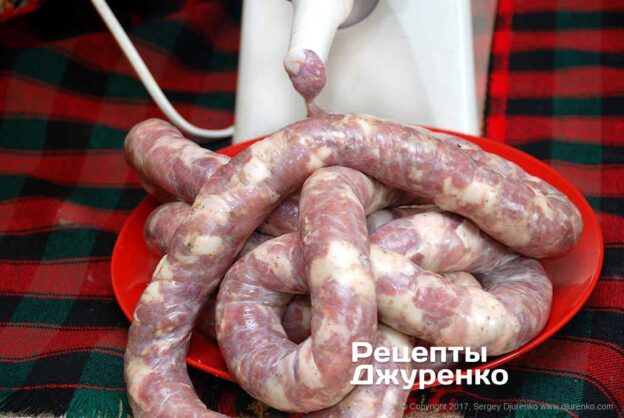
- Make sure there are no holes in the casing. If you find one, be sure to cut the casing at that spot and tie it off with thread. As a result, instead of one long sausage you will get two or more sausages, which can be tied together into a chain.
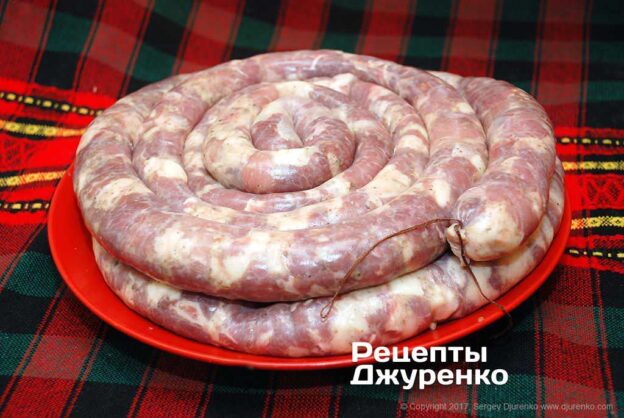
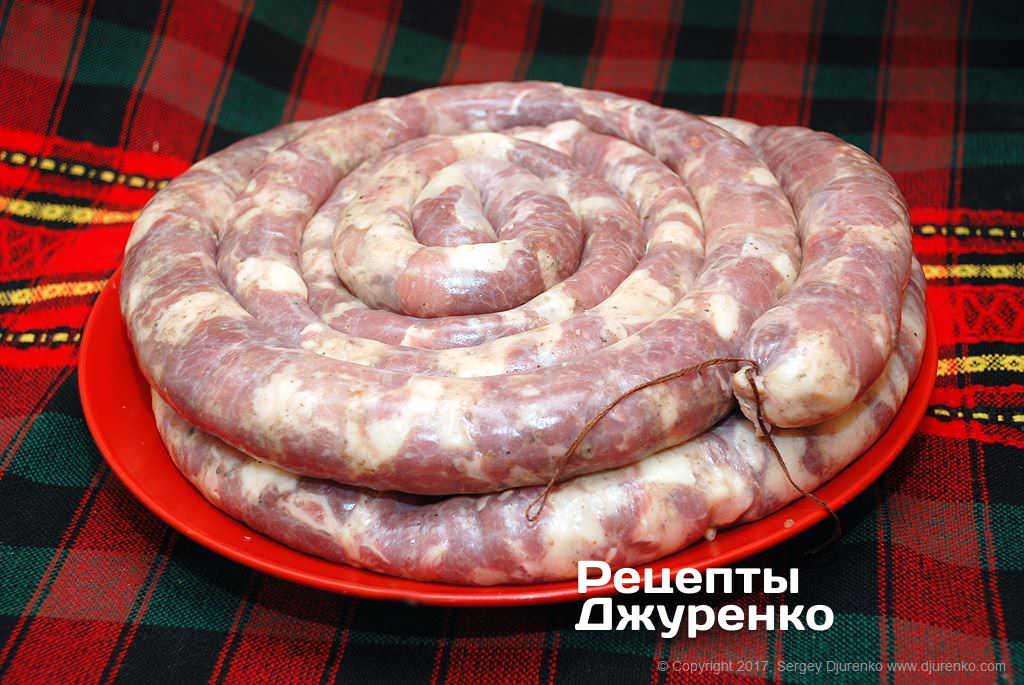
- This completes the preliminary stage. The sausage is filled and needs to go into the fridge overnight. The filling should rest for at least 4–5 hours.
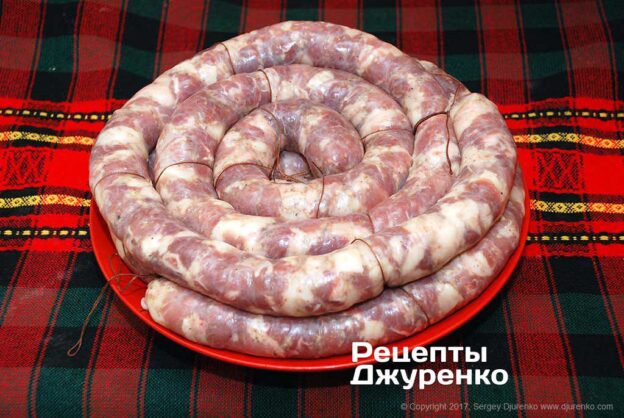
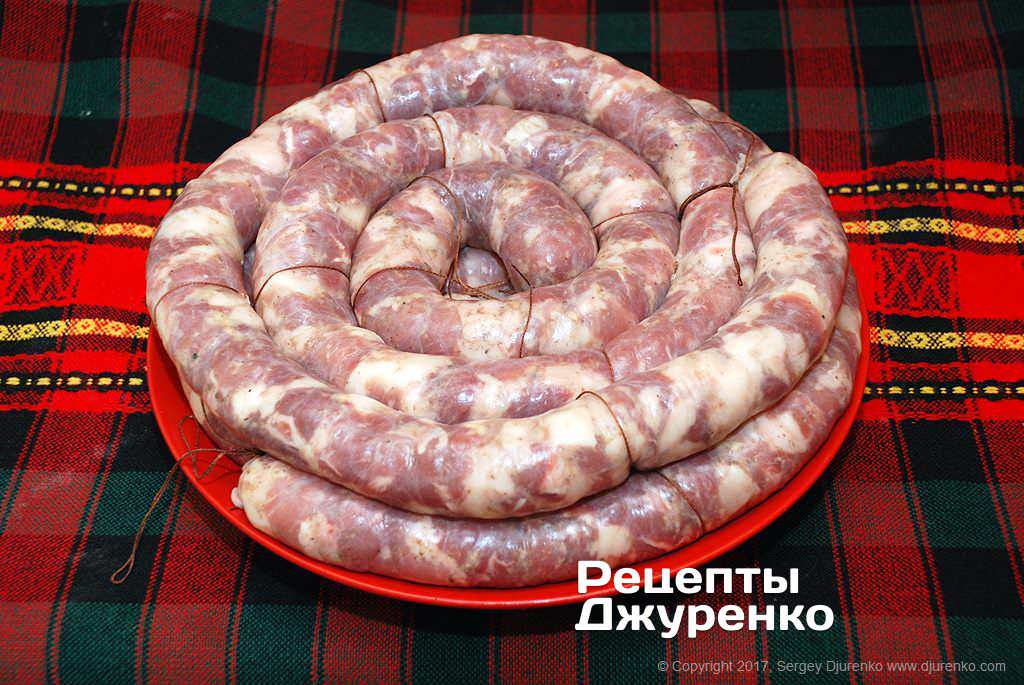
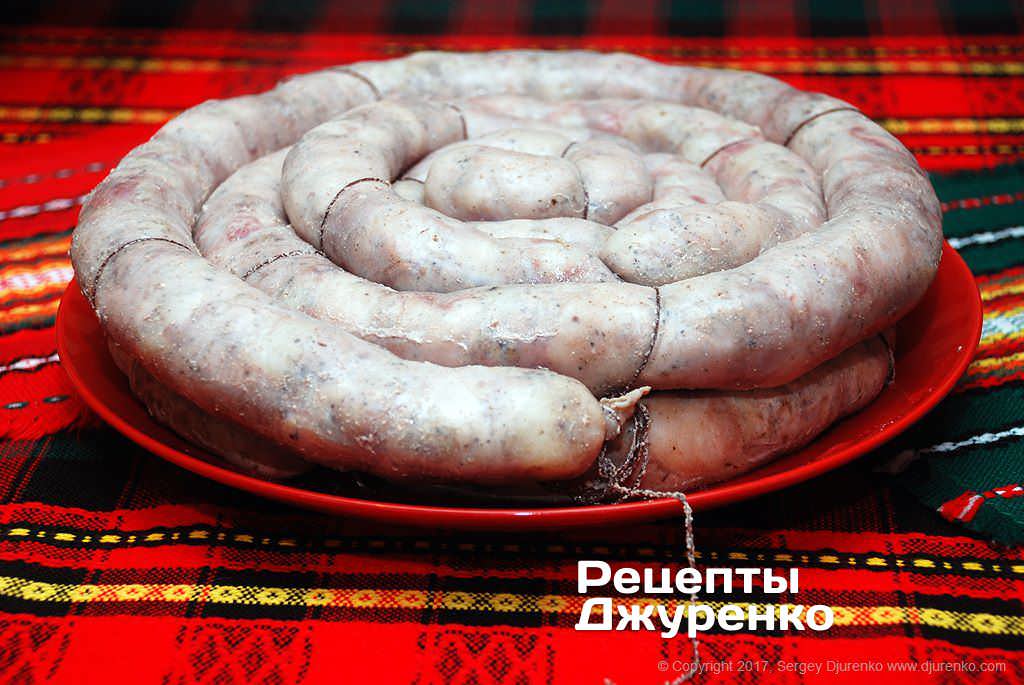
- Right before boiling, inspect the casing carefully once more, and find and tie off any tears and noticeable holes. Then coil the sausages into spirals (rings) and tie them with cotton thread. This makes the sausage easier to boil and fry.
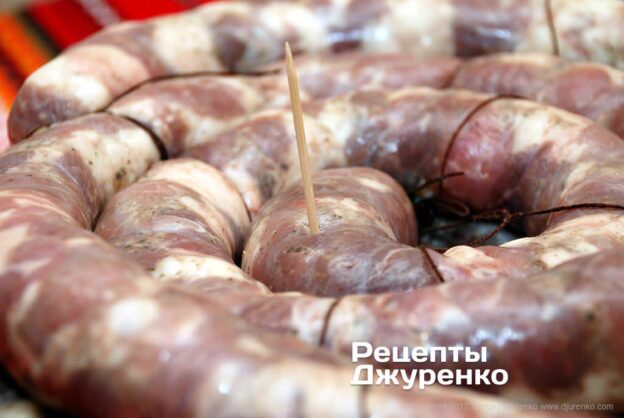
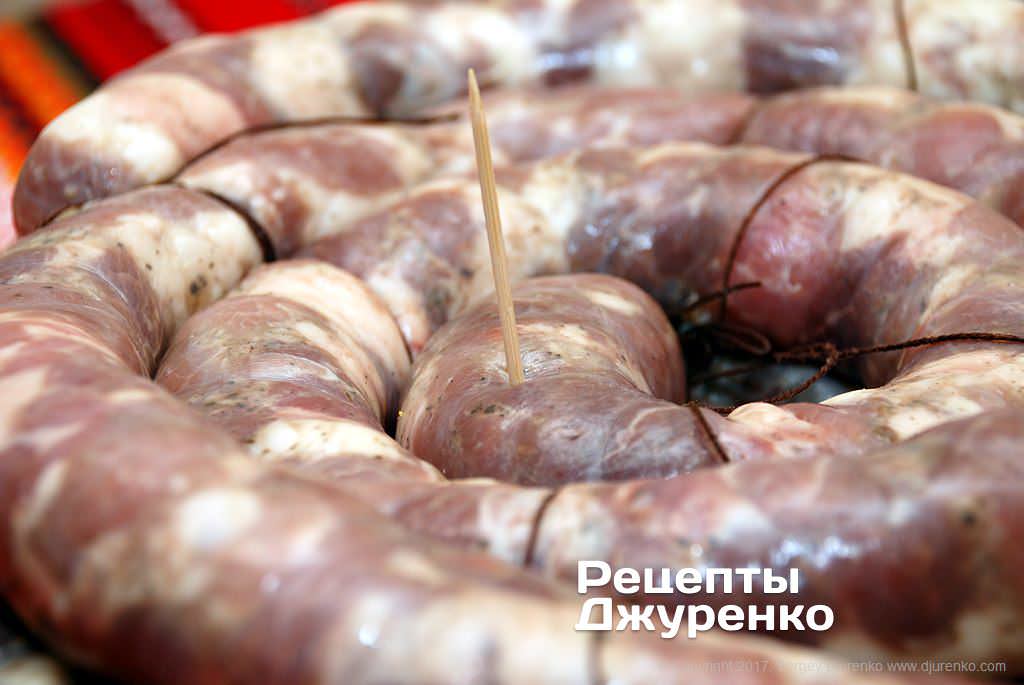
- Next comes an important step: prick the sausage casing in many places. A toothpick or a large needle is handy for this. Prick the casing on both sides every 4–5 cm. If you see air pockets under the casing, prick them. Remember Hašek – Baloun just couldn't get rid of that unforgettable vivid picture of himself pricking a “tlačenka” to let the air out: otherwise it would burst while boiling.
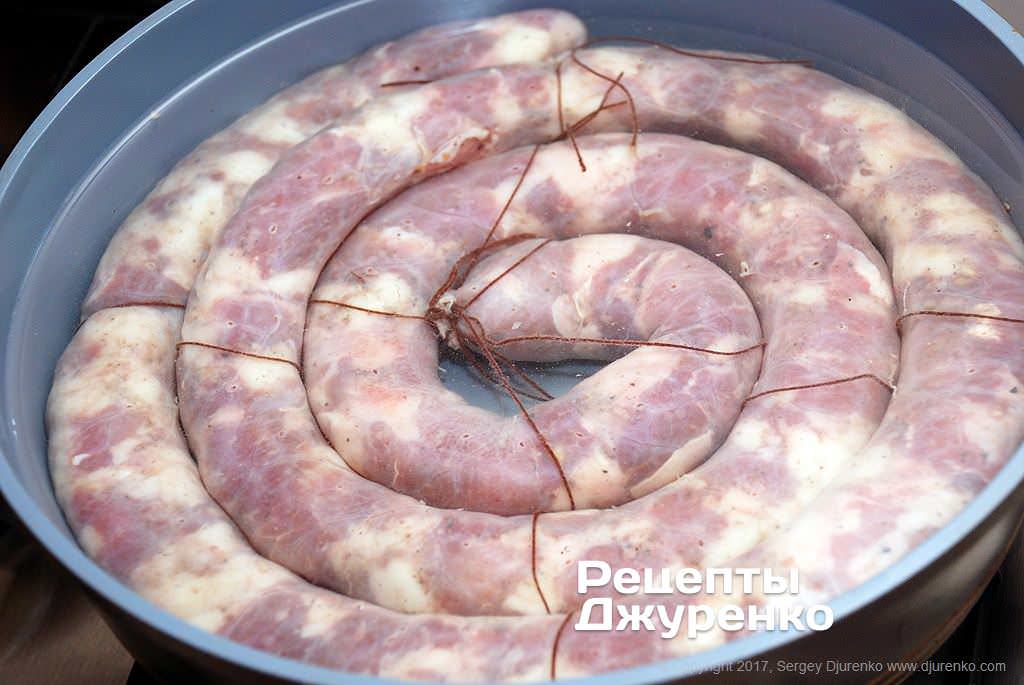
- Pour 15 cm of water into a large enough pot, pan or cauldron. Put a sausage ring into the pot so that it is submerged, and bring the water to a boil. Boil for 4–5 mins from the moment the water boils. If everything is done right, the sausage won't burst.
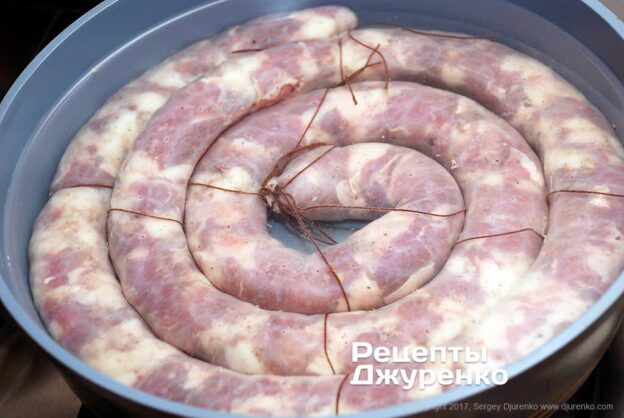
- Boil all the sausages prepared the day before, one at a time. After boiling, take the sausages out of the boiling water, lay them out on plates and let them cool.
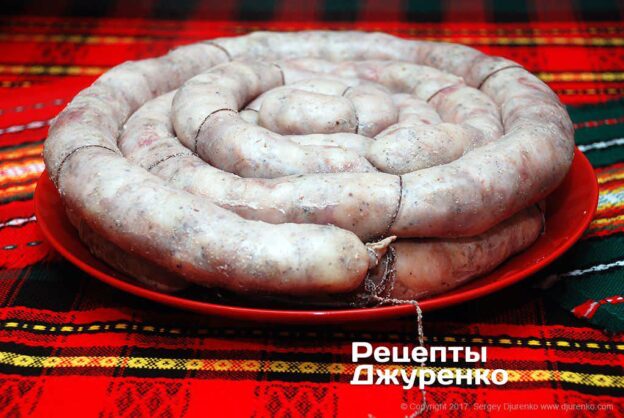
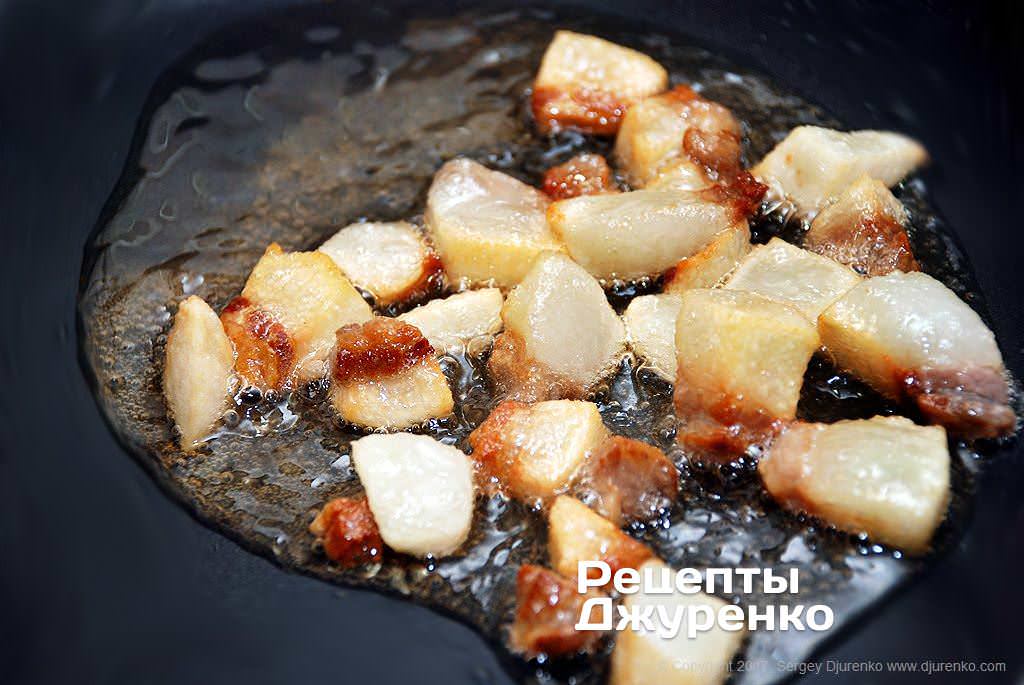
- Dice the 100 g of fat set aside the day before and render it in a skillet until you get dry cracklings. Eat the cracklings immediately! Pour the fat into a ceramic dish and let it cool to room temperature.
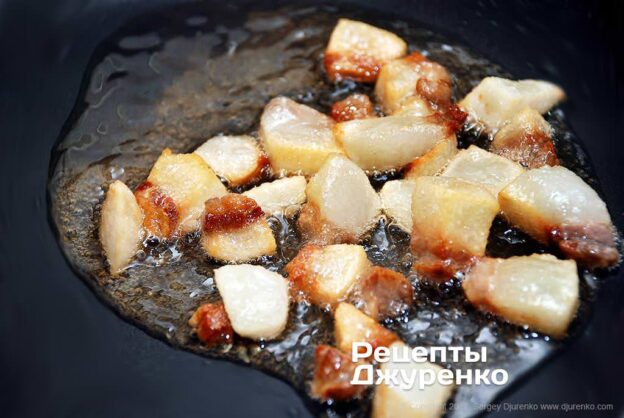
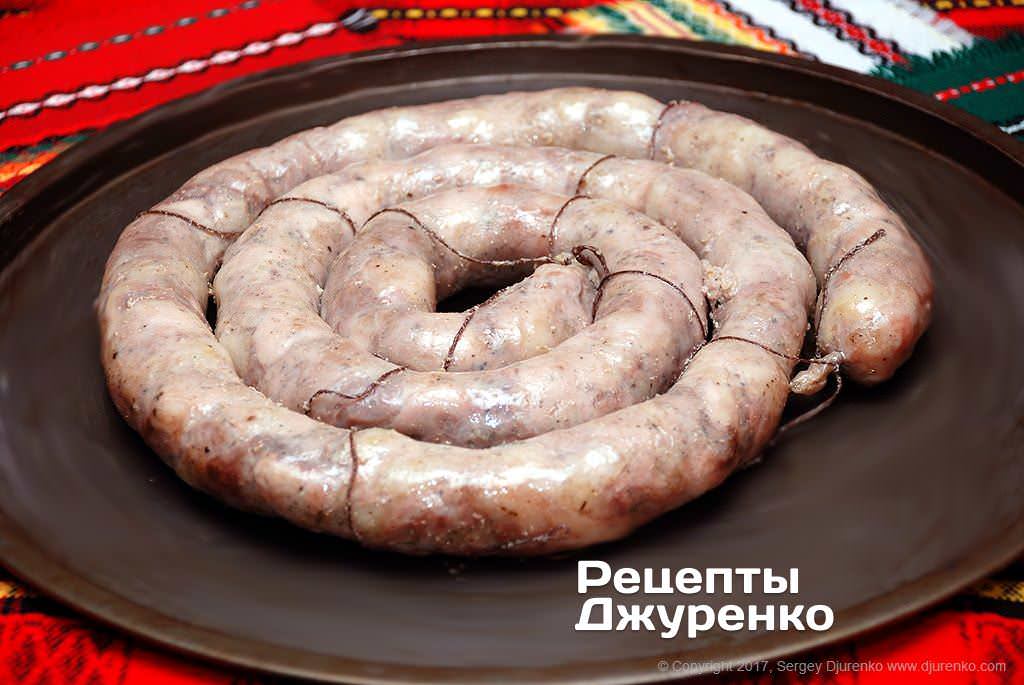
- Preheat the oven to 230–240 °C. Brush the sausages with the fat from the cracklings, lay them on baking sheets, put them in the oven and roast, turning them from time to time. Roast until the rings are browned. This usually takes 1 h or a little longer. Doneness is judged by color: once the sausage has a nice golden-brown shade, it is guaranteed to be done. And one more thing: never let it burn while roasting – better to turn the rings more often and keep an eye on them.

- You can eat the sausage right away. But it keeps very well in the fridge and can be reheated as needed. In villages, sausage is packed into ceramic pots and covered with lard. That way the sausage rings kept for a very long time.

- The cooked sausage is served both hot and cold – as you like and as the occasion suggests. I know from experience that when a golden sausage is sizzling, it's impossible to resist. By the way, homemade sausage isn't usually cut – it is broken off by hand. The best hot sauce for pork sausage is homemade mustard or horseradish.

- Pork sausage is incredibly delicious. In the old days, hardly any big holiday went without it – Easter, Christmas, Trinity. Homemade sausage is part of a family tradition, a recipe repeated by many generations.

| Yield: | 3 kg of sausage |
| Calories: | 320 |
| Prep: | 12 h (approx.) |
| Cooking: | 2 h |
| Ready in: | 14 h (approx.) |
| Category: | Main Dishes |
| Cuisine: | Ukrainian cuisine |
| Rating: |
⭐
⭐
⭐
⭐
⭐
4.3
(2)
|