
Bulgarian Kavarma with Pork and Vegetables
Some people think kavarma (sometimes spelled kavurma) is a soup or a thick stew. The dish is common in the Balkans, Turkey and Eastern Europe, and the idea is to fry pieces of meat with vegetables first. Then everything is stewed together in clay pots or a cauldron until almost all the liquid has evaporated – often only the ingredients in fat are left. Depending on the region, recipes differ a lot, not only in the ingredients but in the cooking method too.
In Bulgaria, they most often use fairly lean pork. You can also stew lamb or veal – these versions are common in Moldova and Bessarabia. In Ukraine, lamb is the usual choice.
At home we use the youngest veal or pork. Traditionally, we fry the pieces of meat in rendered pork fat, although most recipes call for butter or a mix of vegetable oil and animal fat. This recipe uses only meat and simple vegetables: sweet and hot peppers, onion and tomatoes. You can add mushrooms if you like, but that makes a “drier” dish.


Ingredients
2 servings
- Pork 500 g
- Pork fat (salo) 50 g
- Onion 3-4
- Canned tomatoes 1 jar
- Hot pepper 1
- Red bell pepper 2
- Salt, savory, fenugreek, black pepper, paprika, white wine to taste
Step-by-step recipe
However you cook it, kavarma is a very hearty dish. It uses quite a lot of fat – rendered pork fat or butter – as well as pork. The vegetables – onion, tomatoes and peppers – make up almost half of the total. In season, use fresh ripe tomatoes; in winter, a jar of canned tomatoes works great.

Which fat to use for frying the pork and vegetables is up to you. We traditionally render pork fat and leave the crackling pieces in the dish. You can also mix equal parts butter and vegetable oil – the aroma is guaranteed. Slice the pork fat fairly thin and fry until it releases enough fat for frying the pork. You can set the crackling aside on a saucer for now.

Cut the pork into cubes and add it to the melted fat. Stirring, fry the pieces over medium heat. The pork will release its juices almost at once, and they boil away quite quickly. Fry the meat until it just starts to turn golden – don’t brown it hard. This is less like frying and more like stewing in fat.

Peel the onion (you can use plenty) and cut it into cubes or coarse strips, as you like. Add the onion to the pork and fry them together for a few minutes. Remove the seeds from the sweet pepper and cut it into cubes. Peel the hot pepper too and chop it with a knife. Add all the pepper to the meat and onion, stir, and fry until the pepper is soft.

Next, the kavarma cooks in the oven – you can use individual clay pots or one large lidded clay dish. Transfer everything from the frying pan into the dish and level it out. If you used crackling and haven’t eaten it yet, put it on top. Cut the tomatoes into large pieces and arrange them over the pork and vegetables. Pour the tomato juice from the jar over the top. Salt and pepper the meat and vegetables, and add 0.5 tsp each of paprika and savory – the main spice of the Balkans – plus ground fenugreek to taste.

If you like, pour 0.5 cup of dry white wine (100 ml) or water into the dish. Cover with the lid and put it in the oven. Clay doesn’t tolerate sudden temperature changes, so put it in a cold oven and then turn the heat on. Heat the oven to 180-190°C. The meat and vegetables will release quite a lot of liquid. Stew the dish under the lid for about an hour, then remove the lid and keep baking.

The liquid evaporates quickly, and the kavarma starts to develop the qualities that make it such a unique dish. You can stir the ingredients, but if you cook in a large dish that goes to the table, let the top bake a little. The rest stews in the fat with only a little moisture. After half an hour the dish is ready – taste the onion, which stays the “firmest” thing in the dish. Take the dish out of the oven – carefully, it’s very hot. It’s better to set the clay dish on a clay plate rather than on a board or the table. If you like, sprinkle with dill or parsley. But to my taste, fresh bread is enough.

Serve while the meat and vegetables are hot – you can eat straight from the clay dish or transfer it to your plate. If you cooked in individual pots, put a spoon alongside for serving. Often at the very end of cooking, an egg is cracked over the ingredients in the pot and baked until the yolk is half set. The most common additions are mushrooms, preferably wild ones – porcini, bay boletes, honey mushrooms. It’s important that everything stews slowly, which gives a harmonious flavor and aroma. If you like, sprinkle with herbs before serving. The dish can also be served cold – that’s a separate recipe.


Calories and macros
935 kcal
Serving ≈ 590 g
- Protein49 g22% of kcal
- Fat68 g68% of kcal
- Carbs22 g10% of kcal
100 g157 kcalProtein 8.2 gFat 11.5 gCarbs 3.8 g
Calculated from the recipe ingredients, excluding salt and spices. Data: USDA and Matvaretabellen.
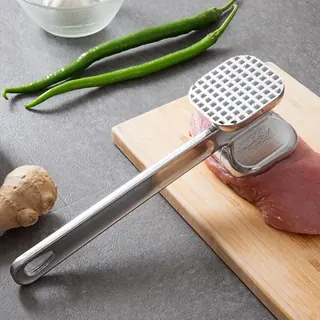 Meat tenderizerAliExpress
 Kitchen probe thermometerAliExpress
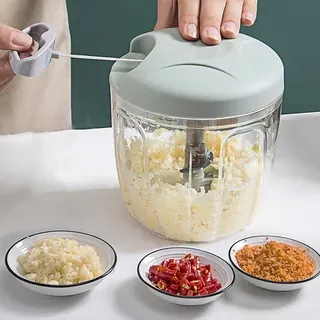 Pull chopper for garlic and onionAliExpress
 Oil sprayerAliExpress
 Kitchen scale up to 5 kgAliExpress
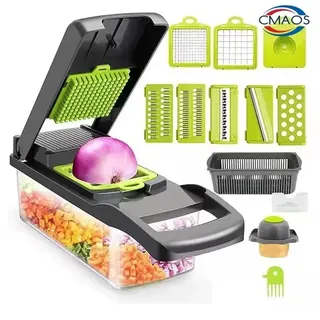 Vegetable chopper with handleAliExpress