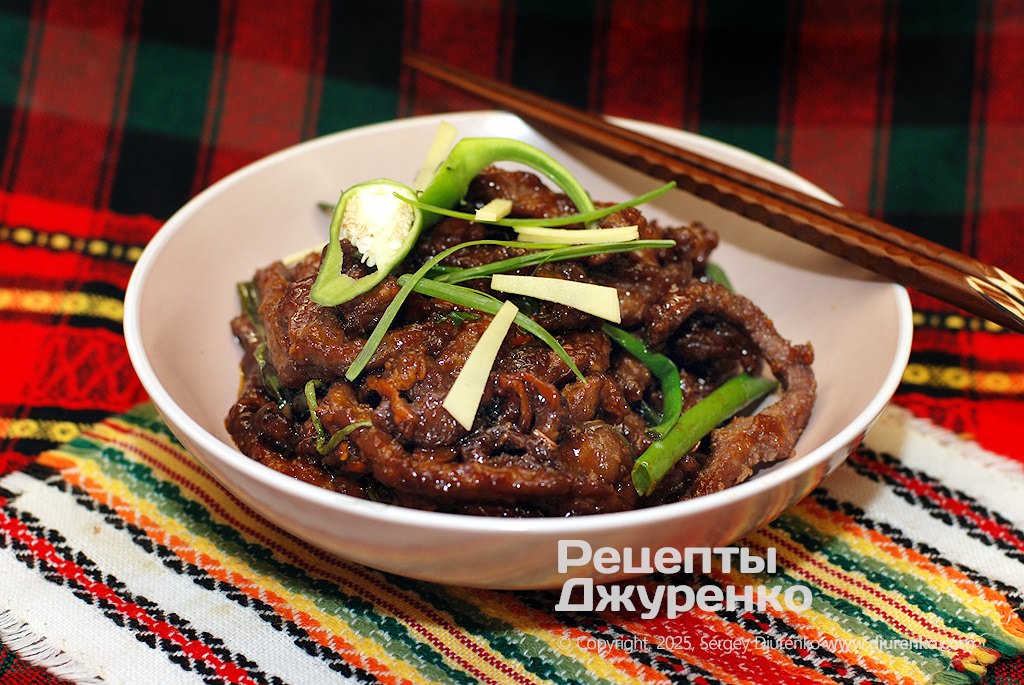
Crispy Ginger Beef in a Sweet and Spicy Sauce (Calgary Style)
Ginger beef (薑牛肉) is famous all over the world and is usually thought of as a Chinese dish, yet it actually comes from a completely different part of the globe. It was first made in Calgary, Canada, by a chef of Chinese descent. Today ginger beef is everywhere: you will find it in almost any Canadian Chinese restaurant, and it is considered a classic of Western-style Chinese food. Making it at home is easy, and there are countless recipes and variations – it always turns out delicious!
Ingredients
2 servings
- For the fried beef
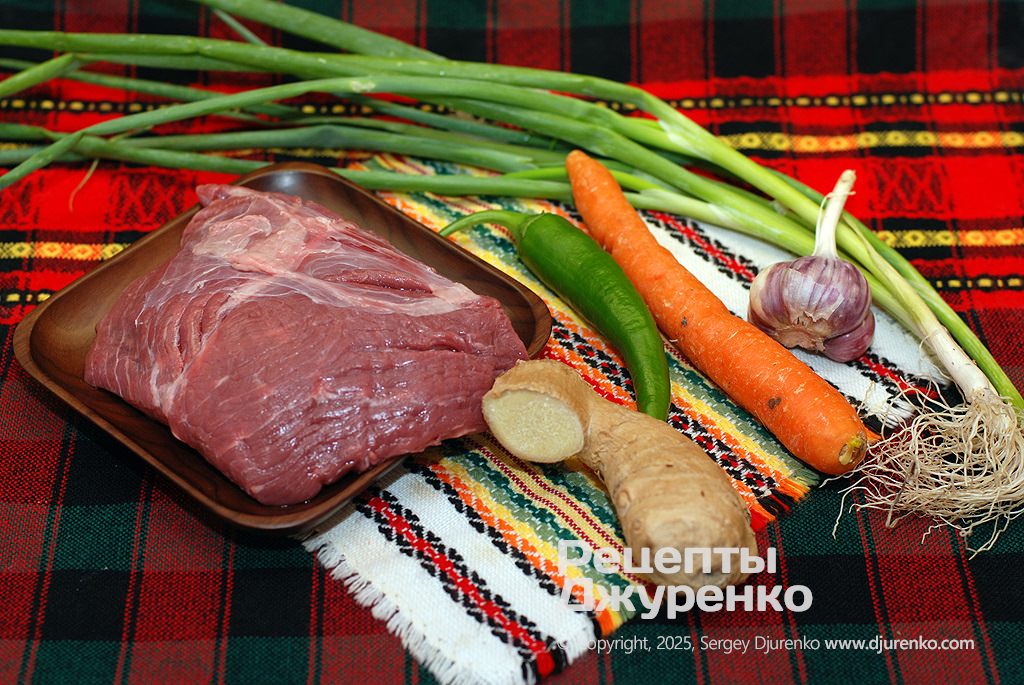
- Beef 500 g
- Fresh ginger 50-70 g
- Chili pepper (optional) 1
- Carrot 1
- Green onions 2-3
- Garlic 2-3 cloves
- Cornstarch as needed
- Vegetable oil (for deep-frying) as needed
- For the sauce
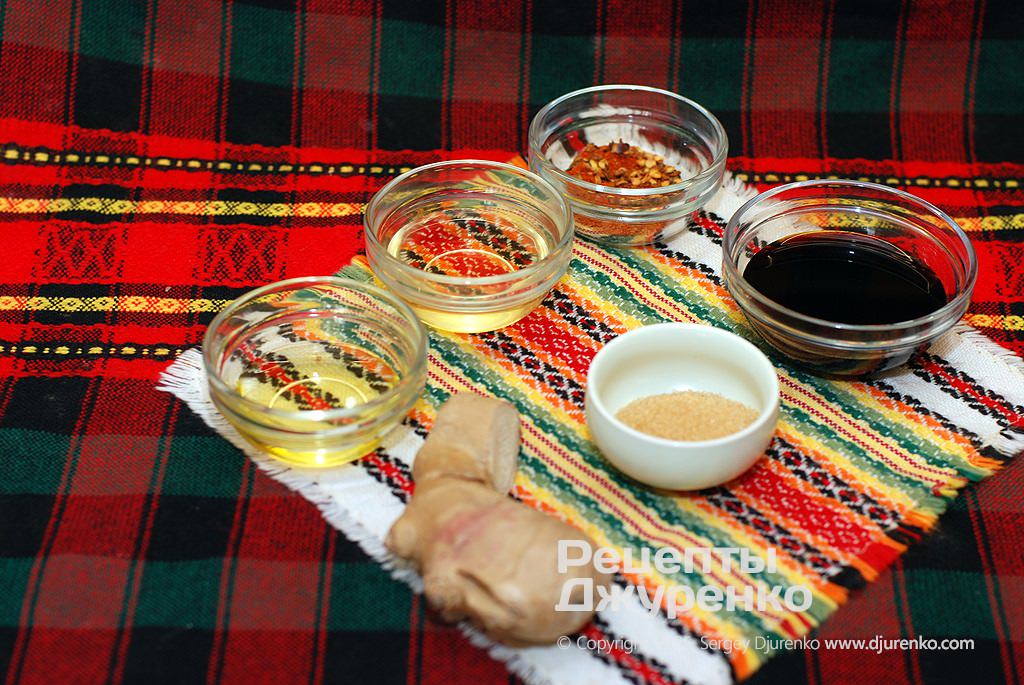
- Light soy sauce 50 ml
- Rice vinegar 3 tbsp
- Mirin 3 tbsp
- Brown sugar 2 tbsp
- Sesame oil 1 tbsp
- Dried chili flakes 2 tsp
- Cornstarch 1 tsp
Step-by-step recipe
- Classic ginger beef is made from a fairly tough cut with plenty of connective tissue. Flank steak, a flat muscle from the belly, is the most common recommendation. But chuck or a cut from the round works just as well: there is enough connective tissue, it slices nicely across the grain and cooks in much the same way.
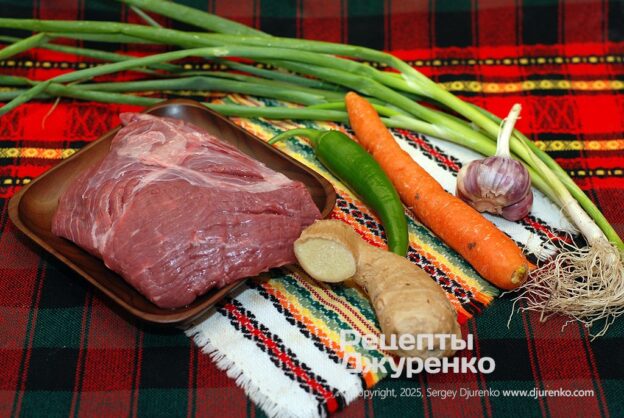
- Feel free to use even more ginger – it is the dominant flavour in the sauce. If you have no rice vinegar or mirin, you can try white wine vinegar and dry white wine instead, adding a little more brown sugar. Don't use dark soy sauce: it is saltier and thicker, and the sauce will come out almost black. Whether to add chili is up to you, but I really like it. You can pick a mild variety, and the ginger beef will just have a gentle kick.
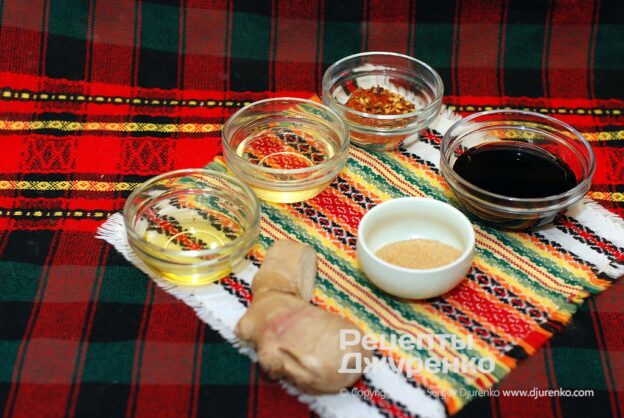
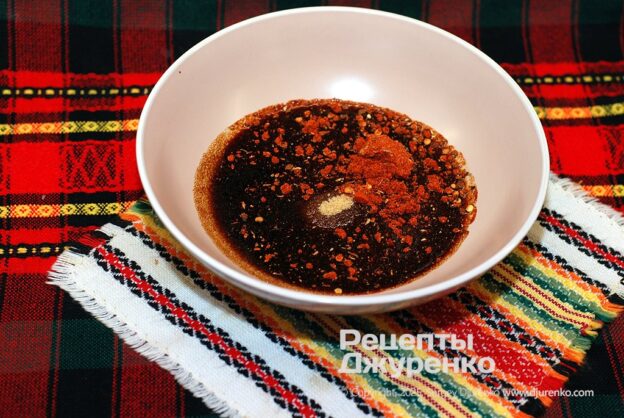
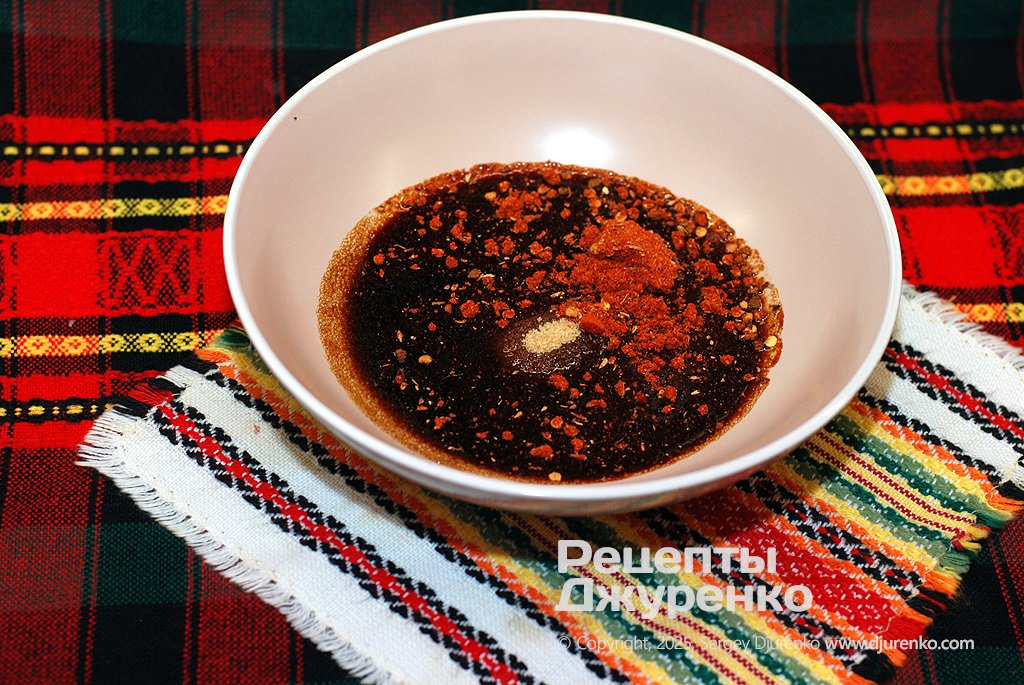
- It is worth mixing the sauce in advance so that the brown sugar has time to dissolve. In a bowl or cup, combine the soy sauce, rice vinegar and mirin, then add the sugar and chili flakes. Stir the sauce well and let it stand for a while until the sugar has completely dissolved. If you like, add a little sweet paprika to the sauce.
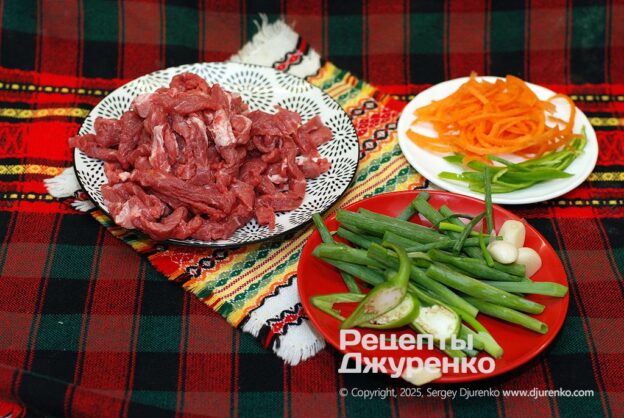
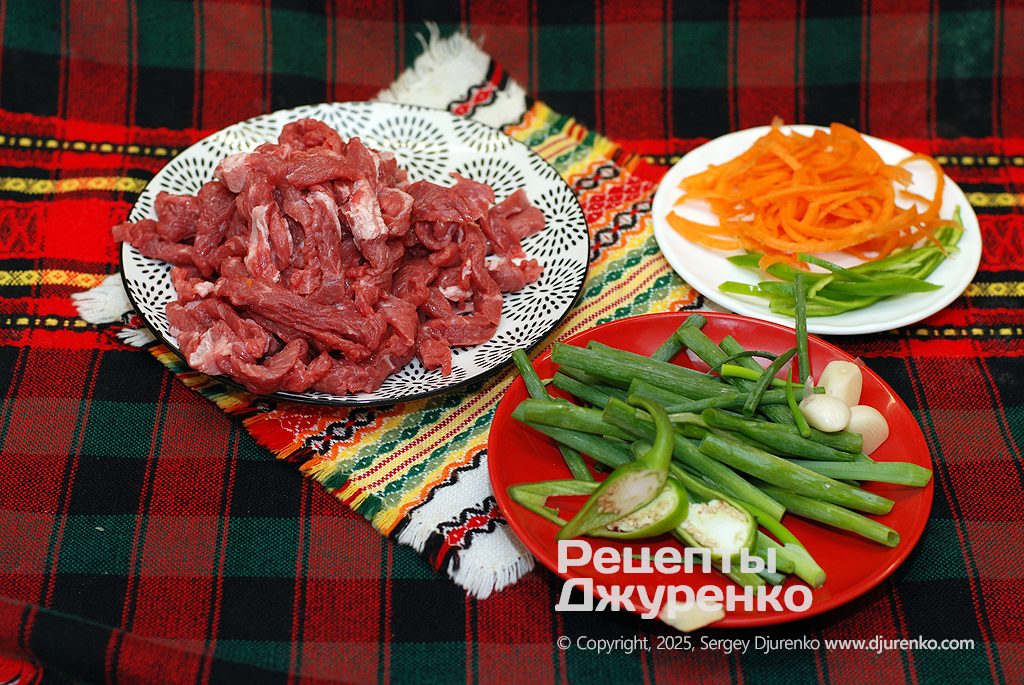
- The beef has to be sliced very thin. I recommend putting it in the freezer for a little while first: it firms up and cuts into strips beautifully. Slice across the grain so that the strips are 7-8 mm thick (original recipes say 1/4 inch). Meanwhile, peel the carrot, ginger and garlic, trim the chili and cut off the green onion tops. Cut the green onions, chili and carrot into thin matchsticks. Finely grate the garlic and ginger.
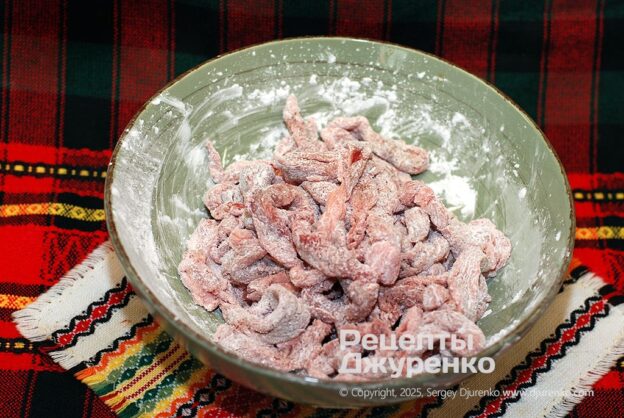
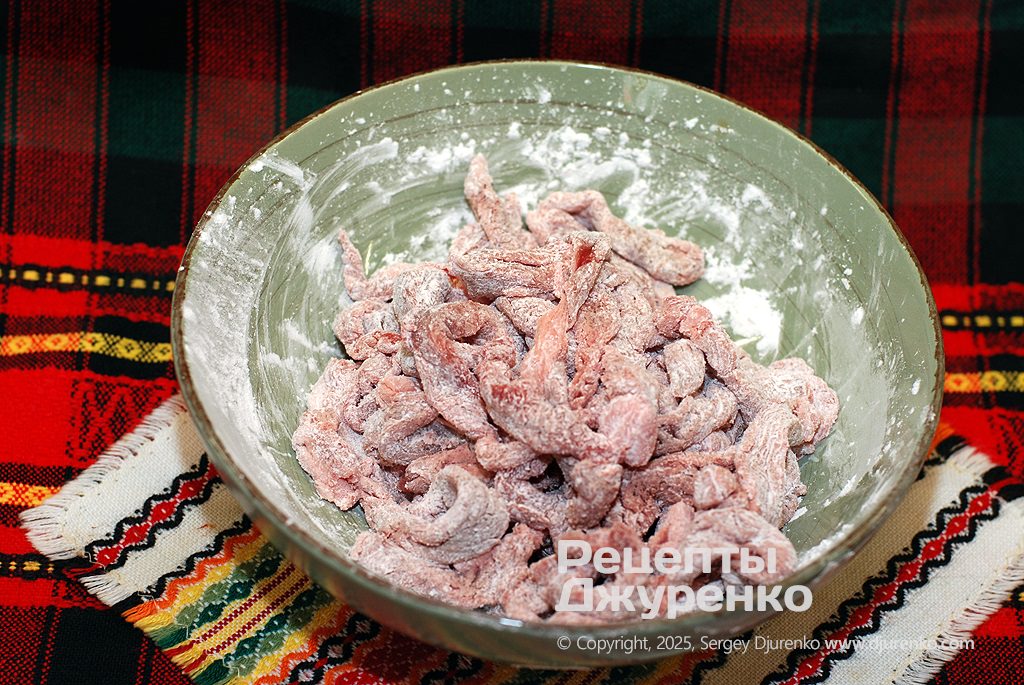
- Now for frying the beef. Put some cornstarch in a large bowl. Why I don't cook with potato starch: whatever I make with it ends up smelling of fried potatoes – that “aroma” just follows me around. So, working in small batches, toss the beef strips in the cornstarch, then transfer them to a plate. The starch sticks to the meat, sometimes quite thickly. To keep it from sticking to the bottom of the pan during frying, I usually put the meat in a colander and tap off the excess.
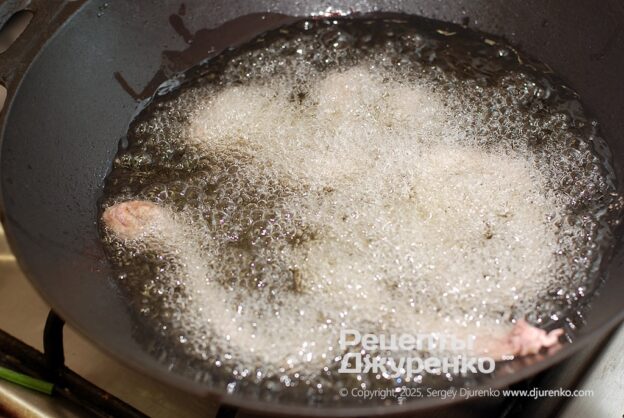
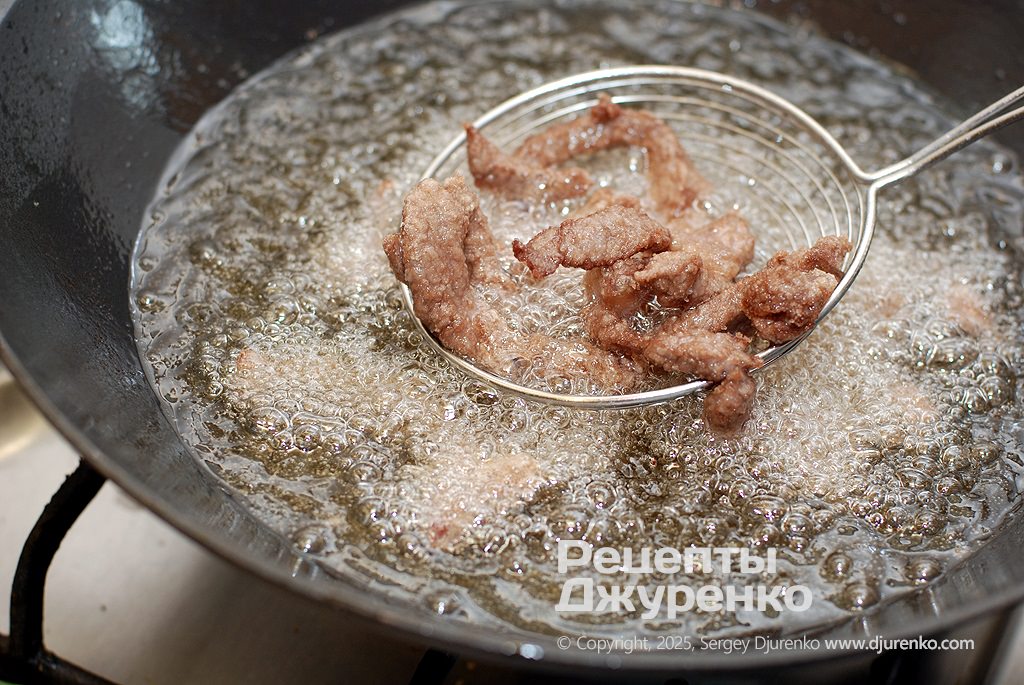
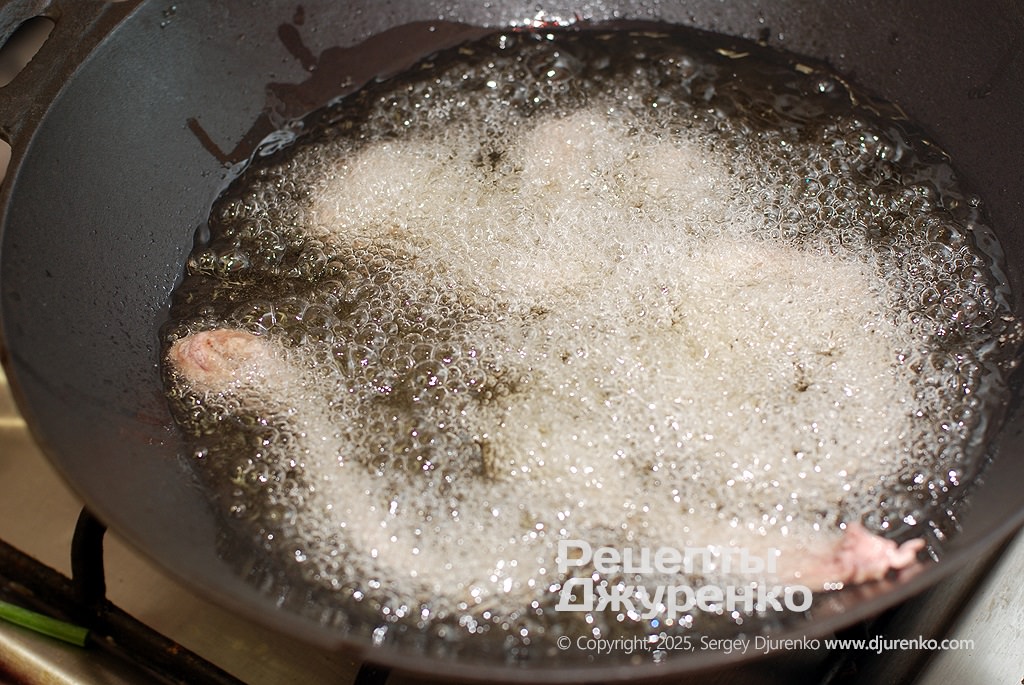
- For deep-frying I use inexpensive refined sunflower oil. Pour the oil into a wok or a deep frying pan and heat it until it starts to crackle. You can test the temperature by dipping the tip of one coated strip into the oil: if it bubbles vigorously, the oil is hot enough. Fry the beef in small batches so the strips don't stick together – separate them with a metal fork. And be careful: the oil is very hot and can spatter, especially if any drops of water get in.
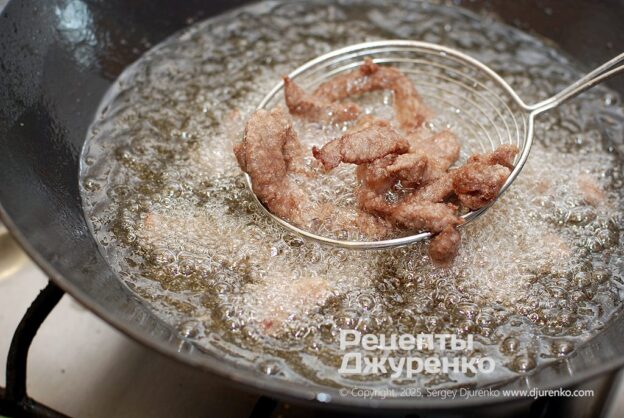
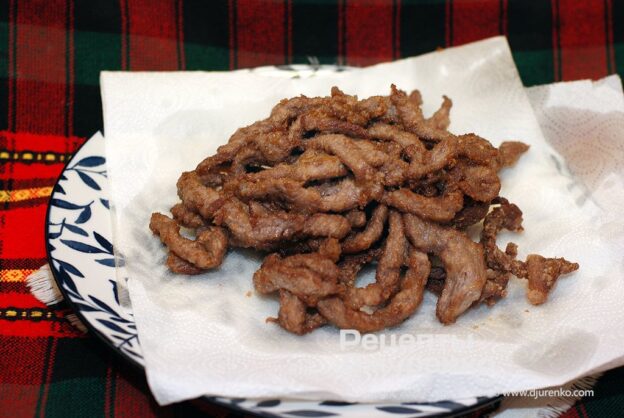
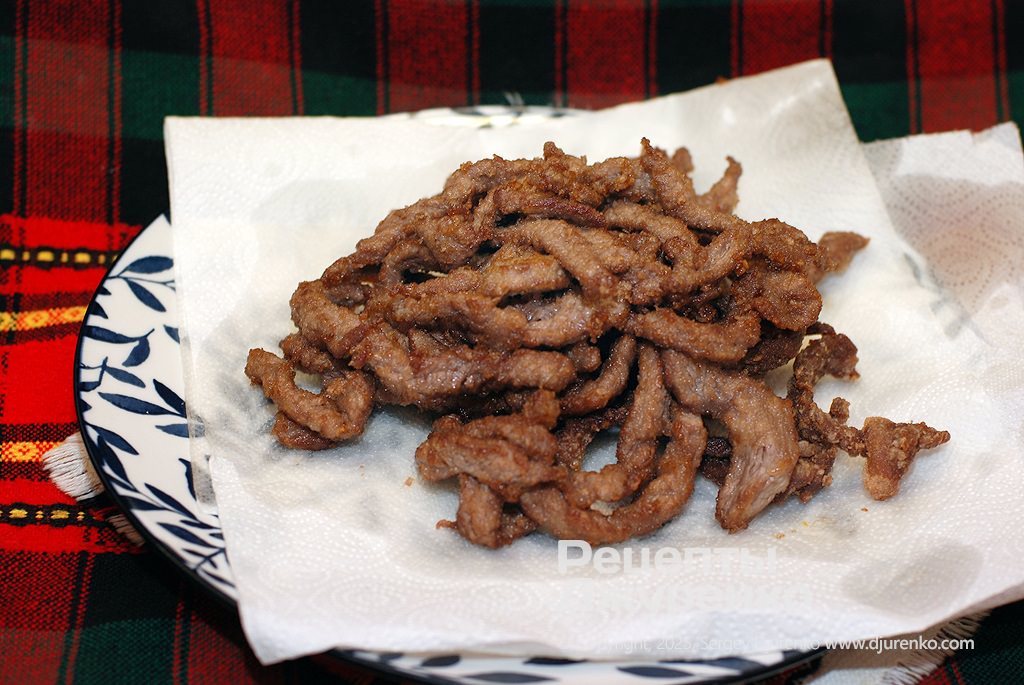
- Thinly sliced beef only takes a few minutes: as soon as it has a crispy golden crust, it is done. That is usually 3-4 mins, maybe a bit longer. Lift the meat out of the oil with a slotted spoon (preferably a metal one – plastic may melt) and transfer it to a plate lined with several layers of paper towels. The paper will soak up the excess fat. Fry all the beef this way, batch by batch.
- After frying, the beef will have a crispy crust and look almost “dry”. A common question is what to do with the frying oil. Whatever many people advise, pouring it down the drain or reusing it is a bad idea. Once the oil has cooled, I recommend pouring it back into the bottle it came in, screwing the cap on and throwing it in the bin.
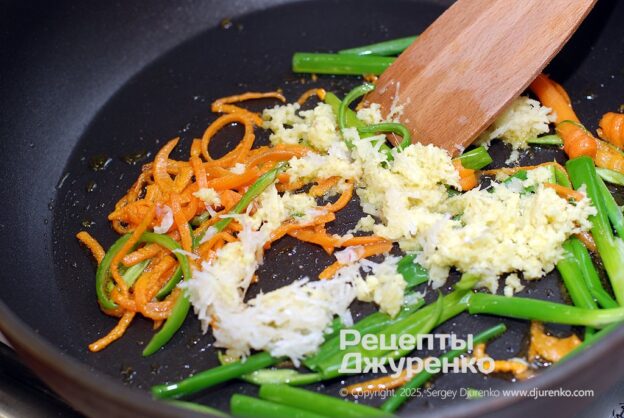
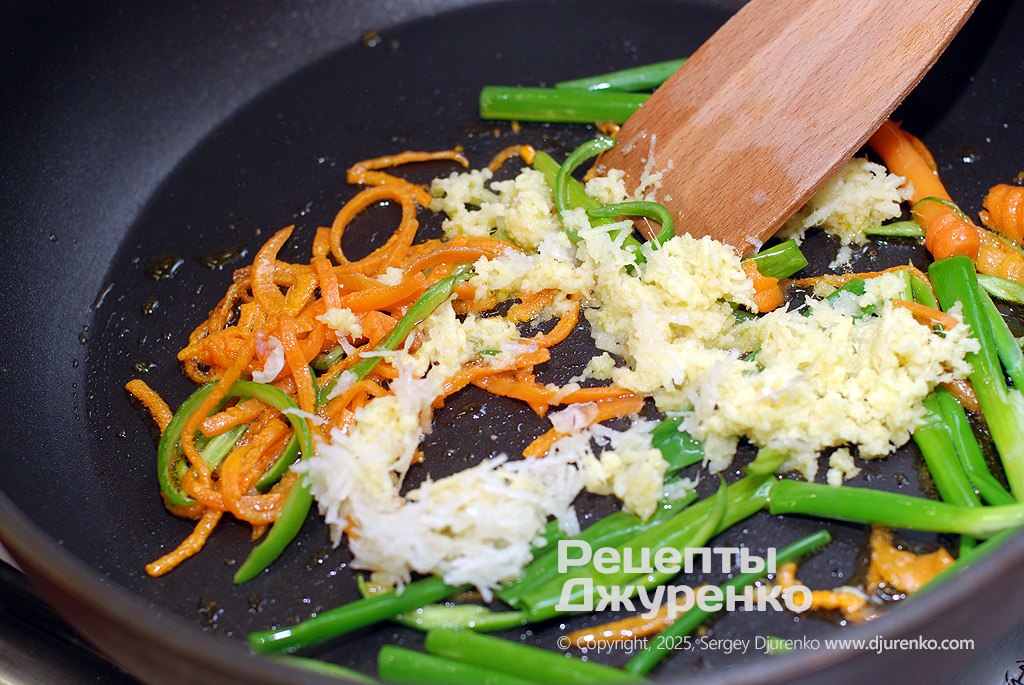
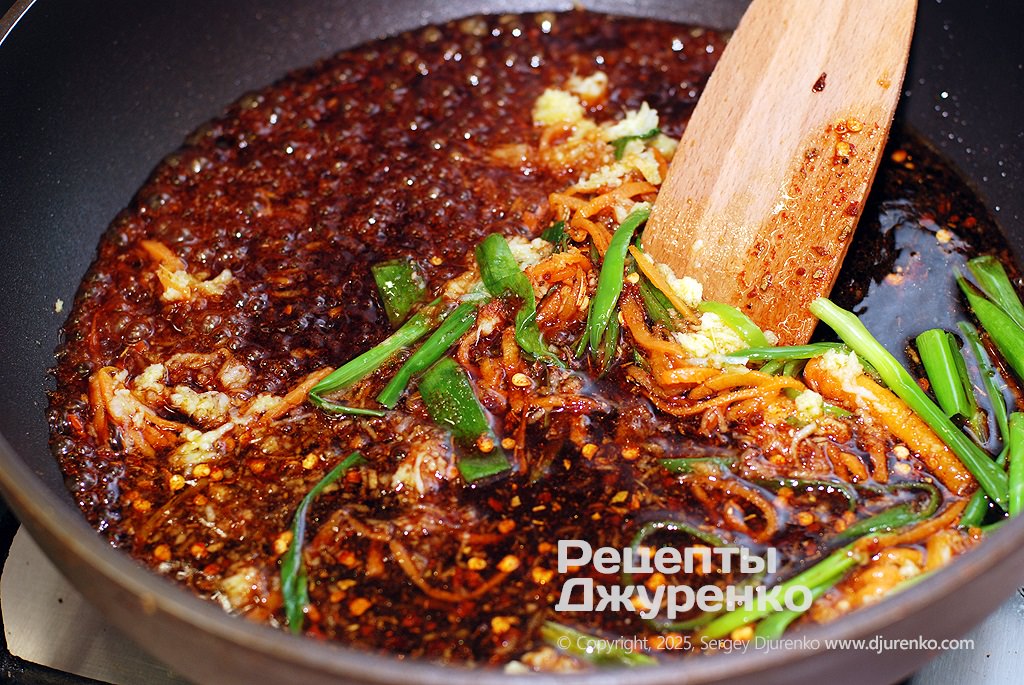
- Pour 1 tbsp of sesame oil into a regular frying pan. Once the oil is hot, fry the carrot and chili matchsticks until soft. Then add the green onions and fry for 1 min. Add the grated garlic and ginger, stir well and fry for 1-2 mins. Now pour in all of the prepared sauce. If some of the brown sugar still hasn't dissolved, rinse it off the bottom of the cup with a little water.
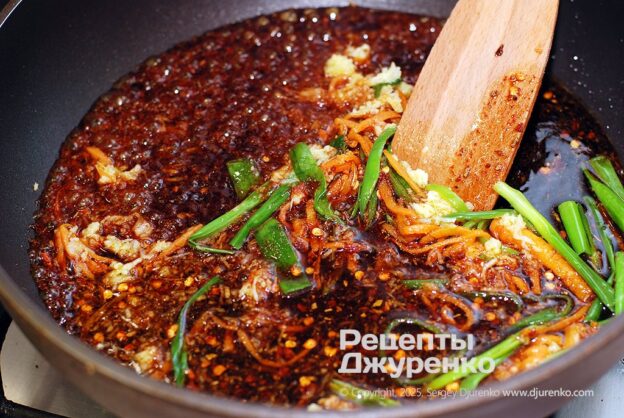
- Once the sauce comes to a boil, let it simmer over low heat for 2-3 mins. Meanwhile, mix 2 tbsp of cornstarch with 0.5 cup of water in a cup. Stirring constantly, pour the slurry into the sauce a little at a time. The sauce will thicken very quickly – add just enough starch for it to reach the consistency of buttermilk.
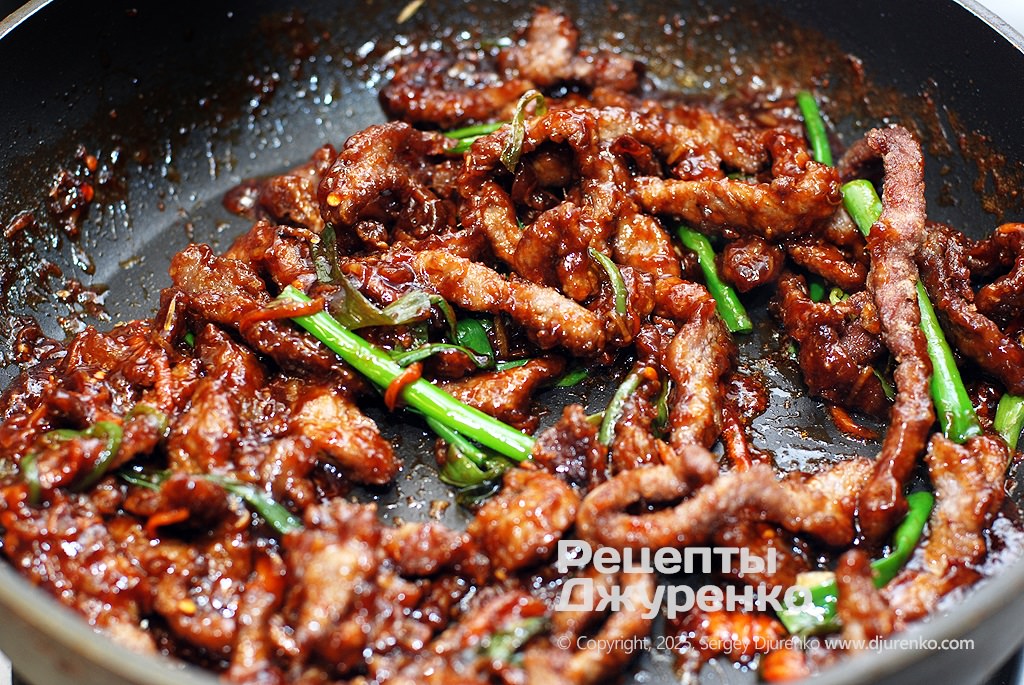
- Add all the fried beef strips to the sauce, stir gently and cook over low heat for 2-3 mins. The sauce should coat every piece of meat completely – ginger beef looks slightly sticky and glossy. At this stage you can add a few more green onion tops: they stay almost fresh and green, which suits this dish perfectly.
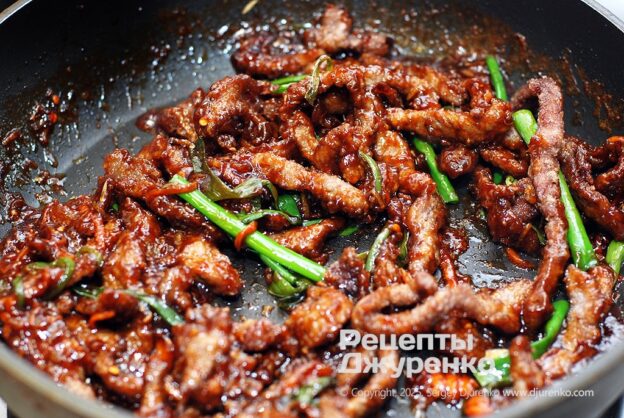
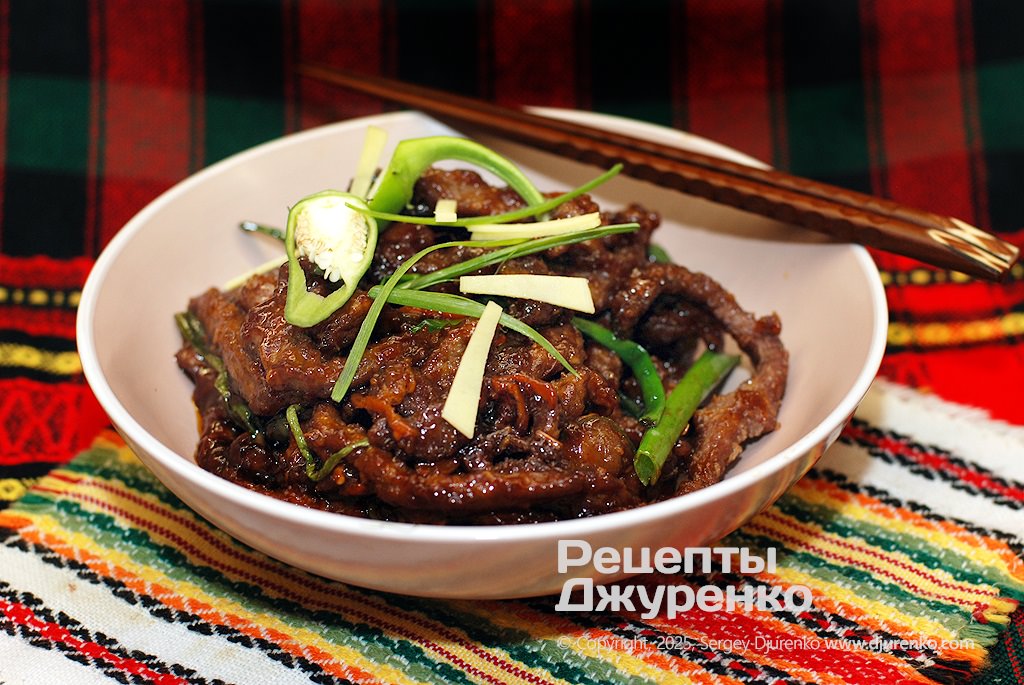
- Divide the ginger beef between small plates. Garnish with thinly sliced chili, green onions and thin slices or matchsticks of ginger, and sprinkle with a pinch of white sesame seeds. Eat it with chopsticks or a fork – whichever you prefer. It is a dish in its own right, but you can serve it with plain white rice or fried rice, and noodles work well too.
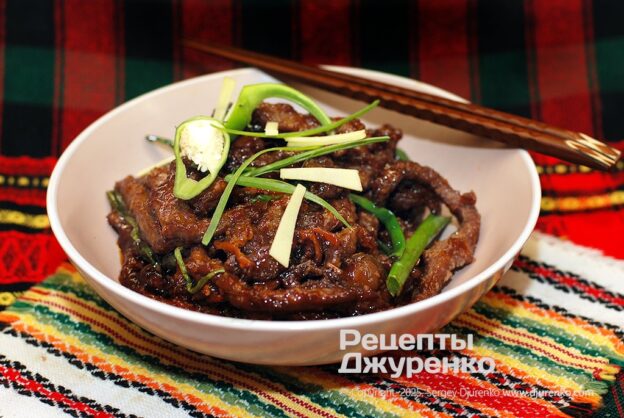
- They say ginger beef can be stored and reheated. I have never had any left over – it always gets eaten to the last piece. Besides, reheating will most likely take away the crunch, and that is what matters most in this dish. The sweet and spicy sauce for ginger beef is delicious. You can add some oyster sauce or fish sauce to it if you like. In the end it should not be too thick, so that it coats the strips of meat. It should taste slightly hot and sweet.
Recipe factsServes: 2 servings Calories: 240 Prep: 5 mins Cook: 25 mins Total: 30 mins Category: Main Dishes Cuisine: American cuisine Rating:
⭐
⭐
⭐
⭐
⭐
4.8
(1)