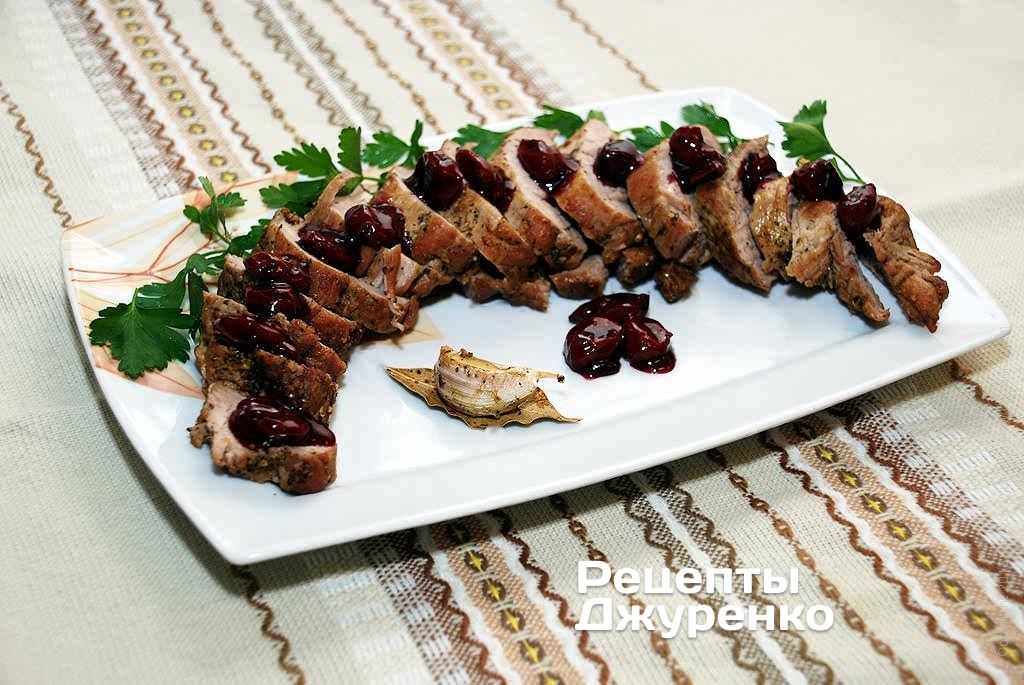
Pork Tenderloin with Cherry Sauce
I brown the pork tenderloin for about 15 minutes, sprinkle it with ground spices and wrap it in foil for 35–40 minutes — into the oven at 180°C. Then I open the foil and give it another 10–12 minutes at 220°C. The sauce is cherries braised for 10 minutes in a cup of red wine.
Ingredients
10–15 slices
For the meat
- Pork tenderloin 400 g
- Olive oil for searing
- Garlic 1 clove
- Bay leaves 2
- Spices (black peppercorns or a peppercorn mix, saffron or marigold, oregano, savory, mustard seeds, coriander seeds) about ½ tbsp in total (3 g)
- Salt to taste


For the sauce
- Pitted cherries 100 g
- Red wine (dry or semi-dry) 200 ml
- Olive oil 1 tbsp
- Starch 1 tsp (3 g)
- Sugar, nutmeg, ground black pepper to taste


Step-by-step recipe
Searing the tenderloin
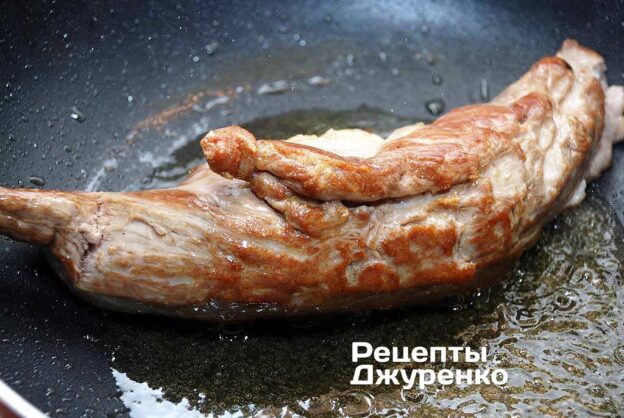
To keep all the flavor and juices of the tenderloin inside instead of letting them evaporate during cooking, we sear it in olive oil until golden brown.
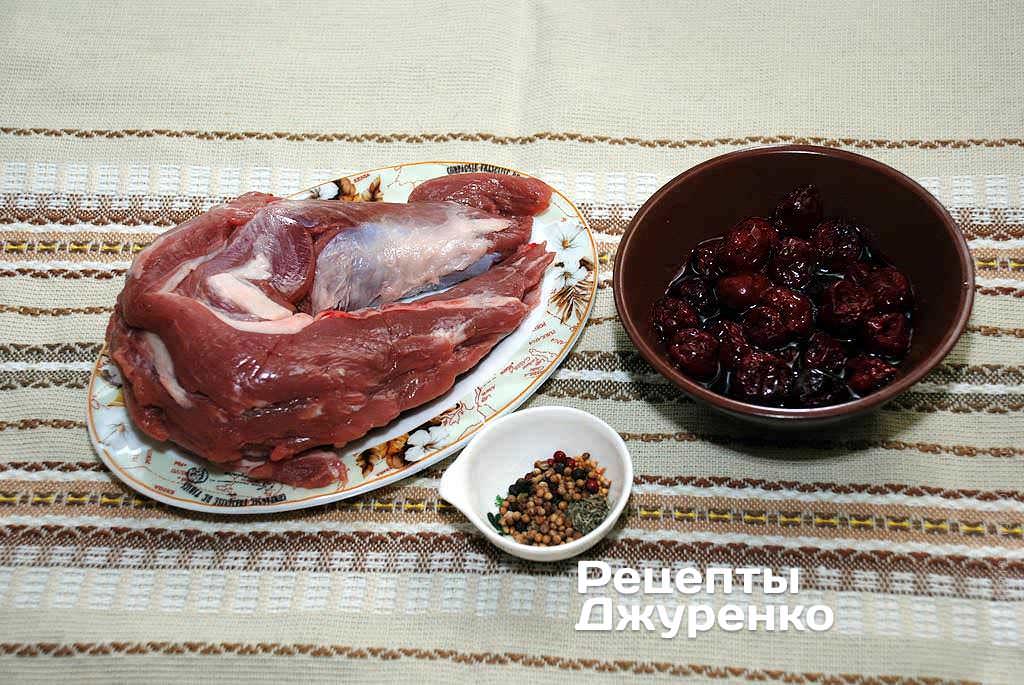
Wash the meat and pat it dry with paper towels. You can trim off excess fat, if there is any. Nothing else needs to be done.
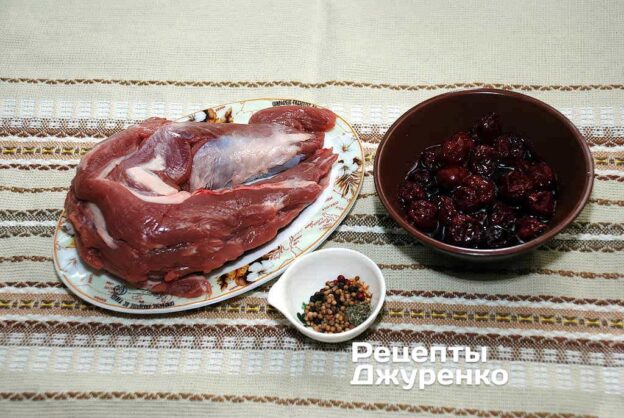
Pour olive oil into a sauté pan and heat it until it gives off its characteristic aroma.
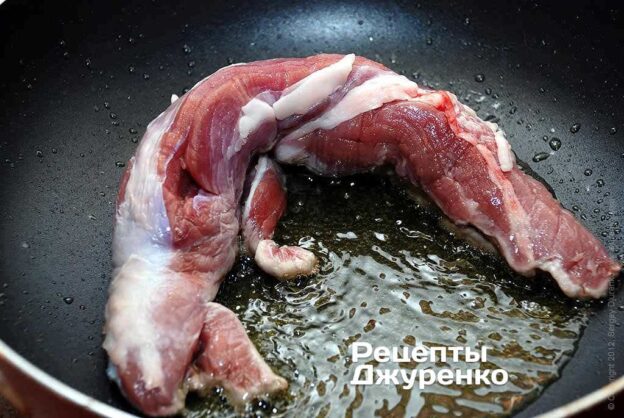
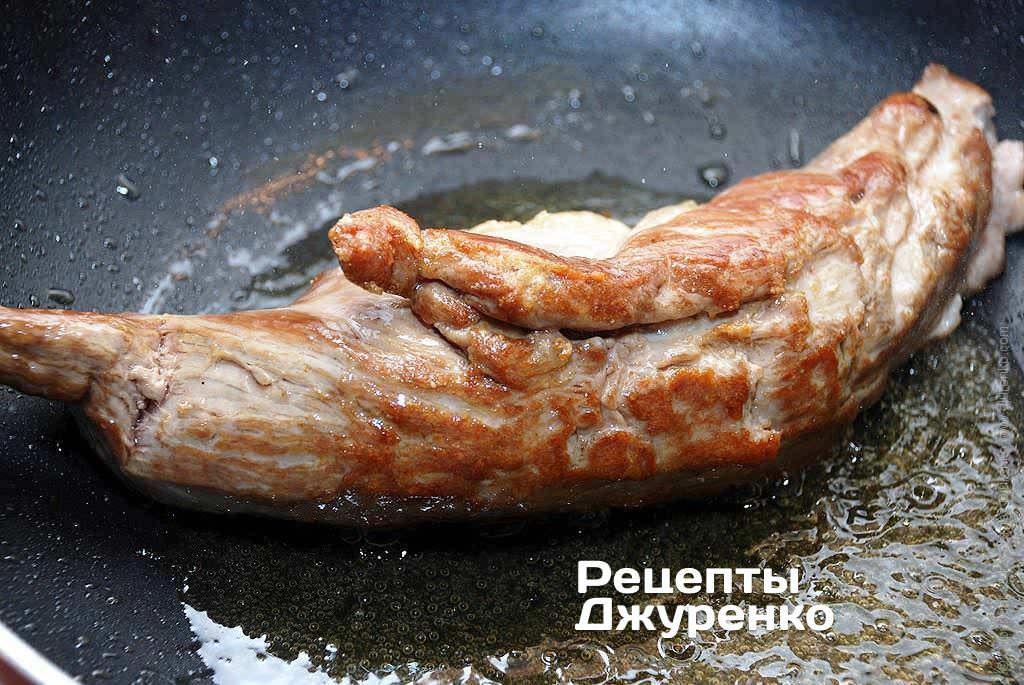
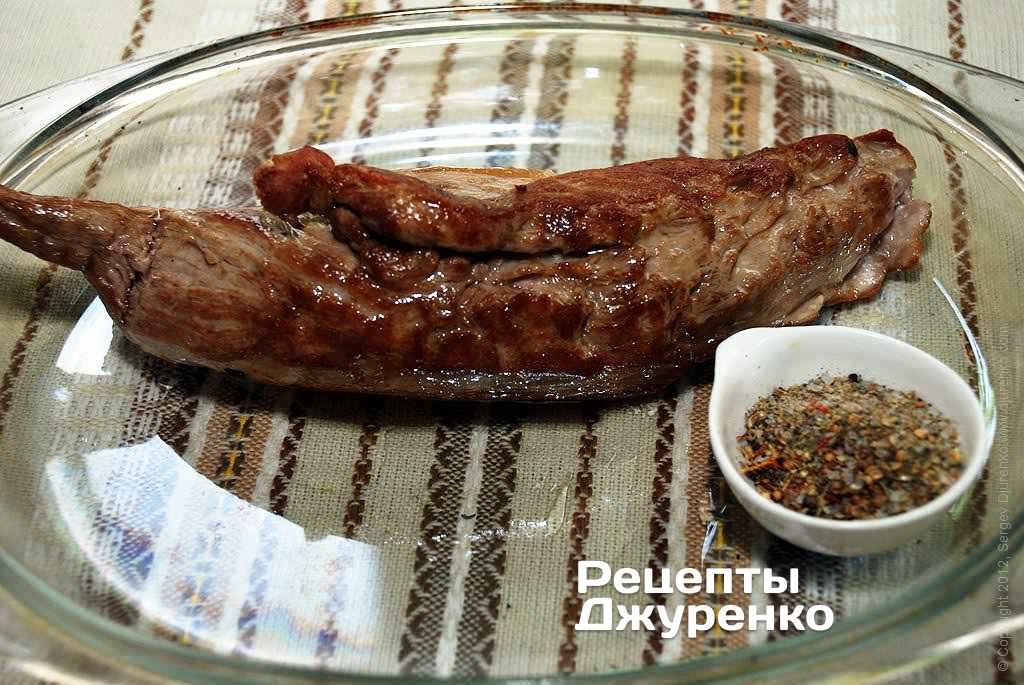
As soon as the oil starts to crackle slightly, put the tenderloin into the pan. Sear it on all sides, turning it often, until golden brown. Searing takes about 15 minutes.

Spices and foil
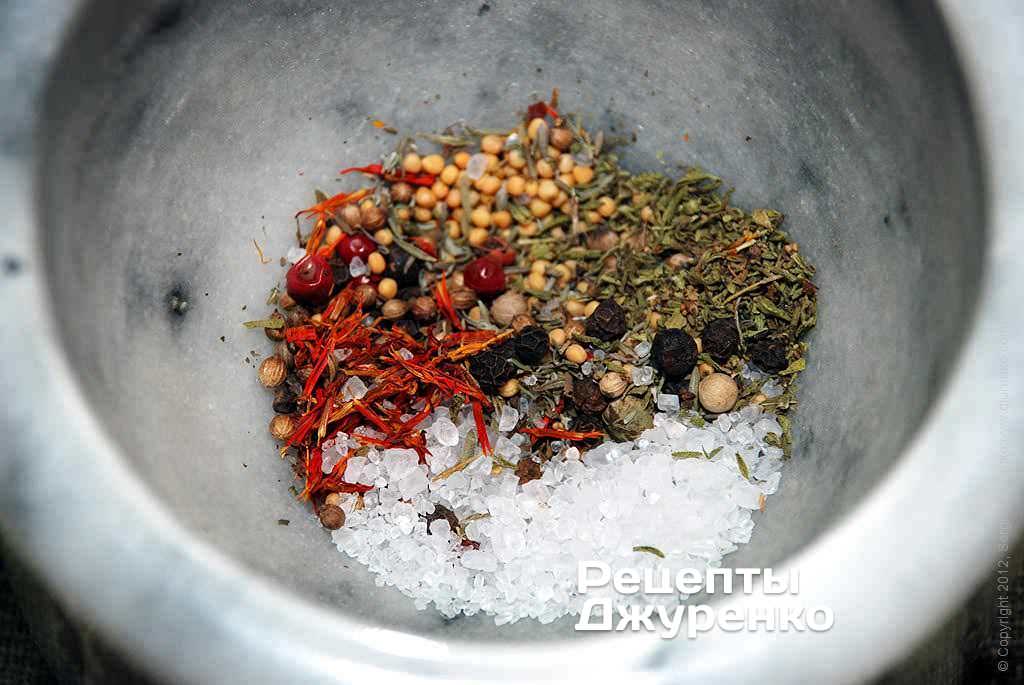
While the meat is searing, prepare the spice mix. Do not use ready-made blends or ground spices: all spices should be whole (pepper, coriander, mustard), and the herbs natural, unground and dried (oregano, savory, saffron). The spice set is to my taste, so feel free to improvise, but remember: everything in moderation.
Put all the spices in equal parts (about half a tablespoon in total) and salt to taste, except the bay leaves, into a mortar. Grind them a little to get a coarse mix.

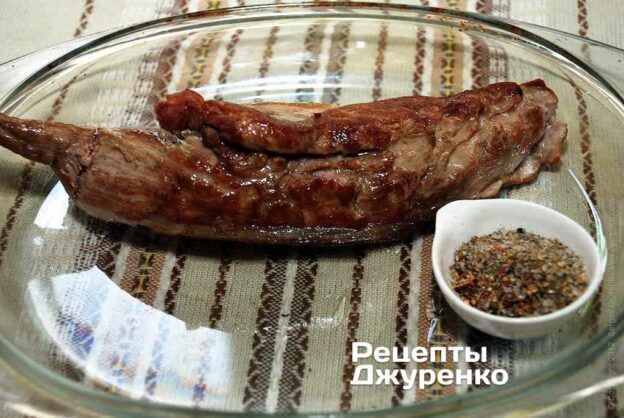
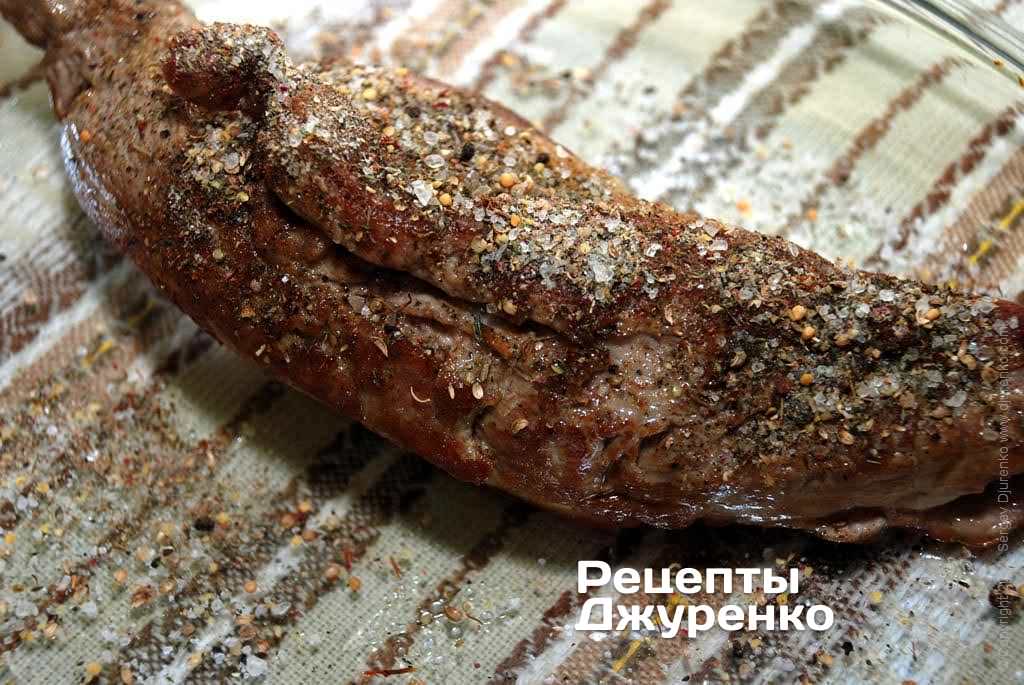
Transfer the seared tenderloin from the pan to a plate and sprinkle it with the spice mix.
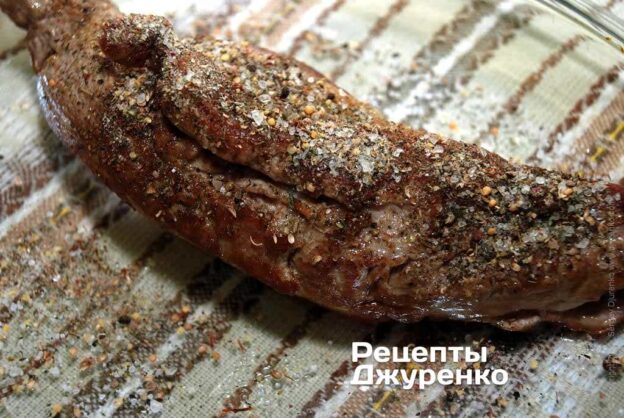
Whatever sticks to the meat stays; discard the rest.
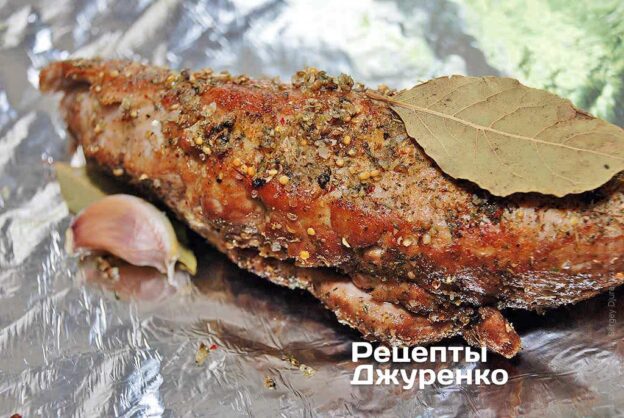
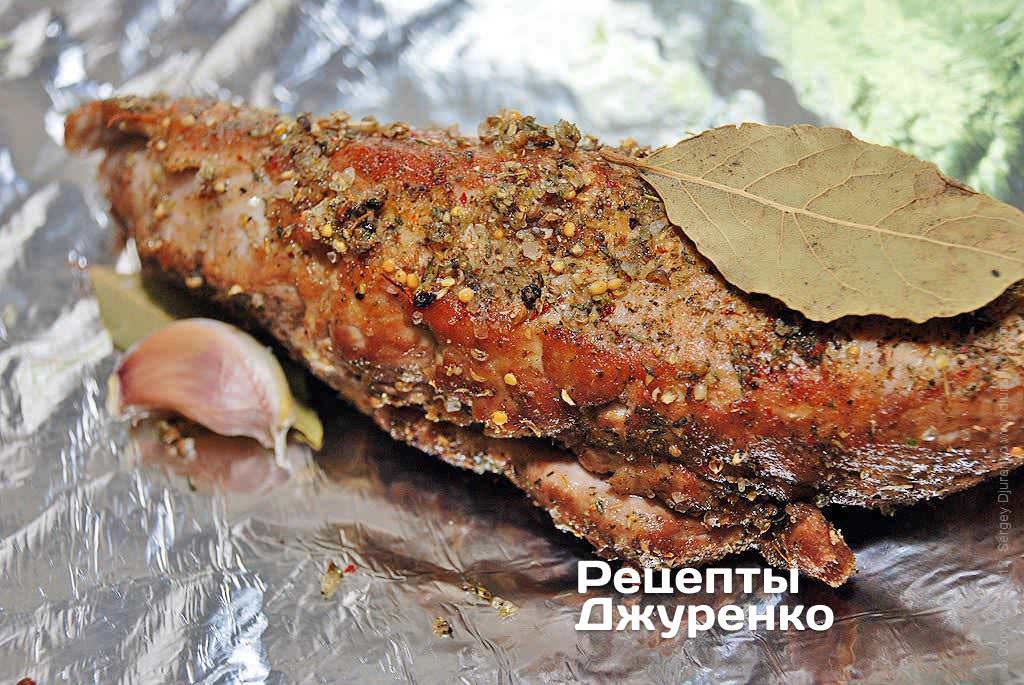
Tear off two pieces of kitchen foil and stack them together. Place the spice-coated tenderloin on the foil. Put 2 bay leaves and one unpeeled garlic clove on top of the meat.
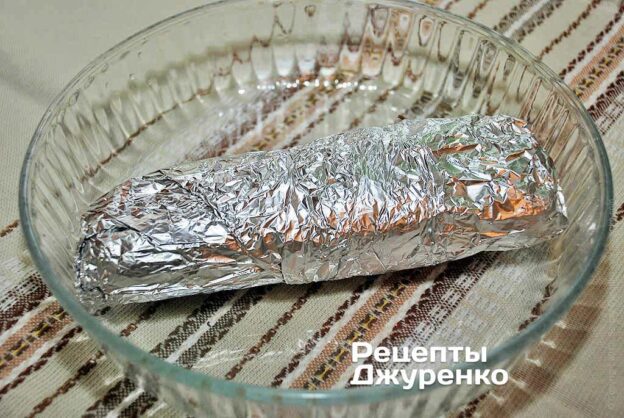
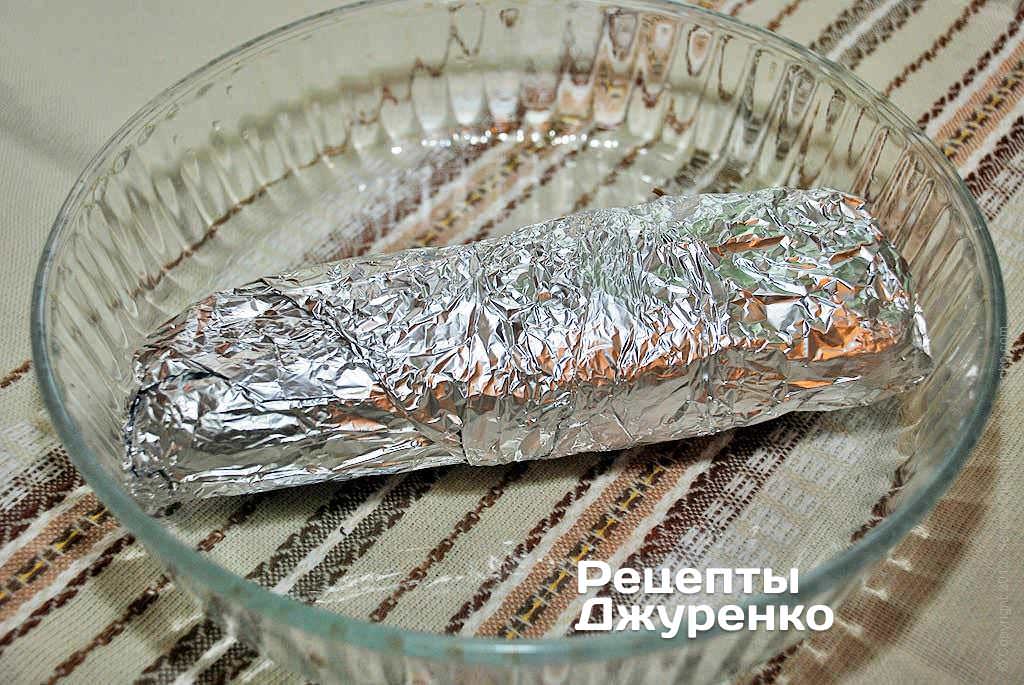
Wrap the tenderloin tightly in foil. Put it in an oven preheated to 180 °C for 35–40 minutes.
Cherry sauce
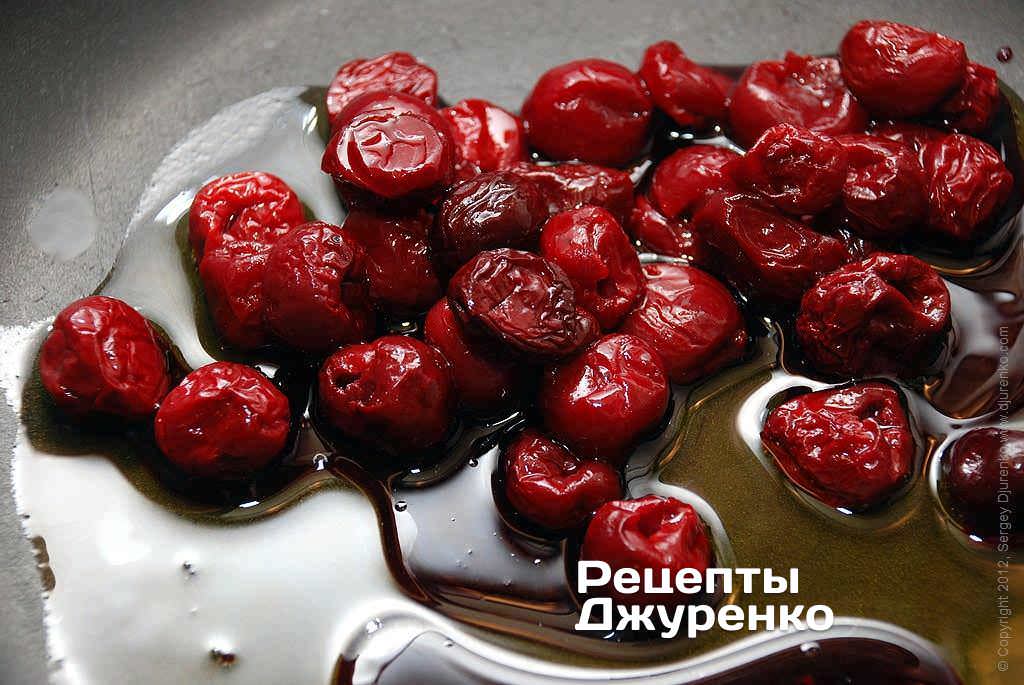
Heat 1 tbsp of olive oil in a frying pan and lightly fry the pitted cherries in it. By the way, frozen cherries work perfectly.
Pour a cup of red wine (200 ml), dry or semi-dry, into the pan. Add sugar to taste, nutmeg and a pinch of ground black pepper.
Simmer the cherries over low heat, uncovered, for 10 minutes, until the alcohol evaporates.

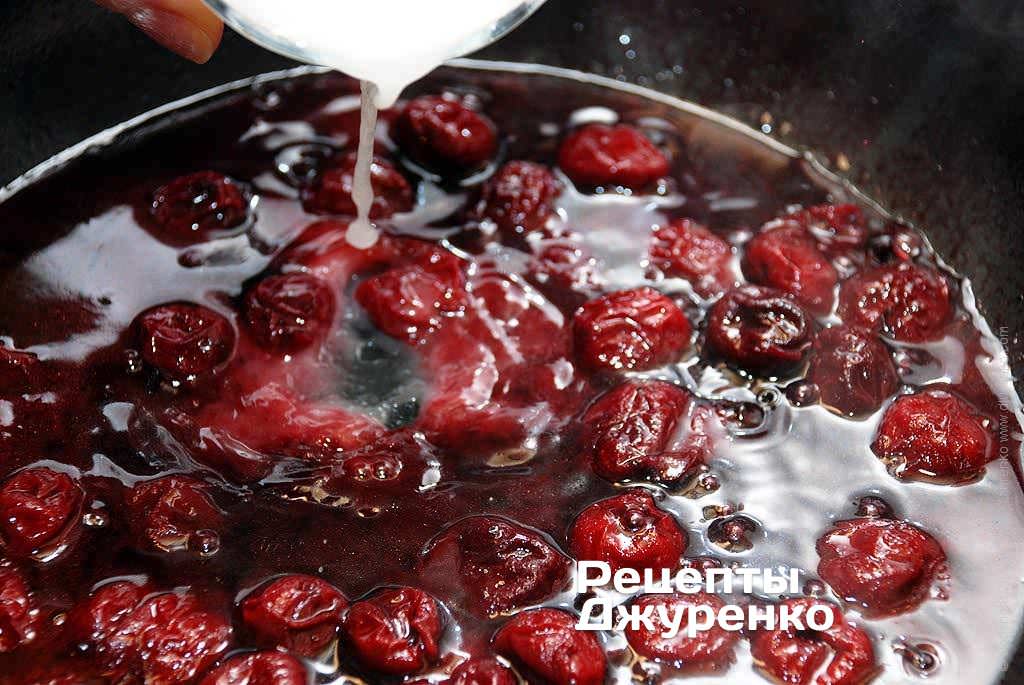
Pour diluted starch into the sauce in a thin stream, stirring constantly, until the sauce thickens.
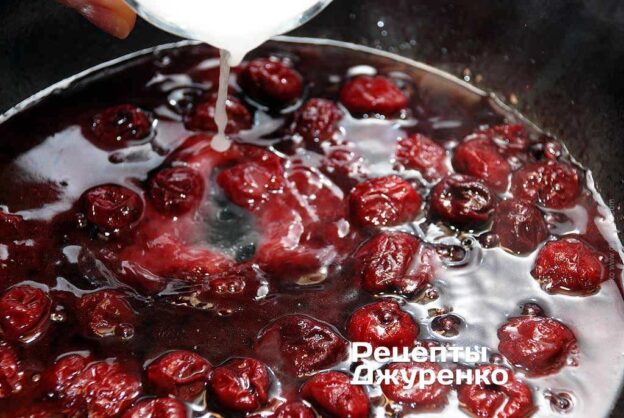
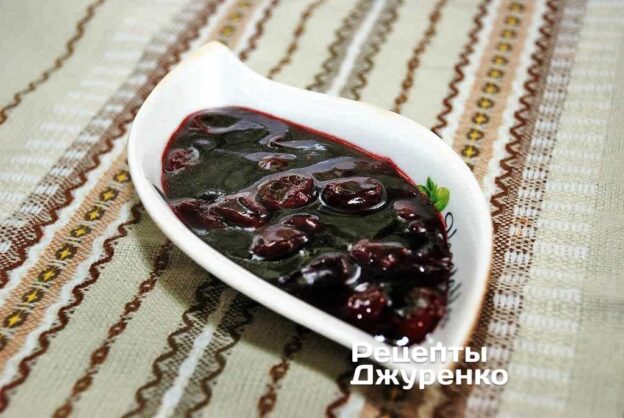
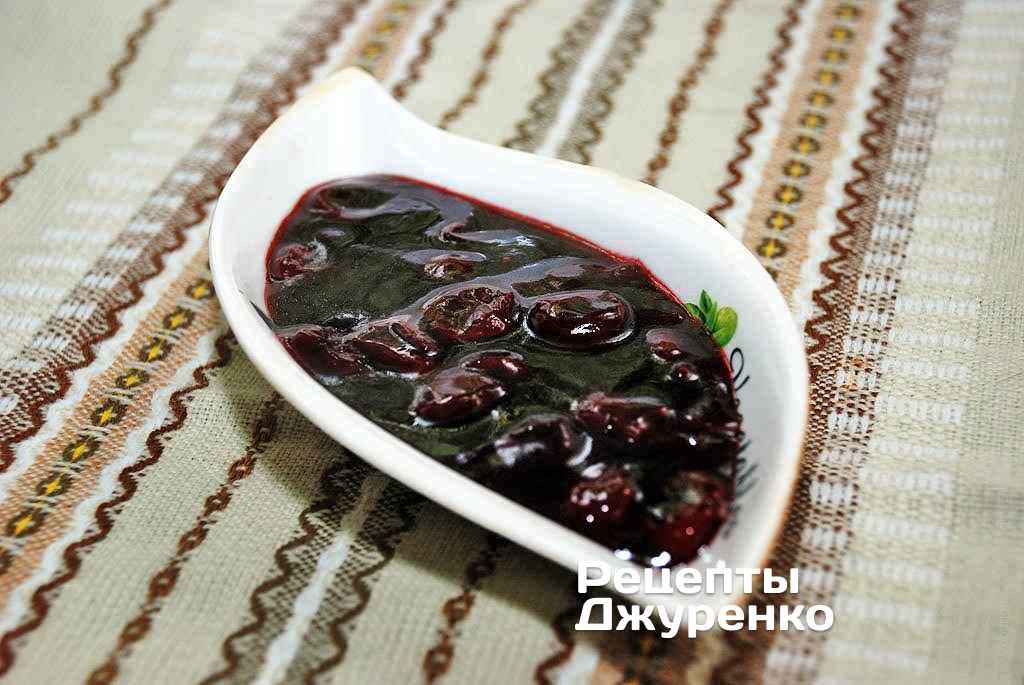
Add sugar to taste right away, as much as you like. Pour the finished sauce into a sauce boat and let it cool.
Finishing and serving
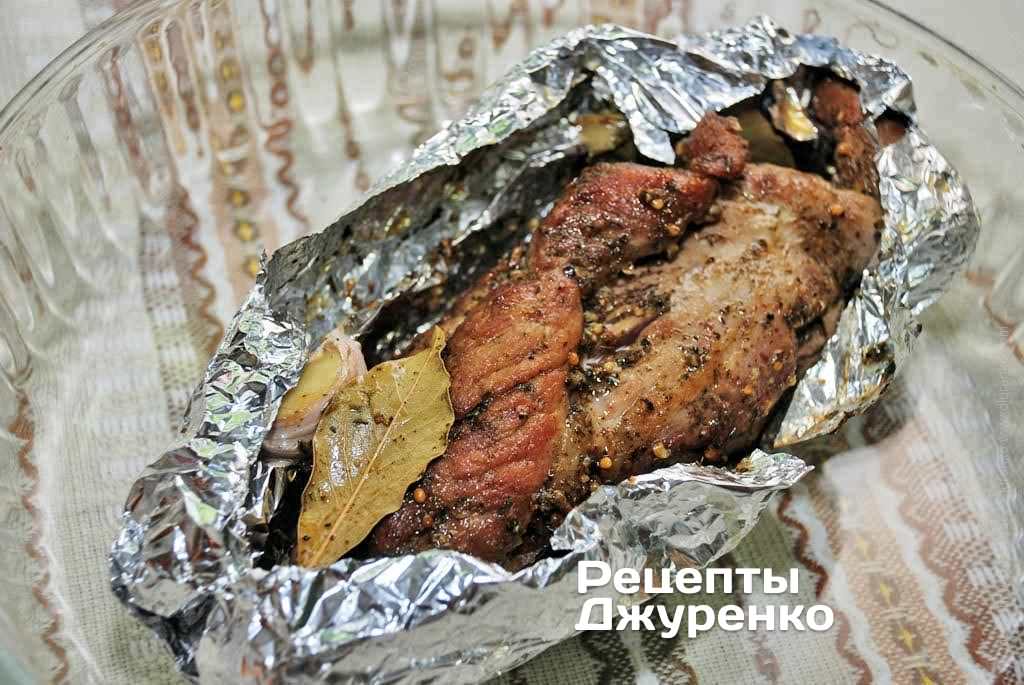
Once the baking time in foil is up, cut the foil open on top so that the tenderloin lies in a foil “boat”. You can remove the garlic and bay leaves.
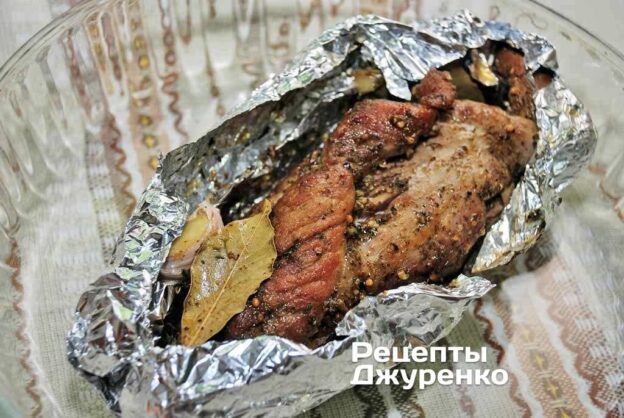
Raise the oven temperature to 220 °C and put the meat back in the oven for 10–12 minutes.
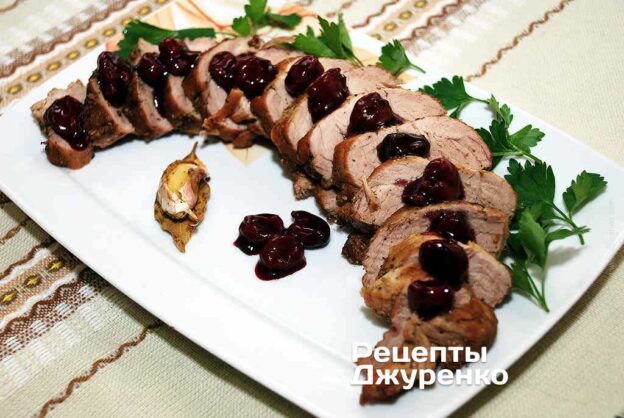
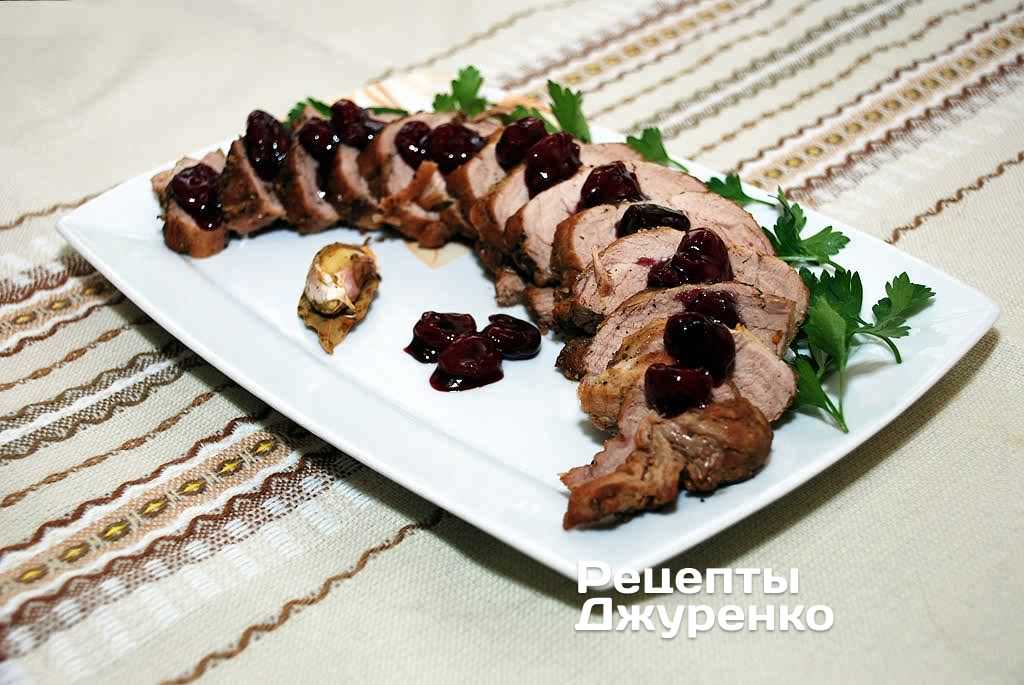
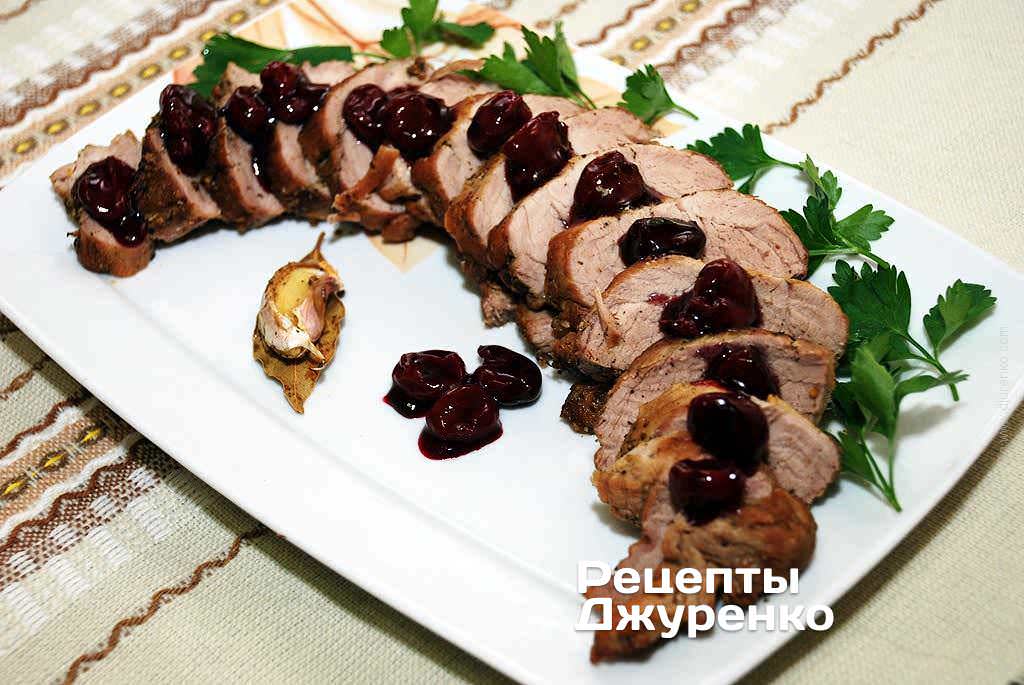
Slice the finished tenderloin across the grain (these slices are often called medallions) and arrange them on a plate. Top each slice of meat with a cherry from the sauce.
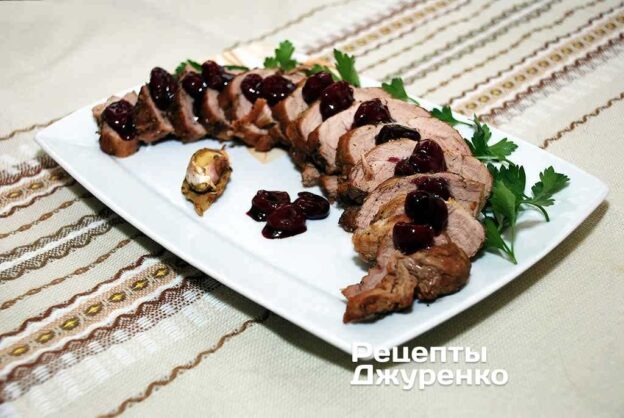
Whether to eat the dish cold or hot is up to you. Pork tenderloin is good either way. You can serve the sauce on the side in a sauce boat or pour it generously over the tenderloin.

How did you like this recipe?
Rate it with one tap.
Calories and macros
365 kcal
Serving ≈ 240 g
- Protein43 g48% of kcal
- Fat17 g42% of kcal
- Carbs9 g10% of kcal
100 g152 kcalProtein 17.7 gFat 6.9 gCarbs 3.7 g
Calculated from the recipe ingredients, excluding salt and spices. Data: USDA and Matvaretabellen.
To Get It Right
Instead of cherries
Frozen cherries work perfectly. Readers who had no cherries made the sauce with cranberries, including wild ones, and it turned out great too.
Wine for the sauce
Use red wine, dry or semi-dry. The alcohol evaporates during the 10 minutes of simmering and the flavor stays. One reader used a dry Tempranillo.
Cold tenderloin
The tenderloin is just as good cold, as an appetizer for a festive table. The sauce is cooled too, so everything can be made ahead.
Have your own trick for this recipe?
Questions and answers
What is pork tenderloin and which part of the carcass is it?
A small cut at the back of the loin, essentially a single muscle that does almost no work, which is why the meat is the most tender and juicy. Here the name is usually given to the lean boneless meat: the two long strips cut from the carcass along the spine.
What can you make with pork tenderloin?
Tenderloin is best seared or roasted: it tastes better that way. You can bake it in foil, as in this recipe, then slice it into medallions and pour sauce over them.
How long to bake pork tenderloin in foil in the oven?
A 400 g piece takes 35–40 minutes in foil at 180 °C, then 10–12 minutes with the foil opened at 220 °C. Before going into the oven, the tenderloin is seared for about 15 minutes.
Should you marinate pork tenderloin?
No. Pork tenderloin is juicy and tender on its own; it needs no marinade, and in my opinion a marinade actually does it harm. It is better to sear it well until golden brown.
How do you keep pork tenderloin juicy?
First sear it until golden brown so the juices stay inside, then bake it tightly wrapped in foil. Do not overbake it in foil: readers noticed that overcooked tenderloin gets tougher as it cools, so if the piece is thin, keep it closer to 35 minutes. Slice the finished meat across the grain; this is important.