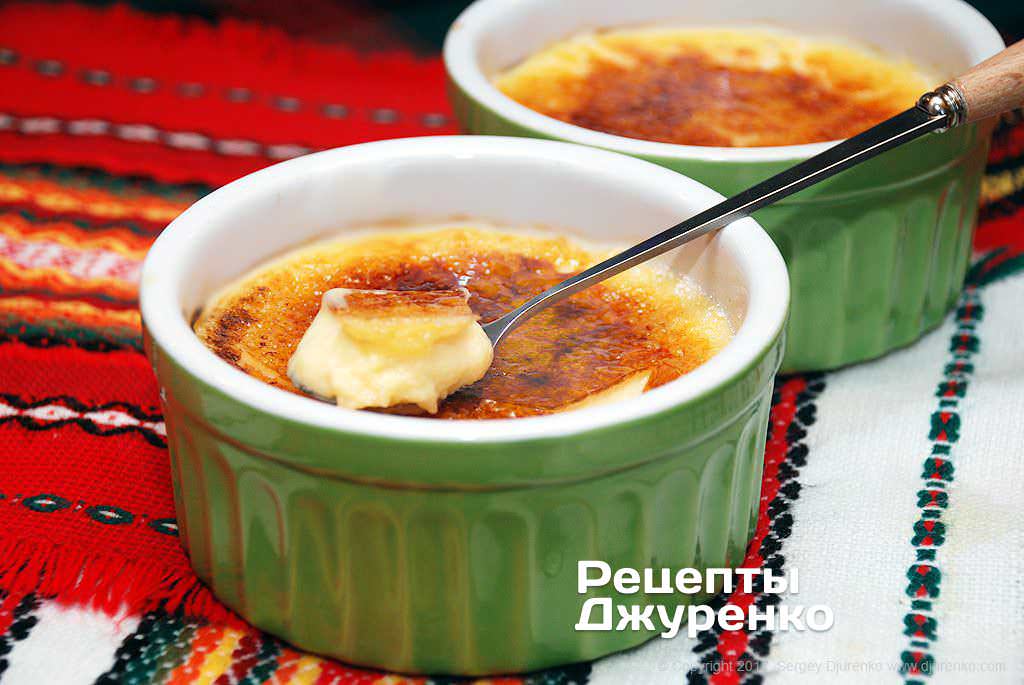
Crème Brûlée Recipe for Two with a Caramel Crust
I make crème brûlée for two from 250 ml of 30-35% cream and three egg yolks: the custard sits 1-1.5 hours in a water bath at 90-95 degrees, until the middle stops wobbling. I rub the yolks with sugar using a fork, not a mixer, and torch the crust, because under a grill the cream has time to heat up.
Crème brûlée is an amazing and incredibly delicate cream dessert. On holiday we usually order it at the end of an elegant dinner. I'm not even sure which I love more, tiramisu or crème brûlée. Then again, as my wife says, one not only doesn't get in the way of the other, it even helps. And I agree.
Literally, the name of the dessert translates from French as burnt cream. It's made with fresh cream of high fat content, or “heavy” cream, as it's also called. By and large, this dessert is a special custard with a dark, burnt crust of sugar. And it's served cold, right after the crust is torched.
There have been plenty of arguments about where this culinary masterpiece comes from. The first mentions of it date to the end of the 17th century. Europe has many similar desserts. For example, Catalan cream uses milk instead of cream. Or English custard, a milk-based cream with egg yolks and sugar added. What sets custard apart is that it's used for cakes and pies, to fill tartlets and even to make ice cream.
And of course the Italian dessert panna cotta. By the way, the term means cooked cream. The dish comes from northern Italy and is made from cream, sugar and vanilla. The main difference from similar desserts is that it's set with gelatin or other thickeners and then chills in moulds. Various sweet sauces, berries, fruit or caramel are served with the Italian dessert. Layered desserts are quite common too.
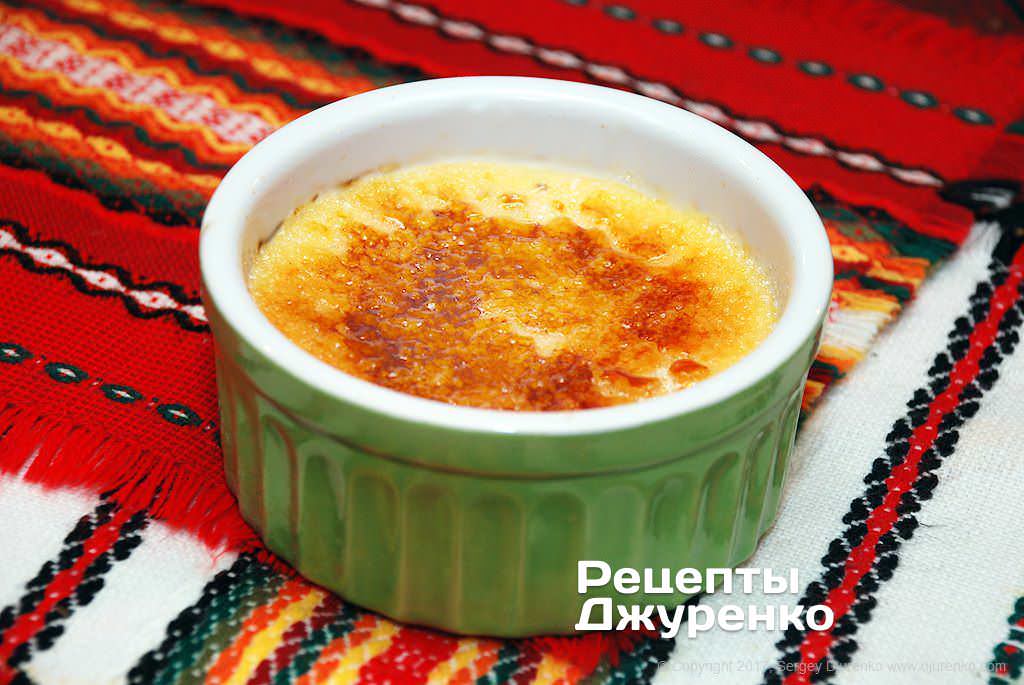
The highlight of crème brûlée is the crust of caramel, sugar burnt with a flame or high heat. That's the whole point. For many people, breaking the caramel crust with a spoon is half the pleasure of the dessert, no less!
Despite the simple ingredients (cream, yolks, sugar, vanilla), it turned out that this dessert isn't so easy to get right the first time. Apparently the proportions in most recipes are meant for some special ingredients or cooking conditions. But looking back, it's not that hard. You just need to follow a few very simple rules and, by the way, safety precautions.
More in Desserts and Drinks
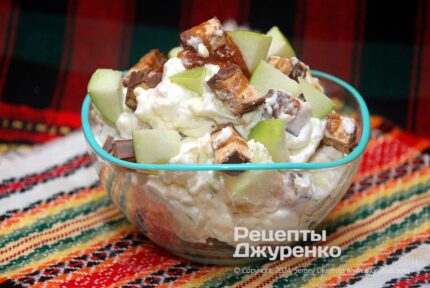 Snickers SaladSnickers salad, the Midwest party dessert: tart Granny Smith apples and chopped Snickers bars folded into vanilla pudding and whipped cream, with caramel.
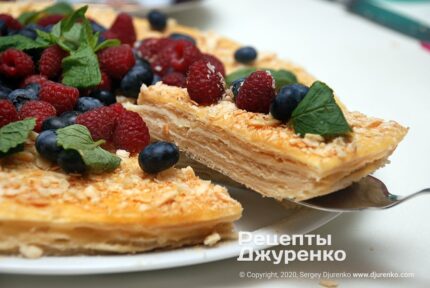 Napoleon CakeNapoleon cake recipe: puff pastry layers soaked in custard with condensed milk, sprinkled with crumbs and topped with fresh berries. Step-by-step photos.
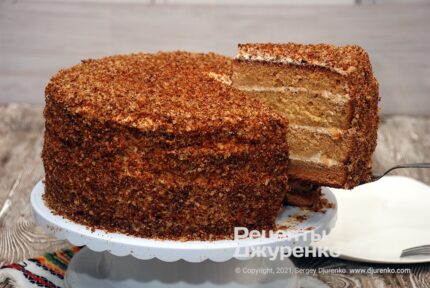 Medovik Honey CakeMedovik honey cake: four thick buckwheat honey sponge layers, a light syrup soak and sour cream with boiled condensed milk. A big festive layered cake.
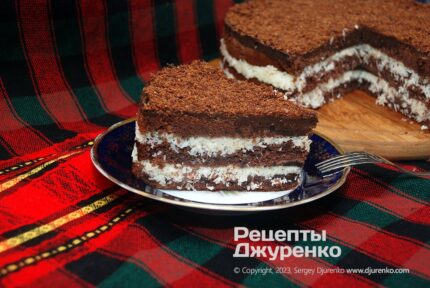 Bounty CakeBounty cake recipe: chocolate sponge soaked with liqueur syrup, a thick coconut and condensed milk filling and chocolate ganache – tastes just like the candy bar.
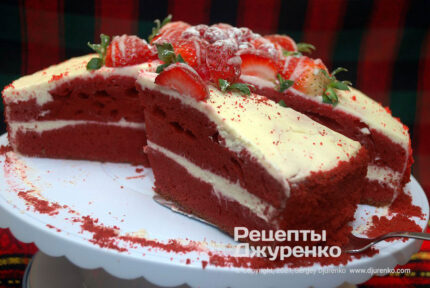 Red Velvet CakeHomemade red velvet cake: a cocoa sponge tinted deep red, soaked in lemon-whiskey syrup and layered with cream cheese frosting. Step-by-step photos.
Ingredients
2 servings
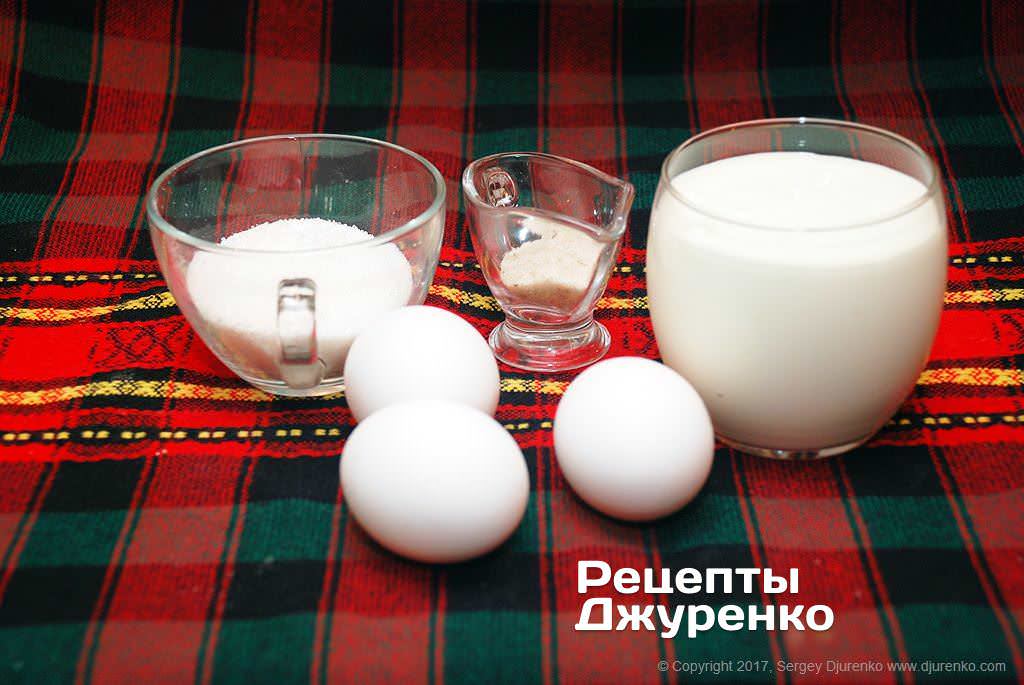
- Heavy cream (30-35%) 250 ml
- Egg 3
- Sugar for the cream 0.5 cup
- Sugar for the caramel 2 tbsp
- Natural vanilla to taste
Step-by-step recipe
- Making this sweet dish doesn't tolerate haste. The cream must be very thick and rich, at least 30%. It must also be fresh. Use white sugar. Since the dessert isn't heated much, the freshness of the eggs is the key factor. Any vanilla will do, to taste. We use natural vanilla pods ground with sugar, a mixture with an intense aroma and flavour.
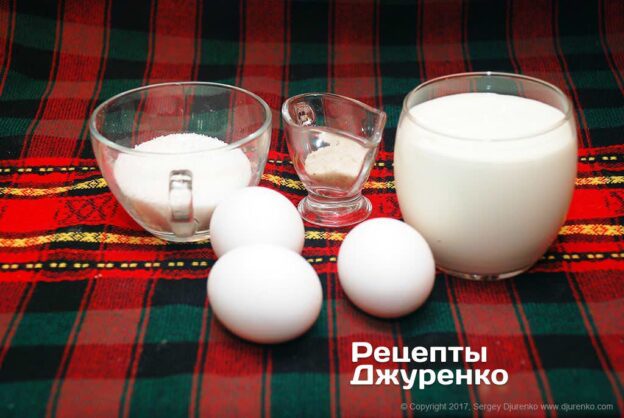
- Making the cream for the dessert comes down to rubbing the egg yolks with sugar and mixing them with the cream. First, don't use a mixer. Even at low speed, a mixer creates bubbles. Second, it increases the volume of the mixture. When heated, the mixture will rise and then “fall”.
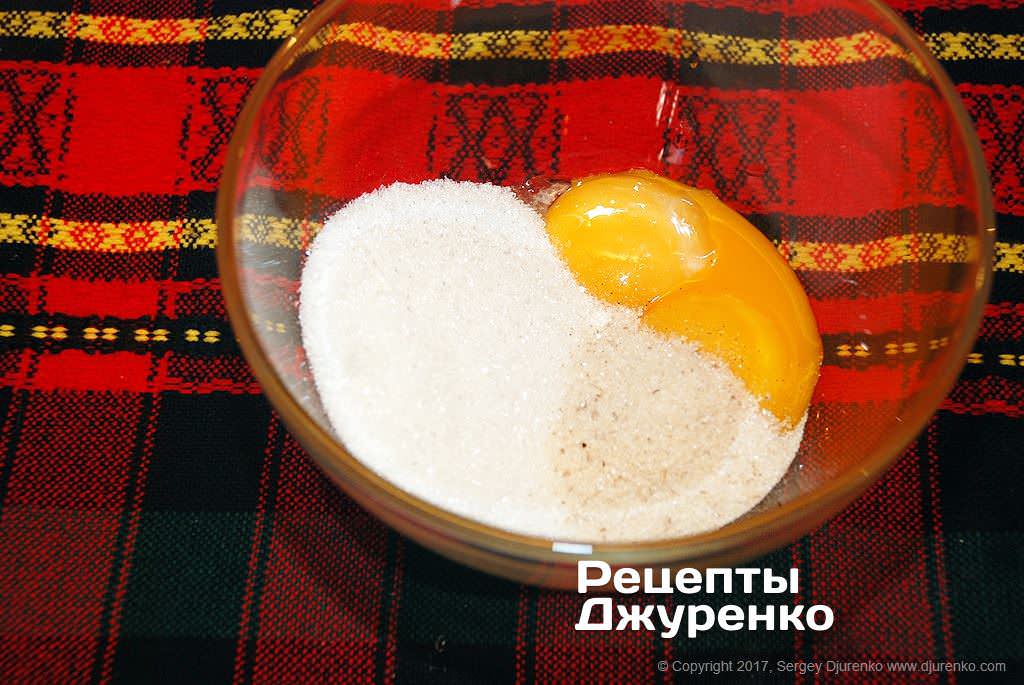
- Put the egg yolks into a small deep bowl, separating them from the whites very carefully. Add sugar and vanilla (vanilla sugar) to taste. The vanilla flavour of this dessert is really something, by the way. I like it when there's plenty of vanilla.
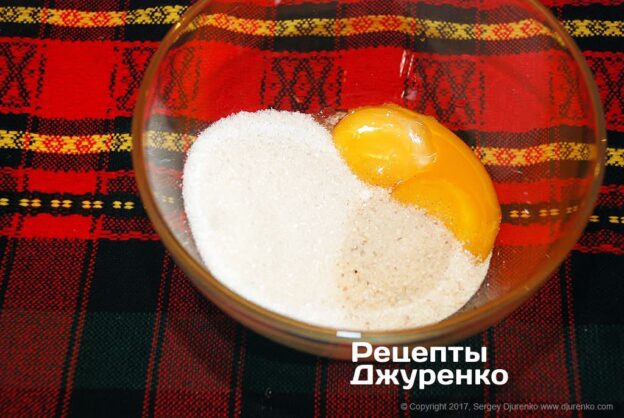
- Next, with an ordinary fork or spoon, slowly (!), rub the yolks with the sugar, without letting bubbles form. The sugar will gradually dissolve and the mixture will turn pale yellow, with no sugar grains or bubbles. This can take more than 15 mins.
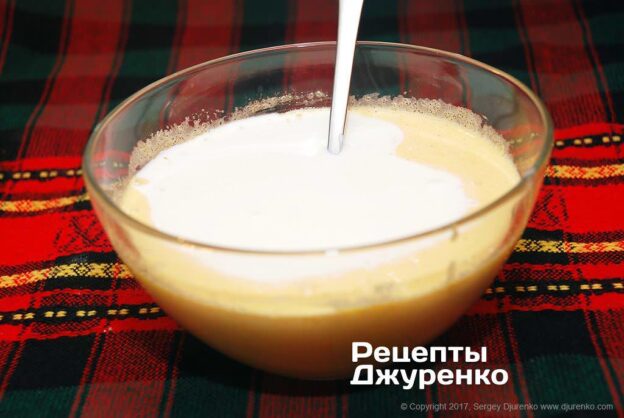
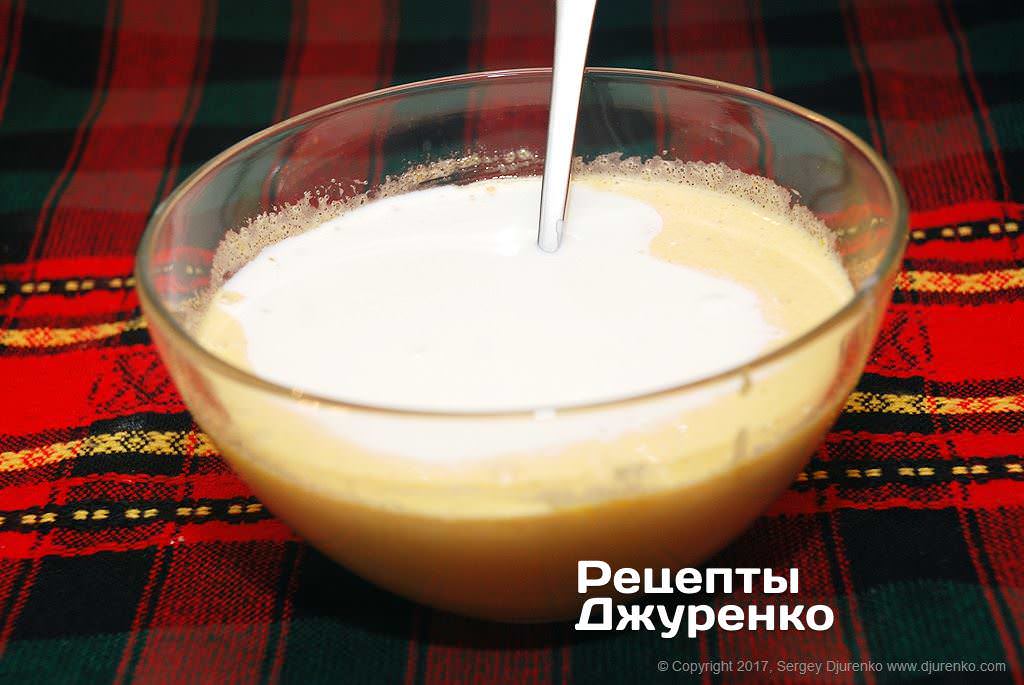
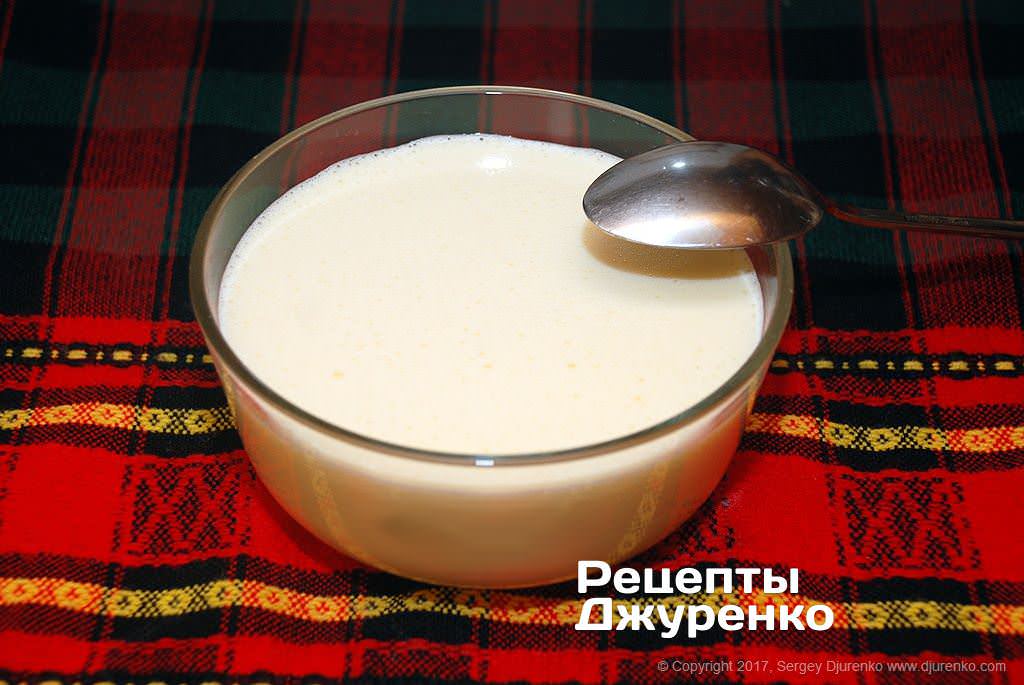
- Once the sugar has dissolved completely, pour the cream into the rubbed yolks and stir gently until perfectly smooth. Pour the cream mixture into a clean bowl, because any undissolved sugar usually sticks to the sides of the dish where the cream was made. Don't worry, though, the sugar will dissolve perfectly when heated.
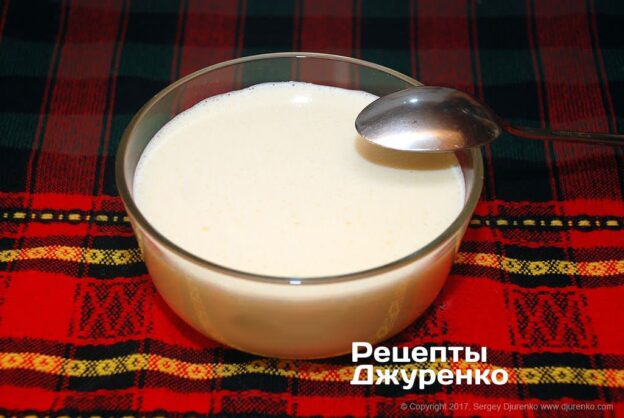
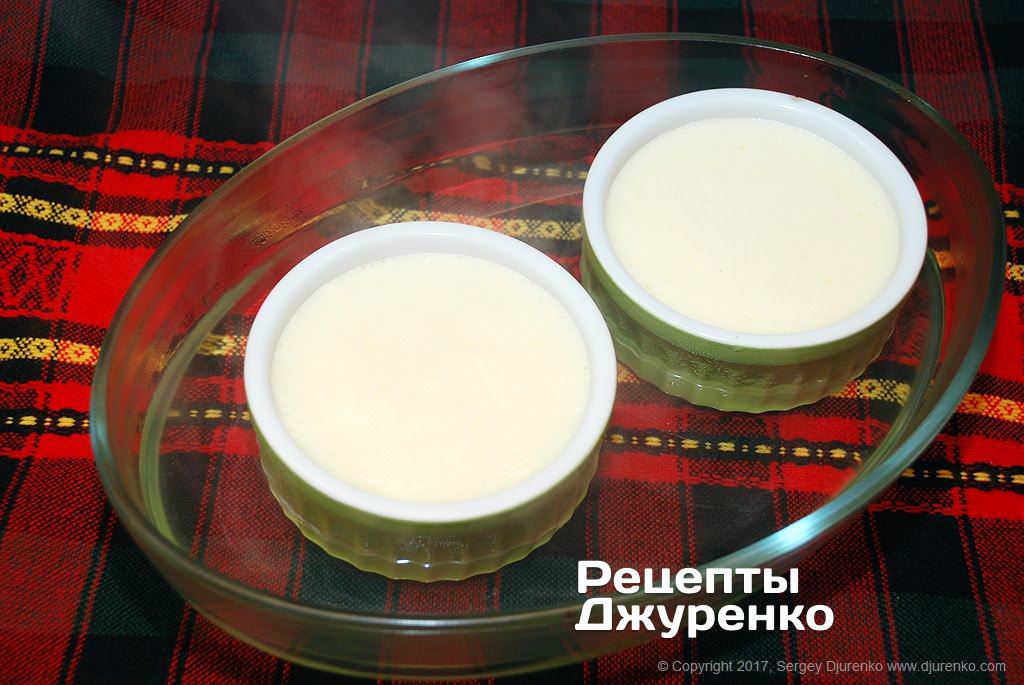
- For this dish you'll need ceramic or heatproof glass cups, ramekins or dessert bowls. Heat resistance matters, since the crust is caramelized at high temperature. The ramekins should be sized so that the cream divides into two portions without filling them to the brim, which is about 170 ml of cream. That is, a ramekin should hold about 200 ml.
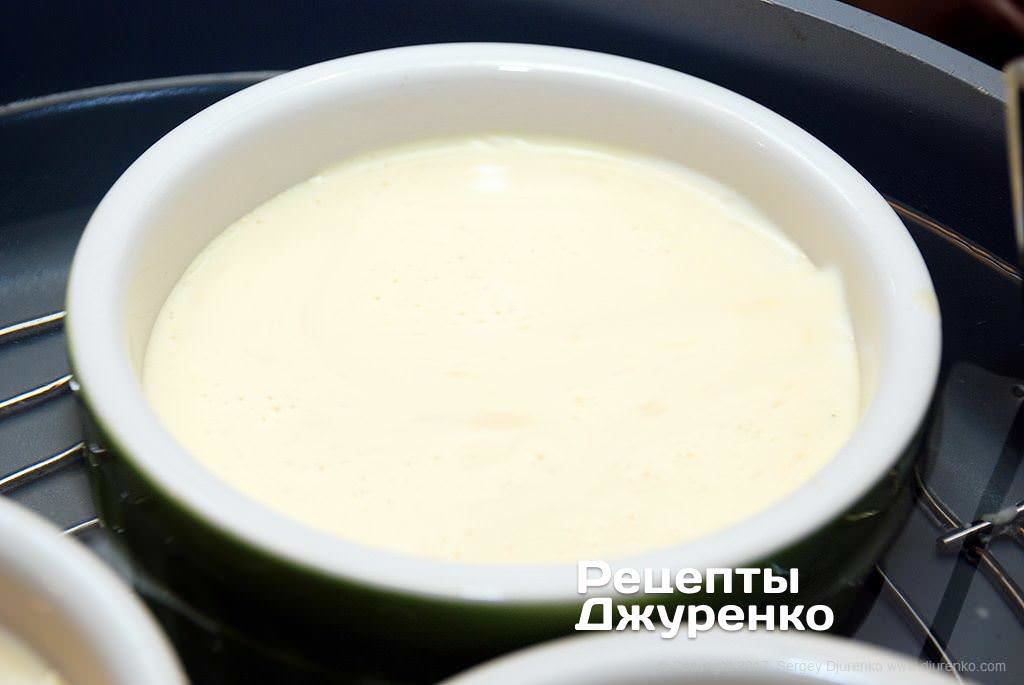
- Next you'll need a water bath. Many recipes suggest heating in the oven, with the ramekins of cream standing in hot water. It's hard to control the water temperature in an oven, and besides, the cream is heated by the whole oven space. I made it simpler. I took an ordinary frying pan with high sides and a flat bottom. I laid a thick rack on the bottom, so the ramekins don't touch it. The amount of water in the pan is adjusted so that the water level is even with the level of the cream in the ramekins. It's extremely convenient, by the way. It's also easy to control the heat and temperature with a thermometer.
- Using a cup, pour the prepared mixture into the ramekins, stopping a few millimetres short of the rim. If you see bubbles in the cream, tap lightly on the bottom and sides of the ramekin; that helps. Set the ramekins on the rack and top up the water bath with boiling water from a kettle. The water level should match the level of the cream. You'll need to keep topping up the water while it cooks, by the way.
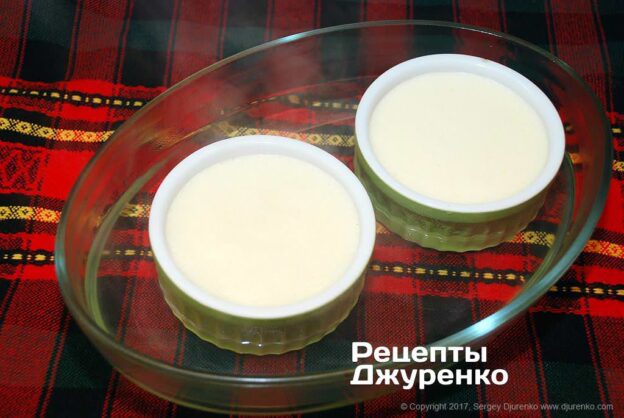
- Put the water bath on the heat and bring the water to a boil. As soon as it boils, reduce the heat so it barely bubbles. Using a thermometer (the kind I use to check whether a large cut of meat is done), keep the water at 90-95 degrees, which is enough. If you can cover the bath with a lid, leaving a wide gap for ventilation, great: the cream will be more uniform, but every 5-10 mins you'll need to wipe condensation off the inside of the lid so the drops don't fall into the cream.
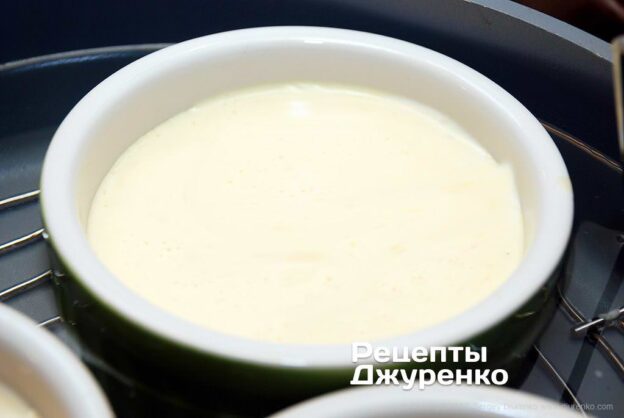
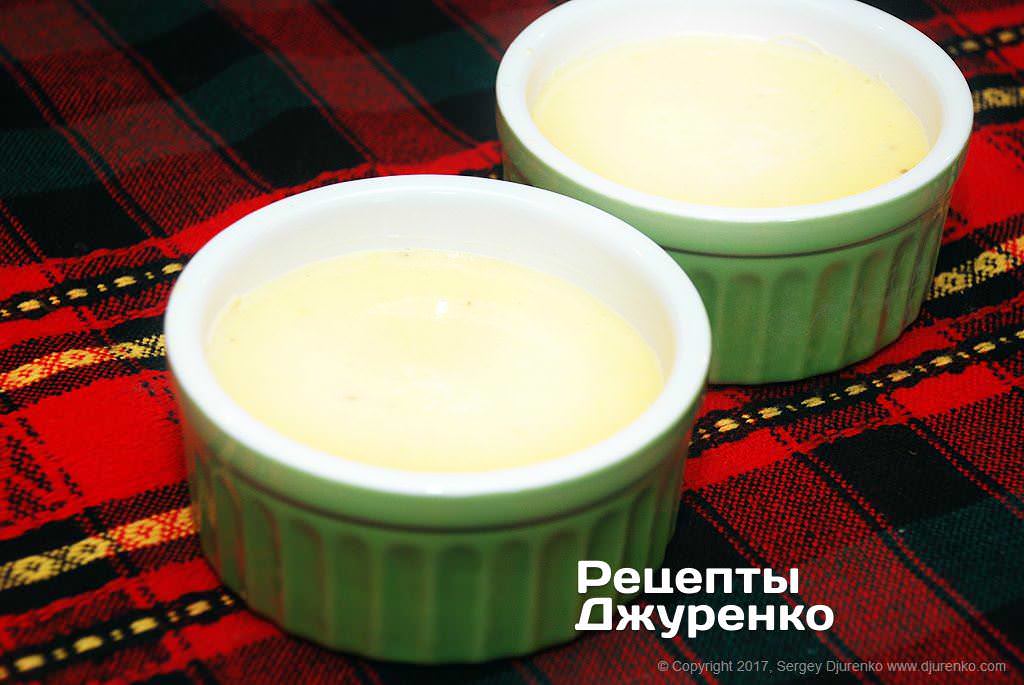
- From here on everything is slow and calm. The dessert cooks in the water bath for 1-1.5 hours. Doneness is very easy to tell: when you tap the ramekin lightly, the middle of the cream no longer wobbles. The cream has become firm enough, and the look of freshly set jelly is gone. If the water level in the bath drops during cooking, top it up with boiling water from the kettle. And, of course, don't let drops fall into the cream.
- Once the cream is done, turn off the heat and let it cool in the water bath to room temperature. Wipe the ramekins with the finished cream and put them in the fridge. Ideally the dessert chills overnight, or at least for 2 hours. I understand that it's unbearable to wait, but the cream must be cold.
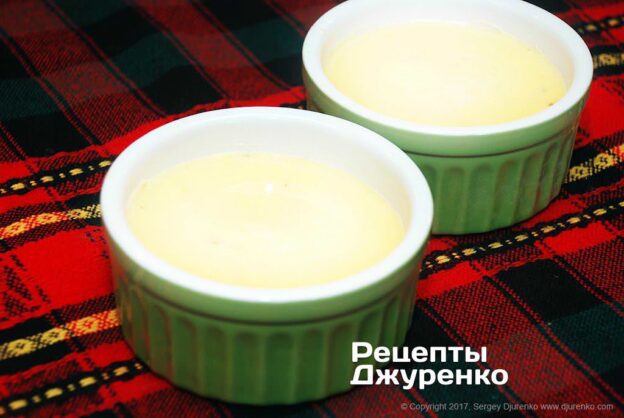
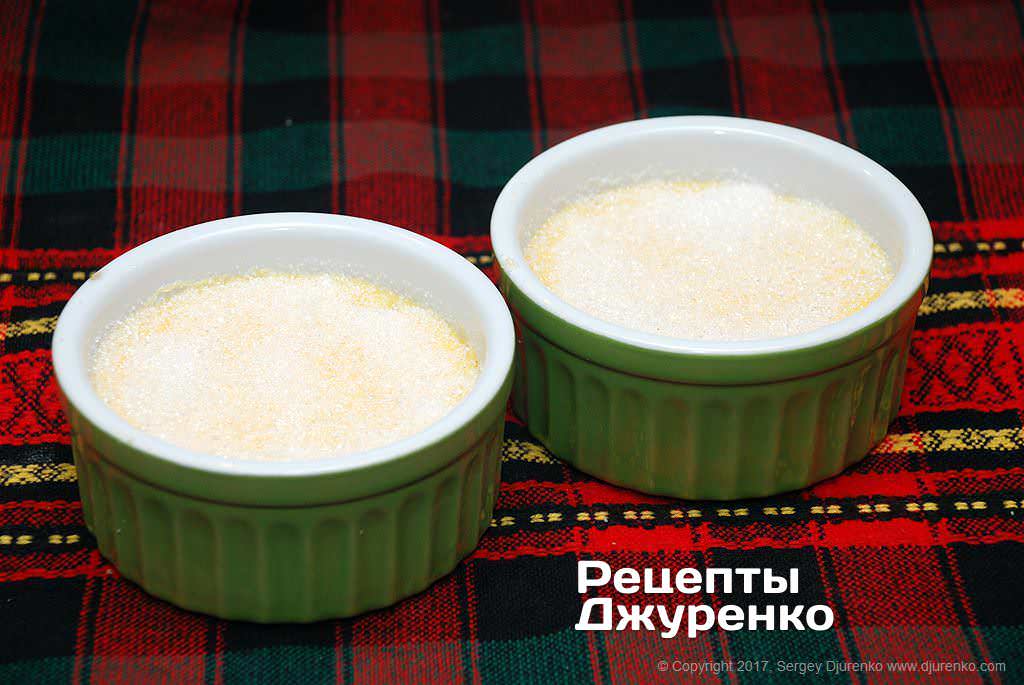
- Next comes the important stage of the dessert, the caramel crust of sugar. They say the word caramel comes from the Latin for sugar cane. In essence, caramel is sugar melted by strong heat. Sprinkle the chilled cream in the ramekins thickly with sugar. Don't be stingy, the sugar crust can be thick. At the very least, sprinkle a heaping teaspoon of sugar, spreading it evenly over the surface of the cream.
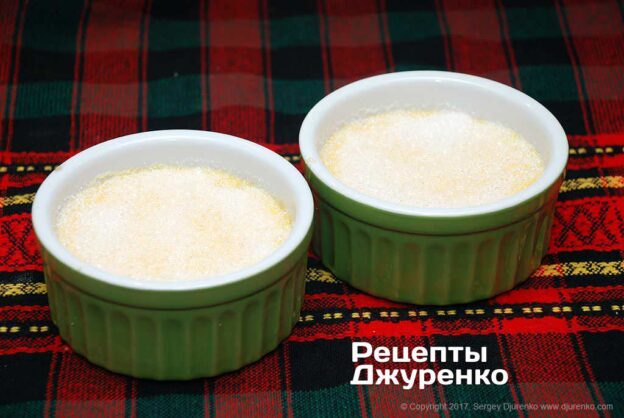
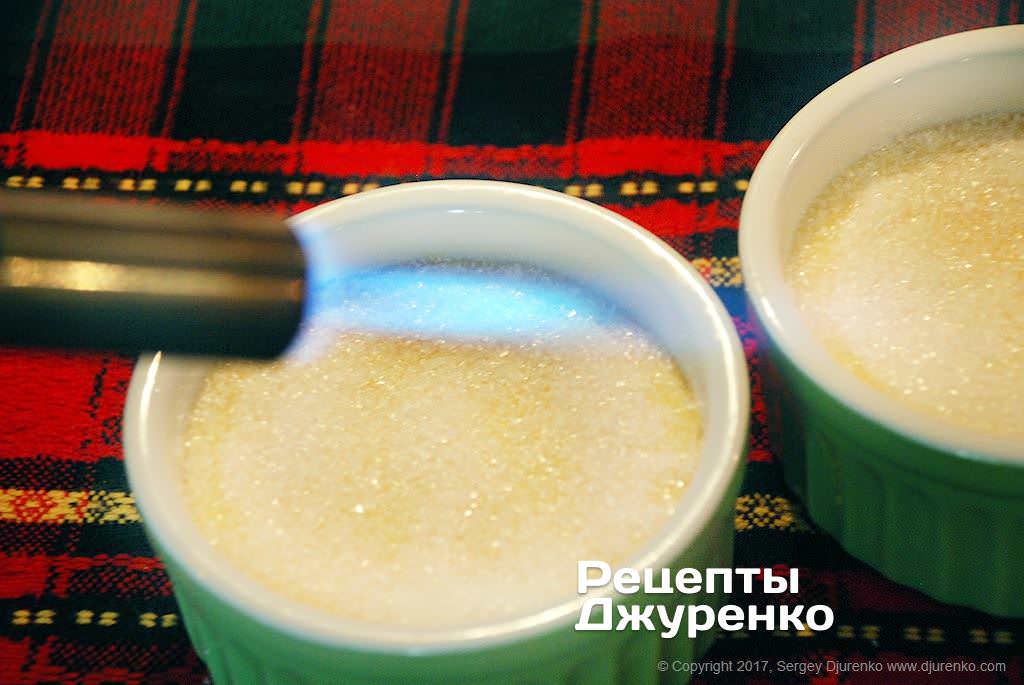
- Next comes caramelization, and here you have options. Recipes often suggest putting the set cream under a red-hot grill. I didn't like that: the cream has time to warm up while the sugar is browning. The best result comes from a hand-held torch, a propane burner. It's an amazing tool that melts the sugar neatly and quickly, in literally a few seconds, creating a wonderful sugar crust of a pleasant shade.
- Important: an open flame is a source of danger. Above all, don't start a fire. And don't burn yourself. Keep the flame at minimum intensity. Use just the tip of the torch to scorch the sugar on the surface of the crème brûlée until it melts. If the sugar starts to burn in one spot, remove the flame at once and blow lightly on the hot place; the burning will stop. Don't overheat the walls of the ramekin.
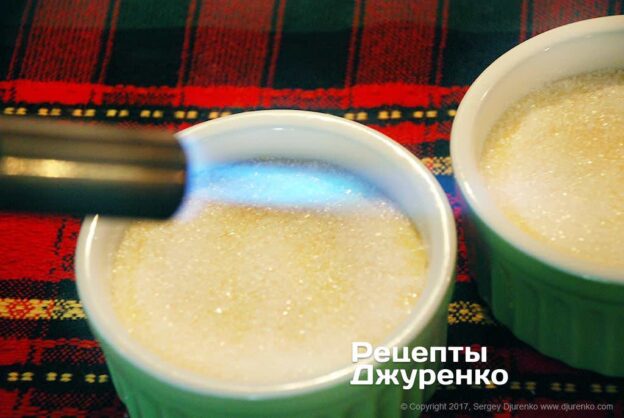
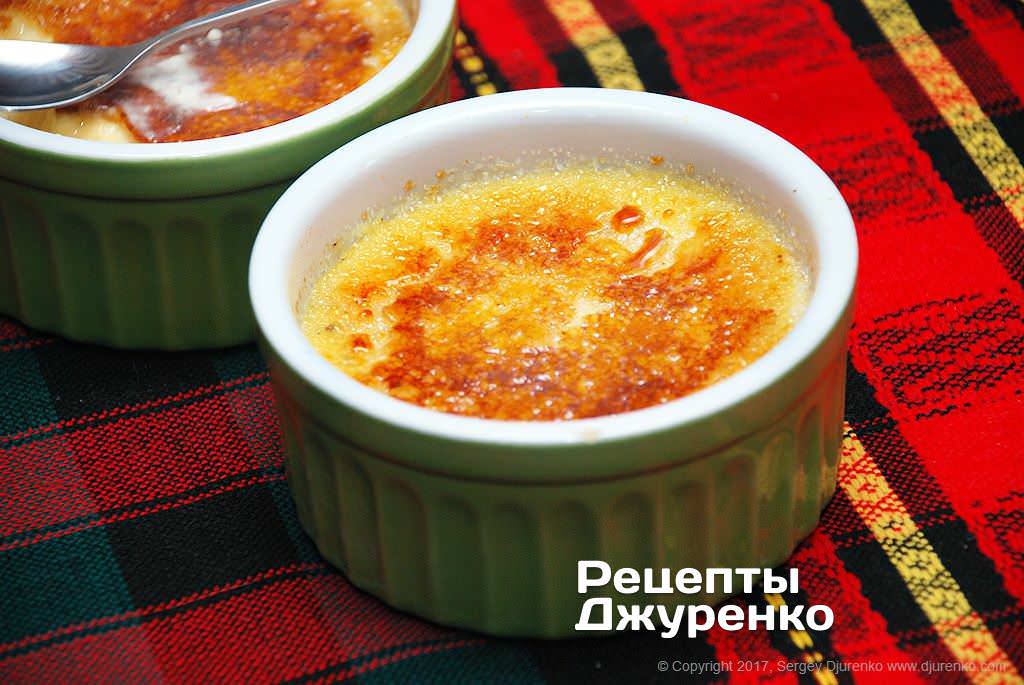
- Once the caramel crust has formed and you're happy with the result, take the flame away and turn off the burner. The sugar crust is still very hot and hasn't hardened. To let it harden fully and cool, put the crème brûlée in the cold for at least 15 mins.
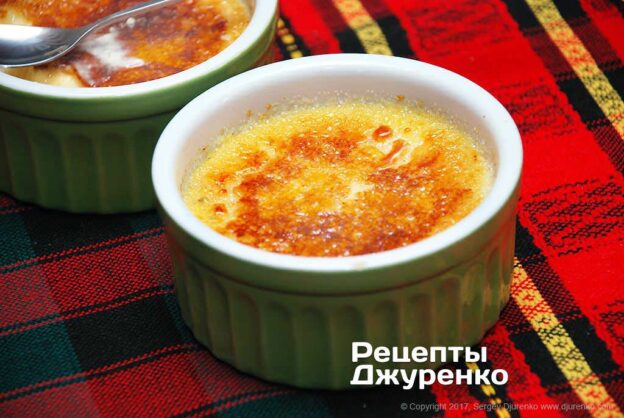
- The dessert is ready. I admit I wanted to decorate it with raspberries, nuts, a sprig of mint… But the bright, hard caramel crust is a decoration in itself. I left it as it is.
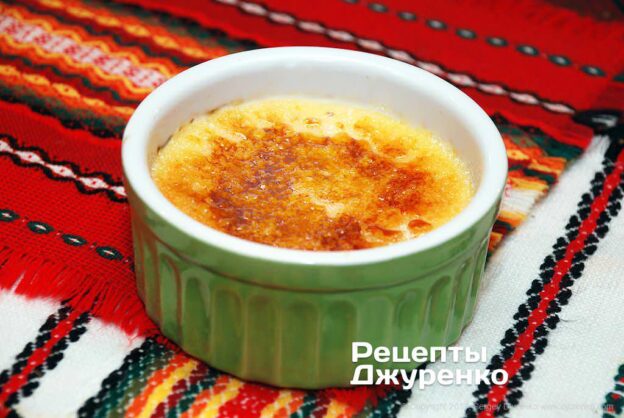
- And now, the moment of tasting. With a spoon, tapping lightly, we break the sugar crust, scoop up some of the slightly firm crème brûlée and taste it. If you close your eyes, you can see the seashore, hear the waves and the cries of gulls. I'm sure this dessert is half made of happiness, pleasure and calm.
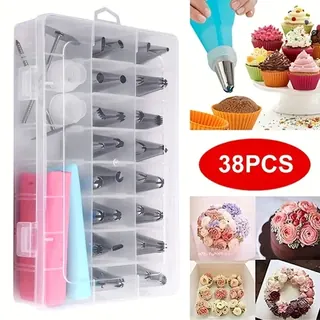 Piping bag with nozzlesAliExpress
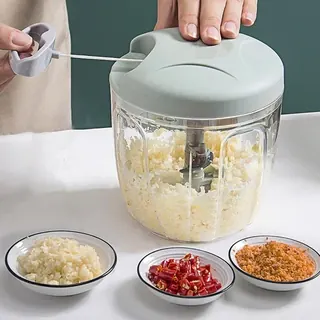 Pull chopper for garlic and onionAliExpress
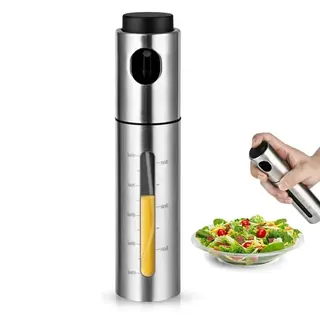 Oil sprayerAliExpress
 Kitchen scale up to 5 kgAliExpress
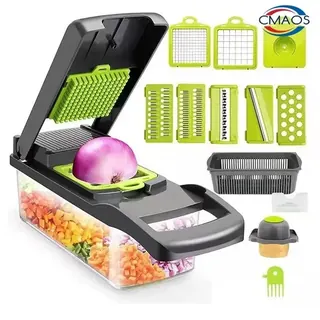 Vegetable chopper with handleAliExpress
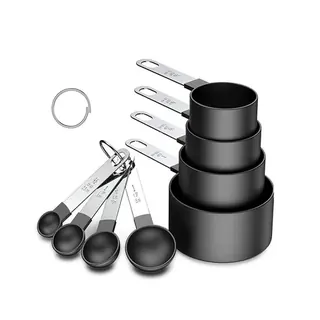 Measuring cups and spoonsAliExpress
| Yield: | 2 servings |
| Calories: | 179 kcal per 100 g |
| Prep: | 30 mins |
| Cooking: | 1 h |
| Ready in: | 1 h 30 mins (not including chilling) |
| Cuisine: | French cuisine |
| Rating: |