Homemade Puff Pastry Recipe for Napoleon Cake and Palmiers
Puff pastry is one of the most sought-after doughs for baking delicious pastries. It is used for Napoleon cake and for palmiers, the so-called “little tongues” that children love. You can also make tasty pizza, pies and buns from it. Besides sweet treats, puff pastry works well for baking meat, fish and poultry. It is not the easiest pastry to make at home.
The main feature of this dough is the large amount of butter. A good dough can contain butter up to half by volume, which makes it layered, soft and airy. It is, of course, very high in calories. Instead of butter you can use vegetable fats, including margarine, although most often only butter is used.
A pastry made of many very thin layers can be yeast-based or yeast-free, and there are plenty of variations. To my taste, the most interesting is the dough with no yeast, baking powder or soda. Just flour and butter. What matters is that the butter stays fairly firm at room temperature and keeps the very thin layers of dough apart. That is the whole point.
At first the process may seem complicated. It comes down to folding the dough in half and rolling it out again and again. Each fold doubles the number of layers, so if you like, you can easily make a dough with several thousand layers. During baking the butter pockets melt and fill with steam, and the dough puffs up and grows in volume.
Warmth is unacceptable at any stage. The butter, on its own and during rolling, must always be cold, or it will simply leak out. You need to chill the dough itself during the process, and even the rolling pin. Also, touch it with your hands as little as possible.
The general principle of making this dough yourself is quite simple. A plain dough is made from part of the flour, with a little citric acid and salt. The rest of the flour is mixed with softened butter. The dough is rolled out, the butter with flour is placed on it, and then the butter is “sealed” inside the dough. After that you repeat the rolling and folding in half many times. This forms alternating sheets of dough and butter, which after baking create the layered structure we know so well.
More with eggs
 Sweet BunsSoft, fluffy homemade sweet buns from yeast dough with milk, butter and egg yolks. Step-by-step recipe with photos for a cozy tea time.
 Biscotti: Italian Dry CookiesClassic Italian biscotti with almonds, hazelnuts and candied fruit: no fat, no leavening, twice-baked until crisp. Step-by-step recipe with photos.
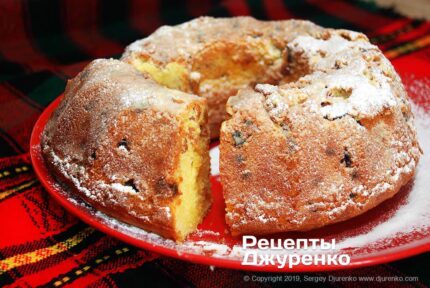 Raisin CakeHomemade raisin cake: a quick butter sponge batter with soaked raisins and orange zest, baked in a tube pan and dusted with powdered sugar. Perfect with tea.
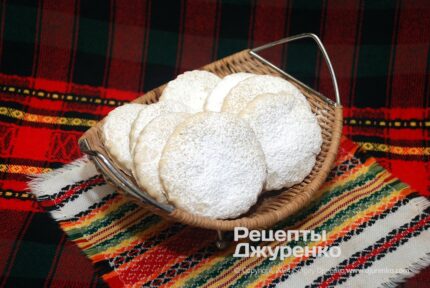 Milk CookiesSimple homemade milk cookies with butter, egg and flour. Crumbly or soft inside, with a fresh milk aroma and optional apple jam. Perfect with tea.
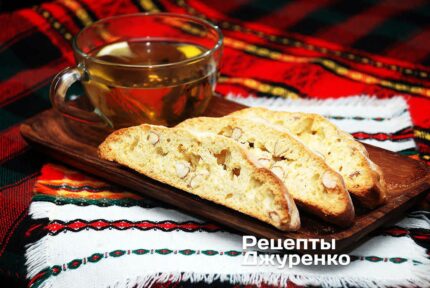 Cantucci with AlmondsTraditional Tuscan cantucci: dry twice-baked almond cookies with orange and lemon zest and Cointreau. Step-by-step recipe with photos.
Ingredients
1 kg
- Wheat flour 4 cups
- Butter 300 g
- Egg 1
- Water 180 ml
- Salt, citric acid to taste
Step-by-step recipe
- Puff pastry is very sensitive to the temperature at which it is made, so plan ahead for a way to chill it quickly. Also have a lidded container or cling film ready. Sift the best-quality wheat flour without fail. Take the butter out of the fridge in advance so that it softens but does not turn runny.
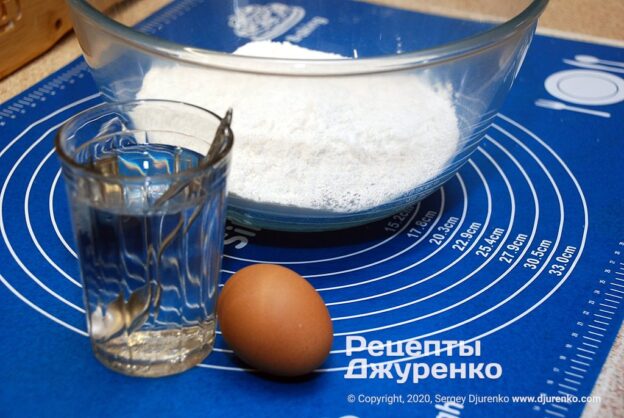
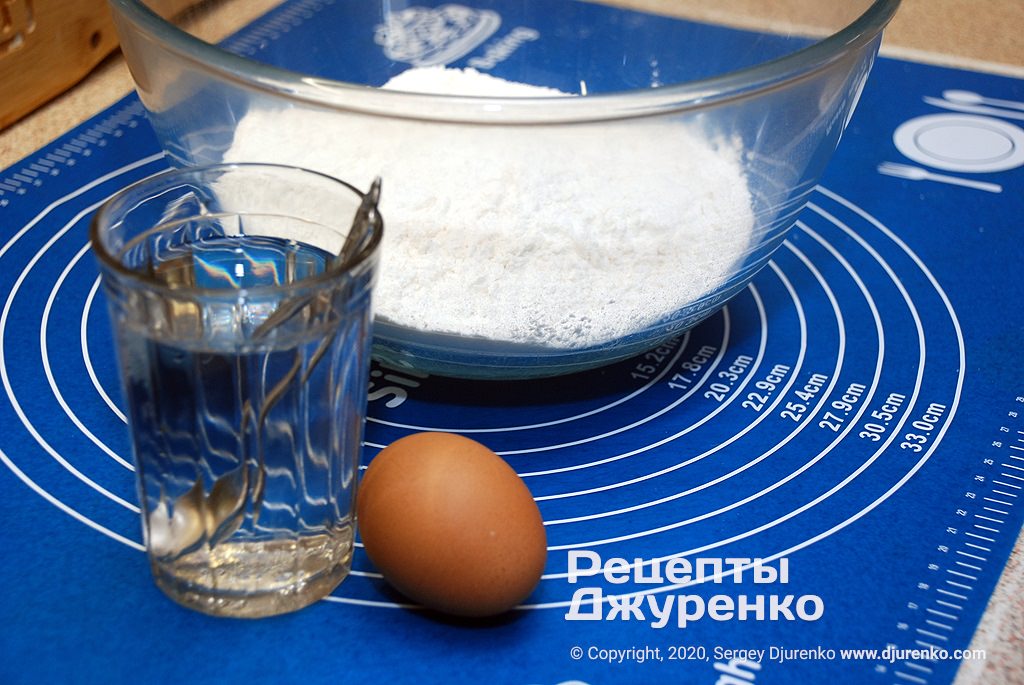
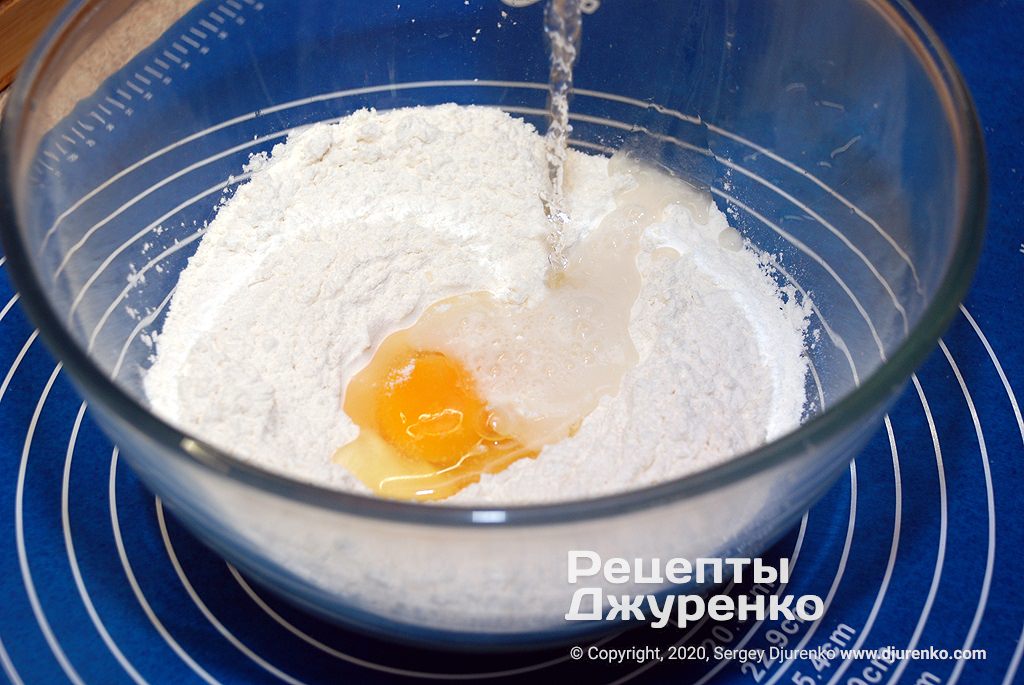
- Divide the flour into portions: three cups for the plain dough and one cup for mixing with the butter. Pour most of the flour into a large bowl. Pour 180 ml of boiled water at room temperature into a glass. Dissolve 3-4 grams of salt in it, plus citric acid on the tip of a knife; it is believed to reduce the chance of the layers tearing. Break the egg into the flour and pour in the water.
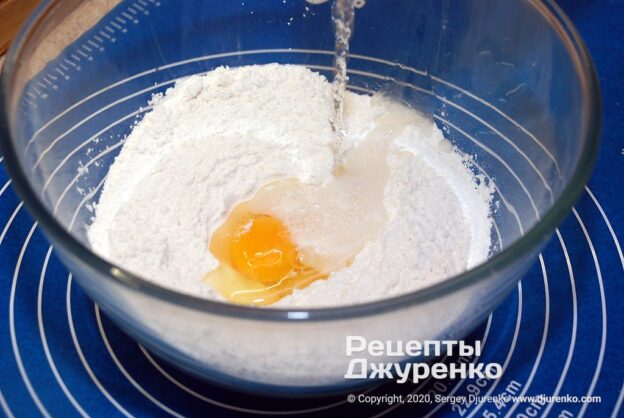
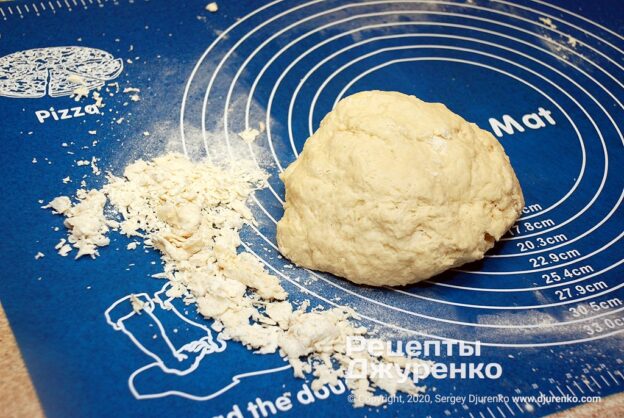
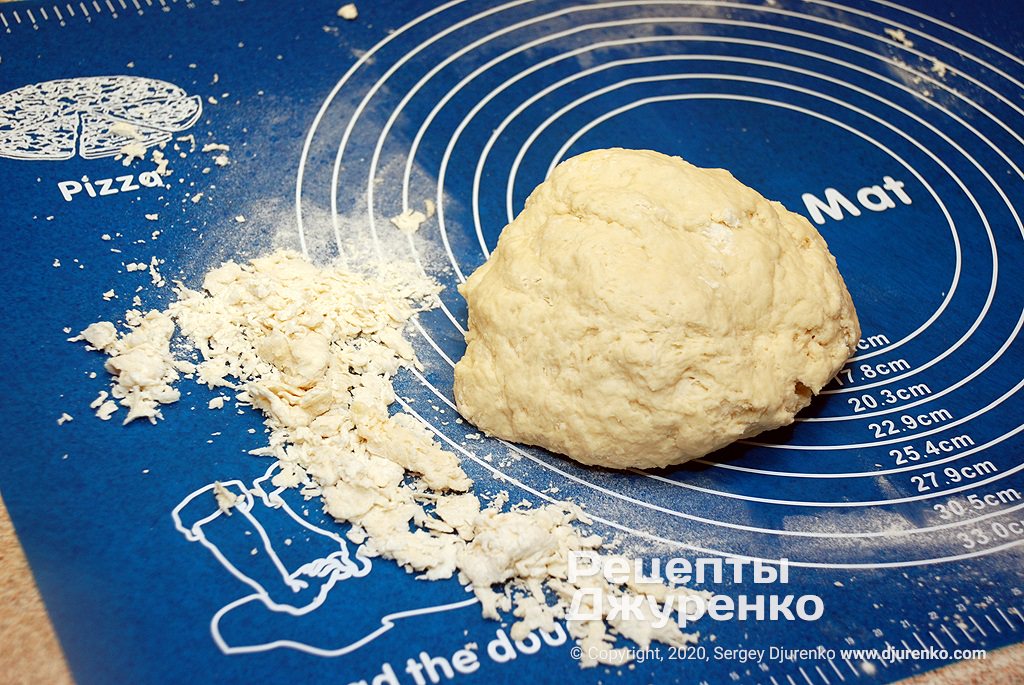
- Knead a stiff dough. Be sure to knead until completely smooth. The dough should be firm, but still easy to roll out with a rolling pin. Let the plain dough rest for 20-30 mins. To do this, put it on the table in a lidded container or wrap it in cling film. The gluten in the flour needs to swell.
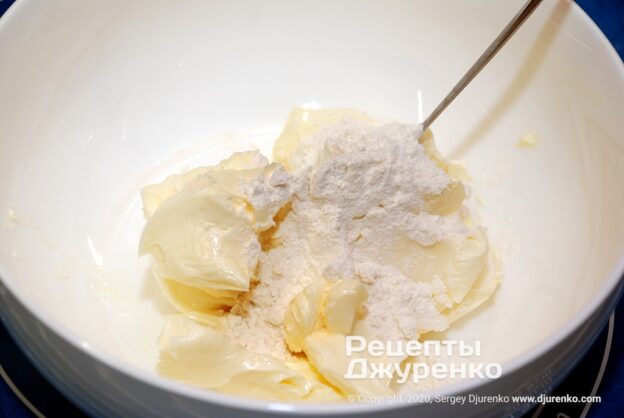
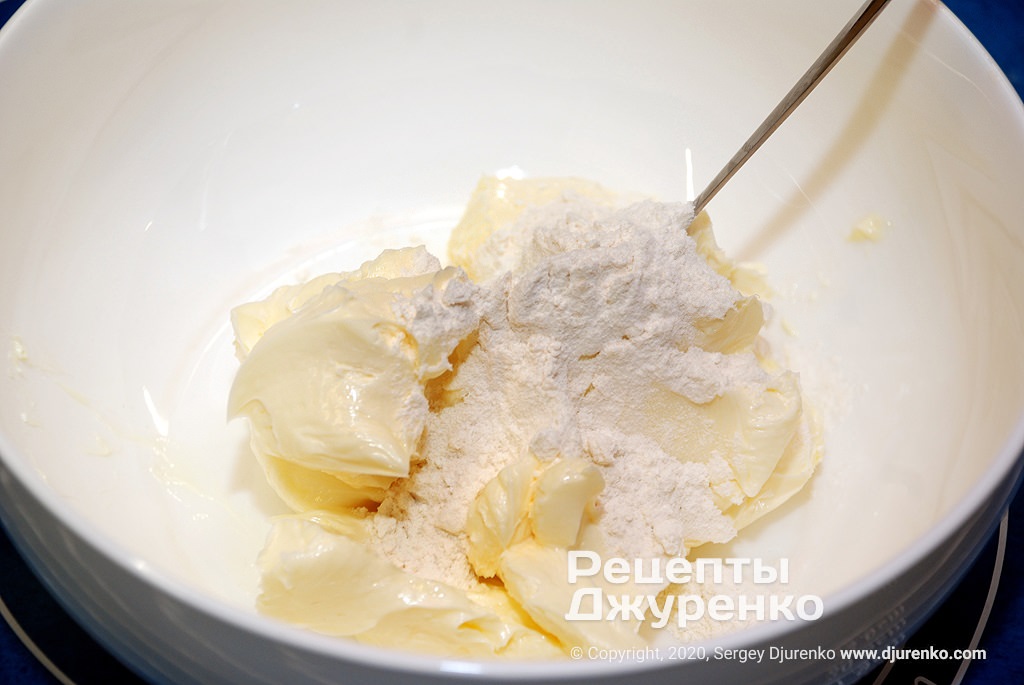
- Chop the soft butter with a knife. By the way, a mixture of flour and butter is often called “chopped” or quick dough, and it is often used as a simple substitute. When baked, the layers form in islands, more like small pockets that imitate layers. Add the last cup of flour to the chopped butter and mix everything thoroughly.
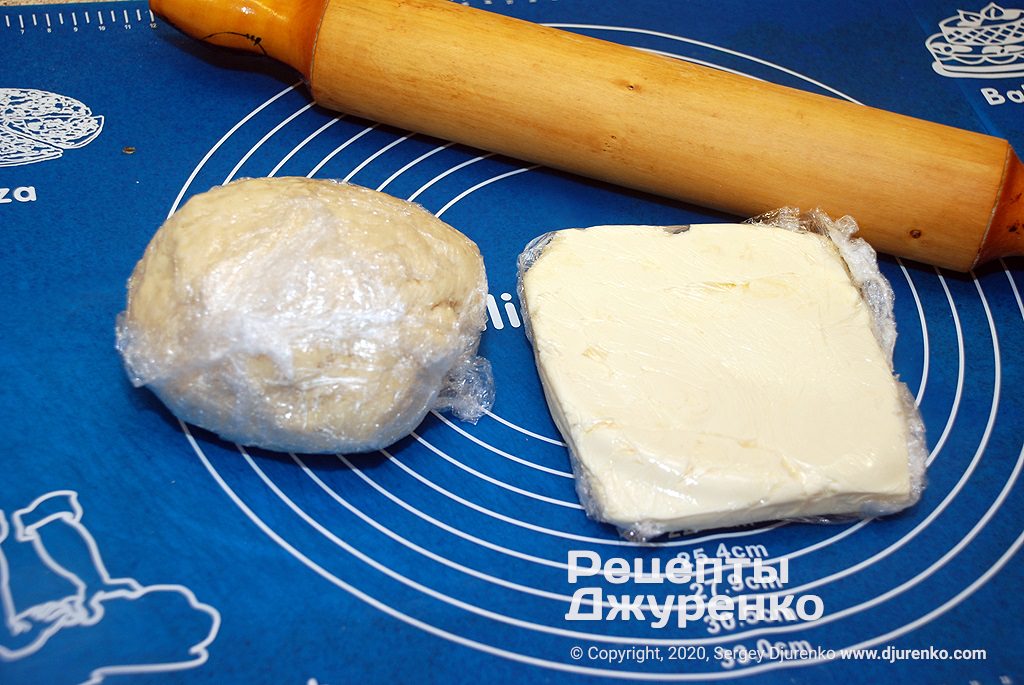
- Next, shape the butter and flour into a square or rectangle to seal inside the plain dough. We did it very simply: we lined a flat plate with cling film, put the butter and flour on it and wrapped it tightly. With our hands we shaped a square slab about 3 cm thick. Soft butter is pliable, so there were no difficulties. Put the butter in the fridge to firm up.
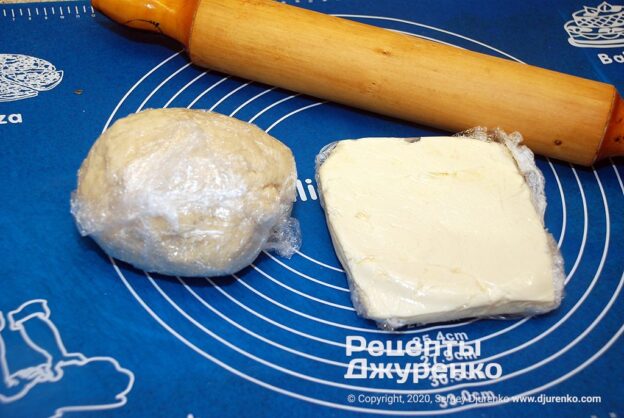
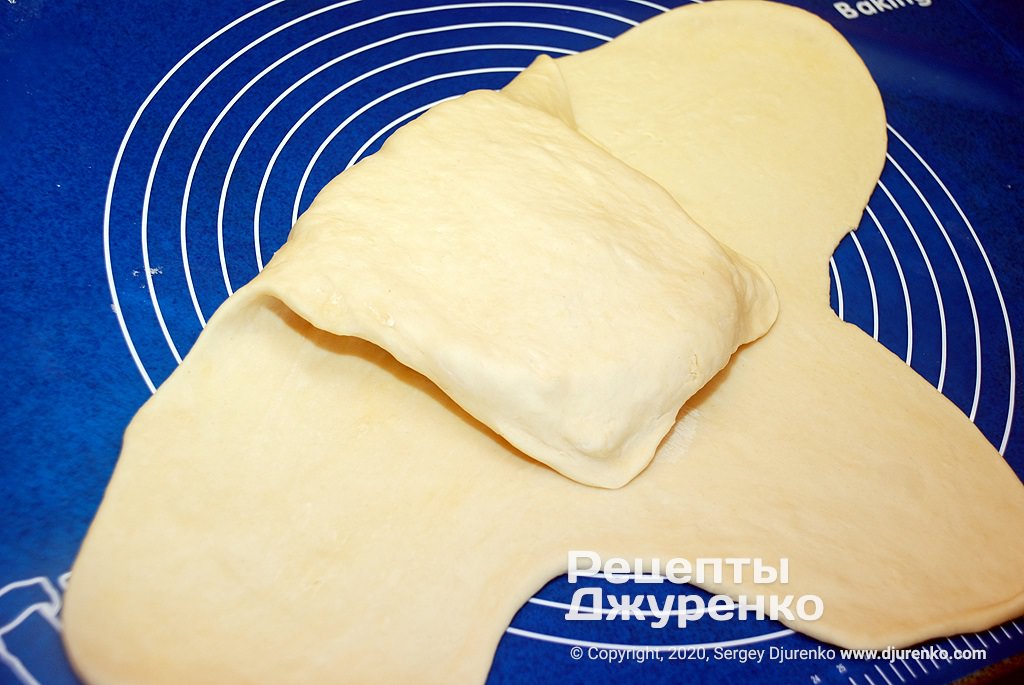
- The plain dough has rested and is ready to roll out. It is very convenient to do this on a silicone mat, a wonderful tool that dough barely sticks to. With a chilled rolling pin (it is best to keep it in the freezer when not in use), roll the plain dough out in the shape of a four-leaf clover. Make the centre about twice as thick as the petals. The size of the centre should match the square of butter you formed.
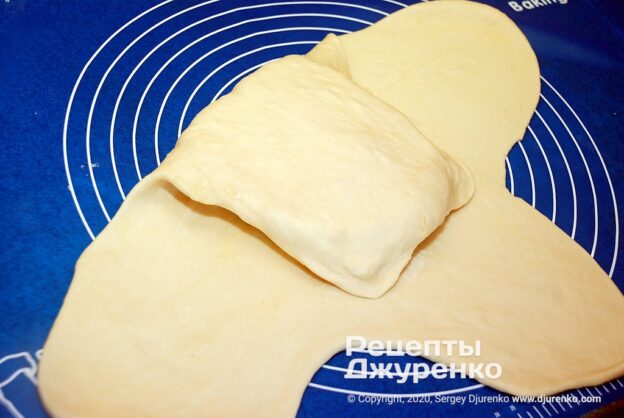
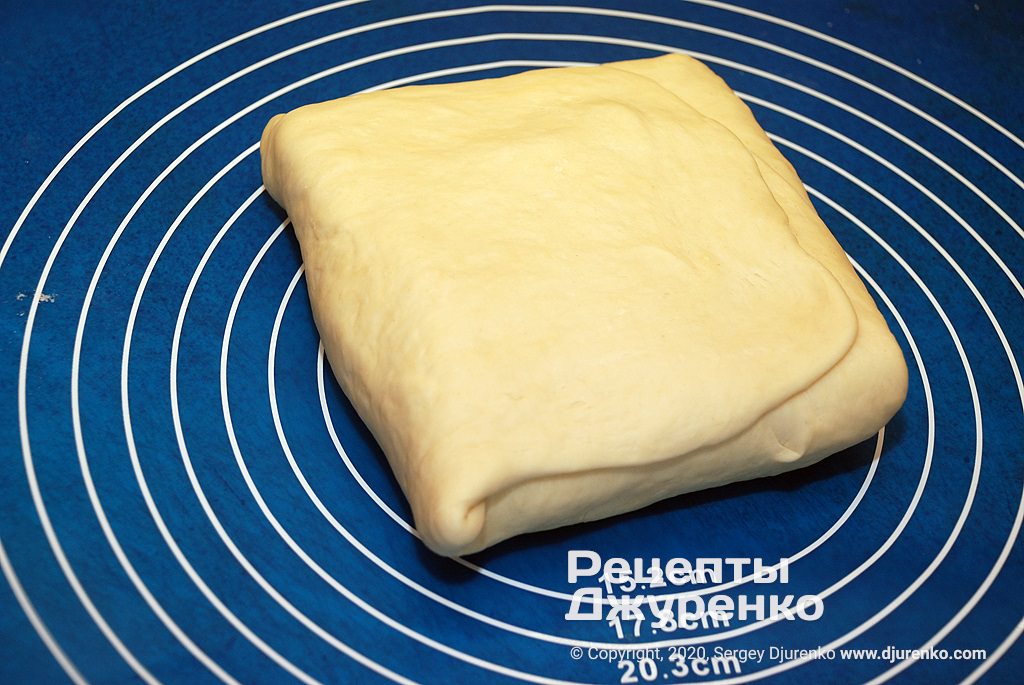
- Place the chilled square of butter and flour in the centre of the rolled dough. It is firm, but can still be rolled out; the fat has simply “set”. One by one, cover the butter with the petals of plain dough, sealing it in. You should end up with a square of dough with the butter inside. Puff pastry is a sort of “closed” sandwich.
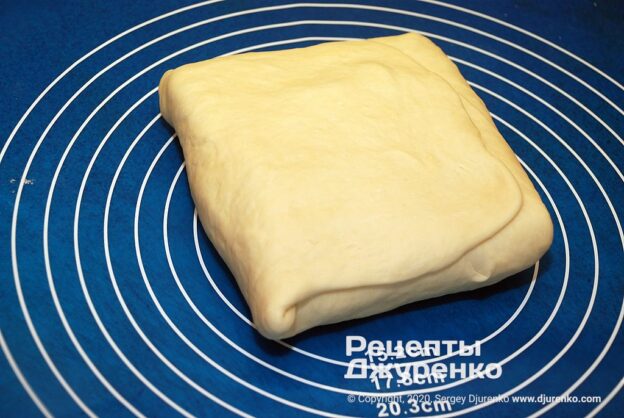
- Try to avoid any tears and make sure the butter is completely covered. This is extremely important: any hole or tear is a way for the butter to squeeze out. If you find a tear or a visible edge of butter, cover it with dough. Put the prepared slab on the table or mat. Everything is ready for the first rolling.
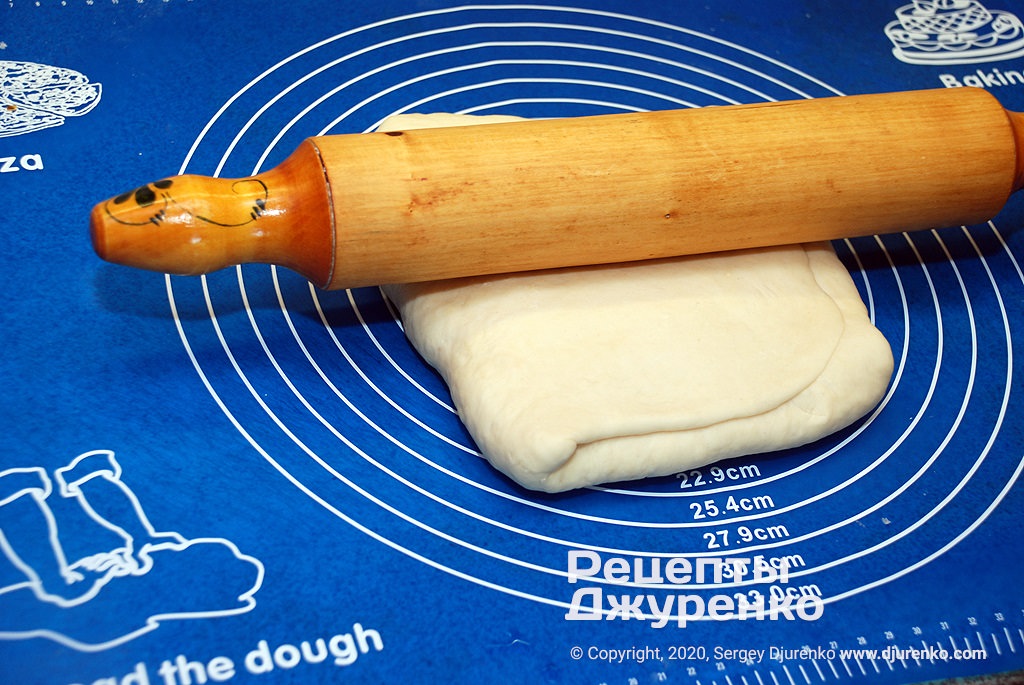
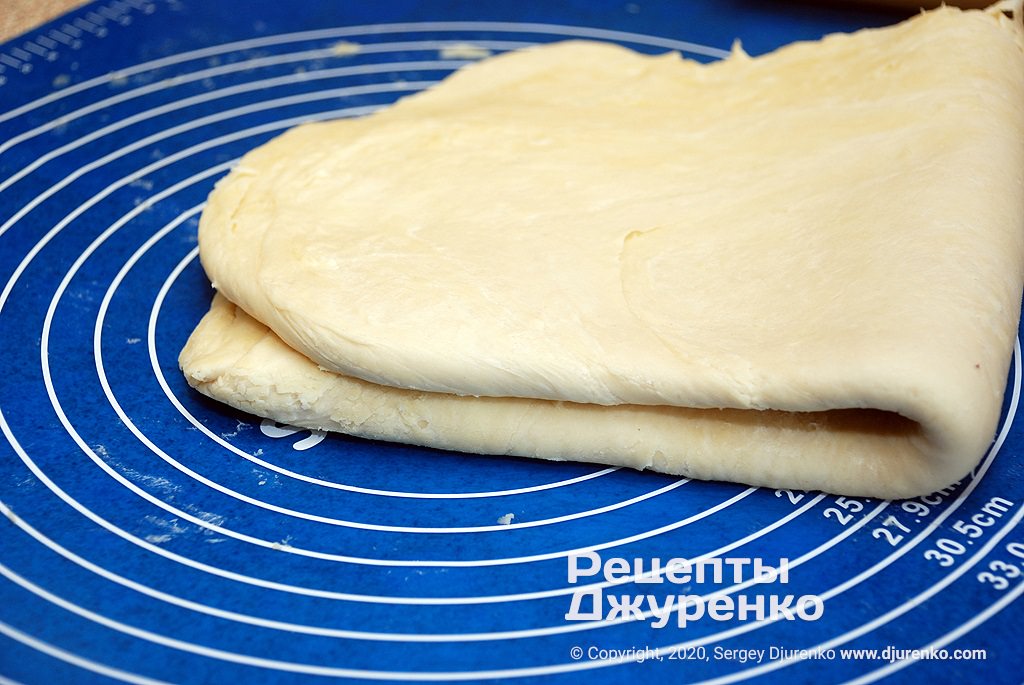
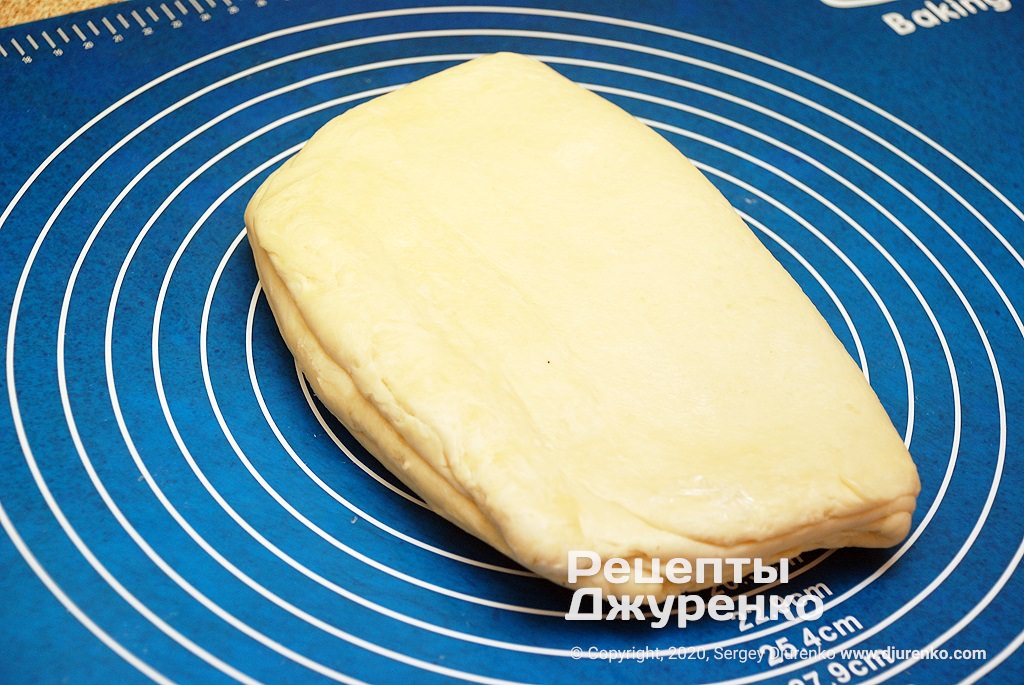
- Ideally the room temperature should be 15-17 degrees, so the butter stays pliable the whole time. Roll with a cold rolling pin, very gently and without pressure. The butter inside the plain dough warms up quickly. While rolling you can feel that the butter inside is slightly “alive”. When the layered block has doubled in area and is 1-1.5 cm thick, fold it in half. This is how the many layers are formed.
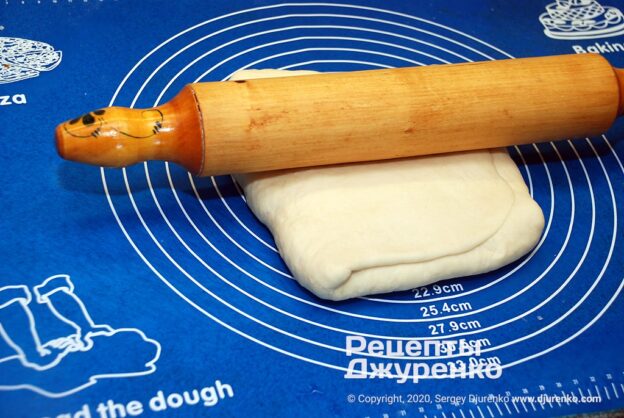
- For better layers, chill the dough in the fridge from time to time. Never chill it too much, or the butter becomes hard and crumbles when rolled. Crumbs of butter will tear the layers of dough. Take the dough out of the fridge and roll it out once more. Then fold it in half again and roll again. It is worth letting the dough rest for 10 mins after each fold; this improves the texture and keeps the layers intact.
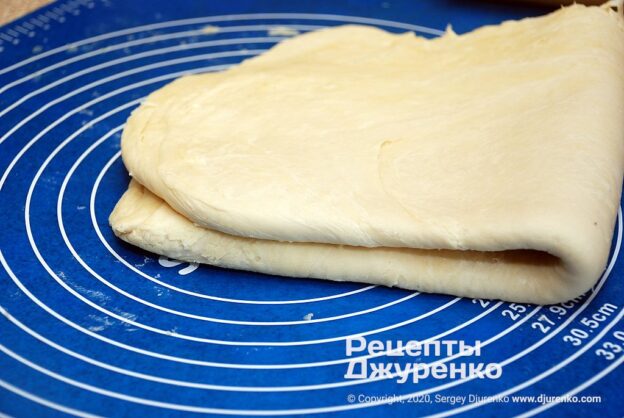
- If you like, you can keep rolling until you are happy with the number of layers. We usually fold and roll 6-8 times, which is enough. This gives a good dough, perfect for Napoleon cake layers. It is important to roll smoothly to prevent the layers from tearing. If the dough tears somewhere and butter shows through, sprinkle that spot generously with flour and hide it when you fold again.
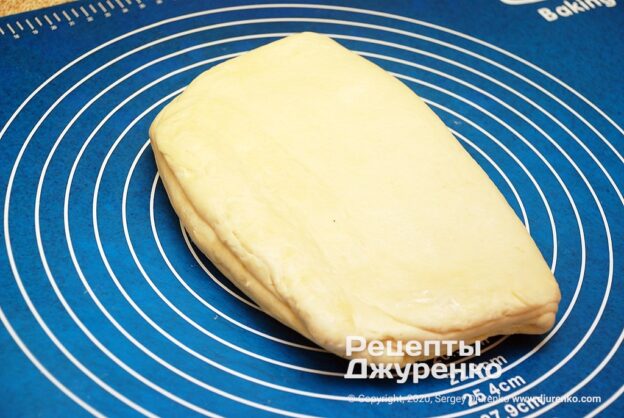
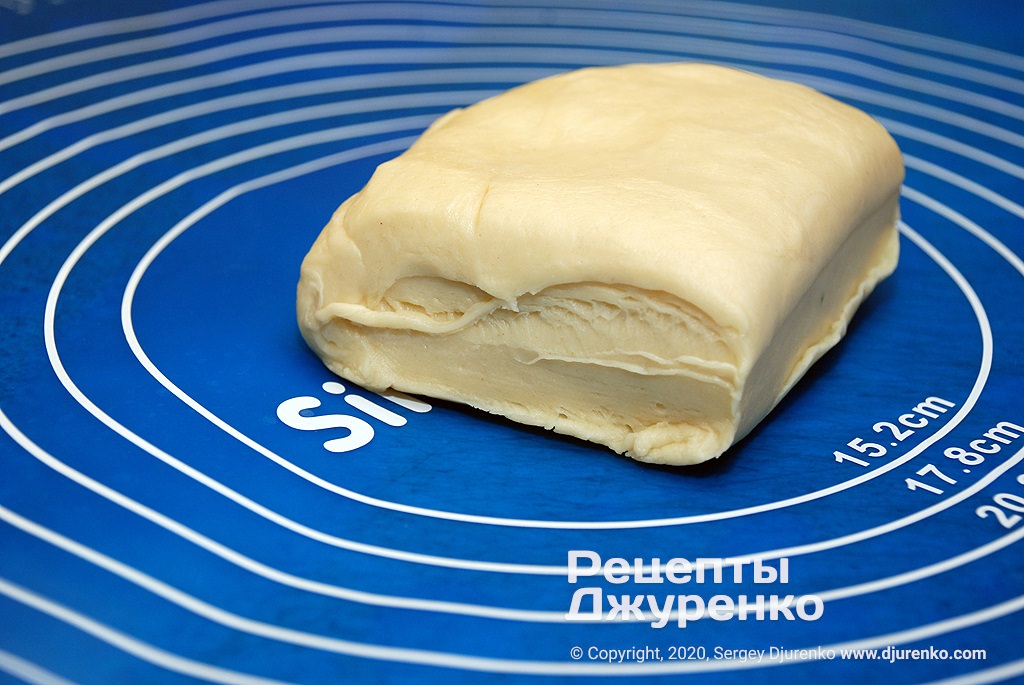
- To keep the dough from drying out while it chills, cover it with cling film or a slightly damp towel. In fact, you should not strive for the maximum number of layers. That usually leads to torn layers and poor rising during baking. Too few layers is not good either: the butter will leak out of the dough, it will not soak into it, and the pastry will turn out tough. For a cake or palmiers, a hundred layers is enough.
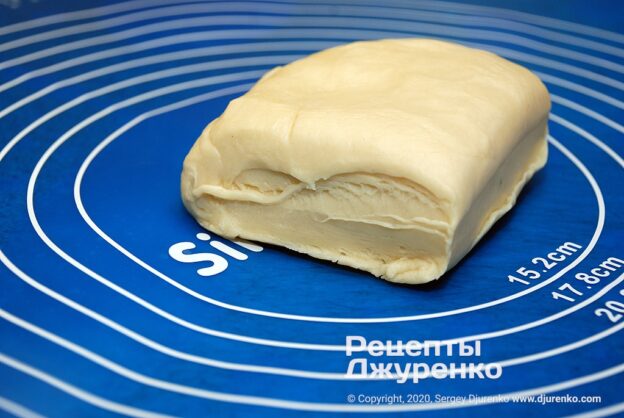
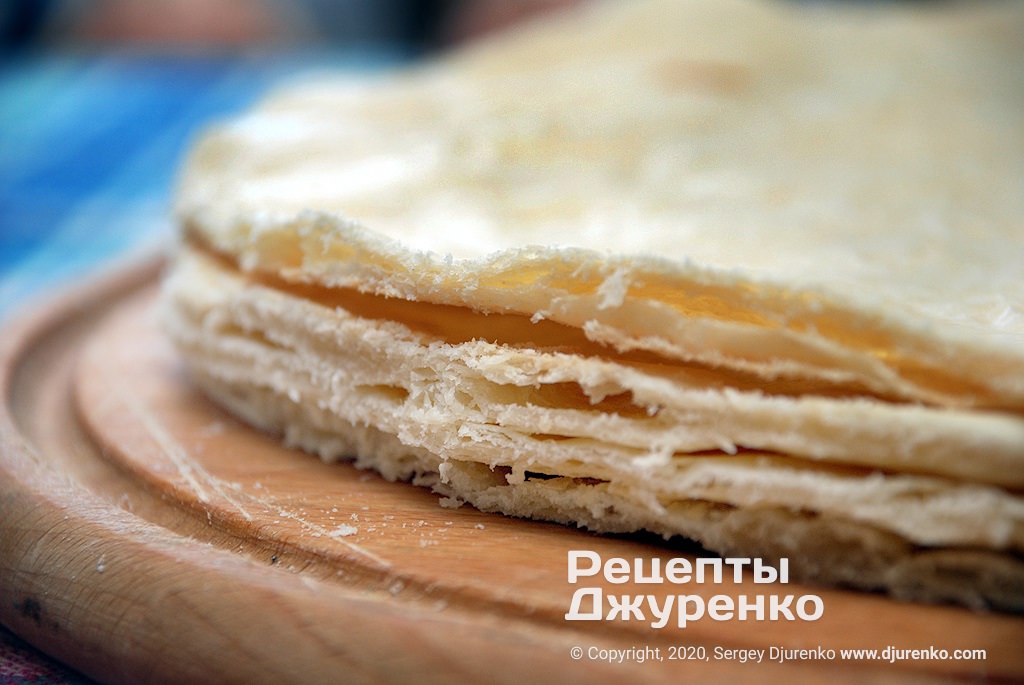
- After rolling, puff pastry can keep in the fridge for a couple of days until you decide to bake it. To bake, cut a piece of the prepared dough with a very sharp knife into the number of layers you need for the cake. A blunt knife can crush the layers and the cake layers will turn out flat. On the cut edge of the dough you can see all the layers, take a look.
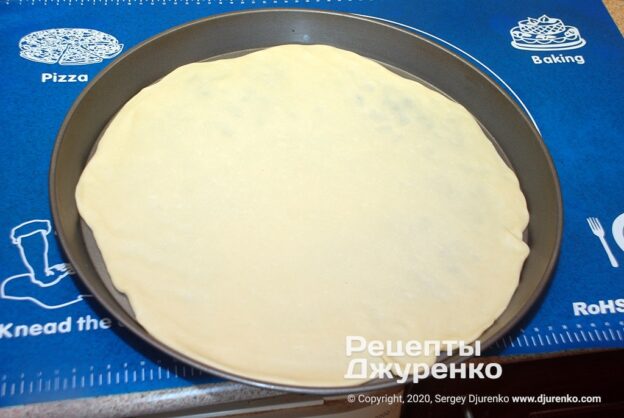
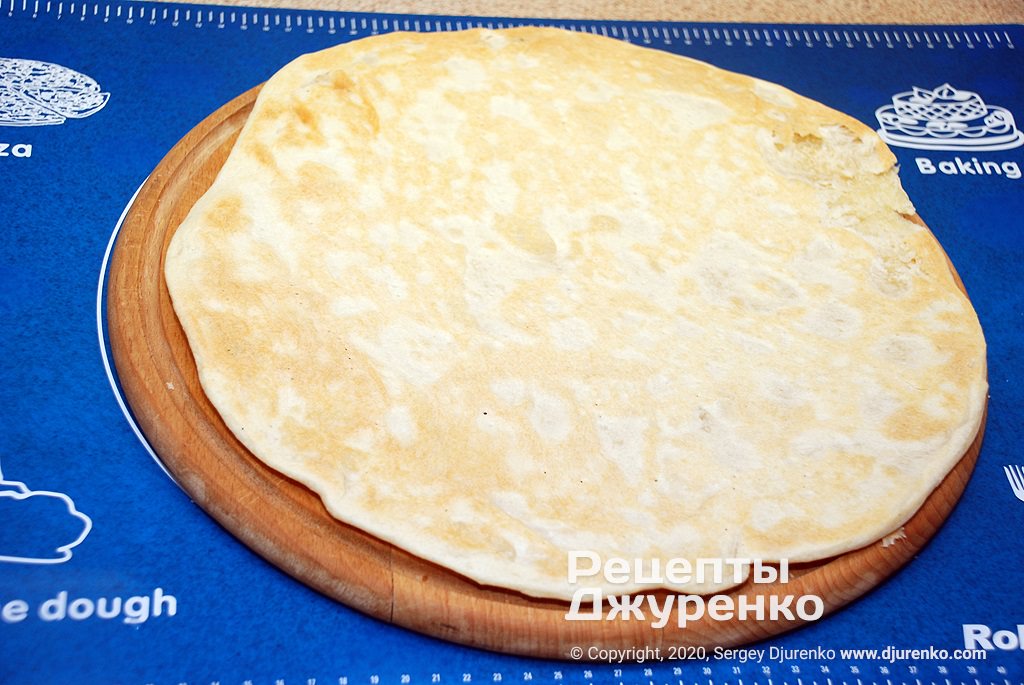
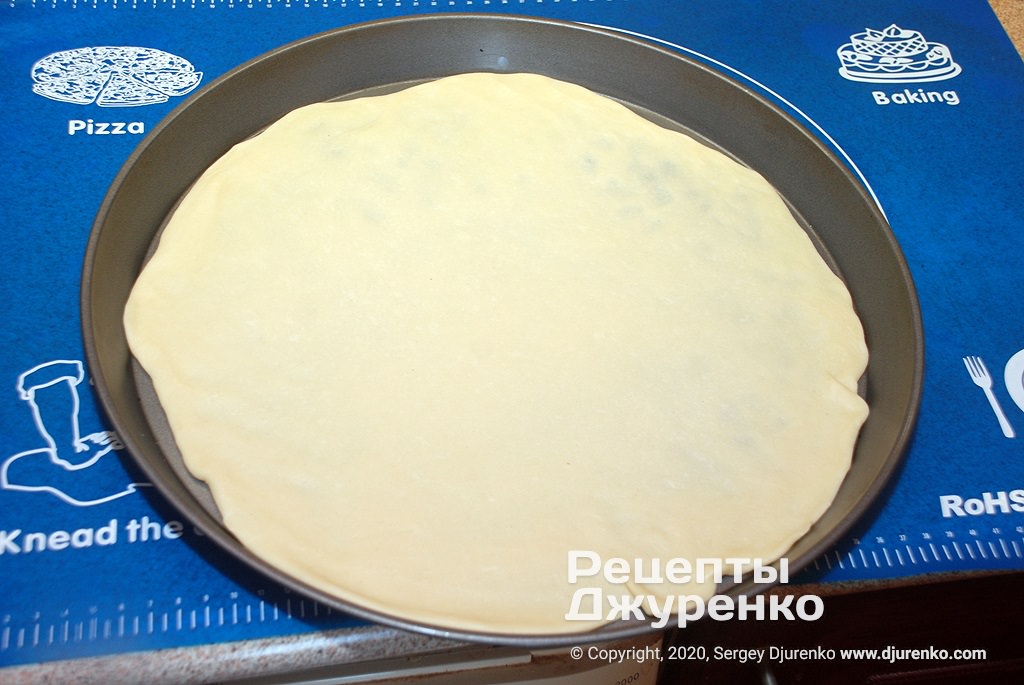
- You can roll the dough for the layers out a little more, very lightly, to fit the pan, but do not press it with your fingers. Be sure to prick it with a fork in several places. Spread the dough on a baking tray and bake at a fairly high temperature of 220-240 °C. Baking time is about 15 mins, checking by eye. Avoid shaking the oven while baking, as the dough may sink.
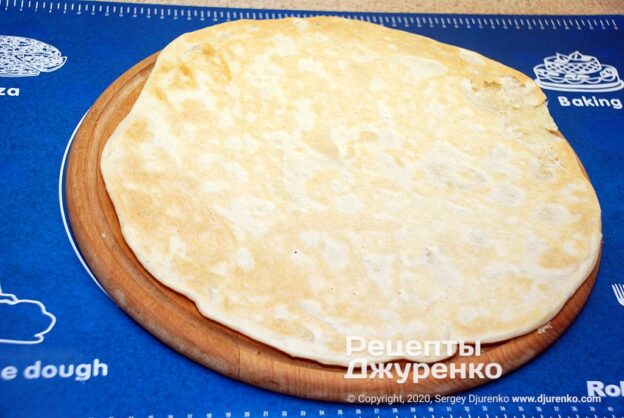
- The finished baked puff pastry layers look a little dry until they are spread and soaked with cream. You can stack them and trim the edge with a knife to show the layered structure and to even them out to the shape of the cake. When my daughter and I made the cake, we simply cut off the excess and trimmed the stack into a circle. The trimmings can be dried a little and used as crumbs to sprinkle on the cake.
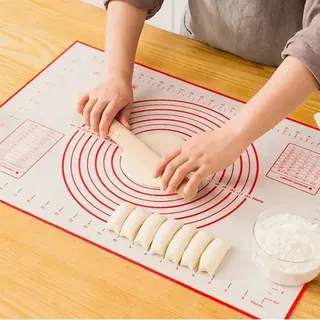 Silicone dough mat with markingsAliExpress
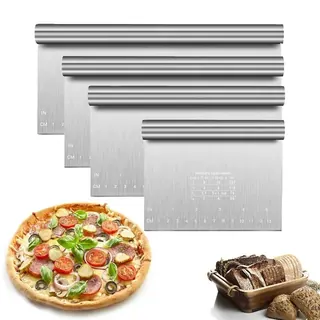 Dough scraper with scaleAliExpress
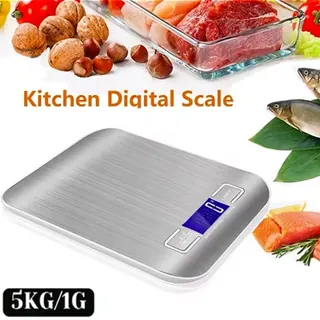 Kitchen scale up to 5 kgAliExpress
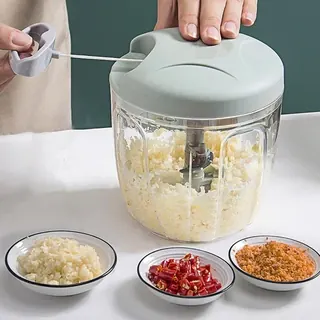 Pull chopper for garlic and onionAliExpress
 Oil sprayerAliExpress
 Vegetable chopper with handleAliExpress
| Yield: | 1 kg |
| Calories: | 380 kcal per 100 g |
| Prep time: | 30 mins |
| Cooking time: | 2 h |
| Ready in: | 2 h 30 mins (not including baking) |
| Cuisine: | French cuisine |
| Rating: |