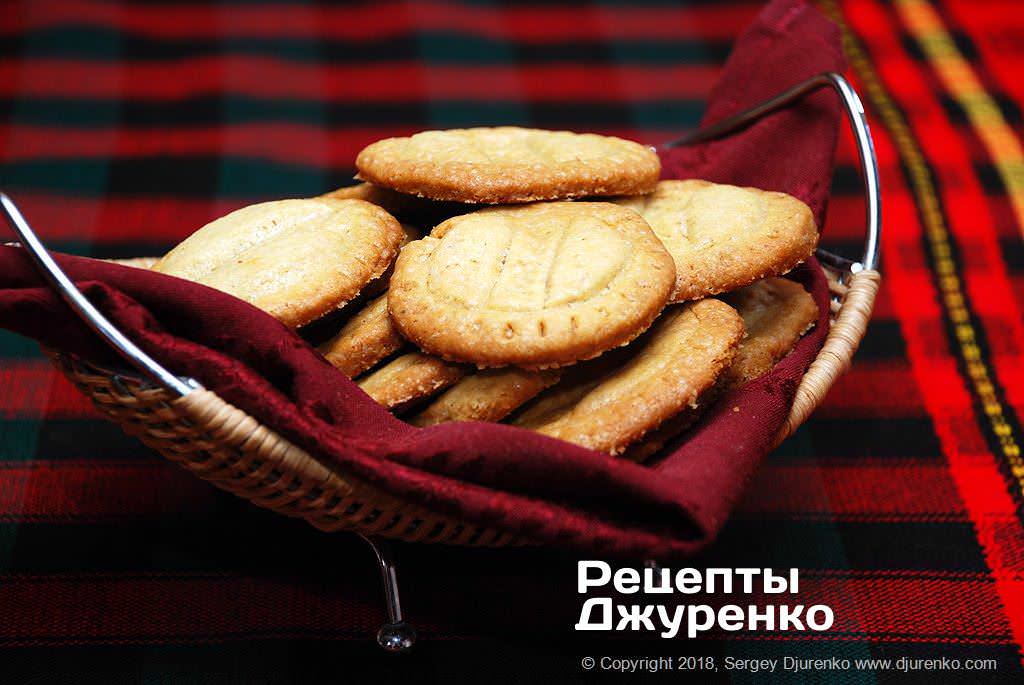
Homemade Shortbread Cookies with Butter and Walnuts
As a kid, I loved homemade shortbread cookies with fresh milk. My grandmother had a small electric oven where she baked crumbly cookies, little hand pies or honey gingerbread. To be honest, most of the time we made do with store-bought cookies and Artek wafers with white or dark filling — I liked the white ones better.
Grandma never used margarine for her shortbread; she preferred butter. Later I found out that her recipe is very close to French sablé cookies. Sablés are a traditional shortcrust bake, round with a fluted edge. Sablé dough is usually half flour and half butter and sugar by volume. Often the cookies get a filling of jam or preserves — most often citrus — or are made with nuts, dried berries and so on.
Dough is the foundation of bread making and pastry. It is a moist mixture of flour and a wide range of additions, and water or other liquids are not always on the ingredient list. The most common is enriched yeast dough, which we use for poppy seed buns or cinnamon rolls. Choux pastry goes into eclairs and cream puffs. Puff pastry is the base for strudel.
Shortcrust is a special kind of homemade dough made of flour and fat. We usually make it for grated pie with currant jam. In French cuisine, shortcrust is called brisée — it is firm, doesn't stick to your hands at all, and is easy to shape into the most intricate forms if you have the right cutter. Italian cuisine has a wonderful apple tart on a brisée base — crostata.
Homemade shortbread cookies are quite high in calories. Keep that in mind, or eating them often can easily lead to extra pounds. But I know from experience that tasty treats with tea can disappear without you even noticing, especially while watching a gripping movie.
The dough for crumbly cookies is made without water or milk. Just wheat flour, butter and eggs. Homemade shortbread can be baked from dough made in advance — it keeps well in the fridge for some time. If you like, add nuts, raisins or other extras. Whenever possible, make the cookies without margarine, baking powder or baking soda — they noticeably affect the taste and aroma.
Ingredients
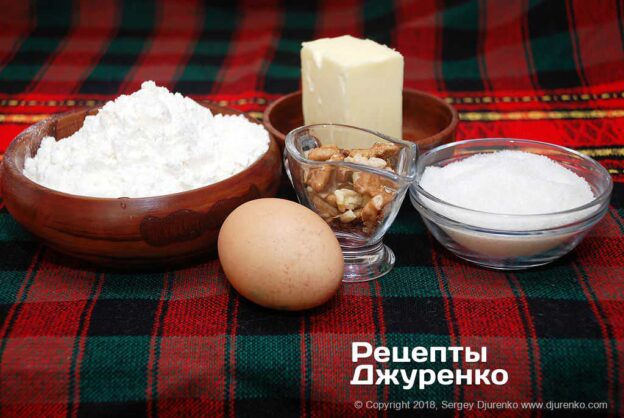
700 g of cookies
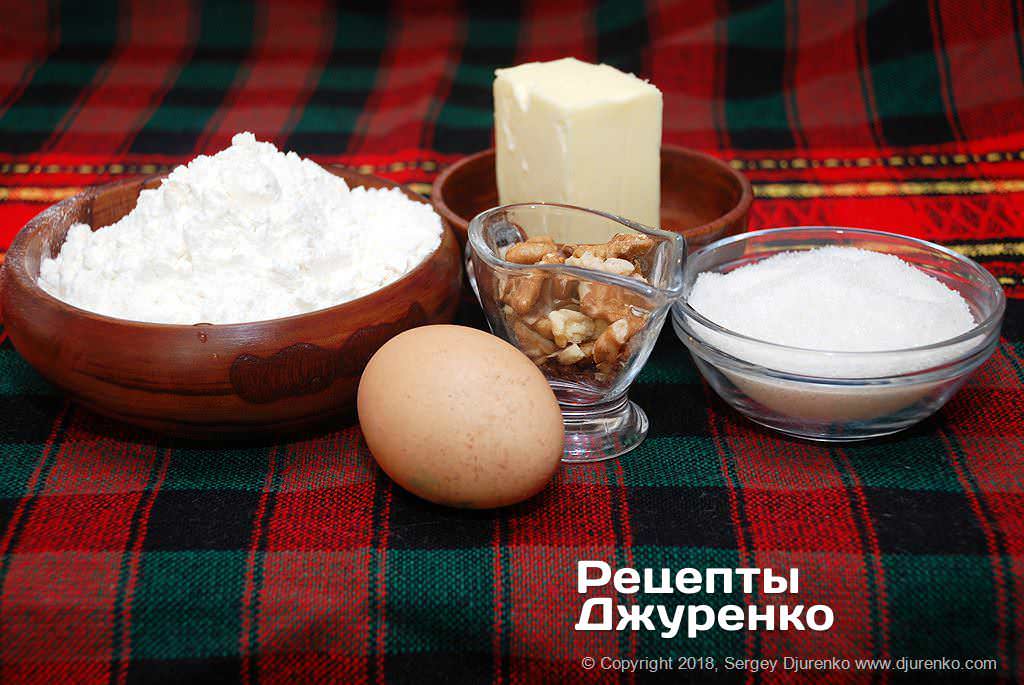
- Wheat flour 2 cups
- Butter 150 g
- Sugar 150 g
- Egg 1
- Walnuts (shelled) 50 g
- Baking powder, vanilla optional
Step-by-step recipe
- Sift the top-grade wheat flour. Sifting removes any leftover bran, unwanted particles and lumps. It also makes the flour light and fluffy and aerates it. Take the butter and eggs out of the fridge so they come to room temperature.
- There is a lot of debate about whether shortcrust needs baking powder. I once read that if the bake is going to be thicker than 1 cm, it's worth adding a packet of baking powder to the flour. So it's up to you. Just remember that store-bought baking powder is a balanced mix designed to turn completely into gas without leaving a trace. But it doesn't keep long, so it has to be fresh. Better not to use baking soda — the aftertaste will remain no matter how hard you try.
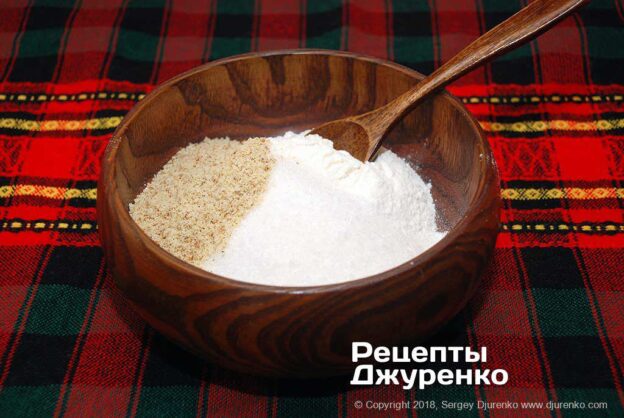
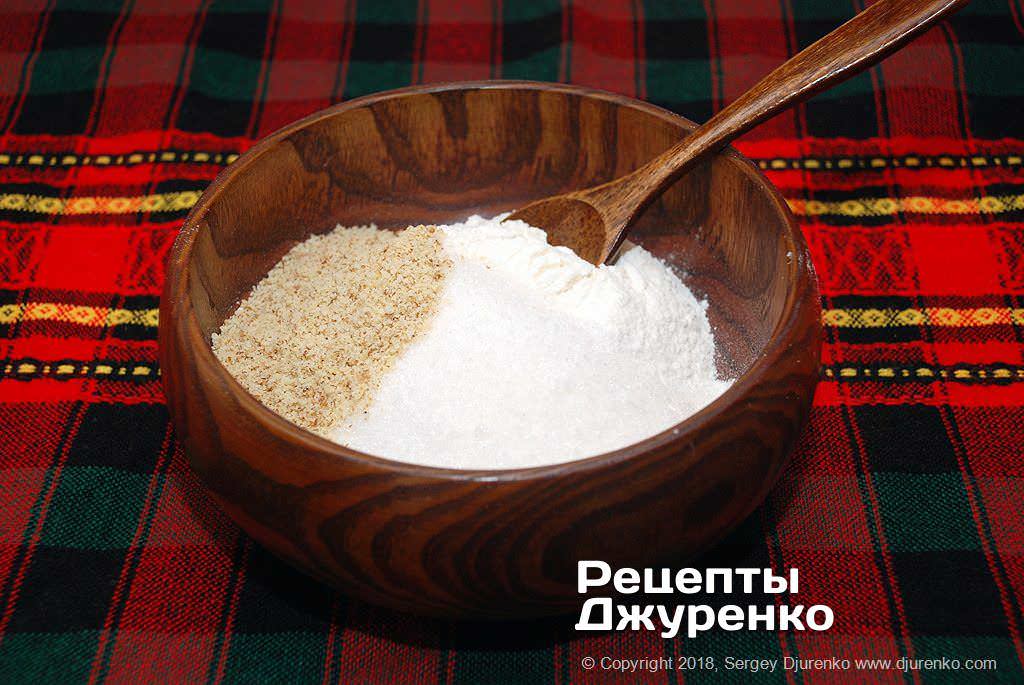
- Lightly toast the walnuts in a dry pan until they smell pleasantly nutty. Grind them in a mortar or blender into fine crumbs. In a bowl, combine the flour, ground nuts and sugar. If you like, add baking powder, a pinch of vanilla or a packet of vanilla sugar. Mix thoroughly so everything is evenly distributed.
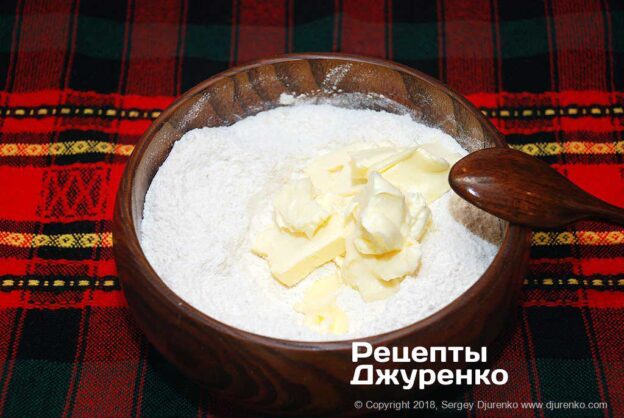
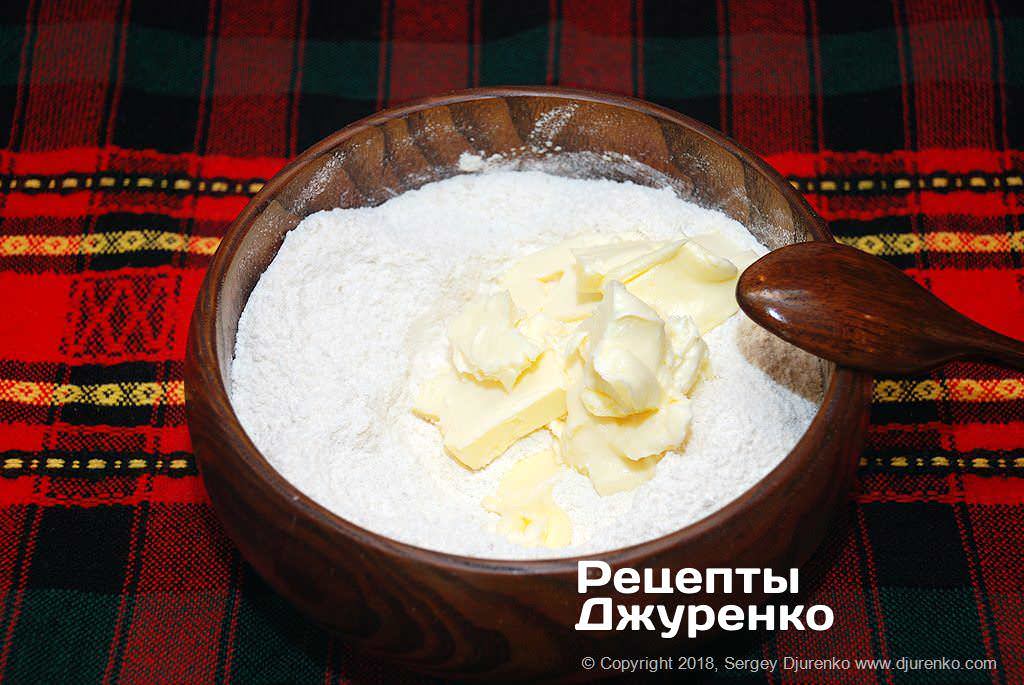
- Chop the butter into pieces with a knife and add it to the flour. Use a fork or a wooden spatula to work the butter into the flour. You'll get coarse crumbs or small clumps of flour and fat.
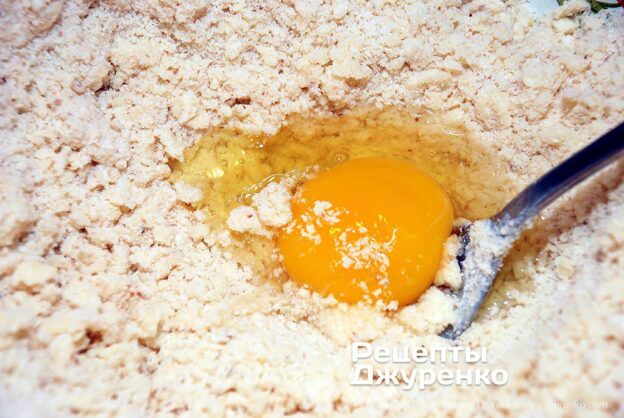
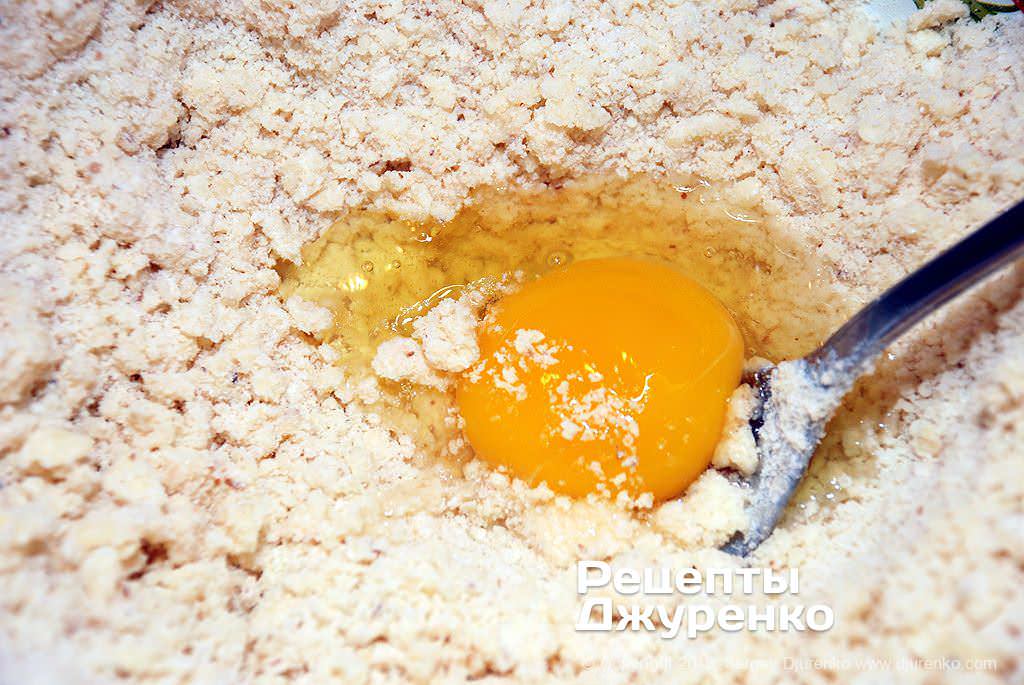
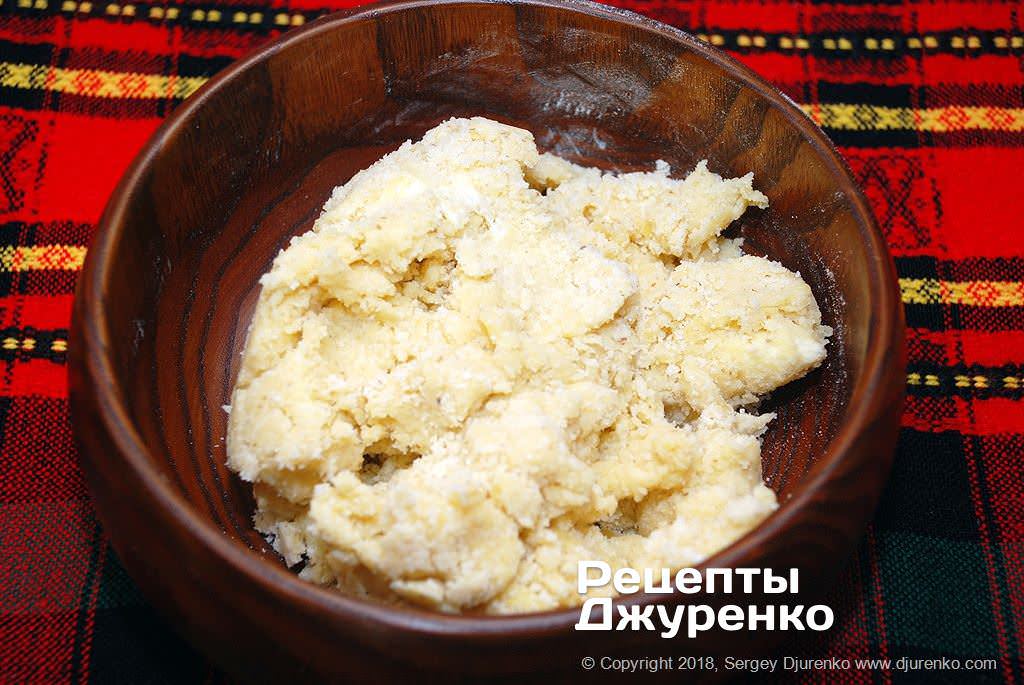
- Crack the egg into the bowl and work the mixture again. At first it may seem that the dough needs some milk, but don't add any. You'll need to work the shortcrust for quite a while until it is completely smooth.
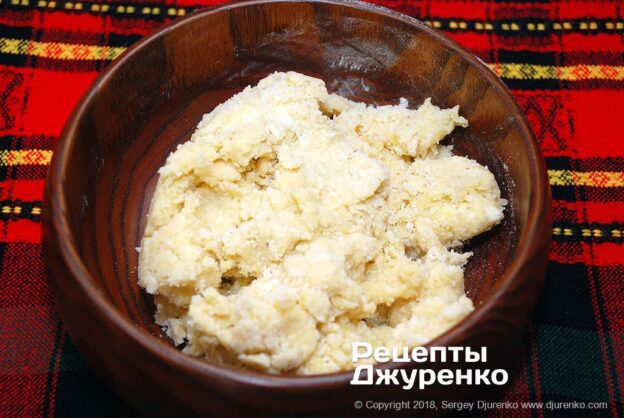
- Dust the table with flour and tip the whole contents of the bowl onto it. For tender, crumbly cookies, gently but thoroughly work the crumbs with your hands until the dough is completely smooth. Don't knead it for too long — it can separate and lose its elasticity.
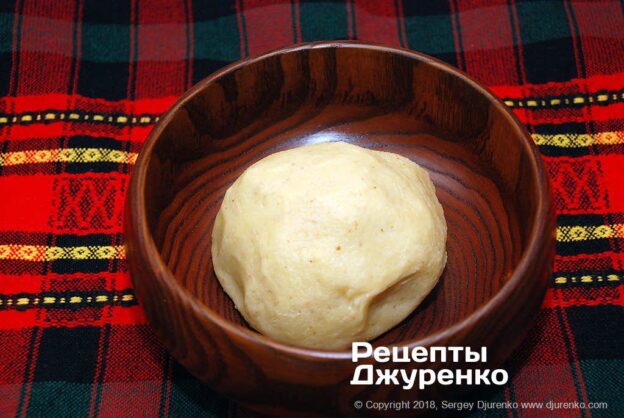
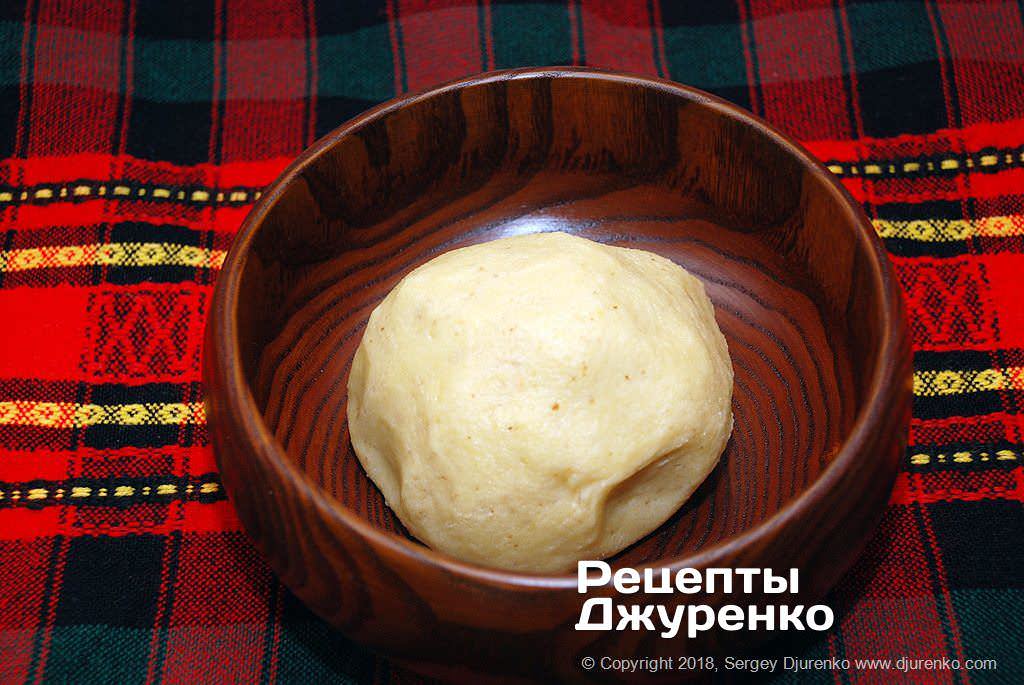
- Roll the smooth dough into a ball and wrap it in cling film. Refrigerate for 30–45 mins. As it chills, the butter firms up a little and cutting out the cookies becomes much easier. The dough won't stick to the cutters or get stuck in small crevices — cookie cutters can come in quite fancy shapes.
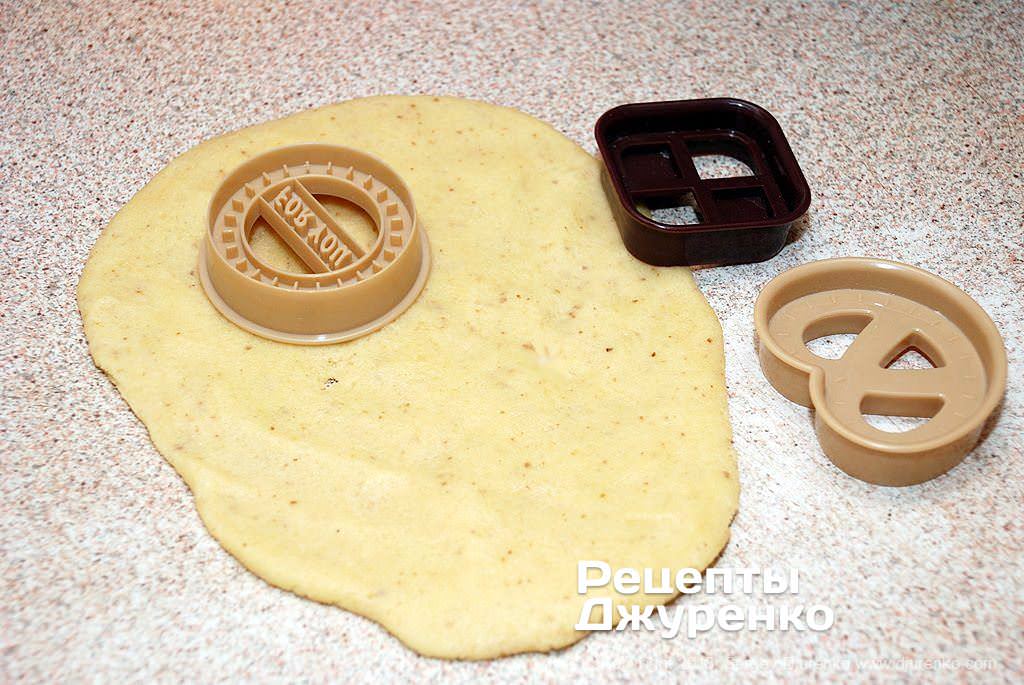
- Once chilled, take the dough out of the fridge and discard the film. Lightly dust the table with flour and roll or press the dough into a thin sheet, 6–8 mm thick. Shape the cookies while the dough is still cold. If you don't have cookie cutters, you can simply roll the dough into a log and slice it into thin rounds with a knife. Or shape a thin, wide loaf and cut it crosswise.
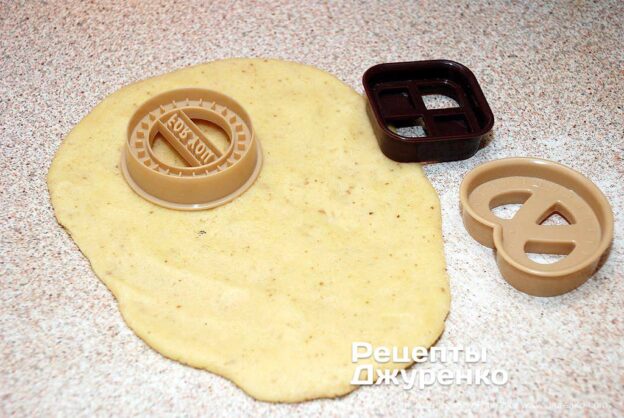
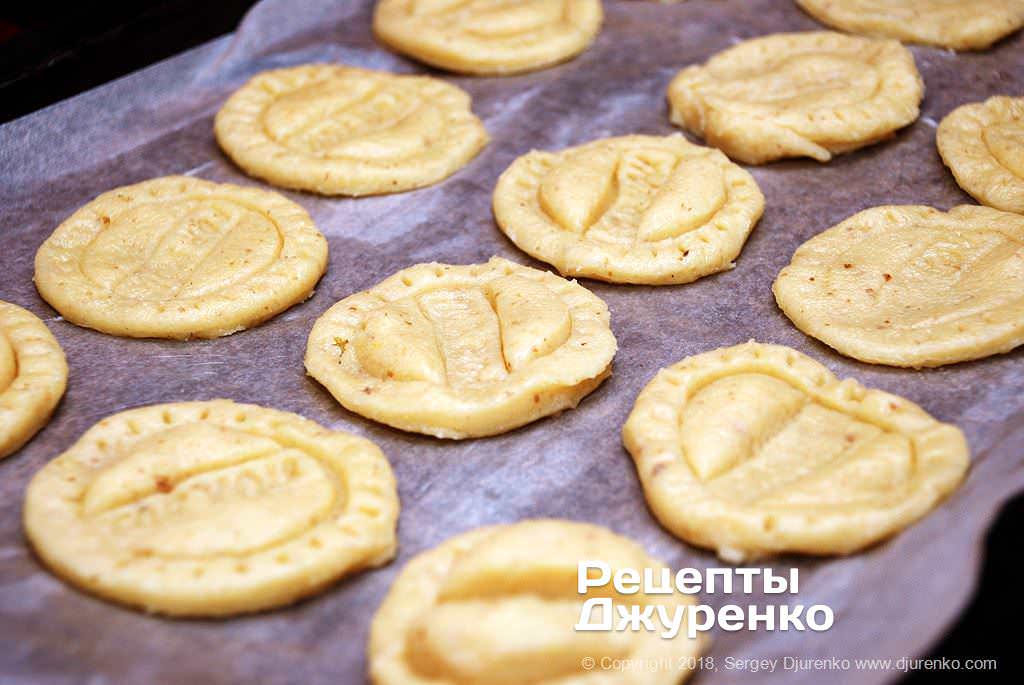
- Line a baking sheet with parchment paper. Preheat the oven to 180 °C. Since the dough contains a lot of butter, there's no need to grease the paper. Arrange the cookies on the baking sheet and put it in the hot oven.
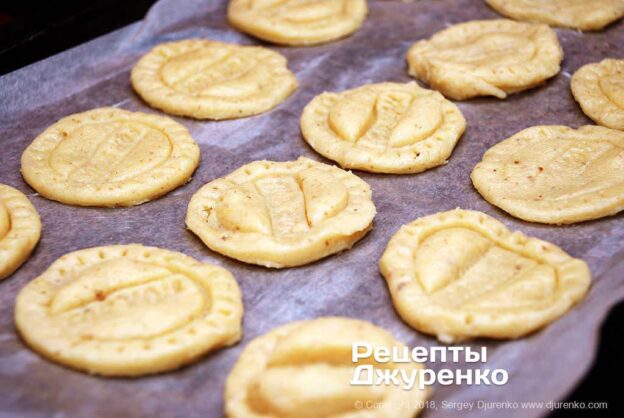
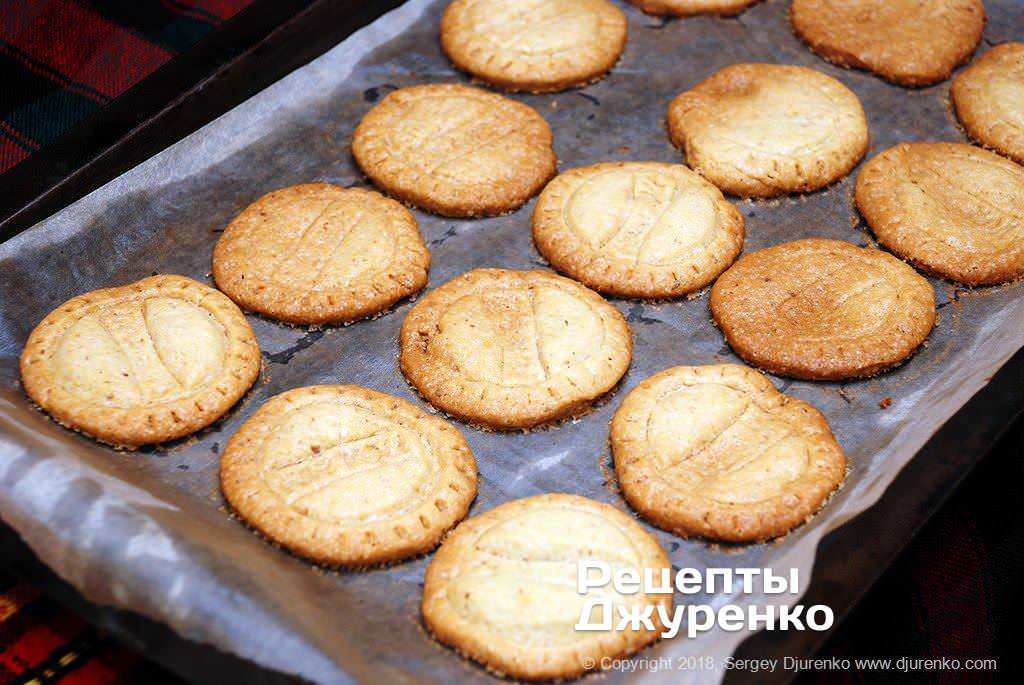
- Shortcrust cookies bake quickly — in 20–25 mins they are done. If you like, let them brown a little. The main thing is not to burn them. It's very hard to catch the moment when the sweet vanilla flavor turns into the taste of burnt dough. So it's better not to experiment.
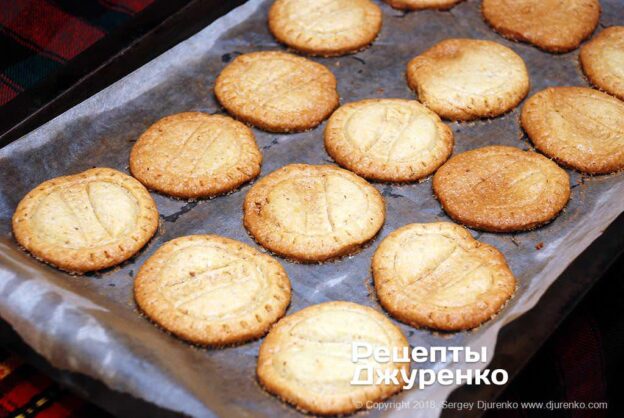
- Let the baked cookies cool. While hot, they may not be crumbly and short. Once completely cool, they will show all these qualities in full.
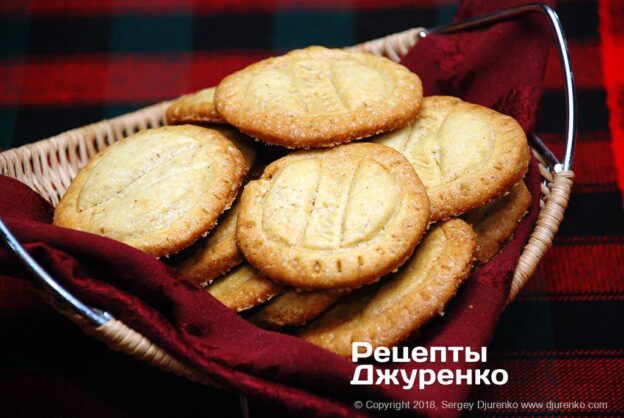
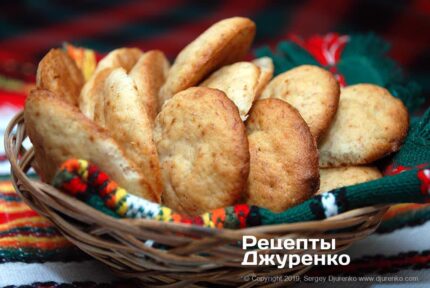
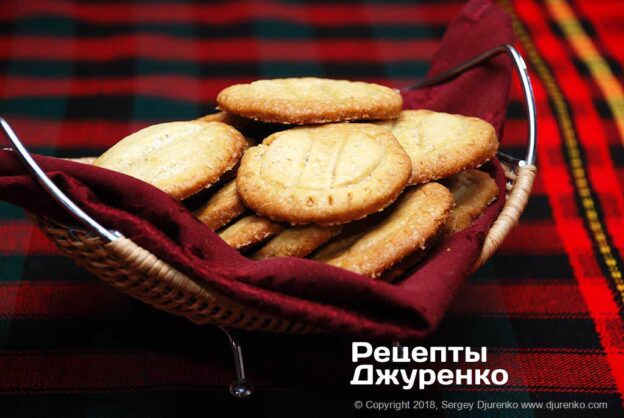
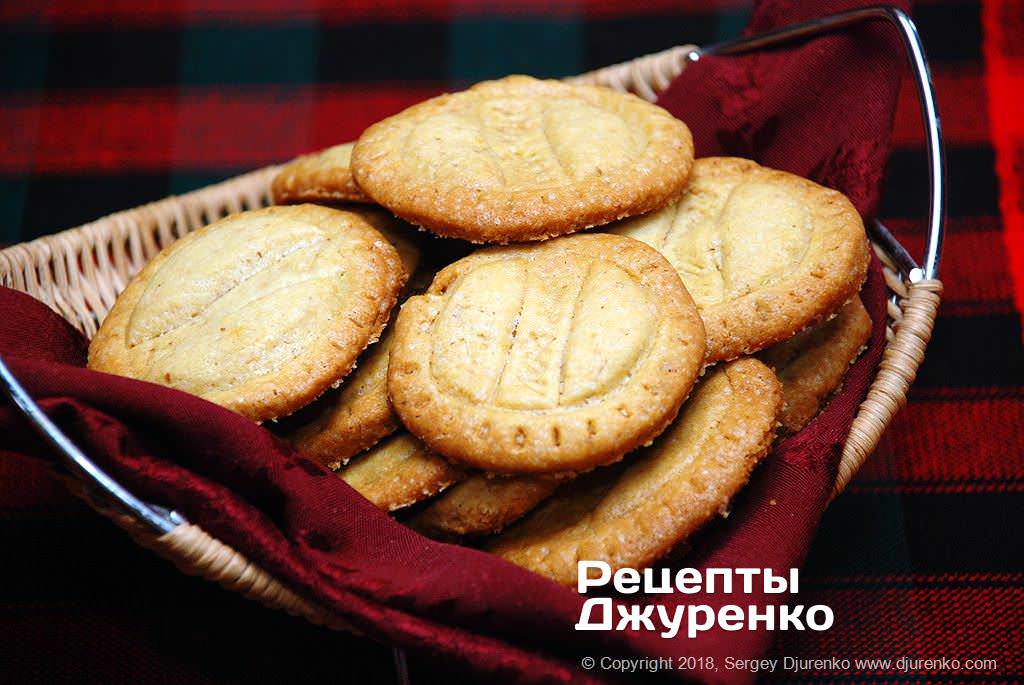
- Make your favorite tea with lemon or warm some milk. Put the homemade shortbread cookies in a wicker basket lined with a cloth napkin and serve. Your evening tea will be a real treat.
| Yield: | 700 g of cookies |
| Calories: | 385 kcal per 100 g |
| Prep: | 1 h |
| Cooking: | 30 mins |
| Ready in: | 1 h 30 mins |
| Category: | Baking › Sweet Baking |
| Cuisine: | European |
| Rating: |
⭐
⭐
⭐
⭐
⭐
4.7
(11)
|