
Rabbit in Wine
I remember that my grandmother always kept rabbits in the village. The rabbit dishes didn’t stick in my memory, though. Most often the meat was cooked simply, stewed in pieces in a thick sauce made from browned flour. It was very tasty. But at some point rabbit breeding almost died out in our area, because the rabbits started getting sick with some mysterious disease with a complicated name. Then again, in Australia that doesn’t stop rabbits from being a “scourge of God”.
Pests or not, rabbits are a valuable and dietary meat. Some well-known comedians proved that convincingly many years ago. Rabbit dishes turn up in practically every cuisine in the world, and however you cook rabbit, it always tastes good. Lately we usually stew it with sour cream, and with mashed potatoes it makes a wonderful home-style dinner. Before last New Year we cooked rabbit with rosemary, from an old French book, and the result was far better than expected.
In Mediterranean countries, especially on the islands and in Greece, rabbit is usually cooked with onion, wine and olive oil. Though there they cook almost everything with wine. Wine is a great ingredient for cooking in general. As the ancients said, In vino veritas (the truth is in wine). Cooking meat in wine fills the dish with flavour and aroma, and the acids in the wine change the cooking process at the molecular level.
In Greece a very popular meat dish is “stifado” (Στιφαδο). Literally, it means stewed meat. If someone says just “stifado”, they mean beef or veal, and if it’s made from other meat, they specify which. The point of the dish is that the meat is stewed in a sauce made with plenty of onion, wine, olive oil and spices.
You can also find stifado made from chicken, fish and even seafood, or simply meat in wine. Even in Greece itself, in the same town or area, you can come across two completely different stifados, and each cook firmly believes theirs is the best!
They say stifado needs small shallots, otherwise it isn’t stifado. They say you need Greek wine, Greek olive oil and so on. Recently someone brought me a bag of stifado spices bought somewhere in the Peloponnese.
I decided to make veal stifado later. But taking the stifado method as a base, I cooked rabbit by my own recipe: rabbit in wine. Try it, especially if you love tender rabbit meat soaked in a fragrant sauce with a delicate aroma.


Ingredients
4 servings
- Rabbit (1.3-1.5 kg) 1
- Dry red wine 350 ml
- Onion 1
- Tomato 1
- Garlic 1-2 cloves
- Butter 50 g
- Olive oil 50 ml
- Flour 3-4 tbsp
(29–39 g) - Spices: salt, black pepper, bay leaf, cinnamon, dried herbs to taste
Step-by-step recipe
Prepare the rabbit. Recipes often suggest soaking the rabbit meat in water acidulated with vinegar. That’s not quite right, and not needed at all. Game, such as hare, is soaked in vinegar water to take away its strong smell. A farm-raised or store-bought rabbit has no smell, so there’s nothing to remove. Still, I don’t insist. Do as you see fit.

Wash the rabbit and remove any remaining innards, membranes and fat. Scrape the lungs and kidneys especially thoroughly. Chop the rabbit into large pieces, roughly the size of a hen’s egg. Be sure to let the water drain off, and if you can, pat the meat dry with paper towels.
Peel the onion and cut it into strips. If you can get small shallots or pearl onions, you’ll need about 150 g. Just peel them and leave them whole. Scald the tomato with boiling water, peel it and remove the seeds. Chop the flesh finely. If you have no tomato, 1 tbsp of tomato paste (17 g) will do. Peel the garlic and chop it with a knife.

In a deep lidded saucepan, melt the butter and add the olive oil. We’ll cook the meat in this mix of fats.

Roll the rabbit pieces in flour. Since the meat has been patted dry, not much flour will stick. Put the rabbit into the hot pan and fry until a golden crust forms, about 10 mins.

Then turn the pieces over and fry the other side. It’s important that the pieces are golden and browned. It’s best to turn them with an ordinary fork. Once the meat has browned, you can simply stir it with a spatula.

Add the chopped onion, garlic and tomato to the meat.

Salt it only a little, really just a pinch. It’s better to salt to taste when the dish is almost done. Add a few bay leaves, season with pepper, and sprinkle in a few pinches of dried fragrant herbs (basil, savory, oregano). Fry everything for 10 mins.
Pour in half a bottle of dry red wine, or a slightly sweet one, as long as it’s natural (!). Make sure the wine is real and not a mix of colourings and chemical cocktails. Bring the wine to a boil and boil it over low heat with the lid off for 10 mins, so that as much alcohol as possible evaporates. Be very careful: alcohol vapours can explode, and they do. Many years ago an acquaintance of mine lost a parrot that way.

From here on everything is very simple. Cover the saucepan with the lid and stew. Rabbit in wine cooks over very low heat for 1 h 30 mins. If you think there’s too little liquid, add more wine or plain water. Stir from time to time so the rabbit doesn’t burn or stick to the pan. Let it stew. After an hour, taste it and add more salt and pepper if needed. By the way, rabbit in wine is very good with a pinch of cinnamon and nutmeg.
You should end up with a very thick sauce with large pieces of rabbit: rabbit in wine.

Rabbit in wine is served only hot. I recommend boiled potatoes or rice as a side dish. Though, if you think about it, rabbit in wine is self-sufficient and needs no side dish at all. By the way, it’s best to pour the sauce into a sauce boat and serve it separately.


Calories and macros
605 kcal
Serving ≈ 330 g
- Protein54 g37% of kcal
- Fat36 g55% of kcal
- Carbs12 g8% of kcal
100 g185 kcalProtein 16.6 gFat 11 gCarbs 3.6 g
Calculated from the recipe ingredients, excluding salt and spices. Data: USDA and Matvaretabellen.
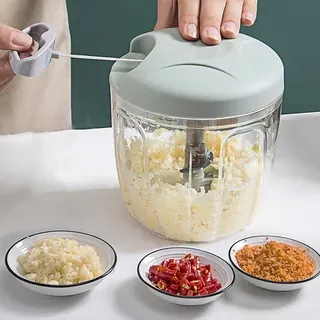 Pull chopper for garlic and onionAliExpress
 Oil sprayerAliExpress
 Kitchen scale up to 5 kgAliExpress
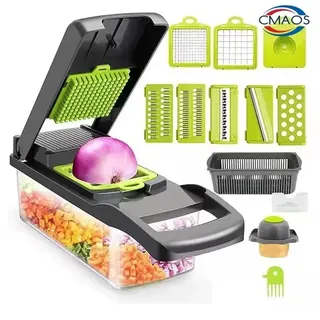 Vegetable chopper with handleAliExpress
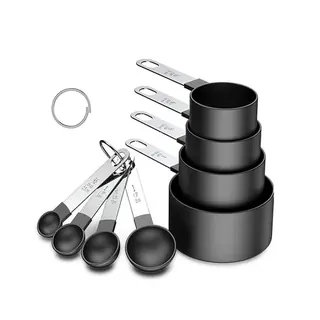 Measuring cups and spoonsAliExpress
 Peeler with wooden handleAliExpress