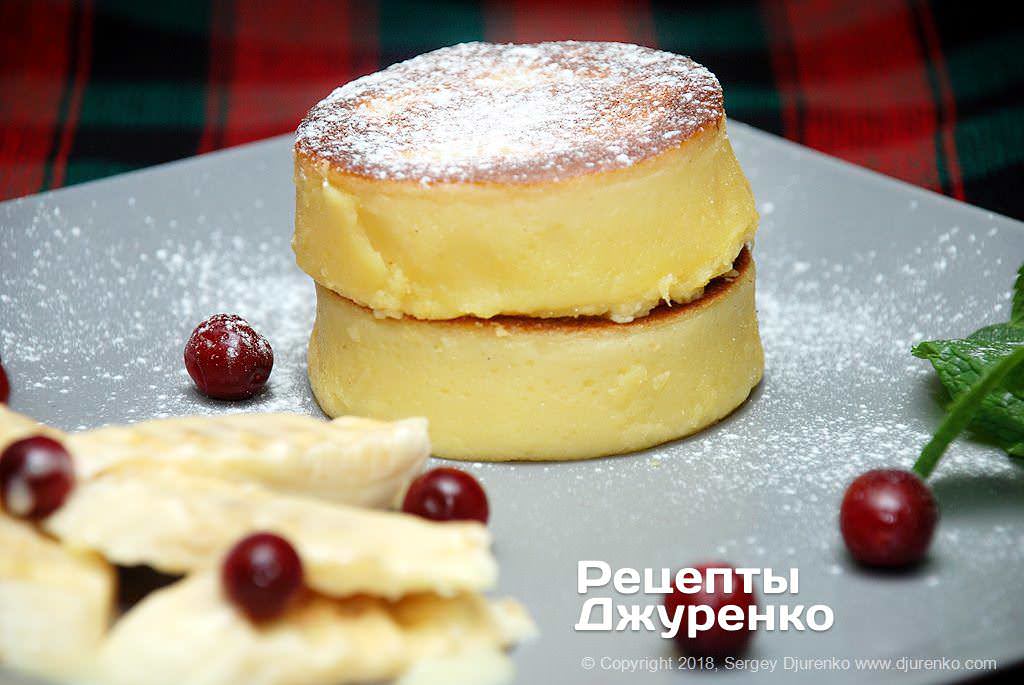
Japanese Soufflé Pancakes
Ingredients
2 servings
For the batter
- Eggs 2
- Milk 1 cup (250 ml)
- Wheat flour 1 cup (130 g)
- Sugar 2 heaping tbsp (41 g)
- Baking powder ½ tsp (2 g)
- Vanilla to taste
- Salt to taste
- Butter 1 tbsp
For serving
- Powdered sugar, fruit and berries, mint to taste
Step-by-step recipe
The batter
Making the batter doesn’t take long.
Sift 1 cup (130 g) of wheat flour ahead of time. You won’t need all of it; go by how it looks. Get ready 2 heaping tbsp sugar (41 g), half a packet of baking powder, vanilla (natural or extract), a small knob of butter and ordinary low-fat milk (250 ml).
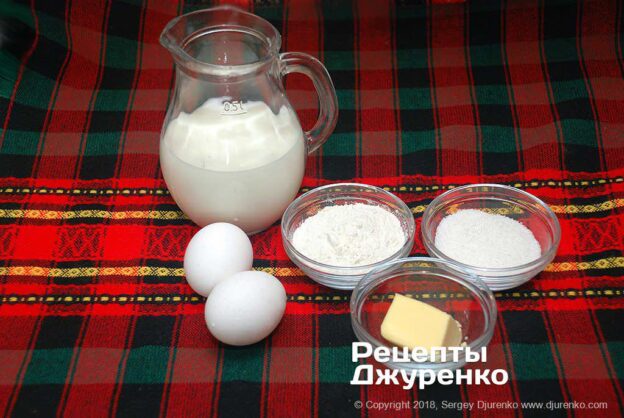
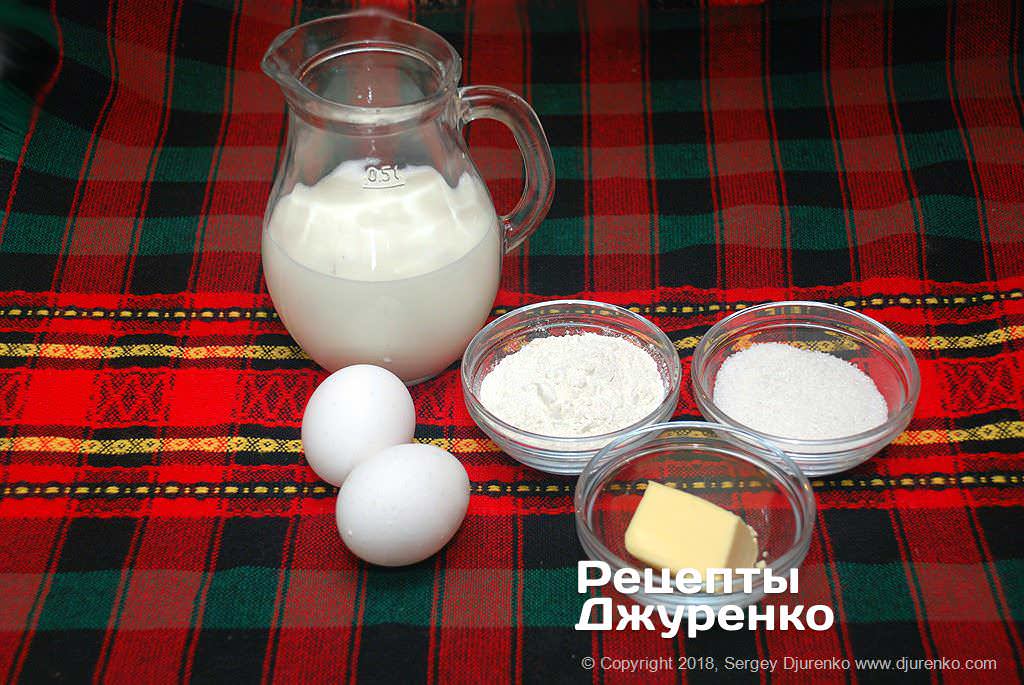
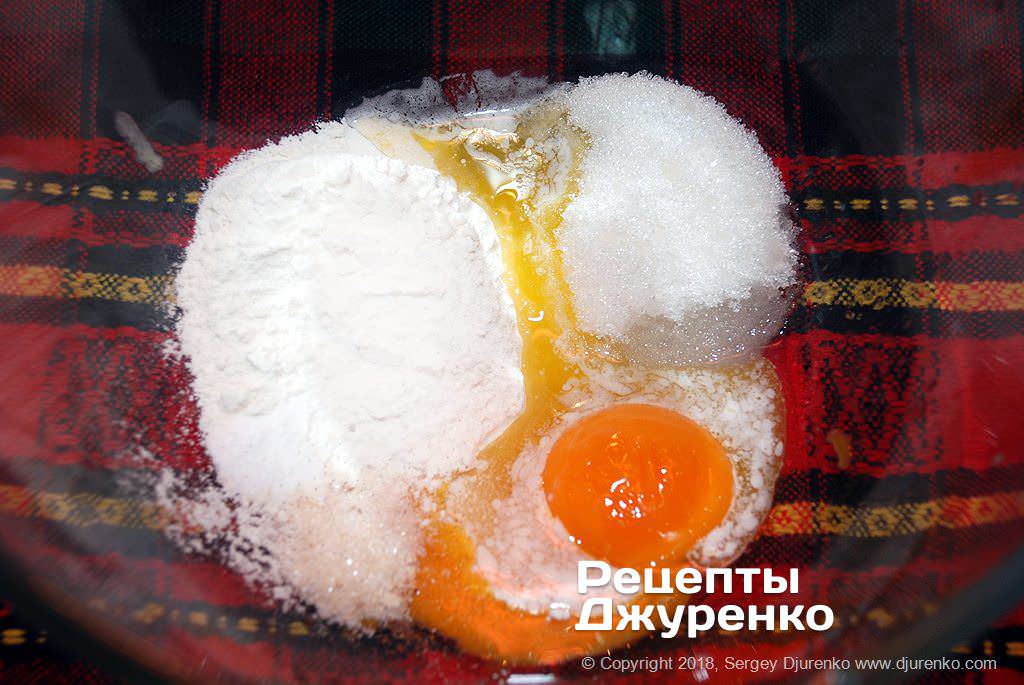
Make the batter. Carefully separate the egg whites from the yolks into different cups. Put the whites in the cold; they whip better that way. Mix 2 tbsp flour (20 g) with ½ tsp baking powder (2 g). By the way, the baking powder should be fresh, or it may lose its power. Add the yolks and sugar, then mix.
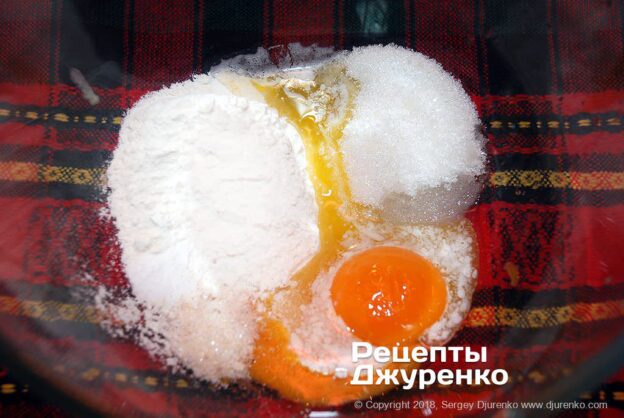
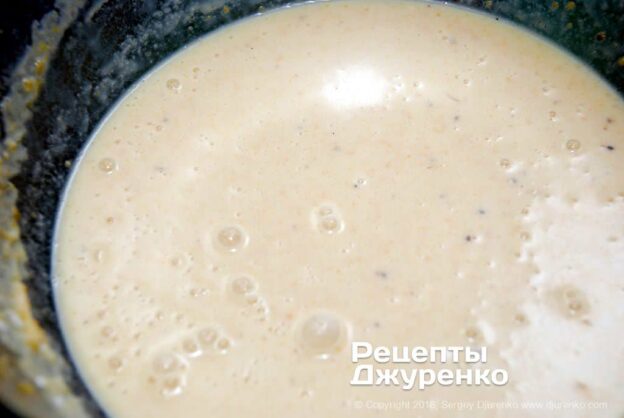
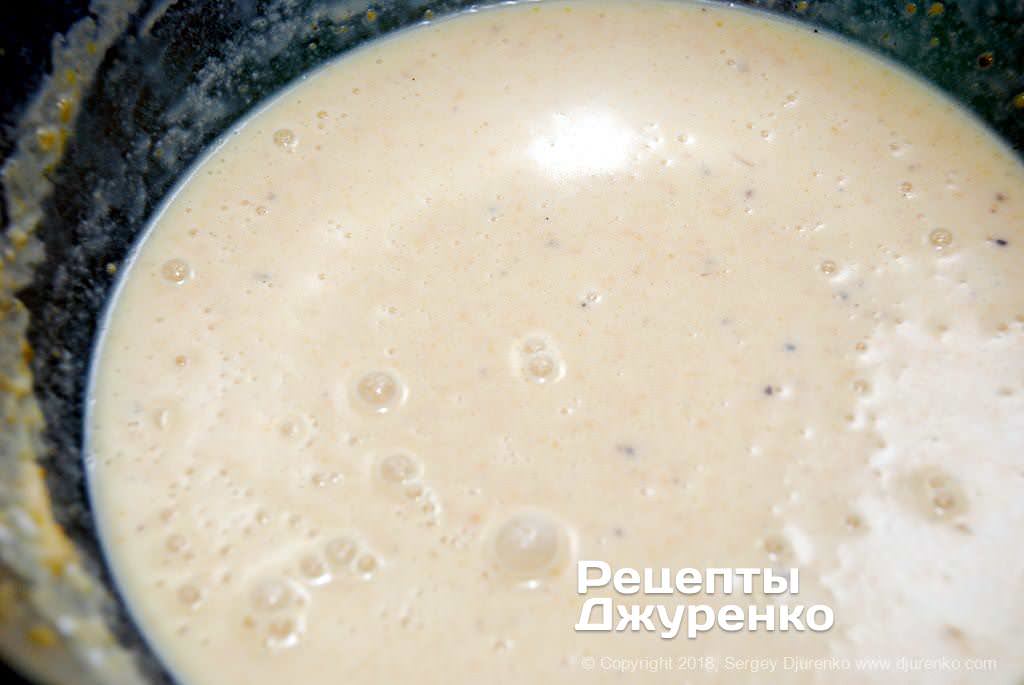
Pour in room-temperature milk and mix. You can use a mixer, just don’t overdo it. The goal is not a whipped batter, but simply a thin batter that’s as smooth as possible. Important: the sugar must dissolve.
The batter should be about the consistency of fritter batter. Add a little flour if needed.
The egg whites
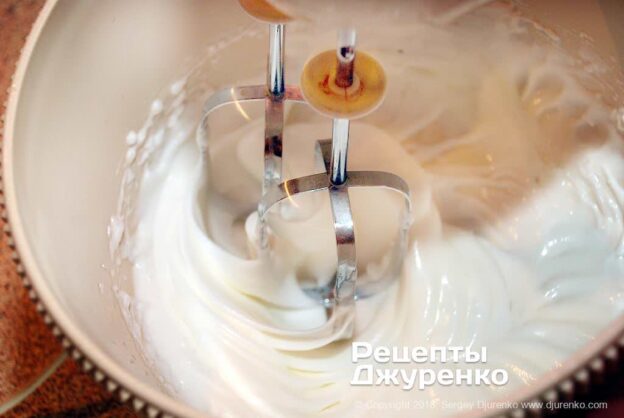
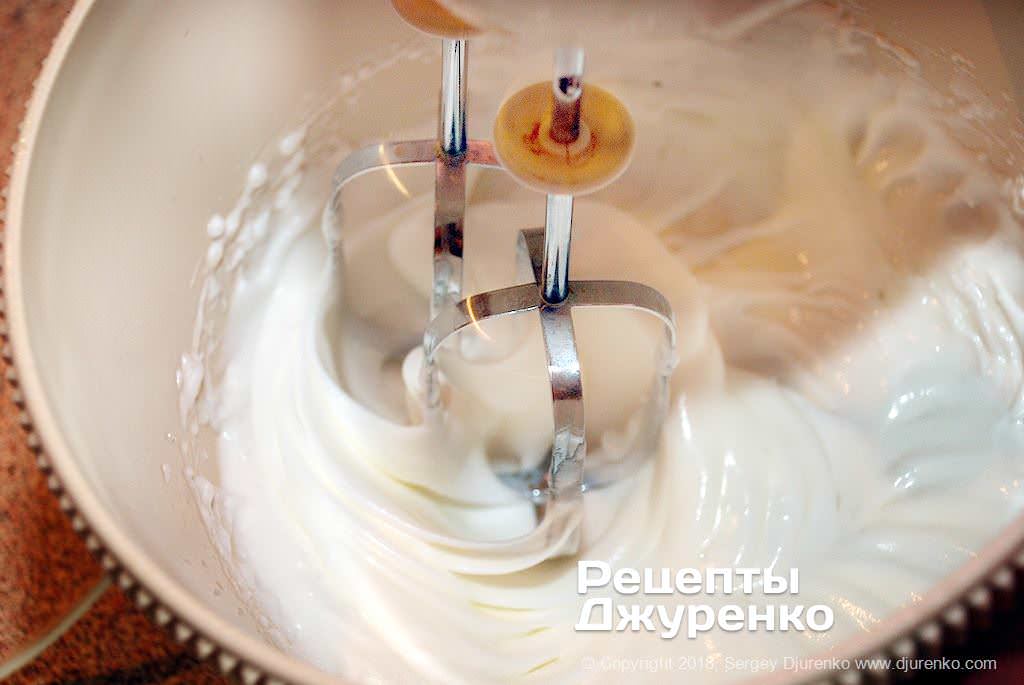
At the same time, beat the egg whites to the stiffest peaks you can, as for meringue. Ideally, both the whites and the mixer bowl should be cold. If you can, set the mixer bowl in ice or very cold water.
Test: turn the bowl upside down, and the whites should stay put.
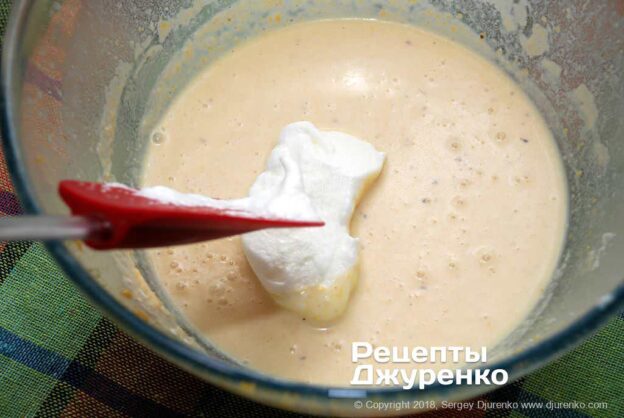
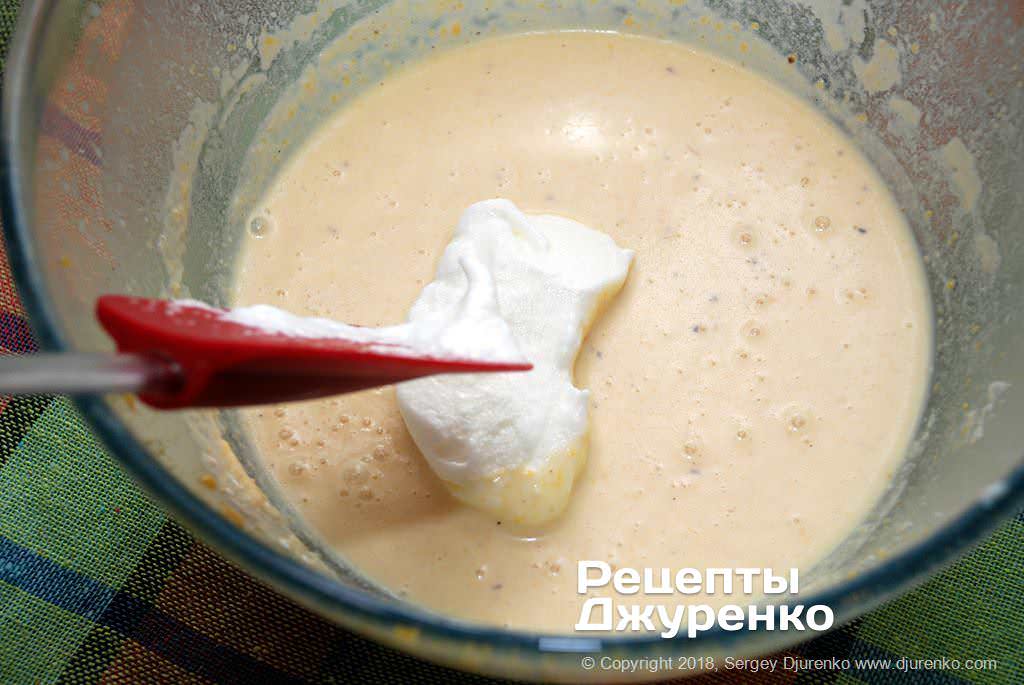
From here on, you won’t need the mixer. Gently fold the beaten whites into the batter with a wooden or silicone spatula. Add the foam in portions and fold slowly until the whites are completely incorporated.
Cooking in rings
There are two ways of frying that give excellent pancakes. The first is to fry them in a covered skillet with a little water added. I did it differently: the pancakes cooked in a buttered skillet over the lowest heat, covered.
Heat a large flat-bottomed skillet over low heat and grease it with butter.
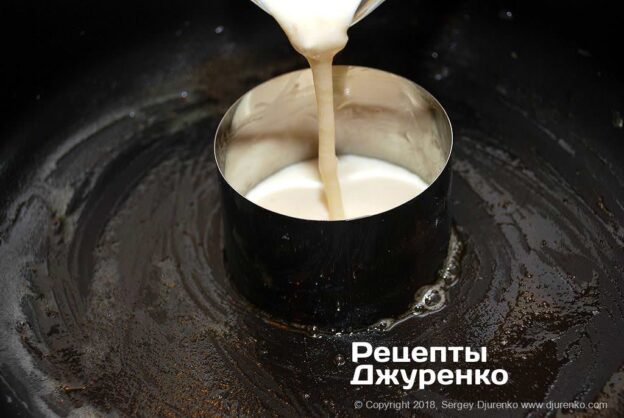
When the skillet is hot, place 3–4 pastry rings of the right size on the bottom. Lightly butter the insides of the rings.
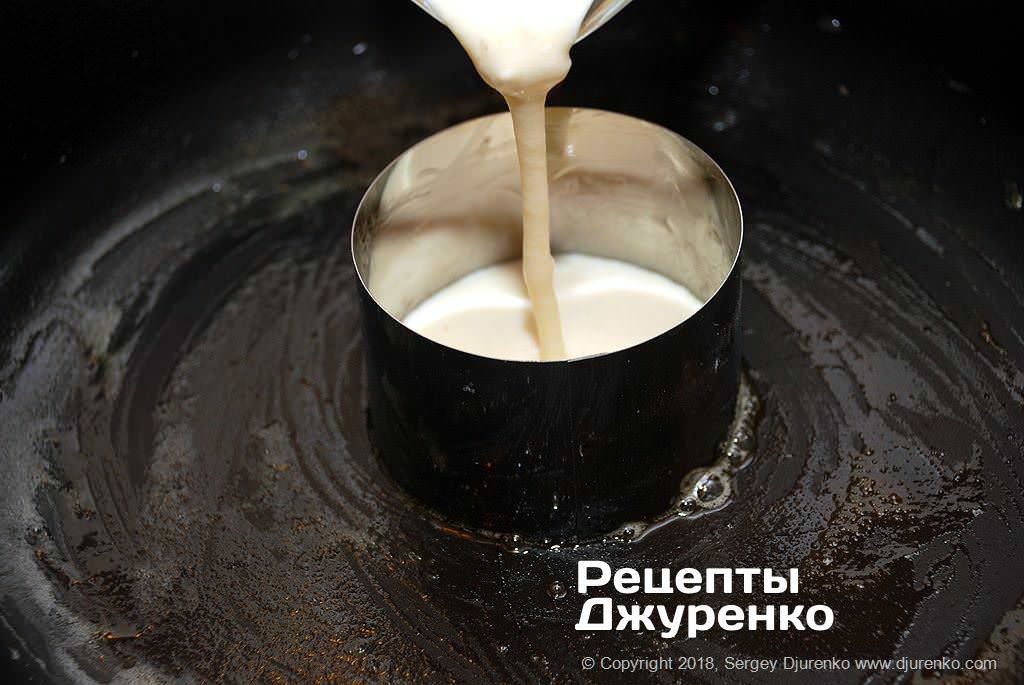
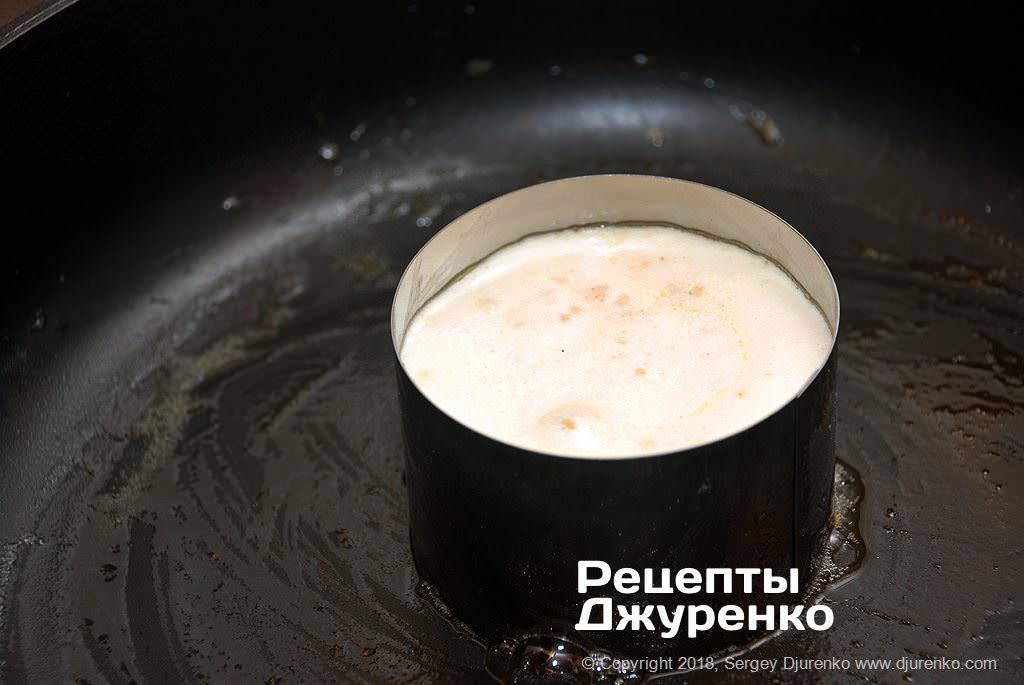
With a ladle or cup, pour the batter into the rings, about two-thirds full. Keep in mind that Japanese pancakes puff up and grow as they cook. Ideally, the batter should rise to the top of the ring.
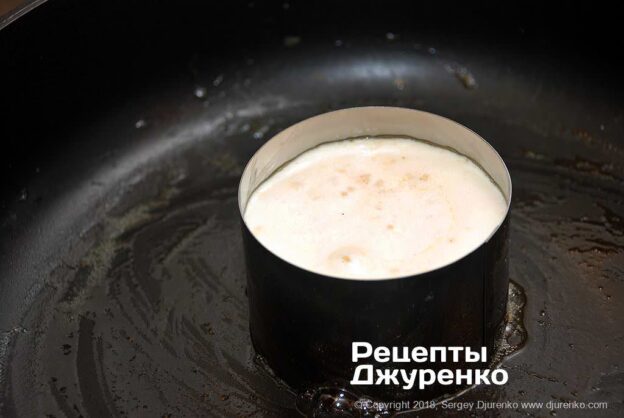
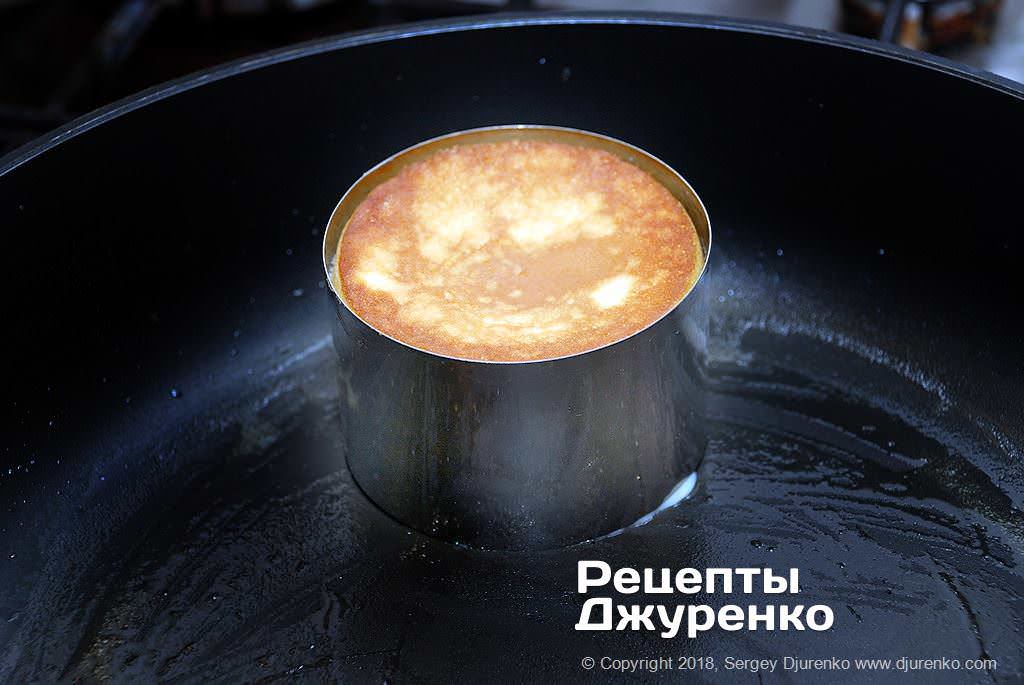
Cook the pancakes over the lowest heat with the skillet covered for about 8–10 minutes. You need steady, even heat: it’s important that conditions inside the skillet stay constant. When you can see the top starting to set and the batter has risen to the rim, flip the rings so the pancakes cook on the other side. A kitchen spatula or wide thin turner is handy for this. The bottom will be golden brown, like most things made from batter.
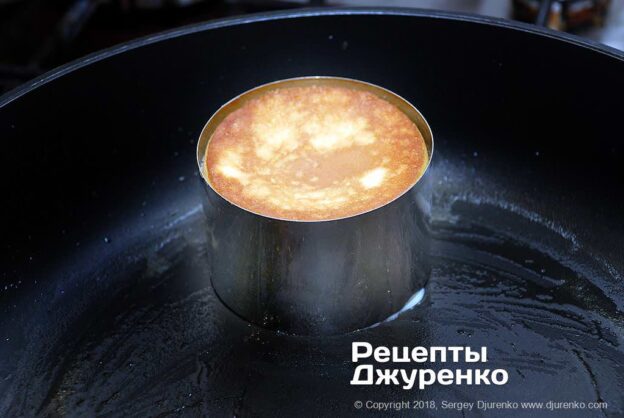
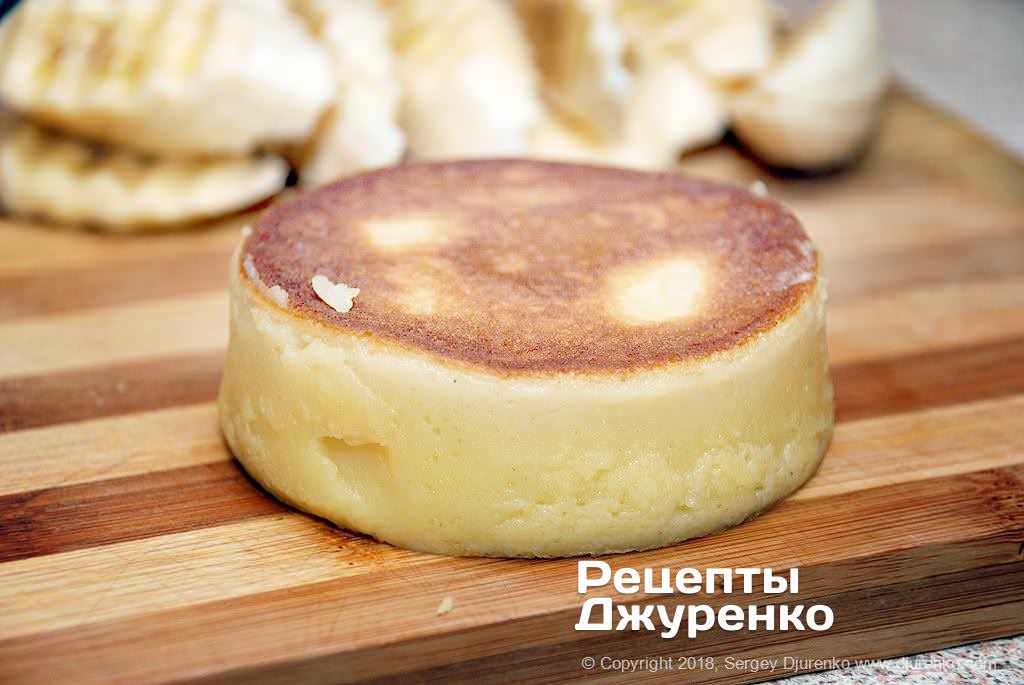
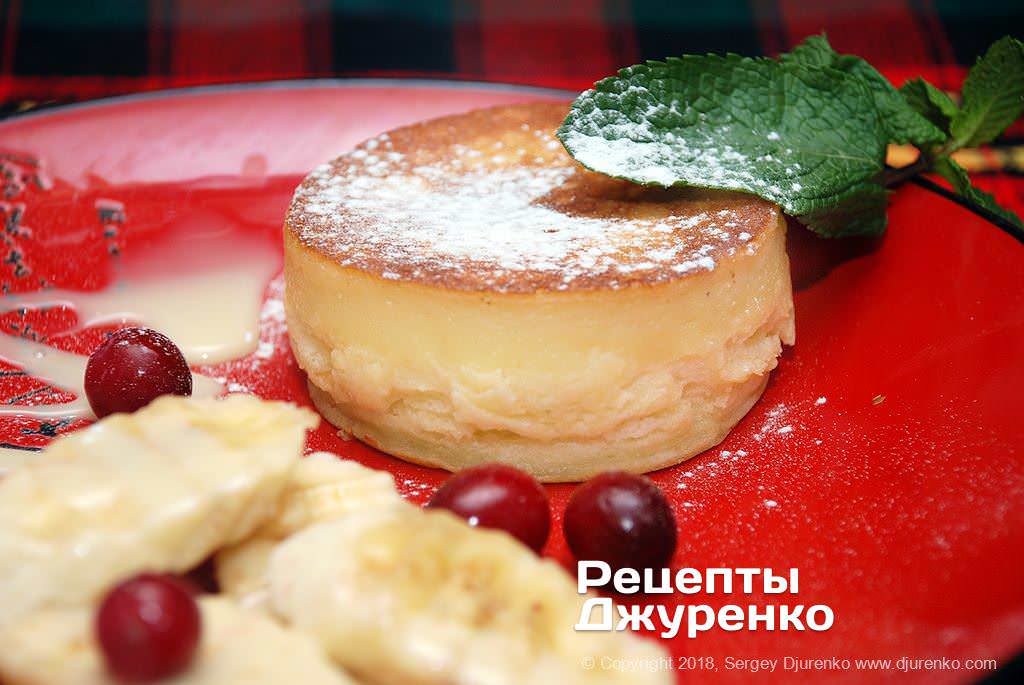
Move the cooked pancakes, rings and all, to a board and let them cool. Like anything made from airy batter, Japanese pancakes will sink a little, but they’ll come out of the rings easily. Take the pancakes out of the rings. If you have trouble, help with a thin knife. Usually it’s no problem.
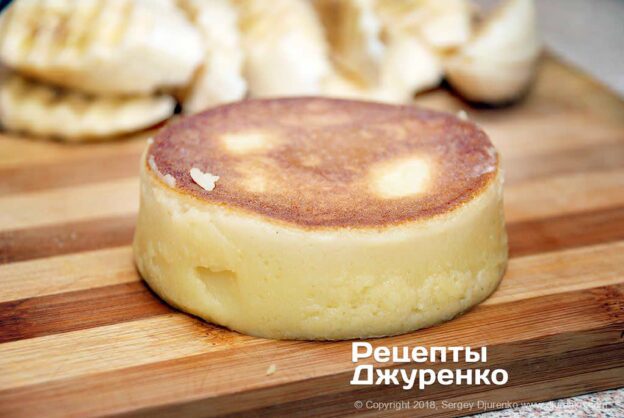
Cook all the pancakes and let them cool. They should be warm, not hot.
Serving
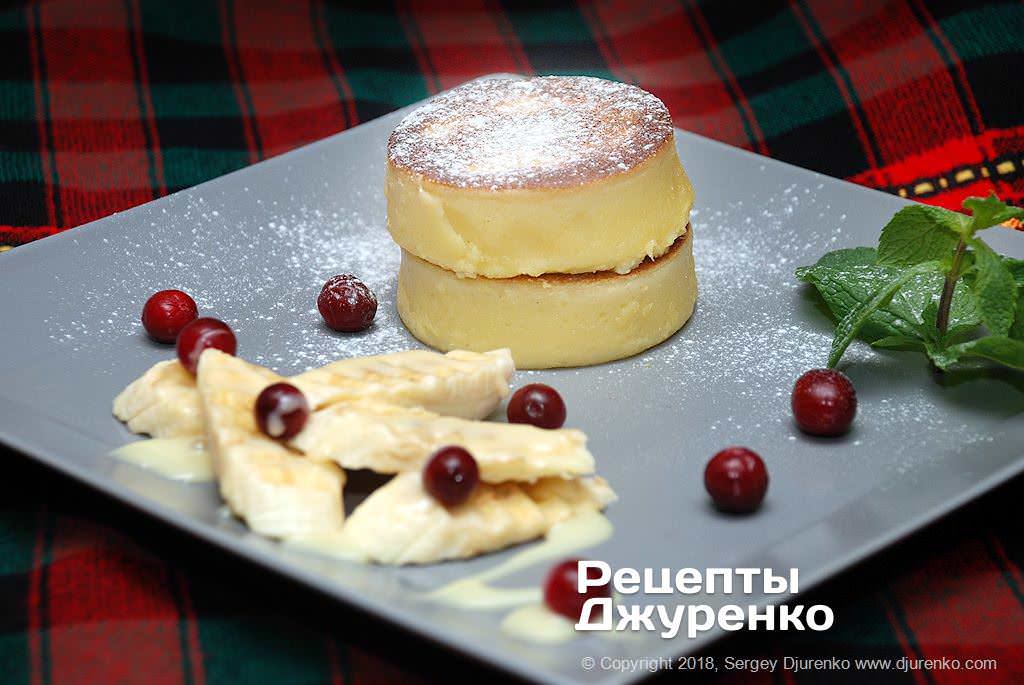
Dust the pancakes with a little powdered sugar and add fresh berries: raspberries, blueberries, maybe cherries and cranberries. The dish needs no garnish. If the pancakes came out big, you can serve them one at a time.
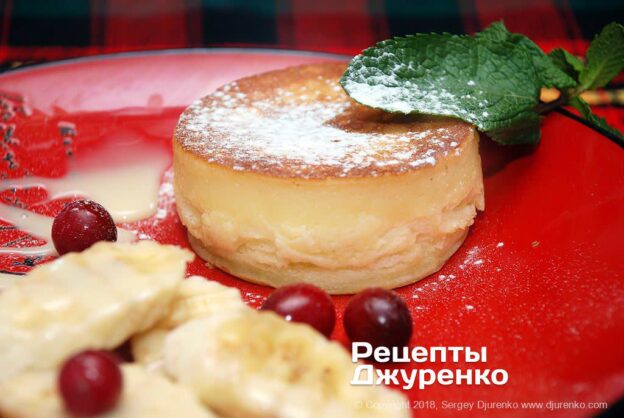
Serve small pancakes 2–3 at a time, stacked on top of each other. If you like, drizzle them with honey or condensed milk. Maple syrup works well too, as with milk pancakes. It’s delicious with thinly sliced banana or persimmon wedges, depending on the season. Add a sprig of mint for decoration.
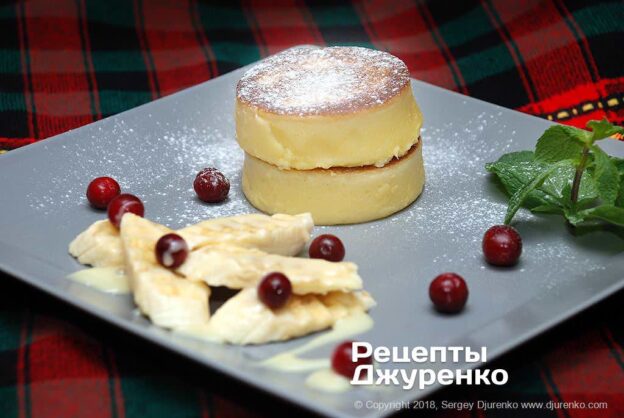
Serve this dessert with tea or warm milk. Make these pancakes once and add a scoop of Japanese matcha ice cream: it’s an amazing combination of flavors. And one more thing: serve the dessert on a large flat plate so the pancakes, fruit and berries, and especially the ice cream, sit separately.
Calories and macros
515 kcal
Serving ≈ 230 g
- Protein17 g14% of kcal
- Fat15 g27% of kcal
- Carbs75 g60% of kcal
100 g222 kcalProtein 7.4 gFat 6.5 gCarbs 32.4 g
Calculated from the recipe ingredients, excluding salt and spices. Data: USDA and Matvaretabellen.
How did you like this recipe?
To Get It Right
Flour: go by the consistency
The milk is 250 ml and the flour 130 g, but you may not need all the flour. Add it a little at a time until the batter looks like fritter batter: a batter that’s too thin holds the egg white foam less well.
So the pancakes don’t collapse
- the whites should be cold and beaten to stiff peaks: an upturned bowl shouldn’t drop them;
- fold in the whites with a spatula, in portions, not with a mixer;
- cook right away, before the batter settles: if you have few rings and portions wait their turn, the later pancakes come out lower.
If you have no rings
You can pour the batter straight into the skillet, like fritters, 3–4 pancakes at a time. They won’t be as tall, but they’ll be just as tender. You can also make rings from several layers of parchment or foil.
Have your own trick for this recipe?
Questions and answers
How are Japanese pancakes different from regular ones?
It’s the beaten egg whites: they’re whipped separately to stiff peaks and folded into a thin batter, so the pancakes come out several centimeters thick, soft and airy like a soufflé. They’re cooked in pastry rings over low heat, covered.
Why are my Japanese pancakes raw inside?
Most likely the heat was too high. The pancakes are thick, so you can’t rush the heat: otherwise you get an overcooked outside and a raw middle. Cook them over the lowest heat, covered; it takes longer, but the pancake cooks through.
Can you make Japanese pancakes in the oven?
You can bake the batter in buttered ramekins, but you’ll get something closer to a soufflé than a pancake: without heat from below there’s no golden crust. I cooked them in a skillet, where it’s easier to control the heat and flip them in time.
Can you make Japanese pancakes without a mixer?
Yes, but you’ll have to beat the whites by hand with a whisk, and that takes a while: the foam has to be stiff, as for meringue. The yolk part of the batter doesn’t need a mixer anyway; just stir it until smooth.
What else are Japanese pancakes called?
Japanese soufflé pancakes, soufflé crêpes or fluffy Japanese pancakes. They’re sometimes called Japanese cheesecakes, but that’s wrong: there’s no cheese in them, and Japanese cheesecake is a different dessert altogether.