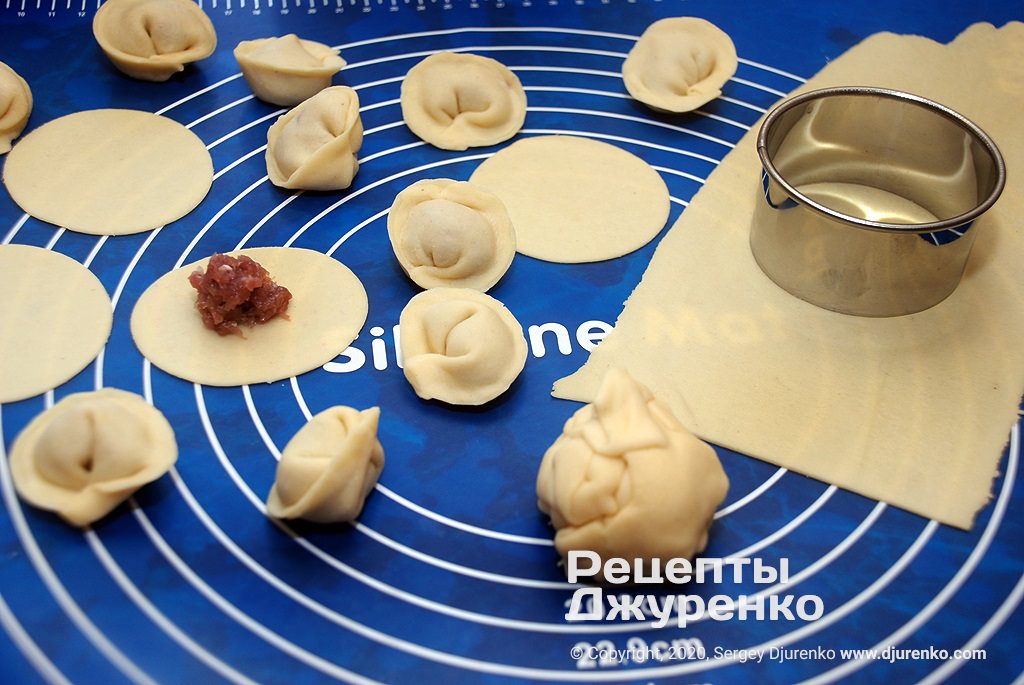
Pelmeni Dough with Milk and Egg: Thin, Elastic, Easy to Shape
Pelmeni are a universal, even “national” dish, and surely lots of people love them. Sadly, store-bought frozen ones are rarely good enough to really enjoy. And the filling isn't always something you'd want to eat. To be honest, I haven't eaten store-bought dumplings in ages. I always make both the filling and the pelmeni dough myself, using my favorite recipe. I like it when the filling makes up more than half, and the dough doesn't go mushy in the pot but stays thin and firm.
Contrary to the popular belief that dough is a lot of fuss, I've found that making it is the easiest part of the whole process, and the filling takes just 10 minutes. Shaping the dumplings is a matter of knack, which you pick up within the first dozen. Usually, unless we have “huge” plans, we make 100-150 small pelmeni, 12-15 g each.
As a rule, most unleavened doughs are made from flour and liquid. Anything added on top is a matter of taste and circumstance. So when we make pelmeni, the dough is mixed with milk and egg, plus a pinch of salt. At the very end, for elasticity and softness, we knead a little vegetable oil into the finished dough.
I try to use a mix of durum and soft wheat flour. This gives a springy dough that doesn't swell during boiling and stays very thin. You get an excellent wrapper that holds the filling perfectly. This mix has its subtleties: you need to give the gluten and the coarser particles of the durum flour time to hydrate.
Regular soft wheat flour is sold everywhere. Pick a finely milled, fresh flour, ideally from a well-known brand. For durum wheat flour I use Italian semola di grano duro.
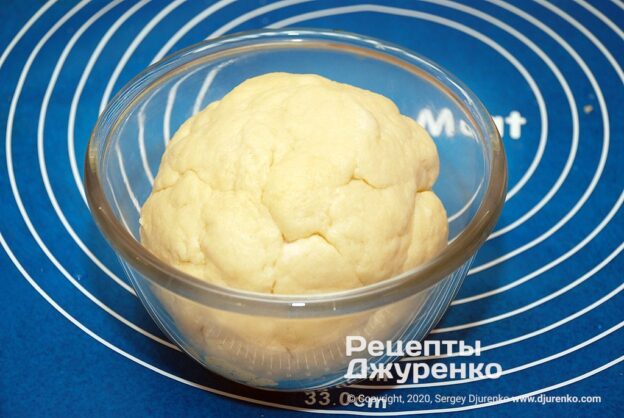
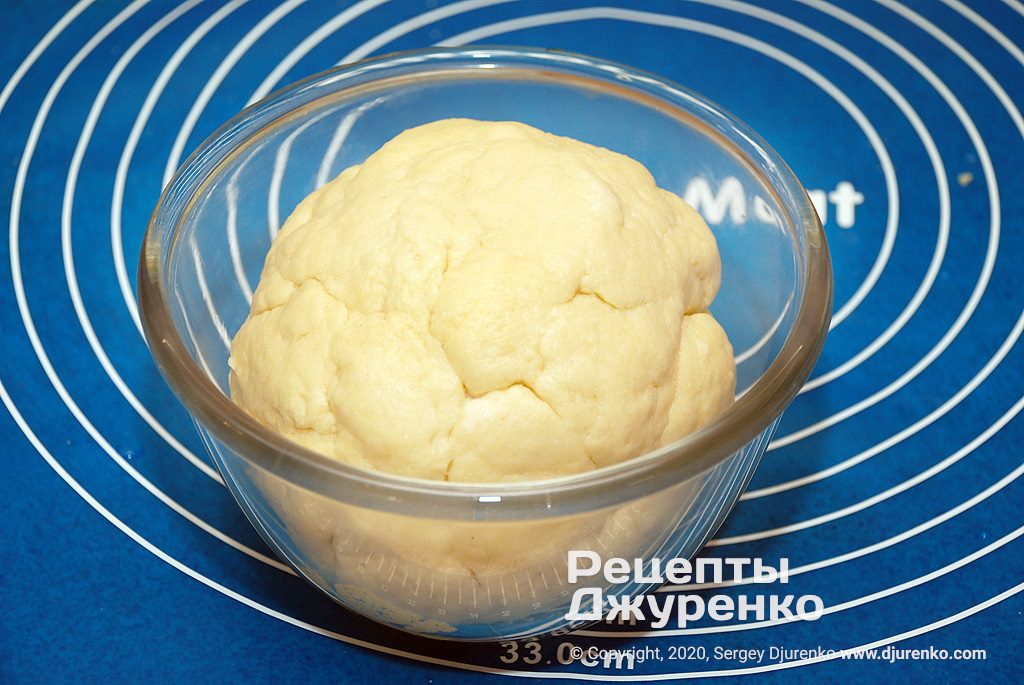
I mix the dough with regular 2.5% milk. Of course, it should be fresh. Take the milk out of the fridge ahead of time so it warms up to room temperature. The eggs shouldn't be cold either. Work the finished dough in small portions, because it tends to dry out. Just keep the rest in a deep bowl covered with a saucer, or in a plastic container with a lid. This dough also works for Chinese jiaozi and other filled dumplings.
Ingredients
900 g
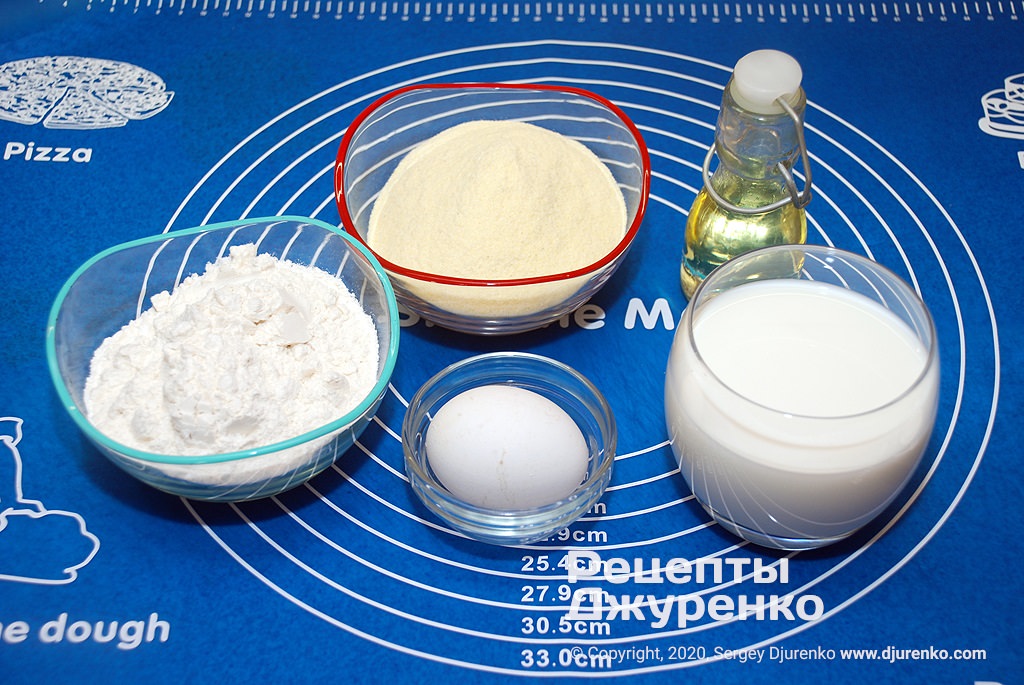
- Durum wheat flour 2 cups
- Soft wheat flour 2 cups
- Egg 1
- Milk 2.5% 1 1/2 cups
- Vegetable oil 1 tbsp
- Salt to taste
Step-by-step recipe
- Pelmeni dough comes together very quickly. The whole process is just combining flour and liquid, then kneading. I use a mix of milk and egg at room temperature. Be sure to sift the flour. It often has lumps and bits of debris that need to go. It can also have pests, and flour like that shouldn't be used at all.
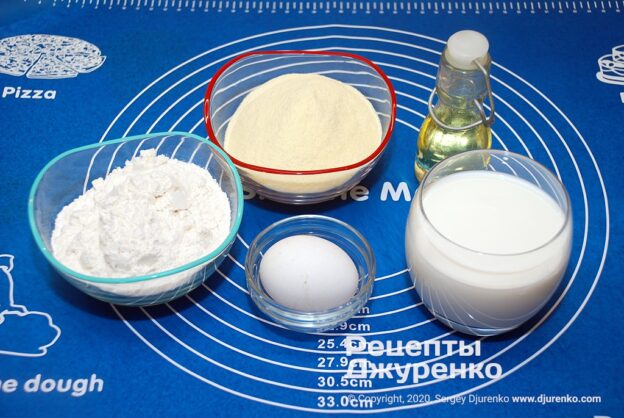
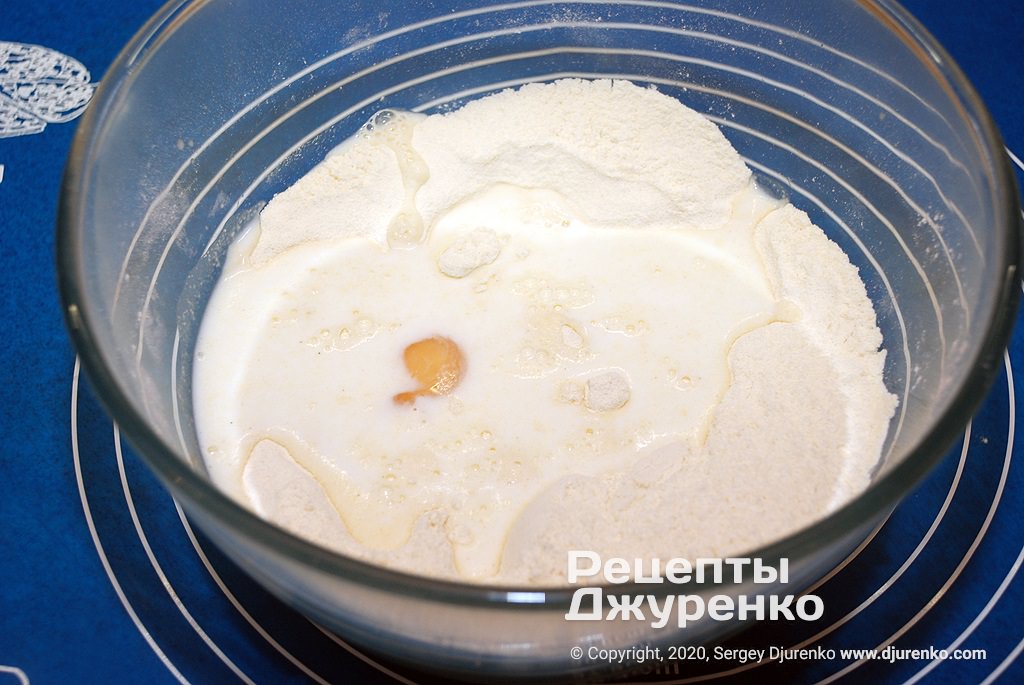
- You'll need a large bowl. Many people knead dough right on the counter, but given the small amount, a bowl is more convenient. Pour in all the flour, both soft and durum. Most likely you won't need to add more flour while kneading. Add 1/2 tsp fine salt. Crack the egg into a measuring cup and top it up with milk so the total comes to about 350 ml. By the way, if you want more dough, just scale all the ingredients up proportionally.
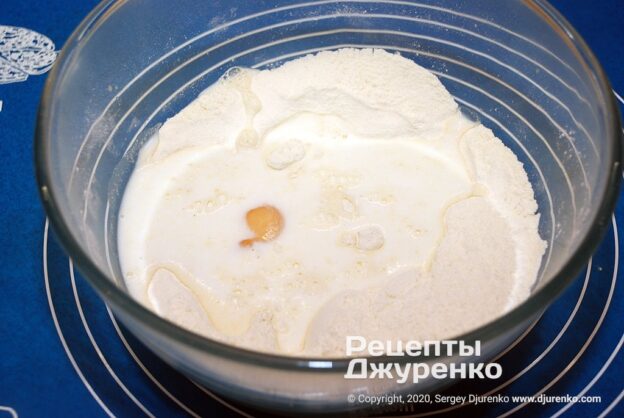
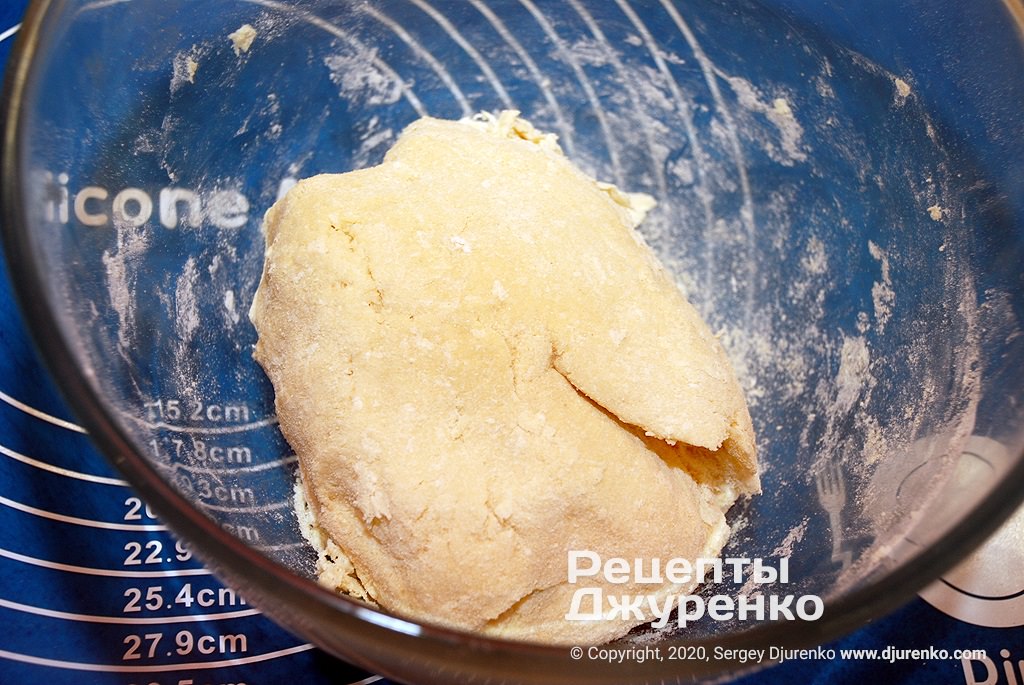
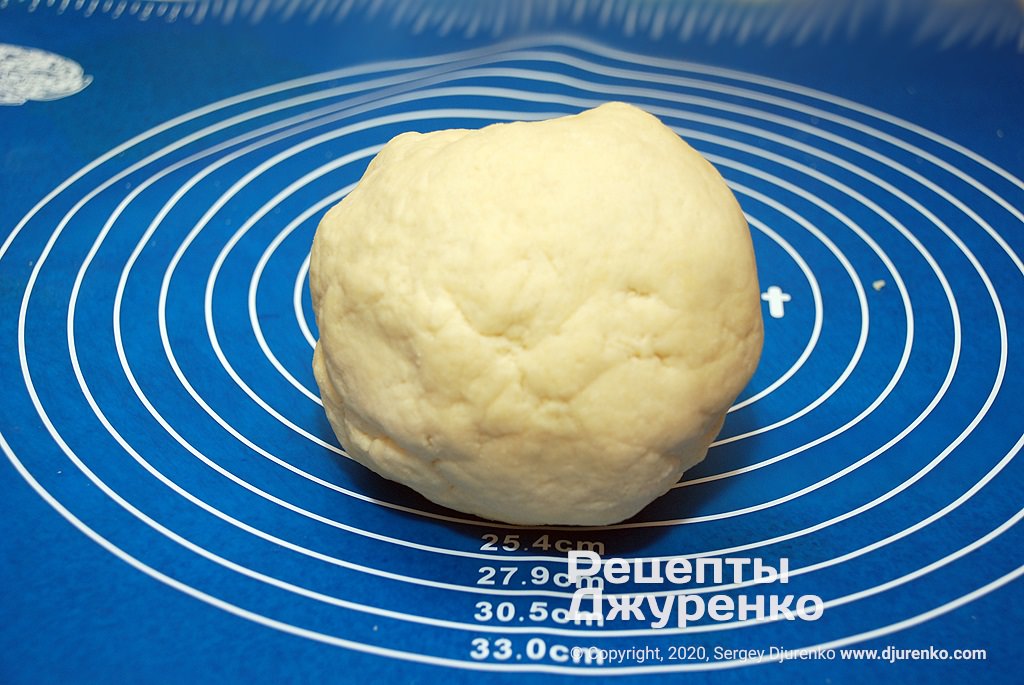
- At first you can stir the dough with an ordinary fork, then carry on with your hands. At first it may seem the dough is too stiff and needs more liquid. Don't add any. Just keep kneading until there's no dry flour left in the bowl. The dough will be a bit “stiff,” and that's normal. It needs 15-20 minutes for the gluten to relax and hydrate.
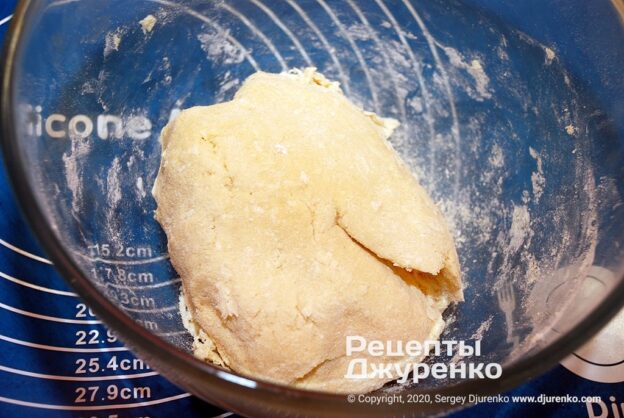
- Cover the dough with a cloth and leave it on the counter. Meanwhile you can make the pelmeni filling. We use a mix of pork and beef with onion: one medium onion for every half kilo of meat, all put through the meat grinder. Simple seasoning: salt, black pepper, sometimes a little soy sauce.
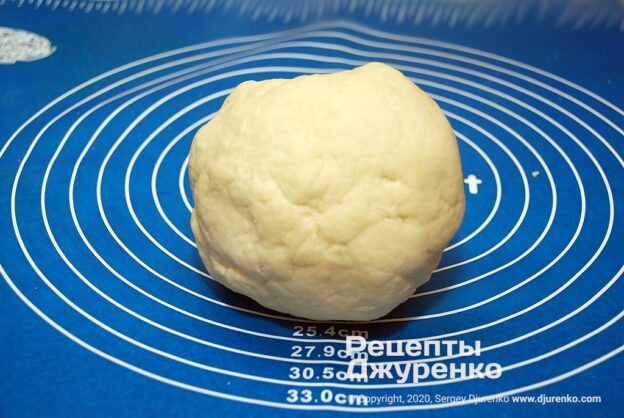
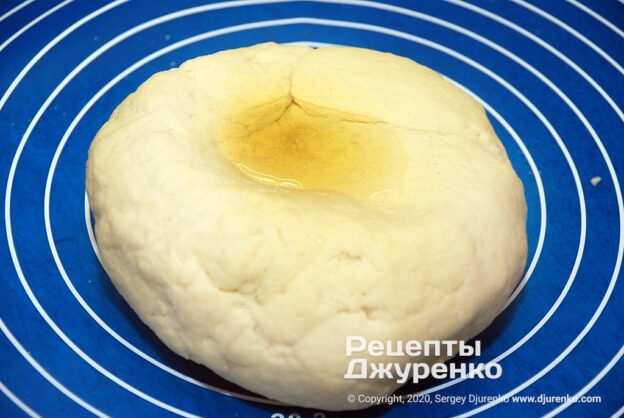
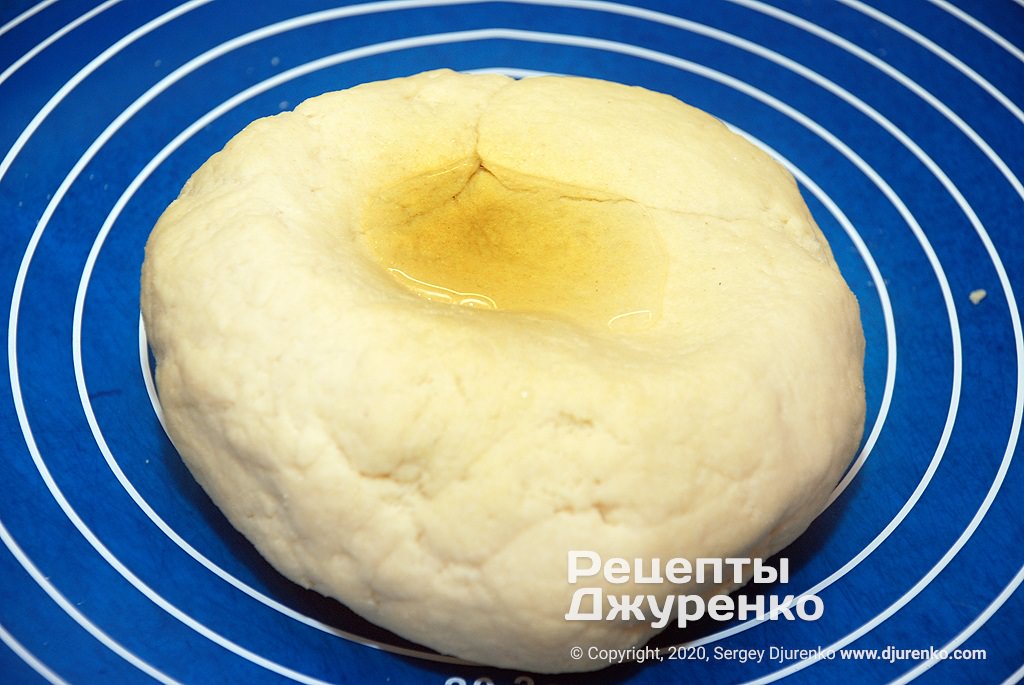
- Once the gluten has developed, I add vegetable oil to the dough. Make a well and pour in 1 tbsp of regular sunflower oil. This makes the finished pelmeni dough soft and pliable. At the same time it stays thin and keeps the wrapper intact around the filling during boiling.
- You can roll out pelmeni dough with a rolling pin or any pasta machine. I use a hand-cranked machine that rolls dough into thin sheets of adjustable thickness. For homemade pelmeni I usually roll the dough to about 1 mm. I pinch off a piece the size of a hen's egg and work with it, while the rest stays covered.
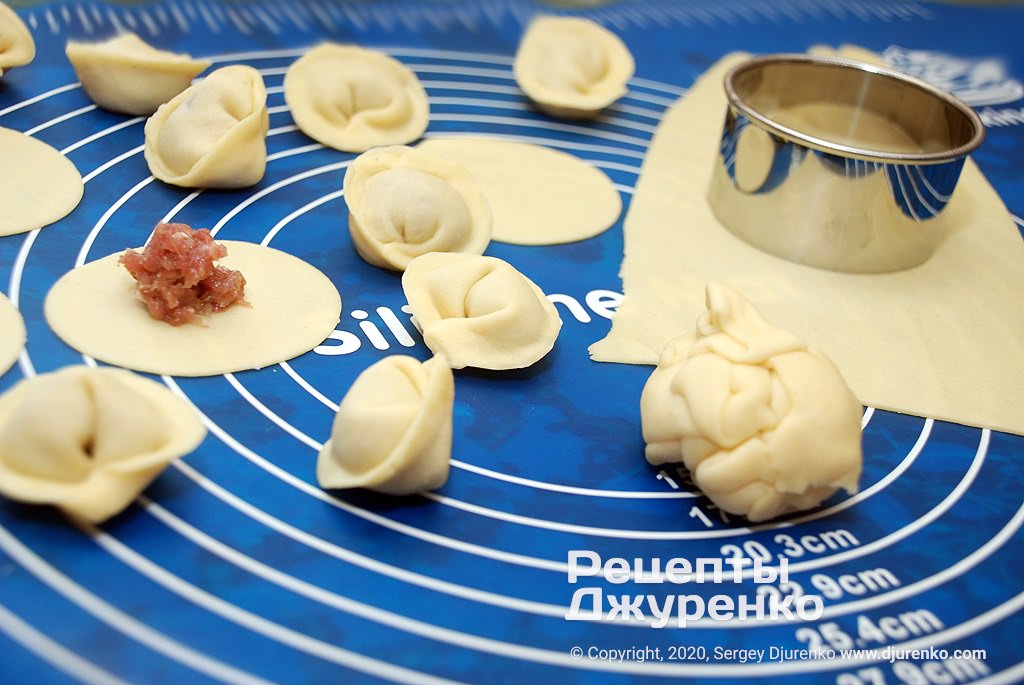
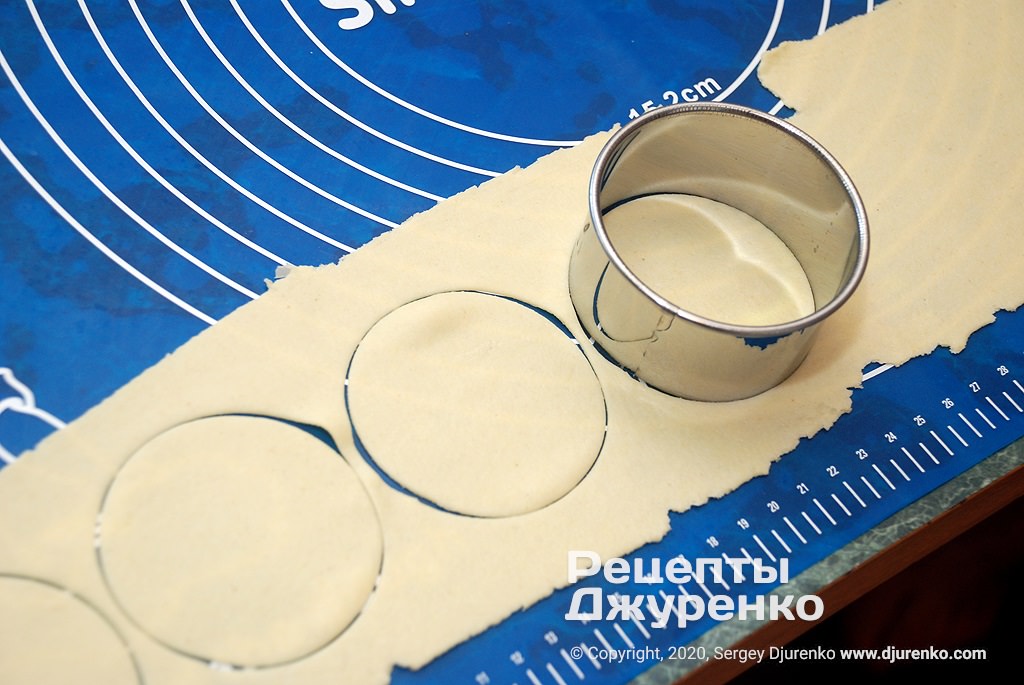
- I cut circles from the thin rolled sheet with a 6-7 cm pastry ring. Each piece gives 12-15 circles. A little filling goes in the middle, a ball about the size of a cherry. Then you shape the dumpling. It's easy: carefully fold the dough in half over the filling, pinch the edges well, then bring the ends together and press to seal. Since the dough contains oil, moisten the edge with a wet finger before folding.
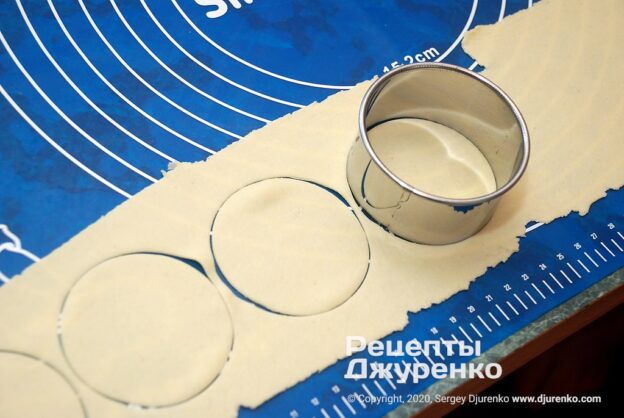
- It's worth freezing the finished pelmeni laid out on a board or on plastic wrap so they don't stick together. A small tip: to avoid using flour while shaping, do all the work with the dough on a silicone mat, as the dough doesn't stick to it at all.
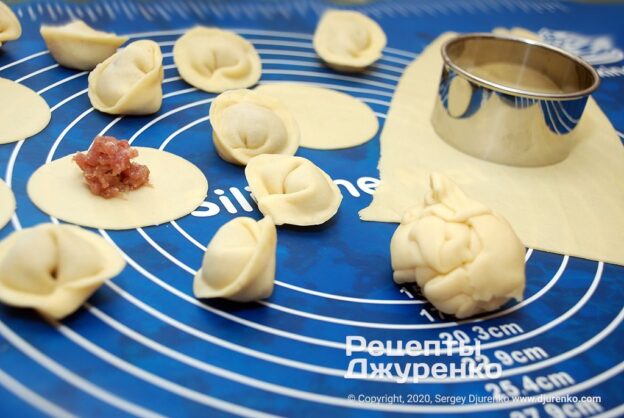
- If you have dough left over, don't throw it away or freeze it. Better to roll it out and make ravioli with farmer's cheese, or simple garganelli, ridged pasta tubes. These can be frozen too and cooked for breakfast. Boil the pelmeni in salted water with spices and a bay leaf, for a few minutes after they float to the surface, or add them to soup shortly before it's done.
| Serves: | 900 g |
| Calories: | 240 |
| Prep: | 10 mins |
| Cook: | 20 mins |
| Total: | 30 mins |
| Category: | Main Dishes |
| Cuisine: | European |
| Rating: |
⭐
⭐
⭐
⭐
⭐
5
(8)
|