
Ricotta Ravioli
Ravioli are the most common filled pasta in Italian cuisine. Almost every region of Italy has its own recipe for ravioli with ricotta, cheese, spinach and so on. There are countless fillings, and even when the ingredients are similar, each dish turns out completely unique and delicious.
The ravioli recipe is quite simple. Its closest relatives are pelmeni and Ukrainian vareniki. Similar dumplings are very common in Asia: manti, Tibetan momo, Chinese wontons, baozi, jiaozi and so on. Despite their similarity and simplicity, all these dumplings of filling in a dough wrapper are completely different from one another. A close Caucasian relative is khinkali, which can be miniature or simply gigantic.
Ricotta ravioli are usually made from a simple pasta dough of durum wheat flour and eggs, so-called egg pasta. I read somewhere that when pasta first appeared, the dough was made from a special flour of an amber color. Time has not been kind to that variety of wheat, and now the pleasant yellow-amber color of the pasta comes from the egg yolk.
The filling varies from region to region, and even from place to place. In the central regions of Italy, closer to Rome, ravioli filled with ricotta and spinach, with a touch of nutmeg and pepper, in a tomato sauce are popular. Nearby you can find sweet ricotta ravioli scented with cinnamon, and, most surprisingly, served with tomato sauce. The filling often includes lemon or other citrus zest, herbs and spices.
The dough takes a few minutes to knead. While the filling is being made, the dough rests in the fridge. With a pasta machine and a ravioli mold, shaping them becomes much easier.
You often come across a recipe for “pelmeni ravioli”. To my mind, that means a meat filling, though anything is possible. The shape, the dough and the sauces are very different too. And by standard, pelmeni contain at least half filling, while ricotta ravioli are pasta first and foremost, and the dough is the main part. Notably, ravioli made from fresh dough can be frozen and stored for a long time, which makes cheese ravioli a good candidate for making ahead at home.


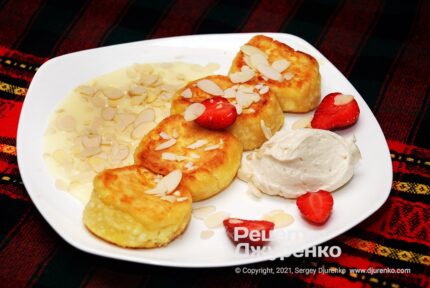

Ingredients
40-50 pieces
- Durum wheat flour 1 cup
(130 g) - Wheat flour (all-purpose) as needed
- Eggs 2
- Ricotta or homemade cottage cheese 150 g
- Butter, flour, milk, nutmeg, sugar for the sauce
- Vanilla, cinnamon, sugar to taste
Step-by-step recipe
If you have no ricotta, you can make the ravioli with cottage cheese. Essentially, ricotta and cottage cheese differ in their raw material: ricotta is made from whey, and cottage cheese from milk. The difference is mostly in the protein base. Ricotta is usually more than 8% fat, so a good fatty or homemade cottage cheese will work well for the filling.


Making the ravioli dough
The dough needs coarsely ground flour made from durum wheat. In Italy, the package of this flour usually says semola di grano duro, which literally means durum wheat “semolina”. It does look like semolina: fairly coarsely ground, granular, and not snow-white but with a slight yellowish-cream tint. There are finer grinds of flour too. For the dough you need fresh chicken eggs, plus a little regular flour from soft wheat for dusting.

Pour the semola flour into a bowl and make a well in the center. Crack one chicken egg into a glass and add one egg yolk. You need about 90-100 ml of liquid in total to make the dough. So if the eggs are small, add a little water or another yolk, as you prefer. Pour the eggs into the well in the flour. There is no need to beat the egg mixture first, since everything will blend evenly as you knead.

Knead the dough. At first it will look a bit crumbly and dry. Move all the dough to the work surface and keep kneading it by hand. In the end you get a very elastic, smooth ravioli dough with a pleasant amber shade. It kneads beautifully by hand without much effort.

Roll the dough into a ball. Let it rest in the fridge for just 20-30 minutes. The flour has quite noticeable particles, and it takes a little time for them to absorb the liquid and form a uniform dough. To keep the ball from drying out, wrap it in plastic wrap or foil, or cover it with an upturned bowl.


Ricotta filling
Put the ricotta or cottage cheese in a bowl and mash until smooth. Since ricotta and cottage cheese are fairly fatty, there is no need to add butter to the filling.
We decided to make the ravioli slightly sweet, but not a dessert. We wanted a delicate filling with a sweet taste. We added to the ricotta 1 tsp of sugar (5 g), ground natural vanilla and a pinch of cinnamon.
Mix the ricotta filling thoroughly until completely smooth. It is a good idea to taste it. If you like, you can adjust the ingredients or add other flavor notes, such as lemon or orange zest, mint and so on. It is very convenient to shape ravioli with a piping bag, which I recommend. Transfer all the finished filling to a piping bag with a nozzle.


Kitchen tools for ravioli
Of course, you can always roll the dough out by hand with a rolling pin and shape the ravioli with your hands. It is fun, though slow, and takes skill and experience. A home pasta machine makes preparing the dough much simpler, whether for lasagna or long flat pasta, from which you can make delicious Italian dishes. Homemade noodles turn out incomparable, much tastier than store-bought dry pasta.

For convenience, it is better to work on a cloth or linen towel rather than a floured table. The dough does not stick to the cloth, and it washes very well. There are also plenty of handy, inexpensive stamps of various sizes and shapes for cutting and sealing the filled dough. Choose one to your taste. We decided to make small round ricotta ravioli about 5 cm in diameter with a scalloped edge. There is a ravioli mold in that shape.

How to shape ricotta ravioli
Take the dough out of the fridge, remove the wrap and divide it into four pieces. It is better to keep the pieces you are not rolling at the moment covered with plastic wrap in the fridge. Roll the remaining piece into the thinnest sheet, in my case about 1 mm or even less. Start with the widest gap between the rollers and gradually reduce it to the narrowest. You end up with a long, thin strip of rolled dough.

Important: the dough dries out very quickly, so shape the ravioli as fast as you can. Cut the strip of rolled dough in half crosswise. One half will be the base for the ravioli, the other for sealing them. Use the stamp to mark roughly where the ravioli will go. Do not try to fit as many as possible, packed tightly. The scraps of dough can be kneaded together and rolled again.

Pipe the filling onto each marked spot on the bottom strip of dough, about a cherry-sized ball. Do not use too much filling. Ravioli are pasta, not vareniki, and the filling is not the main part. Once every marked spot has its portion of ricotta, carefully cover the dough and filling with the second piece of dough, making sure it covers all the marked spots.

With your fingers, gently press the dough down around the filling, pressing the top layer of pasta to the bottom one and pushing out as much air as you can from around the filling. In theory, the filling should sit in the center of each circle, and the edges should be two layers of pressed pasta. But as for me, there is no risk of the dough bursting from air while boiling. The dough is thin but dense and strong. I did not try especially hard to make a “pressed” edge.

Press the stamp down firmly around the filling, one ravioli at a time. The ravioli mold seals each one perfectly and cuts the dough around the edge, forming a scalloped rim. Once all the ravioli are sealed, remove the extra dough, which comes away easily. If for some reason it does not separate well along the sealed line, you can always press it again with the stamp, lining up the teeth along the edge.

Finished ravioli can be dusted with flour and frozen. I did not use flour. I just laid the ravioli on a board covered with plastic and put it in the freezer (-26 °C). After 10 minutes I turned them over and froze them for another 10 minutes. After that they were frozen solid, and you can pour them in portions of 10-15-20 into small plastic bags.

By the way, frozen like this, the ravioli keep fresh in the freezer for several weeks. They look a bit like tiny smileys, and I should think about how to draw faces on them. When needed, take out a portion and boil it straight from the freezer, without thawing.


How to cook ravioli
Salt the water for ravioli lightly, as for any pasta. As soon as the water boils, add the filled pasta and cook for 7-9 minutes from when it returns to a boil. Do not overcook it. It is better al dente, almost done but with a barely perceptible firmness.

Before serving, let the water drain from the pasta. You can lift the ravioli out of the boiling water with a slotted spoon and set them on a paper towel for just a minute. Only then put them on plates and serve with the sauce.


Sauce for ricotta ravioli
At this stage we disagreed. We are not used to serving pasta with a slightly sweet filling in tomato sauce or adding aromatic herbs. We decided to keep it simple with a little butter and hard cheese, or a bechamel with sugar and nutmeg.
Melt the butter in a saucepan and keep the heat at minimum, or even just leave the pan near the heat. Add a pinch of nutmeg and, if you like, vanilla. Add 1-2 tsp of flour (3–7 g) and stir. Add cold milk in portions until the sauce is smooth and a little thick. Add sugar to taste.

If you like, you can make a more elaborate sauce for ricotta ravioli. The well-known egg-based sauces work well: hollandaise, which gives a slightly sour, lemony taste, and sabayon, a sweet sauce of yolks and dry wine, often with a splash of liqueur.

Put the ricotta ravioli on plates and pour the butter sauce over them. Sprinkle with brown sugar. Without stirring, serve while hot. If you like, garnish with a sprig of mint or basil.


Calories and macros
505 kcal
Serving ≈ 220 g
- Protein17 g14% of kcal
- Fat24 g43% of kcal
- Carbs54 g43% of kcal
100 g230 kcalProtein 7.7 gFat 10.8 gCarbs 24.4 g
Calculated from the recipe ingredients, excluding salt and spices. Data: USDA and Matvaretabellen.
 2-in-1 dumpling makerAliExpress
 Silicone dough mat with markingsAliExpress
 Pull chopper for garlic and onionAliExpress
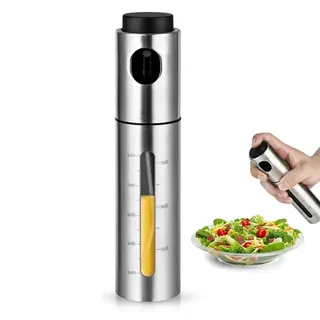 Oil sprayerAliExpress
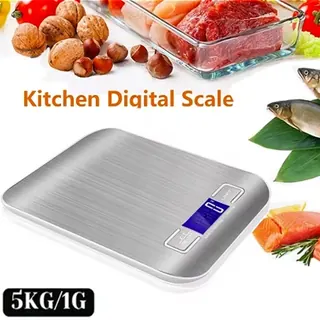 Kitchen scale up to 5 kgAliExpress
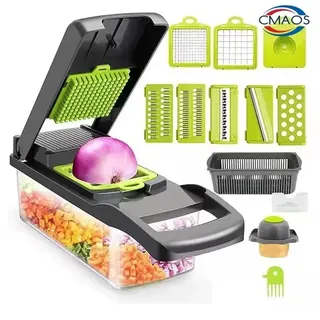 Vegetable chopper with handleAliExpress