
Fried Chicken Legs
Ingredients
2 servings
For the chicken
- Chicken legs (thigh and drumstick) 2
- Dry white wine 100 ml (½ cup)
- Balsamic vinegar ½ tsp
- Vegetable oil 50 ml
- Salt, ground black pepper to taste
- Dried aromatic herbs to taste
For the coating
- Flour 3 heaped tbsp (44 g)
- Sweet ground paprika 1 tsp (2 g)
- Nutmeg a pinch on the tip of a knife
For the sauce and serving
- Butter 30 g
- Lemon 1 wedge
Step-by-step recipe
Marinating the chicken
Supermarkets usually sell chicken legs two to a pack. The perfect amount for dinner for two, unless you want to overeat, of course. Then again, sometimes you can eat quite a lot of these legs.

If the chicken legs are frozen, thaw them first. Better not in the microwave or under hot running water. Move the tray of frozen chicken legs from the freezer to the fridge. Overnight.
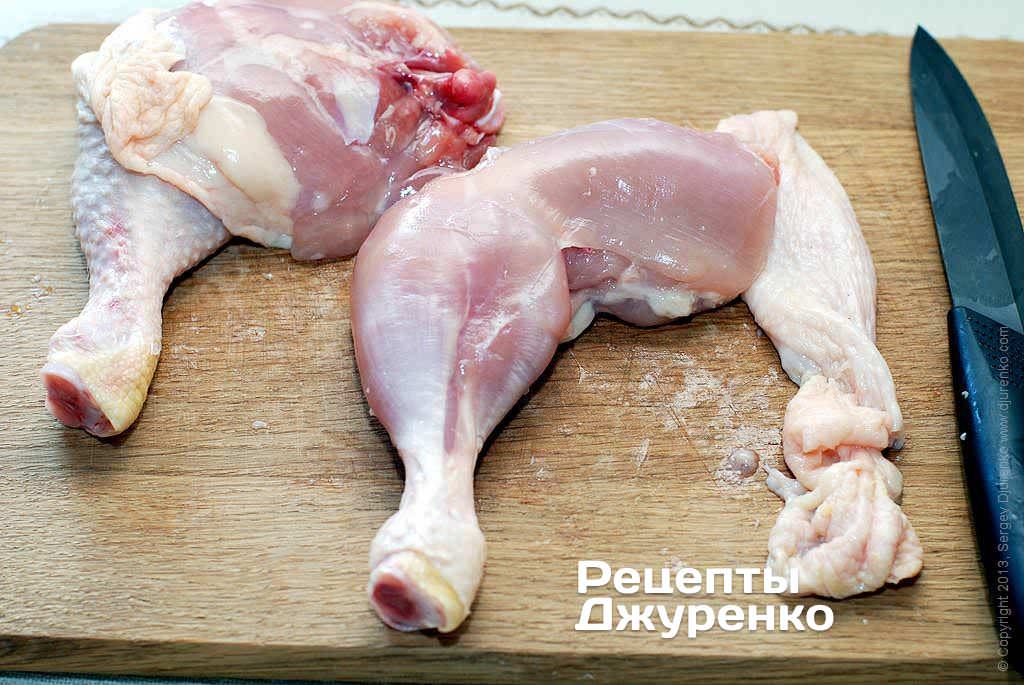
Carefully remove the skin from the chicken legs. Again, that’s a matter of taste: many people prefer to fry them skin-on. Use a thin knife to pierce the thigh and drumstick right through at the thickest part. This way the chicken legs cook and marinate better.

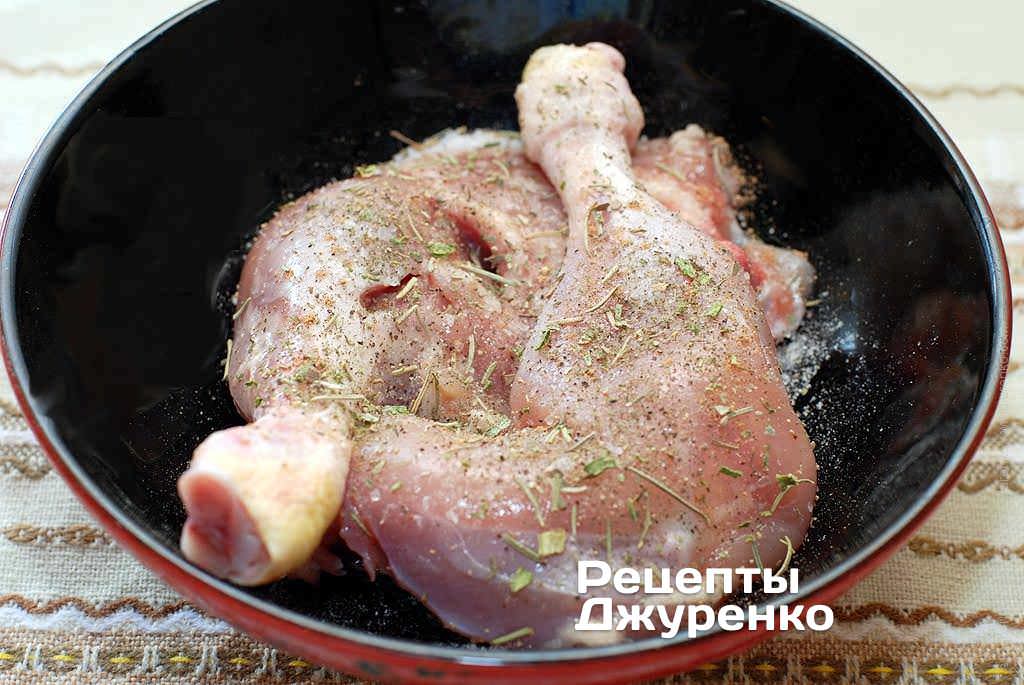
Season the chicken legs with salt and pepper and sprinkle with a dry mix of aromatic herbs, ideally one with rosemary in it. Everyone has their own herb blend for fried chicken; I usually use a mix of basil, savory, rosemary and sage.

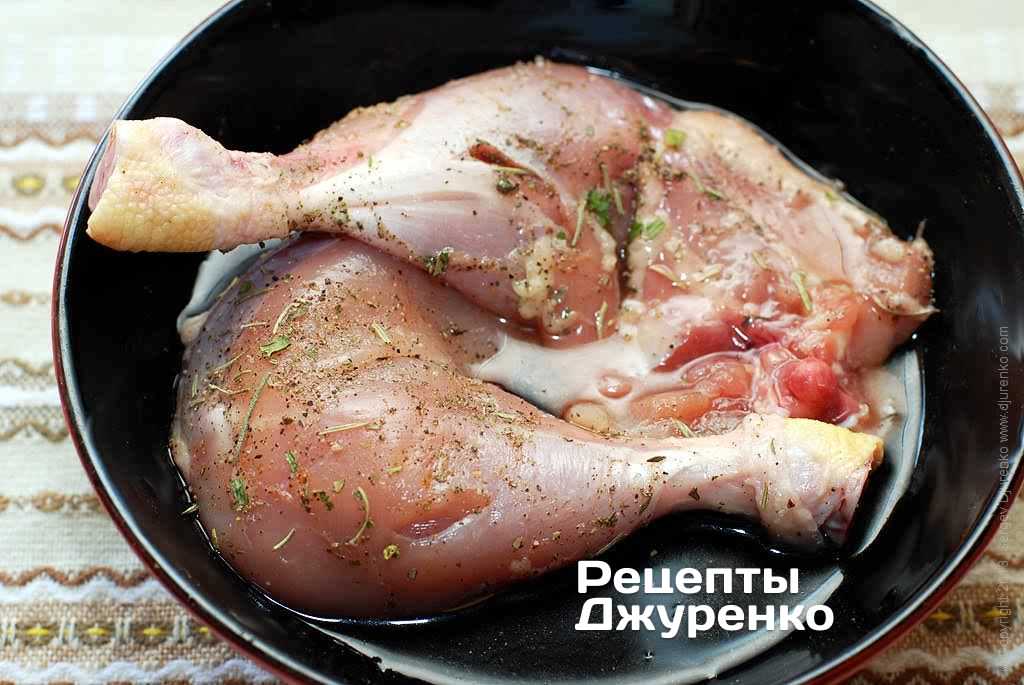
Put the chicken legs in a deep bowl or plastic container. Pour over a mixture of half a cup of dry white wine (100 ml) and ½ tsp of balsamic vinegar. It doesn’t matter that the marinade doesn’t fully cover the chicken legs.

Put the meat in the fridge to marinate for 30 minutes. Then turn the chicken legs over in the marinade for the same amount of time. Chicken marinates very quickly, though not all the way through.
Frying
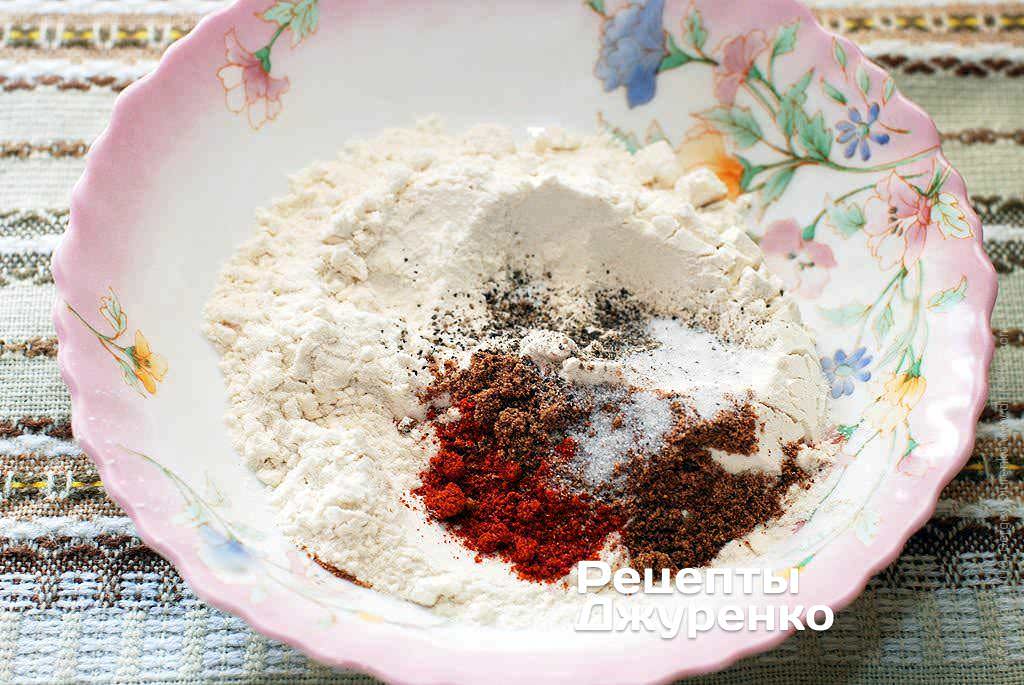
In a dry deep bowl, combine 3 heaped tbsp of flour (44 g), 1 tsp of sweet ground paprika (2 g), fine salt to taste, pepper and a pinch of ground nutmeg on the tip of a knife. Stir with a fork until evenly combined.

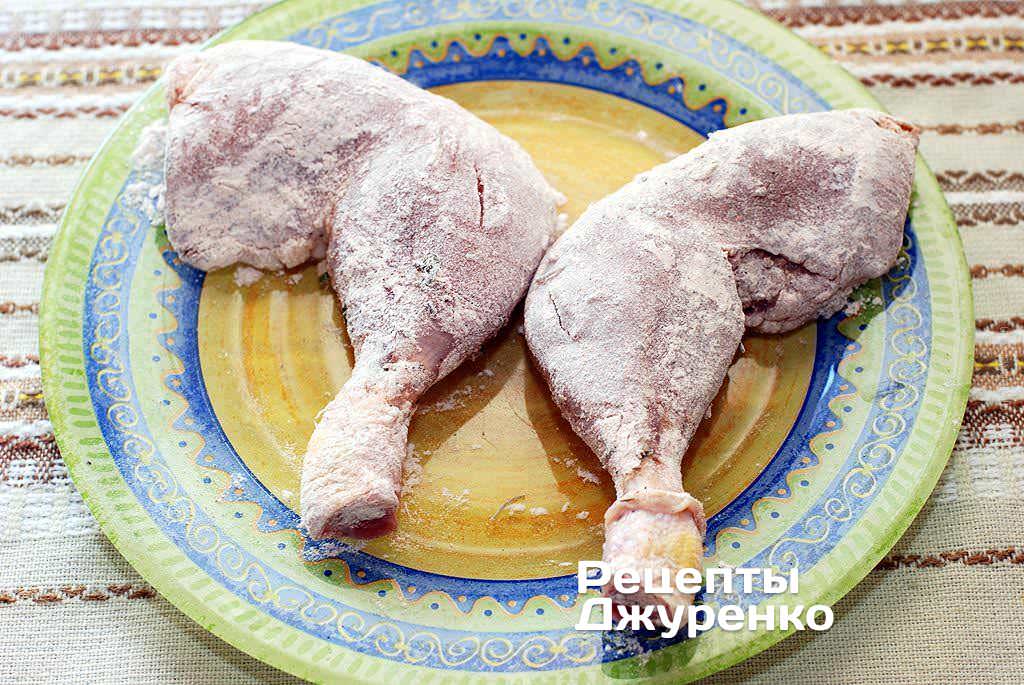
Take the chicken legs out of the marinade. Don’t pour the marinade out (!), you’ll need it for the sauce. Pat the chicken legs dry with paper towels to soak up as much liquid as possible. Dredge the meat in the flour and spice mixture, making sure there are no bare spots. Transfer the chicken legs to a dry plate. Keep the leftover flour and spice mixture for the sauce.

In a deep sauté pan or skillet with a lid, heat 50 ml of vegetable oil. Get the oil hot enough to give off a light white smoke. Place the prepared chicken legs in the oil.
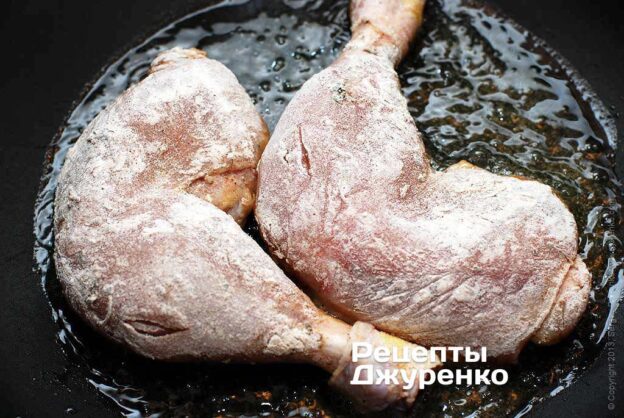
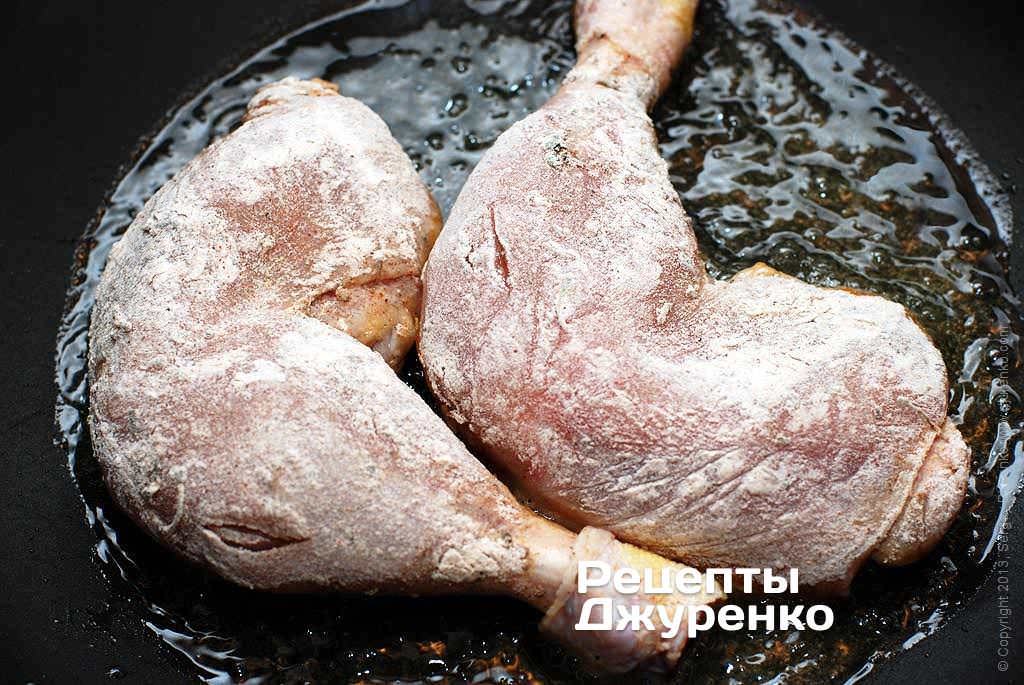
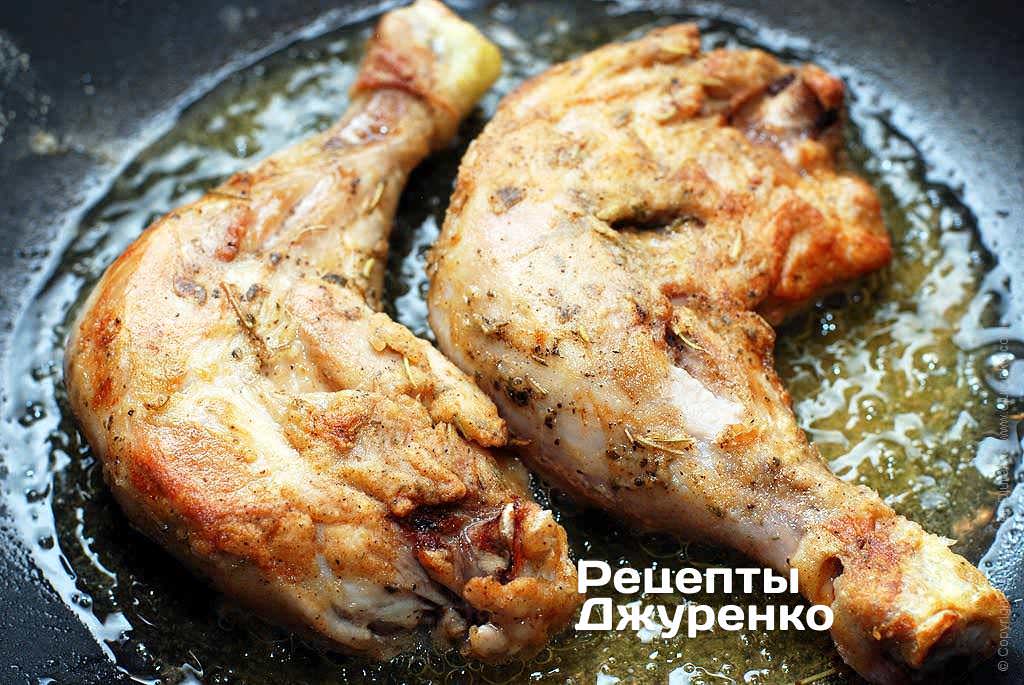
Fry over high heat for a few minutes until a golden crust forms. Make sure the meat doesn’t burn. Turn the chicken legs over. Reduce the heat to a third, cover the pan with a lid and keep frying. Turn them every 3–4 minutes so the fried chicken legs don’t burn. The total frying time is up to 20 minutes.

Sauce
While the chicken legs are frying, let’s make the sauce. This is entirely optional: many people prefer ketchup from a packet.
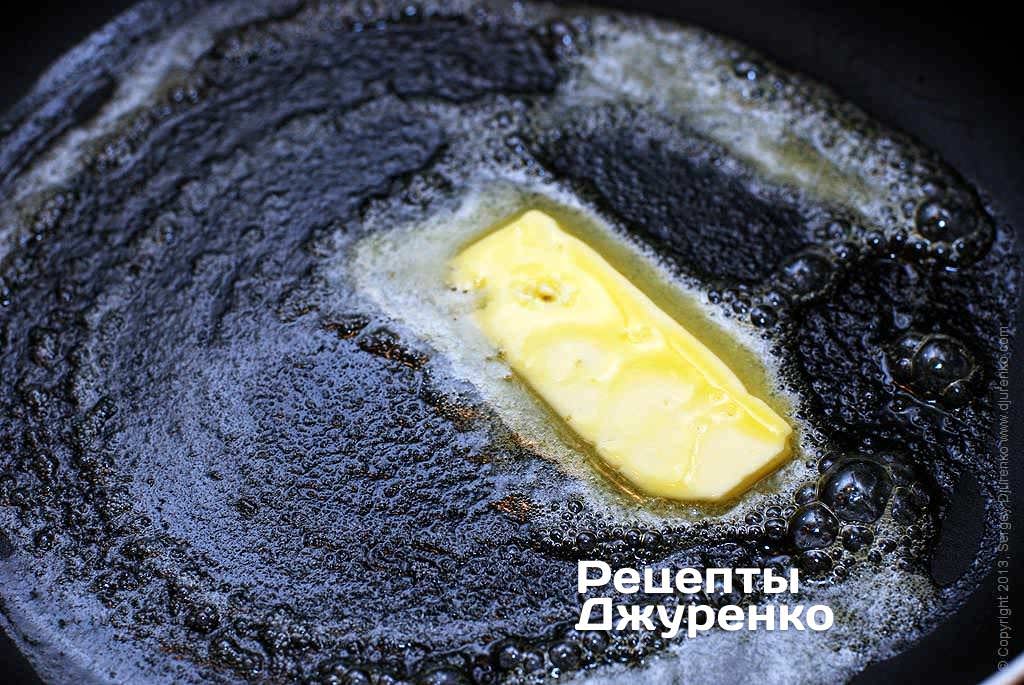
In a separate saucepan, melt a small knob (about 1 tbsp) of butter.

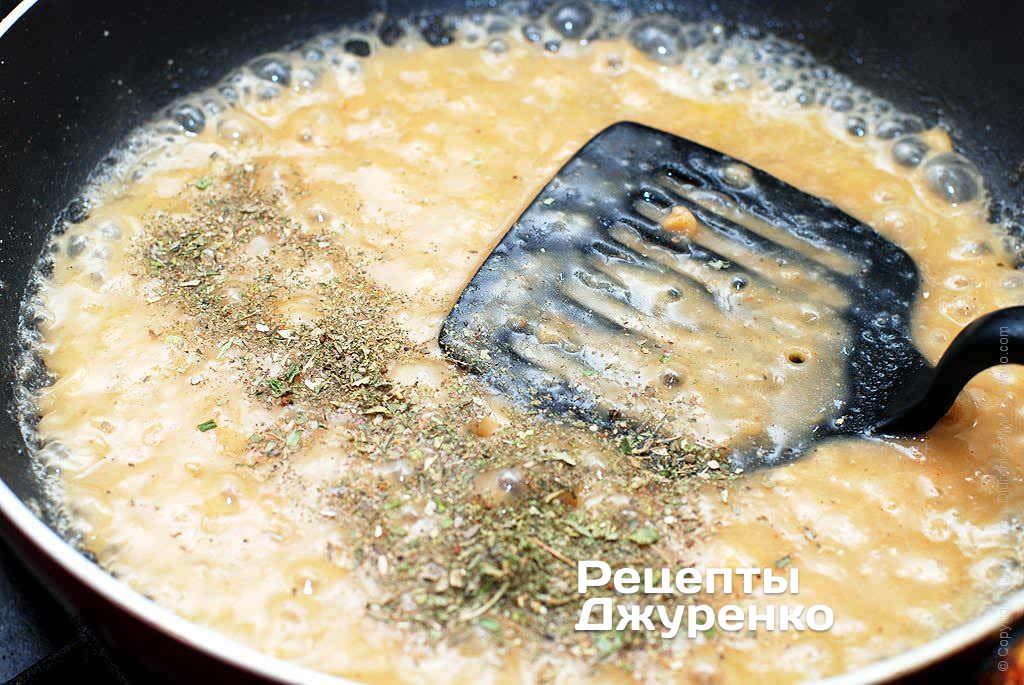
Reduce the heat to medium. Add the flour and spice mixture left over from the coating in small portions, 1 tsp at a time. You should get a slightly thick mixture, like a dough.
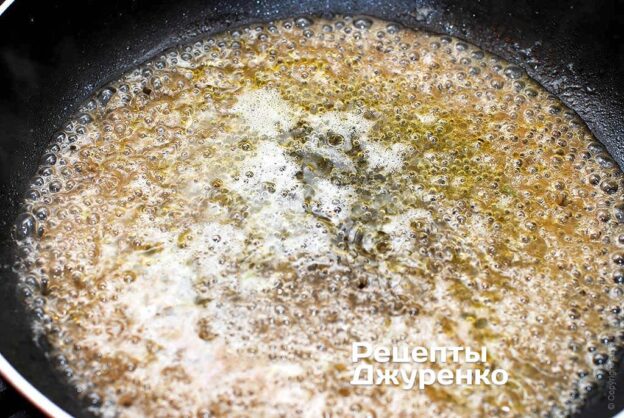
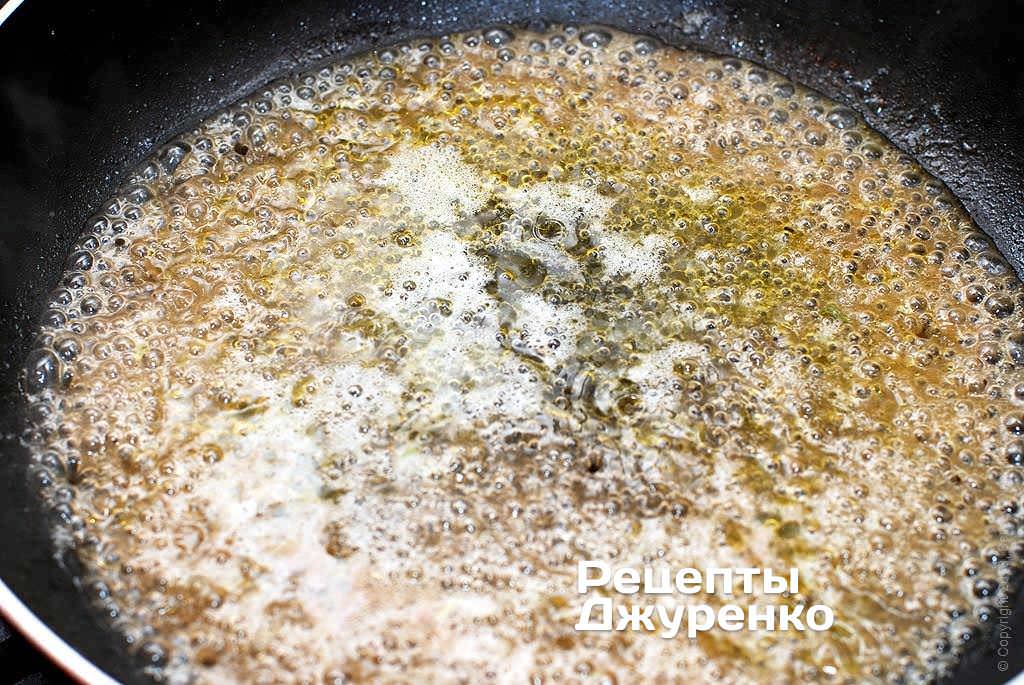
Straight away, add the remaining marinade 1 tbsp at a time, stirring the sauce with a wooden spatula and breaking up any lumps. It’s easy. Keep adding marinade until the sauce is as thick as you like.
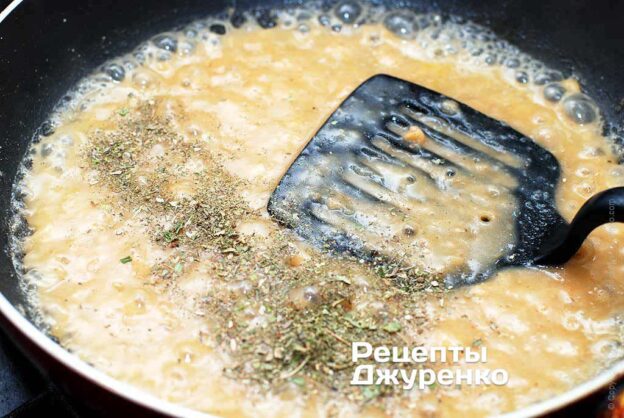
Let the sauce simmer for 4–5 minutes. Season with salt and pepper to taste; you can add a pinch of dried herbs. Turn off the heat and let the sauce stand, covered, until the chicken legs are done.
Serving
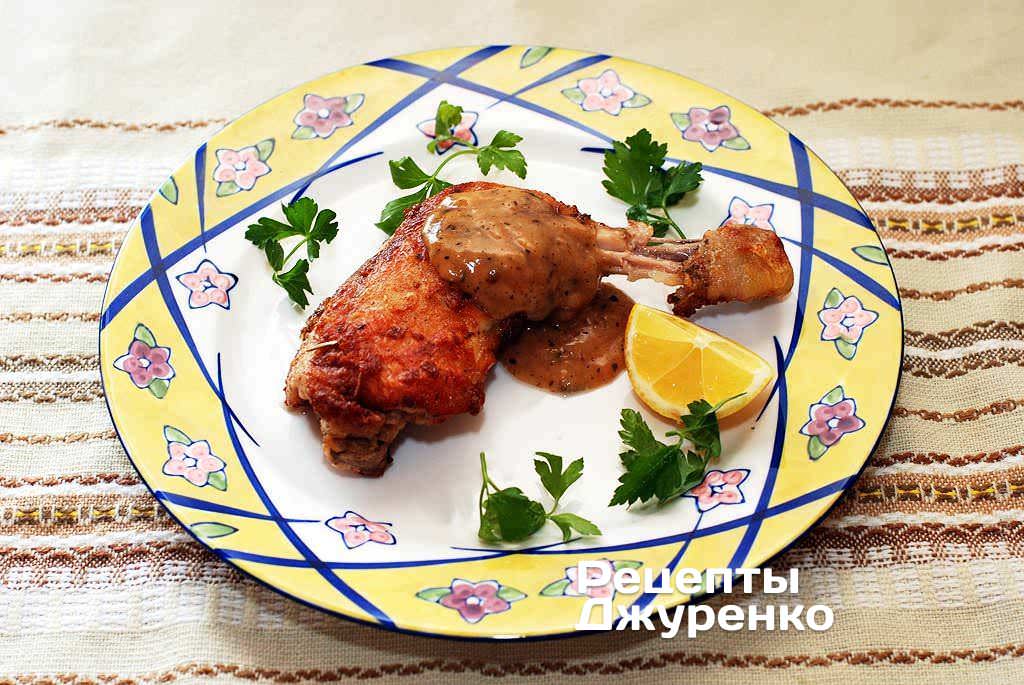
Place the finished fried chicken legs on plates and drizzle with a little sauce. Pour the rest of the sauce into a gravy boat and serve it on the side.

Drizzle the chicken legs with a little lemon juice; one lemon wedge is enough. You can garnish the dish with fresh herbs.

I don’t think this dish needs a side. But a fresh vegetable salad would be just perfect.

Calories and macros
590 kcal
Serving ≈ 170 g
- Protein25 g17% of kcal
- Fat46 g71% of kcal
- Carbs18 g12% of kcal
100 g340 kcalProtein 14.2 gFat 26.3 gCarbs 10.3 g
Calculated from the recipe ingredients, excluding salt and spices. Data: USDA and Matvaretabellen.
How did you like this recipe?
To Get It Right
For a crispy crust
The key is dry meat and very hot oil. Pat the chicken legs dry, coat them in flour with no bare spots and put them in the oil only once it gives off a light white smoke. Fry the first few minutes over high heat without a lid until a golden crust forms.
Skin-on or skinless
You don’t have to remove the skin: many people fry chicken legs skin-on. In that case start skin side down so the fat renders and the skin browns.
No wine?
You can replace the wine in the marinade with apple juice or water with 1 tbsp of lemon juice. Keep the balsamic vinegar: it gives the sauce a touch of tartness.
Thicker or thinner sauce
You control the thickness of the sauce with the marinade: add it a spoonful at a time until the sauce is the way you like it. If you run out of marinade, add a little hot water or stock.
Have your own trick for this recipe?
Questions and answers
How long to pan-fry chicken legs?
About 20 minutes. First a few minutes over high heat until a golden crust forms, then covered over low heat, turning every 3–4 minutes.
How do you marinate chicken legs for frying?
Season with salt and pepper, sprinkle with dried herbs with rosemary and pour over half a cup of dry white wine (100 ml) mixed with ½ tsp of balsamic vinegar. 30 minutes in the fridge, then turn them over for another 30 minutes.
Can you marinate chicken legs longer?
Yes, for example overnight in the fridge. Chicken marinates quickly, though not all the way through, so an hour is enough for this recipe.
How do you know when chicken legs are done?
Pierce a leg with a knife near the bone: the juices should run clear, with no pink. In well-cooked chicken the meat comes away from the bone easily.
How do you make pan-fried chicken legs with gravy?
The gravy is made from what’s left over: add the leftover seasoned flour little by little to melted butter, then the marinade a spoonful at a time. Simmer for 4–5 minutes and the gravy is ready.