Classic French Omelette Recipe Without Milk
It seems there are many things you can keep perfecting forever. One of them is the classic omelette, even though it's quick and simple. Oh yes! Just a few minutes, and it really seems easy: eggs, butter, a pan, a few spices. But in fact it takes some experience. I'd compare this art to beautiful handwriting: everyone's letters are the same, but elegance of writing is rare.
Traditionally, an omelette is an egg dish associated with French cuisine, where knowing how to make it is a basic skill for any cook. Here things are much looser: the name is rarely used for the classic omelette and instead covers almost any dish made from fried eggs, such as scrambled eggs with a filling, plain fried eggs or sunny-side up, a fried mixture with milk, or all sorts of ingredients with an egg mixture poured over them.
In the simple, basic version, it's thoroughly beaten eggs with pepper and a little salt, with no other additions. Often a little water is added to the mixture. The mixture is poured into a flat-bottomed pan evenly greased with butter. The coagulation of the egg white is, in fact, the basis of the cooking. Depending on your wishes and personal preference, you can stop cooking at any stage of the eggs setting.
There are many theories, opinions, tips and secrets. Most of them cover what cookware you need, how to beat the eggs, with what, at what speed, and whether bubbles are acceptable. Some tips refer to physical laws and the structure of eggs. Such tips often help, but most of them just distract. Put it this way: you can't fry an egg without breaking it. And skill comes with personal experience and practice, just as with poaching an egg.
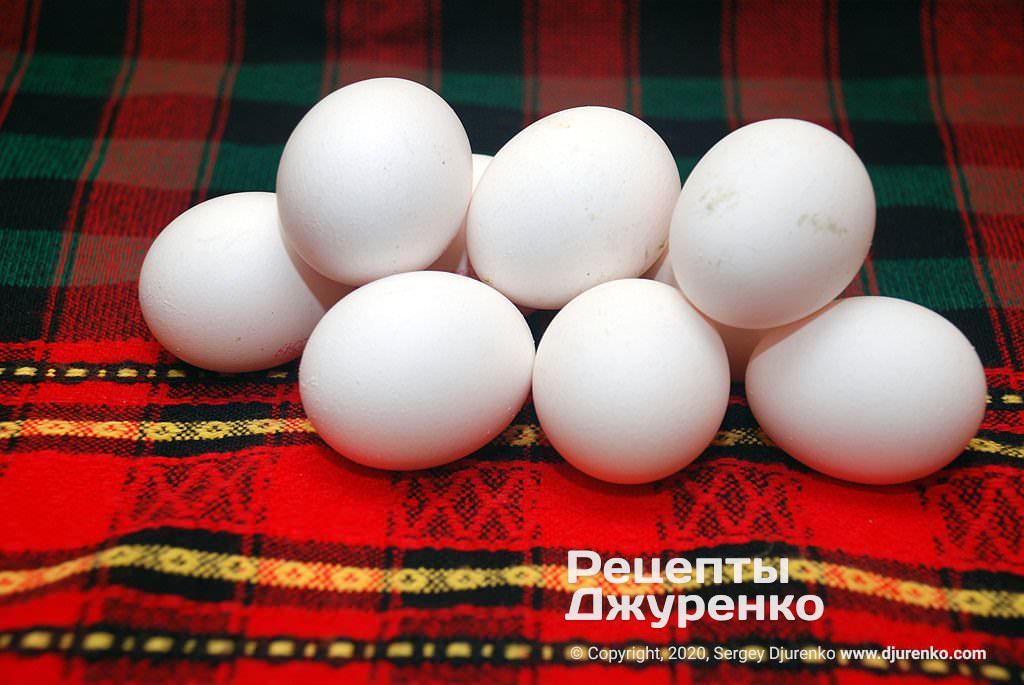
Naturally, you need fresh eggs from a trusted source, ideally taken straight from the hen. If you buy at a store, go for dietary eggs (D), which are the freshest, no more than a week old. Table eggs (C) have a shelf life of 3–3.5 weeks.
The important thing is not to rush. It doesn't take long, so do everything carefully. Don't force the frying either: the eggs will set at any heat, but the underside can brown heavily or burn. Don't cover the pan with a lid; you don't want fluffiness here, it's not a soufflé. If you're making an omelette with a filling, you can add it to the mixture, but it's better to put it in at the very end and then fold the omelette over.
More with eggs
 Strapatsada – Greek Scrambled Eggs with Tomatoes and FetaGreek strapatsada: tomatoes stewed with onion and pepper, lightly beaten eggs stirred in, served with feta, herbs and toast. A quick step-by-step recipe.
 Omelette PoulardClassic French omelette Poulard: whipped egg whites baked on a layer of yolk. A simple, fluffy breakfast with eggs, butter and salt. Step-by-step recipe.
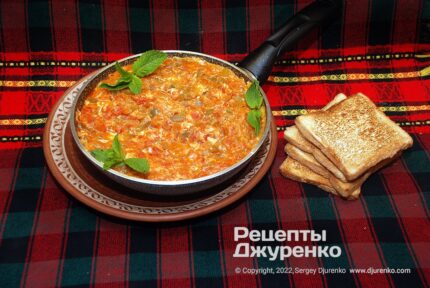 Menemen – Turkish Scrambled Eggs with Tomatoes and PeppersClassic Turkish menemen: onion, bell peppers and tomatoes fried in butter and olive oil, then softly scrambled with eggs. Serve in the pan with bread.
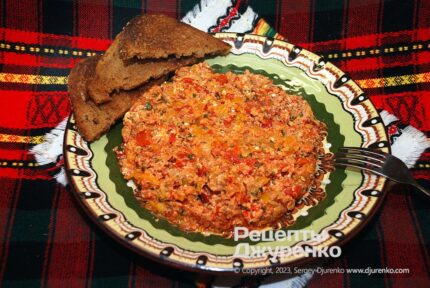 Mish-mash – Bulgarian scrambled eggs with tomatoes, peppers and cheeseBulgarian mish-mash: lightly scrambled eggs with roasted red peppers, tomatoes, sirene cheese and savory. A simple, hearty breakfast, step by step with photos.
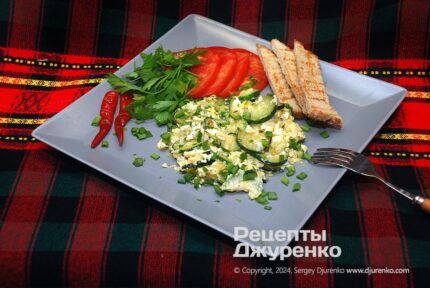 Zarangollo. Fluffy Scrambled Eggs with Braised Zucchini and OnionZarangollo, rustic scrambled eggs from Murcia, Spain: zucchini and onion slowly fried in olive oil, then eggs stirred in until soft and creamy. Quick and easy.
Ingredients
1 serving
- Eggs 2-3
- Butter 1 tsp
- Salt, pepper to taste
- Toast, herbs, cheese for serving
Step-by-step recipe
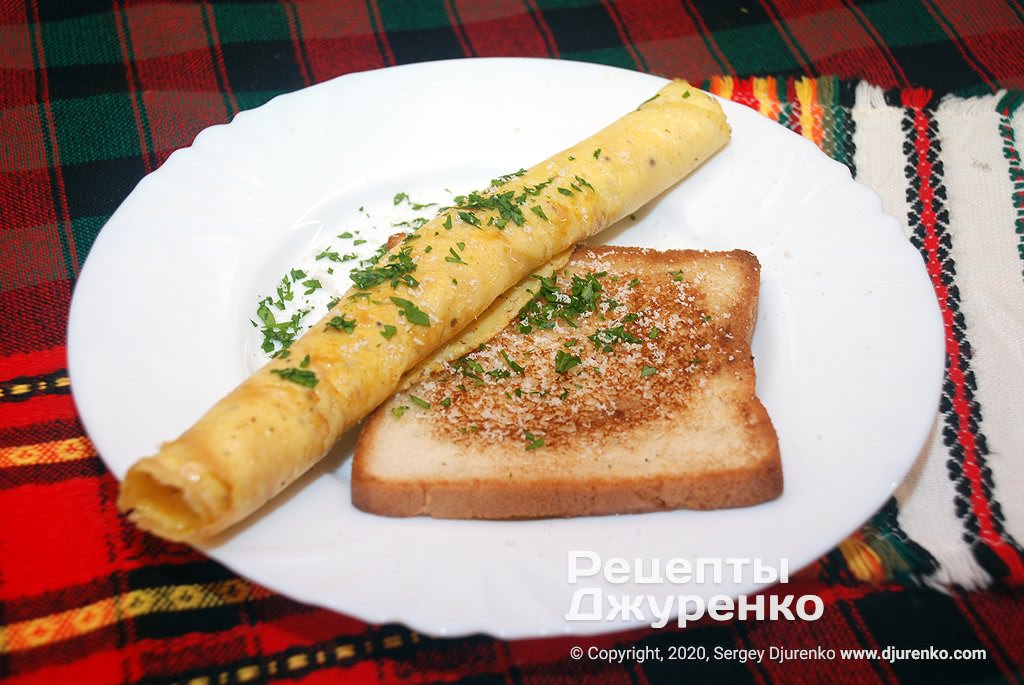
- Eggs for an omelette, as for any dish, need to be fresh. You need 2–3 per serving. I made two versions of the dish, and they turned out practically the same. I didn't add a filling, although one is almost always used. I wanted the layer of egg to be thin, without “bubbles”, and the dish itself to have a delicate, subtle taste. For serving I fried some toast, either in a dry pan or greased with butter. I also prepared a very little finely chopped parsley and a small piece of cheese.
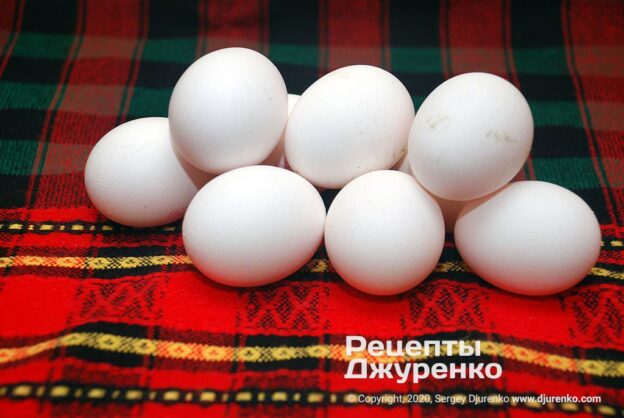
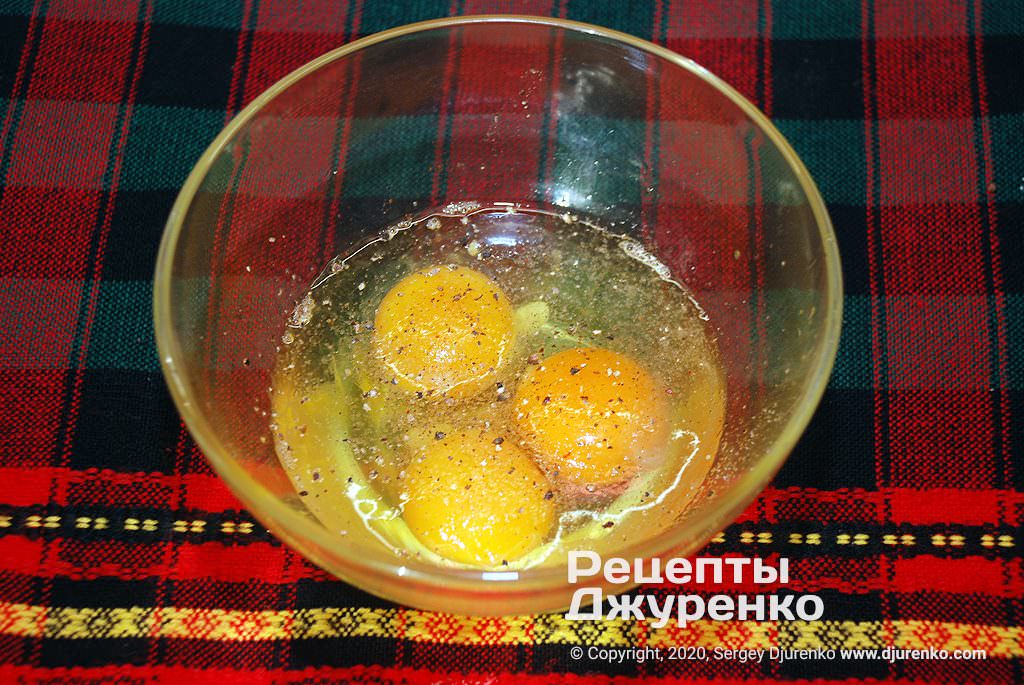
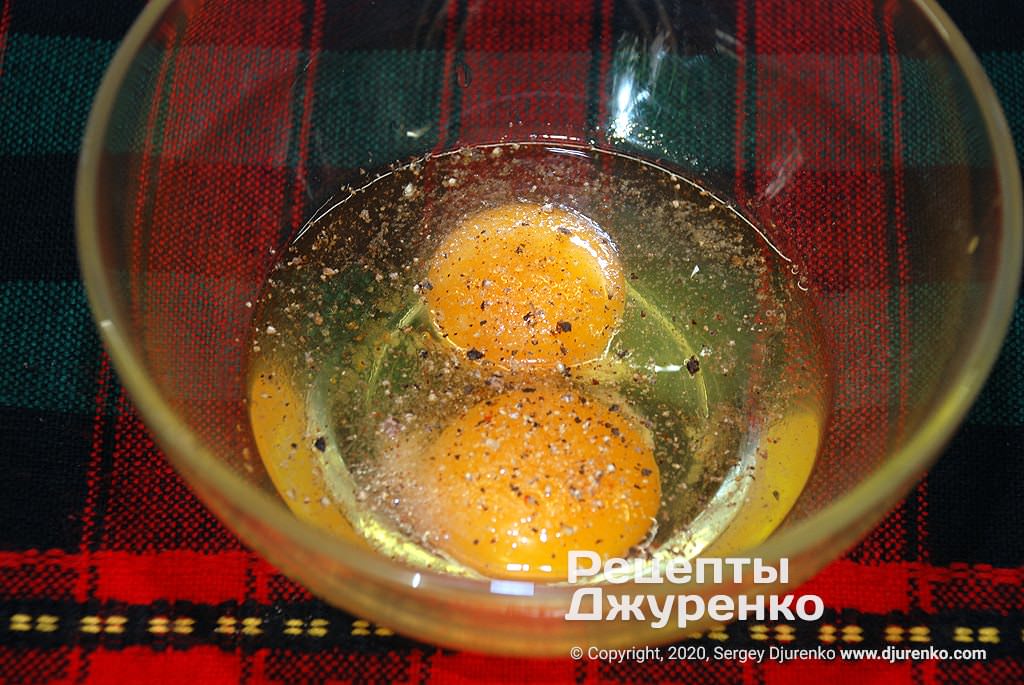
- The first version: an omelette from three eggs with no added water. It comes out thicker and denser, which is great for laying a filling on. Crack the eggs into a small bowl. It doesn't hurt to make sure they aren't spoiled and that there are no pieces of shell. Season with a pinch of salt and pepper. If you can, white pepper is better.
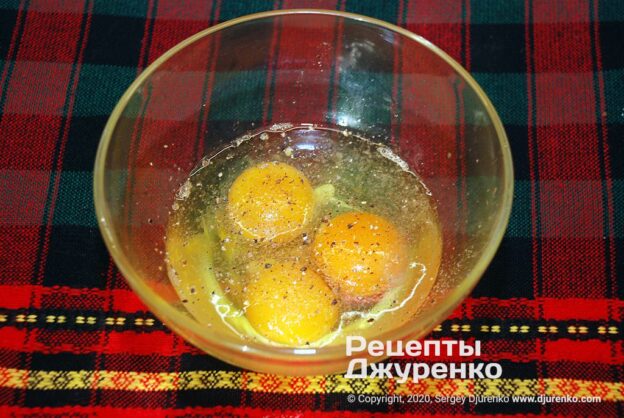
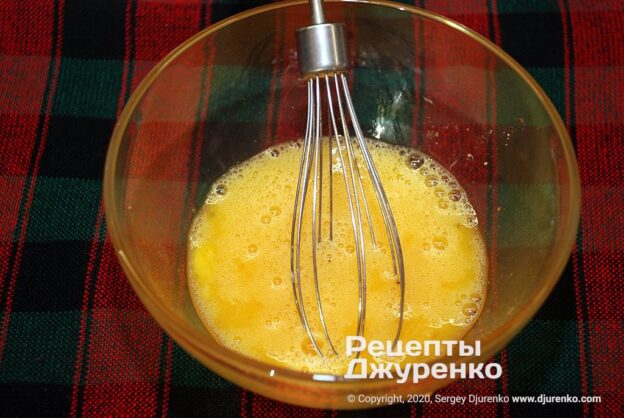
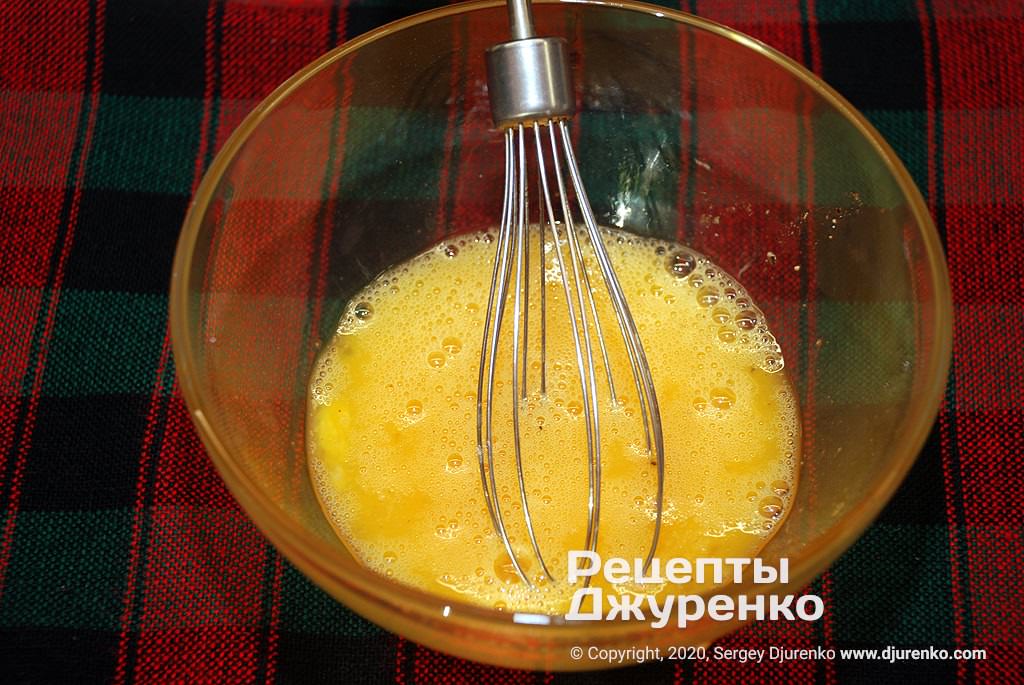
- Next, beat the mixture thoroughly with an ordinary hand whisk until smooth. A small number of bubbles on the surface is fine. Many even think it makes the dish airier. Whether to blend the whites and yolks completely is a matter of personal preference. Professional chefs say you should, so see for yourself.
- It's best to fry in a pan with a flat bottom 20–22 cm across and sides low enough for the finished dish to slide onto a plate without trouble. You need only a little butter, but grease the bottom and the lower part of the sides very thoroughly. Heat the pan until a drop of water rolls across the bottom and evaporates. Grease the pan evenly with butter. Reduce the heat to medium.
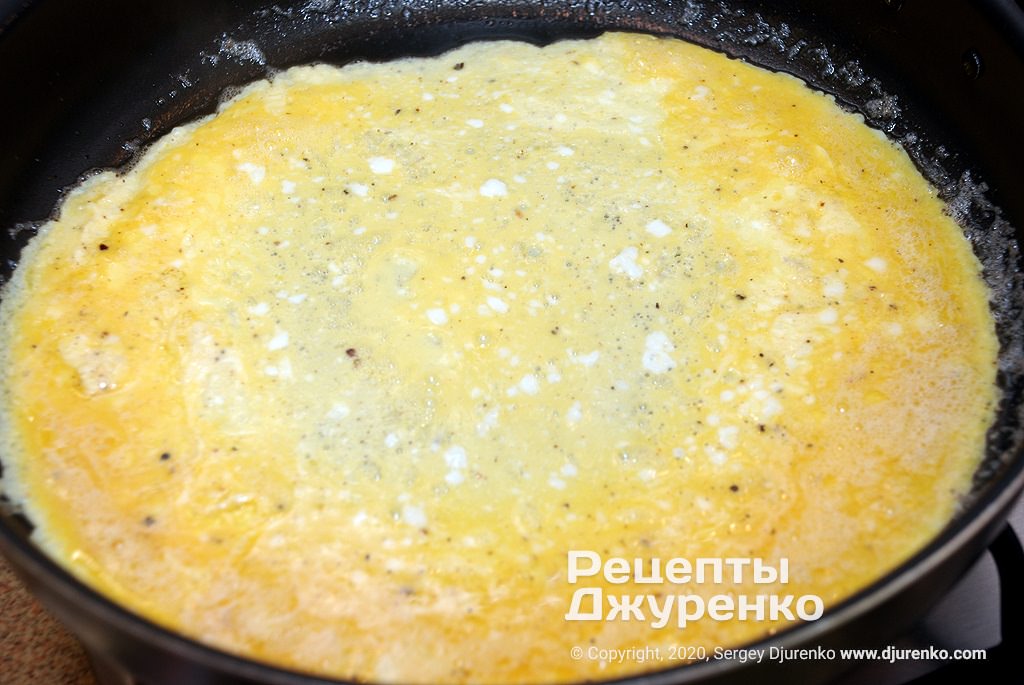
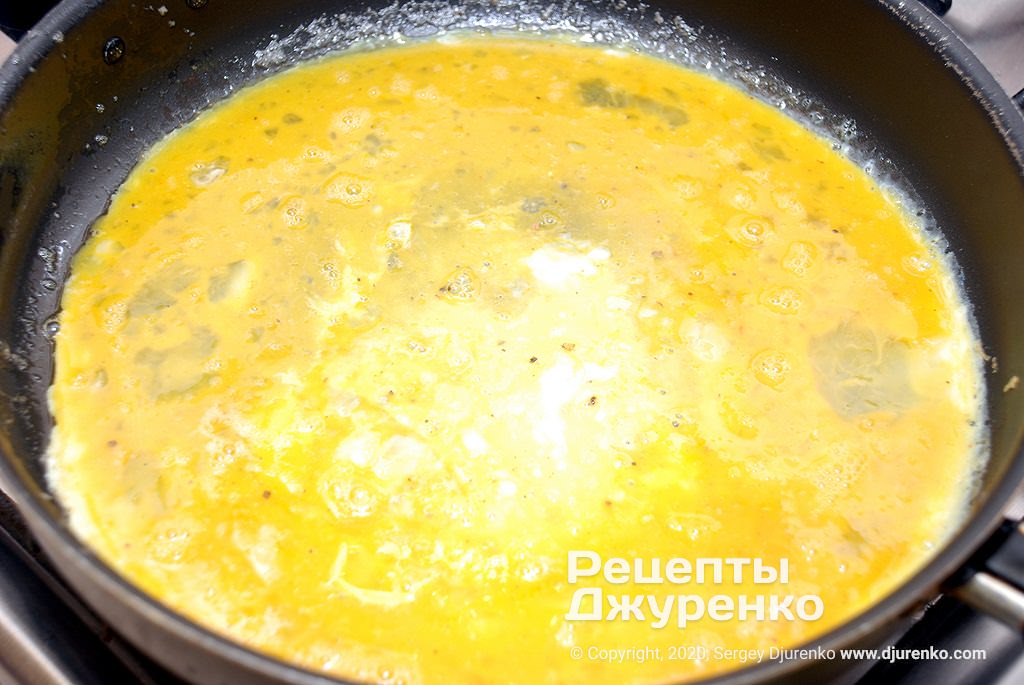
- Pour the prepared mixture into the pan and spread it in an even thin layer over the bottom, simply by tilting the pan from side to side so the mixture fills the empty spots. Almost immediately the egg white on the bottom starts to set, so reduce the heat even more. That way the underside of the omelette won't brown too much. Also use a spatula or knife to loosen the edge of the egg from the sides of the pan.
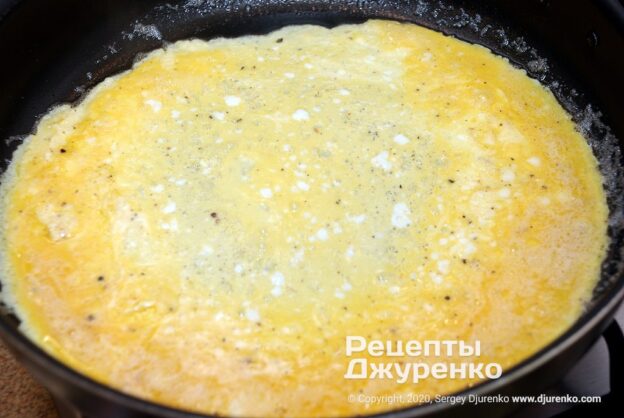
- After 2–3 mins the white and yolk are almost completely set. Quite often cooks roll the egg pancake into a tube right during frying, when the top of the mixture is literally on the verge of complete coagulation. Or they lay out a filling and then fold it in half or like an envelope. I fry the mixture until it has set completely and tilt the pan over the plate so the finished omelette slides onto it.
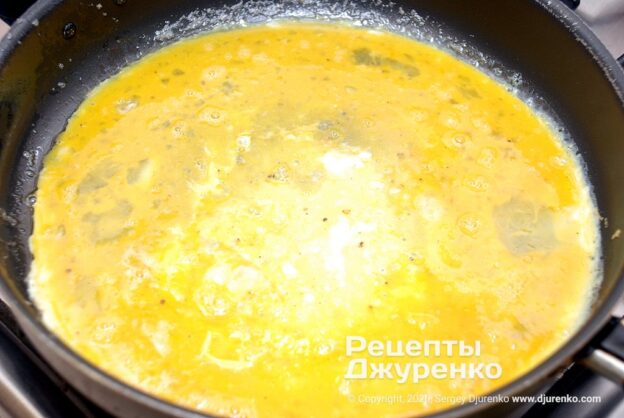
- The second version, which makes a thinner omelette, differs in that I added 1 tbsp of water to the contents of two eggs. Then everything is the same: salt and pepper, mix thoroughly and fry. The result was a thinner omelette with a more delicate texture.
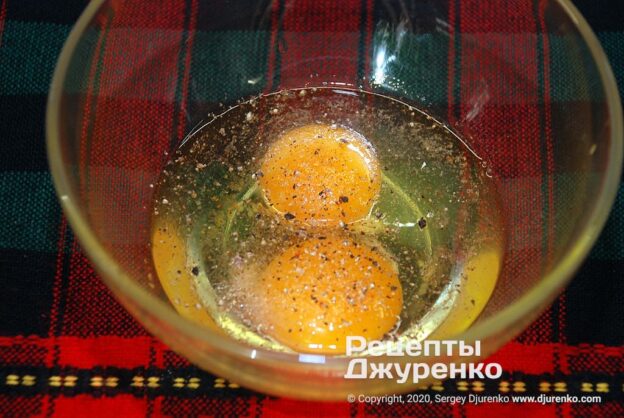
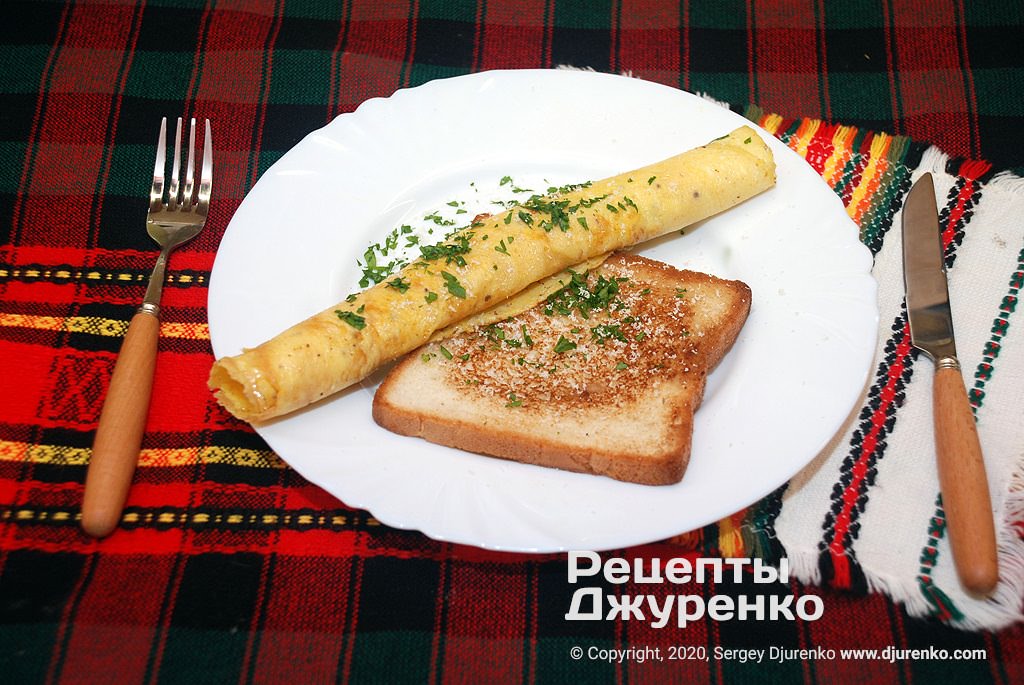
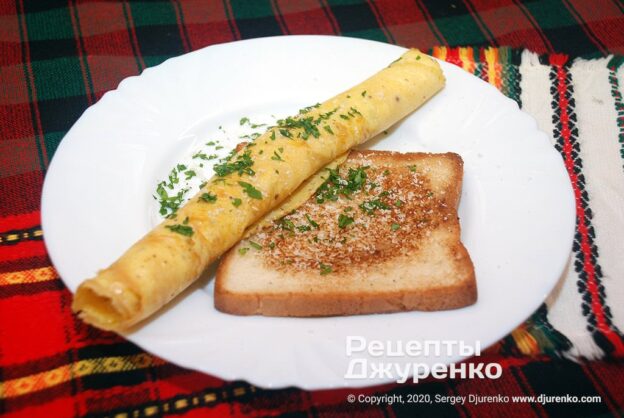
- Usually, if you have no other ideas, the omelette is rolled into a tube. Then it's sliced or left as it is. Served this way, it can be very slightly underdone, just a touch, and it will “finish” from its own inner heat. When serving an omelette I'm, let's say, somewhat of a minimalist: a lightly toasted slice of bread, a pinch of finely chopped parsley and just a little hard cheese grated on top.
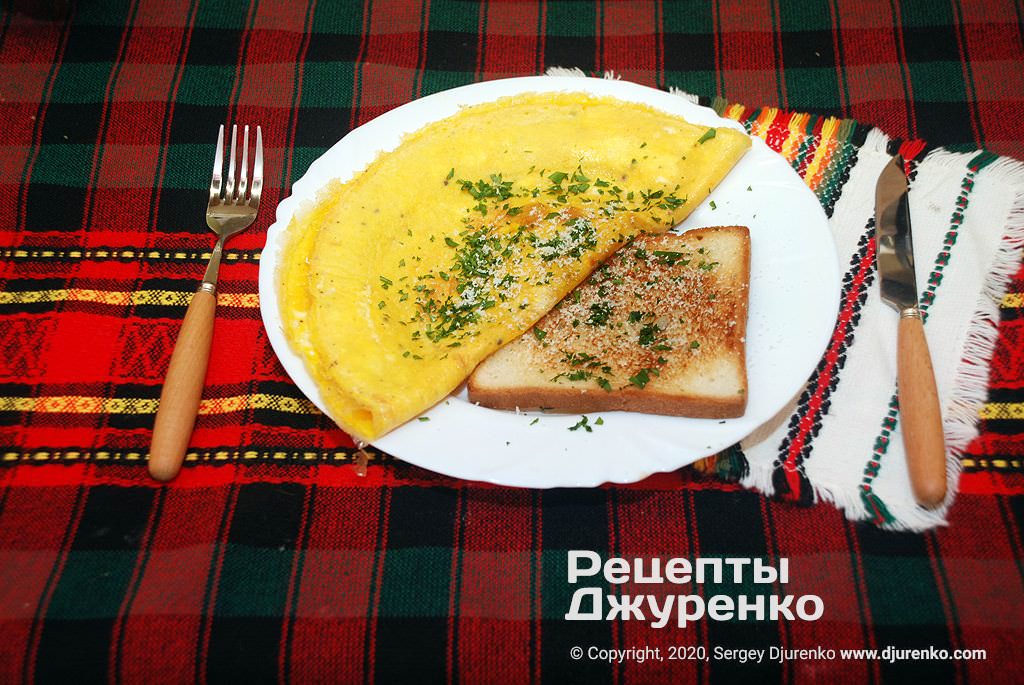
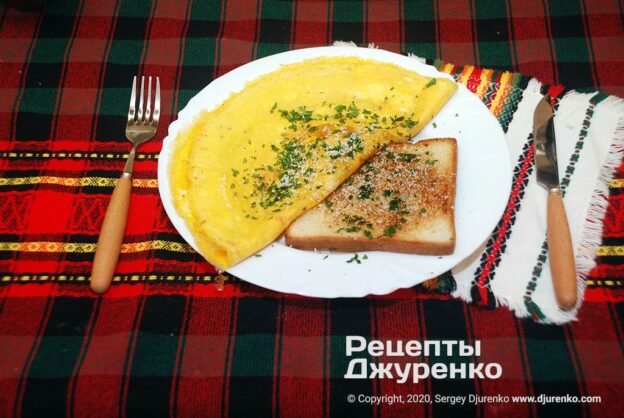
- You don't have to roll it. You can simply fold the omelette in half and add toast, herbs and a little cheese. This version suits fillings better. Fried mushrooms, vegetables, tomatoes and cheese all work, and brynza and ham are excellent. Sweet fillings aren't rare either, by the way. The famous clafoutis is a sort of egg version of a cherry pie.
- Quite often, before serving, a little butter is added on top of the egg, which gives the dish a glossy, even shining look. You can also cook it in the oven, but then the finished dish comes out fluffy.
 Egg and pancake ringsAliExpress
 Oil sprayerAliExpress
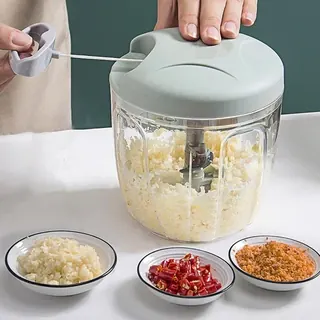 Pull chopper for garlic and onionAliExpress
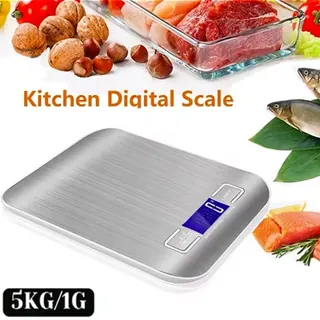 Kitchen scale up to 5 kgAliExpress
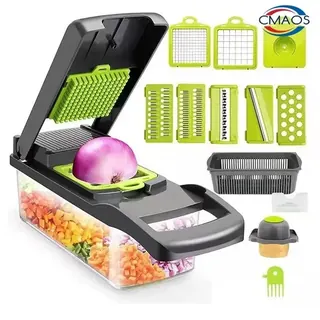 Vegetable chopper with handleAliExpress
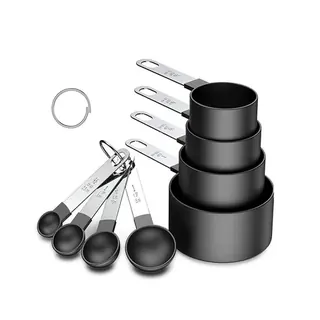 Measuring cups and spoonsAliExpress
| Yield: | 1 serving |
| Calories: | 150 kcal per 100 g |
| Prep: | 5 mins |
| Cook: | 5 mins |
| Total: | 10 mins |
| Cuisine: | French cuisine |
| Rating: |