
Amatriciana: Meat Sauce for Pasta with Fried Pork
They probably say in Italy that pasta is the head of everything. Everybody eats pasta, and a lot of it. Plain pasta, I mean pasta simply boiled in water, is perfectly edible, but you can hardly call it delicious. The quality of pasta is, first of all, the quality of the flour and the technology. And the taste of pasta is the sauce.
Italians are great inventors when it comes to pasta sauces. “A little miracle” is what they call a well-made sauce. Surely every region of Italy can boast a sauce unlike any other, made the way the neighbors can’t make it. A spaghetti sauce is the calling card of every home, like salsa in Mexico.
. For example, the famous pesto is a sauce made from olive oil, basil, pine nuts and pecorino or Parmesan. A beautiful green sauce, and incredibly tasty. It comes from northern Italy, from the Liguria region. In the city of Genoa it is called pesto alla genovese and is considered a local landmark. Bologna, a northern Italian city and the administrative center of the province and of the Emilia-Romagna region, can boast a sauce called bolognese (Ragù alla bolognese), a meat sauce made from beef, pancetta, vegetables, tomato and wine and, without fail, cream.
The Lazio region is no exception: for more than 200 years they have been making a wonderful amatriciana sauce there. It is often pronounced matricano or matricino. In Italian it is l’amatriciana. It is an Italian sauce whose main component is pork cheek (guanciale). It differs a great deal from region to region: only the basic components remain of the classic sauce, and various regional touches are added.
Amatriciana meat sauce is always different. First of all, the pork differs: anything from cheek or bacon to pork belly. The fat content varies widely, and a smoked product is often used. Often there is no onion, sometimes no tomatoes. Instead of olive oil, pork fat or lard is used. Instead of Pecorino Romano, Parmesan is used, or another sheep’s cheese.
However many opinions about amatriciana I have heard, I have been surprised just as many times. It felt as if, however you make a meat sauce, it will turn out wonderful.


Ingredients
2 servings
- Pasta (fettuce) 250 g
- Water for cooking the pasta 2.5 l
- Salt for the pasta water 7 g per 1 l of water
- Tomatoes 400 g
- Onion 1-2
- Pork belly 350 g
- Olive oil 50 g
- Salt, Black peppercorns, Bay leaf to taste
Step-by-step recipe
Even before amatriciana there was a meat sauce called grici. It is still made today, just like amatriciana, but without tomatoes. The meat sauce with tomatoes was invented by the chef Francesco Leonardi back in 1790. Today amatriciana is a classic of Roman cuisine. By the way, in the Roman dialect it is pronounced matriciana, not amatriciana.

First, scald the tomatoes with boiling water, peel them and remove the seeds. Mash the tomato flesh to a puree. In principle, you can use canned tomato flesh if you have it.

Peel the onion and chop it finely. Once I asked: what if I grate the onion or put it through a meat grinder? The answer was roughly this: “If you needed it grated, they would have said grate it. The onion must be chopped.” There is nothing to argue with. Chop the onion with a knife.
Heat the olive oil in a deep frying pan. Fry the chopped onion until soft.

While the onion is frying, wash and cut the pork belly. Cut it into thin, long pieces. Cut the rib bones into small pieces. Fry the cut belly together with the onion.

Add a little salt and 5-6 black peppercorns crushed in a mortar. Add 2-3 bay leaves. Fry for 10 minutes, stirring occasionally.

Add the tomato puree and about half a cup of boiling water (100 ml).

Simmer the meat sauce under a lid for an hour, stirring occasionally. The heat should be the lowest you can manage. They usually say a sauce is cooked, not stewed. The sauce should barely bubble, literally languish.
After an hour, fish the bay leaves out of the sauce and keep simmering for another hour. In many recipes the cooking time is given as much shorter. I’ll say right away: if you have time to cook the sauce for more than two hours, do it. It is even better. The sauce becomes uniform and glossy.

If the sauce thickens too fast while cooking, add water in small portions. By the way, I have seen several times that people add dry white wine.
When the sauce is almost ready, cook the pasta. Which pasta is up to you. But I recommend long pasta: spaghetti, fettuccine, tagliatelle and so on. Cook the pasta in plenty of salted water. The cooking time is on the package.

Drain the cooked pasta in a colander and let the water run off. Combine the meat sauce and the pasta. Toss gently and thoroughly.

Put the pasta and sauce on plates and sprinkle with grated cheese. How much cheese is up to you.

Serve the meat sauce with the pasta hot.


Calories and macros
1530 kcal
Serving ≈ 580 g
- Protein33 g9% of kcal
- Fat107 g64% of kcal
- Carbs100 g27% of kcal
100 g266 kcalProtein 5.7 gFat 18.6 gCarbs 17.5 g
Calculated from the recipe ingredients, excluding salt and spices. Data: USDA and Matvaretabellen.
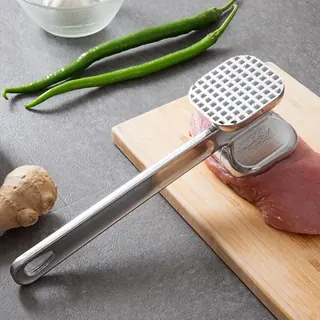 Meat tenderizerAliExpress
 Kitchen probe thermometerAliExpress
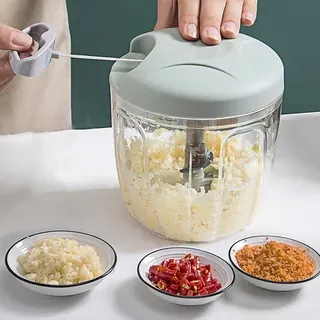 Pull chopper for garlic and onionAliExpress
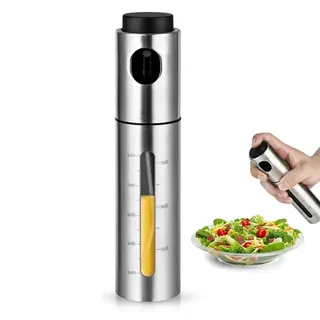 Oil sprayerAliExpress
 Kitchen scale up to 5 kgAliExpress
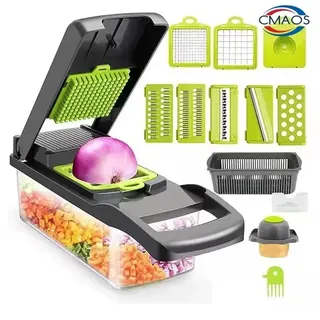 Vegetable chopper with handleAliExpress