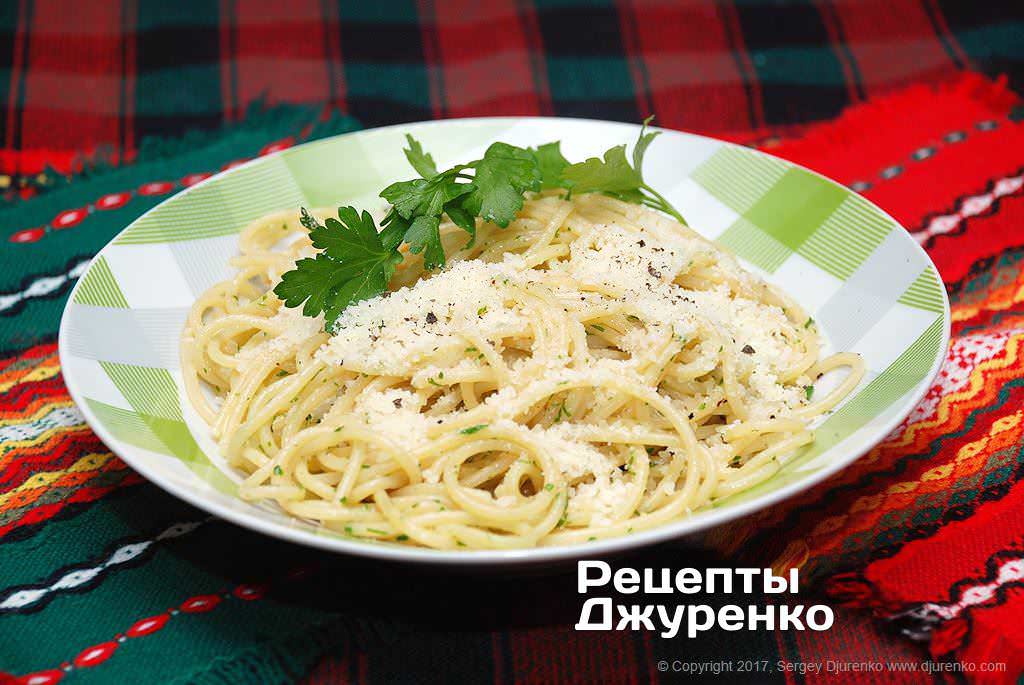
Spaghetti with Cheese
Ingredients
2 servings
- Spaghetti 250 g
- Water for cooking the pasta 2–3 l
- Salt for the pasta water 10–15 g
- Hard cheese (Pecorino, Parmesan, Grana Padano) 50 g
- Garlic 2–3 cloves
- Olive oil 3 tbsp
- Mixed herbs (basil, parsley, dill) 1 tbsp (4 g)
- Black pepper to taste
Step-by-step recipe
Preparing the cheese
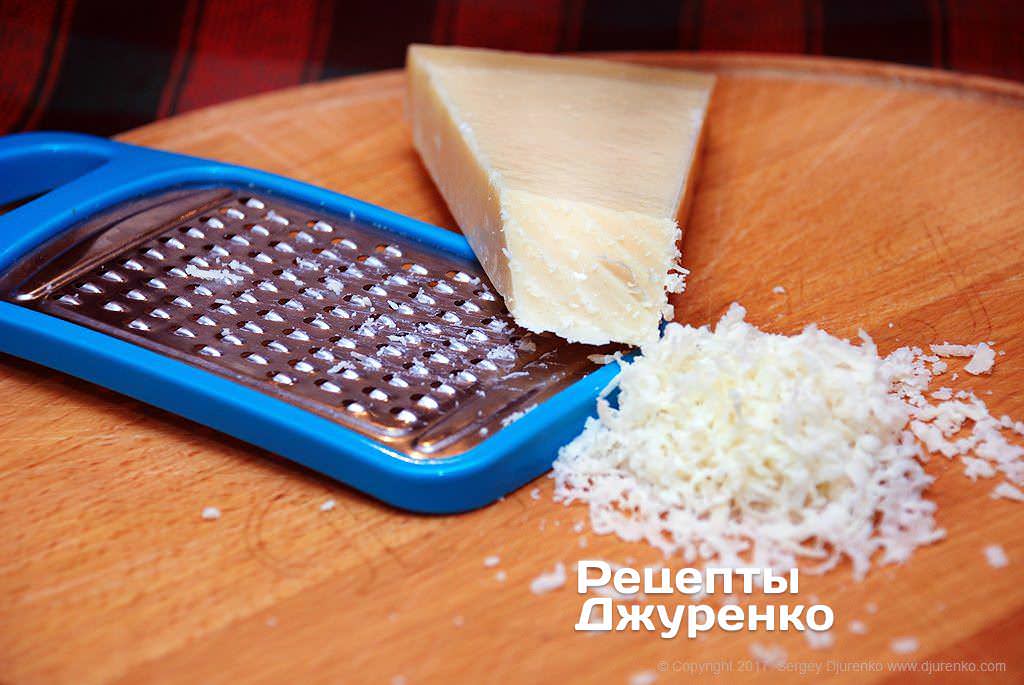
Choose the cheese. Spaghetti with cheese can be made with any aged Italian cheese. Pecorino, a sheep’s milk cheese with a “grainy” texture and a pleasant aroma, works great. Or the famous Parmigiano Reggiano, Parmesan, a hard, “old” Italian cheese with a very pleasant, piquant flavor.
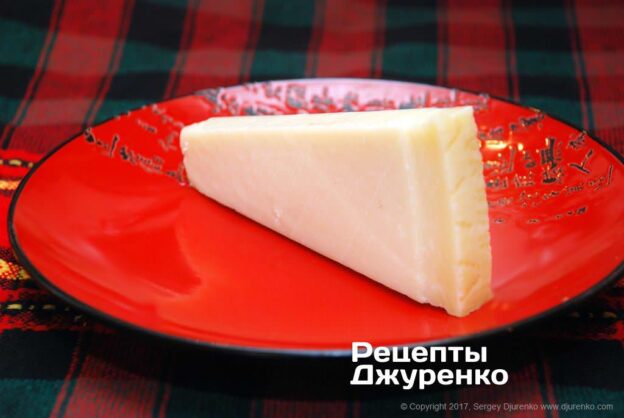
A “simpler” cheese, Grana Padano, has also proven itself as an addition to pasta. It is cheaper than Parmesan, its production is not held to the strictest requirements and is not limited to the Emilia-Romagna region, which does not make it any less tasty. Grana Padano has a pronounced grainy texture (grana means “grain”) and a slightly sharp, piquant flavor. This cheese goes great with red wine, in salads and as an addition to spaghetti.
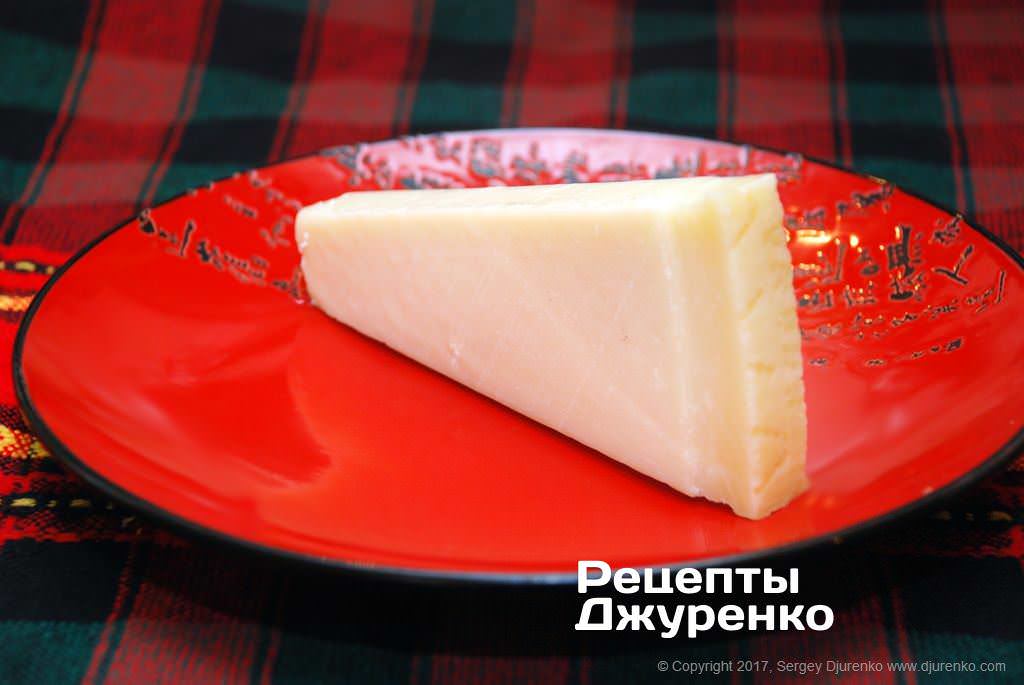
Remove the rind from the chosen hard cheese (by the way, it is usually edible and tasty).
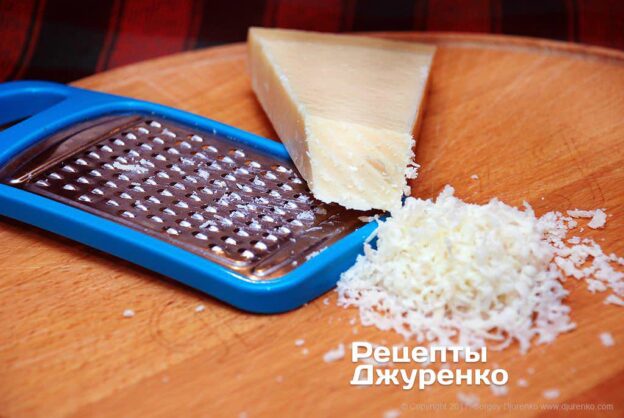
Grate the cheese finely.
If you want a finer cheese for sprinkling, you can additionally pulse the grated cheese in a blender for literally 3–4 seconds. The cheese grains will be the size of coarse river sand.
Cooking the spaghetti
Pour 2–3 l of water into a pot and add salt at a rate of 5 g per 1 l of water.
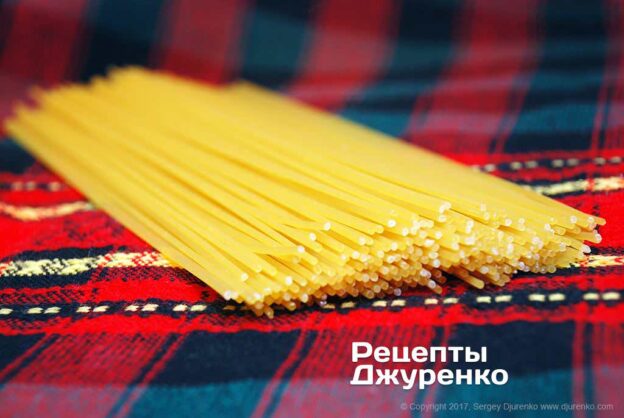
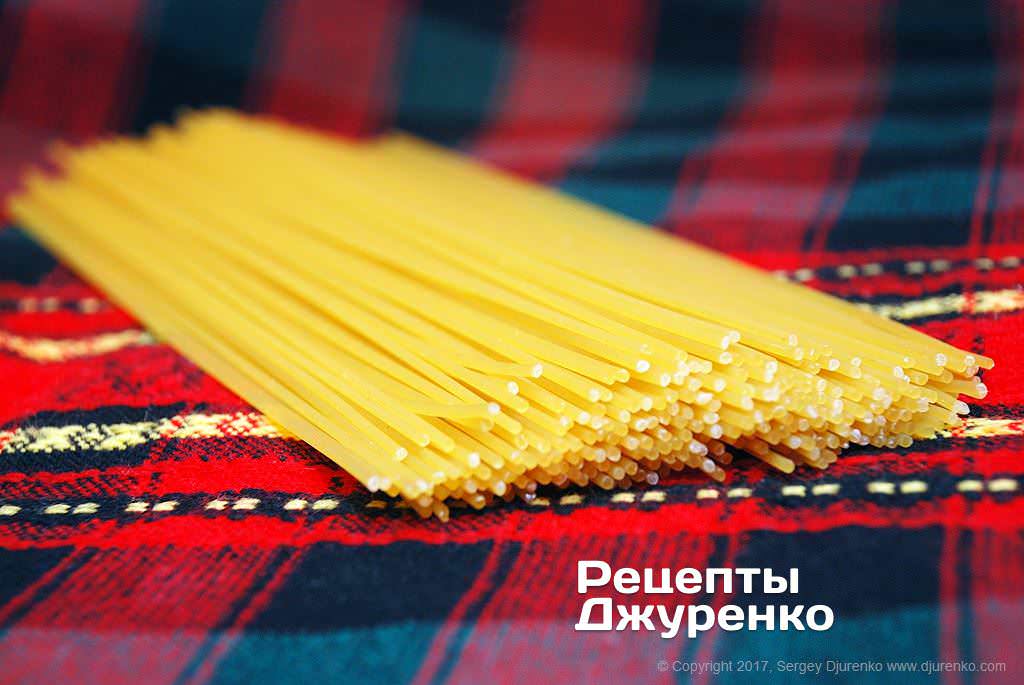
Bring the water to a boil and cook the spaghetti until done. The cooking time on the package guarantees al dente spaghetti. Never overcook the pasta.
Frying with garlic and cheese
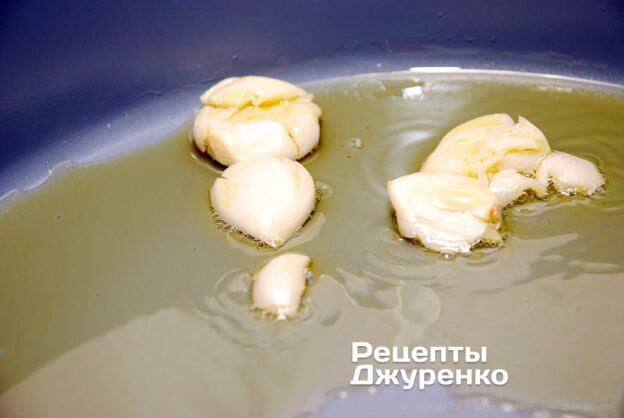
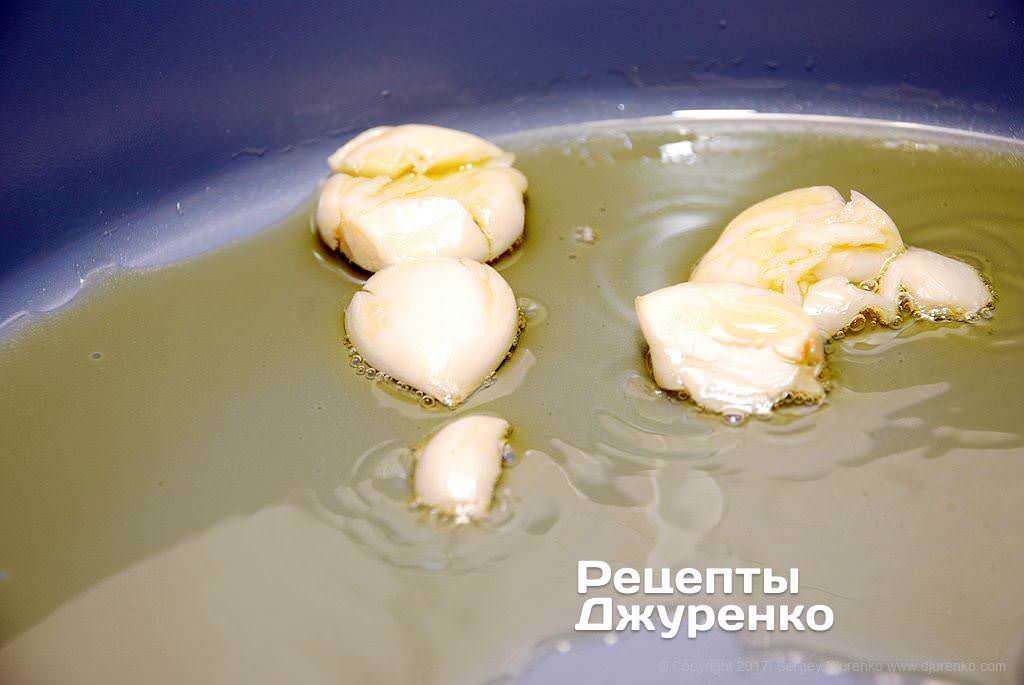
Peel the garlic cloves and crush them with the flat of a knife.
Heat olive oil in a frying pan and fry the garlic, stirring, until it starts to darken slightly. The garlic is only there to flavor the olive oil a little.
Then take the garlic out of the oil and discard it.
Drain the cooked pasta in a colander.
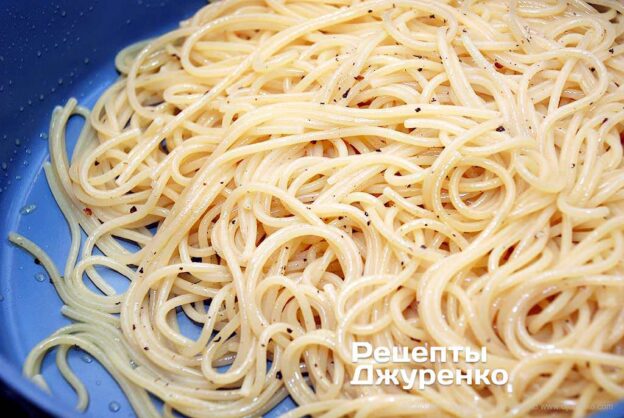
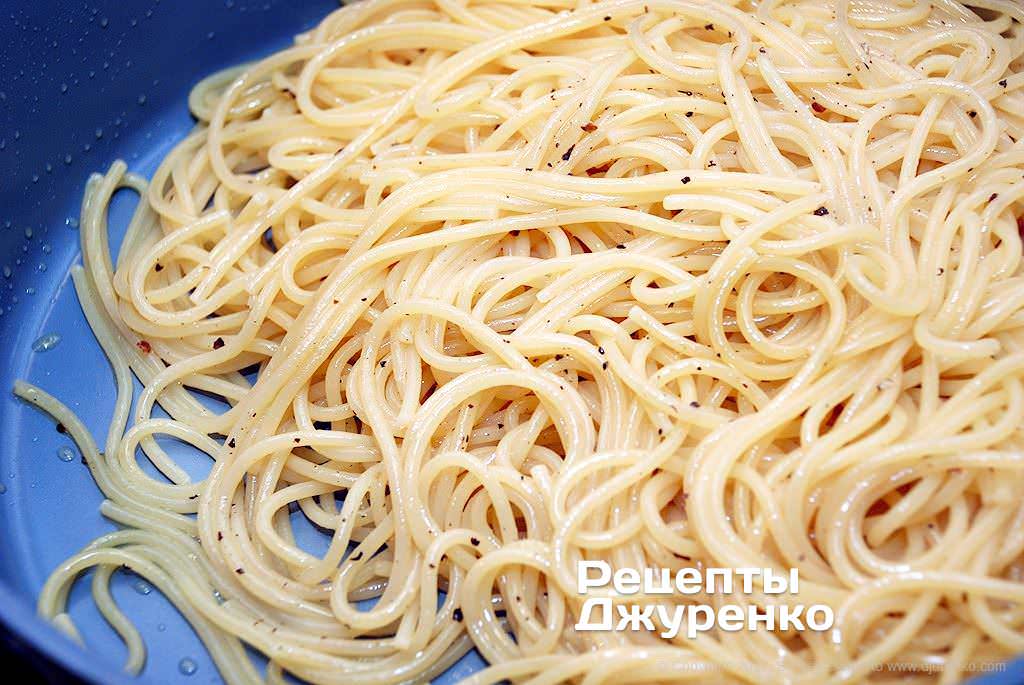
Transfer the spaghetti to the hot olive oil and mix well.
Fry the spaghetti in the oil, stirring, for 4–5 mins over medium heat.
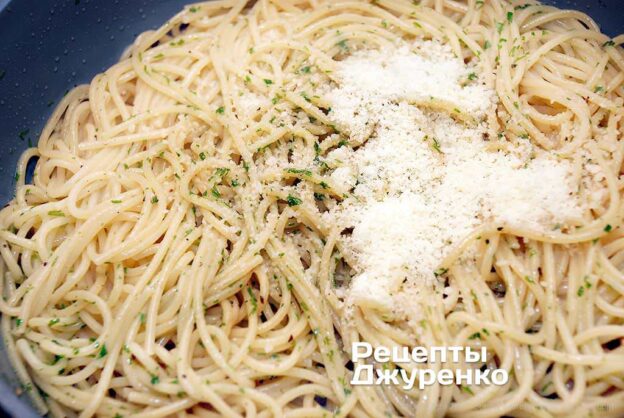
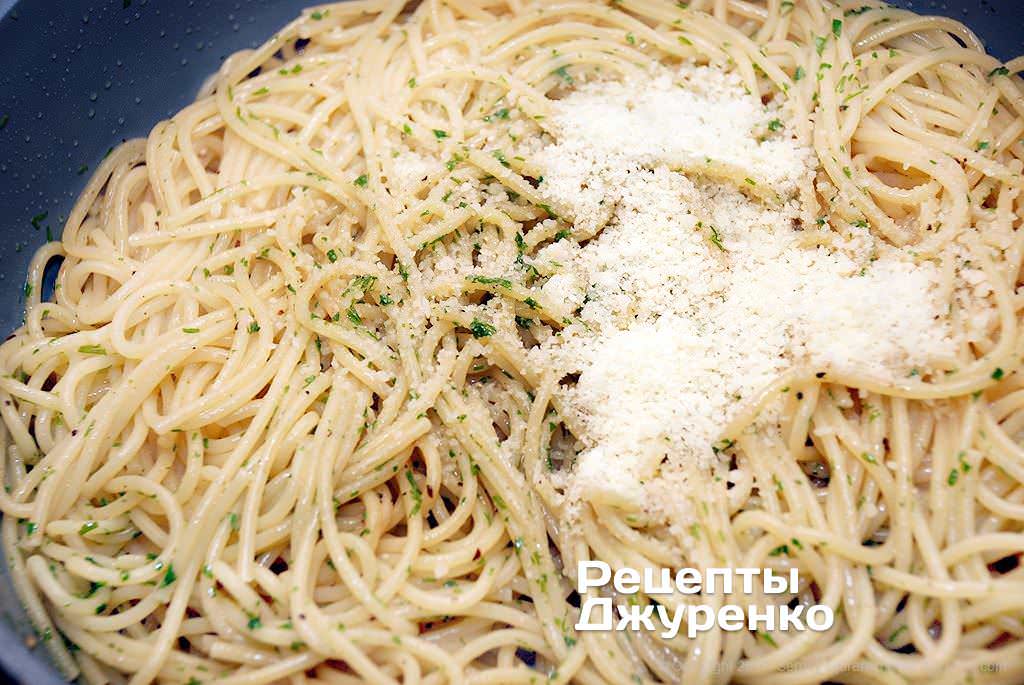
Sprinkle the spaghetti with the grated cheese.
Add a little very finely chopped mixed herbs (basil, dill, parsley), season with freshly ground black pepper, then mix.
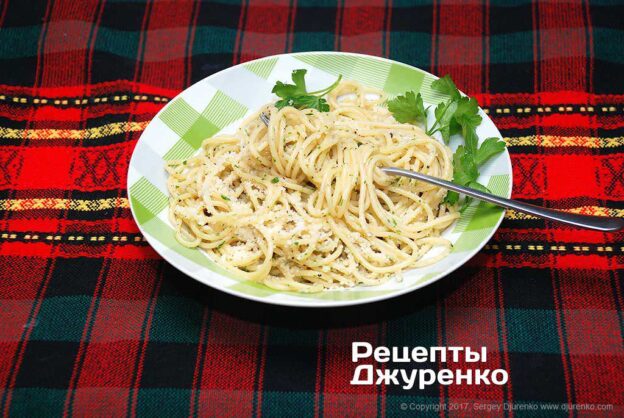
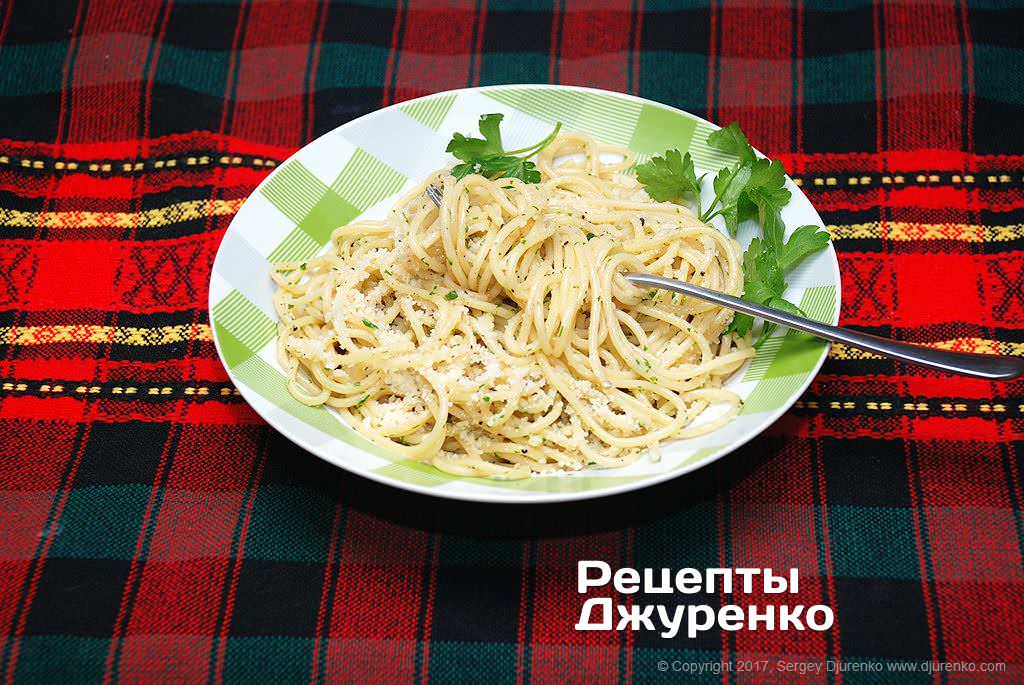
Divide the spaghetti among plates. Sprinkle with more hard cheese if you like. Spaghetti with cheese should be served right away: once it cools, the pasta becomes stiff and unappealing.
Calories and macros
745 kcal
Serving ≈ 180 g
- Protein23 g13% of kcal
- Fat29 g37% of kcal
- Carbs92 g51% of kcal
100 g419 kcalProtein 12.9 gFat 16.6 gCarbs 51.5 g
Calculated from the recipe ingredients, excluding salt and spices. Data: USDA and Matvaretabellen.
How did you like this recipe?
To Get It Right
No cream needed
You don’t need cream here: the spaghetti is fried in garlic-scented olive oil, and the grated cheese coats it right away. So the pasta isn’t dry, and the dish stays simple.
To make it in the morning
Most of the time goes into bringing the water to a boil. Put the pot on the heat first and grate the cheese while the water heats up.
Have your own trick for this recipe?
Questions and answers
What cheese is best for spaghetti?
An aged Italian hard cheese: Parmesan, Pecorino or Grana Padano. Grana Padano is cheaper than Parmesan and just as tasty.
When should you add cheese to pasta?
At the very end: the spaghetti is first fried in garlic oil, then sprinkled with cheese, herbs and pepper, mixed and served right away. Add a little more cheese on the plate if you like.
How to cook spaghetti?
For 250 g of spaghetti, use 2–3 l of water and 7 g of salt per liter. Drop the pasta into boiling water and cook for the time given on the package — that’s al dente. Never overcook it.
How to make spaghetti with cheese in a frying pan?
Transfer the al dente spaghetti to a frying pan with the hot olive oil the garlic was fried in, and fry, stirring, for 4–5 minutes over medium heat. Then sprinkle with cheese and herbs and mix.
What pasta works for pasta with cheese?
Any pasta, although I prefer long shapes: spaghetti, capellini, fettuccine. Long pasta holds thin sauces less well, but it goes perfectly with grated cheese and other additions.