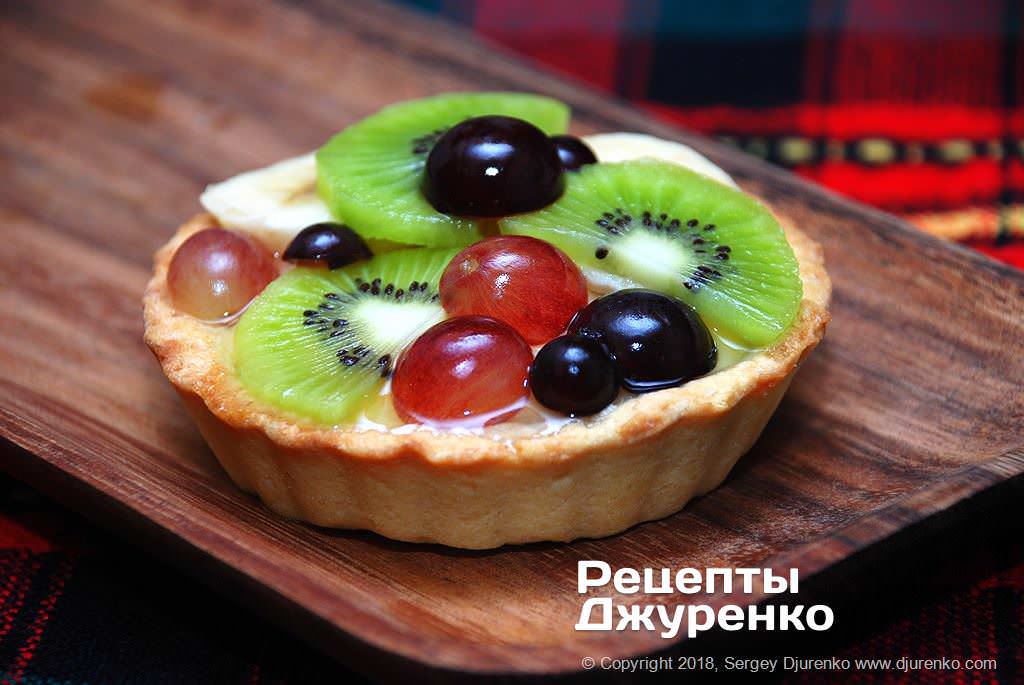
Sweet Fruit Tartlets with Custard – Step-by-Step Recipe
As a kid, my favorite pastry was the shortcrust cup with fruit, a layer of custard and a light jelly on top. The name “sweet fruit tartlets” I only learned later. It is an amazing combination of shortcrust pastry and fresh berries – raspberries, strawberries, often blueberries and grapes. To be honest, I didn't even need tea with a dessert like that, though my mom insisted.
At some point it came as a discovery to me that a torte and a tart are two different pastries, not one and the same. The original French tart is an open pie made from a particular kind of shortcrust pastry with no added salt or sugar, baked as a flat round, rather like a pizza. It is usually easy to recognize by its fluted edge – the mark of a special baking pan.
The filling for a tart is up to you. It can be meat, mushrooms, vegetables, fruit, berries and so on. The filling is covered with an egg and cream mixture and baked. An apple tart is somewhat like a charlotte, only made with shortcrust pastry. There is a separate kind of tart baked in small molds – these are savory or sweet tartlets. I once read somewhere that long ago such little cups were baked right in a wood-fired oven and called “tartines”.
Tartlets are made to be filled, usually with something sweet. But nobody said that a small tart of unsweetened pastry filled with pâté or your favorite sandwich spread would taste bad. Besides, there are plenty of examples of these cups being used as the base for individual appetizers with sausage, olives, salty cheese and so on.
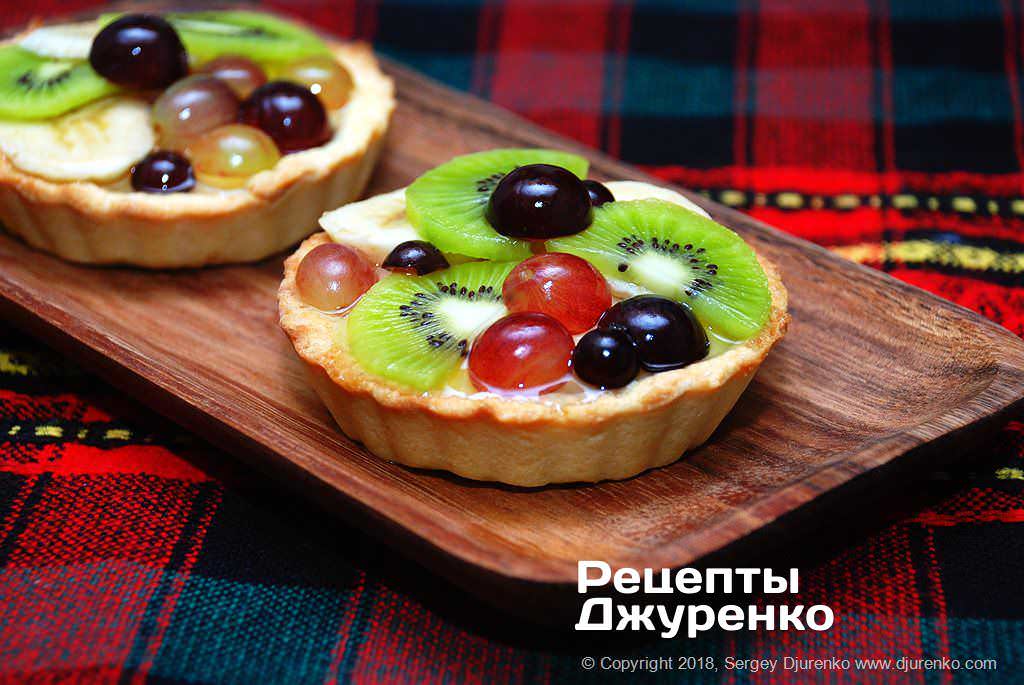
Sweet tartlets with custard, topped with fruit and berries, under a meringue or a snow-white cap of whipped cream, are a luxurious dessert. Fruit cups with custard are easy to make and serve as the base for elegant desserts.
On their own, tartlets are rather “dry”. So before the fruit and berries go in, they are filled with a cream – most often custard, crème anglaise, or, less often, crème brûlée. Broadly speaking, these are all variations of the custard used to fill cream puffs. Fruit pastries with custard, especially in a shortcrust tartine, are a very tasty dessert and a pleasure to look at, too.
Ingredients
4 tartlets
- Wheat flour 1 cup
- Egg 3
- Sugar 3 tbsp
- Butter 30 g
- Milk 1 cup
- Corn starch 1 tbsp
- Gelatin 1 tsp
- Vanilla, citrus extract to taste
- Bananas, kiwi, grapes, etc. for the topping
Step-by-step recipe
- Small tartlets up to 10 cm across are very handy bases for desserts and appetizers. Since the dough contains no water, they keep for a while, so you can bake as many as you need in advance. Very convenient silicone molds are sold now – the dough doesn't stick to them, and the shortcrust cups bake evenly and uniformly.
- Shortcrust pastry for tartlets
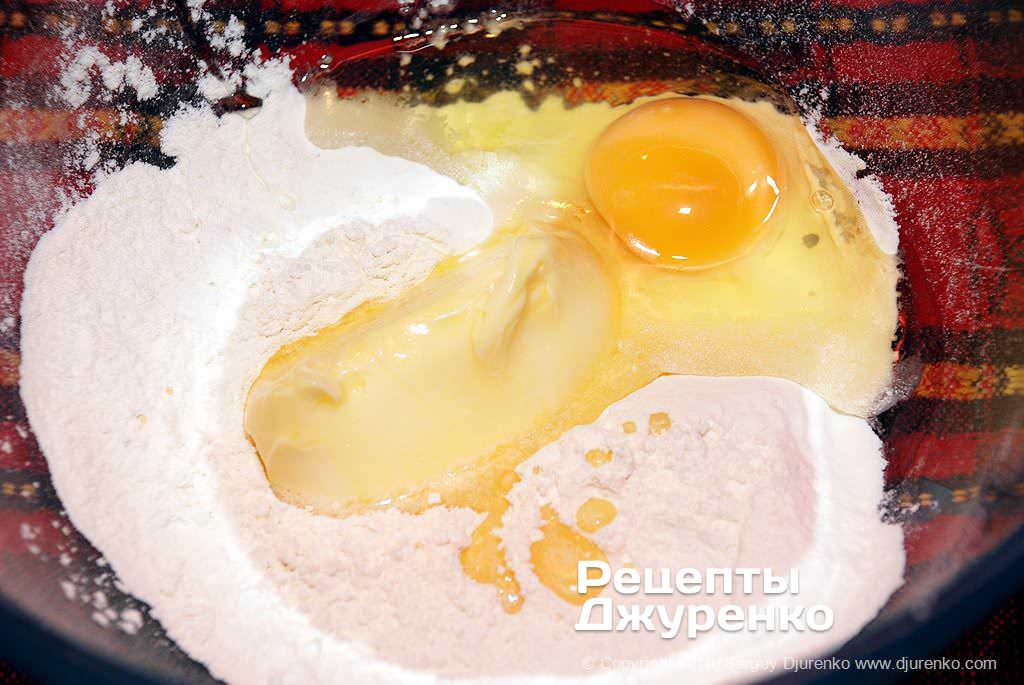
- To bake four 10 cm tartlets, you will need 1 cup of flour, an egg and 30 g of butter. To make the dough fragrant and slightly sweet, add 2 tbsp of sugar and natural vanilla (vanilla sugar works too). Sift the flour and mix it with the sugar and vanilla. Stir so that everything is evenly distributed. Add one egg and the softened butter.
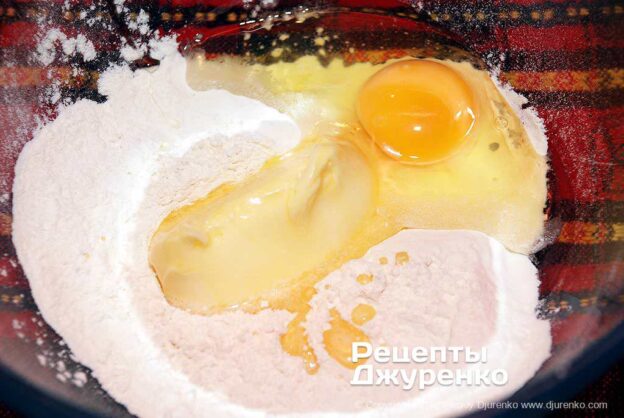
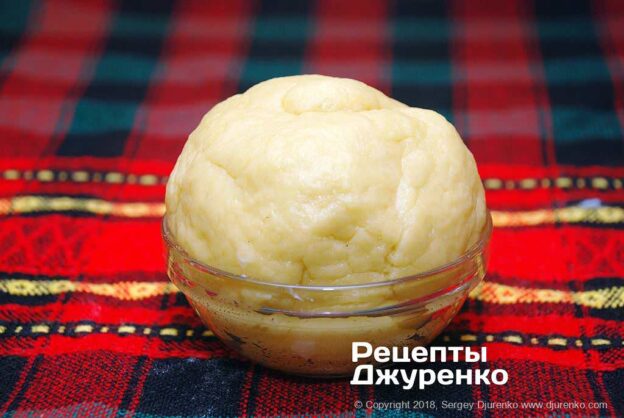
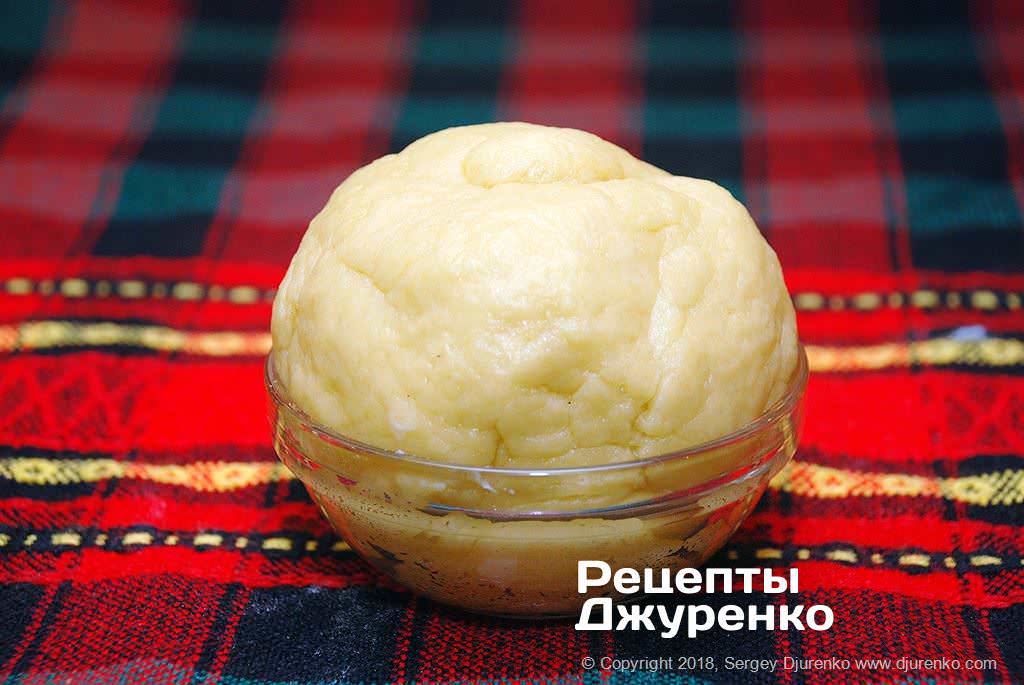
- Knead the shortcrust dough very thoroughly. The fat blends well with the flour into a smooth mass. Keep kneading until the egg has dissolved the sugar. If needed, add flour a pinch at a time. You will end up with a smooth, soft dough. Roll the dough into a ball and put it in the fridge.
- How to bake
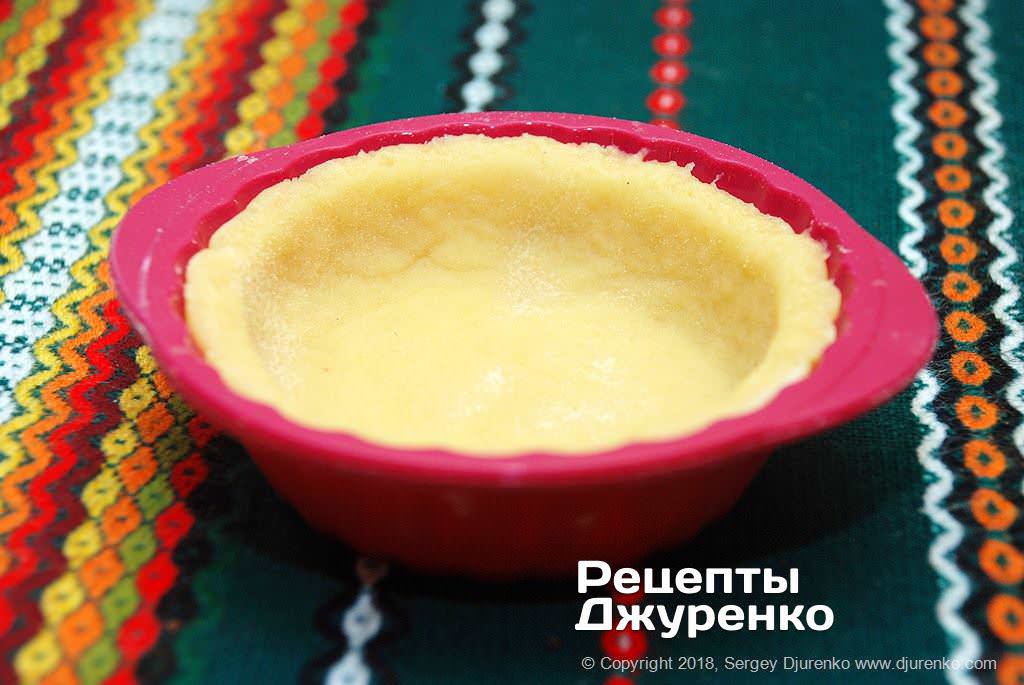
- There's no need to grease silicone molds. They are “slippery” enough on their own, and the shortcrust dough for the cups contains butter. Divide the dough into four parts and roll each out with a rolling pin to about 1 cm thick. Place the dough in a silicone mold and press it up the sides with your fingers to an even thickness. Pinch off the excess dough, using the rim of the mold as a guide.
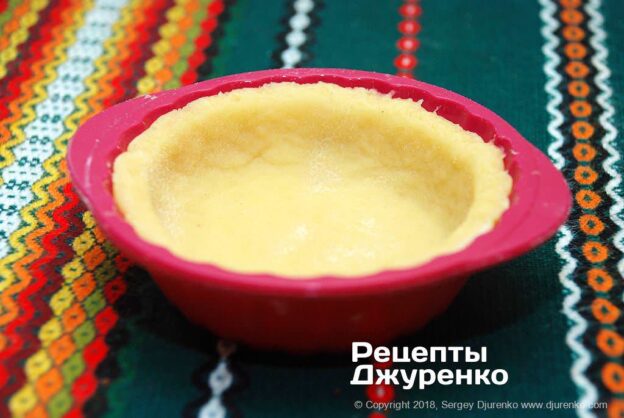
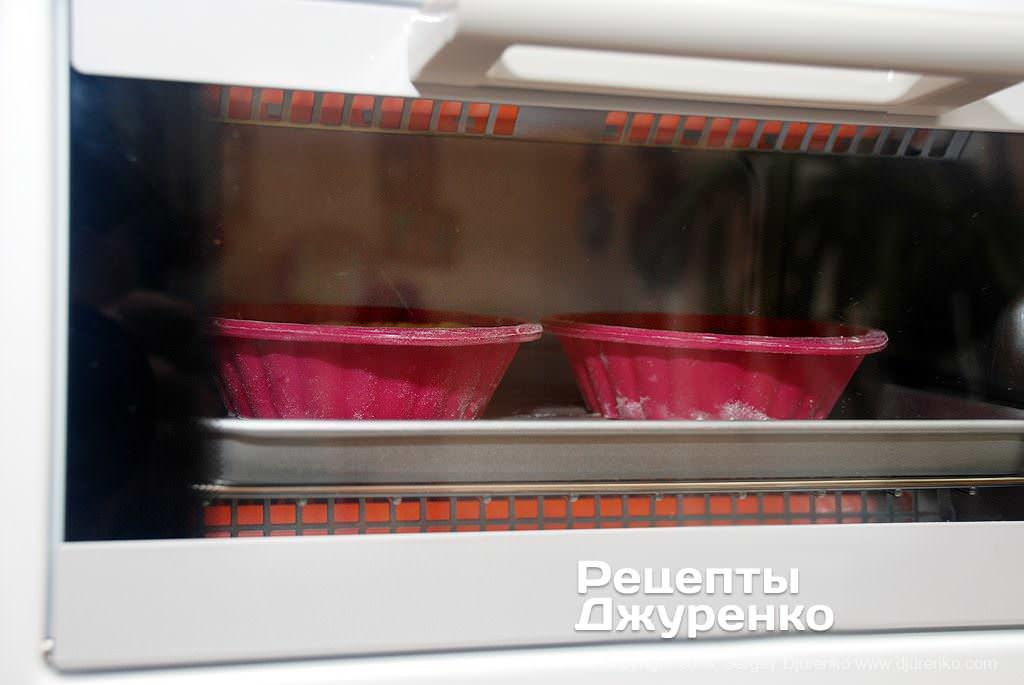
- You can bake the tartlets in a small countertop electric oven or a regular oven. The electric one is more convenient, since it holds the temperature steadily. I bake crème brûlée in mine, and quite successfully. Preheat the oven to 180 °C. Carefully prick the dough on the bottom of the mold with a fork so it doesn't puff up while baking. Put the molds with the dough in the oven.
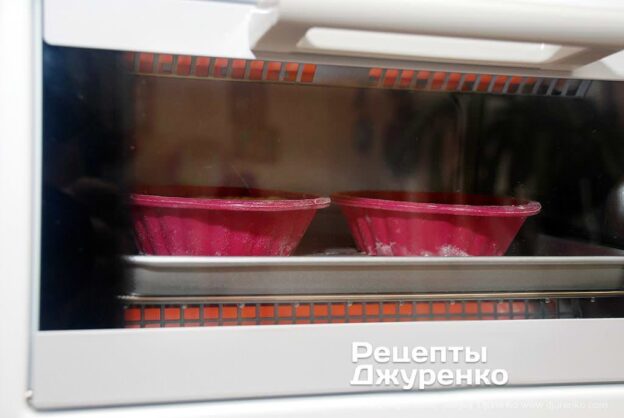
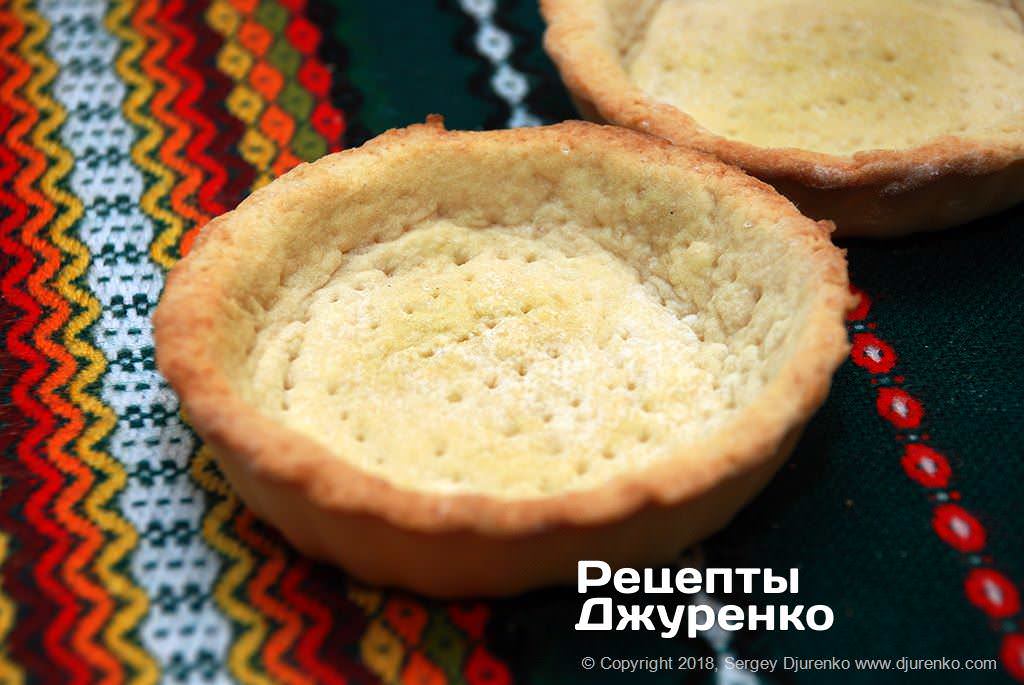
- At this temperature the shortcrust will be ready in 15-20 mins. Go by the color of the dough – it will soon start to brown, especially on the side pressed against the wall of the mold. The dough also “slides” down the sides of the mold a little and settles. The shortcrust cup will end up slightly lower than the mold – that's normal.
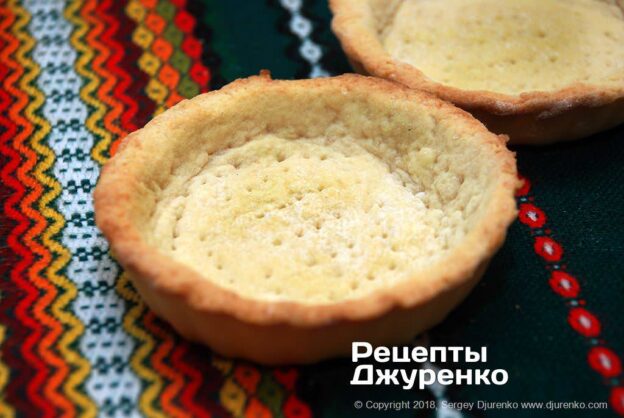
- Tip the finished tartlets out of the molds – they don't stick to silicone at all. The pastry cups need to cool to room temperature; lay them out on a clean cloth for that.
- Custard for fruit tartlets
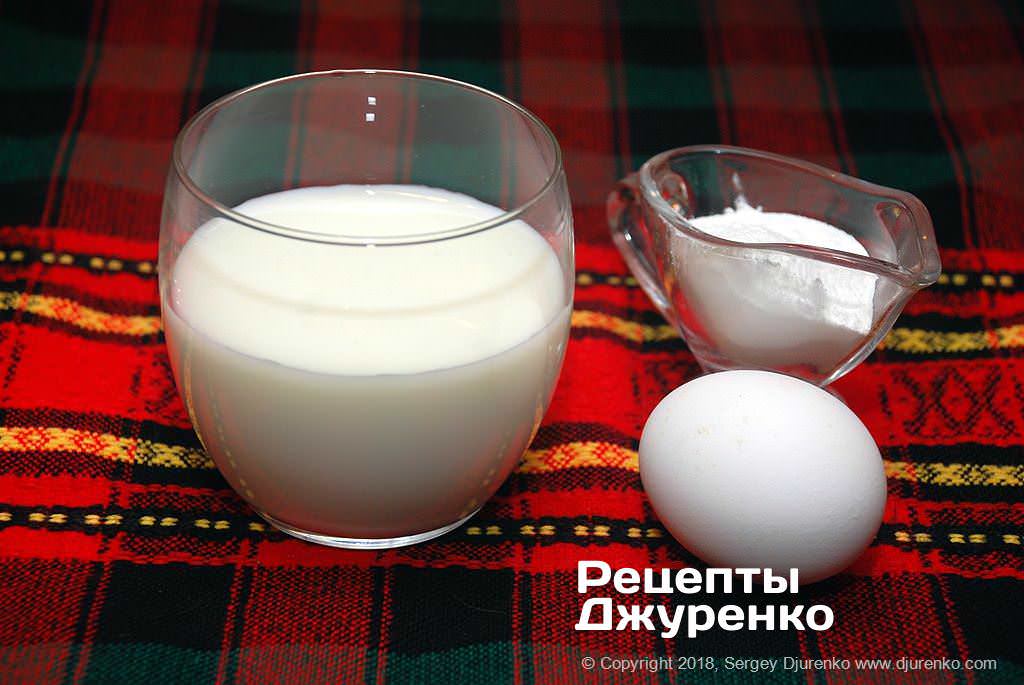
- For the custard you need regular fresh milk with 2.5-3% fat. We decided not to add egg whites, although many recipes recommend it. For the custard we prepared two egg yolks, corn starch, sugar and vanilla. We also decided to add citrus extract for aroma and flavor – literally a few drops.
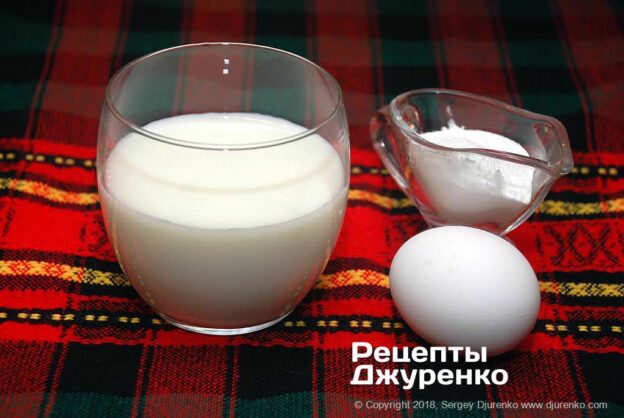
- In a cup, mix 1 tbsp of corn starch, two egg yolks and 2-3 tbsp of milk. Stir thoroughly and leave for the starch to swell. Put the rest of the milk in a small saucepan over the heat, adding the vanilla and citrus extract. Stir 1 tbsp of sugar into the milk.
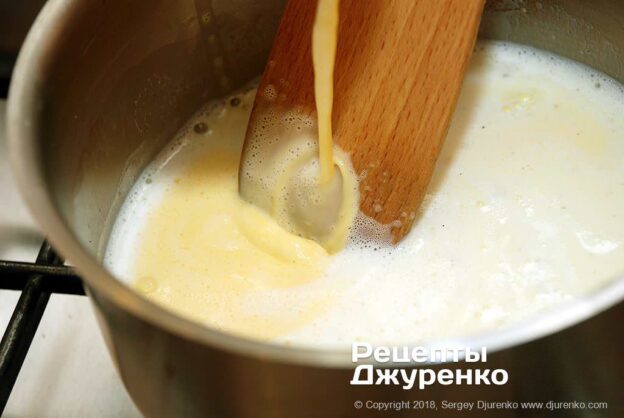
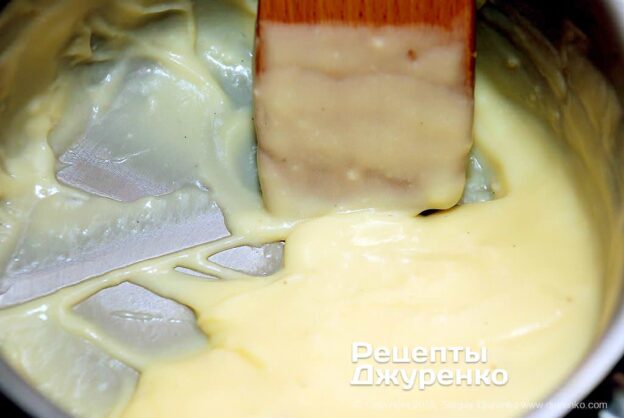
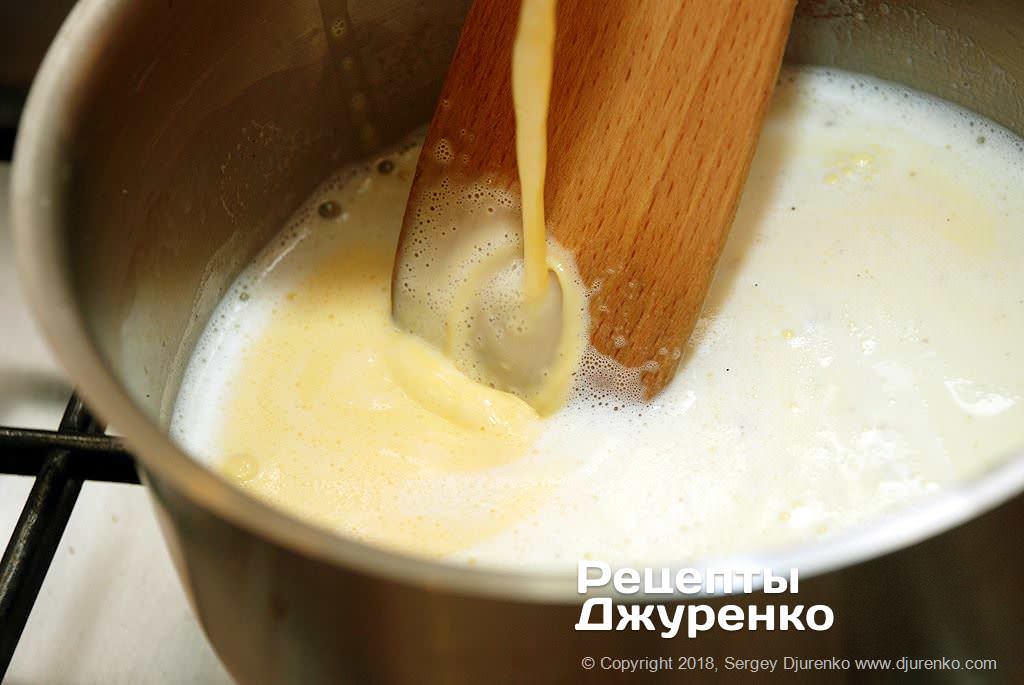
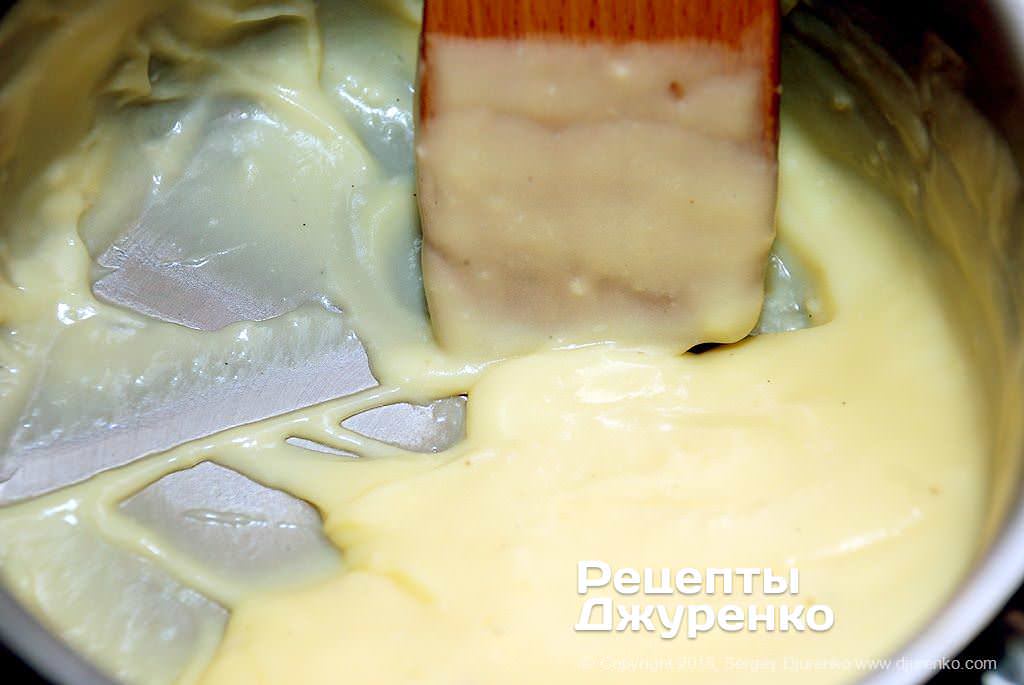
- When the milk is well heated but still far from boiling, pour in the mixture of yolks, starch and milk. Do this while stirring the milk quite vigorously with a wooden spatula. As it heats, the starch will “cook”, forming a fairly thick but still pourable custard.
- Filling the cups with custard
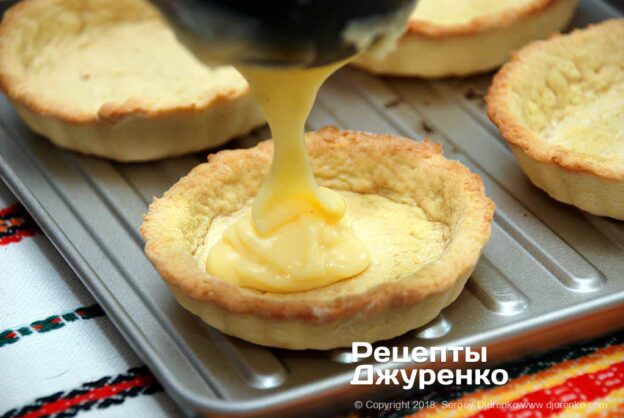
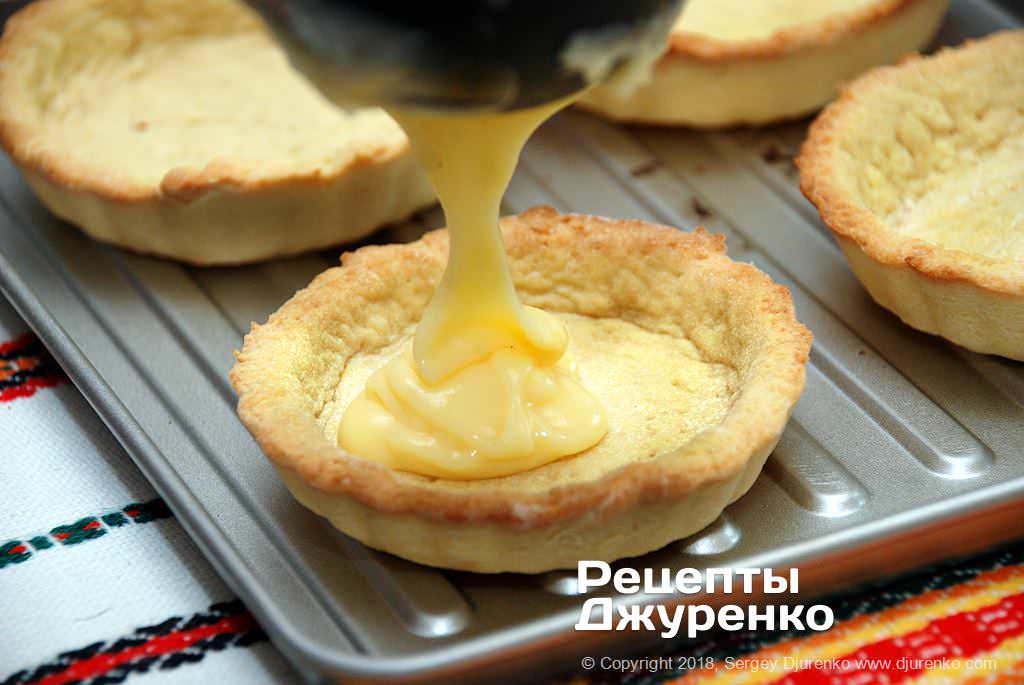
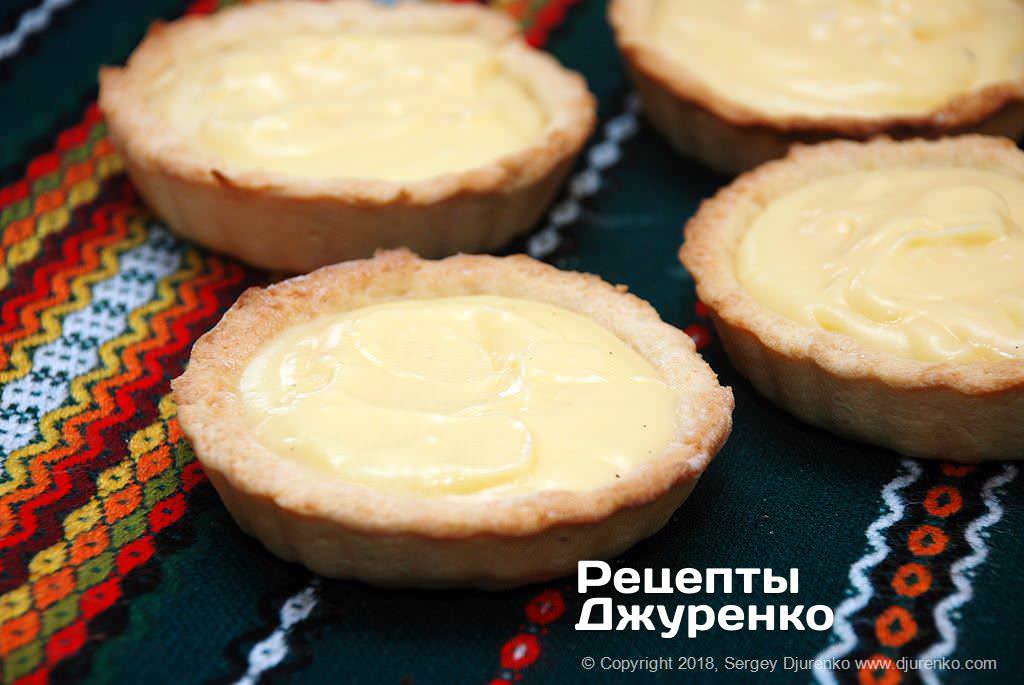
- Set all the baked cups on a plate or a small tray. Using a spoon, pour the warm custard into each sweet cup. The custard flows easily off the spoon, so it is easy to divide between the cups. Fill them almost to the rim of the shortcrust.
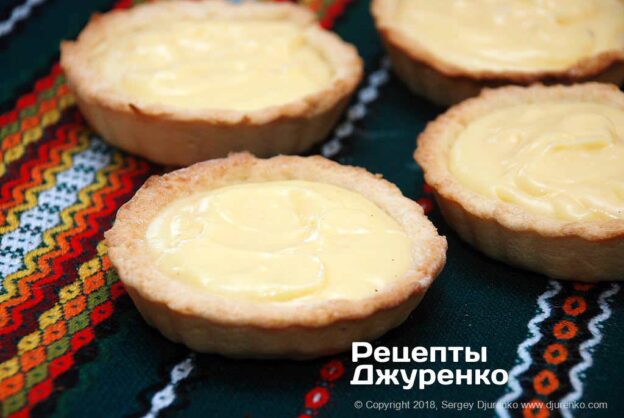
- Next – and this is important – the custard tartlets need to be well chilled. Put the cups with custard in the fridge for 30 mins, or better for 1 h. The custard sets beautifully into a cream with a pleasant yellow hue and a texture like a not very firm jelly. While the cups are chilling, dissolve 1 tsp of instant gelatin in 2-3 tbsp of water in a small saucepan.
- Making a delicious fruit dessert
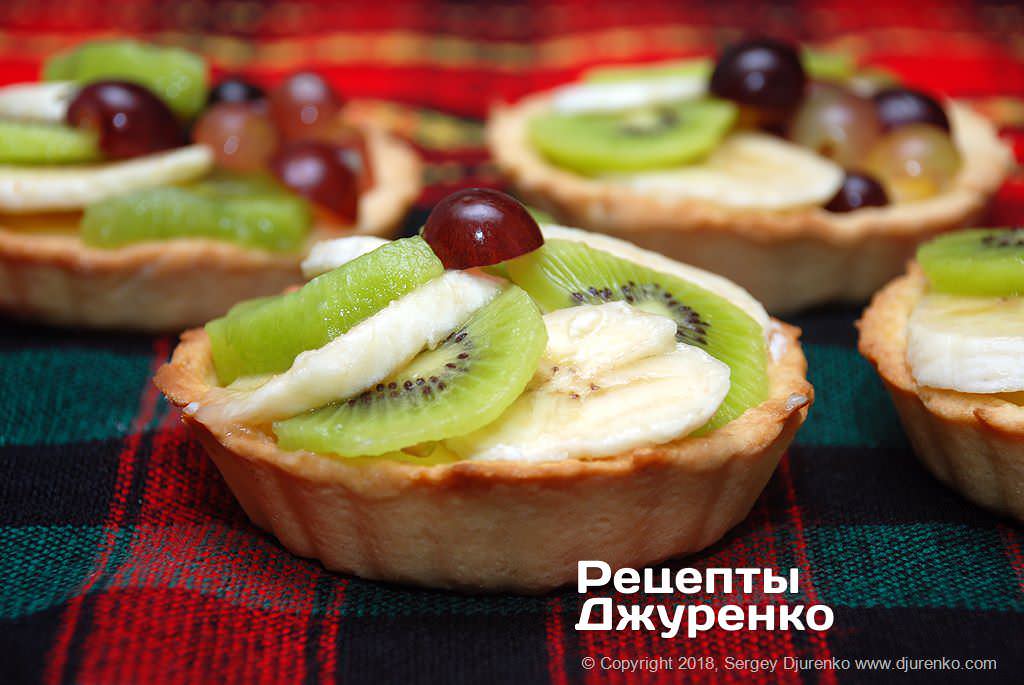
- The choice of fruit and berries for this custard treat is up to you. My only advice is not to pile on too much topping and to use no more than 3-4 kinds of fruit and berries. Peel the kiwi and bananas and cut them into thin slices. Large grapes are best cut in half and seeded. If you decide to add raspberries, blueberries or blackberries, just wash and dry them. Strawberries are better sliced, although small berries look lovely whole.
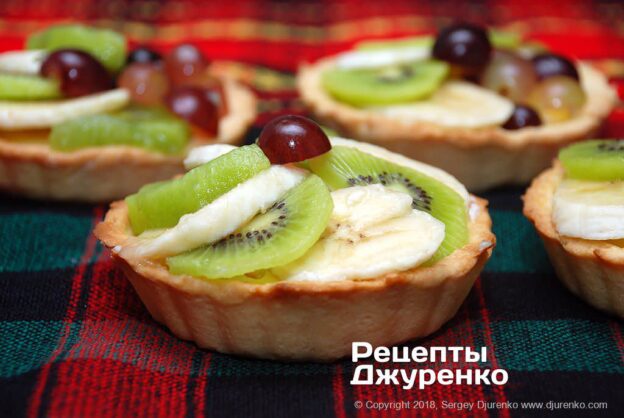
- Arrange the fruit on top of the custard in each cup. You can do it quite artfully and beautifully. The fruit slices should lie in a single layer, while berries and grapes can be scattered over the cup or piled up in a small mound. To make the dessert a feast for the eyes, try to alternate fruits of different colors.
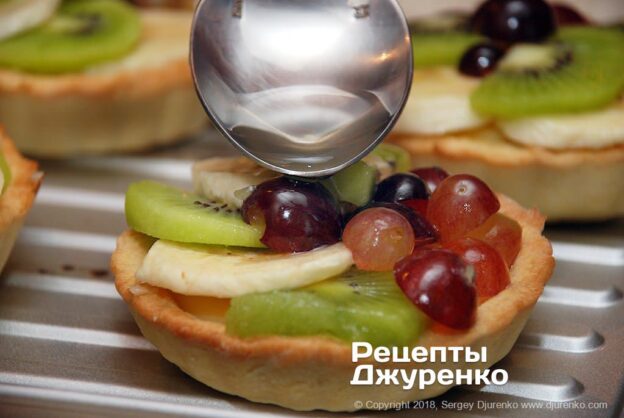
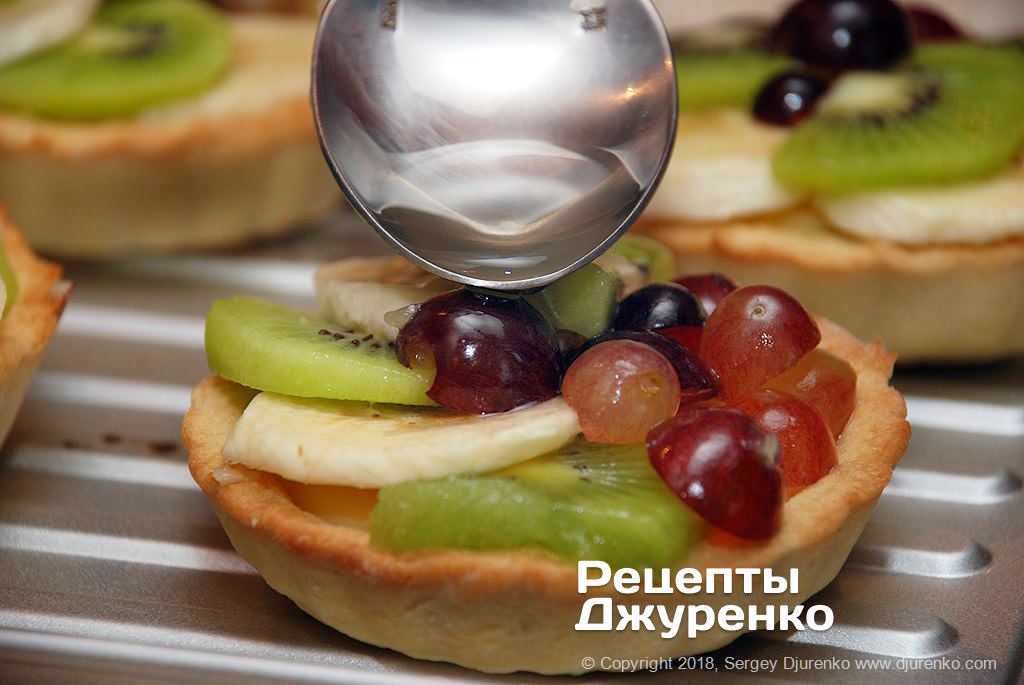
- Heat the gelatin in the water until it has completely dissolved. Cool the gelatin to room temperature. Spoon it over the fruit on the sweet cups to form a thin layer of jelly. Put the cups back in the fridge – for just 15 mins, the gelatin sets very quickly.
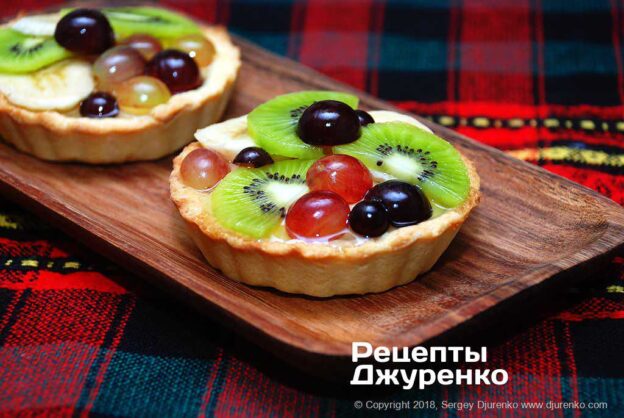
- Serve the finished tartlets with custard and fruit in jelly as a dessert. They are so tasty that I'm not sure they need tea or coffee at all. I'd say the perfect drink for fruit tartlets is a good, slightly sweet red wine.
| Yield: | 4 tartlets |
| Calories: | 295 |
| Prep time: | 15 mins |
| Cook time: | 45 mins |
| Total time: | 1 h |
| Category: | Desserts and Drinks |
| Cuisine: | French cuisine |
| Rating: |
⭐
⭐
⭐
⭐
⭐
4.8
(6)
|