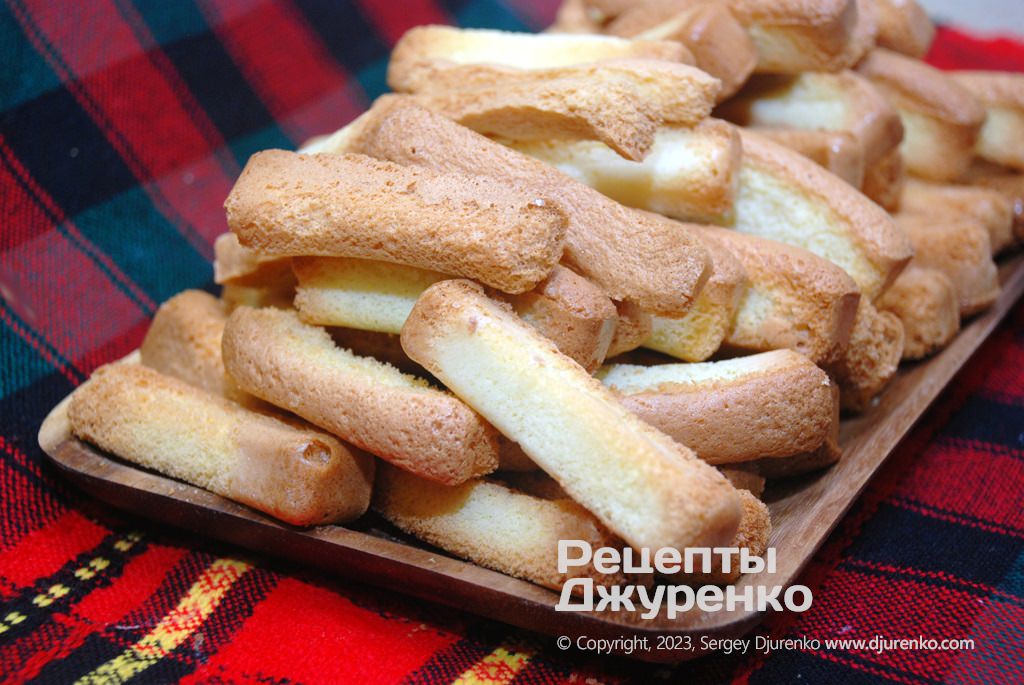
Homemade Savoiardi (Ladyfingers) for Tiramisu – Recipe
It's remarkable how often savoiardi turn up in desserts and cakes. Tiramisu, probably the most famous dessert in the world, is impossible without them, and so are all sorts of ice cream and liqueur cakes, trifles and charlottes. These are long sponge fingers, very crisp and dry, light and porous: they soak up liquid like a sponge and turn soft. They are also called “ladyfingers” or “boudoirs”. The biscuits come from Savoy, where they were invented some six hundred years ago.
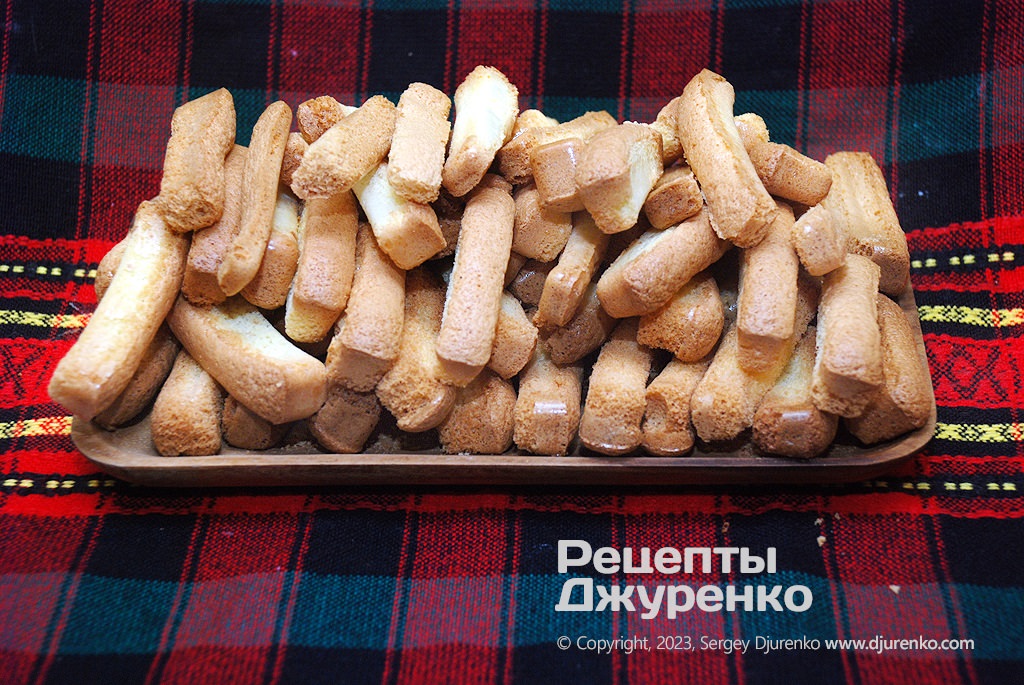
The neat geometric shape you see in shop-bought biscuits is really the result of factory moulding. At home they come out in a fairly “random”, even sloppy shape, since they are baked without a mould. For desserts that doesn't matter at all – the soaked fingers are covered with cream, and their job is simply to hold the liquid. The hallmark of these biscuits is the sugar crystals on top.
Ingredients
50-60 biscuits
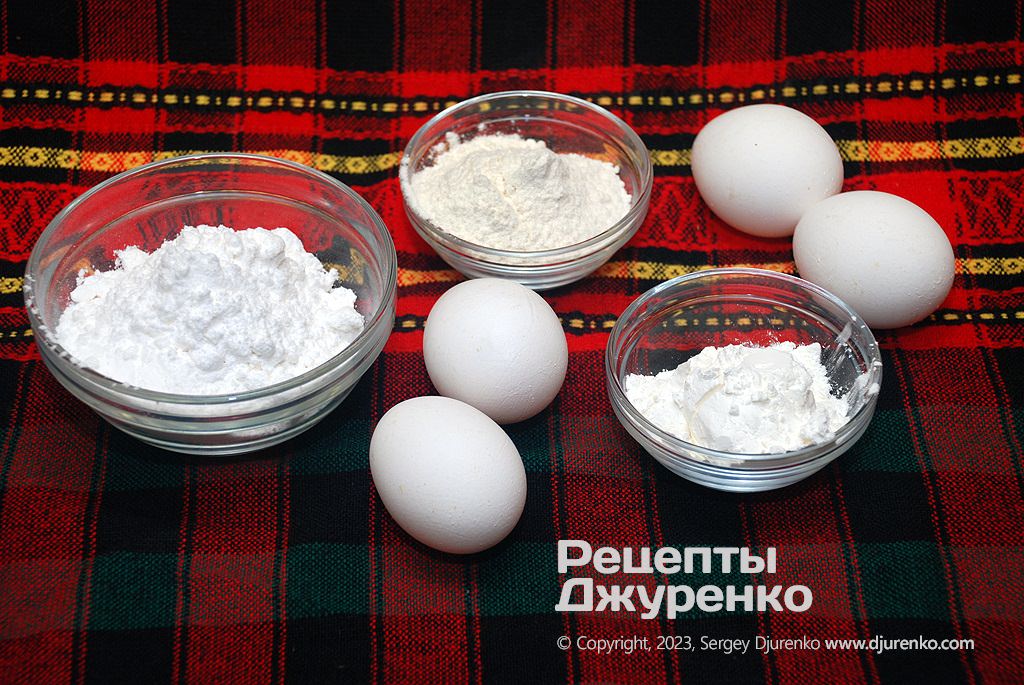
- Eggs 4
- Powdered sugar or granulated sugar 120 g
- Plain flour 90 g
- Cornstarch 1 tbsp
- Salt, vanilla to taste
Step-by-step recipe
- When you read about savoiardi, especially in French or Italian books, you notice something curious: the ingredients and proportions are roughly the same everywhere, but for some reason everything is given for 20 or 30 eggs. That many eggs will make a whole crate of biscuits, no less! At first I baked from a batter with 6 eggs, and got enough for two large tiramisu cakes. For a small family that's a lot. To make a dessert and have some left over for tea, 4 eggs is just right.
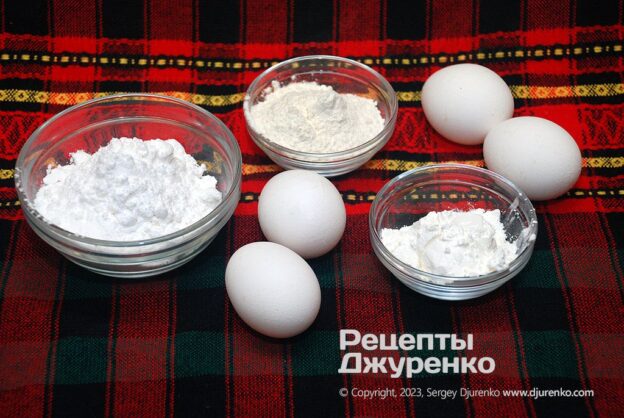
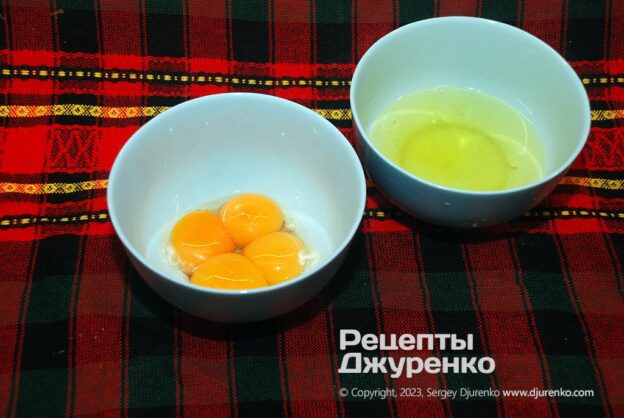
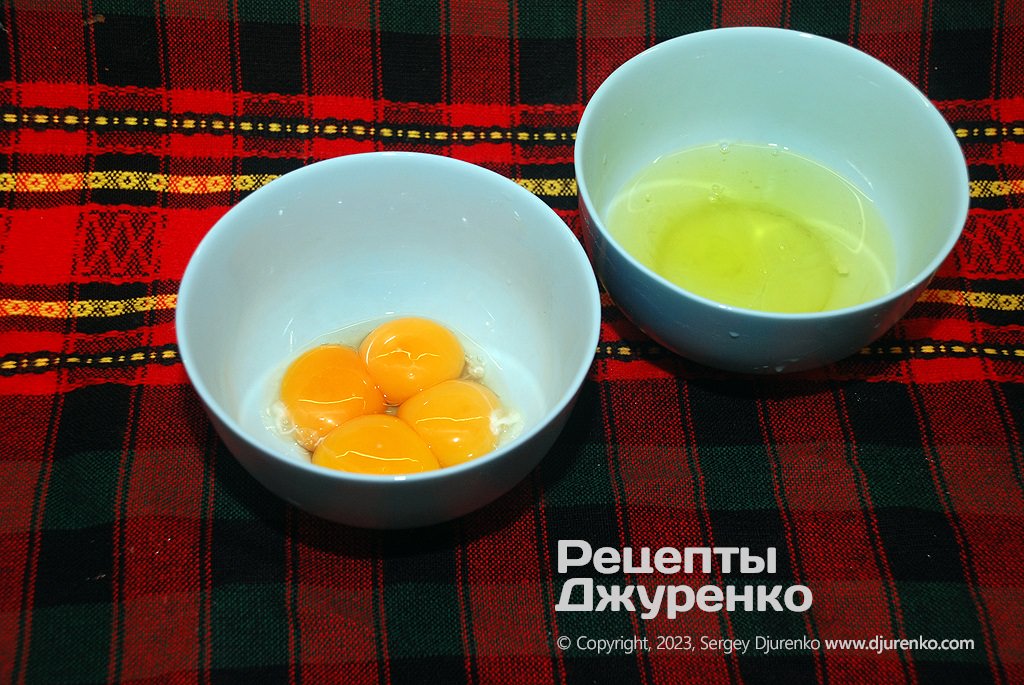
- It's important, right at the start, to separate the whites from the yolks carefully and thoroughly into different cups or bowls. Don't let any yolk get into the whites under any circumstances, and bits of shell, for obvious reasons, are completely out of the question. Chill the whites well so they whip up properly.
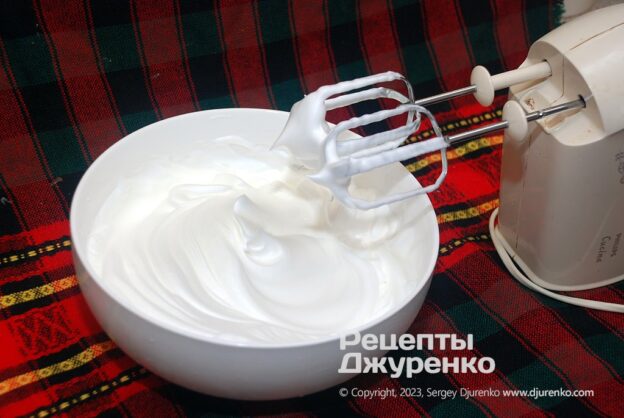
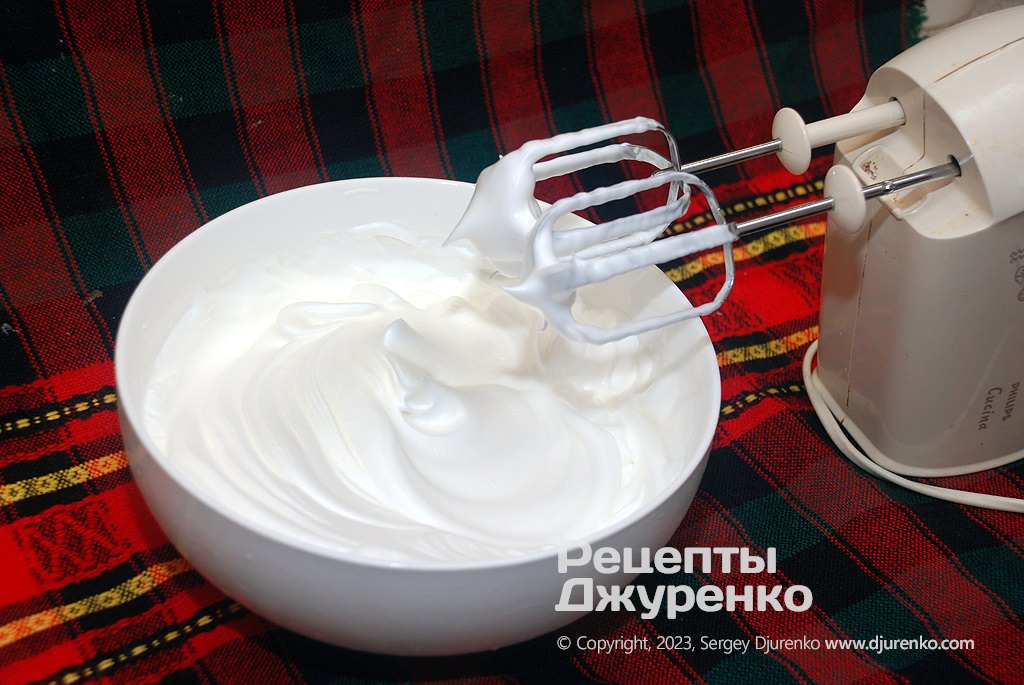
- You can use granulated sugar for the batter, but powdered sugar dissolves faster and better. Once the whites are chilled, pour them into the mixer bowl, add a pinch of salt and start whisking at low speed, then increase the speed. Ideally, set the mixer bowl in cold water, even with some ice added. When the whites begin to foam a little, add the sugar or powdered sugar in small portions. Use half of the prepared sugar for the whites. Whisk until the meringue is firm and doesn't slide out even when you turn the bowl upside down. Put the whipped whites in the fridge for a while.
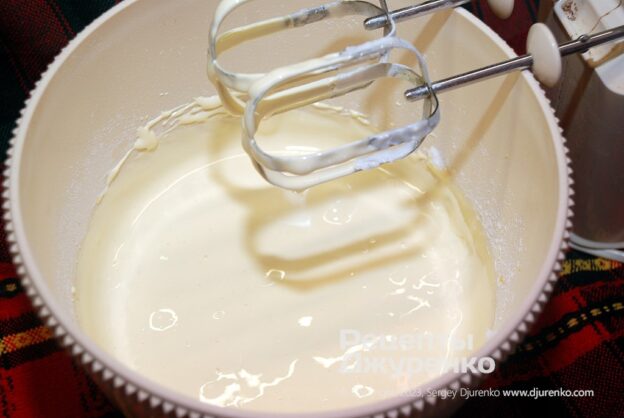
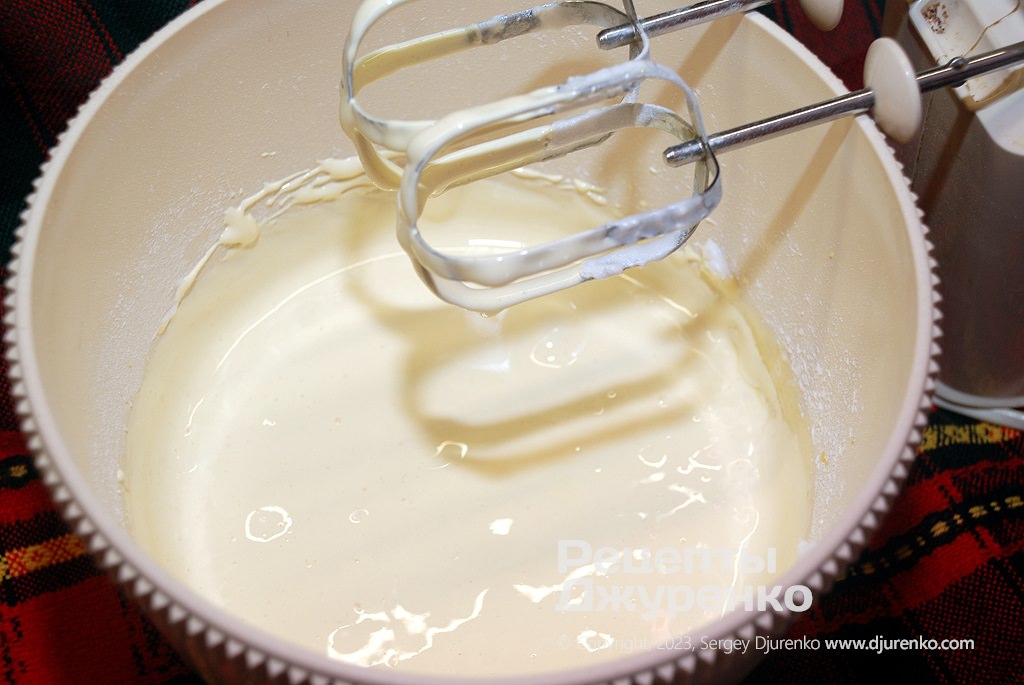
- In another bowl, beat the yolks, add all the remaining sugar and keep beating until the yolk mixture increases in volume and turns much paler. In consistency it resembles the base of tiramisu cream. At this stage you can add a few drops of liquid vanilla to the yolks if you like – it softens the eggy taste a little. That's the end of the preparation, really.
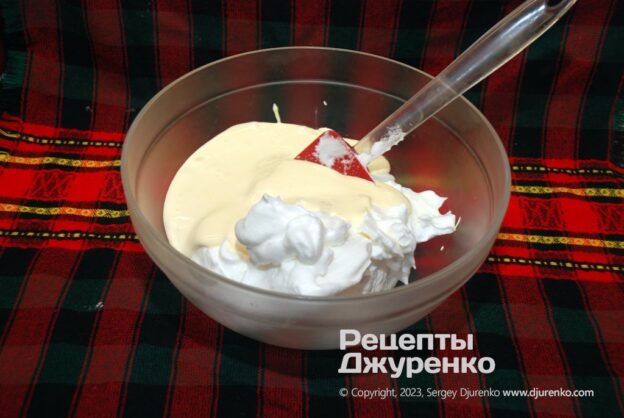
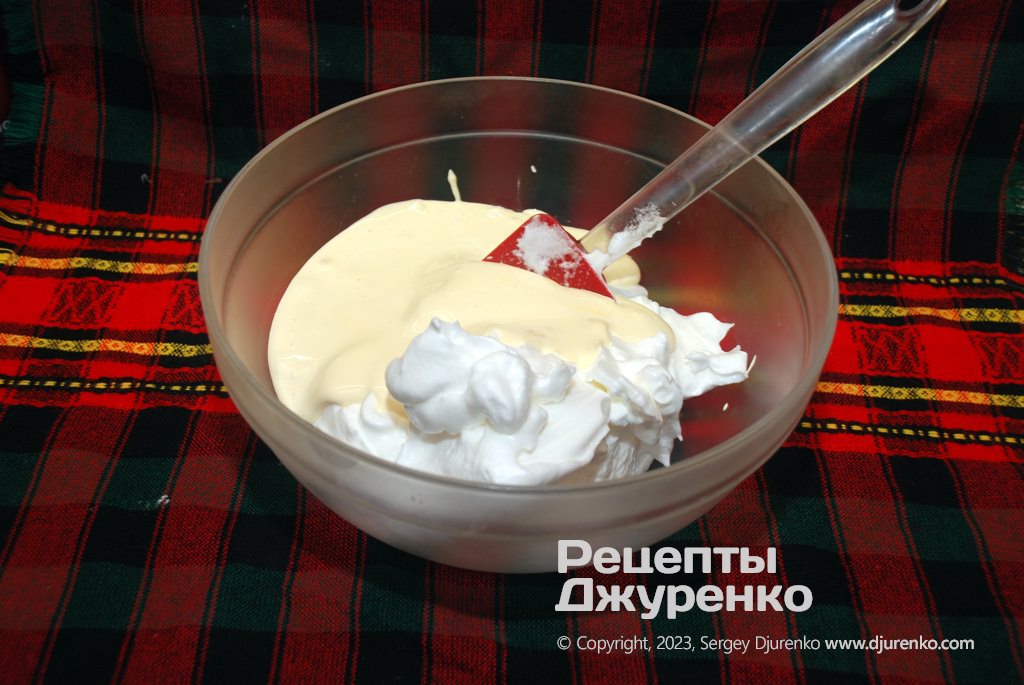
- Get a large bowl that will hold all the whipped whites and yolks. Using a spatula, carefully transfer the whipped whites into this bowl. I must admit, I managed it in one go – the meringue was so firm that it came out whole, simply dropping into the large bowl once I loosened it from the sides of the mixer bowl. Add the yolks to the same bowl. Very gently and slowly fold the whites and yolks together with a silicone spatula. Never rush the process. You'll end up with a completely smooth mixture – very thick, with no sign of runniness.
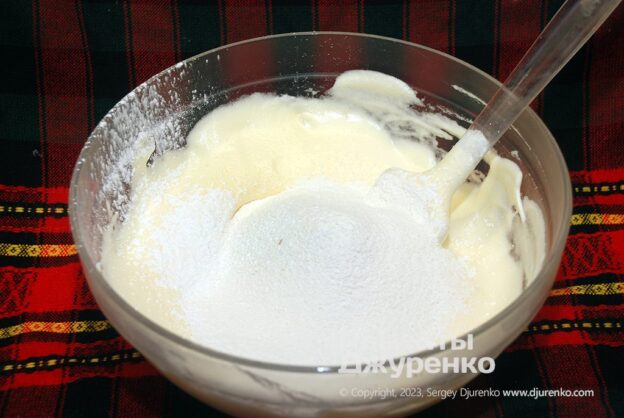
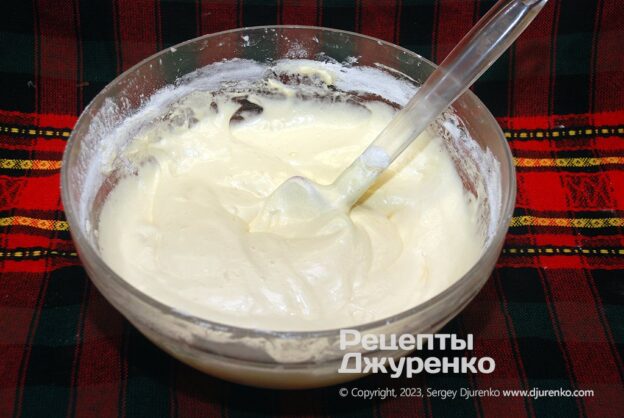
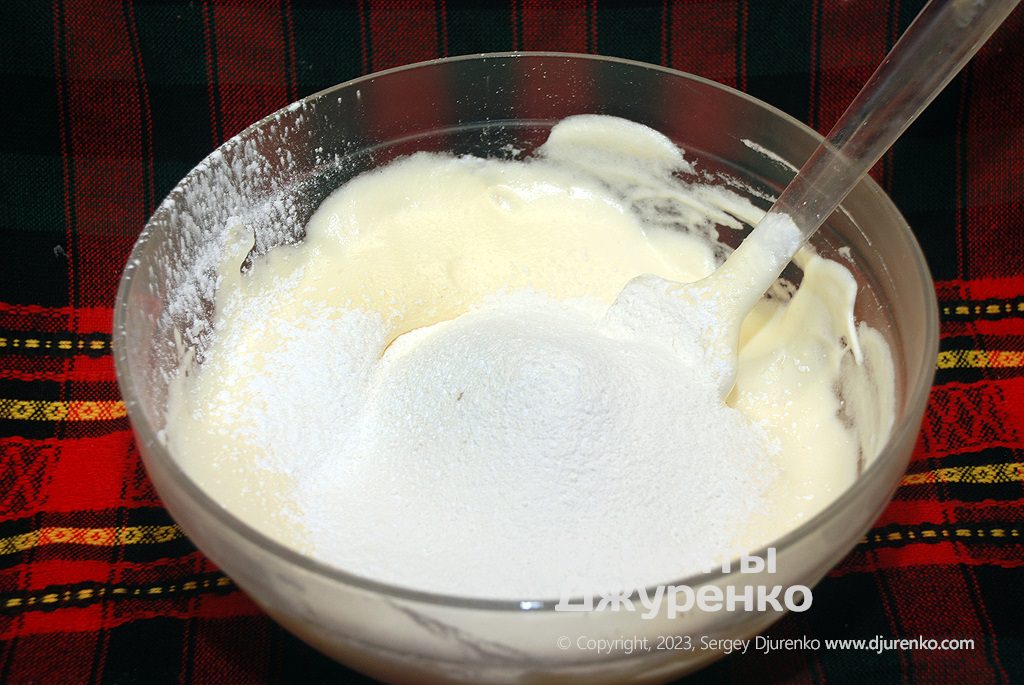
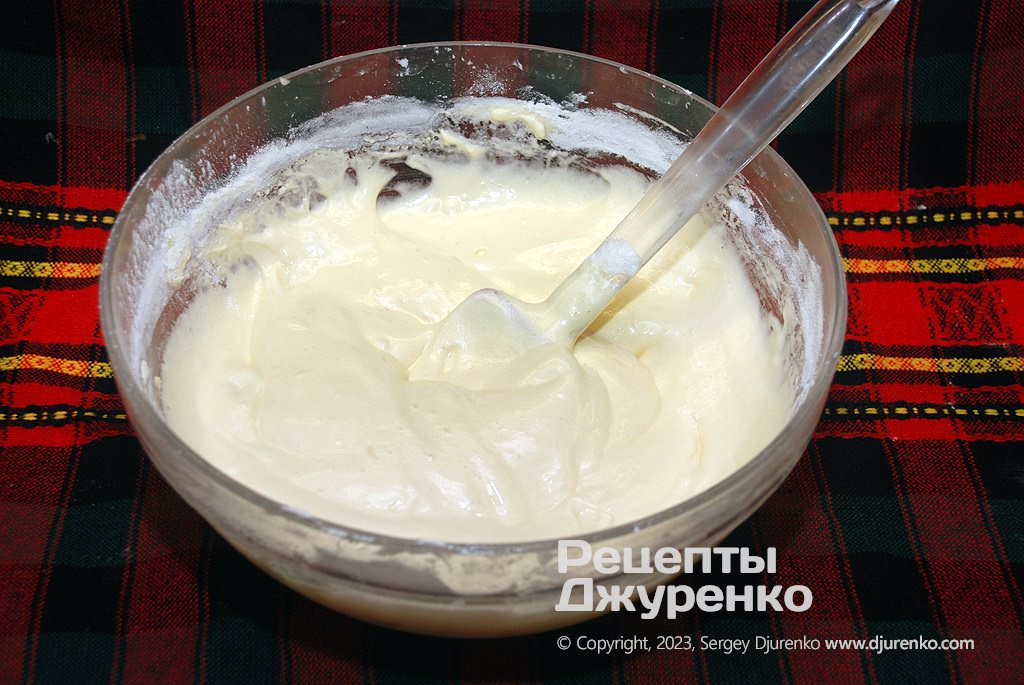
- Sift the flour. Flour usually has a lot of gluten, which works against a porous, dry texture – the savoiardi can turn out dense. That's why cornstarch is added to the flour. Add a heaped tablespoon, then mix everything together. By the way, no baking powder goes into this kind of batter. The porous, airy texture comes from the air in the whites. Add the flour and cornstarch to the egg mixture and fold them in with a spatula. You'll get a very thick batter, though it's runnier than sponge cake batter. Put the bowl in the fridge for a while.
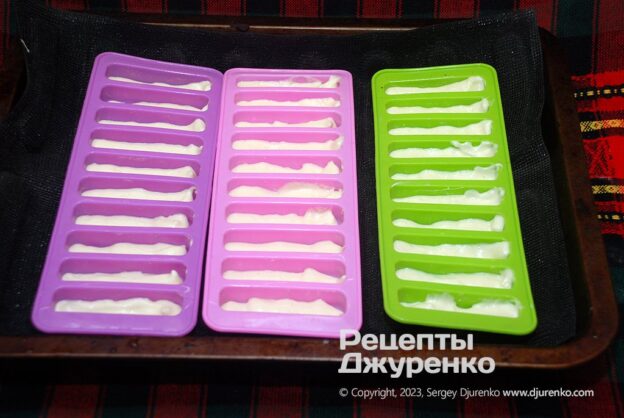
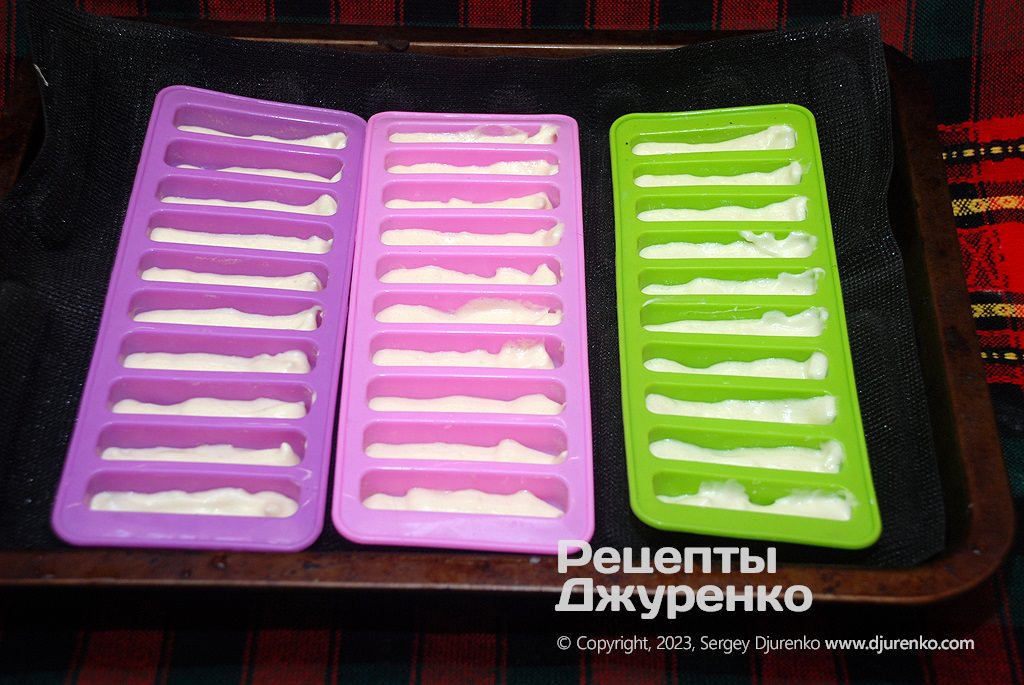
- Preheat the oven to 180°C and let it heat through properly. Now, how to bake the biscuits. Most often a regular baking tray lined with paper is used. The batter is piped onto the paper with a piping bag in finger-length strips – hence the special name “ladyfingers”. Alternatively, you can use silicone mats with markings or hollows, like those for baking éclairs. I bought several silicone moulds with 10 cells of the right length and cross-section. The way you shape the biscuits only affects their looks, and for desserts precise geometry doesn't matter at all.
- Transfer some of the batter into a piping bag with a nozzle. Then fill the mould cells no more than 2/3 full. Or pipe strips onto paper or a mat – in that case leave space between them, since the batter spreads a little at the start of baking. Very important: don't make the batter layer thick, or the biscuits won't bake through and may stay soft inside.
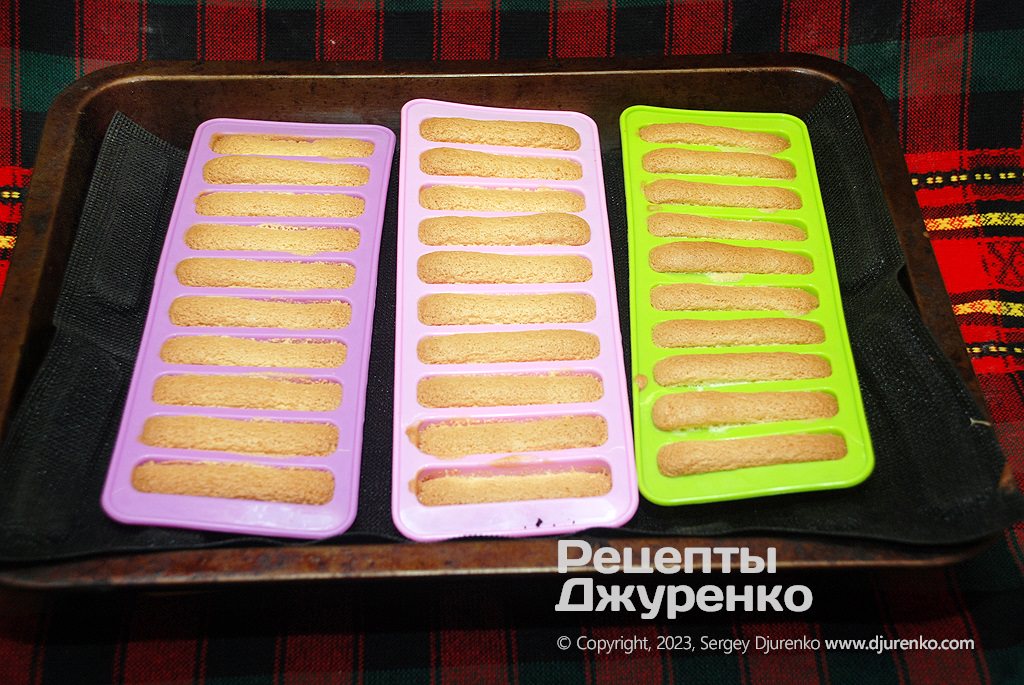
- Once all the biscuits are piped, sprinkle them with a pinch of sugar, though that's optional. Then put the biscuits in the oven. Savoiardi bake for 15-20 mins. By eye, they're done when they start to turn lightly golden and are no longer soft. If the biscuits are baked without a mould, they're ready straight away. Fingers baked in cells should be taken out of the mould and dried in the oven for a little longer – 2-3 mins.
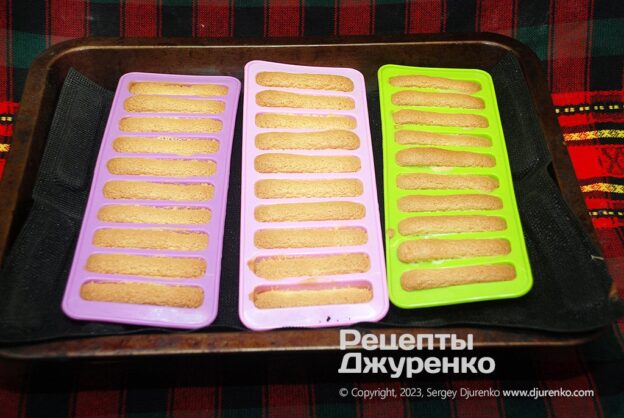
- Keep baking batch after batch until all the batter is used up. I got more than 70 biscuits. Spread the finished biscuits on a towel or cloth to cool. Even if the hot biscuits feel a little soft, they become completely dry and crisp once cooled. If the bake went well, the savoiardi feel almost weightless.
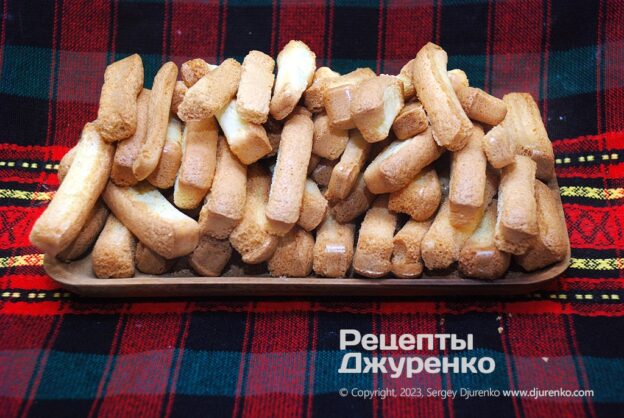
- Next, I recommend making tiramisu with your own homemade biscuits – the dessert will be twice, even three times as delicious, tried and tested! Remember that these biscuits are very porous and soak up moisture instantly: when making desserts, don't dip them in the soaking syrup for long, as the fingers go soggy quickly. If you need to store them for a while, keep them in a dry place.
Yield: 50-60 biscuits Calories: 320 Prep time: 15 mins Cook time: 30 mins Total time: 45 mins Category: Baking Cuisine: French cuisine Rating: