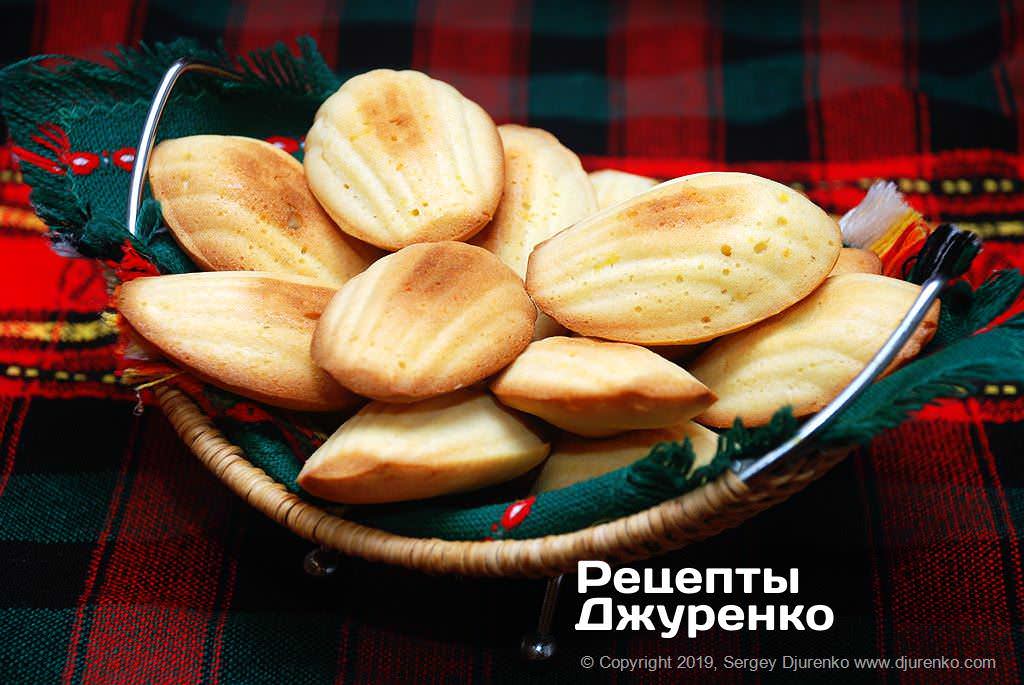
Madeleine Cookies: Classic French Recipe with Orange
Madeleines are hugely popular across Europe, especially in France. You have probably seen, and tasted, these small, soft sponge cakes shaped like a scallop or the shell in Botticelli's “The Birth of Venus”. They can be flat or domed, are often baked in a closed mold and have ridges on both sides.
Traditionally, madeleine batter is made from flour, butter, sugar and eggs, often (but not always) with a little baking soda. Lemon or orange zest, rum or fragrant liqueurs are used for flavor. Madeleines are baked in a special pan or tray with shell-shaped hollows, which the batter is poured into.
Like almost every famous dish, these cookies have a charming origin story. They say that more than a quarter of a century ago, during a formal dinner of the Duke of Lorraine, a quarrel between the suppliers and the head chef left the table without dessert. A maid named Madeleine smoothed things over by baking cookies from her grandmother's recipe. Ever since, they have carried her name.
These cookies were immortalized in Marcel Proust's novel, where the hero tastes one and is carried back to his childhood. When I tried a madeleine, I felt a long-forgotten taste of childhood. Long ago there was a similar cookie with that same flavor, only round. I loved it with fresh warm milk. It's worth noting that in France the expression “Proust's madeleine” often means exactly that: the taste of childhood.
Sponge batter is one of the simplest. As a rule, it's eggs whipped with sugar, butter and flour, plus various flavorings. The finished batter is poured into molds and baked. The result is then used to make cakes or pastries, or served as a dessert on its own. Sometimes there's an eggless sponge, with starch as the binder.

More with sponge cake
 Banana cookies
 Honey Cookies
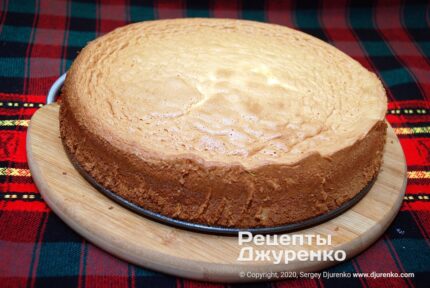 Sponge Cake Dough for Cake Layers
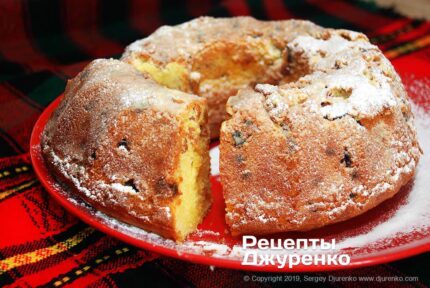 Raisin Cake
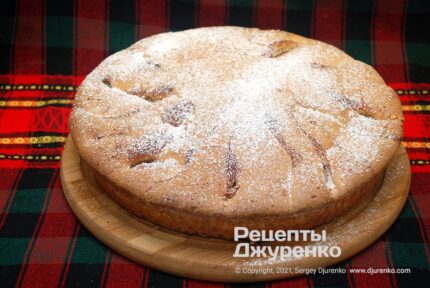 Pear Charlotte
Ingredients
12-15 servings
- All-purpose flour 1.5 cups
- Butter 120 g
- Eggs 2
- Sugar (white and brown) 4-5 tbsp
- Orange 1
- Salt, vanilla, Cointreau liqueur to taste
Step-by-step recipe
- It's best to prepare all the ingredients for madeleines in advance. Melt the butter in a cup, but don't let it get hot. Sift the flour so no lumps get into the batter. Grate the zest from a medium orange and squeeze the juice. Have the eggs and sugar ready. By the way, you can use regular sugar or mix white and brown sugar in equal parts.
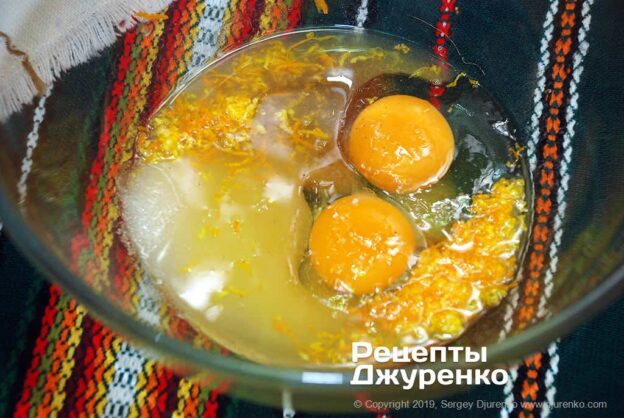
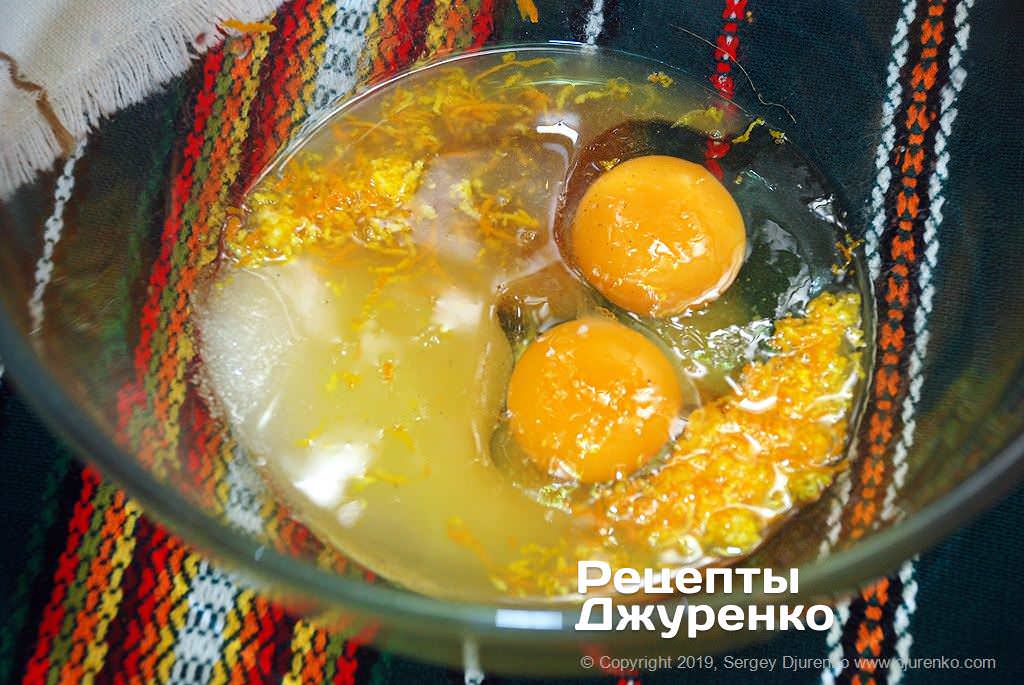
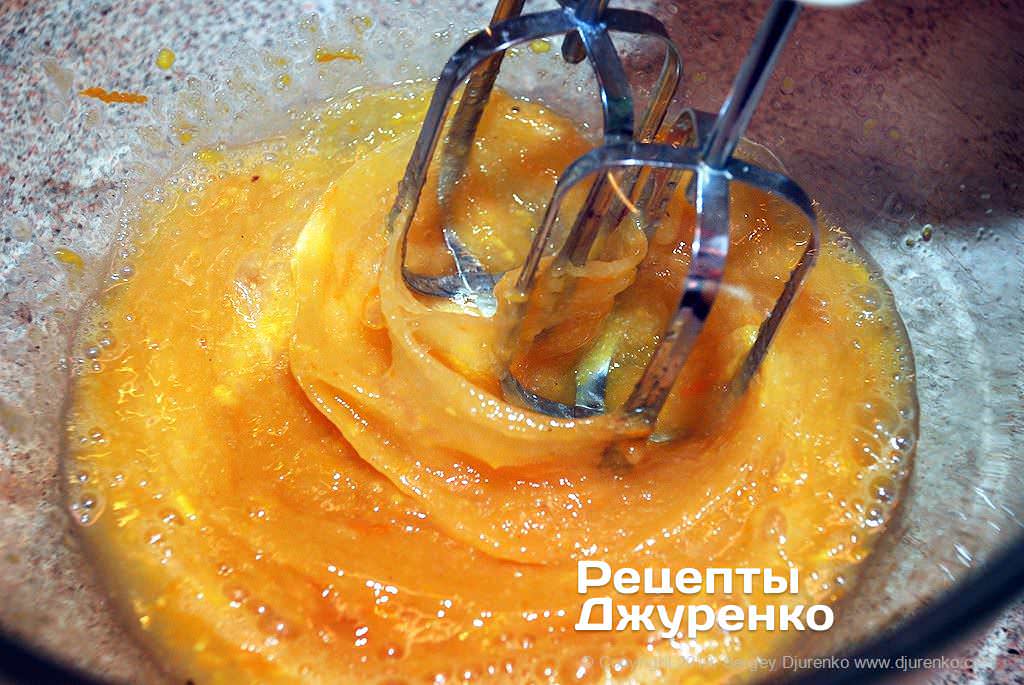
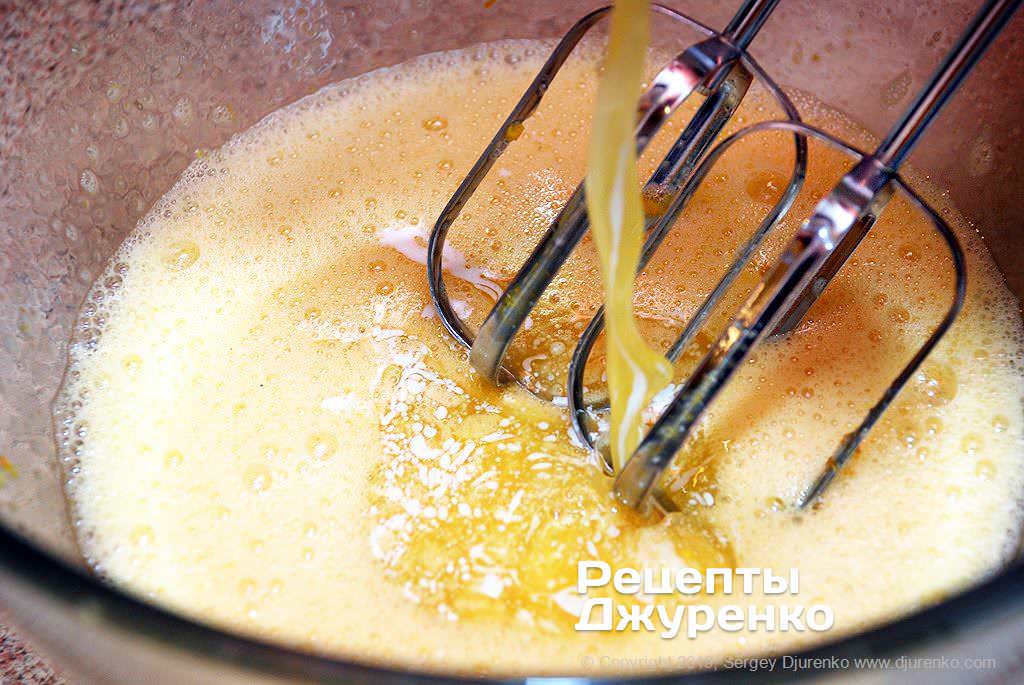
- In a large bowl, combine two eggs, sugar and vanilla to taste, and beat with a mixer until completely smooth. Add the orange zest and juice and, if you like, 1-2 tbsp of Cointreau orange liqueur.
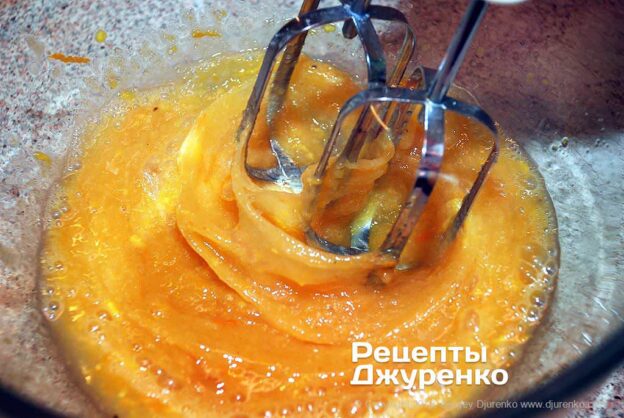
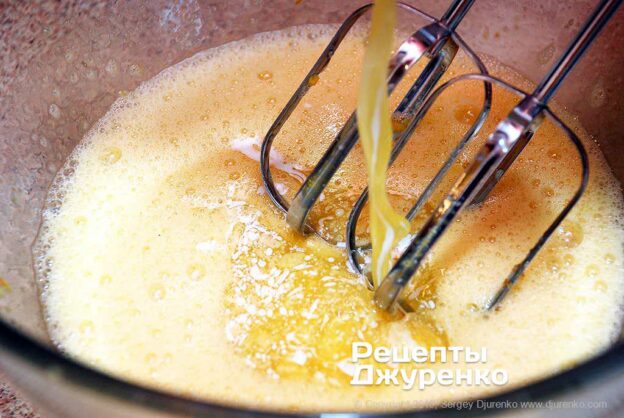
- Add a pinch of fine salt and beat again. While continuing to mix, pour in the melted butter. Make sure it isn't hot, or the eggs may curdle.
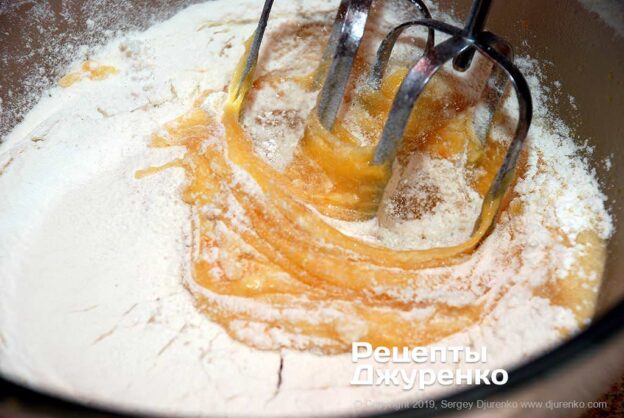
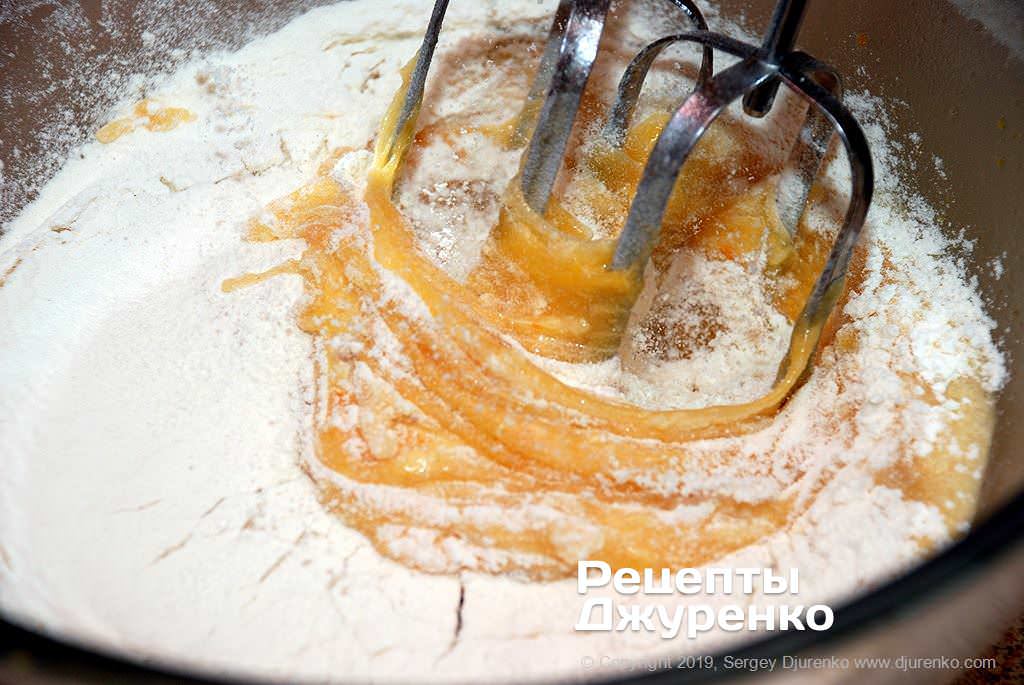
- Add the sifted flour to the bowl with the egg mixture and mix into a smooth, thick batter. It should be fairly viscous, but not stiff. There's no need to chill the batter; it's ready to bake right away.
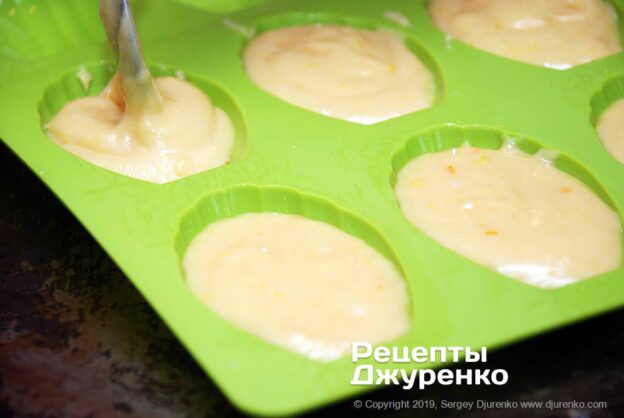
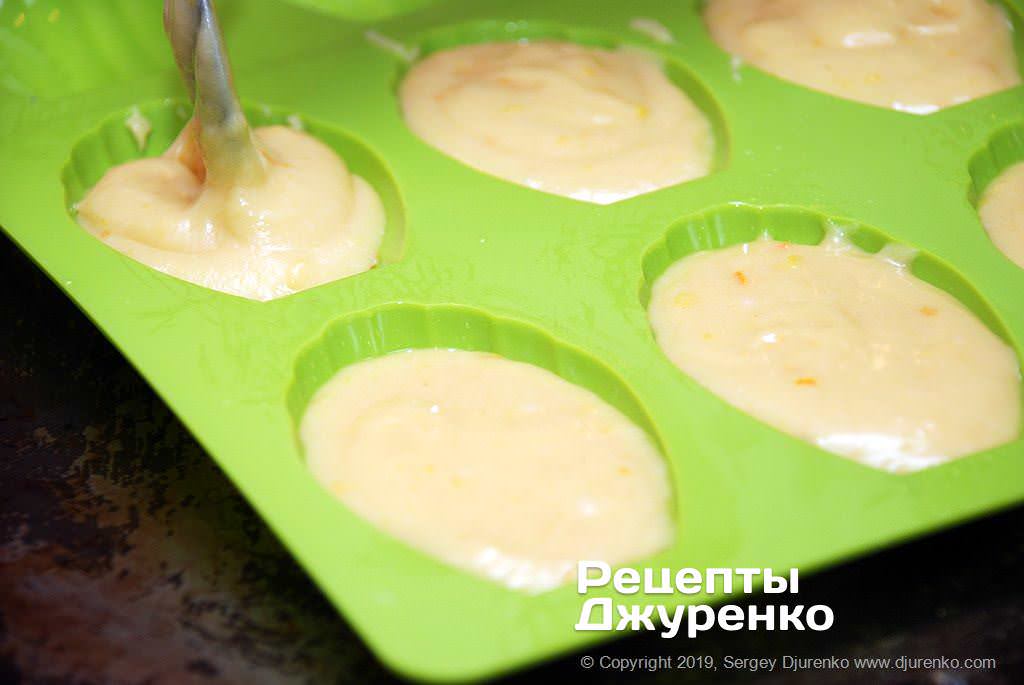
- Grease the cavities of a silicone or metal mold with butter and fill them with batter. A piping bag or syringe is usually used, but a spoon works fine. You can fill the cavities to the top, since the batter has no ingredients that make the cookies rise much while baking.
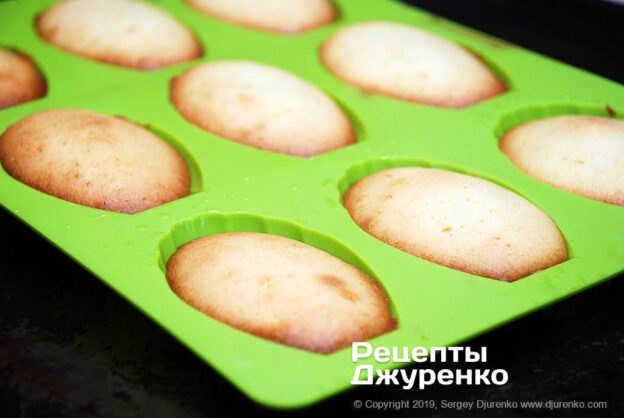
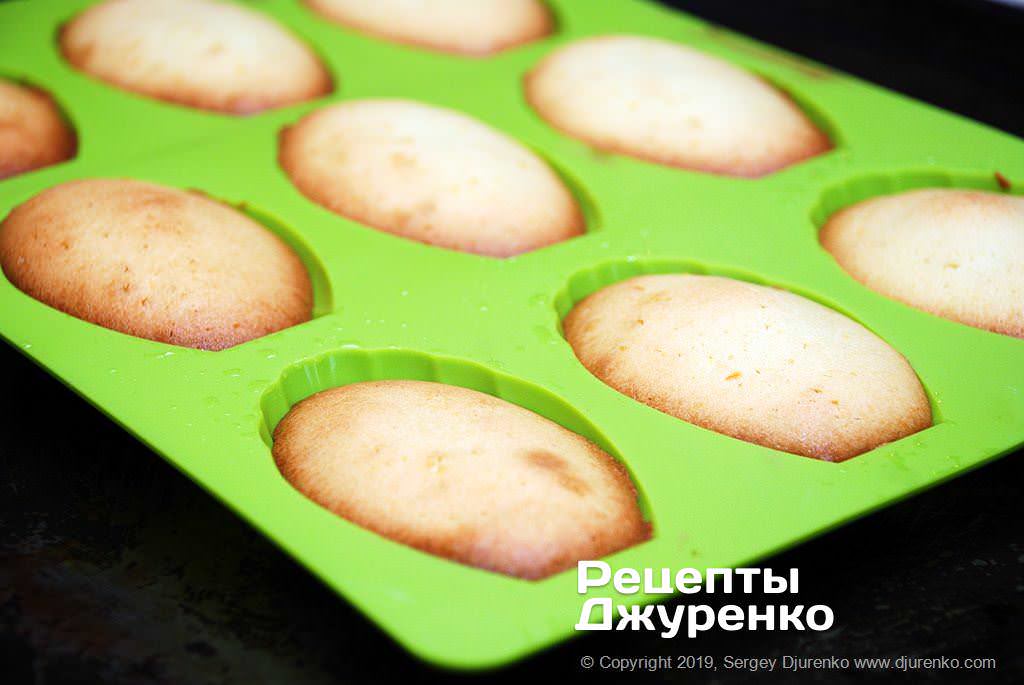
- Preheat the oven to 180°C and put the mold in. Madeleines usually bake for up to 30 mins, but keep an eye on them so they don't burn. As soon as they start to turn golden, they're done. Take the mold out of the oven and move the cookies to a board or a cloth to cool.
- Put the cooled cookies in a wicker basket and cover with a napkin. Serve with tea or coffee; they're also delicious with warm milk and cocoa. They say madeleines are often served with sweet wine. But they taste best with tea, especially when dunked in it.

- If you like, use lemon zest and juice instead of orange, and skip the liqueur. Also, if you add a pinch of baking soda to the batter, the cookies will come out almost round, or domed. If you have a double-sided mold, you can bake cookies with the lovely characteristic ridges on both sides. Thanks to my daughter Yulia for the recipe and help in the kitchen!
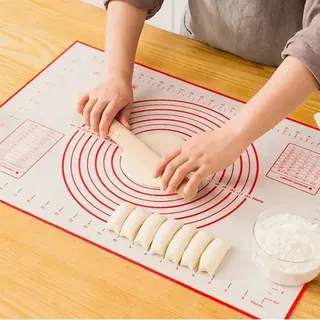 Silicone dough mat with markingsAliExpress
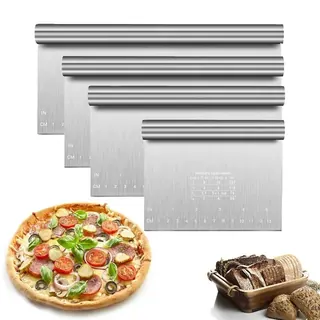 Dough scraper with scaleAliExpress
 Kitchen scale up to 5 kgAliExpress
 Pull chopper for garlic and onionAliExpress
 Oil sprayerAliExpress
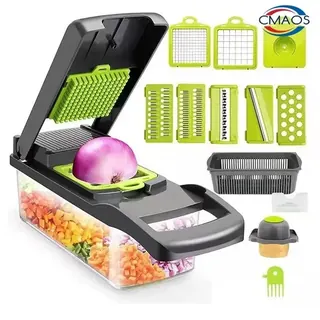 Vegetable chopper with handleAliExpress
| Yield: | 12-15 servings |
| Calories: | 370 kcal per 100 g |
| Prep: | 15 mins |
| Cook: | 30 mins |
| Total: | 1 h |
| Cuisine: | French cuisine |
| Rating: |