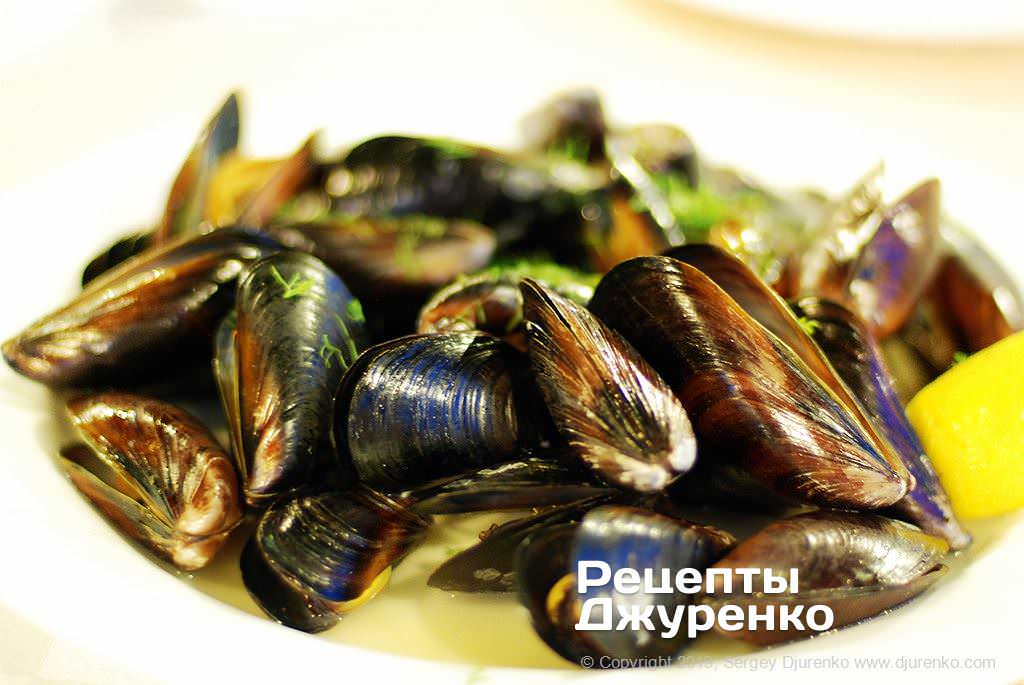
How to Cook Mussels
Mussels need only 5 minutes over maximum heat — no longer, or the meat gets tough. I cook them under a lid in a broth of 1 l of water and a cup of dry white wine with dill, garlic, allspice and black pepper. I throw away any shells that don't open. A kilogram of mussels makes two servings, with a lemon quarter on the side.
Ingredients
2 servings
- Mussels in their shells 1 kg
- Water for cooking the mussels 1 liter
- Dry white wine 1 cup (200 ml)
- Garlic 5–6 cloves
- Dill 3–4 sprigs
- Black peppercorns 5–6
- Allspice berries 2–3
- Clove 1
- Salt 1 tsp (6 g)
- Lemon for serving


Step-by-step recipe
Preparing the mussels
As I said, mussels need to be cleaned and rinsed before cooking. Live shellfish can be kept for a while in special sealed packaging, into which they’re put right after harvesting. In that case they keep for about two weeks at 0–4 °C. There’s some seawater inside the pack.
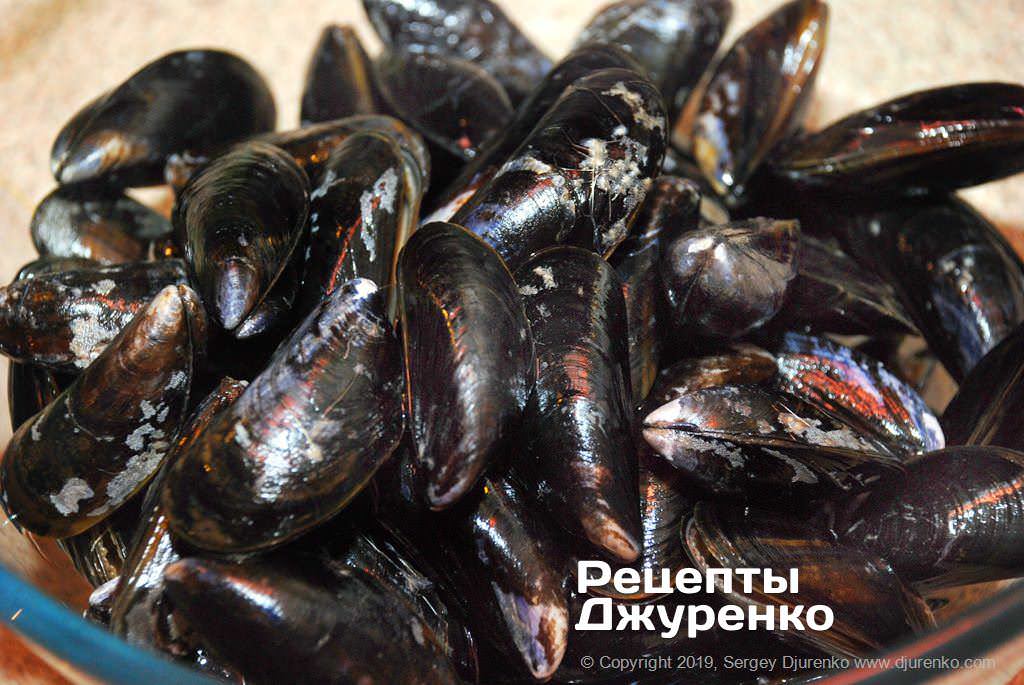
Sort and rinse the mussels. Carefully open the pack: the shells shouldn’t have a strong or musty smell.
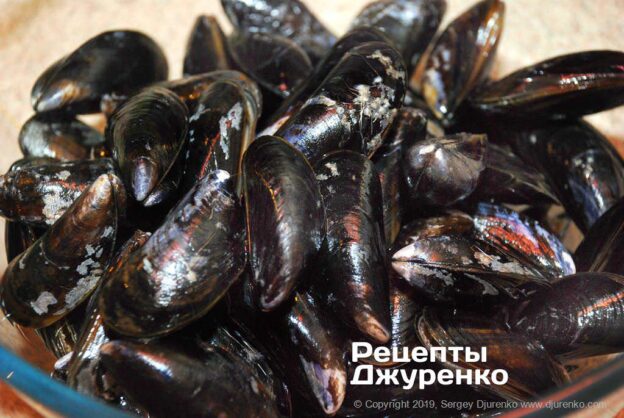
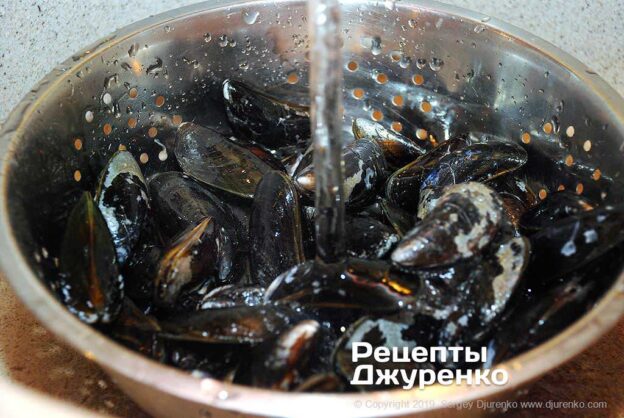
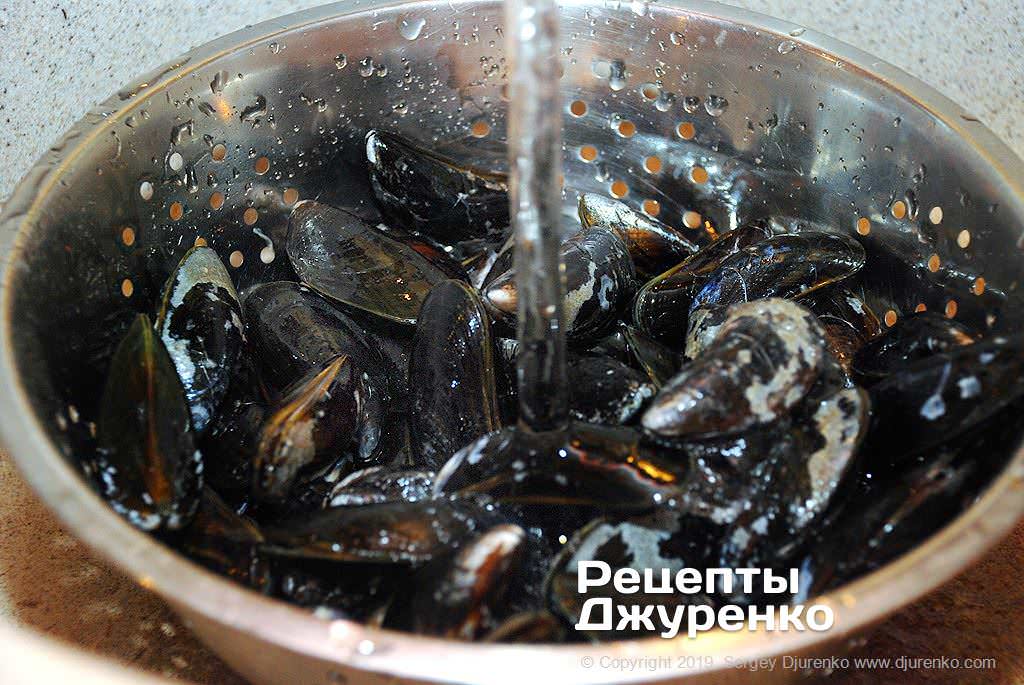
Sort through the shells, immediately discarding any cracked or empty ones. Put the shells in a colander and rinse under cold running tap water. Good-quality mussels usually don’t need much cleaning: just wipe them with a sponge and rinse thoroughly.
The broth
Shellfish are usually boiled in a special pot with a tall lid, but any large pot will do.
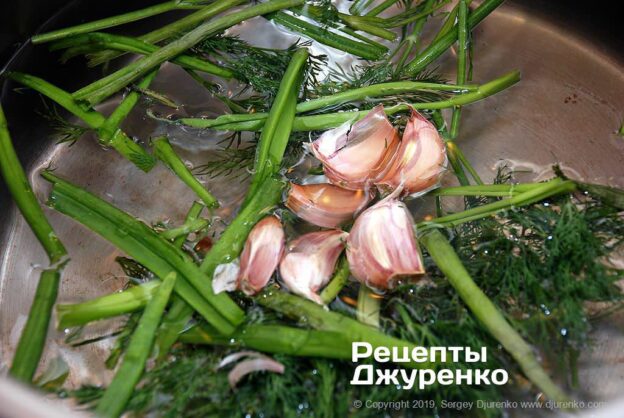
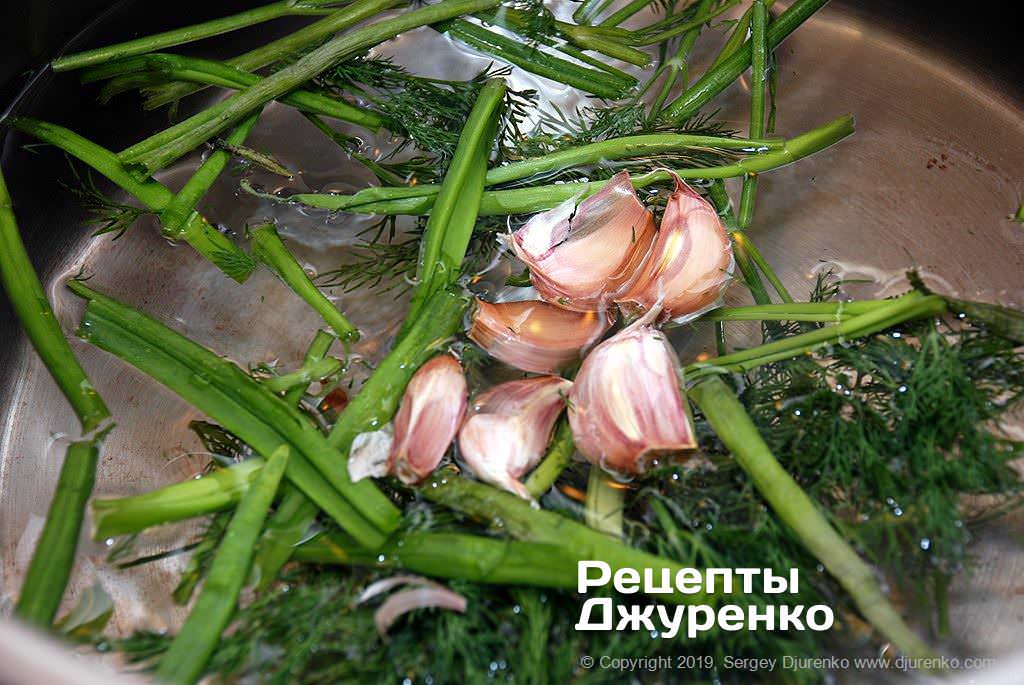
Make the broth. Pour 1 liter of cold water into the pot and add 1 cup of dry white wine (200 ml). That said, plain water works too. Rinse the dill sprigs and tear them roughly with your fingers. Drop the unpeeled garlic cloves and dill into the water. Add 5–6 black peppercorns, 2–3 allspice berries, 1 whole clove and 1 tsp of salt (6 g).
Bring the liquid to a boil and let it boil for about 4–5 minutes.
Cooking the mussels
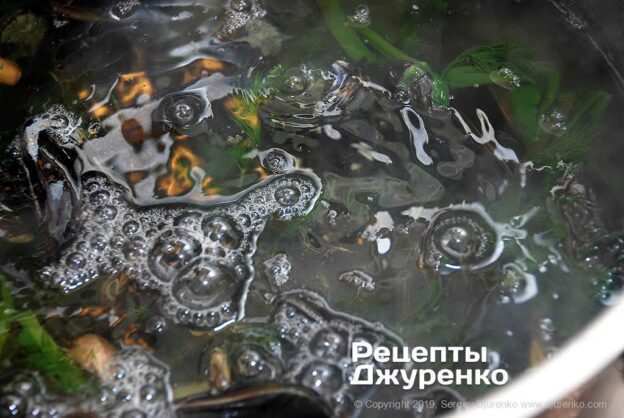
Drop all the cleaned and rinsed mussels into the boiling broth, cover with a lid and cook over maximum heat for 5 minutes. That’s quite enough. Don’t cook them longer, or the mussel meat will turn tough.
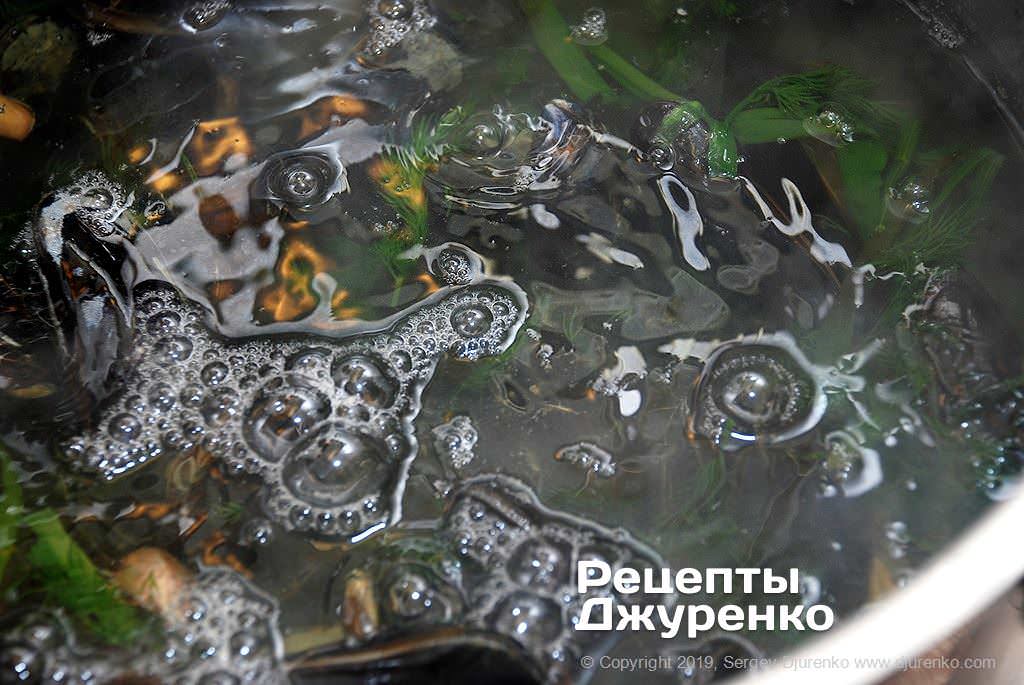
A little foam forms during cooking; that’s normal. The water also turns slightly cloudy.
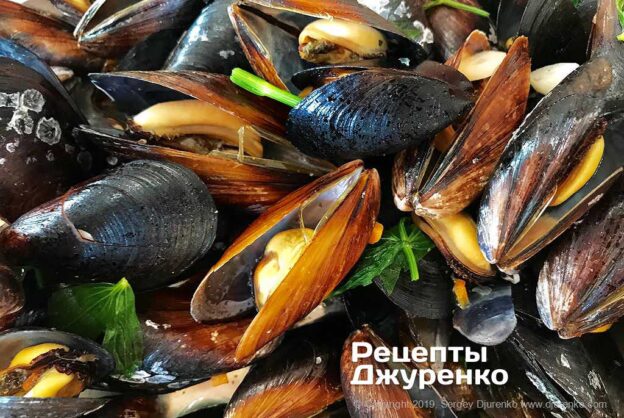
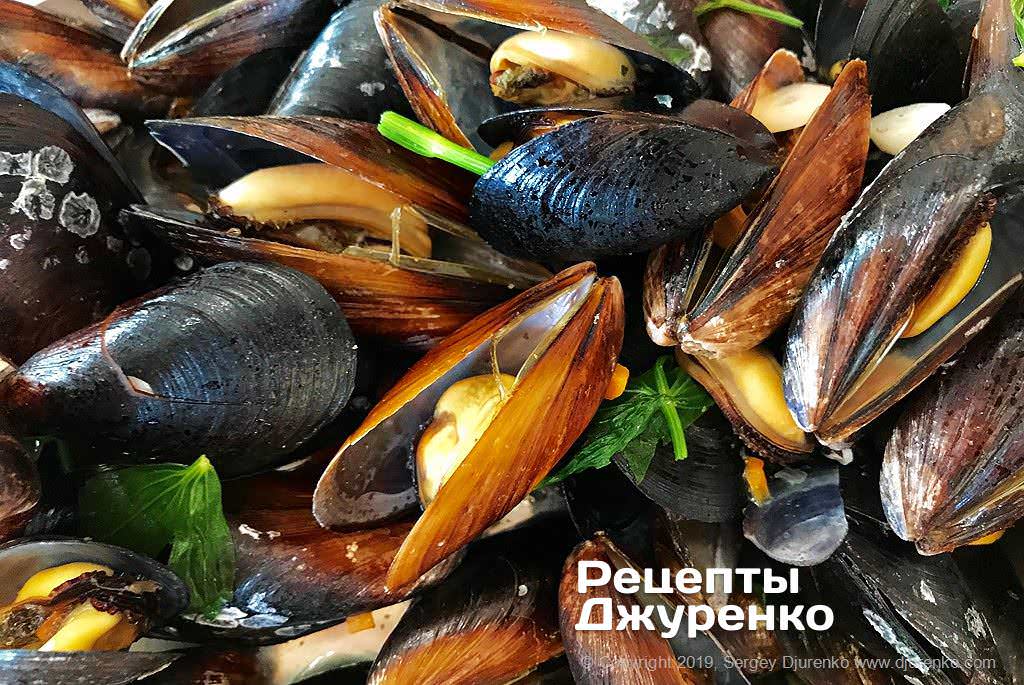
Scoop the mussels out with a slotted spoon onto a large plate. Next comes an important step: check all the shells and immediately throw away any that haven’t opened; they’re not fit to eat. An unopened mussel means it wasn’t fresh and ended up in the pot by accident. Live shellfish relax their shells when cooked, and the shell opens. Throw away empty shells too; that happens.
Serving
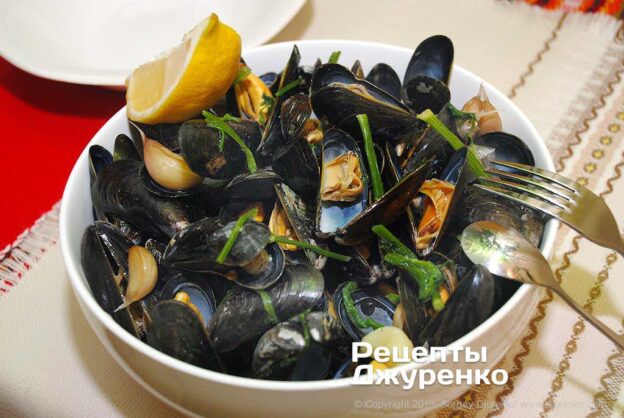
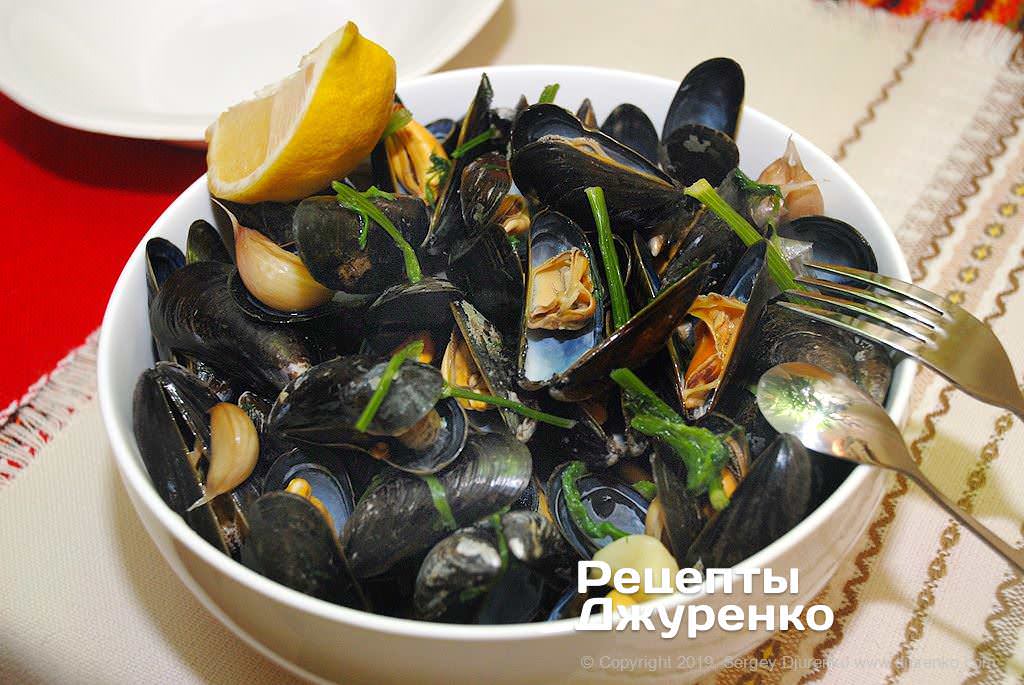
Put all the edible mussels on a platter or in a deep plate. Take the garlic cloves and large dill stems out of the pot and add them to the plate. Add a lemon wedge: mussels are delicious drizzled with lemon juice.
In coastal areas of the Black Sea you’ll often find mussels in the shell boiled with lovage, an herb with a unique flavor that pairs beautifully with mussels.
Connoisseurs insist that mussels should be washed down with red wine. Mussel meat is fairly firm and has its own exceptional flavor; give it a try.
By the way, be careful. Even if you cleaned the shells well before cooking, you may come across bits of sand and shell. Eating mussels is simple: take a shell in your hand, use a fork or a small spoon to pull out the meat, and eat it with a sip of wine. Put the empty shell on a separate plate.

How did you like this recipe?
No one has rated it yet — be the first.
Calories and macros
160 kcal
Serving ≈ 270 g
- Protein19 g49% of kcal
- Fat3 g20% of kcal
- Carbs12 g31% of kcal
100 g59 kcalProtein 7 gFat 1.3 gCarbs 4.4 g
Calculated from the recipe ingredients, excluding salt and spices. Data: USDA and Matvaretabellen.