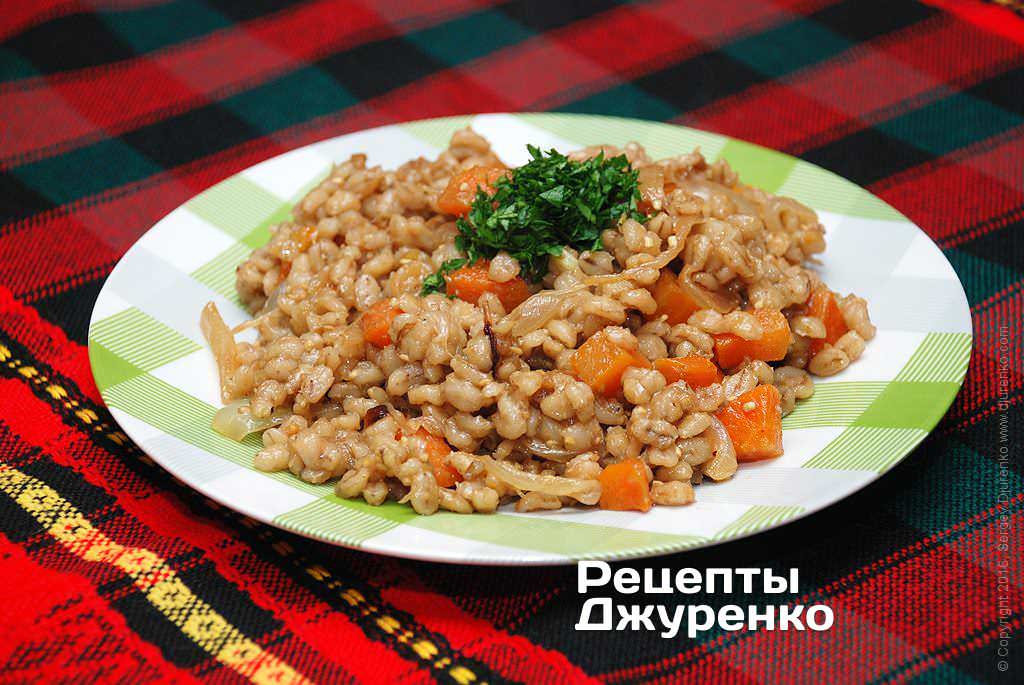
Pearl Barley with Vegetables: Fluffy Side Dish Recipe
Cheap and easy to make, a pearl barley side dish can hold its own as a meal if you vary it with different vegetables. Pearl barley, which goes into all sorts of dishes, was affordable even in times of shortages.
A side dish is meant to improve the taste and look of a main course, and it can also add a lot of nutritional value. Side dishes are said to often change the taste of a dish. Though to me, sides with a “neutral” flavor are far more appealing. I'd count mashed potatoes, boiled and then fried rice, various pasta sides and braised vegetables in a pot among them.
Grain side dishes are the most affordable. As a rule, there's nothing tricky about making them. What matters is to rinse the grain and cook it in the right amount of water so it comes out fluffy. Oddly enough, that's where problems come up: many people struggle with choosing the grain and the amount of liquid. So it's much easier to boil grains in plenty of water and then fry the cooked grain with vegetables until the excess moisture is absorbed or evaporates.
Pearl barley always turns out well this way. When cooked, it swells, absorbing liquid, and gets a little sticky. So frying it afterwards gives you a fairly fluffy grain side that goes perfectly with main courses.
Pearl barley is whole barley grain with the husk polished off. Barley is an ancient cereal, the basis of beer malt, rassolnik soup and army porridge. Cracked barley is known as barley grits.
Tasty pearl barley is simple but slow to cook. It takes over an hour and swells a lot, but the grains hold their shape well. Barley grits, on the other hand, turn very gluey when cooked. So a decent side can only be made from whole grain. Tasty pearl barley goes with practically any meat or fish dish or chicken, or makes a great vegetarian dish.
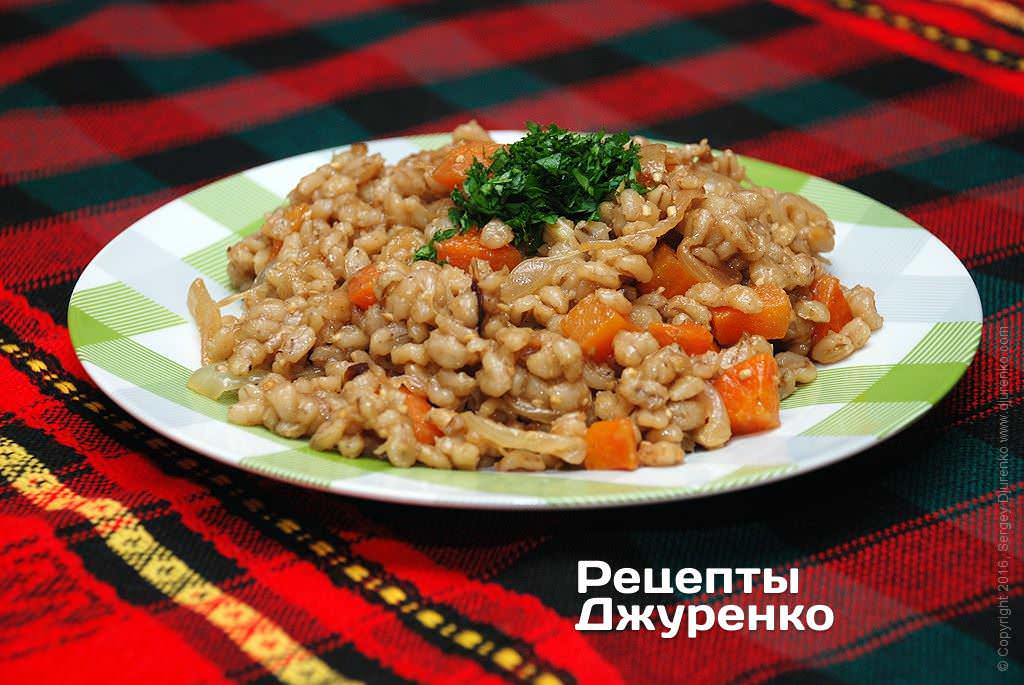
Ingredients
2 servings
- Pearl barley 1 cup
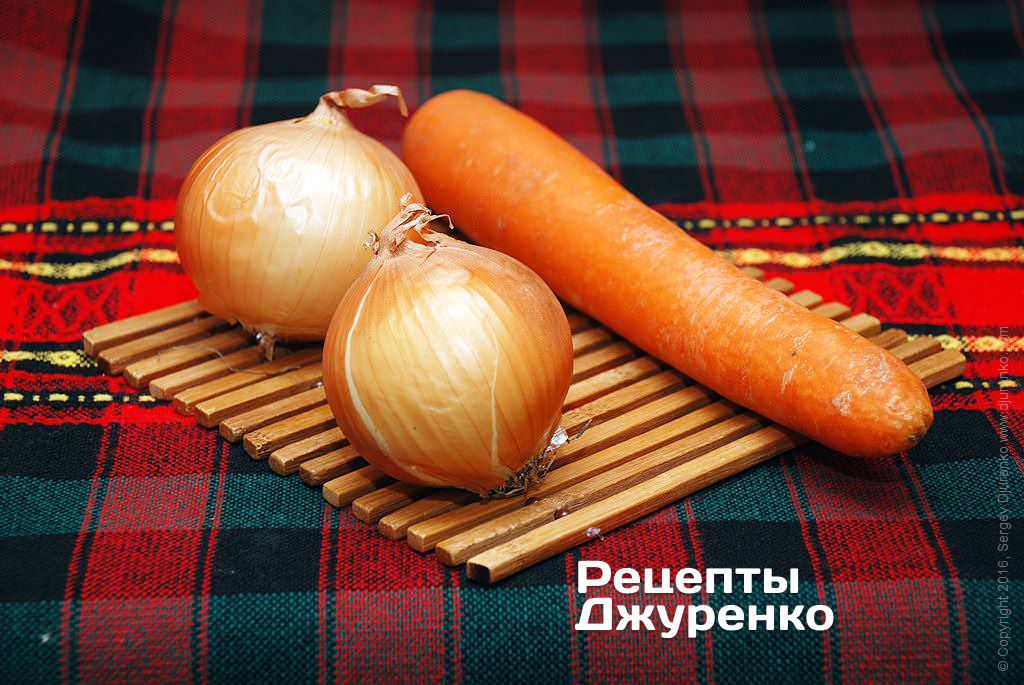
- Onions 2
- Large carrot 1
- Vegetable oil 2 tbsp
- Salt or soy sauce, black pepper, dill and parsley to taste
Step-by-step recipe
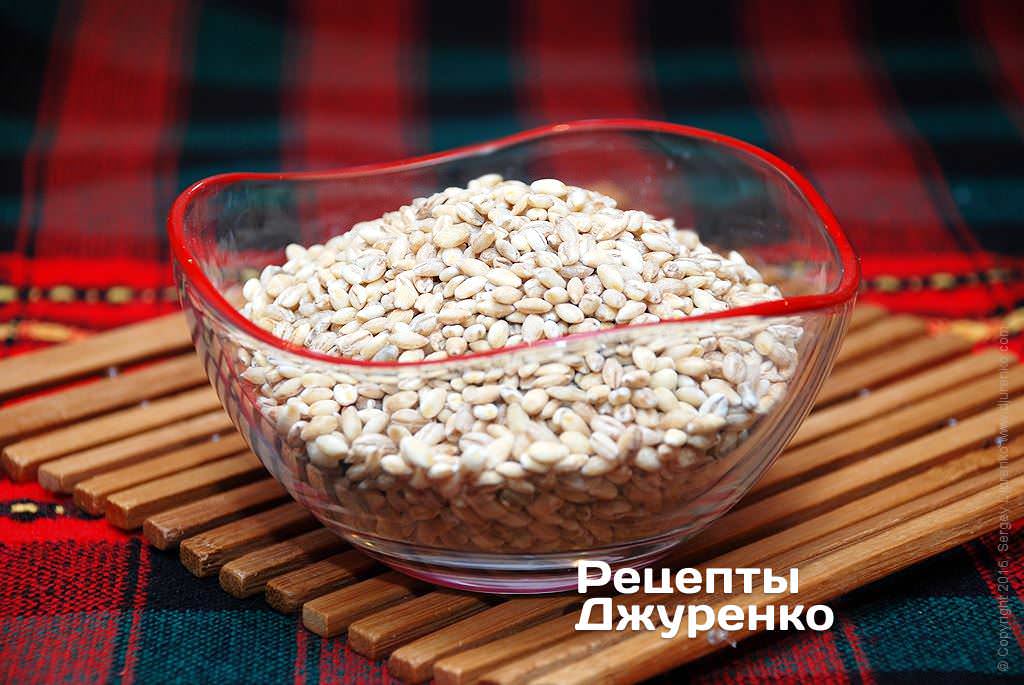
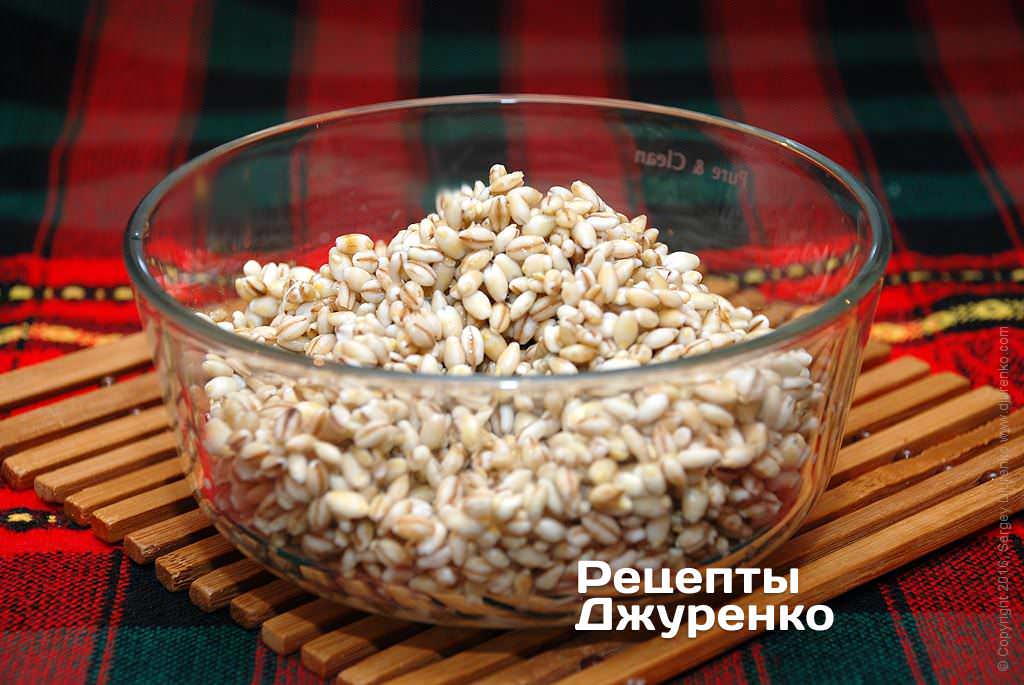
- If you look closely at pearl barley, you'll see it looks a lot like wheat, and people often mix them up. With the outer layer (husk) removed, barley grains look very much like smooth wheat grains. Besides, pearl barley is sold in different grain sizes and degrees of polishing. I prefer large, pale pearl barley with no traces of husk.
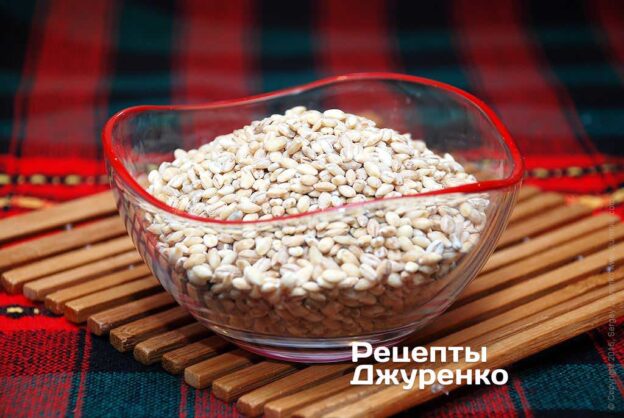
- Actually, dry pearl barley cooks fine. But I prefer to soak it for 2-3 hours in cold water, after rinsing it under running water until it's no longer cloudy. Besides, grain often contains bits of husk, small stones and so on.
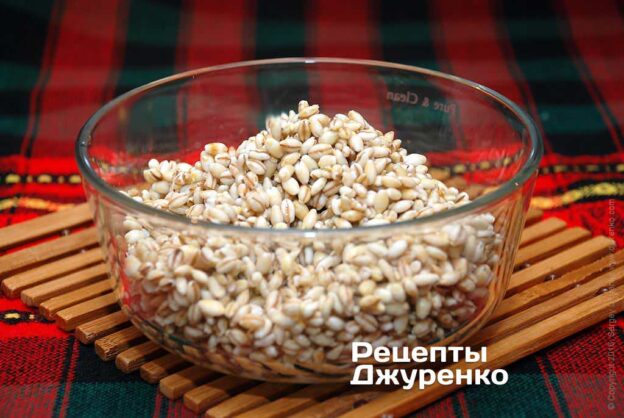
- Rinse the soaked barley again in cold water, put it in a pot and cover with 2 liters of cold water. Put the pot on the heat, bring to a boil and simmer the barley, covered, over low heat for at least an hour. The barley should turn soft inside and swell in volume. Drain the cooked barley in a colander and let as much liquid drip off as possible. A pearl barley side shouldn't be wet or sticky.
- By and large, if you know how, you can cook fluffy barley in a measured amount of water that the grain absorbs completely. But as a rule few people can do that with confidence, so it's easier to boil barley in plenty of water; that way you simply can't go wrong. How you boil the grain is up to you.
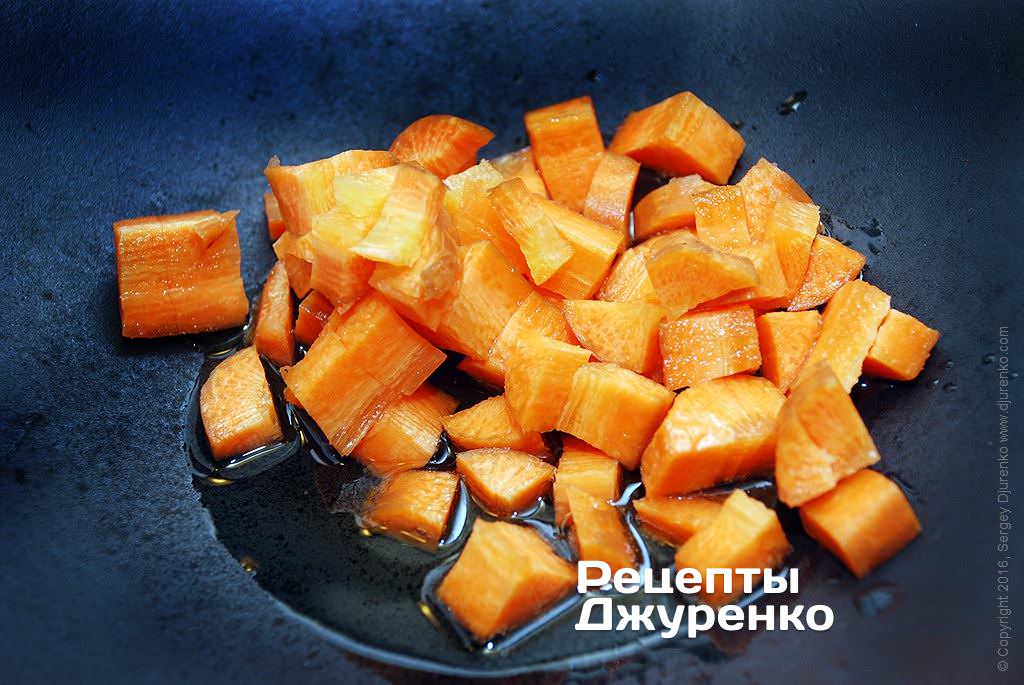
- While the barley cooks, prepare and fry the vegetables. Onion and carrot are best, though celery root, parsnip and unpeeled garlic cloves also work well. Peel the vegetables. Cut the carrot into large cubes, twice the size of the vegetables for a plain Olivier salad. Cut the onion into thick strips.
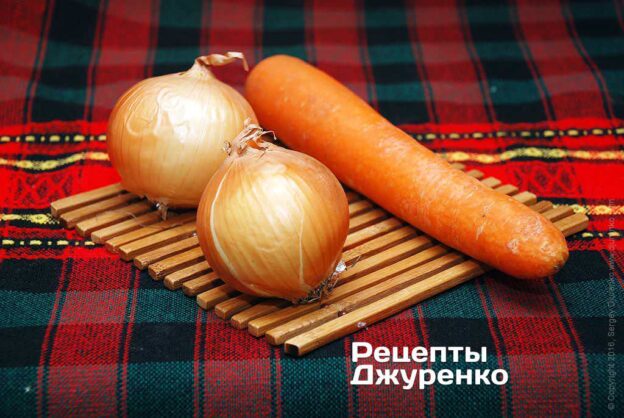
- Heat the vegetable oil in a sauté pan. Let it sizzle for 1-2 minutes over low heat. Then fry the diced carrot in the oil over medium heat, stirring. It takes about 5 minutes: the carrot cubes should start to brown a little and soften.
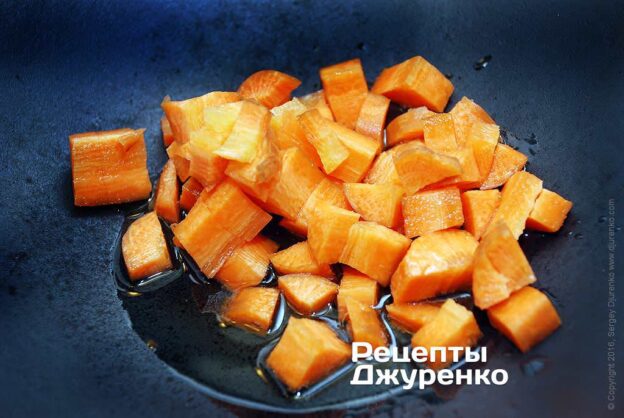
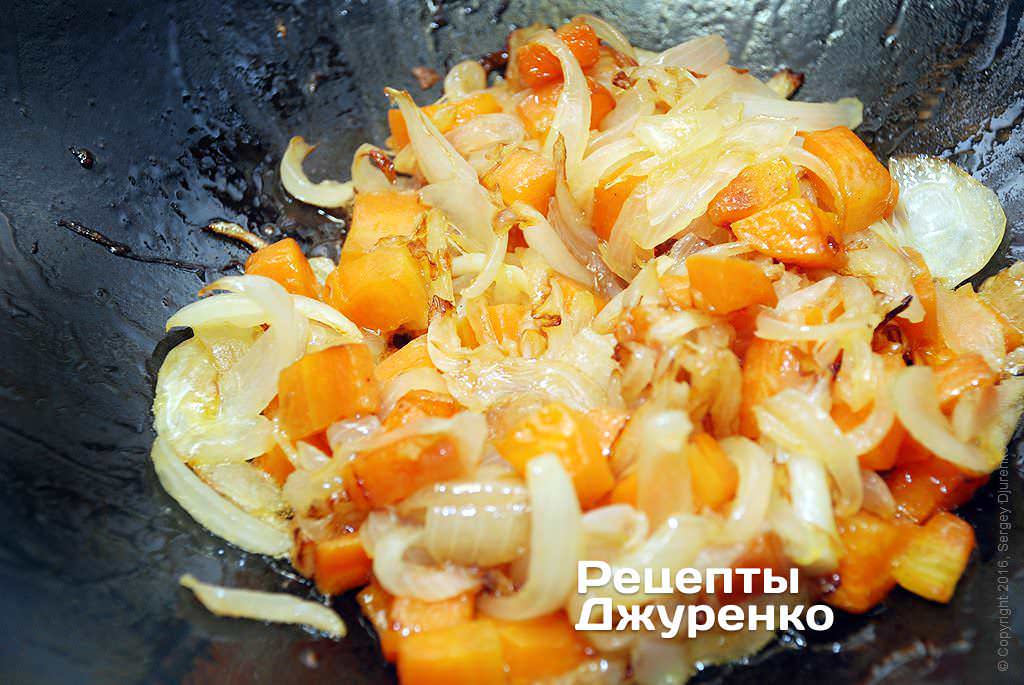
- Add the sliced onion and fry the vegetables, stirring, until the onion turns a nice golden color. Frying the carrot and onion in this order gets the vegetables just right, and the barley side will be tasty and fragrant.
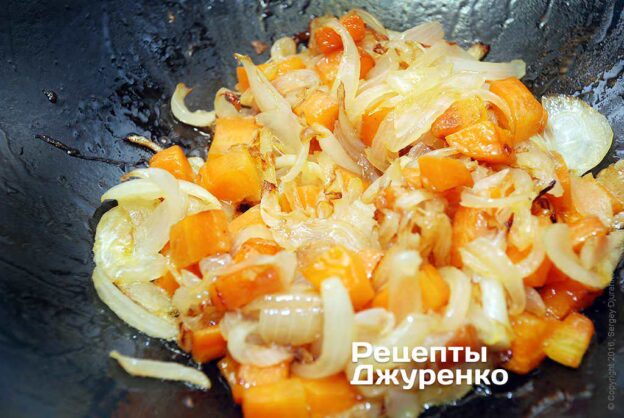
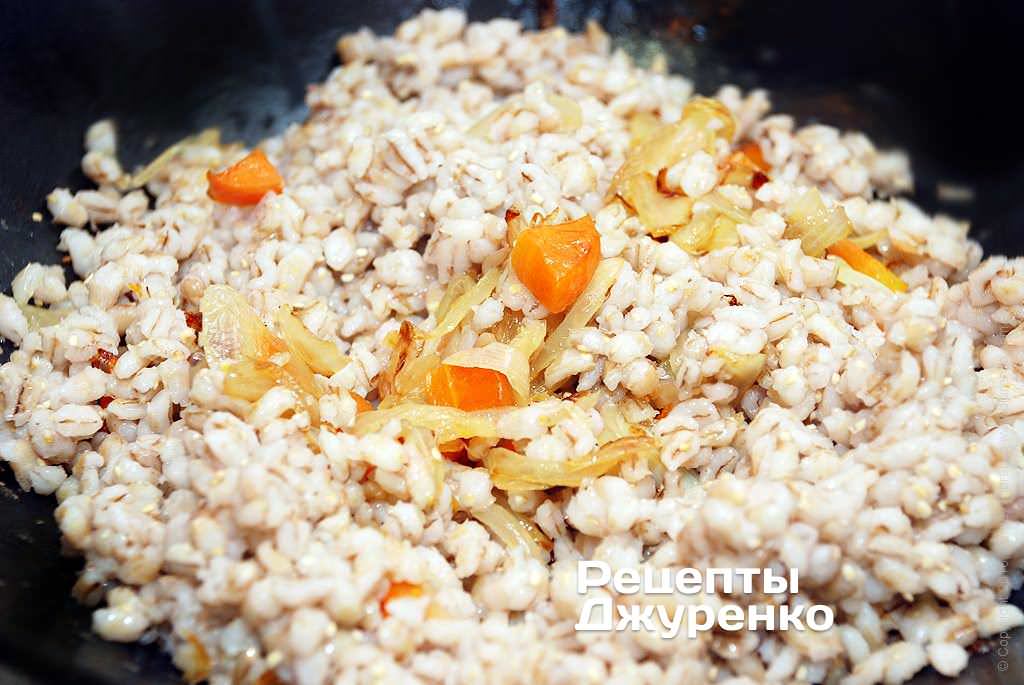
- Once the onion and carrot are fried, season them with a little pepper to taste, ideally freshly ground black pepper. Don't salt the vegetables. Add the boiled, well-drained pearl barley to the fried vegetables. Gently stir the barley and vegetables together. With a wooden spatula, heap the barley and vegetables in the center of the pan, trying not to leave anything on the sides. Turn the heat down to the minimum and cover the pan. Let the grain steam in the remaining moisture for 10 minutes.
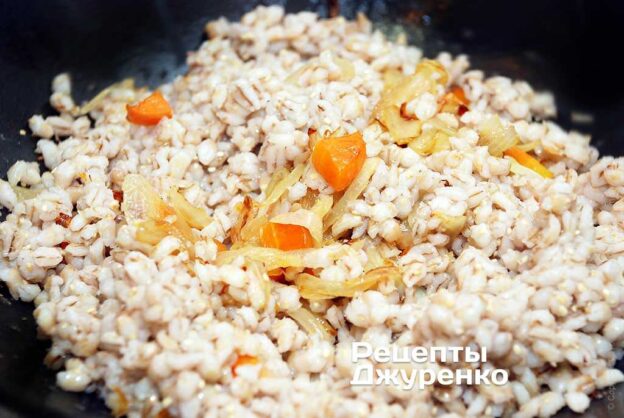
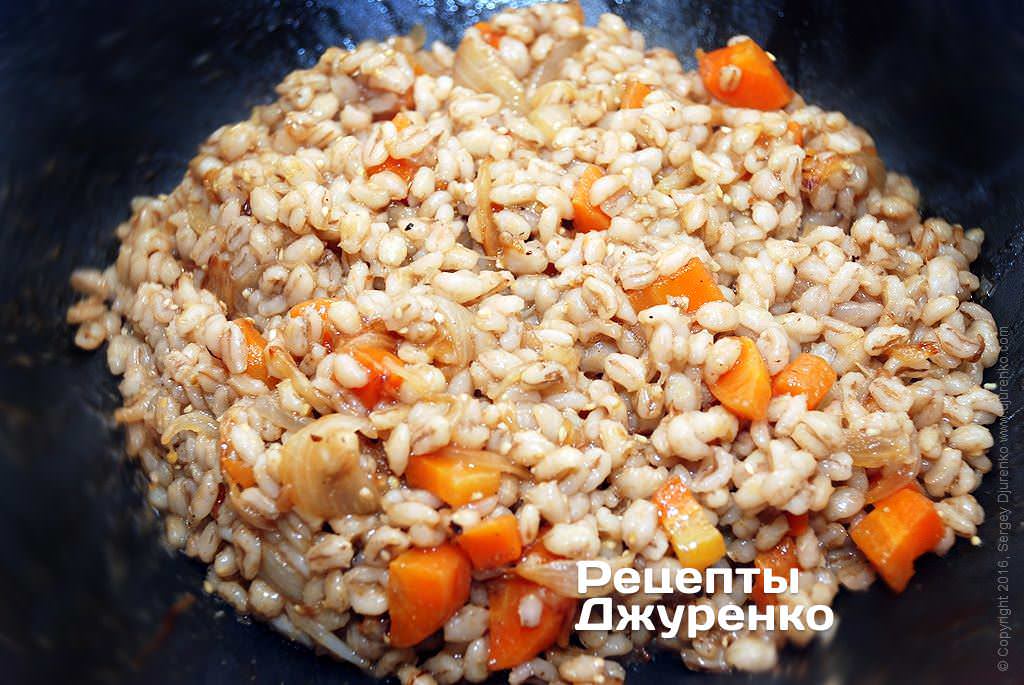
- Next, salt the side dish to taste. You can use ordinary salt, or add 1-2 tbsp of good natural soy sauce. Soy sauce is quite salty and has a bold flavor that really improves the dish. Once it's salted, stir the barley, heap it up again and let it steam, covered, for at least another 10 minutes. The side is done, but if you like, stir and steam the barley in the remaining moisture a few more times; it will be much fluffier.
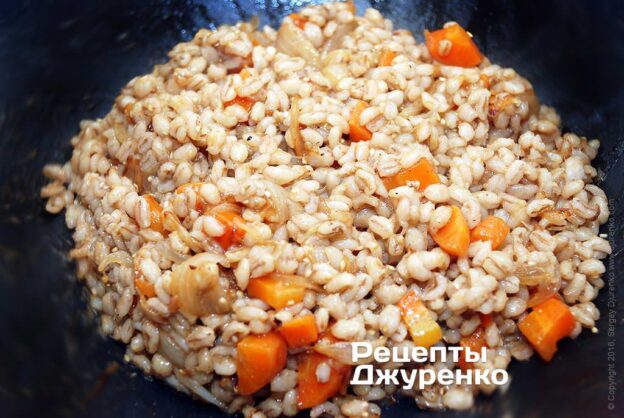
- This dish goes great with fried meat, pork chops, breaded fried fish or game. It's also a complete vegetarian dish with no animal products at all.
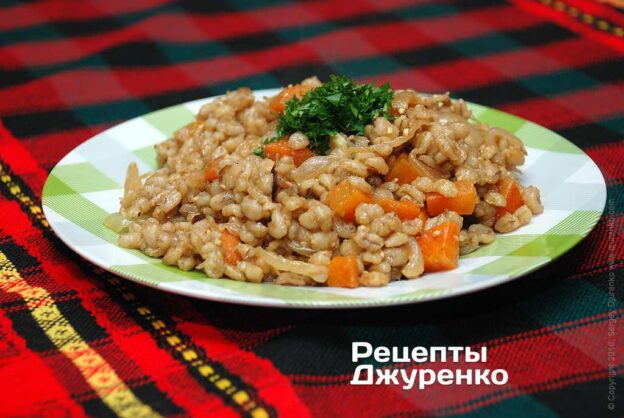
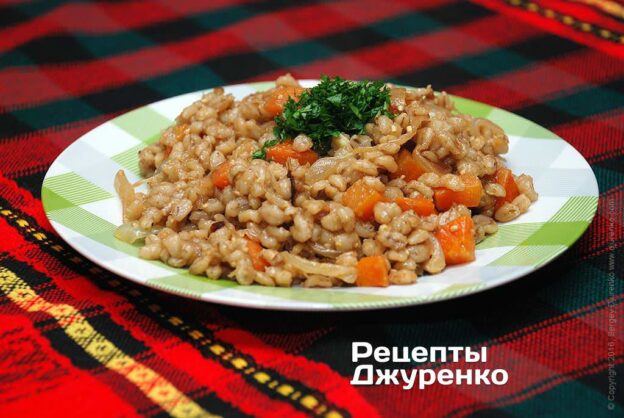
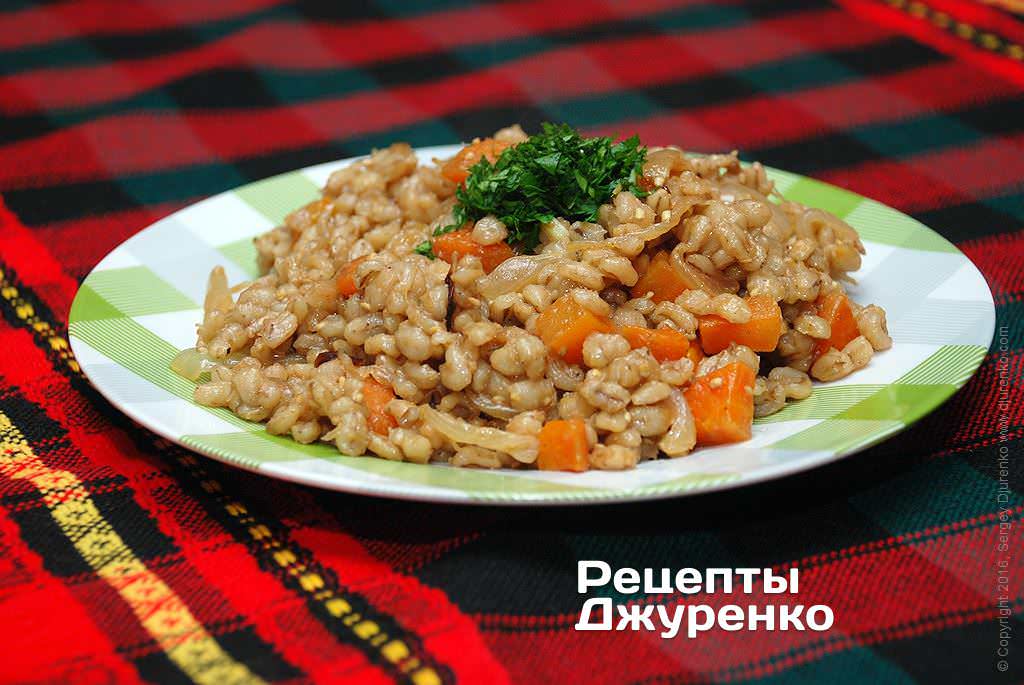
- When serving, I suggest sprinkling the barley and vegetables with a little finely chopped parsley and dill.
| Serves: | 2 servings |
| Calories: | 110 |
| Prep: | 2 h (soaking) |
| Cook: | 2 h |
| Total: | 4 h |
| Category: | Main Dishes |
| Cuisine: | European |
| Rating: |
⭐
⭐
⭐
⭐
⭐
4.7
(10)
|