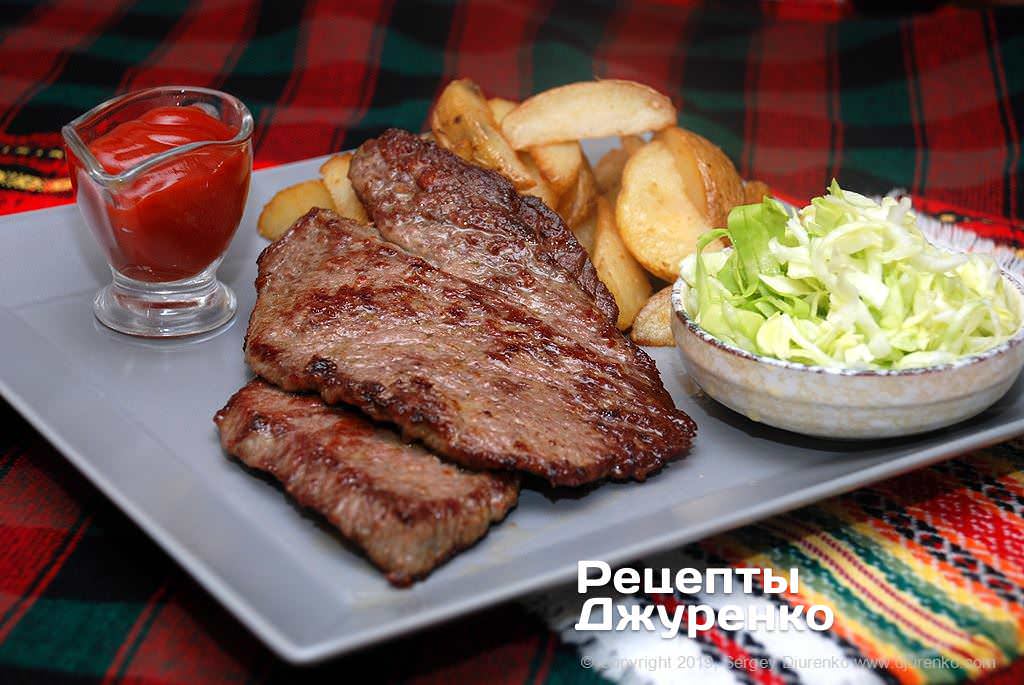
Beef Languette Recipe: Tenderloin Fried in Butter
Languette is thin fried meat that's exceptionally simple to make, a dish found all over the world, with plenty of variations and recipes. It's easily recognized by its tongue-like shape, and the name comes from the French languette de boeuf, “beef tongue”. It's considered restaurant fare, although at home you'll meet it far more often, since plain fried meat is mostly cooked on the same principle.
When I was a kid, semi-finished products for languette were sold in shops, and all you had to do was coat them in breadcrumbs and fry. Most canteens and cafes had similar dishes on the menu too. They were always cooked a bit differently, but they were tasty, and natural fried meat was prized. It was usually beef, but pork or even chicken was often used. The menu would specify which meat the dish was made from.
The essence of the dish is a thin, elongated slice of beef, no more than 2 cm thick, which is pounded lightly. A few spices: salt and black pepper. Sometimes the meat is coated in breadcrumbs or a little flour and then fried until browned. If the meat is fried breaded, it's very handy to make a sauce afterward, because the coating mixes with the meat juices and other additions to make a thick sauce.
The dish uses tenderloin or the loin section of the beef carcass. The meat is sliced across the grain and then pounded. Depending on the thickness of the slice, frying can take from 5 to 10 mins per side. A languette usually weighs about 100-125 g, and they're served at two pieces per portion. The side dish is usually potatoes fried in slices or fairly elaborate vegetable sides.
The prepared pieces of meat are fried in hot fat, less often deep-fried. To my taste, the meat turns out better without breading, fried in butter. Although many recipes recommend frying in pork or beef fat, or even grilling.
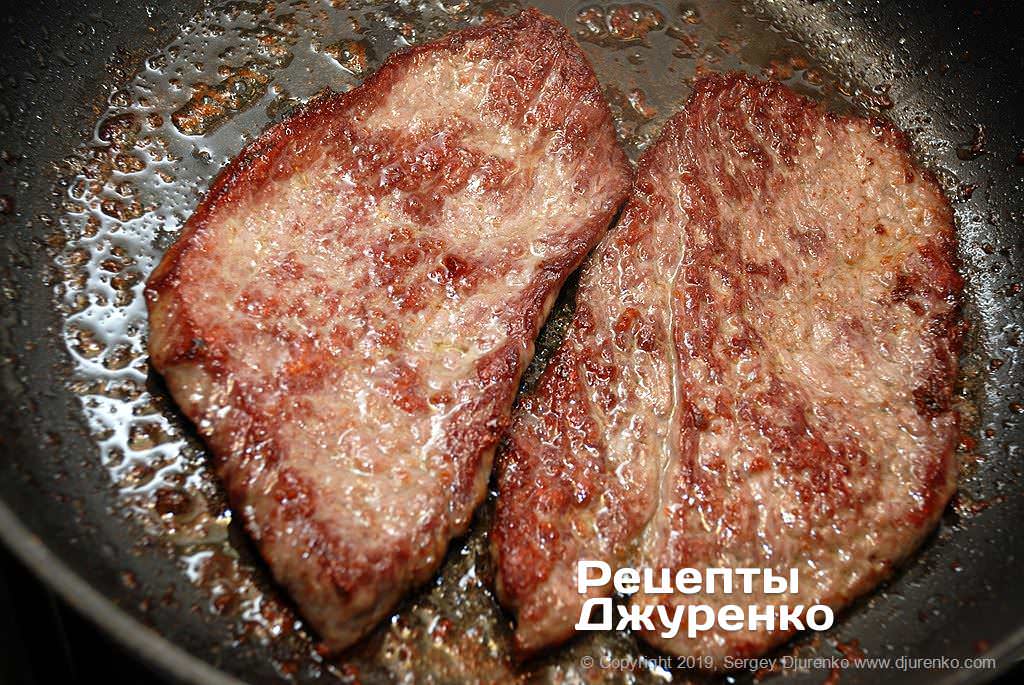
During cooking it's important to get a browned layer on the surface, which keeps the juices in the meat. The frying temperature stays constant. The meat is thin and doesn't need finishing at a lower temperature, as you do with thick steaks or entrecotes. A finished languette always looks browned on top and has a pleasant dark pink color inside. Don't overcook the meat or it will turn tough.
More with beef
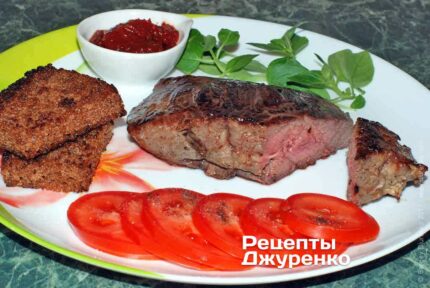 Pan-Seared Beef SteakHow to cook a beef steak in a skillet: a thick cut of beef marinated in lemon and garlic, seared 2-3 minutes per side to medium rare. Doneness guide and tips.
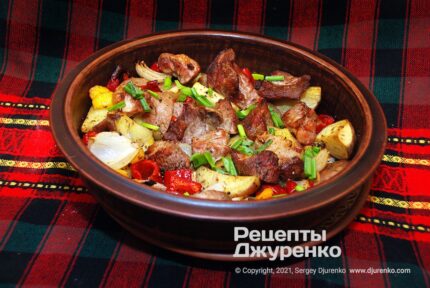 Ojakhuri with Pork Neck and VealGeorgian ojakhuri: potato wedges, browned pork neck and veal roasted with peppers and onions in a clay ketsi. A simple, hearty family dinner recipe.
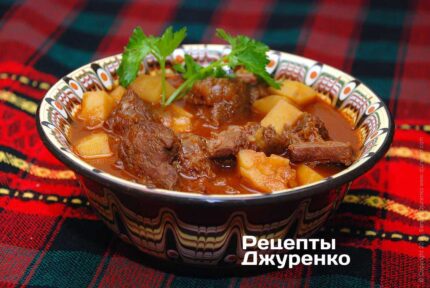 Hungarian Beef Goulash with Potatoes and PaprikaHungarian beef goulash: a thick soup of tender beef, onion, potatoes and sweet paprika. A step-by-step recipe with photos and optional csipetke dumplings.
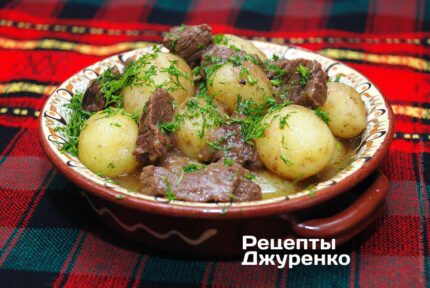 New Potatoes Stewed with BeefNew potatoes stewed with beef, onion and dill: a simple early-summer main course. Whole young potatoes simmered with tender beef into a thick stew.
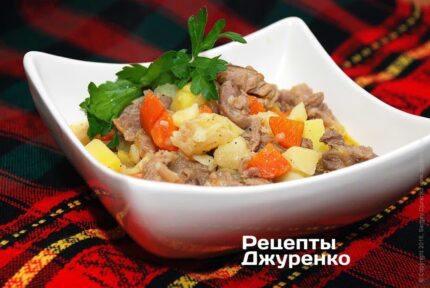 Stewed Potatoes with Meat: Hearty Beef StewHearty beef and potato stew: beef simmered with onion, carrot, garlic and savory until tender, then stewed with potatoes. A simple, filling one-pan dinner.
Ingredients
1 serving
- Beef tenderloin (2 pieces) 250 g
- Butter 50 g
- Salt, black pepper to taste
- Fried potatoes, tomato sauce, vegetables side dish
Step-by-step recipe
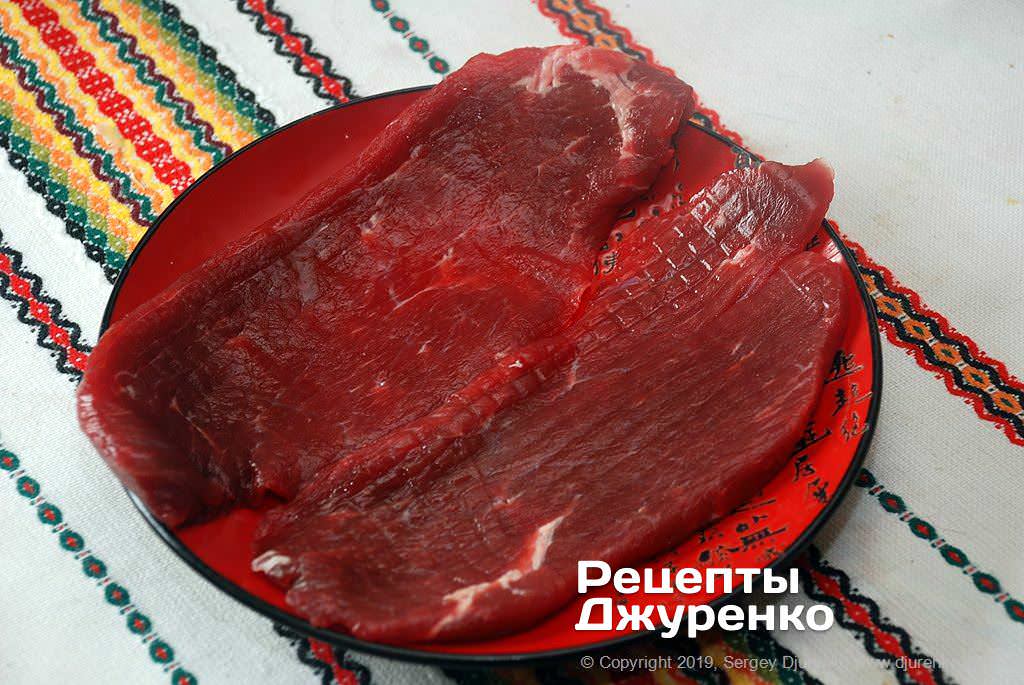
- You can cut the pieces of meat from a larger cut you've bought, which isn't hard. A sharp knife gives thin, even slices of meat. In the store you can buy perfectly suitable ready-cut portions, about 20 mm thick and the size of a palm. If you need dinner for several people, that's the best option. In any case, trim the meat of any leftover fat and membranes.
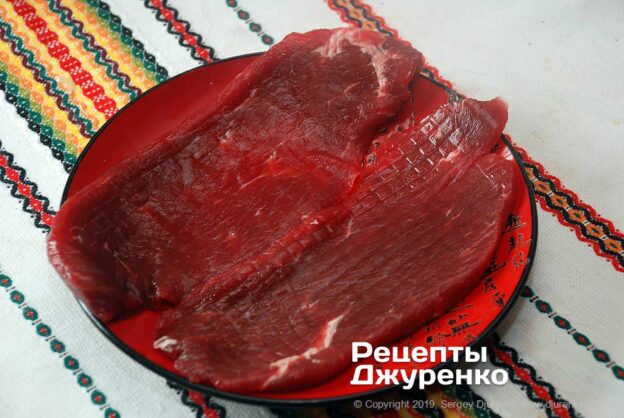
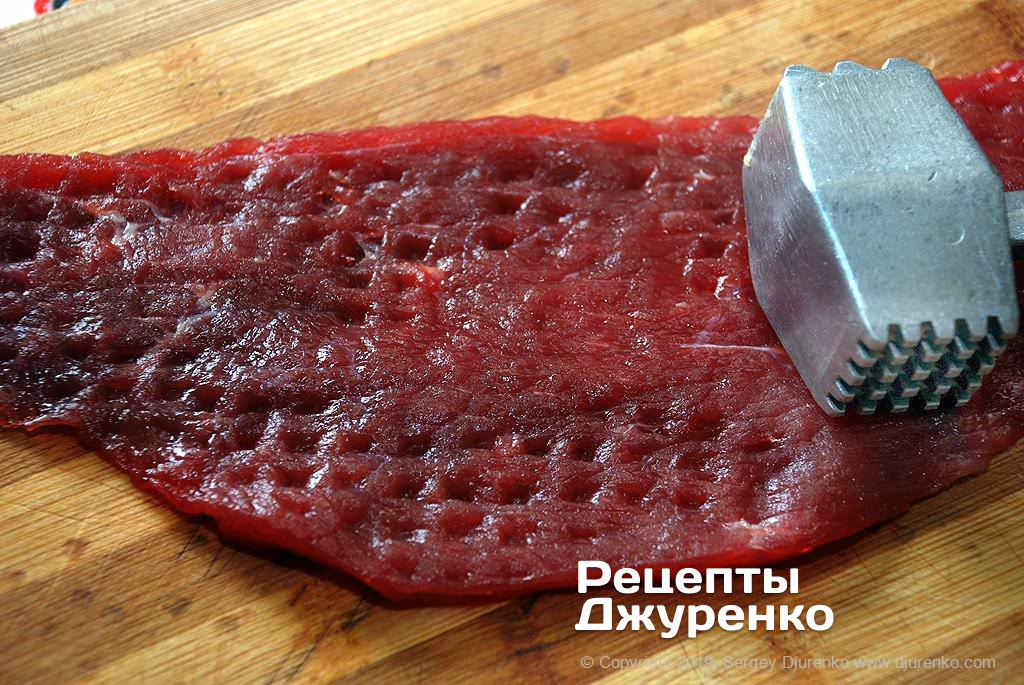
- The slices of meat should be pounded lightly. Lightly doesn't mean flattening the meat. It's enough for the meat to become roughly even in thickness. Also pound the areas with leftover pale connective tissue. It's convenient to pound with a kitchen meat mallet or the butt of a large knife. If the meat happens to be cut into pieces that are too thick, pound them between two layers of plastic wrap.
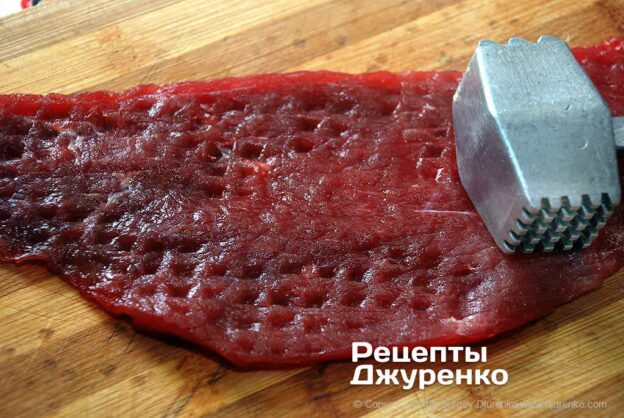
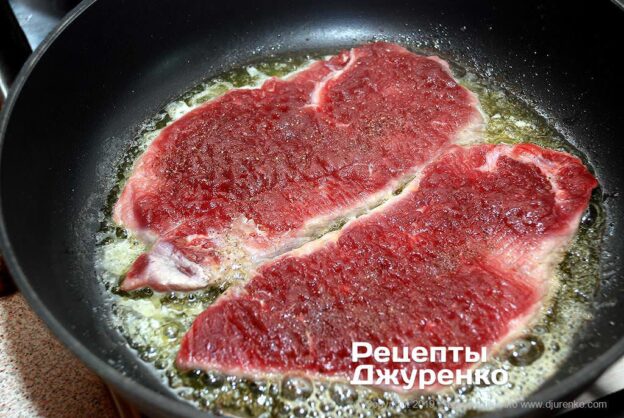
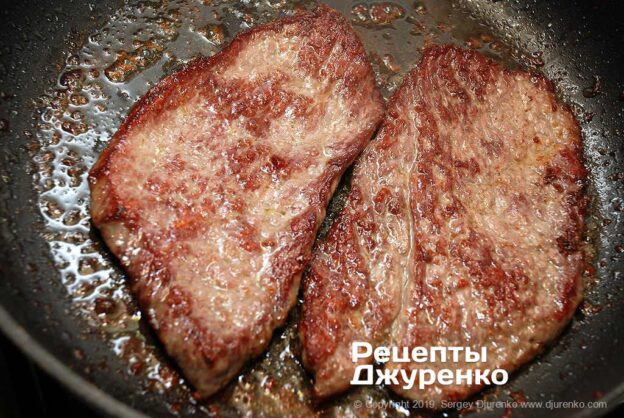
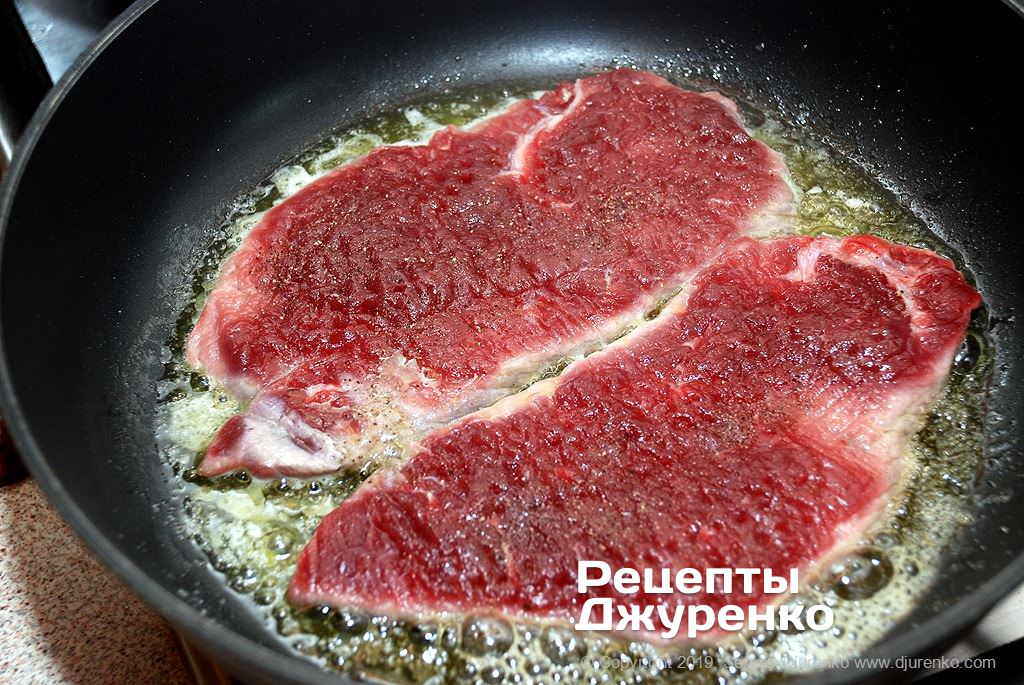
- Season the pounded meat lightly with salt and ground black pepper on both sides. We're making classic languette, without breading. Melt the butter in a frying pan and wait until it's well heated and starts to darken. Put the prepared pounded pieces of meat into the hot butter. Fry the languette over high heat for 4-5 mins. A browned crust should form. You may need to extend the time a little. Then turn the pieces over and fry the other side.
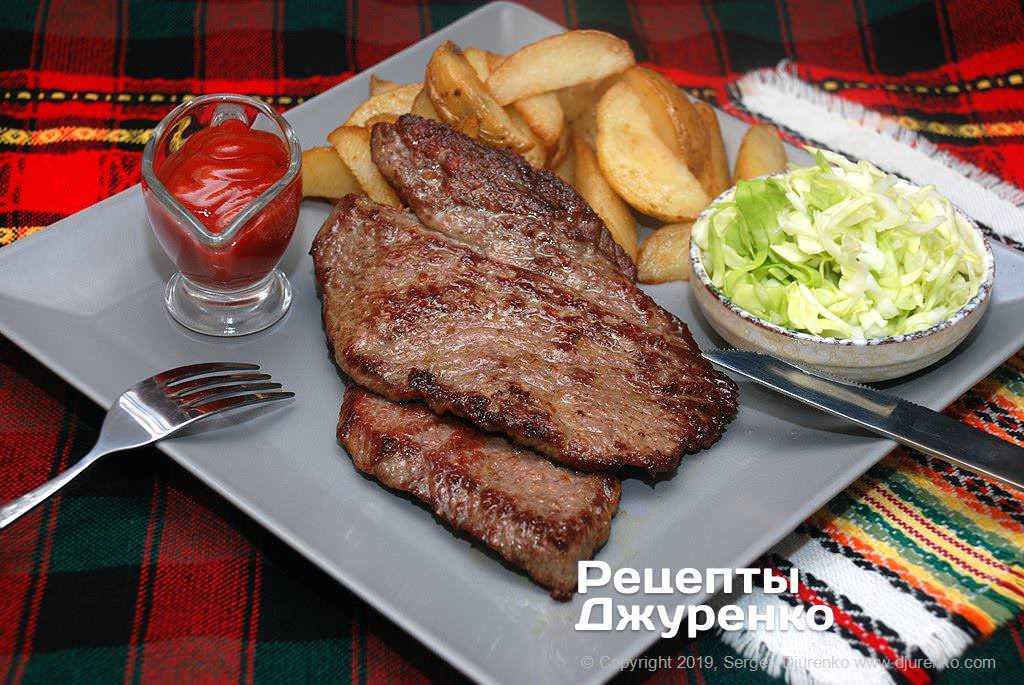
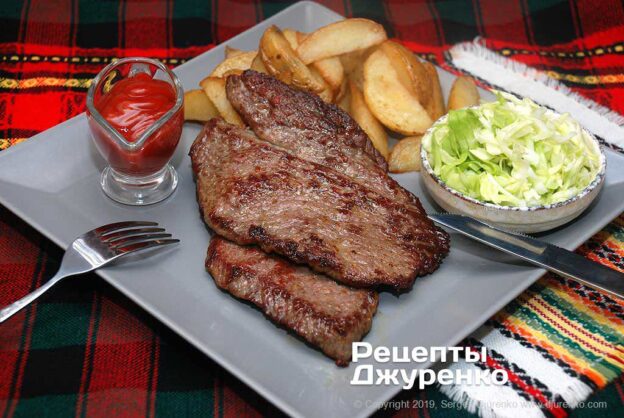
- When the languette is done, move the pieces to a large plate. Pour the juices that formed during frying over the meat. For the side dish we made potatoes fried in wedges, a young cabbage salad, and a little tomato ketchup, which is made in season from fresh tomatoes and keeps very well in the fridge.
- If you like, you can fry the languette breaded, and once the meat is done, add a little liquid to the pan, broth or wine, so it simmers and the liquid thickens into a sauce. For the side dish you can make fried vegetables: carrots, parsnips, green beans and peas, corn. The meat is often served with a fried egg, like beefsteak with an egg, and with fried tomatoes.
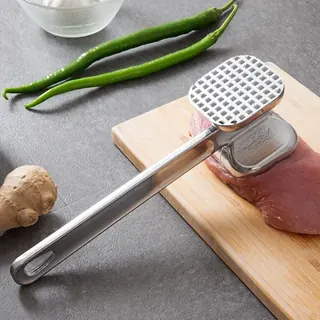 Meat tenderizerAliExpress
 Kitchen probe thermometerAliExpress
 Pull chopper for garlic and onionAliExpress
 Oil sprayerAliExpress
 Kitchen scale up to 5 kgAliExpress
 Vegetable chopper with handleAliExpress
| Yield: | 1 serving |
| Calories: | 180 kcal per 100 g |
| Prep: | 10 mins |
| Cook: | 20 mins |
| Total: | 30 mins |
| Cuisine: | French cuisine |
| More of my recipes: | |
| Rating: |