
Juicy Steamed Vegetables: Broccoli, Carrots and Zucchini
For a side dish or a vegetable course, I recommend cooking young vegetables by steaming. Steam cooks food more gently than boiling or frying, so more vitamins and trace elements are preserved. Besides, everything that is in the vegetables stays in them instead of “leaching out” into the broth. And it takes less time too.
So-called steam cooking is generally considered dietary and therapeutic. That is true, though few people mention that steamed dishes are simply delicious. I like to cook young vegetables in a steamer because it gives a special degree of doneness close to al dente, and you can simply enjoy the refined taste of the vegetables with a barely perceptible crunch in the middle.
The history of steam cooking goes back to deep antiquity. One of the best-known Eastern dishes, couscous, is mostly steamed, with chicken, meat, vegetables and so on. In Asia, rice is cooked on steam. It turns out much tastier and more fluffy than when cooked in water, even if the rice grains are very sticky.
There are plenty of complicated electric steamers on sale that spend most of their time taking up space in a kitchen cupboard and usually get boring quickly. For us a steamer is more a nod to fashion than a tradition. A handy alternative to such gadgets is an Asian woven basket with a lid, set on an ordinary household pot instead of a lid; just pick the right diameter.
Ideally choose young vegetables, if they are in season. In autumn and winter this is harder, and most mature vegetables can take longer to steam and be less tasty. For cooking, take carrots, green peas and beans, broccoli and cauliflower, spinach, summer squash and zucchini.
Even though steamed vegetables are easy to make, there are a few things to keep in mind. First, each type of vegetable needs its own cooking time. For example, denser carrots or zucchini may cook for more than 10 minutes, while tender broccoli is ready in just 3-4 minutes. Also, once you finish cooking and take the vegetables out of the steamer, they keep cooking from their own internal heat.


Ingredients
2 servings
Step-by-step recipe
Preparation
Steamed vegetables taste better if they are young and juicy. They don’t yet have a coarse, fibrous texture, the zucchini haven’t formed seeds, and the peas can be eaten just as they are, which always reminds me of childhood. The vegetables need no special preparation. We use a single-tier bamboo steamer that sits on top of a pot.
Pour 1-1.5 l of water into the pot and bring it to a boil over high heat. The water must not touch the bottom of the steamer basket.
Meanwhile, prepare all the vegetables.


Steaming
Of all the prepared vegetables, the carrot is the hardest and needs the longest cooking time. In the end, my total steaming time for the carrot was about 13 minutes, until the desired doneness was reached. The other vegetables are added to it one after another, keeping the water under the steamer at a medium boil.
Peel the carrot and cut it into thick sticks.
Put a napkin in the basket of the bamboo steamer and lay the cut carrot on it.
Cover the steamer with the lid, set it on the pot and steam the carrot for 3-4 minutes.

Add the green peas to the steamer with the carrot and steam for 3 minutes.
If the green peas are quite mature, they should be steamed a bit longer, so put them in the steamer at the same time as the carrot. By the way, very young pods can be used whole, unpeeled, as flat “paddles”. At the wax stage of ripeness, shelled green peas steam in 8-10 minutes. They stay in their skins, which do not split.

Do not peel young zucchini or remove the immature seeds. Just cut them lengthwise into 4-6 pieces.
Young zucchini are very tender, and if the seeds haven’t formed yet, they cook as sticks or large cubes in 5-6 minutes. Tougher zucchini need to cook a little longer, and then the steamed vegetables turn out more tender overall.
Put the zucchini in the steamer and steam for 3-4 minutes.

Break the broccoli into florets, put them in the steamer and cook for 4-5 minutes.
Broccoli overripens very quickly, turns a bit yellow, and the seeds become clearly visible. It is ideal when the broccoli is very young and the florets have barely started to form. As a rule, steamed vegetables are ready at the same time. Though it can happen that some of them are slightly undercooked or, on the contrary, overcooked. That is not a problem; they will be tasty either way.


Checking and serving
Try piercing the firm vegetables with the tip of a knife or a toothpick. If you meet no significant resistance, they are done.
As I said, even outside the steamer the vegetables keep cooking from their own internal heat.
If you want the vegetables al dente, pour ice water over them, and even add ice cubes to it.
After a few minutes, drain the vegetables in a colander and let the water run off.

Arrange the carrot, broccoli, zucchini pieces and peas on a plate.
To my taste, it is better not to extend the cooking time and to serve the steamed vegetables hot. For breakfast we usually add toast and eggs to the vegetables. They are cooked separately, at the same time as the vegetables.

It is very tasty to serve steamed vegetables with poached eggs placed on a slice of white sandwich bread toast. You can also make a classic omelet in butter, roll it up and cut it into pieces. If you like, add a light milk-based sauce and a few herbs. It makes an excellent breakfast.


Calories and macros
120 kcal
Serving ≈ 340 g
- Protein8 g31% of kcal
- Fat1 g10% of kcal
- Carbs15 g59% of kcal
100 g35 kcalProtein 2.3 gFat 0.3 gCarbs 4.4 g
Calculated from the recipe ingredients, excluding salt and spices. Data: USDA and Matvaretabellen.
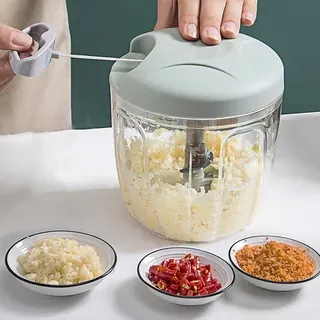 Pull chopper for garlic and onionAliExpress
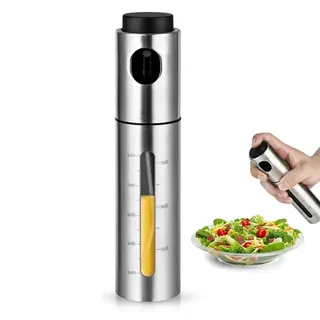 Oil sprayerAliExpress
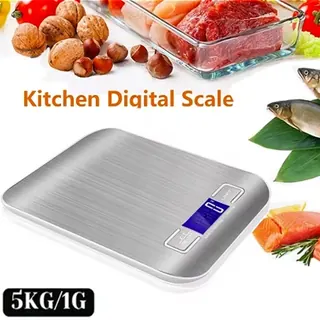 Kitchen scale up to 5 kgAliExpress
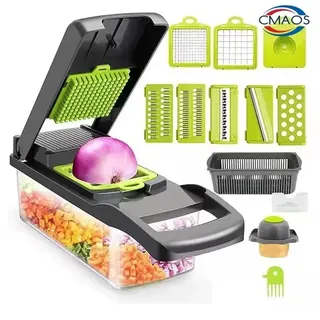 Vegetable chopper with handleAliExpress
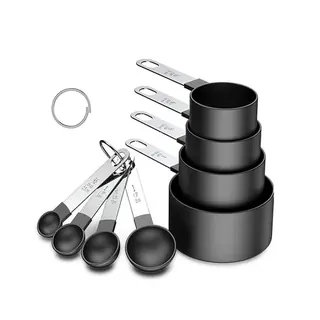 Measuring cups and spoonsAliExpress
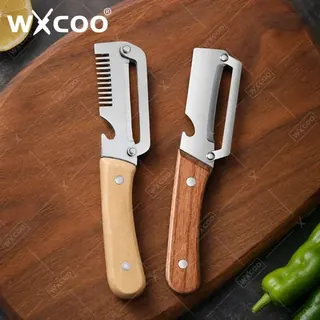 Peeler with wooden handleAliExpress