Imam Bayildi – Stuffed Eggplant Recipe with Tomatoes

Imam Bayildi – Stuffed Eggplant

☆ Rate it

The East is a delicate matter! © Comrade Sukhov

We have learned to cook a delicious Middle Eastern dish – imam bayildi.

After a first trip to a Middle Eastern country, what probably stays in the memory forever is the exquisite and incredibly tasty works of culinary art. Pilaf, shurpa, halva, sweets of every imaginable kind, shashlik. Sometimes I dream about it all.

No wonder a huge number of Middle Eastern recipes spread around the world long ago and became part of other national cuisines. The eggplant dish called imam bayildi is no exception.

In ancient times people began to cultivate wild vegetables. But since most of them are rather unpleasant to eat raw, they had to be fried, boiled and salted.

And given that eating, say, boiled onion is pretty nasty (for some), people started combining things. And so, a very long time ago, they put together the ingredients of a stunning vegetable dish. They say the first to taste it was a spiritual leader of the Muslims, an imam, and having tasted it, he fainted with an astonished look on his face, overwhelmed by the flavour of the new dish, which is built around eggplants baked with tomato.

And so the dish was named Imam Bayildi, which in Turkish means “the imam fainted”.

In Italy there is a thing called antipasti. Everyone knows what pasta is. In short, it is noodles with seasoning and sauce. It is usually served before the main course. That is the custom. But antipasti is by no means “against” pasta, that is, it does not cancel it. It means “before the pasta”. Something to whet the appetite. Antipasti is usually something a little spicy and in a small amount, so that there is room left for the main course. You may be offered sun-dried tomatoes with olive oil and garlic, a spicy vegetable stew, or hot or sweet peppers stuffed with feta cheese.

Given that eggplants were domesticated 15 centuries ago, and the tomato was brought to Europe from America by the “Columbuses”, I suspect that 1000 years ago the imam fainted over a somewhat different dish. But the essence of imam bayildi seems to have survived.

Imam bayildi is a very tasty Middle Eastern vegetable dish whose name means “the imam fainted” in Turkish.

Ingredients

2 servings

  • Medium eggplants 3
  • Bell pepper 1
  • Onions 2
  • Garlic 2–3 cloves
  • Tomatoes 2
  • Tomato paste 1 tbsp (17 g)
  • Olive oil 3–4 tbsp
  • Sugar 1 tsp (5 g)
  • Lemon juice or wine vinegar 0.5 tsp
  • Spices: coriander, black pepper, nutmeg, salt to taste

Step-by-step recipe

Tomato filling

Classic Middle Eastern recipes usually call for sun-dried tomatoes. Since they are not very popular here, they are most often left out and replaced with tomato paste. But if you really want them, sun-dried tomatoes are easy to make at home — in the oven, or even more simply in the microwave. Cut the tomatoes into 8 wedges, remove the seeds and the green core, and season lightly with salt and pepper. Brush with olive oil and microwave on full power for up to 10 minutes, until most of the moisture has cooked out of the wedges.

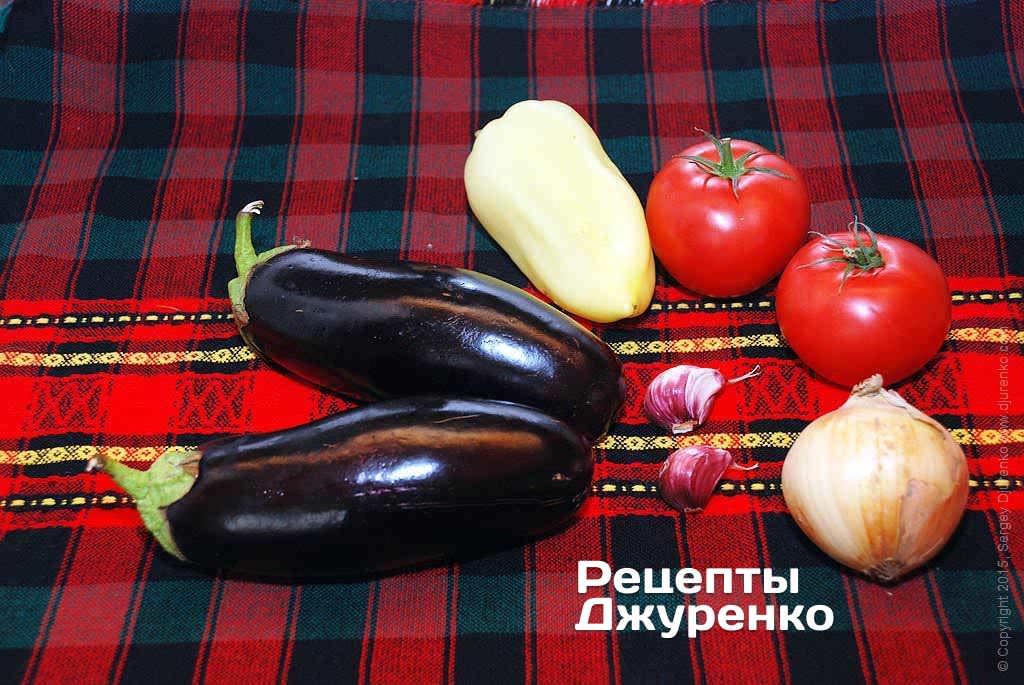
  1. Peel and wash the onions, garlic and pepper, and remove everything unwanted and inedible.
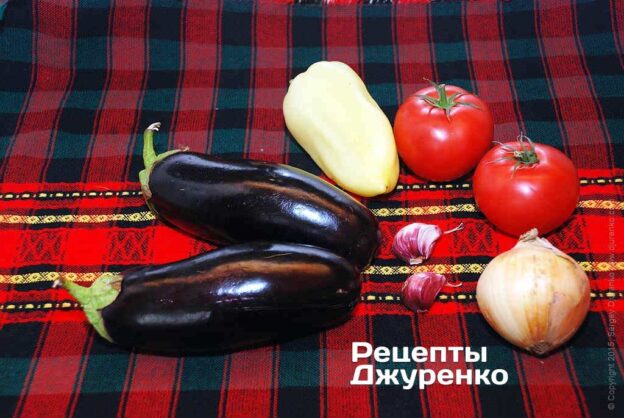
    Eggplants, tomatoes, pepper, onions and garlic.
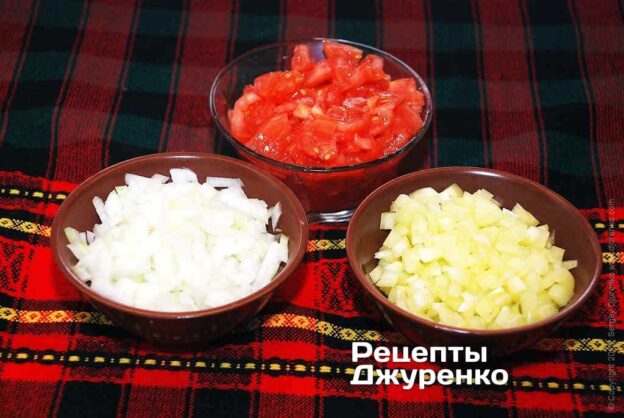
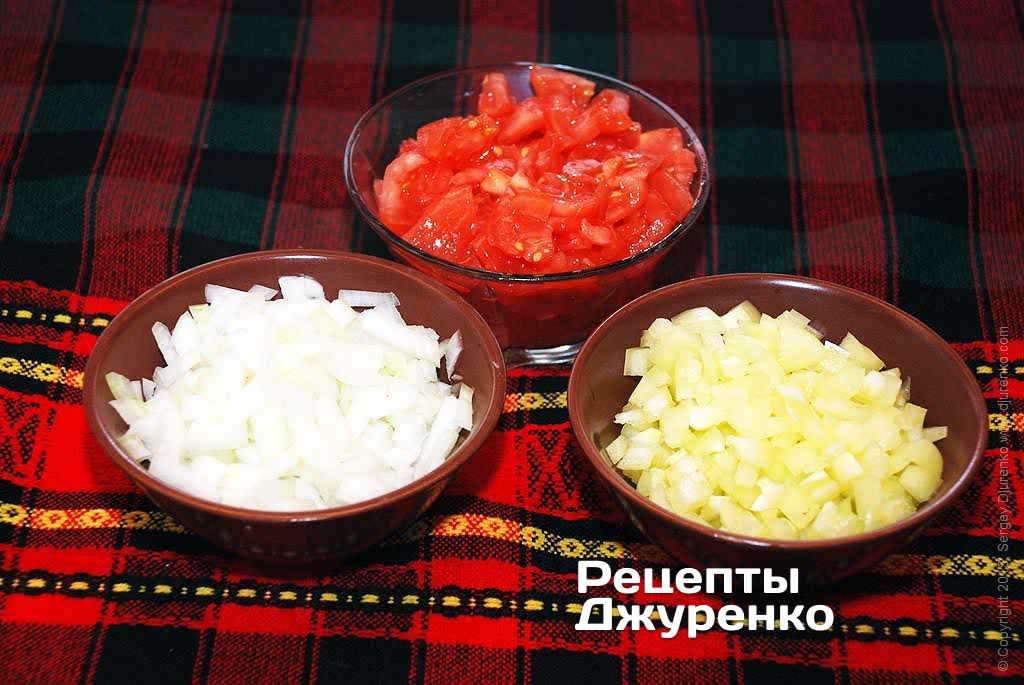
    Peeled and washed onions, garlic and pepper.
  2. If you have decided not to make sun-dried tomatoes, scald the fresh tomatoes, peel them and remove the seeds. Chop the flesh finely.

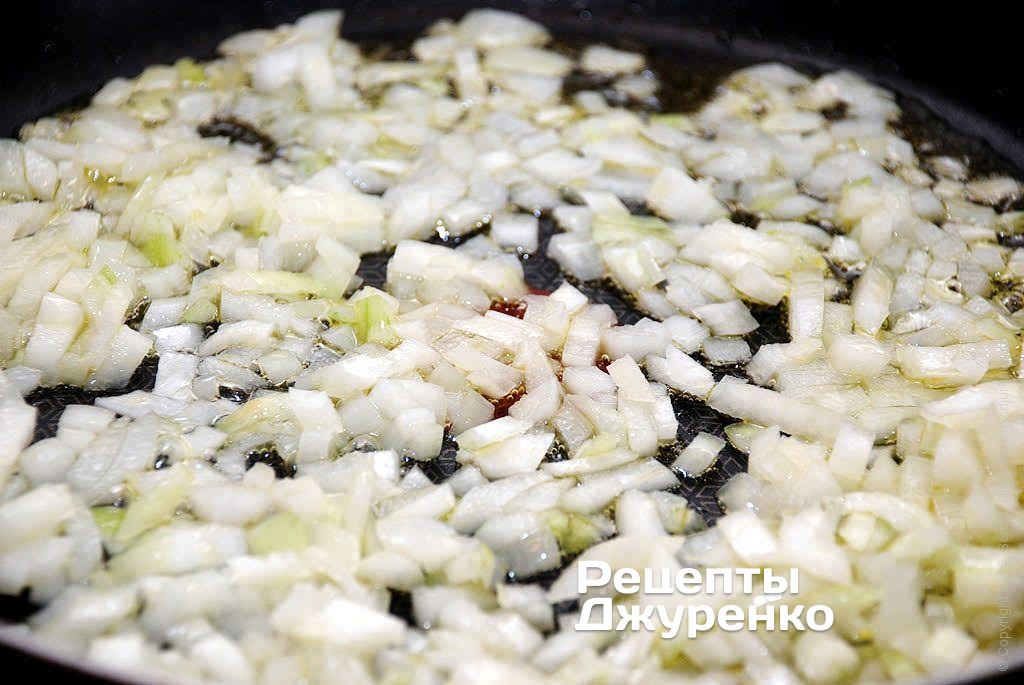
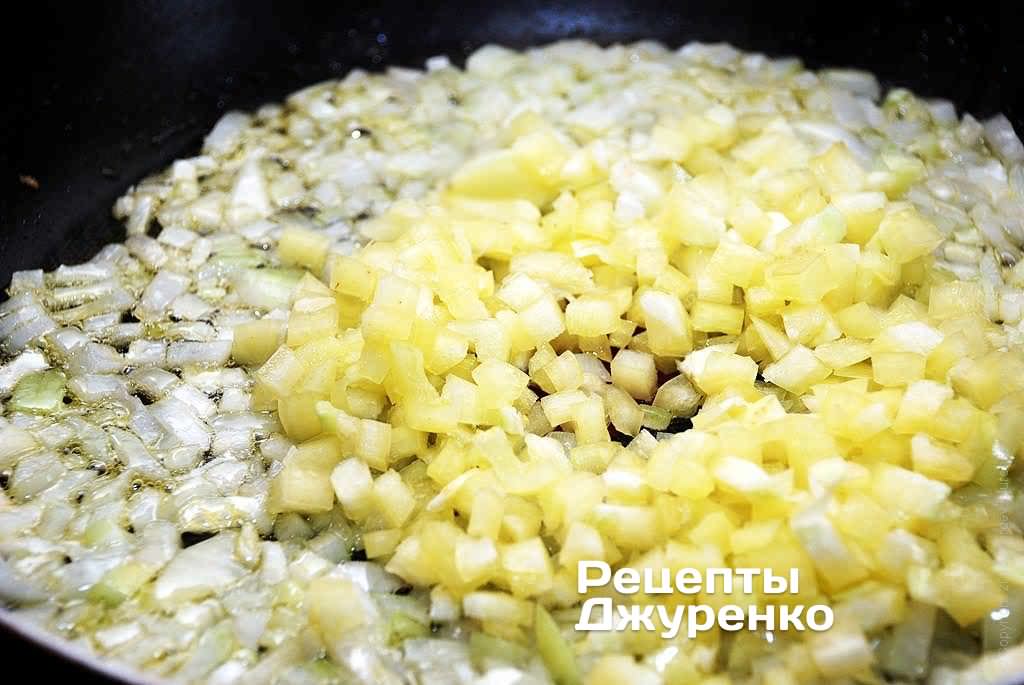
  3. Chop the onions finely and fry in olive oil until soft.
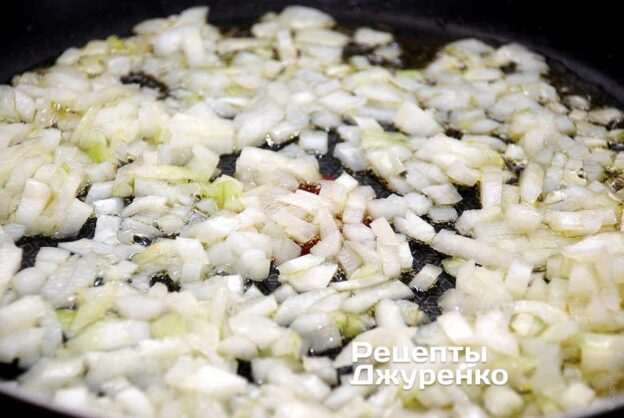
    Finely chopped onions frying in olive oil until soft.

    Add the finely chopped bell pepper and the garlic crushed with a pinch of salt.
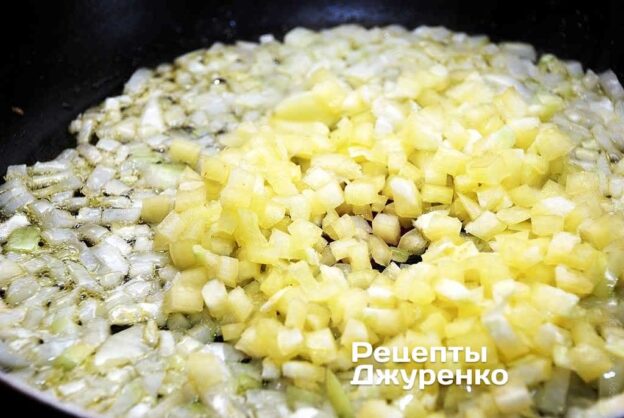
    Adding the finely chopped bell pepper.
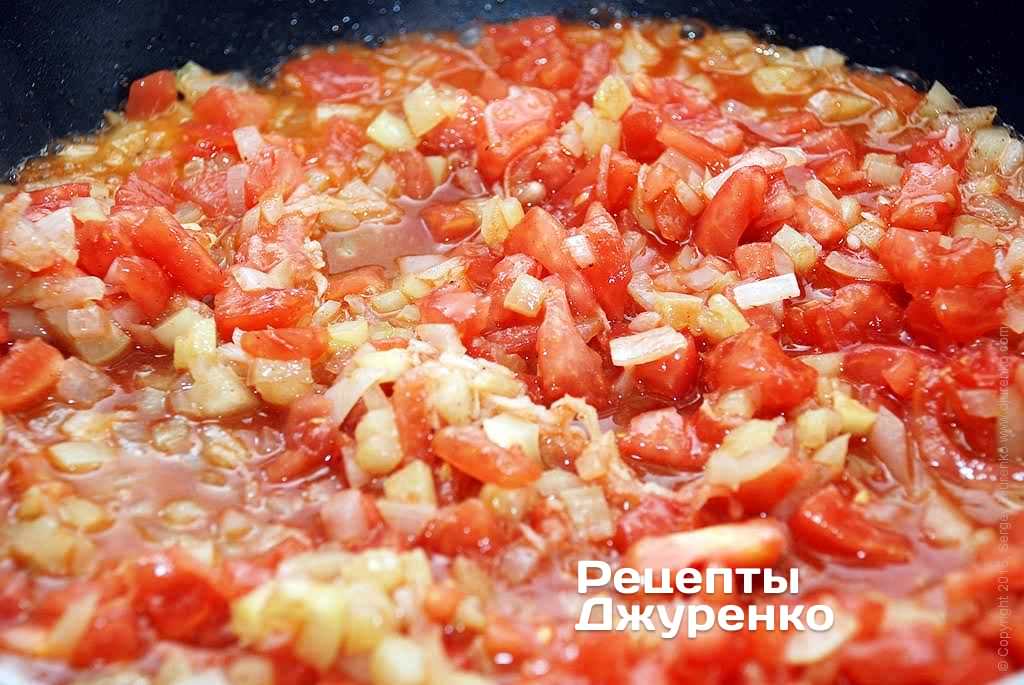
  4. Add 1 tbsp of tomato paste (17 g) and the tomato flesh (or the prepared sun-dried tomatoes). Add spices to taste, 1 tsp of sugar (5 g) and 0.5 tsp of lemon juice (or wine vinegar).

  5. Simmer everything under a lid for 15 minutes. If needed, add a little water or (as a friend of mine does) good tomato juice. This gives you the tomato filling for stuffing. The filling should be fairly thick, like homemade sour cream.
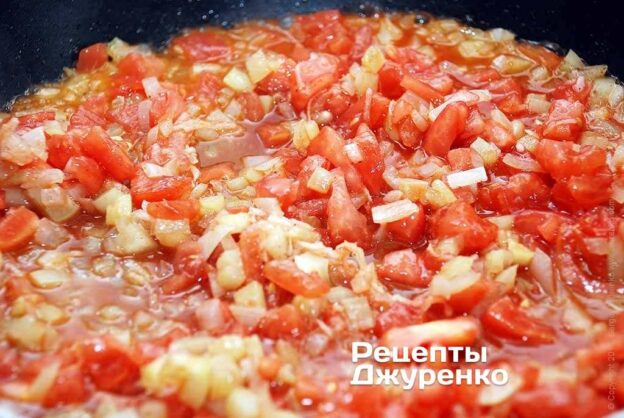
    The filling simmering under a lid for 15 minutes.

    Take the filling off the heat.

Stuffing the eggplants

In Turkey I ate imam bayildi as a casserole: vegetables cut into rounds, everything covered with the tomato filling and baked. In Egypt I tried another version, a stuffed eggplant. It is all the same, except that the eggplant is prepared: the skin is cut off in strips and the filling is placed into a hollow made in it. Both versions are incredibly tasty and special. Here the version with whole eggplants has caught on more.

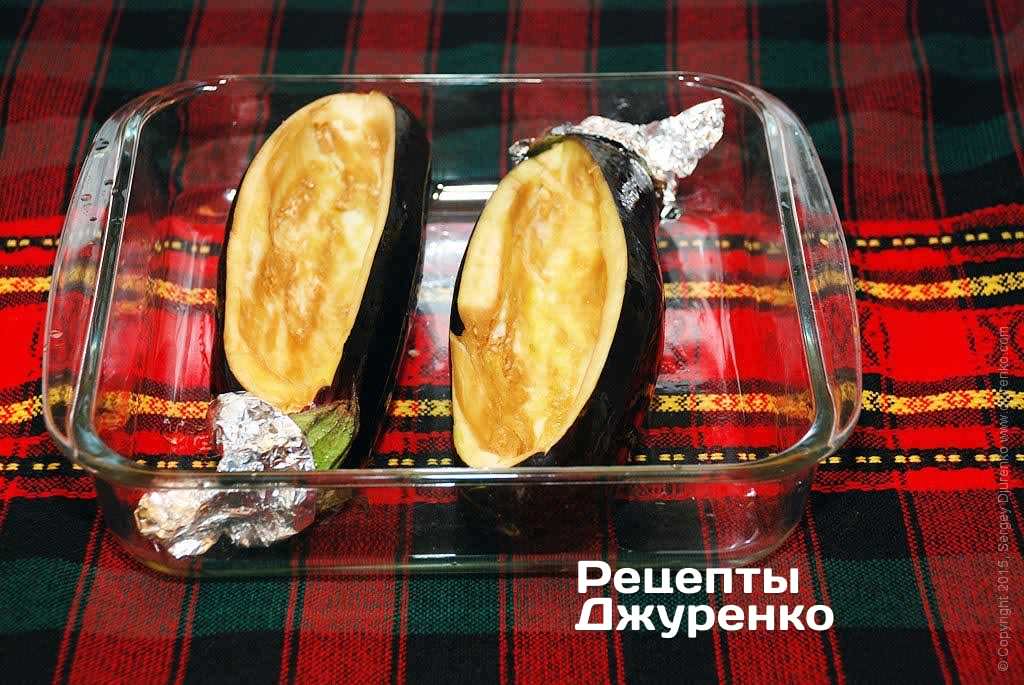
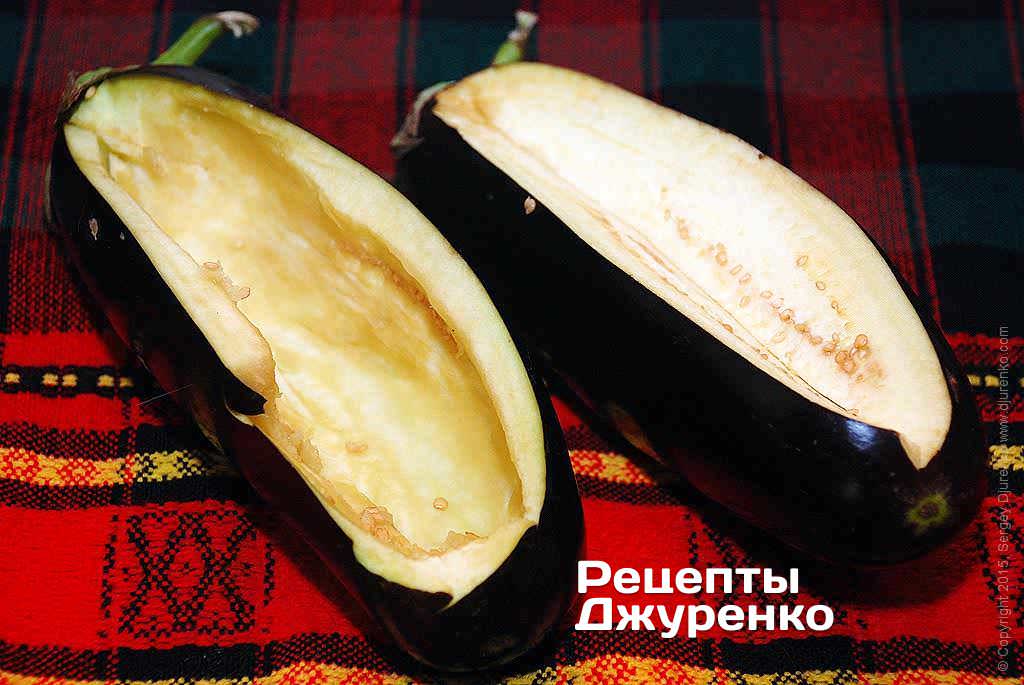
  1. Wash the medium eggplants and wipe them dry. Make a deep lengthwise cut, 2/3 of the way through, and scoop out all the seeds and flesh with a teaspoon. With the tip of a knife, remove the skin in strips along the eggplant. Or simply score it lengthwise, so that you do not have to cut through the skin in the finished dish.
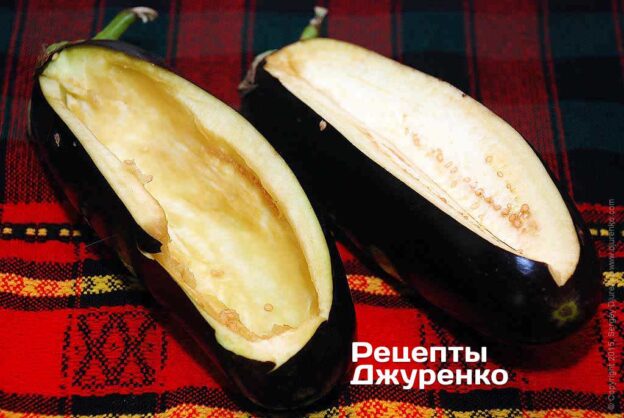
    Medium eggplants, washed and dried, cut deep lengthwise 2/3 of the way through, with the seeds and flesh scooped out with a teaspoon.

    Do you need to draw out the bitterness with salt, as nearly every book and tip says? I have not come across a bitter eggplant for a long time. So it is up to you.

  2. Brush the eggplants with olive oil, just a little.
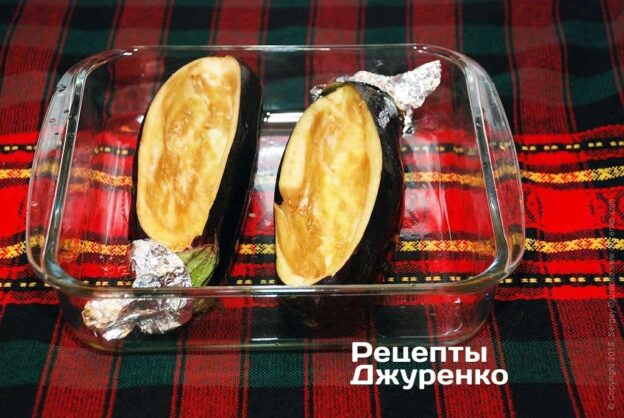
    Eggplants brushed with olive oil.

    Stuff the eggplants with the tomato mixture and place them on an oiled plate or baking dish.
Baking

  1. To keep the green stem on the eggplants, wrap it in a small piece of foil. Put the dish in the oven for 30–40 minutes, or simply in the microwave for 15 minutes.
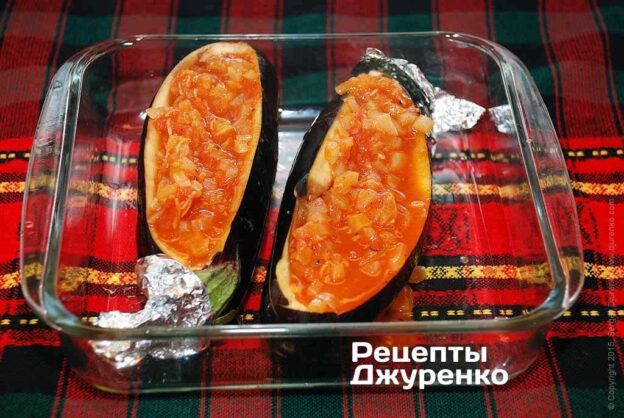
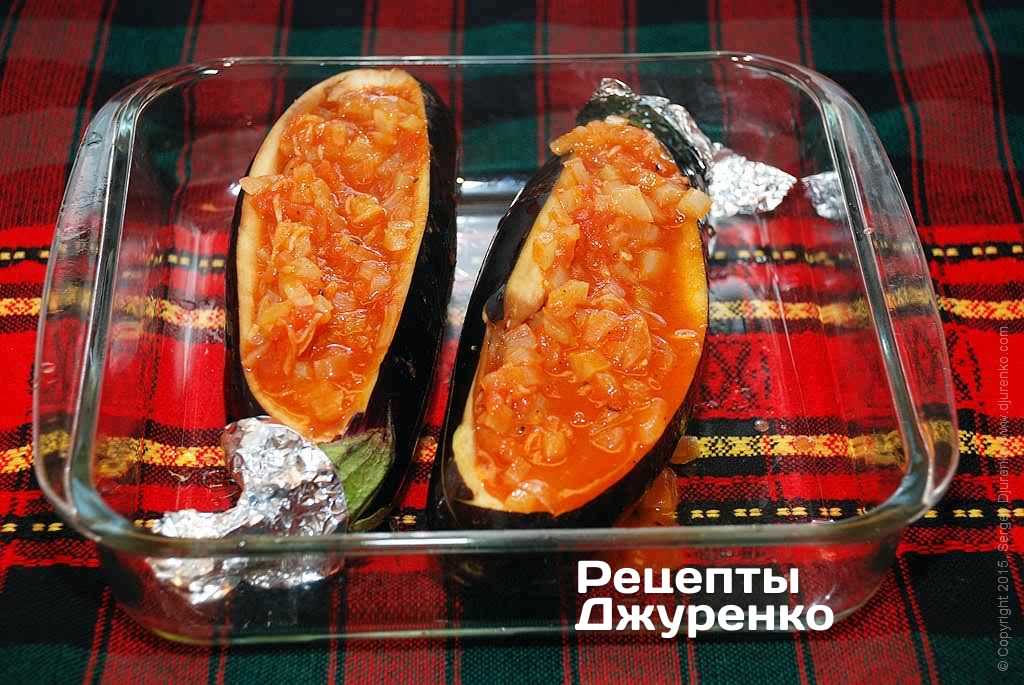
    Stuffed eggplants going into the oven.

Serving

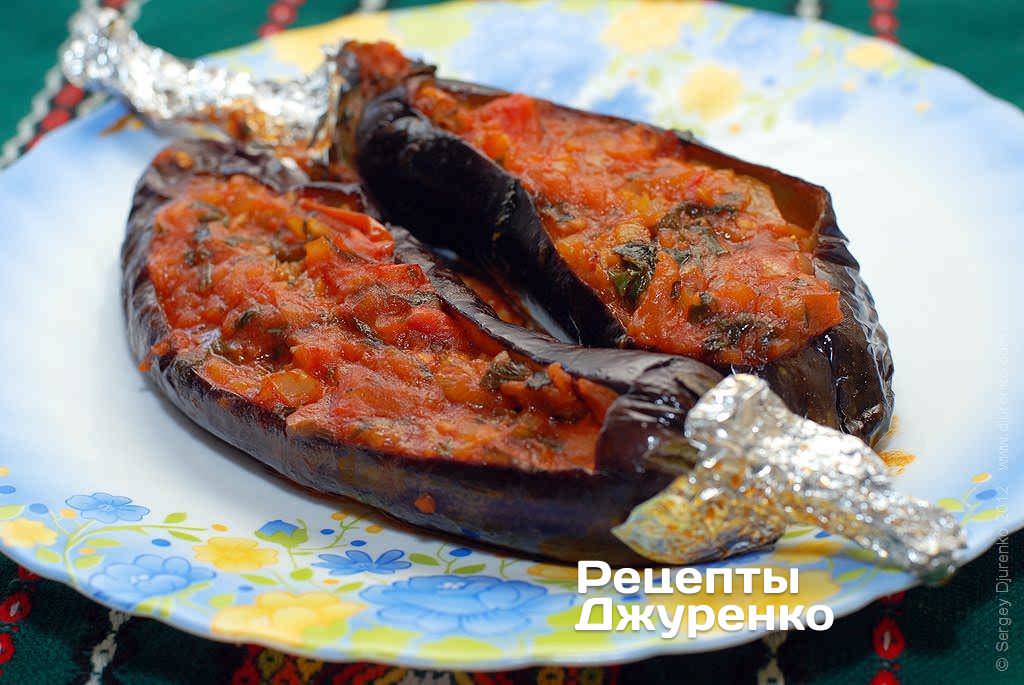
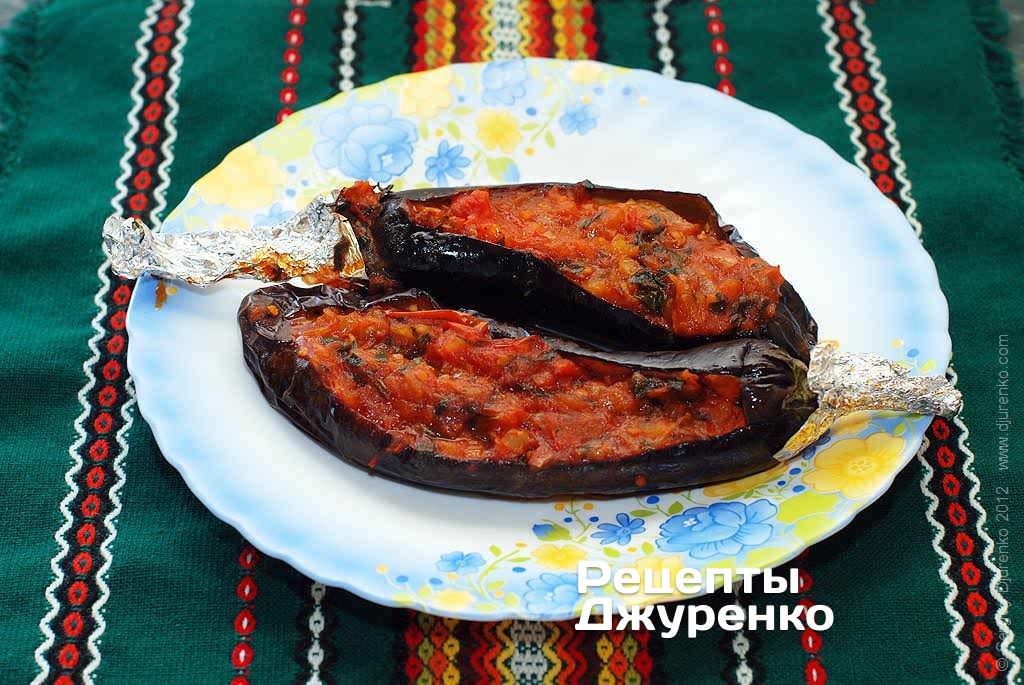
  1. Serve hot, straight from the oven. Boiled new potatoes make an excellent side.
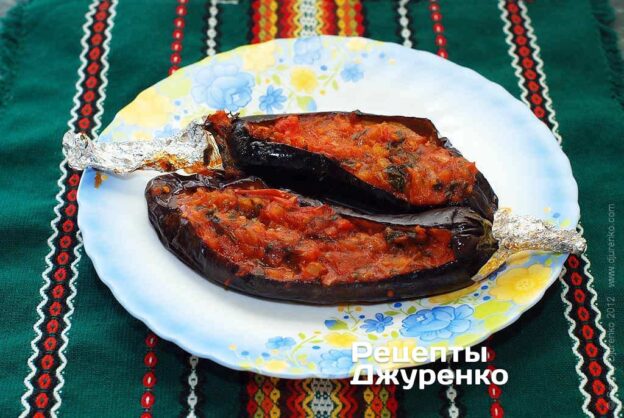
    Imam bayildi

    One last thing: you can also add chopped herbs and more grated nutmeg to the tomato filling for imam bayildi — many people like it that way.
How did you like this recipe?

No one has rated it yet — be the first.

Thanks for rating!
Sorry you didn't like it

Leave your email and I'll write to find out what went wrong. A 1–2 rating counts only with an email. I won't publish it.

Tell us how it turned out

Calories and macros

420 kcal

Serving ≈ 750 g

  • Protein8 g8% of kcal
  • Fat26 g60% of kcal
  • Carbs31 g32% of kcal

100 g56 kcalProtein 1 gFat 3.4 gCarbs 4.1 g

Calculated from the recipe ingredients, excluding salt and spices. Data: USDA and Matvaretabellen.

Made it? Tell me how it turned out — I read every review

The maximum upload file size: 10 MB. You can upload: image. Links to YouTube, Facebook, Twitter and other services inserted in the comment text will be automatically embedded. Drop file here

To Get It Right

Which eggplants to choose

Medium-sized ones: they are easy to stuff whole and cook through in 30–40 minutes. A large eggplant also works, as long as it is not overripe.

Spices

Coriander, black pepper and nutmeg go into the filling together with the sugar and lemon juice. Khmeli suneli works instead — it is also a spice blend.

If the filling is runny

The filling should be thick, like homemade sour cream, otherwise it will run out of the eggplants while baking. If it turns out runny, simmer it for a few more minutes without the lid.

Have your own trick for this recipe?

Questions and answers

What is imam bayildi?

A Turkish dish of eggplants stuffed with a tomato filling of onion, bell pepper and garlic, then baked. The name translates from Turkish as “the imam fainted”.

How long to bake imam bayildi in the oven?

30–40 minutes, until the eggplants are soft. In the microwave, 15 minutes is enough.

Can you microwave eggplant with foil on it?

Yes, as long as there is very little foil — just a small piece on the green stem. That is how it was done in the photo, and the microwave is fine.

Can you make imam bayildi with meat?

Classic imam bayildi is a vegetable dish with no meat. Eggplants with ground meat are a different Turkish dish, karnıyarık.

Can you make imam bayildi for winter?

This recipe is a hot dish served straight from the oven. Preserving for winter needs a separate recipe with sterilized jars.

Didn't find an answer? Ask your question