
New York-Style Pizza


Ingredients
6-8 servings
- For the base
- Yeast pizza dough 400 g
- For the tomato sauce
- Crushed tomatoes 250 g
- Fresh basil 1-2 sprigs
- Garlic 2 cloves
- Mild chili peppers 1-2
- Olive oil 2 tbsp
- Dried oregano a scant 1 tsp
- Salt to taste
- Sugar optional
- For the topping and serving
- Low-moisture mozzarella 200 g
- Fresh basil leaves, chili flakes optional
Step-by-step recipe
Ingredients and dough
The topping for New York-style pizza is very simple: homemade tomato sauce and low-moisture mozzarella. If you want to add something else, go ahead, just don’t overdo it. For the homemade sauce we use canned crushed tomatoes, a few small peppers (usually sweet or mildly hot), basil and garlic. Oregano is an important part of the sauce, and dried or fresh both work. For the cheese, skip the fresh mozzarella packed in brine and use low-moisture mozzarella: it grates easily and browns nicely in the oven.

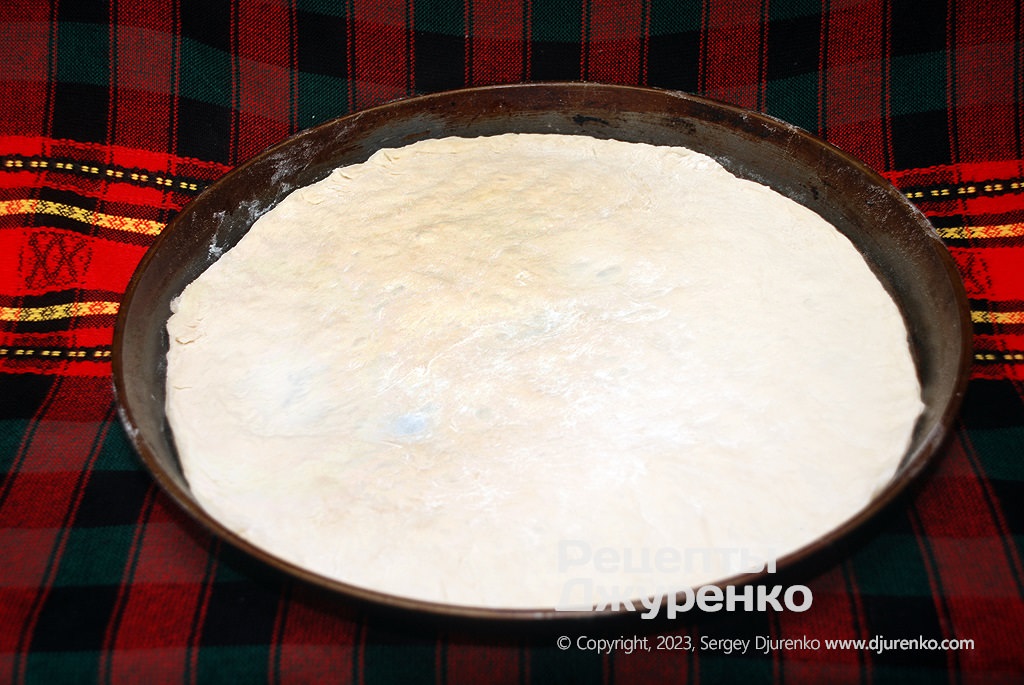
Make the pizza dough in advance. Pizzerias usually make it a day or two ahead and let it rest in the fridge, which gives a pizza with a crisp crust and a soft middle. A cold-fermented pizza dough is easy to make but takes time. As an alternative, you can use a regular yeast pizza dough – it can also be stretched thin and baked crisp.

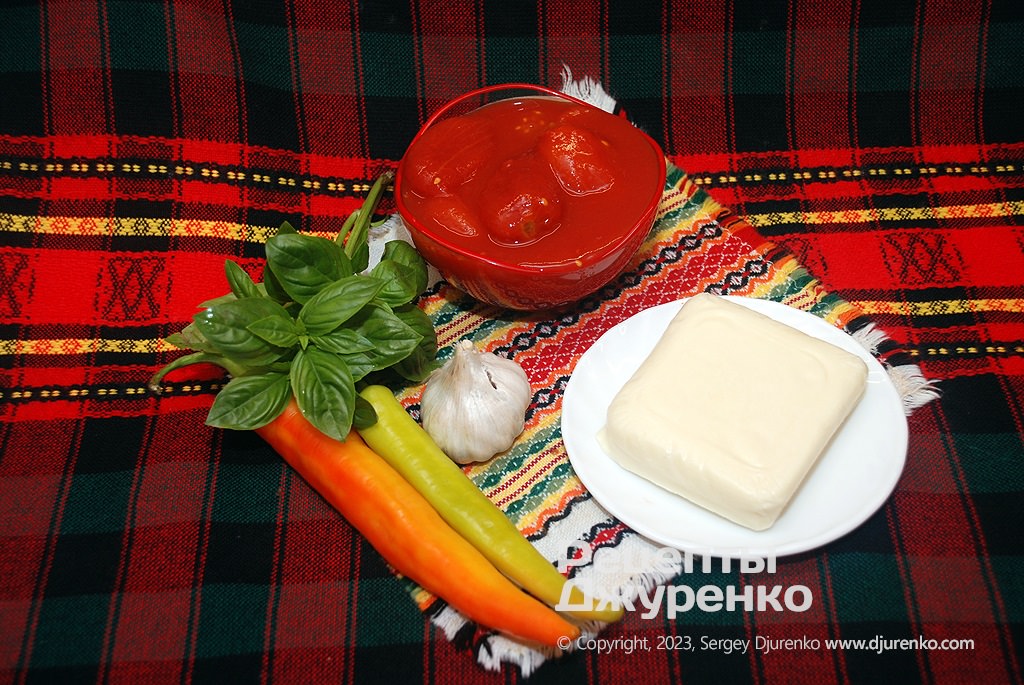
Homemade tomato sauce
Canned crushed tomatoes make a very good base for the sauce. You can also buy canned whole peeled tomatoes and blitz them with a blender or simply crush them by hand.
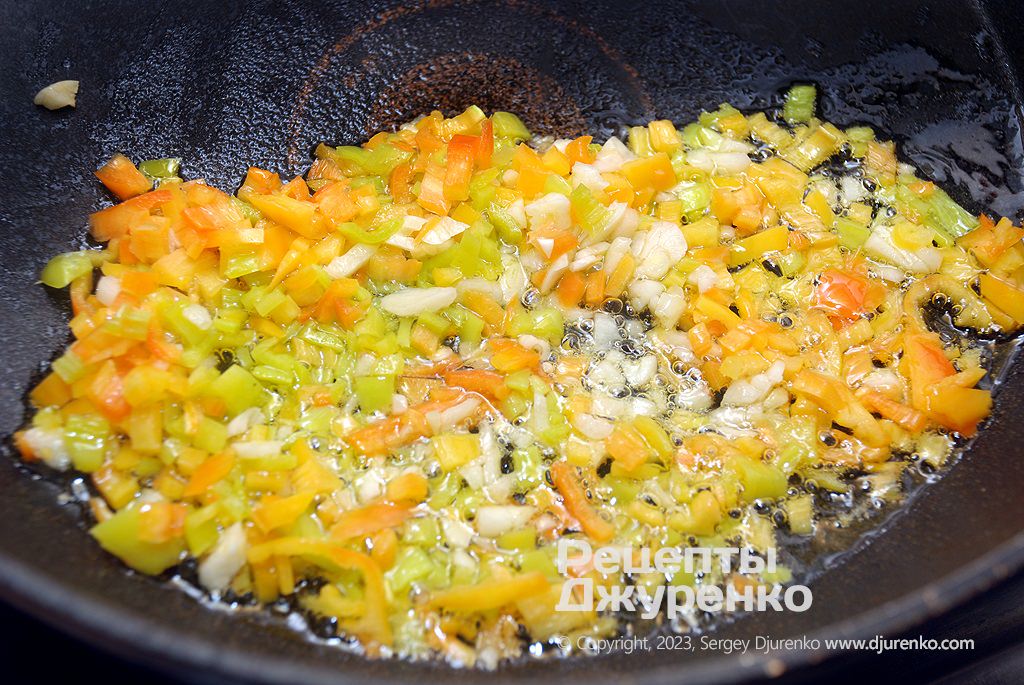
Fry the garlic and peppers. Peel the garlic, seed the peppers and chop both finely. Fry them in olive oil in a frying pan over medium heat for 2-3 minutes.

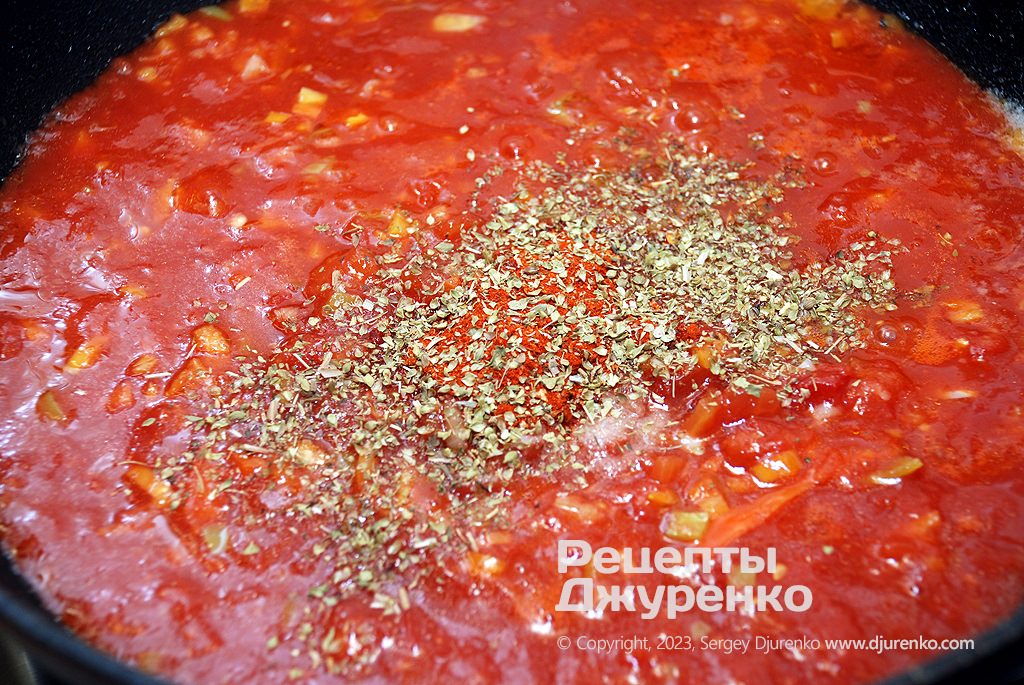
Simmer the tomatoes with oregano, covered. Add the crushed tomatoes to the pan. Season the sauce with a little salt and add a scant teaspoon of dried oregano. Simmer covered over medium heat for 4-5 minutes.
A little sugar is often added to sauces to round out the flavour – that’s up to you. Chili powder is a common addition too, but if I want a slightly spicy tomato sauce, I prefer to add fresh chili right at the start.

Add the basil and reduce the sauce until as thick as sour cream. Wash the basil and pick the leaves off the sprigs. Chop them with a knife and stir into the sauce. Simmer covered for another 4-5 minutes, then taste for salt and heat and add more if needed. Take the lid off and keep simmering until the sauce is as thick as good sour cream: it should hold its shape rather than run and be easy to scoop with a spoon. Let the sauce cool a little.

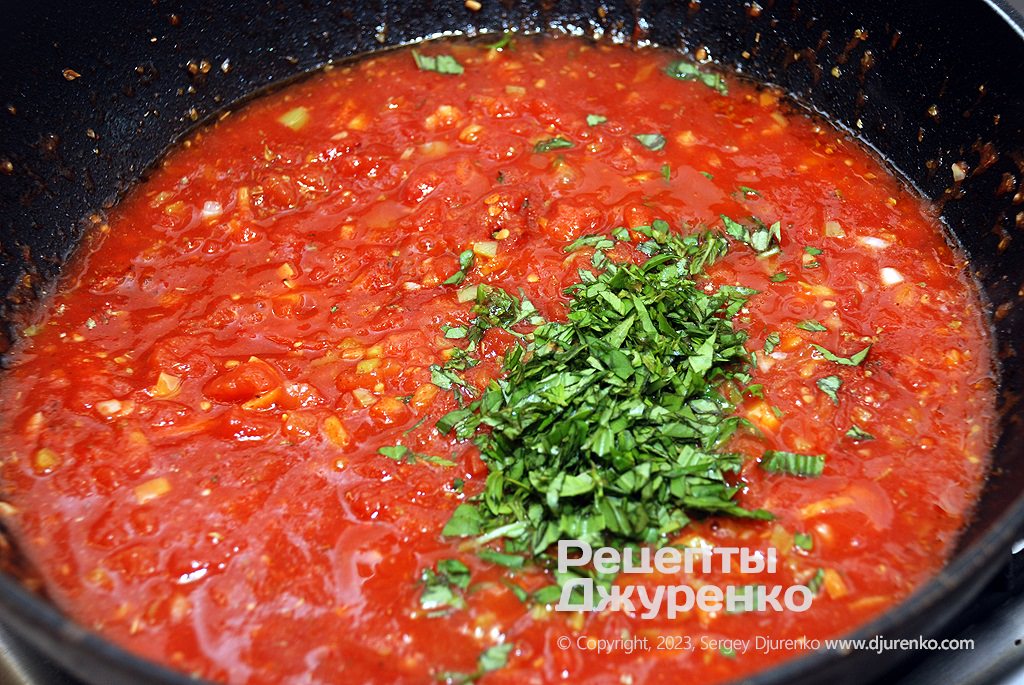
Assembling and baking
Stretch the dough and add the topping. Right before baking, stretch the dough into a round on the pan, leaving a thicker rim. We use a 36 cm (14-inch) pizza pan. Spoon all the sauce onto the dough and spread it evenly, leaving the rim bare – it sits a little higher than the base. Grate the mozzarella and scatter it generously over the sauce, again leaving the rim free. The cheese is often laid out in a simple pattern – that’s up to you.

Good pizzerias bake New York-style pizza in wood-fired ovens at a high temperature. Even electric pizza ovens get up to 250-260°C.
Bake the pizza in a well-preheated oven until the crust and cheese are browned. At home we bake it at 200-220°C. Preheat the oven thoroughly so it is properly hot, then put the pan with the pizza in to bake.

Depending on the temperature, a New York pizza takes 10-20 minutes to bake. At 180-190°C ours usually takes about 20 minutes; at 220°C, 15-17 minutes. Go by the underside of the crust, where it touches the pan, and by the mozzarella: it should melt and turn golden in spots.

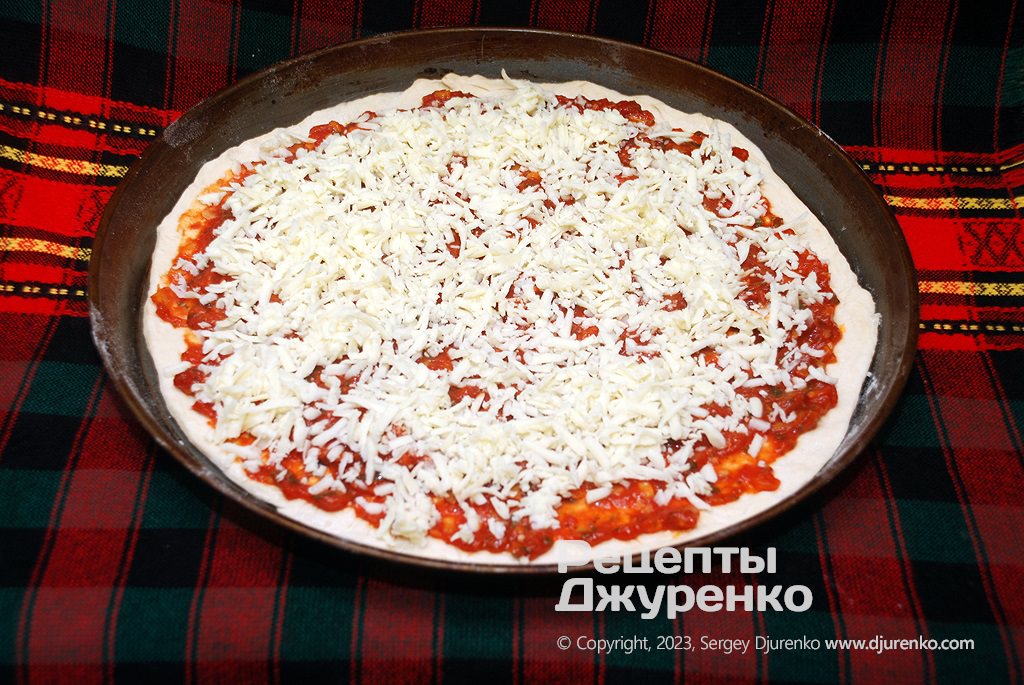
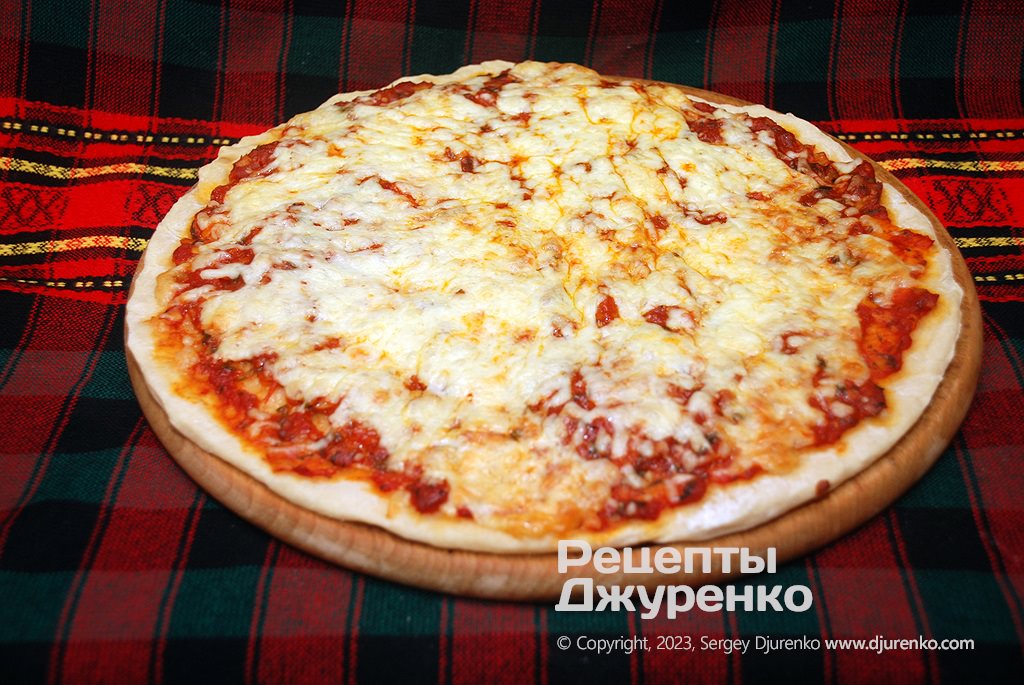
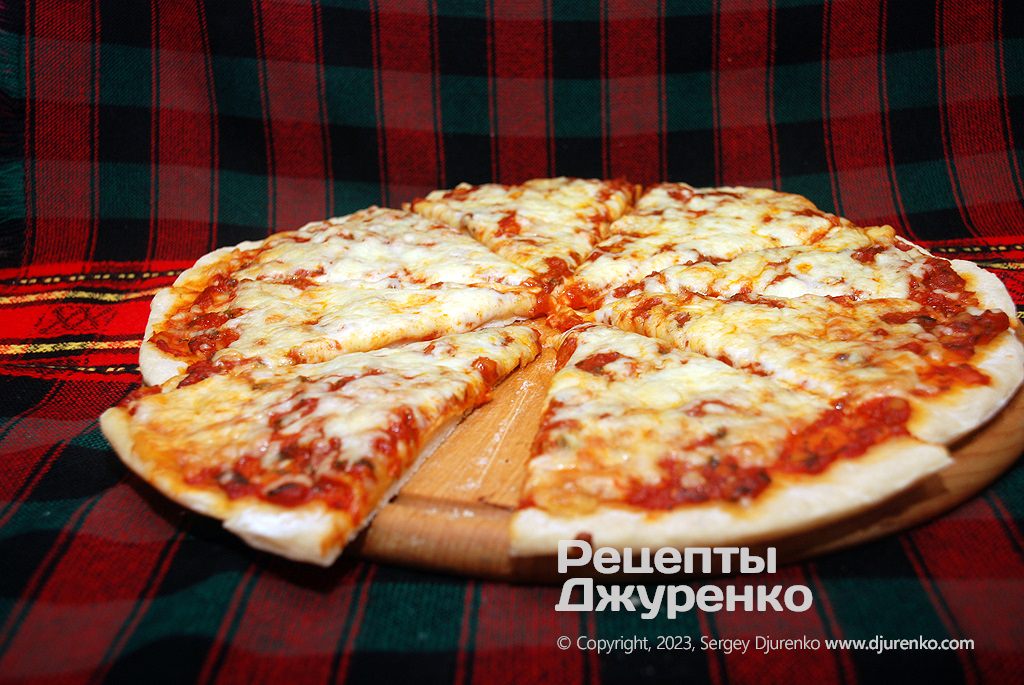
Serving
Take the pizza out of the oven and cut it into 6-8 slices. If you like, scatter a few fresh basil leaves over the cheese before serving. I once saw street pizza sprinkled with a pinch of chili flakes, and it was really good.
Grab a slice, fold it and eat it with whatever you like to drink. Or just eat it – it’s delicious and very filling while hot.
Calories and macros
171 kcal
100 g
- Protein3.7 g9% of kcal
- Fat5.8 g32% of kcal
- Carbs24.3 g59% of kcal
Calculated from the recipe ingredients, excluding salt and spices. Data: USDA and Matvaretabellen.