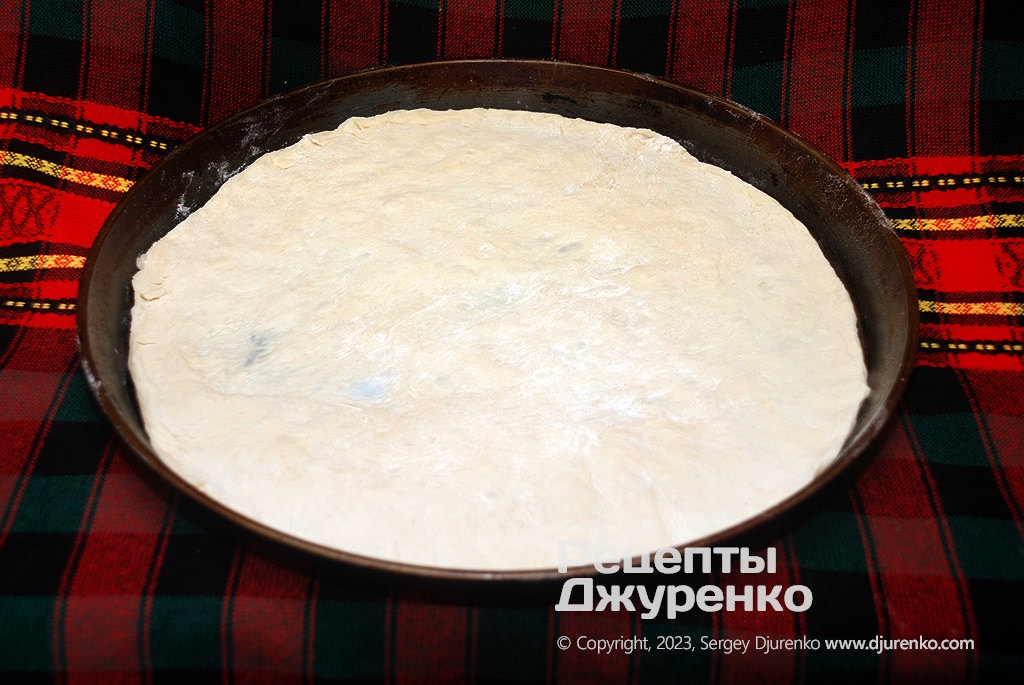
Cold-Fermented Pizza Dough



Ingredients
1 pizza, 35–40 cm
- All-purpose flour 200 g
- Water about 150 ml
- Instant dry yeast 5 g (½ packet)
- Olive oil 2 tbsp
- Sugar 2 tsp (9 g)
- Salt a pinch
- Flour for dusting as needed
Step-by-step recipe
Making the dough
To bake a thin pizza with a crispy crust, a cold-fermented yeast dough is your best bet. It gives you a soft pizza that you can even fold in four if you like – I’ve seen it done – while the very edge, the crust, stays firm and crispy, which feels wonderful to bite into. On top of that, the dough holds the toppings well and doesn’t sag when you cut it into slices.
Get the right amount of sifted flour ready, half a packet of instant yeast (3 g), salt and a little sugar. You’ll also need warm water and olive oil.
Even though the vast majority of pizzerias make their dough with special equipment that produces a smooth, elastic result, making cold-fermented yeast dough at home in small batches isn’t hard.

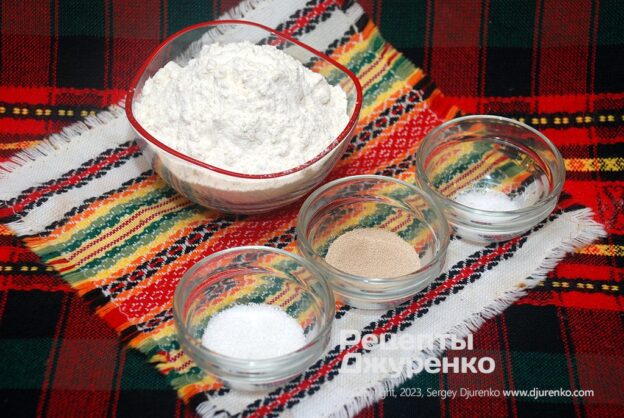
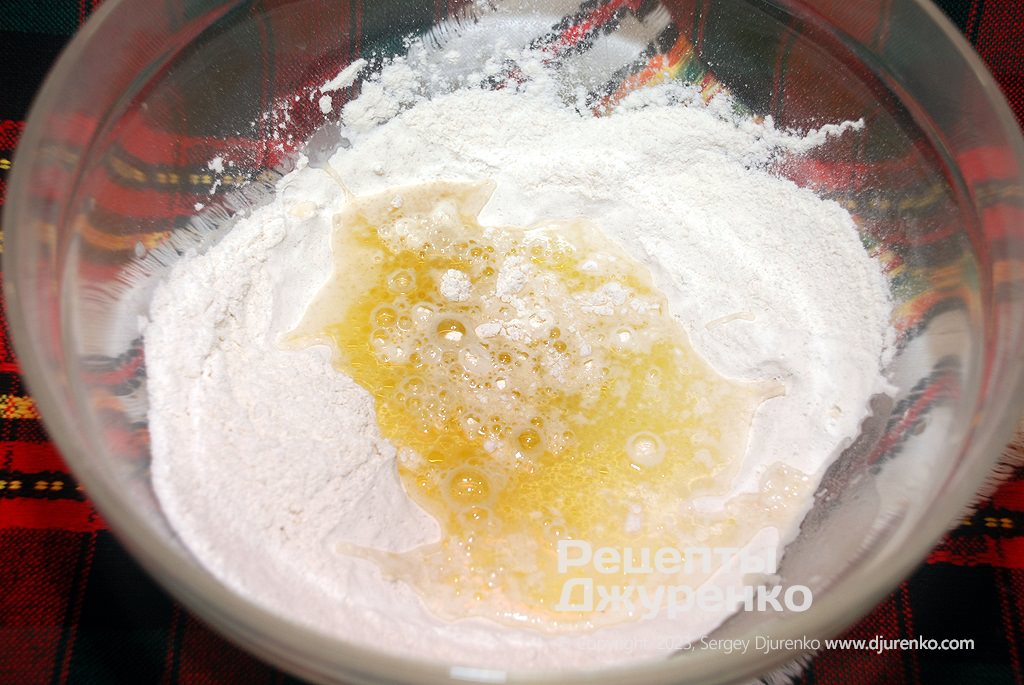
Combine all the dry ingredients: sifted flour, dry yeast, a pinch of salt and 2 tsp sugar (9 g). Stir the mixture with a fork so everything is evenly distributed. Measure out about 150 ml of boiled water and warm it until it’s just slightly warm – I simply put the glass in the microwave for 8–10 seconds, and that’s enough. Add 2 tbsp olive oil to the water, whisk with a fork and pour it into the bowl with the flour and other ingredients.
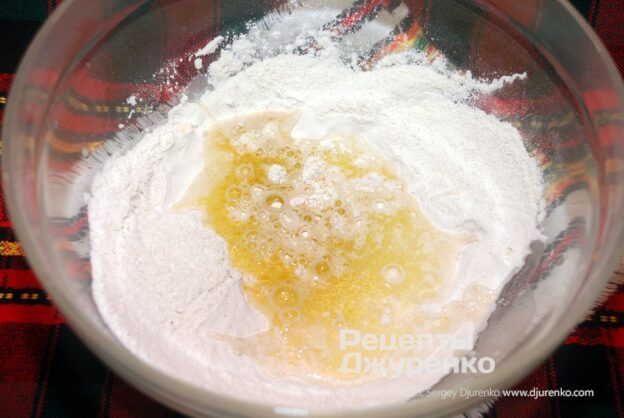
Knead the dough – it will be quite tacky and sticky, and that’s how it should be. Adding flour in small portions, keep kneading until the dough is completely smooth and only just on the edge of sticking to your hands. It will be very soft and will stretch under its own weight.

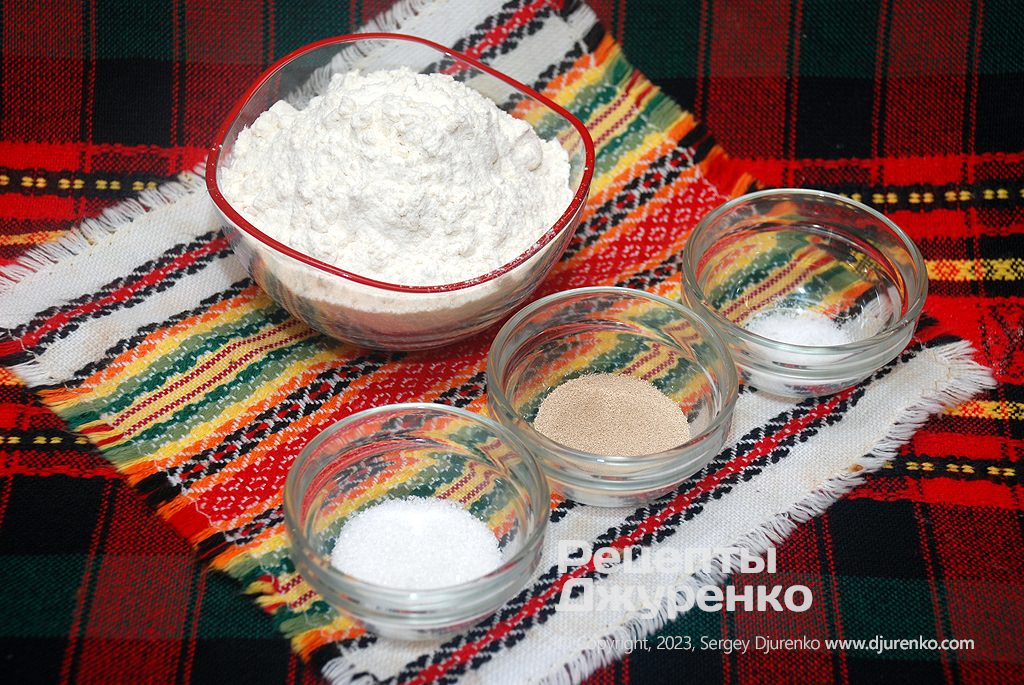
Fermenting in the fridge
Get a plastic container with a lid, roughly three times the volume of the dough. Dust the inside of the container with flour. Roll the dough into a ball and put it inside. Cover with the lid and leave it on the counter for 15–20 minutes.
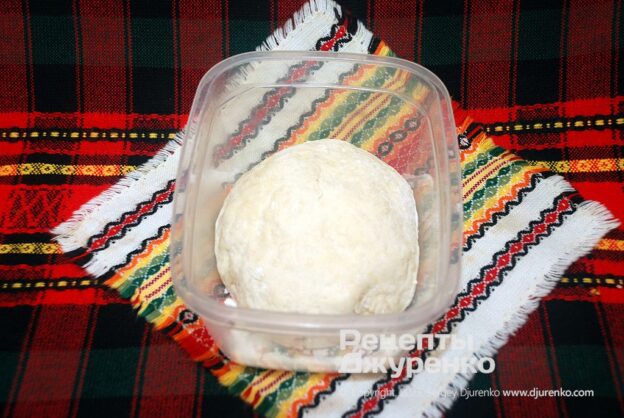
Move the dough to the fridge. The cold stage usually takes from 12 hours to a full day, although pizzerias sometimes keep dough in the cold for several days.
While it sits in the fridge, the gluten develops, which makes the finished dough incredibly elastic and lets you stretch it into a very thin, wide round.
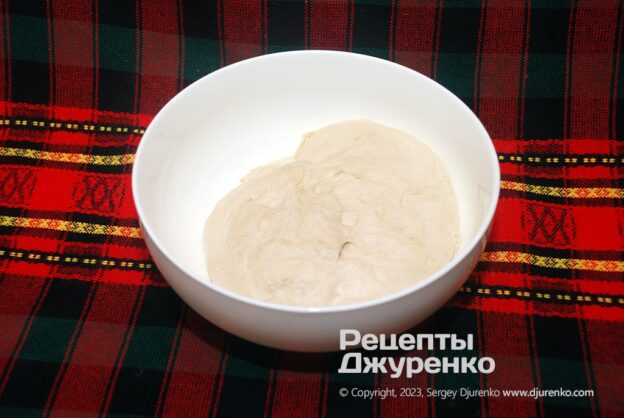
A couple of hours before baking the pizza, take the container out of the fridge. Knead the dough once more, adding flour in small portions so it doesn’t stick to your hands. The dough will warm up to room temperature and grow a little in volume.
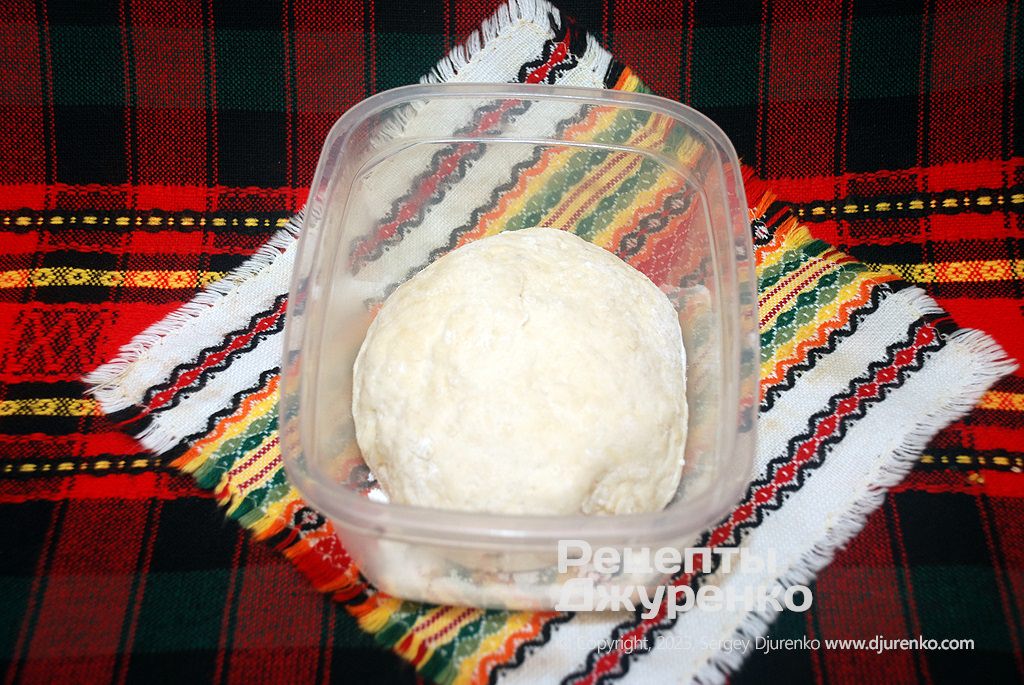
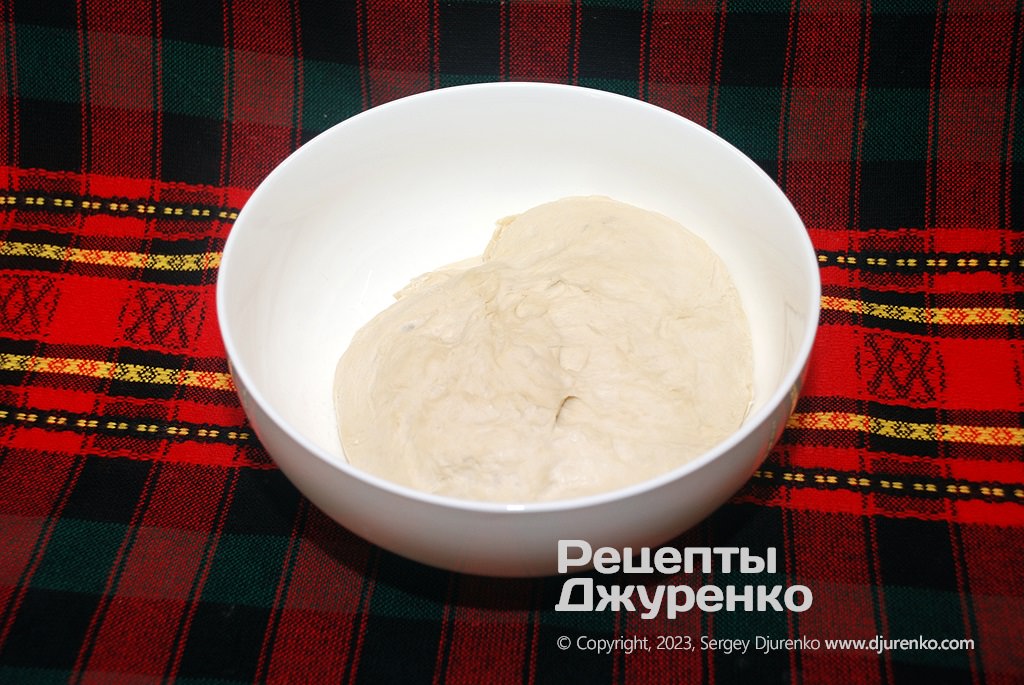
Shaping and baking
Stretch the dough and lay it in a pan, or on the counter if you bake without a pan in a wood-fired oven (this is where I start to envy you).
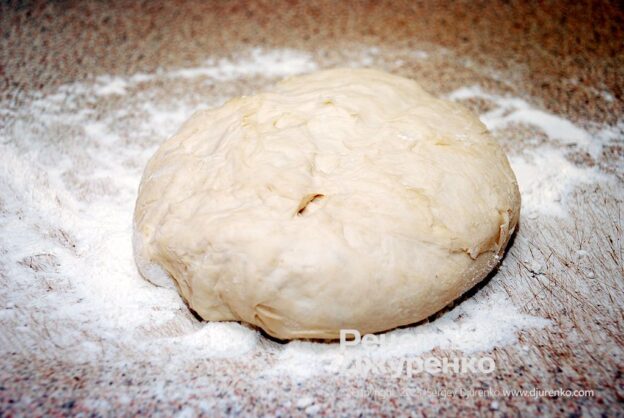
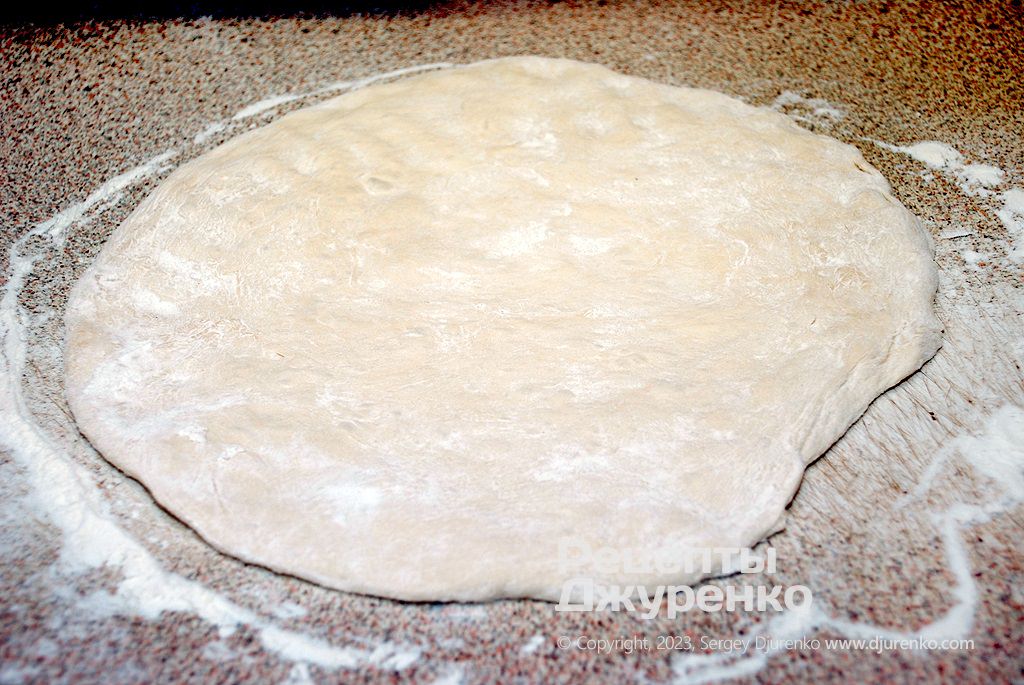
If you haven’t mastered the acrobatic dough-tossing tricks you see on TV, press the dough out with your fingers, working from the center toward the edge to form a round of the size you need.
This amount of ingredients makes enough cold-fermented dough for a pizza 35–40 cm across. You can go bigger, but it will be very thin.
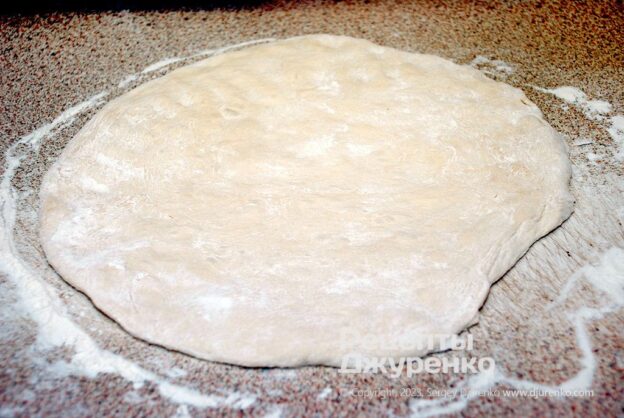
For pizza, the edge should be thicker than the middle – that’s what becomes the crispy crust. I make my pizza base about 4–5 mm thick in the center and 10–12 mm at the edge.
Let the dough rest for 15–20 minutes before adding the toppings. Bake the pizza in the oven for 20–25 minutes at 180–190 °C. Check for doneness by lifting the edge of the dough with a knife – the bottom should start to brown a little. In a wood-fired oven the time will be shorter, so go by the browning.
Most American pizzerias don’t use soft Italian 00 flour, but a much coarser blend of different wheat varieties – you can find a similar whole wheat flour in stores, so feel free to experiment.
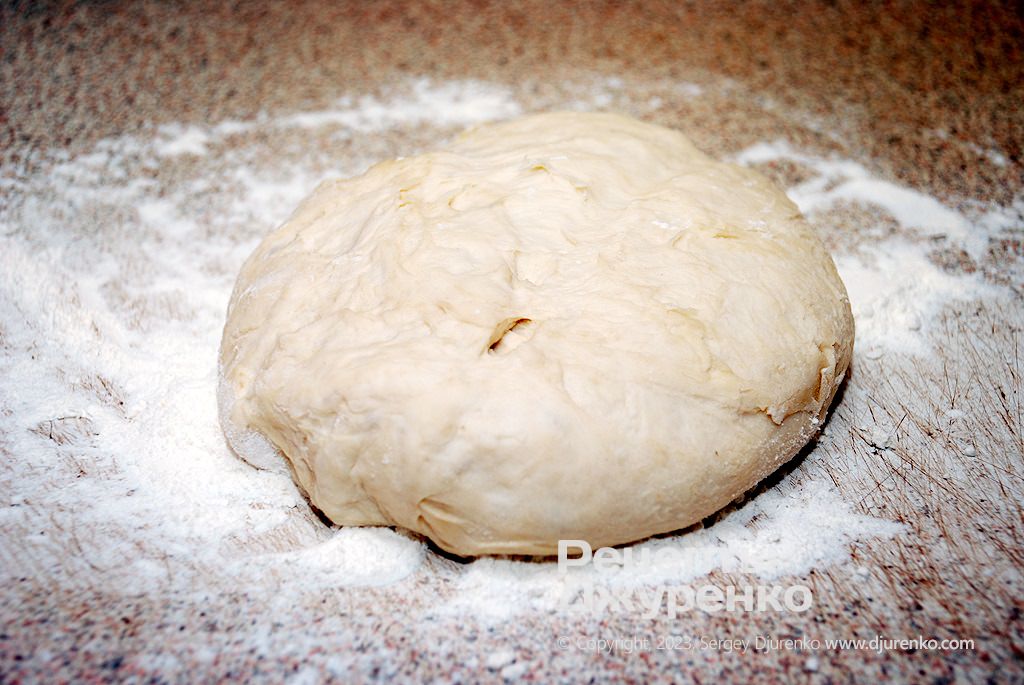
Calories and macros
261 kcal
100 g
- Protein5.8 g9% of kcal
- Fat7.6 g27% of kcal
- Carbs40 g64% of kcal
Calculated from the recipe ingredients, excluding salt and spices. Data: USDA and Matvaretabellen.
To Get It Right
Feeding a crowd: make a double batch
200 g of flour makes one 35–40 cm pizza. Readers suggest a double batch for 3 or more people: mix the dough from 400 g of flour, divide it into two balls and ferment them in two containers.
Have your own trick for this recipe?
Questions and answers
Can you leave pizza dough in the fridge overnight?
Yes, that’s the whole idea: make the dough the day before and refrigerate it for at least 12 hours, preferably a full day. Take it out a couple of hours before baking so it can warm up and rise.
How long can pizza dough be kept in the fridge?
Pizzerias sometimes keep dough in the cold for several days. At home, in a closed container, it keeps for 2–3 days, but the longer it sits, the more noticeable the sourness.
Can you freeze yeast pizza dough?
Yes, preferably after the cold ferment: coat the dough ball with oil and freeze it in a bag. Thaw it in the fridge, then leave it at room temperature for 2 hours.
Which is better for pizza: yeast or yeast-free dough?
For a thin pizza with a crispy edge and soft center, like in a pizzeria, go with cold-fermented yeast dough. Yeast-free dough is faster but turns out different.
How much yeast do you need for pizza?
For 200 g of flour, 5 g of instant dry yeast, half a packet. You can use fresh yeast instead: about three times as much, around 15 g.