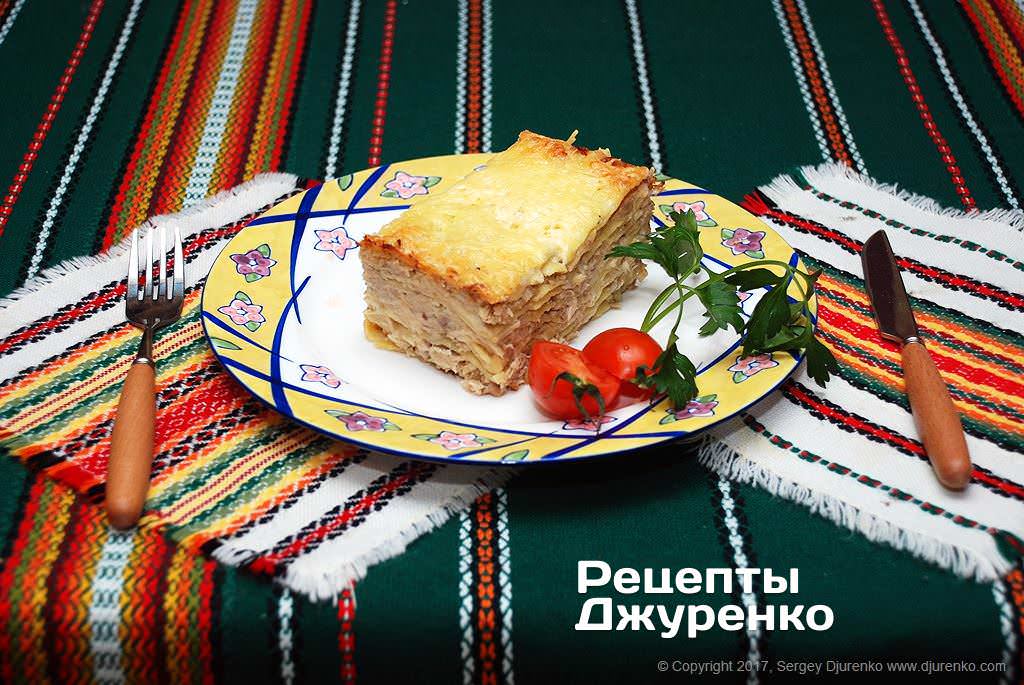
Chicken Lasagna with Braised Chicken Sauce and Béchamel
Ingredients
4 servings
For the chicken sauce
- Chicken (whole) 1-1.2 kg
- Butter 50 g (25 g for frying the chicken and 25 g for the onion)
- Root vegetables (celery root, parsley root, parsnip, carrot) to taste
- Garlic 1 clove
- Onion 1
- White wine 1-1.5 cups (200–300 ml)
- Sugar 0.5 tsp (optional, if the wine is very dry) (2 g)
- Water 1 cup (hot) (200 ml)
- Bay leaf 1-2
- Allspice a few peppercorns
- Saffron (or marigold petals) a pinch
- Salt to taste (if you boil the pasta, 7 g per 1 l of water for boiling)
- Black pepper to taste
For the béchamel
- Butter 50 g
- Flour 1 heaping tbsp (15 g)
- Milk 1 cup (200 ml)
- Nutmeg a pinch (optional)
For assembly and serving
- Lasagna (pasta sheets) 6-8
- Hard cheese (Gruyère, Emmental, Gouda, Radamer) 75 g
- Cherry tomatoes, fresh herbs for serving
- Homemade ketchup, thick soured milk or sour cream optional
Step-by-step recipe
Braising the chicken
Of course, chicken lasagna can be made from any set of chicken parts, and you don’t have to buy a whole chicken. But to me a whole bird is more convenient for cooking, and the mix of white and dark meat makes the chicken sauce tastier. It’s up to you.
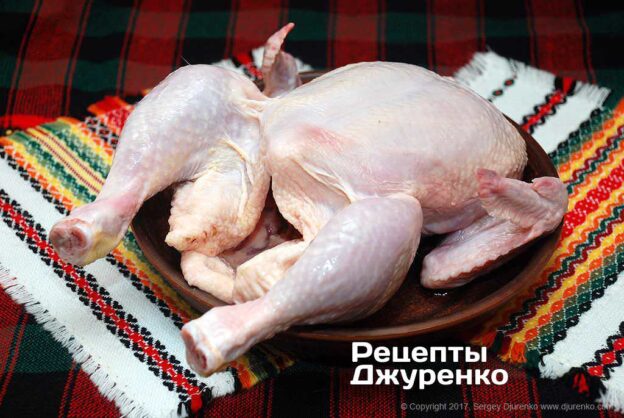
Prepare the chicken and vegetables. Thaw the chicken in advance by moving it from the freezer to the refrigerator. Overnight the meat will thaw without leaking.
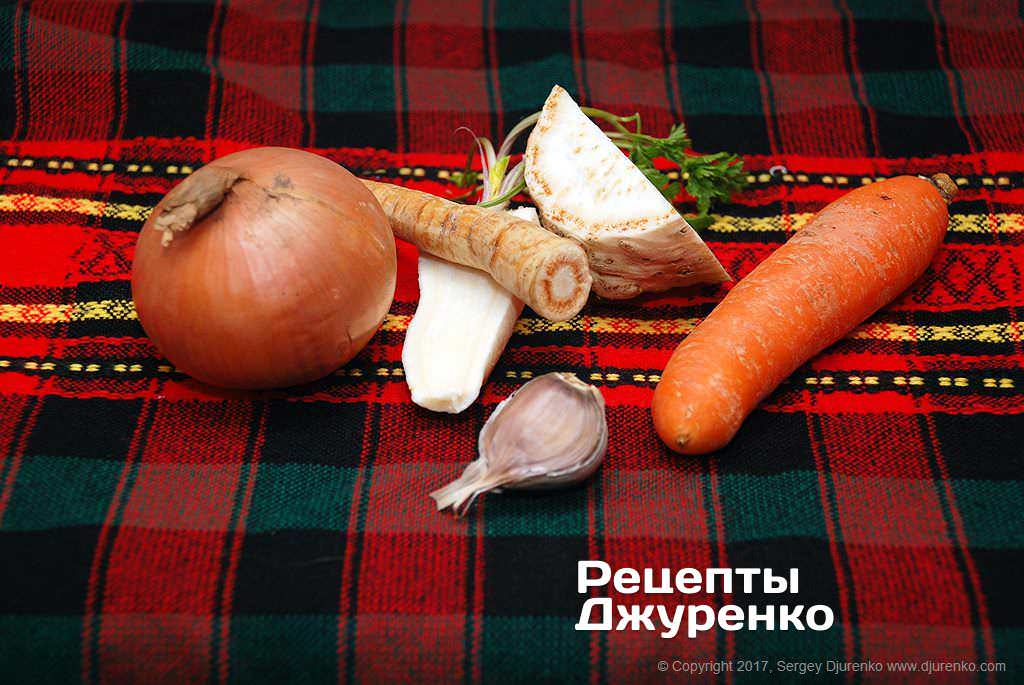
For a sauce of braised chicken you need vegetables, mostly the root vegetables used for rich broths and chicken soup. Usually that means pieces of celery root and parsley root, parsnip and a small carrot. For aroma you can add a clove of garlic.
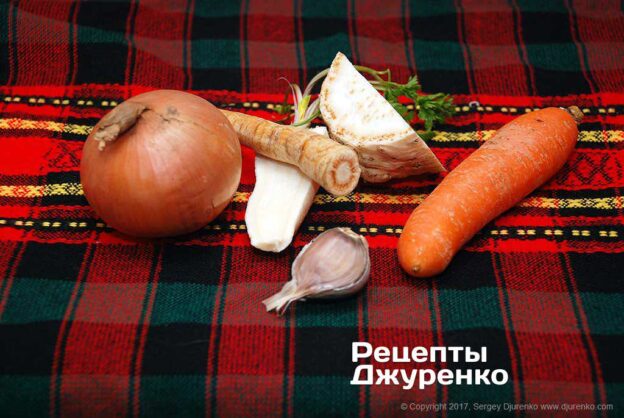
Peel and wash all the vegetables, and cut the root vegetables into large pieces.
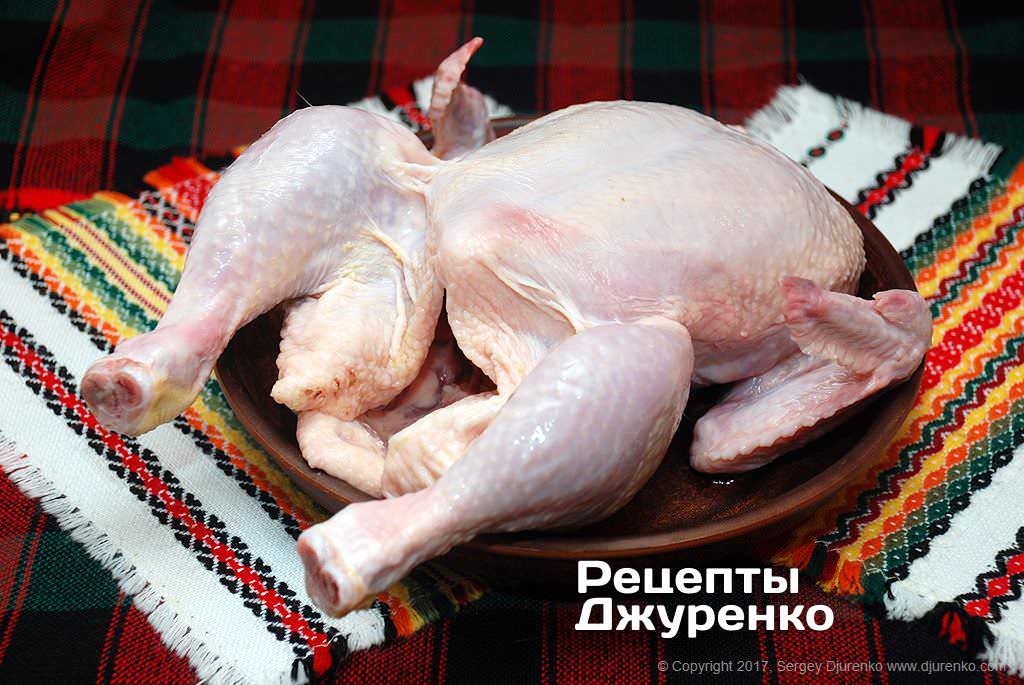
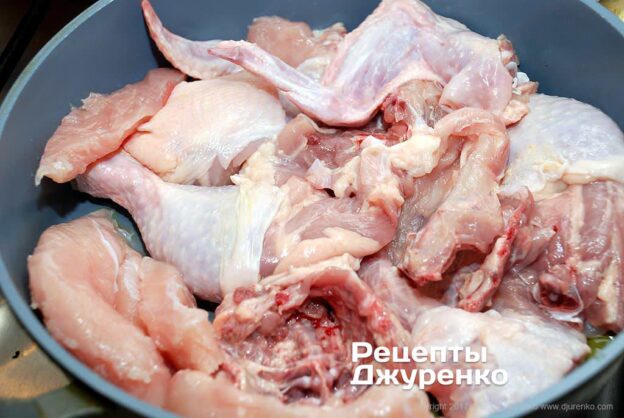
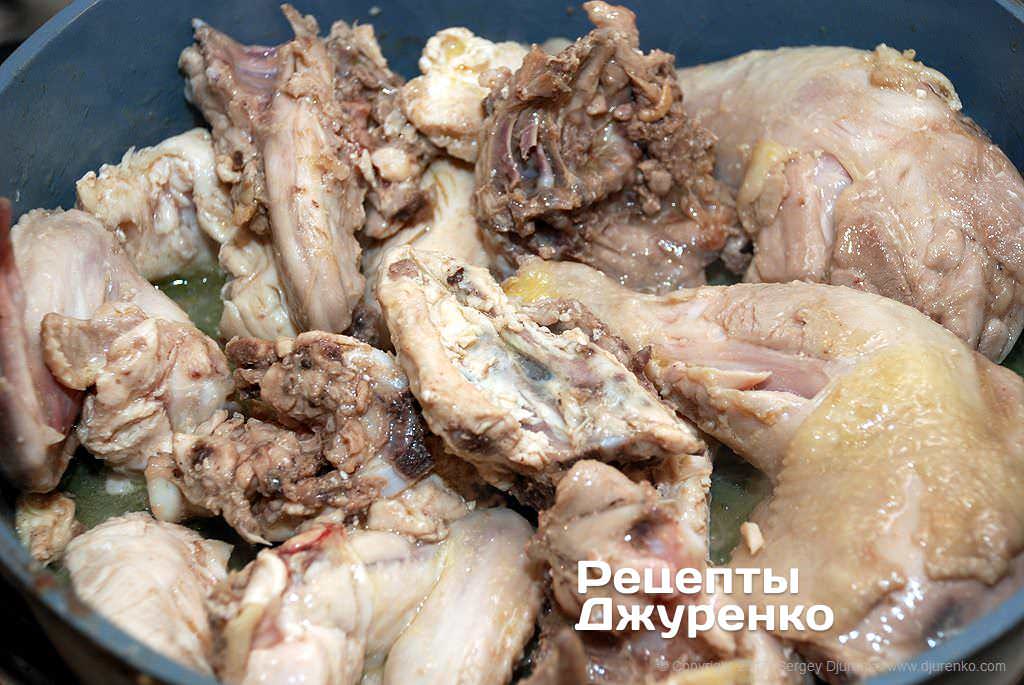
Cut the chicken into pieces and fry it. Cut off the wings and drumsticks separately. If you like, the drumsticks can be split in half. Separate the white meat, the breast, from the body. Chop the remaining carcass into 4-6 pieces. In a large skillet, melt a quarter of the butter (25 g). Put the chicken pieces into the hot butter in a single layer.
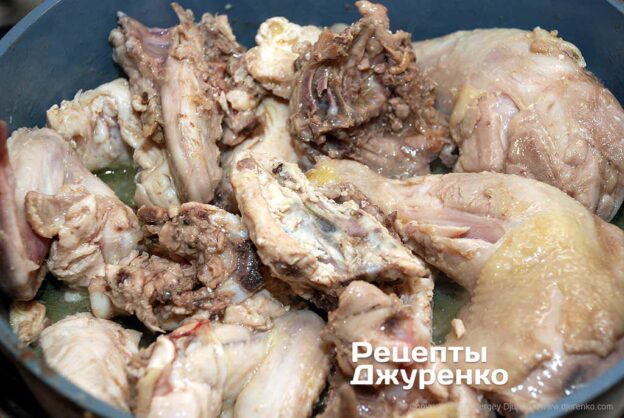
Without covering the skillet, fry the chicken pieces over medium heat until browned. This usually takes 10-15 minutes, and the chicken needs to be turned several times. Chicken absorbs butter well when frying, which makes the meat soft and tender. By the way, an incredibly tasty oven-baked chickencomes out if you first boil it briefly, brush it with butter and bake it. It is many times better than store-bought grilled chicken from a street stall.
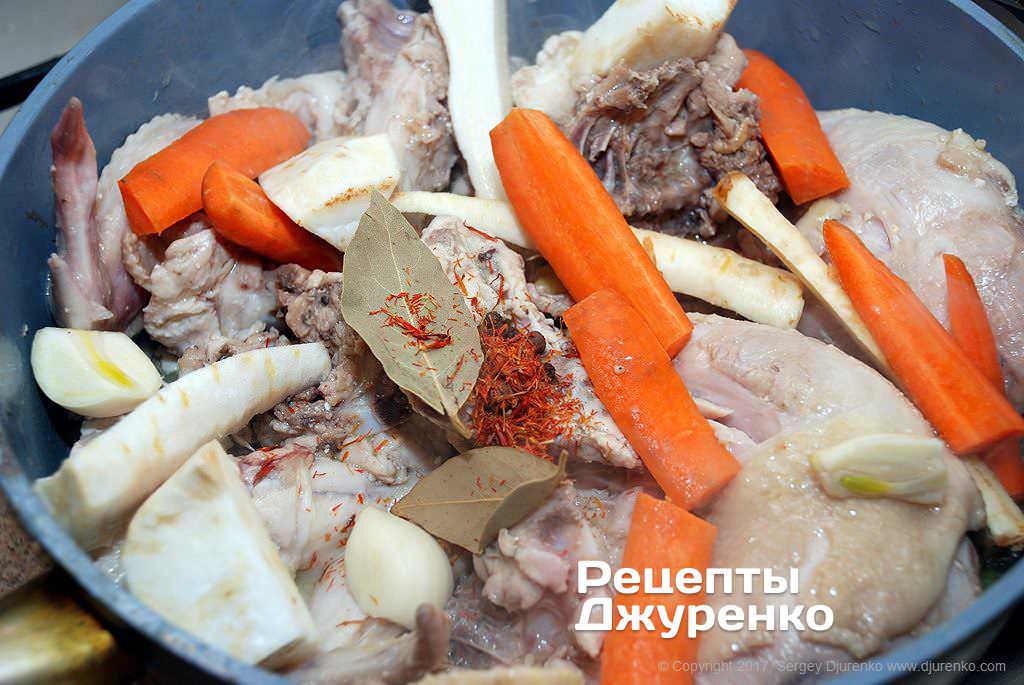
Braise the chicken with the vegetables for 45 minutes. Add the root vegetables and garlic to the fried chicken. Salt the meat and vegetables lightly and add pepper to taste. Add 1-2 bay leaves, a few allspice berries and a pinch of saffron, or marigold petals.
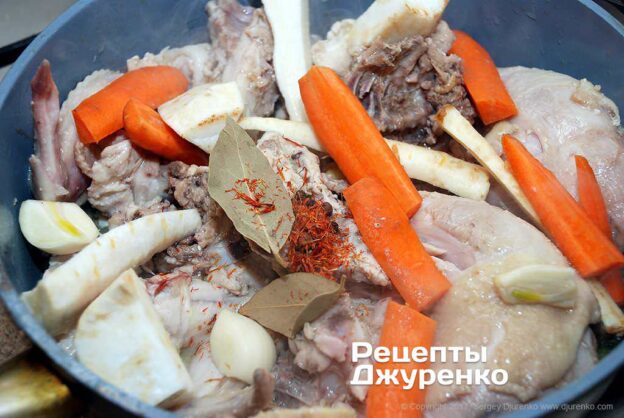
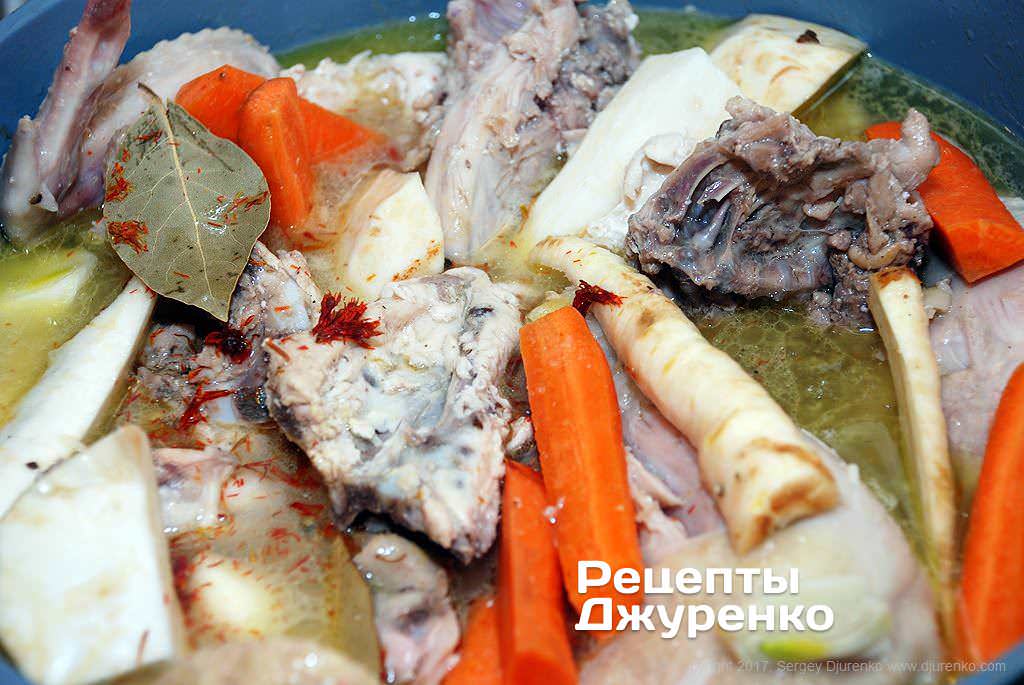
Pour white wine over the chicken (1-1.5 cups), dry or semi-dry. If you like, when the wine is very dry, you can add 0.5 tsp of sugar (2 g), but usually it isn’t needed. Add 1 cup of hot water (200 ml).
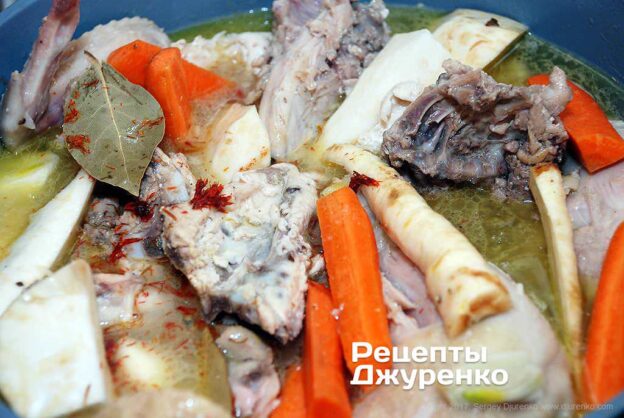
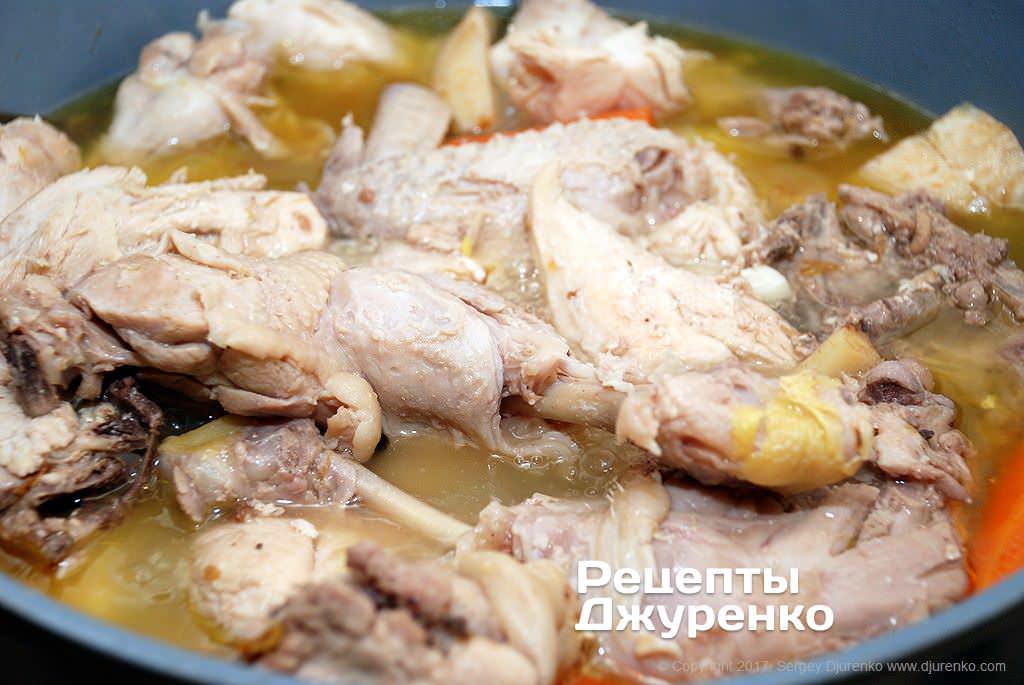
Bring the liquid to a boil and braise the chicken with the vegetables, covered, over low heat for 45 minutes.
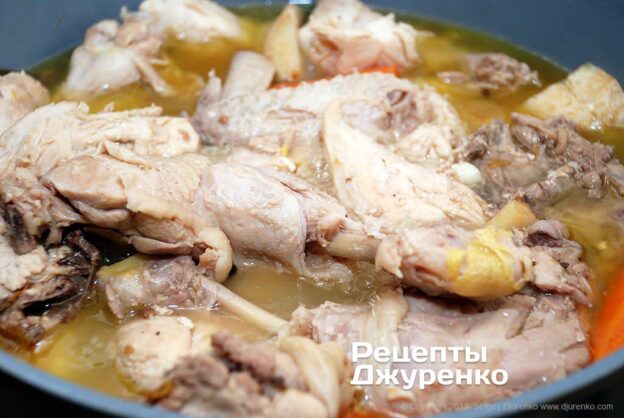
Strain the broth and take the meat off the bones. Remove and discard all the cooked root vegetables and the bay leaf. Put the cooked chicken on a plate and let it cool a little. Carefully strain the broth through a sieve or a tea strainer. Don’t use cheesecloth, or the taste of cheesecloth will haunt you forever.
When the chicken has cooled a little and no longer burns your fingers, take all the meat off the bones by hand. Discard the skin and bones. It is also worth discarding any large visible pieces of chicken fat. You can grind the meat in a meat grinder, but it is better to chop the chicken with a knife so you can feel noticeable pieces. Or, alternatively, pull it into pieces, separating it into fibers.
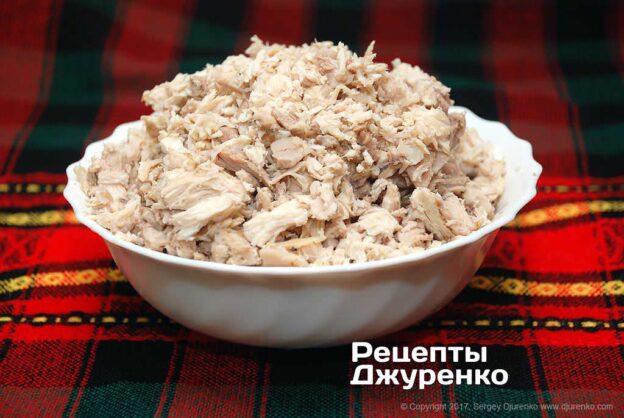
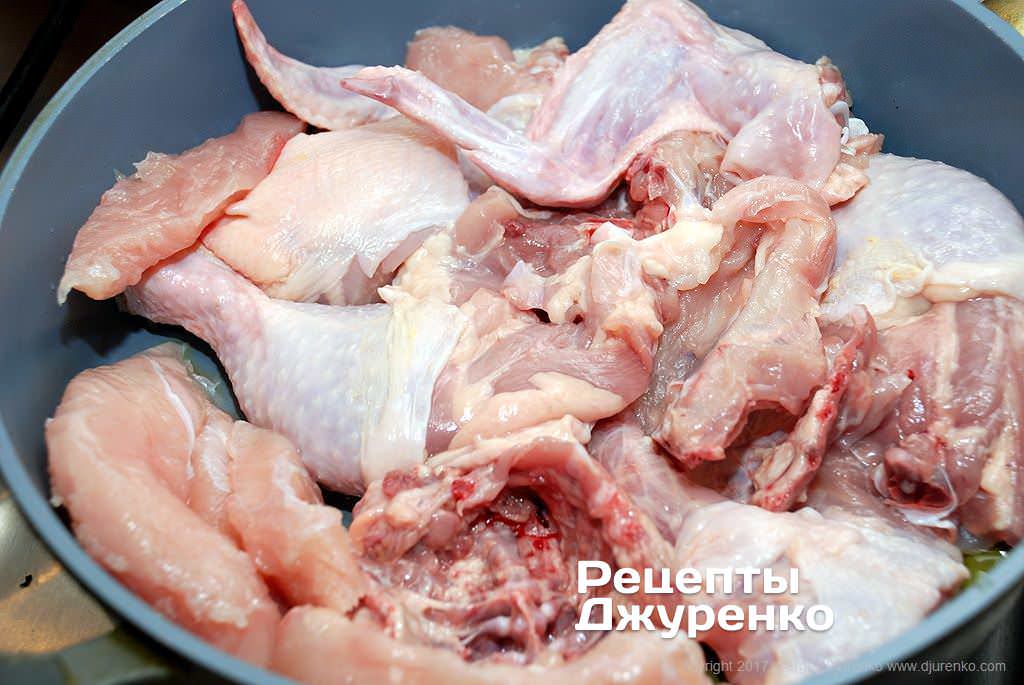
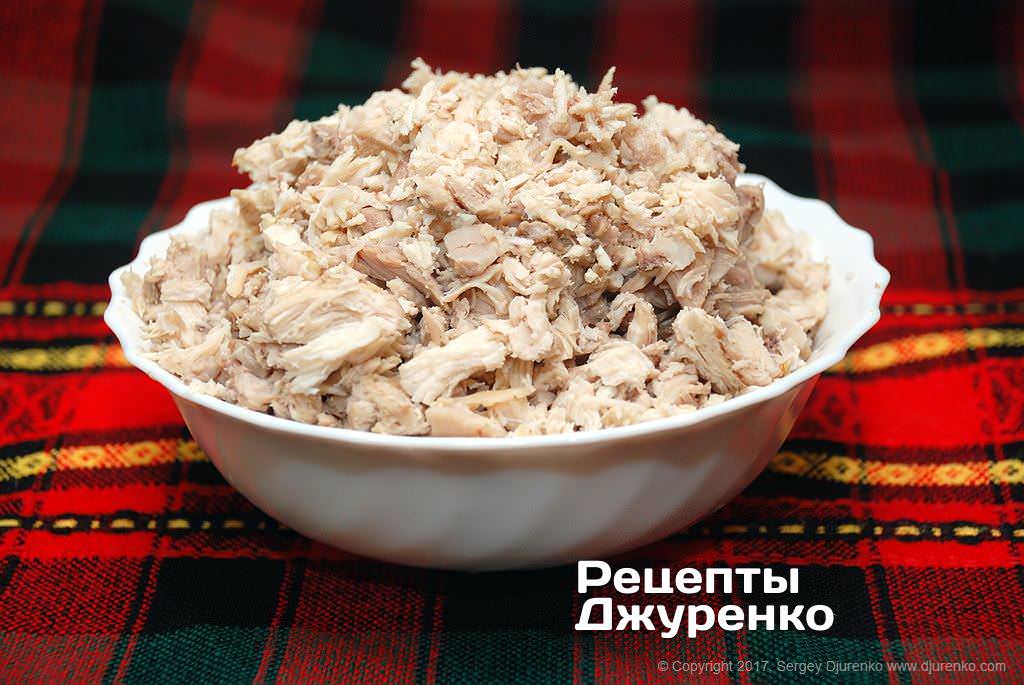
Chicken sauce
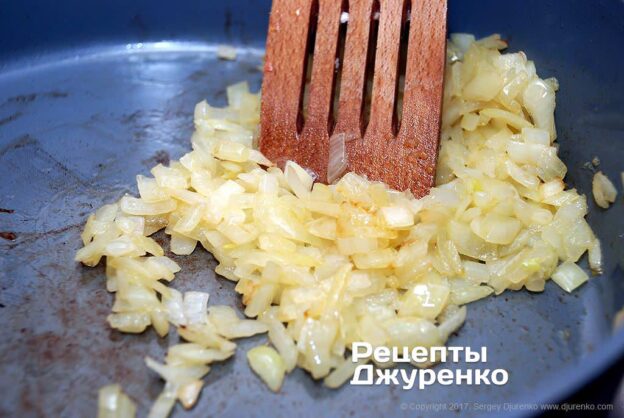
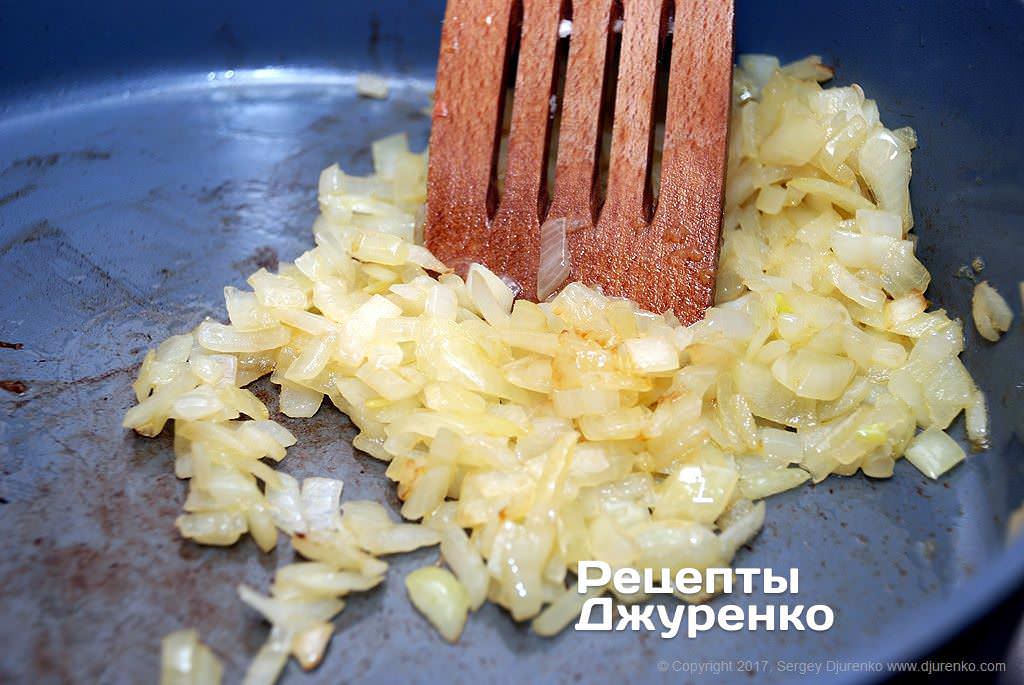
Fry the onion until soft and golden. Peel the onion and chop it finely. In a skillet over medium heat melt another quarter of the butter (25 g). Half of the original amount of butter should be left for the béchamel.
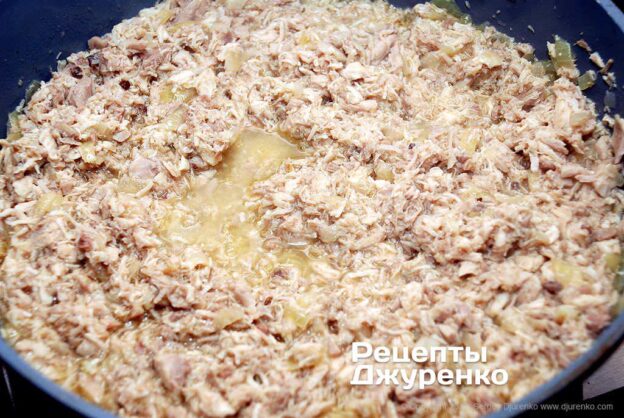
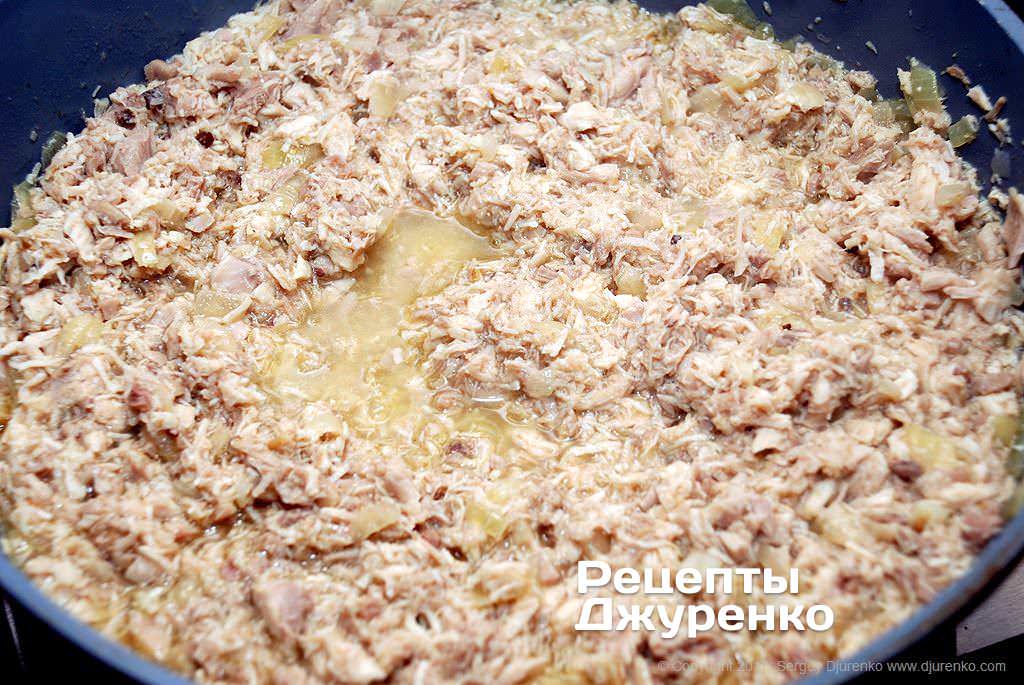
Braise the chicken with the onion and broth. Add the chopped chicken to the fried onion, fry for 5-7 minutes and add the chicken broth. Braise for 10 minutes covered, then season with extra salt and pepper to taste. Then take off the lid and, raising the heat, reduce the sauce to the desired thickness. The sauce should be the kind where free liquid appears when you press the meat with a spoon: the chicken should be moist but not swimming in liquid. This is ideal so that the lasagna bakes through and the pasta cooks in the liquid of the sauce.
Béchamel sauce
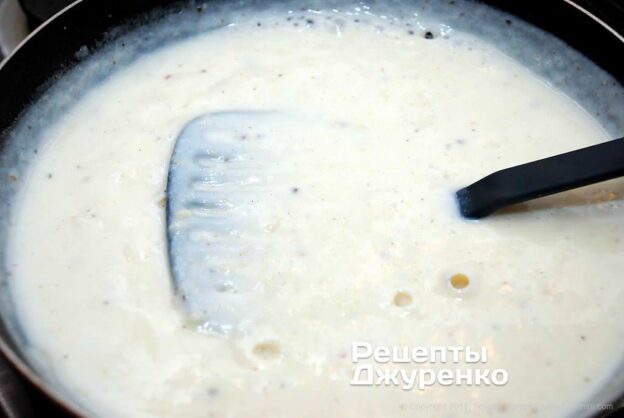
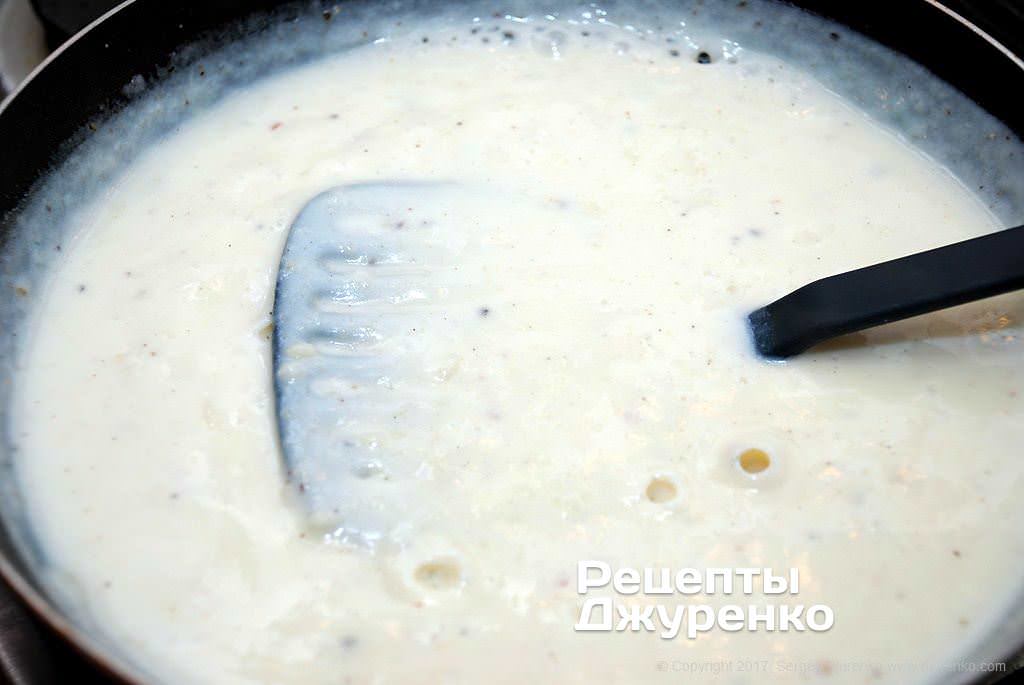
Make the béchamel in a separate skillet. Melt all the remaining butter (50 g) over medium heat. Add 1 heaping tbsp of flour (15 g). Fry the flour with the fat, stirring. Add cold milk in small portions, stirring constantly, until the sauce is as thick as sour cream. Add salt and pepper, and you can add a pinch of nutmeg. Let the sauce simmer over the lowest heat for 5 minutes. If the sauce is too thin, you can add a pinch of flour; if it is too thick, add milk or water.
Assembling and baking
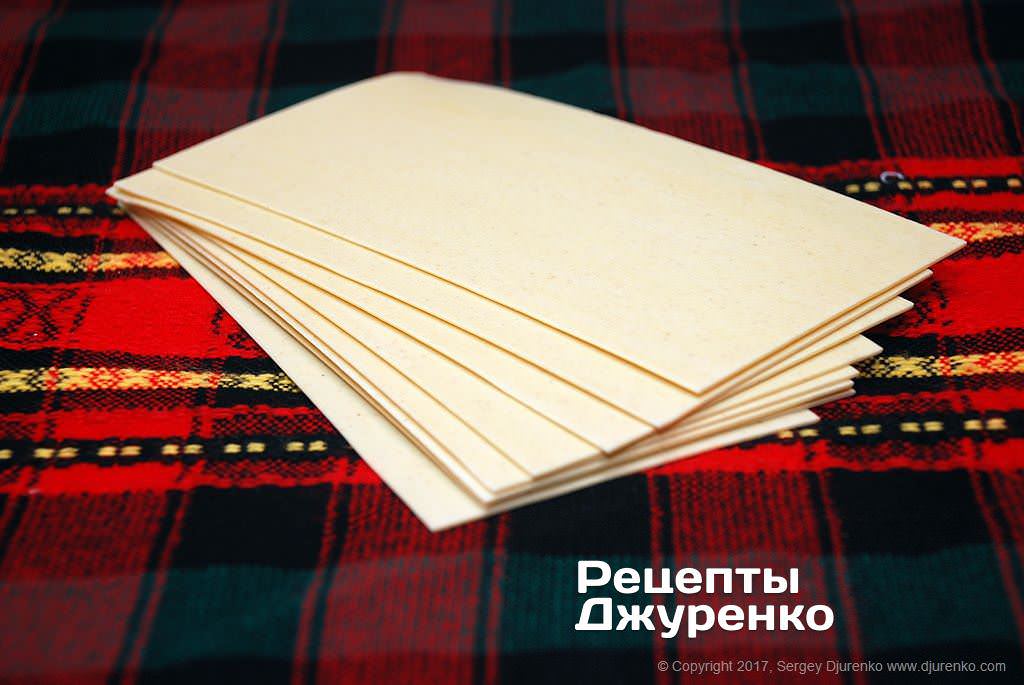
Check the pasta and choose a dish. If you use dry store-bought pasta, find out whether the lasagna pasta needs to be boiled or soaked first. This is important. If the package says subito in forno, the pasta doesn’t need to be prepared before baking: it goes in dry and cooks while baking in the moisture of the sauce. If the package says something else, prepare the pasta as directed there; when boiling, salt the water at 7 g of salt per 1 l. Also, pasta swells while cooking and loses its shape, growing in area. So the baking dish should be a little larger than the dimensions of the dry pasta.
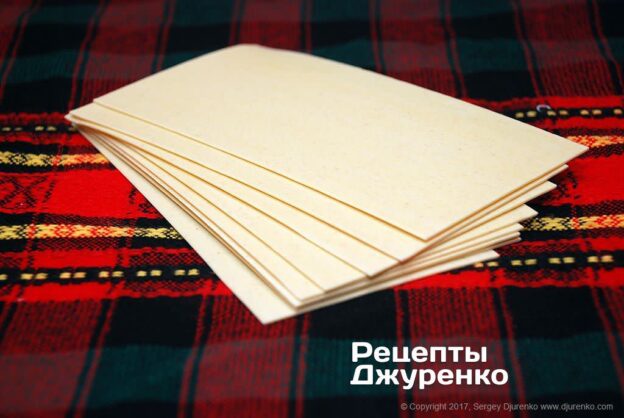
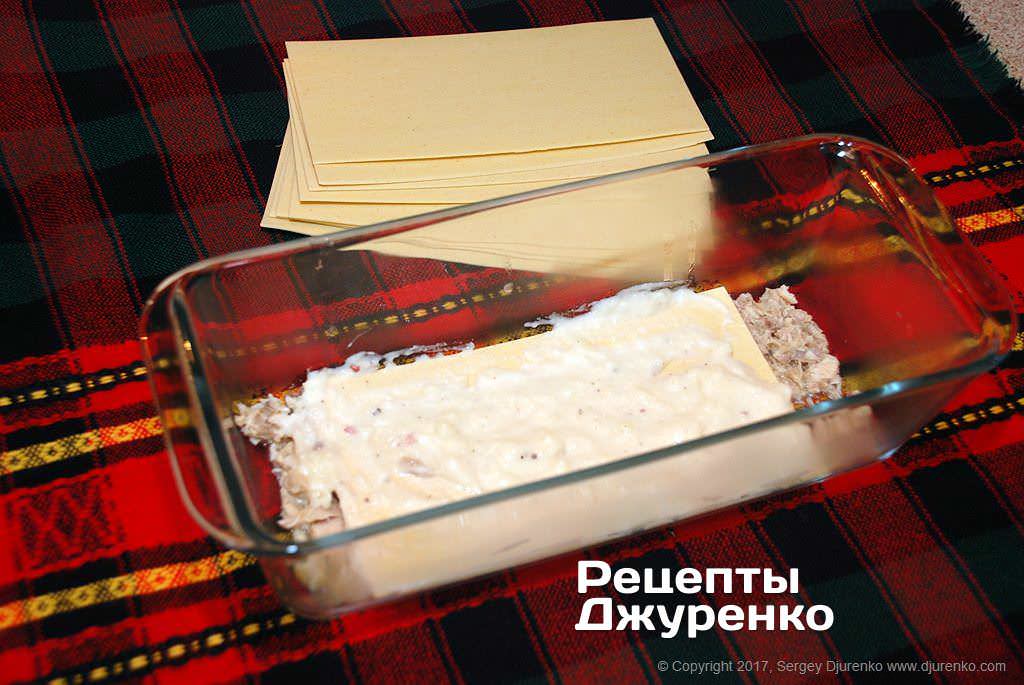
Layer the lasagna. Put 1 tbsp of the chicken sauce on the bottom of a dish of a suitable size. Lay a sheet of dry pasta on top and press lightly. It is usually advised to grease the dish before adding sauce and pasta. You can skip this: the chicken sauce filling is juicy enough and the lasagna won’t burn. Carefully spread béchamel over the dry pasta in an even layer.
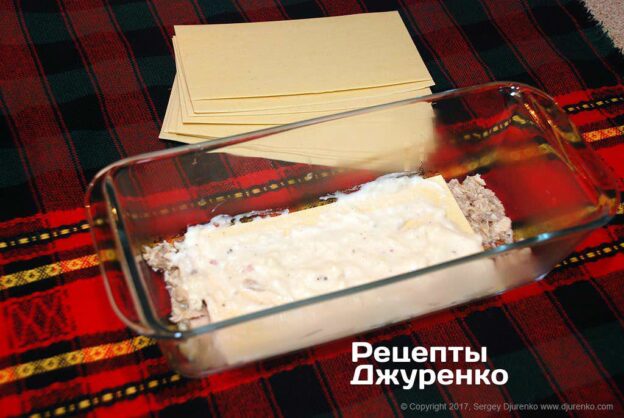
Put the chicken sauce on top. By the way, it helps to estimate visually how many layers the lasagna will have, so you can decide in advance how much chicken sauce goes into each layer. Still, if some chicken is left over, it is nice to eat it while the dish bakes.
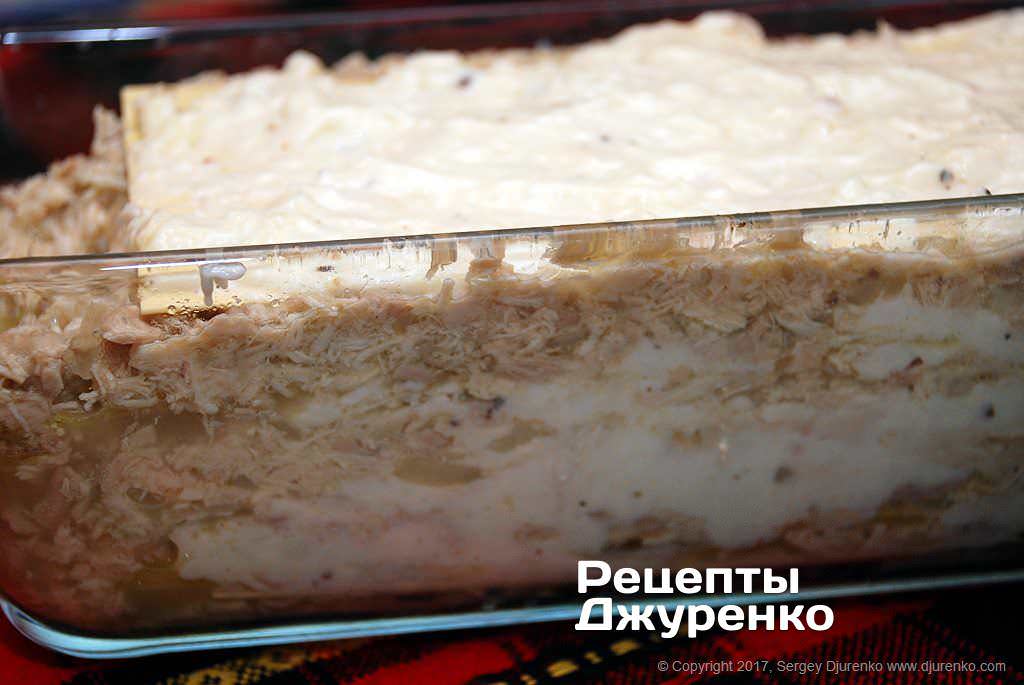
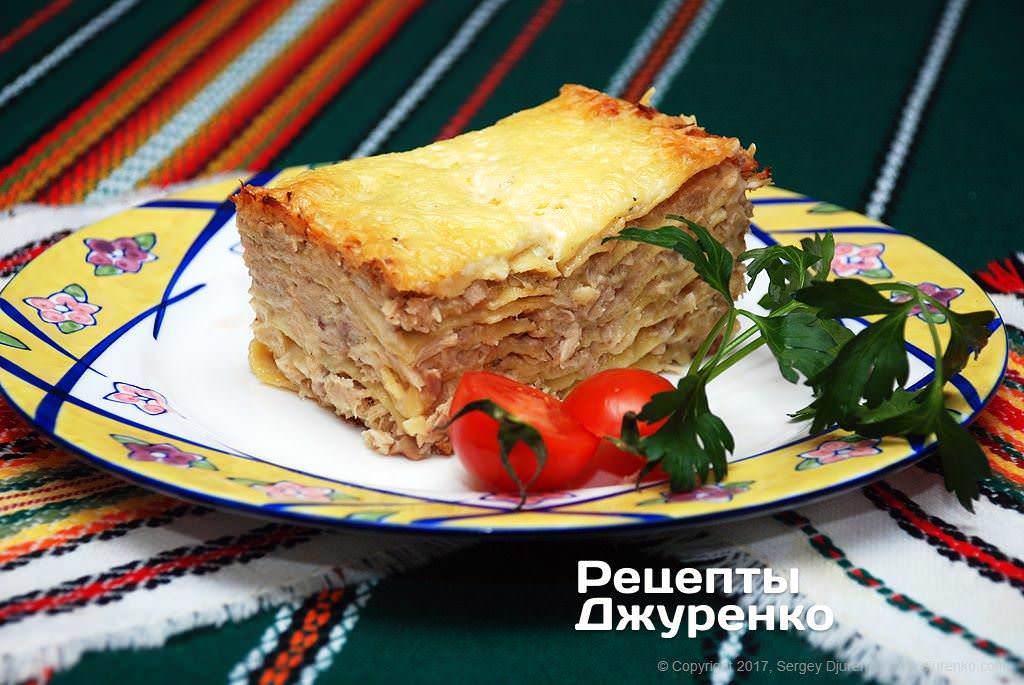
Layer in turn: chicken sauce filling, a sheet of dry pasta, béchamel. Depending on the amount of sauce and the size of the dish, there can be 6 to 8 layers. It is best if the layers are of equal thickness.
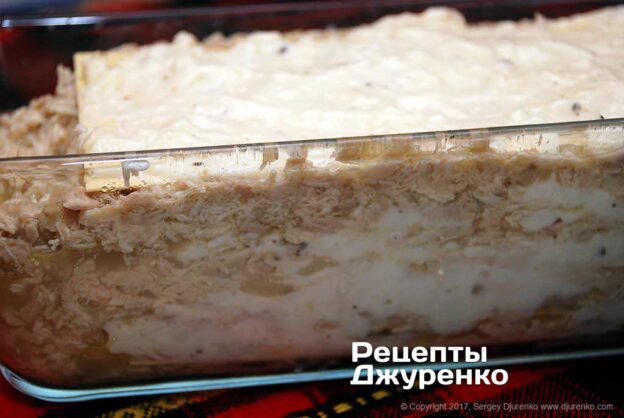
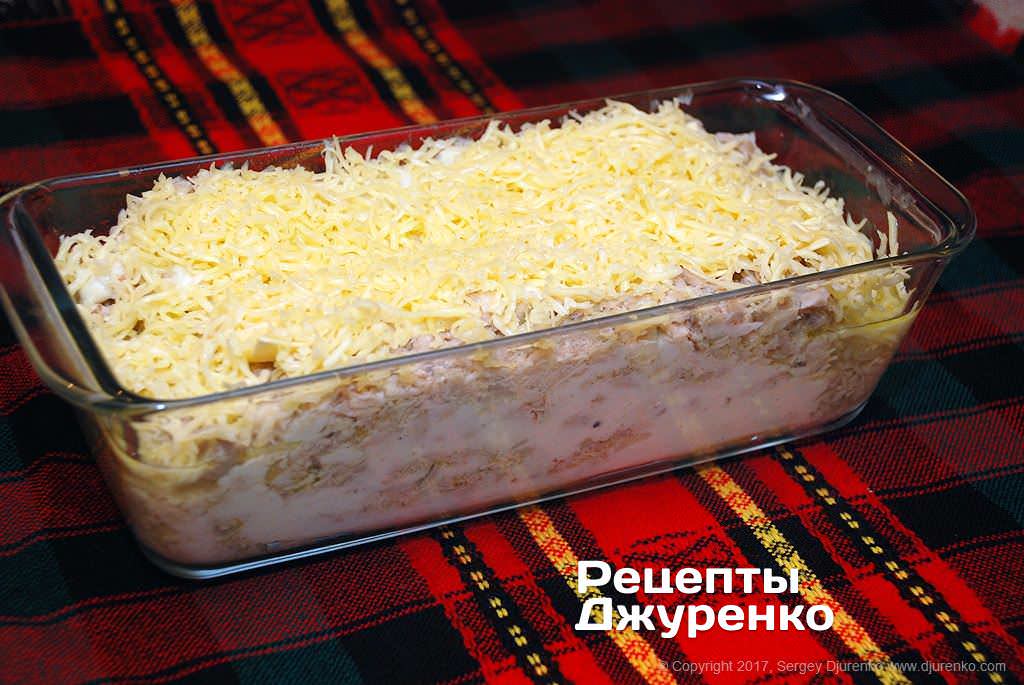
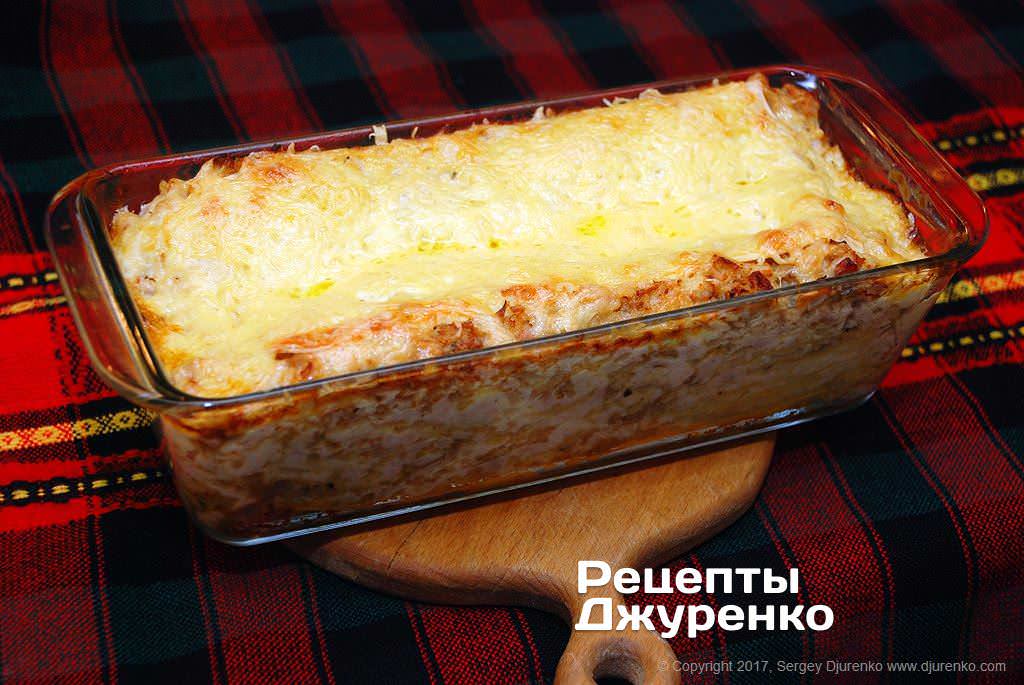
Cover the top with béchamel and cheese. Spread the top sheet of pasta with béchamel, a little more than the other layers. Grate the cheese and sprinkle it generously over the top layer of pasta and sauce. It is better to choose a not-too-hard cheese so that it melts while baking. Emmental, Gruyère, Gouda or Radamer will work well.
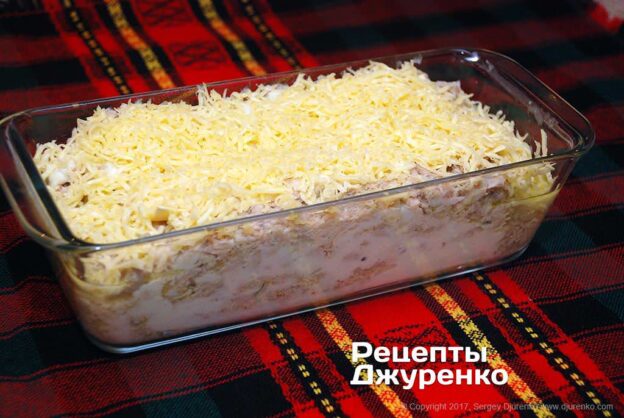
Bake in the oven until the cheese is golden. Preheat the oven to 200°C and put the dish in. Since the dish is fairly large, it takes quite some time to heat the sauce through. Once the sauce comes to a boil, which you can see even on the surface near the edge of the dish, the cooking time will be about 15 minutes. The total baking time is under 1 hour. The cheese crust needs to start browning, and that is what to go by. A golden cheese crust is the sign the dish is ready.
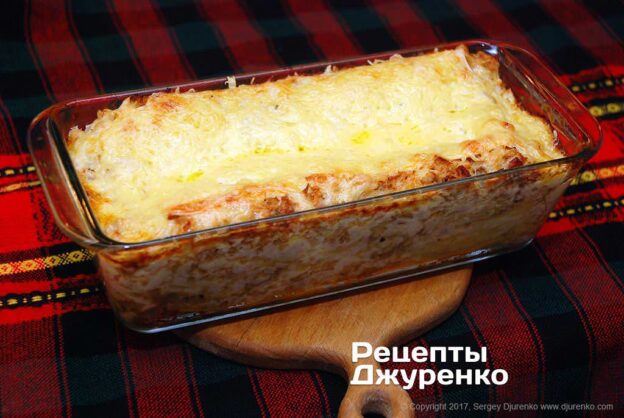
Serving
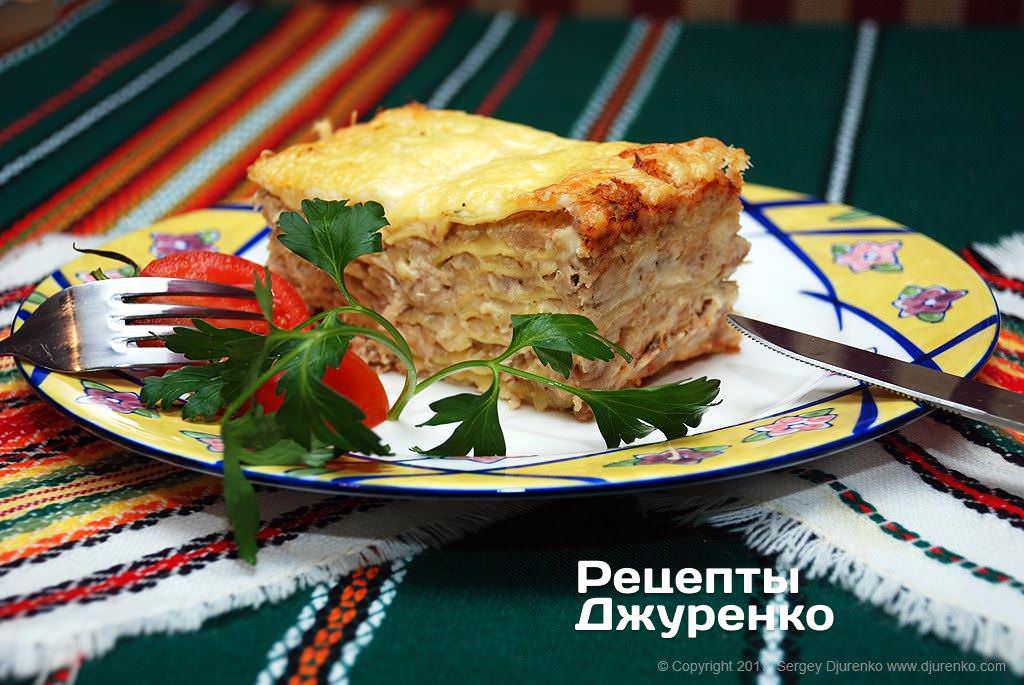
Cut the lasagna into 4 pieces and serve hot. Move the dish onto a wooden cutting board, carefully, because it is very hot. Use a knife to separate the sheets of pasta and sauce from the wall of the dish. With a spatula, carefully move the pasta with sauce to a plate, trying to keep the lasagna from falling apart so the piece holds its shape. Though in Italy, as a rule, lasagna is rather sloppy-looking.
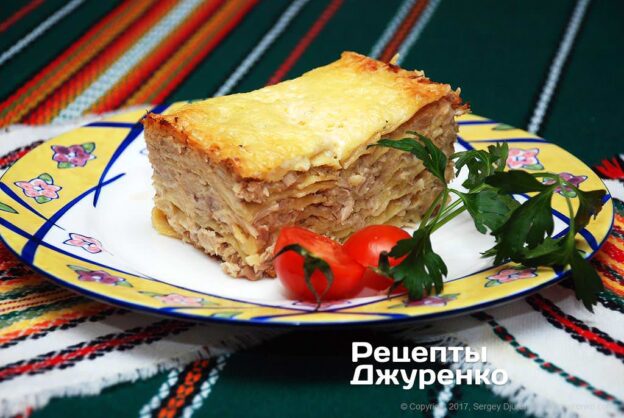
Like any other dish of this kind, lasagna needs no side dish or extras, because everything is already in it. By and large, it is baked pasta with chicken in a creamy sauce, only cooked in a special way. Just add 1-2 small cherry tomatoes and a sprig of fresh herbs.
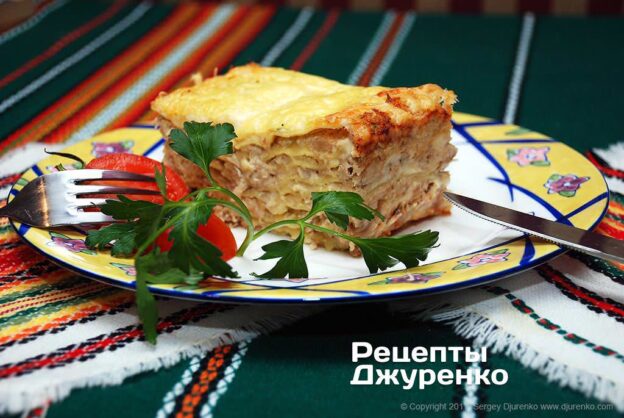
Serve the chicken lasagna hot. I don’t like it when dishes like this are reheated, because they lose all their charm. If you like, you can add as a sauce homemade ketchup or thick soured milk or sour cream. That is a matter of taste. A glass of white wine wouldn’t hurt.
Calories and macros
660 kcal
Serving ≈ 350 g
- Protein38 g24% of kcal
- Fat51 g71% of kcal
- Carbs10 g6% of kcal
100 g189 kcalProtein 11 gFat 14.6 gCarbs 2.8 g
Calculated from the recipe ingredients, excluding salt and spices. Data: USDA and Matvaretabellen.