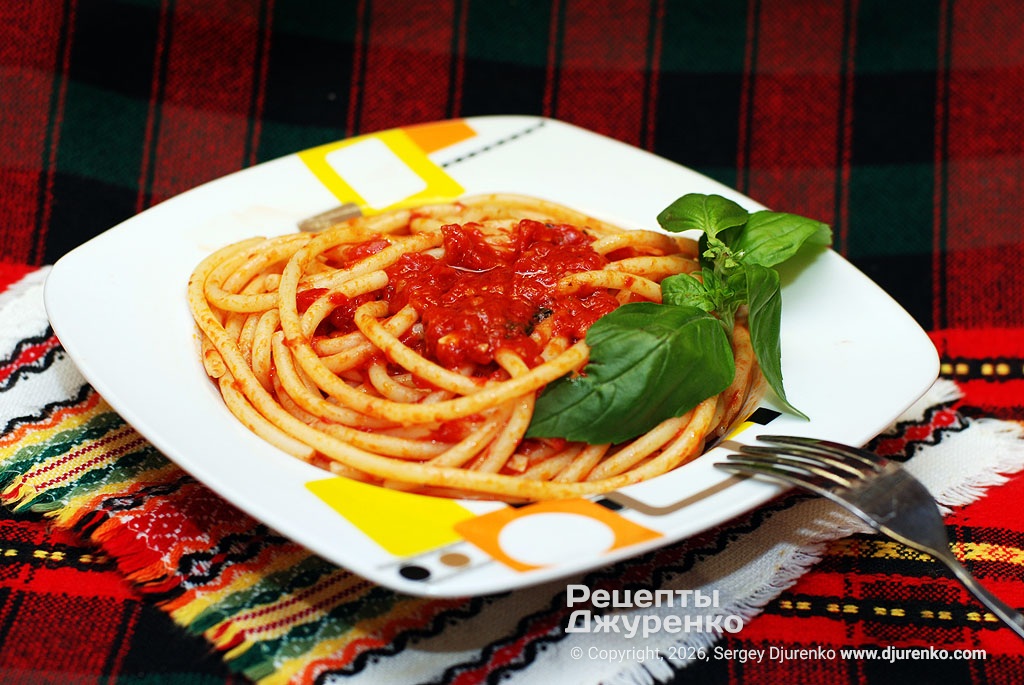
Bucatini with Marinara Sauce: Easy Fresh Tomato Pasta Recipe
Traditional Italian cooking often relies on very simple pasta sauces that nonetheless make a dish truly amazing. One of these simple dishes is pasta with tomatoes. We are making bucatini with marinara sauce, a refined flavor that is all about tomatoes. Marinara is often mistakenly thought to contain seafood, but the name actually means “sailor's” or “of the sea”, from the word marinara. Ship cooks began using it several centuries ago. It is made of tomato pulp, herbs and garlic, and thanks to the preserving properties of tomatoes it could keep for a very long time.
More with tomatoes and pasta
 Cannelloni with Ground Pork and Tomato SauceCannelloni stuffed with ground pork fried with onion and baked in fresh tomato sauce. A hearty Italian dinner, easy step-by-step recipe with photos.
 Porcini Mushroom PastaItalian porcini pasta in a creamy sauce with Parmesan and cherry tomatoes. Fresh porcini, a quick cream sauce and fettuccine, a perfect breakfast.
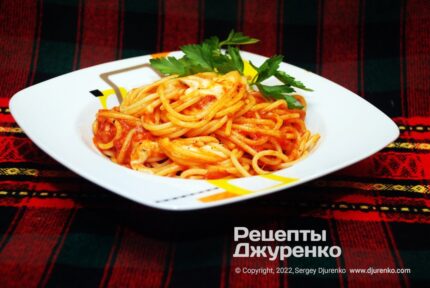 Pasta with Mozzarella and Canned Tomato PulpSimple spaghetti with mozzarella and a quick tomato sauce from canned tomato pulp, garlic and chili. Ready in the time it takes to boil the pasta.
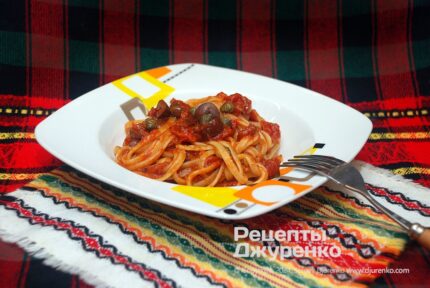 Spaghetti PuttanescaClassic spaghetti puttanesca: a quick pasta with a piquant sauce of anchovies, tomatoes, olives and capers, ready in the time it takes to boil the pasta.
 Classic Lasagna with Meat Sauce and BéchamelClassic homemade lasagna with slow-simmered beef and tomato sauce, creamy béchamel and Parmesan. Step-by-step photos, from the sauces to the layering.
Ingredients
2 servings
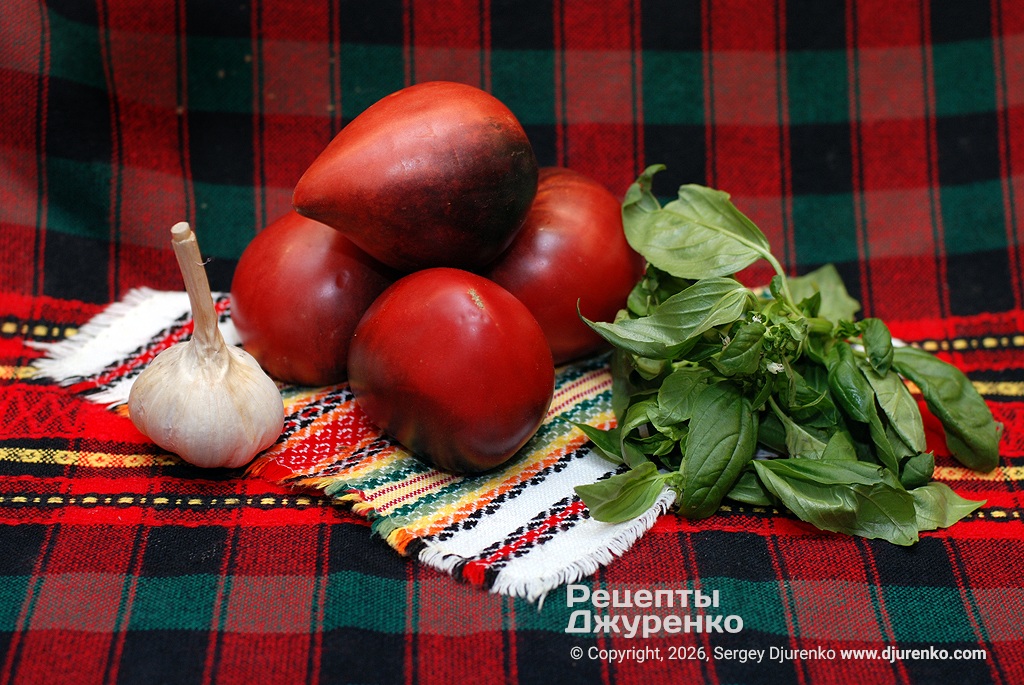
- Bucatini pasta 200 g
- Large, very ripe tomatoes 4-5
- Basil 2-3 sprigs
- Garlic 2-3 cloves
- Olive oil 2 tbsp
- Salt, oregano to taste
Step-by-step recipe
- Late summer and early autumn bring plenty of large ripe tomatoes, the best time to enjoy a homemade tomato sauce. Bucatini with marinara sauce is easy to cook, though it calls for really fresh, well-chosen ingredients. Why bucatini? This long, fairly thick pasta with a thin “channel” inside gets coated with sauce nicely. And there is enough pasta that you won't feel like you're eating sauce alone, since its tomato flavor is very bold.
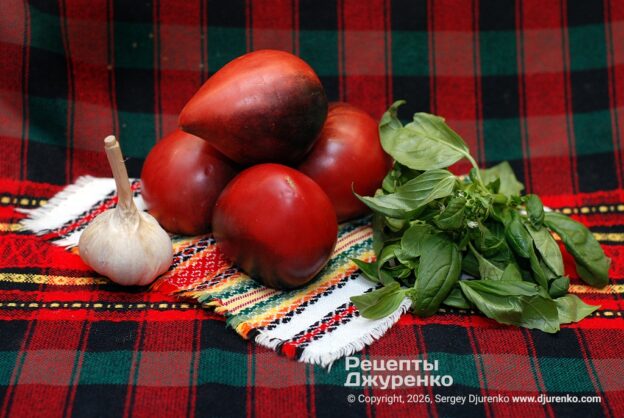
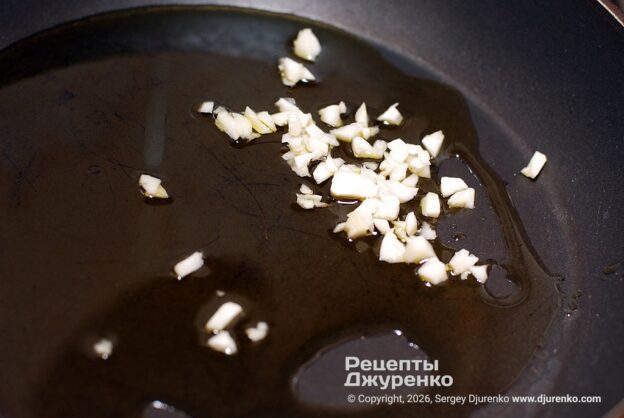
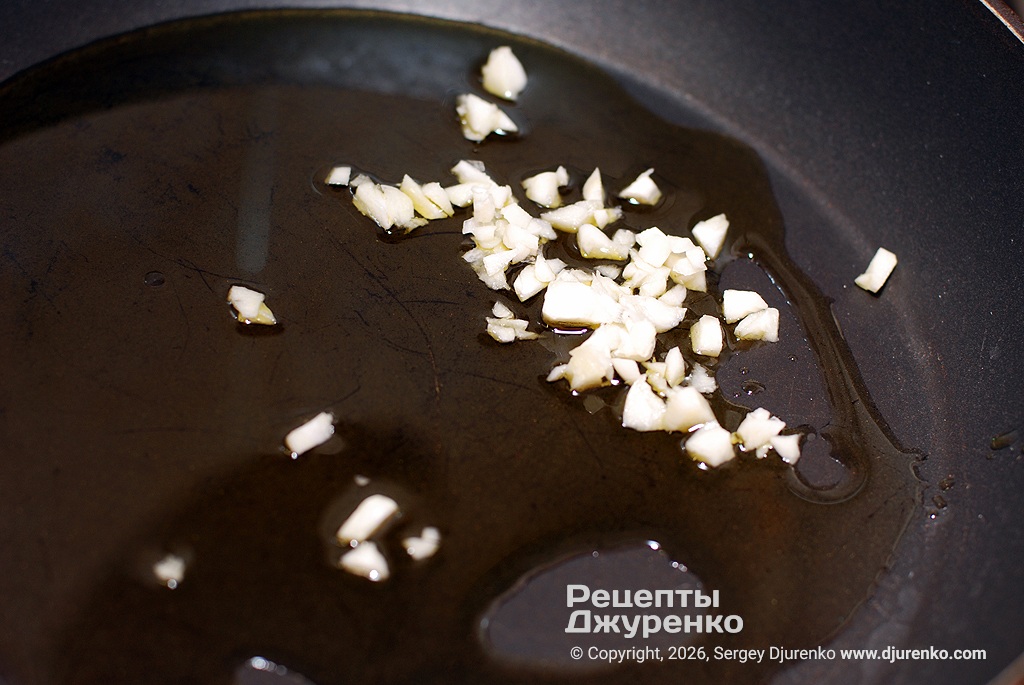
- There is a very simple reason to choose large ripe tomatoes for the sauce: you don't need to blanch them in boiling water to peel them. I peel them with a knife, the thin skin comes off easily. Ideally, pick a variety with few seeds, otherwise you will have to remove them. Peel a few garlic cloves and chop them with a knife. Heat olive oil in a frying pan and fry the garlic for 1-2 mins.
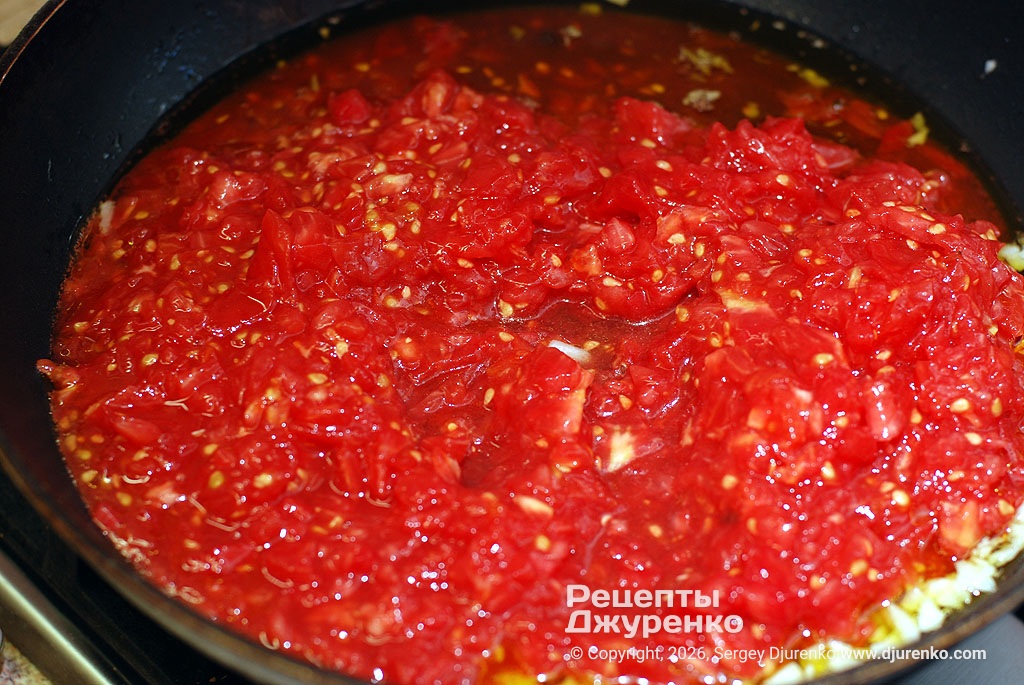
- Peel the tomatoes, cut them and remove any remaining white core where the stem was. Also remove the seeds if there are a lot of them. Roughly chop the tomato pulp. You can do it with a knife or even grate the tomatoes on a coarse grater. By the way, out of season you can use canned chopped tomatoes for marinara sauce. Don't use a blender: the sauce tastes better when it has chunks rather than looking like a puree. Add the tomato pulp to the pan.
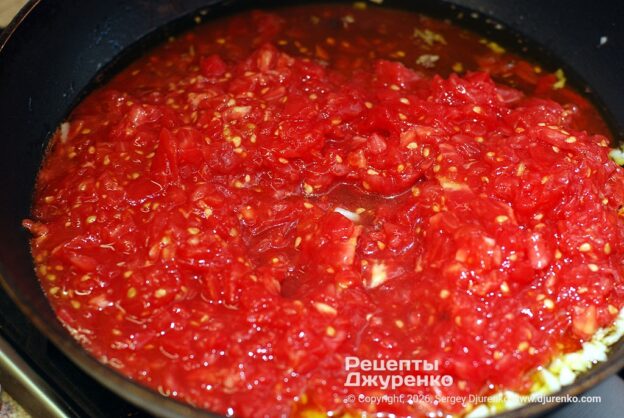
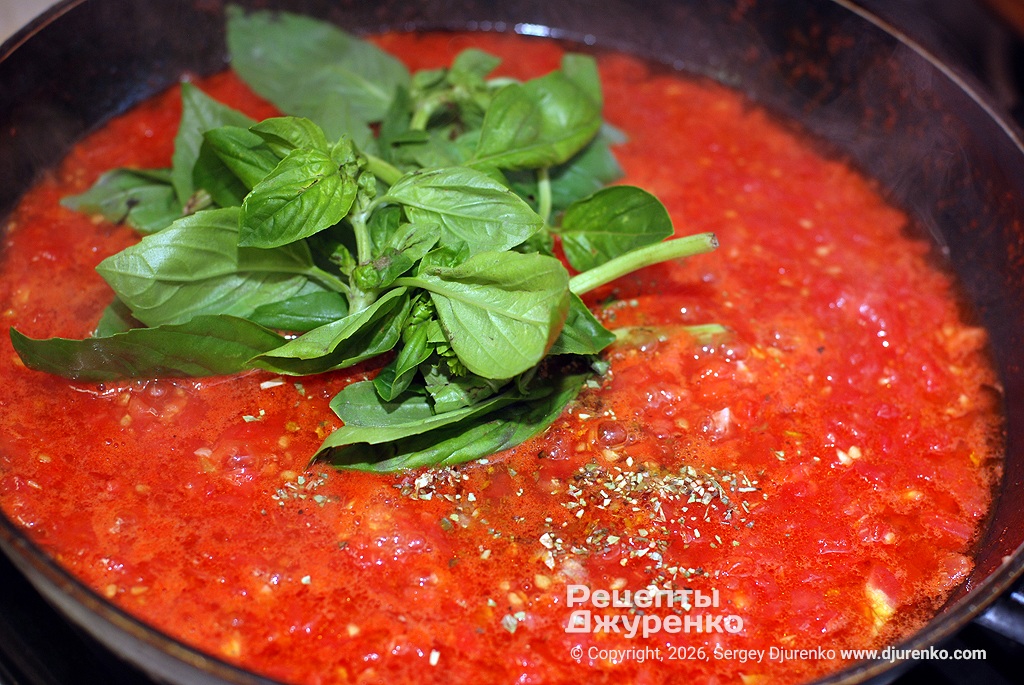
- As a rule, herbs are used in the sauce, and mostly they simmer in it and are then discarded. Use fresh green basil. You could pick off the leaves and simmer them in the sauce, but then it is hard to fish them out one by one. Put whole sprigs into the sauce instead. Salt the marinara sauce to taste, even slightly more than usual, as it brings out the tomato flavor, and add 0.5 tsp of dried oregano. The herb sprigs should be fully submerged in the sauce.
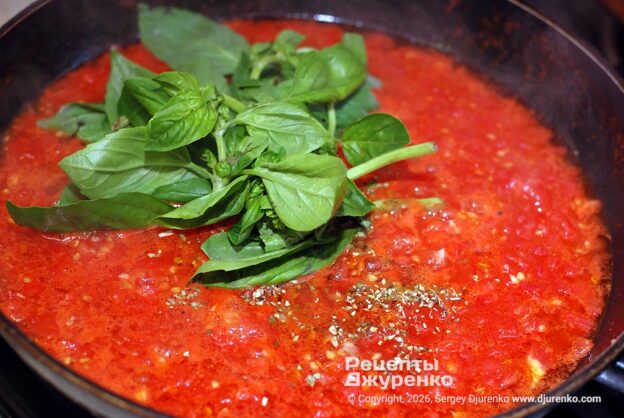
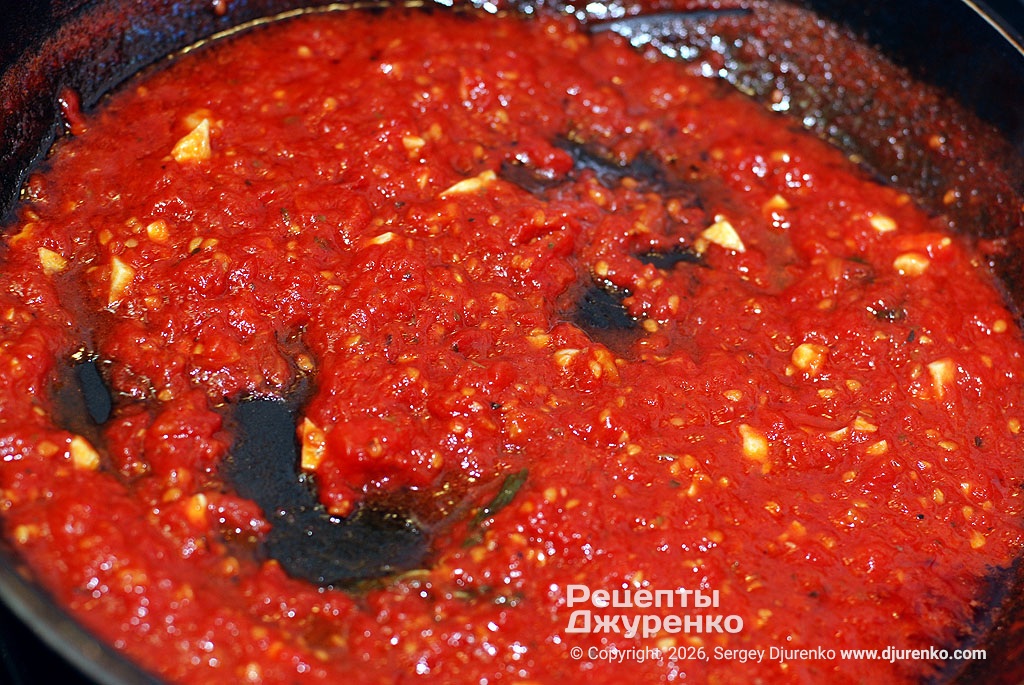
- Simmer the tomatoes with the herbs, covered, over medium heat for about 10 mins. Then take off the lid, carefully pull out the basil sprigs and discard them. The basil has done its job and flavored the sauce. You could leave it in, but it shows up as dark spots in the sauce. Turn up the heat and cook off the excess liquid: the sauce should be thick, barely runny. Add more salt and a little olive oil to taste if you like.
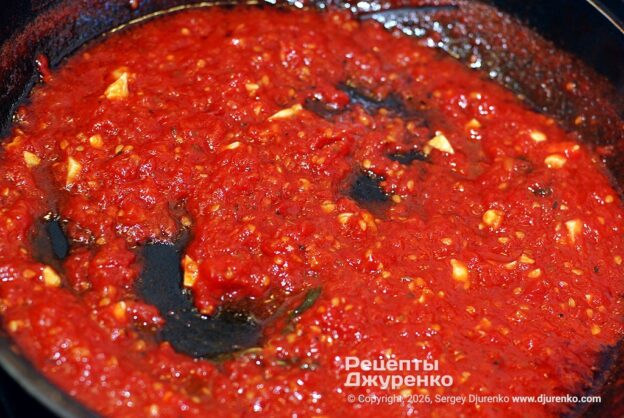
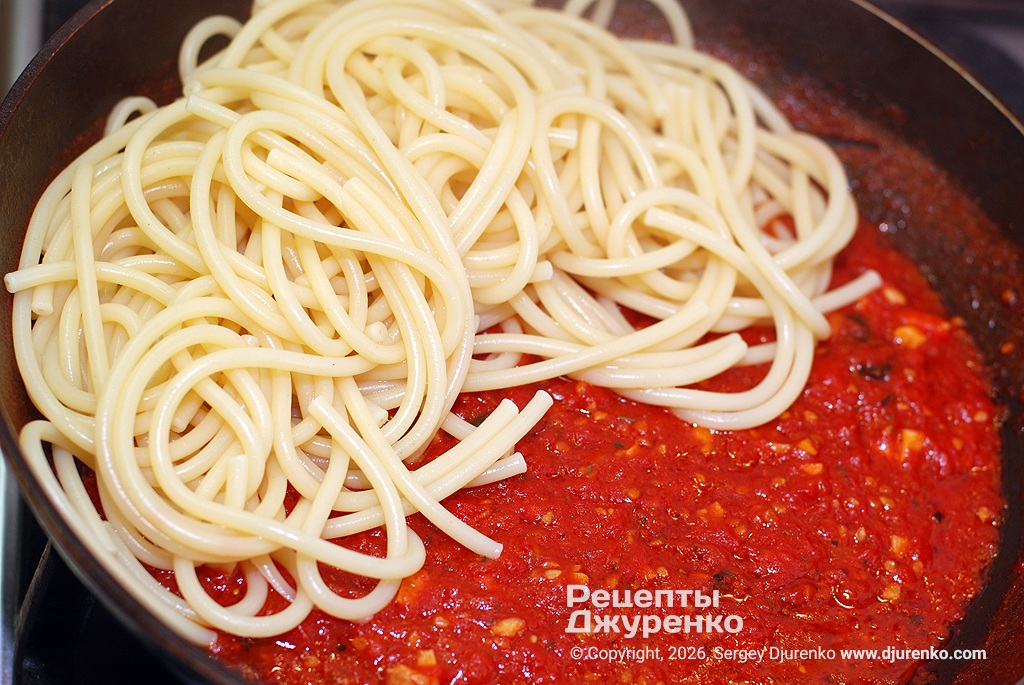
- While the sauce is cooking, boil the bucatini. Depending on the brand, this pasta cooks in 8-10 mins to al dente. For softer pasta, add 1 more minute. Drain the cooked bucatini in a colander, then transfer it to the pan with the marinara sauce. Toss thoroughly so the sauce spreads and coats the pasta evenly.
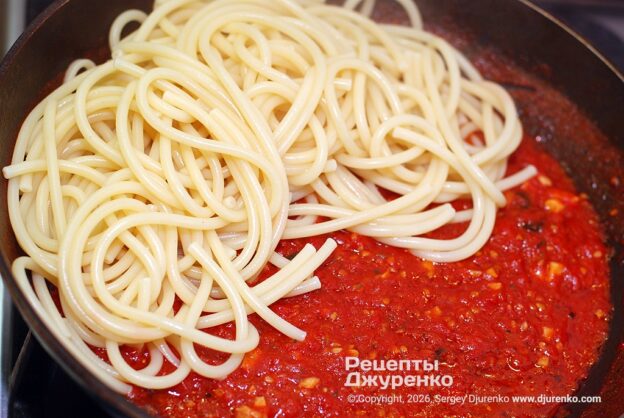
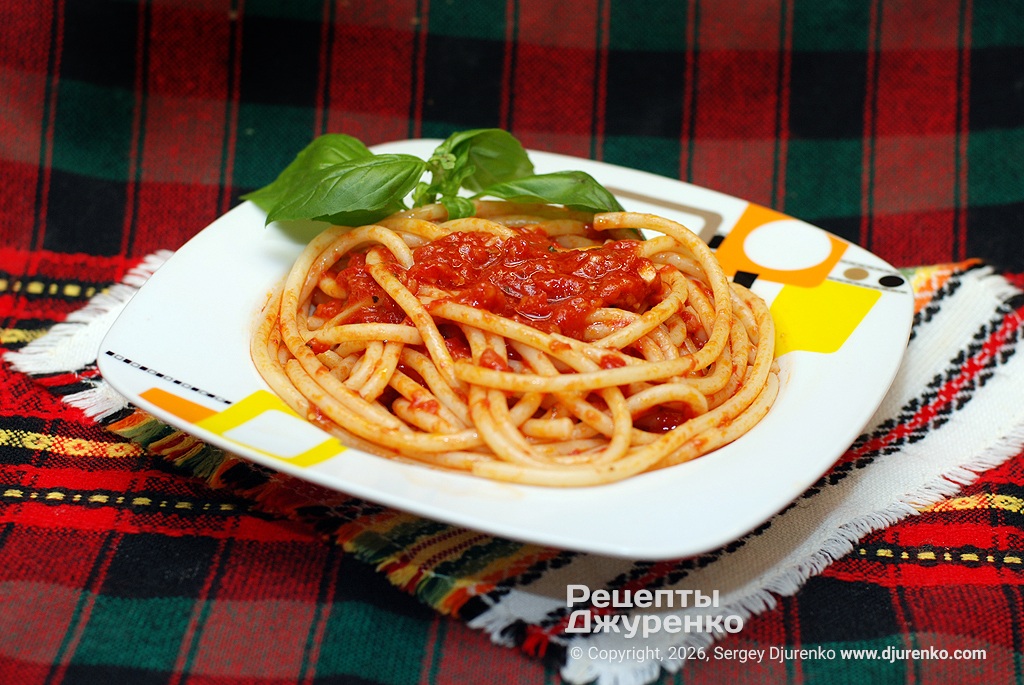
- Divide the pasta and sauce among plates, garnish with a basil sprig and serve while hot. This pasta is often served sprinkled with finely grated Parmesan; you can try it, although the most important thing in this dish is the intense tomato flavor of the sauce. While cooking, the key is not to overdo the additions, as they can drown out the taste of the tomatoes.
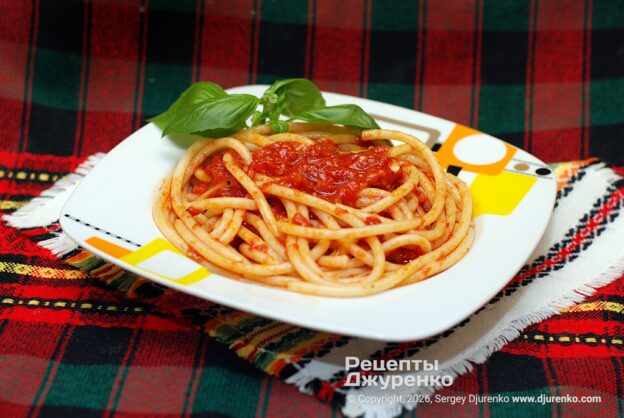
- It's worth adding a little more olive oil at the very end of cooking: the sauce should turn out glossy with oil, which is one of the common ways bucatini are served in their home region of Lazio. Many recipes add onion to the sauce, apparently a nod to the historical traditions of sailors. In South Africa, marinara pasta is served with fish and seafood, but that's an exception: in Italy such a dish is called “alla pescatora”. Different versions of the sauce may include capers, various olives and some quite unexpected ingredients.
 Pull chopper for garlic and onionAliExpress
 Oil sprayerAliExpress
 Kitchen scale up to 5 kgAliExpress
 Vegetable chopper with handleAliExpress
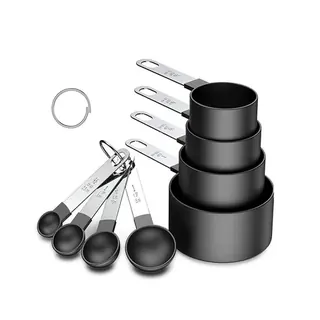 Measuring cups and spoonsAliExpress
 Peeler with wooden handleAliExpress
 Chunky Chelsea bootsINTERTOP
 Lace-up bootsINTERTOP
 Platform sheepskin slippersINTERTOP
 Beige sheepskin bootsINTERTOP
 Suede knee-high bootsINTERTOP
 Heeled ankle bootsINTERTOP
 Brown Chelsea bootsINTERTOP
 Classic Chelsea bootsINTERTOP
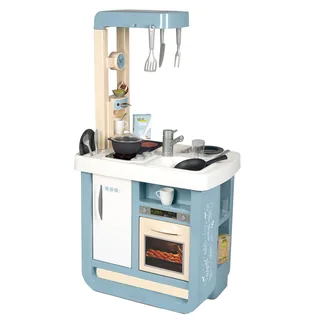 Smoby Bon Appetit play kitchenБудинок іграшок
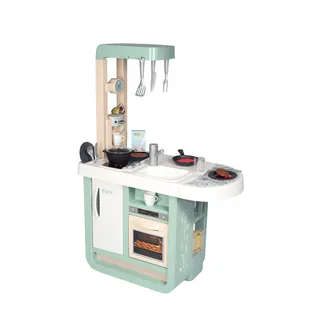 Smoby kitchen with oven and fridgeБудинок іграшок
 Bosch Mini toy mixerБудинок іграшок
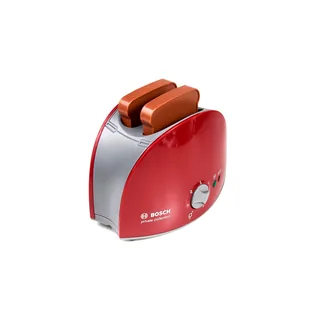 Bosch Mini toy toasterБудинок іграшок
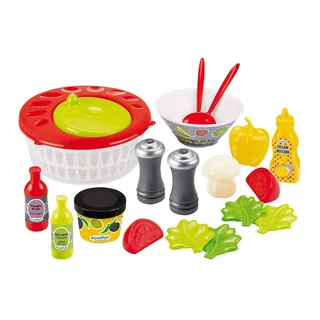 Chef’s salad play setБудинок іграшок
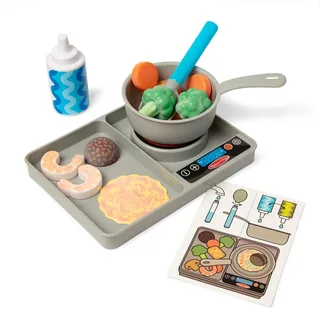 Melissa & Doug sauté play setБудинок іграшок
 Smoby cookware in a panБудинок іграшок
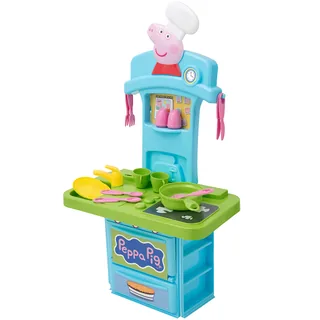 Peppa Pig kitchenБудинок іграшок
 Yield: 2 servings Calories: 80 kcal per 100 g Prep time: 10 mins Cook time: 20 mins Ready in: 30 mins Category: Main Dishes › Pasta Recipes Cuisine: Italian cuisine Rating: