
Oven-Baked Notothenia with Basil Sauce
When I was little, in the days of total food shortages, the most common kinds of frozen fish were cod, hake, and pollock. I don’t remember a fish like notothenia from those times at all. All that spins in my head is the phrase “portioned notothenia in green sauce”. Where it came from and who said it, I can’t recall. But fried cod or hake was cooked at home often.
Still, quite often the principle “he who doesn’t work, doesn’t eat” was more than a line from a popular movie. Sometimes, through connections, we managed to “get” precious delicacy fish: halibut, salmon, trout, and even sturgeon. Usually for a holiday.
Now notothenia is quite available and, importantly, inexpensive. It is sold practically everywhere. Back in school I wrote a paper on the commercial fish of Antarctica. I remember that notothenioids are a large family of fish, with more than fifty species. What marks these fish is their bottom or near-bottom way of life and the lack of a swim bladder (unlike mackerel). Life in very cold, almost freezing water has shaped the body of these fish.
Among the notothenioids there are large fish, such as the toothfish of various kinds. But what we usually see for sale are small carcasses, as a rule without heads. Notothenia meat is probably the cleanest there is, since this fish is caught in cold seas far from civilization, where there are no industrial emissions or runoff. As I understand it, most of the small fish on sale is the marbled notothenia or Ramsay’s. These are fish 25-40 cm long with a dark back. Since any fish is perishable, it reaches the market frozen.
How do you cook notothenia? An age-old question.
Like any white sea fish with few bones, it is very tasty fried. Fry it after dredging in flour or breadcrumbs. Minimum spices and preparation. In my childhood, fish fried this way went wonderfully with mashed potatoes. Steamed notothenia is also an excellent option (steamed fish recipe).
What I like most are recipes where notothenia, like any other fish, is cooked in the oven. With a minimum of spices and no liquid. The taste you get this way is amazing. I’ll tell you how we cook notothenia: baked on a clay platter and served with a fragrant basil and garlic sauce.


Ingredients
2 servings
- Notothenia (carcasses without heads), 250-300 g each 4
- Garlic 1 clove
- Fresh basil 5-6 sprigs
- Hard cheese (Parmesan) 50 g
- Olive oil 50 ml
- Lemon 1
- Salt, black pepper, allspice, coriander, mustard seeds to taste
Step-by-step recipe
Preparing the fish
For this dish, choose carcasses of roughly the same size, about 250 grams each. Ideally not flattened and undamaged.
Thaw the carcasses. It is best to thaw them neither in the air nor in water: move them from the freezer to the refrigerator in the evening. By morning the fish is ready to cook and won’t leak.

With sharp scissors, cut off the top and bottom fins. They are long and continuous, from tail to head, and cut off effortlessly.
Scale the fish with a knife. This isn’t difficult either, even though notothenia belongs to the perch-like fish. Anyone who has cleaned a river perch will know what I mean.
Slit the belly of the fish and clean the cavity of the innards and the black membrane covering everything.
Wash the fish thoroughly. Then pat it completely dry with paper towels. This is important.

Spices and baking
I recommend not using ready-made blends but making the spice mix yourself.
In a mortar, grind equal parts of sea salt, black or mixed peppercorns, coriander seeds, and mustard seeds, and add 1-2 allspice berries. If you like, add 1-2 pinches of a mix of dried aromatic herbs: basil, savory, oregano. Grind everything to a powder.
The recipe needs only a little of the spices, literally a couple of pinches. The rest will come in handy next time; the mix keeps very well in a sealed container.

Score the prepared fish with a sharp knife on each side: several cuts about 3 cm apart. The cuts should be up to 1 cm deep.

Rub the fish with the spice mix, making sure the spices get as far into the cuts as possible. Leave the fish for 10 minutes.
Meanwhile, turn on the oven to heat to 200°C.
Grease the clay platter (or a suitably sized heatproof glass dish) with a little oil and lay a few thin lemon slices on it. The lemon keeps the fish from sticking to the dish while it cooks.
Brush the carcasses with olive oil and place them on the platter. Ideally the carcasses shouldn’t touch.

Put the dish with the fish into the oven preheated to 200°C. The cooking time, including heating the fish itself, is up to 40 minutes. Actually, fish cooks quickly, so just keep an eye on doneness; it may be ready in as little as 20 minutes. Cooked fish is white and opaque in the cuts, and the flesh separates easily from the backbone.


Basil sauce
While the fish cooks, we’ll make the basil sauce. It is a simplified recipe for the Italian pesto sauce.
Pick the basil leaves off the stems and wash them, keeping a few leaves for garnish. Peel the garlic.
Grate the hard cheese, preferably Parmesan or pecorino, on a grater.

Put the basil, garlic, and cheese into a blender and add a little salt. Blitz until the cheese pieces are the size of mustard seeds or a little smaller. The basil will turn almost completely into a green paste, coloring the cheese emerald, while the garlic gives the sauce a light aroma.

Add 2 tbsp of your best olive oil to the sauce. Mix everything. The sauce is ready.


Serving
Put the cooked notothenia on plates, two carcasses per serving. Add the sauce, preferably not poured over the fish but around or beside it.

Garnish with fresh basil leaves and serve immediately, while the fish is still hot.


Calories and macros
580 kcal
Serving ≈ 310 g
- Protein66 g46% of kcal
- Fat32 g51% of kcal
- Carbs3 g2% of kcal
100 g184 kcalProtein 20.9 gFat 10.3 gCarbs 1.1 g
Calculated from the recipe ingredients, excluding salt and spices. Data: USDA and Matvaretabellen.
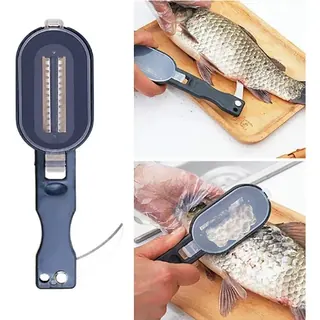 Fish scaler with lidAliExpress
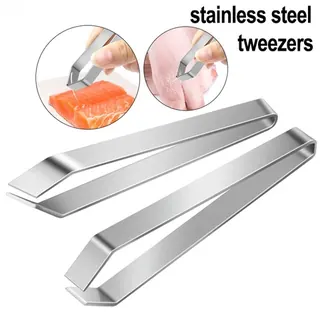 Fish bone tweezersAliExpress
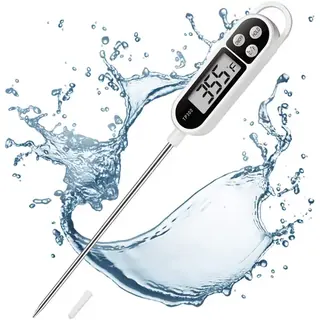 Kitchen probe thermometerAliExpress
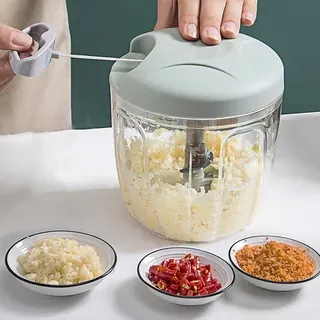 Pull chopper for garlic and onionAliExpress
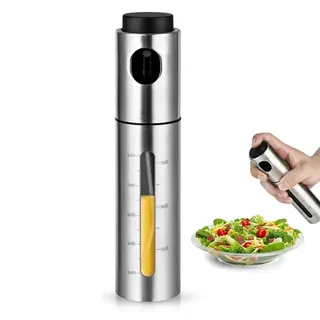 Oil sprayerAliExpress
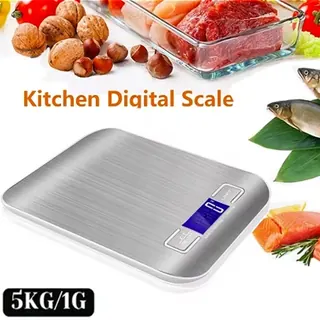 Kitchen scale up to 5 kgAliExpress