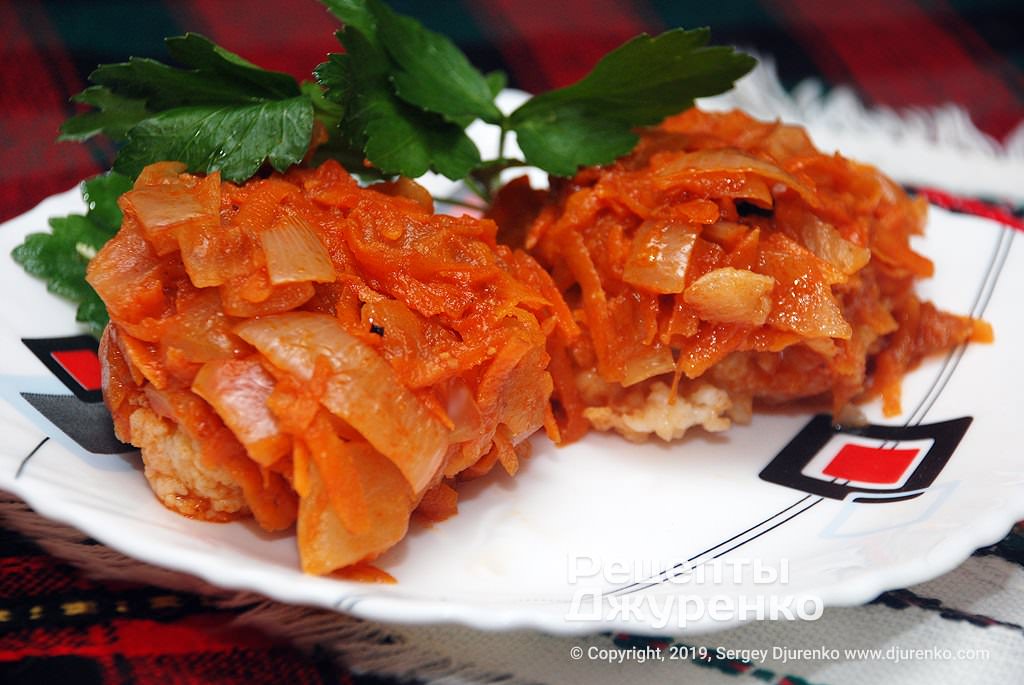
Fish Under Marinade: Fried Hake with Carrot, Onion and Tomato
I remember when I first started living on my own, the “fish days” at the factory canteen annoyed me a little, because I wanted meat. Still, I actually liked the fish under marinade. It's an amazingly simple and affordable dish that's made not in individual portions but in big trays. There's plenty of vegetables and fish in it. The important thing is that the cooks don't go overboard with the marinade.
The so-called “Soviet” fish days had nothing to do with the Orthodox fasting days, when meat was replaced with fish; it was simply that on Thursdays there was no point looking for meat in public canteens. As usual, to keep workers supplied with protein amid falling production, it was decided to provide everyone with affordable protein, which was easier in principle, though the workers weren't exactly thrilled.
When cooking in bulk for canteens, it was hard to make individual fish dishes like fish cakes or baked mackerel, so the focus was on one big uniform dish that was divided into portions when served. Fish under marinade was perfect for this. It could be made with cheap seafood, affordable vegetables like carrots and onions, cheap tomato paste and sunflower oil.
I often remember the huge trays (or were they sheet pans?) with an even layer of fried hake or pollock, covered with a “coat” of fried vegetables with tomato and a vinegar dressing. Most likely it was prepared the day before or early in the morning, so that at lunchtime everyone could get a portion with mashed potatoes. It was a kind of lottery: you could get a lot of fish on your plate or very little, since the dish was portioned out by eye.
Almost any fish without lots of small bones will do. Of the affordable kinds, hake, pollock and cod. Of the pricier ones, pink salmon or salmon. Although recipes mostly mention hake, carp works perfectly well too.
The cooking comes down to frying pieces of fish or small whole fish dredged in ordinary flour. They're fried until fully cooked, since they won't be cooked again. Onions and carrots are fried separately, then mixed with tomato paste and spices and stewed, and vinegar is added. The vegetables and fried fish are layered in a tray along with the marinade. A key step is resting and chilling, usually a few hours or overnight.
Ingredients
4 servings
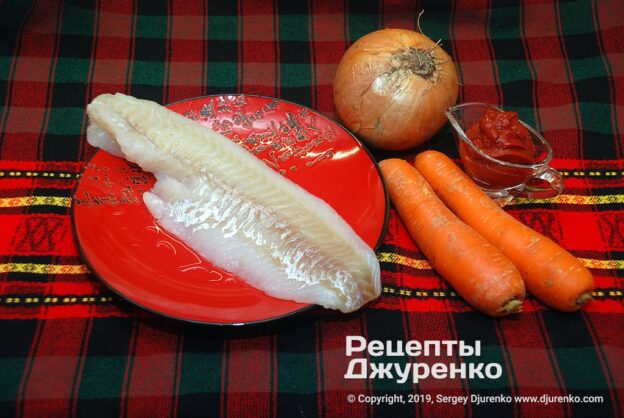
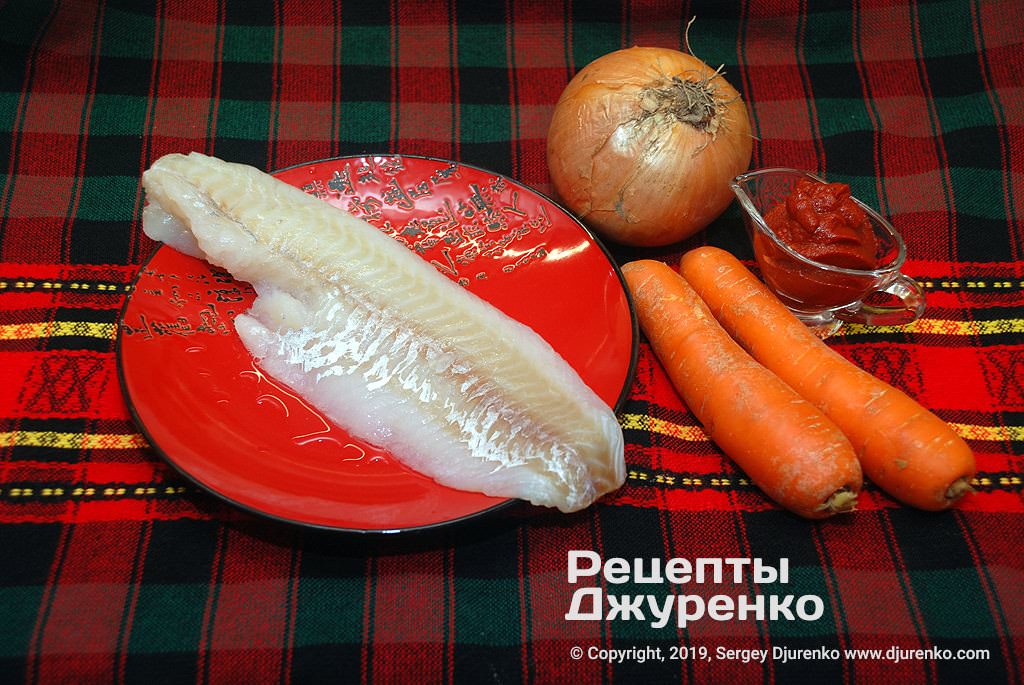
- Hake or pollock fillet 0.5 kg
- Onions 1-2
- Carrots 2-3
- Vegetable oil 50 ml
- Distilled vinegar to taste
- Tomato paste 2 tbsp
- Wheat flour 1 tbsp
- Salt, black pepper, bay leaf, allspice to taste
- Potatoes for the side dish
Step-by-step recipe
- I prefer to use fillets, and I always remove the skin because I don't like it. Soviet cooks didn't pay attention to such details, though. If the fish was frozen, move it from the freezer to the fridge ahead of time. Carefully cut off the fillets, discarding any bones you find. You'll need juicy carrots and large onions for this dish.
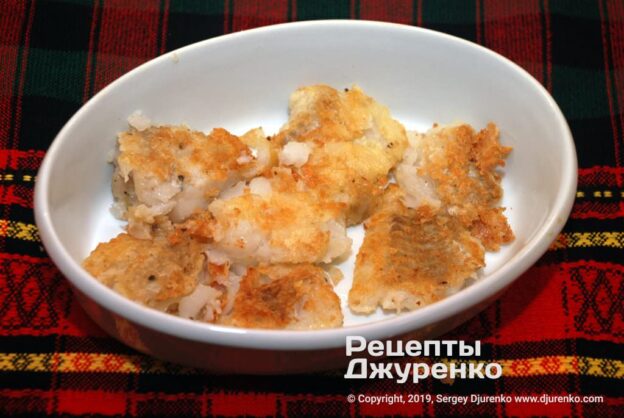
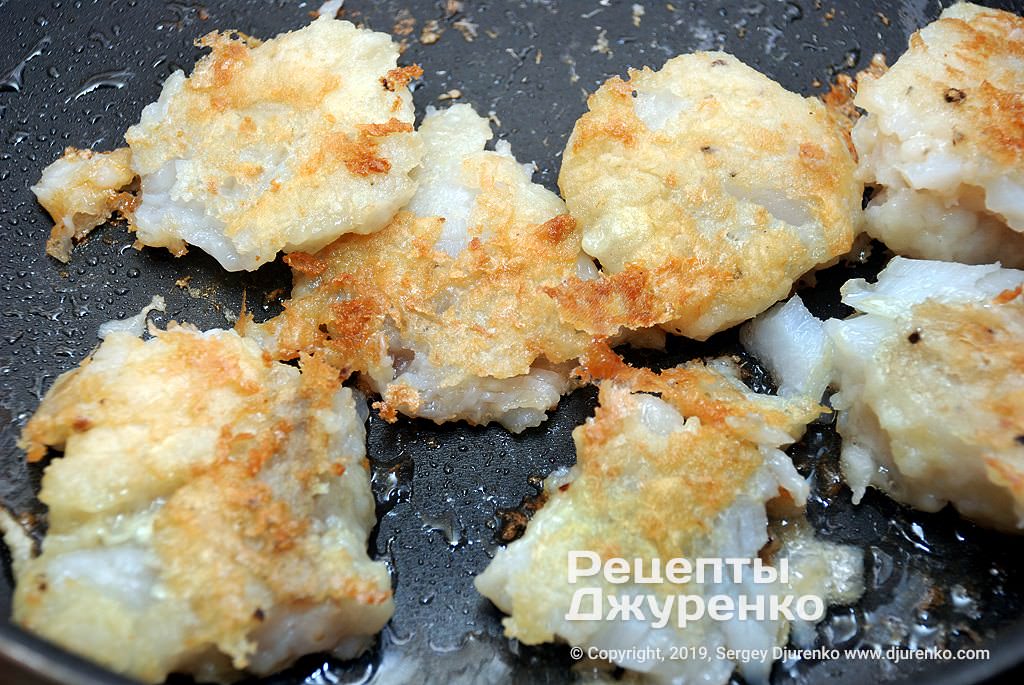
- Cut the fillets into large pieces, about the size of a matchbox. That way the finished dish will be easier to divide into portions. Season the pieces with salt and pepper. Dredge the fish well in flour, then put it on a plate. Pour half the vegetable oil into a frying pan and fry the fish until golden.
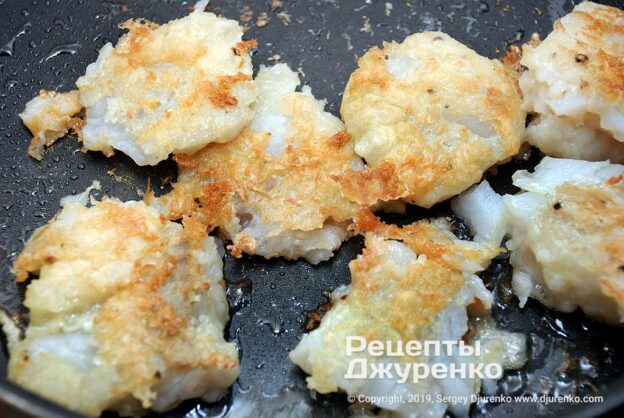
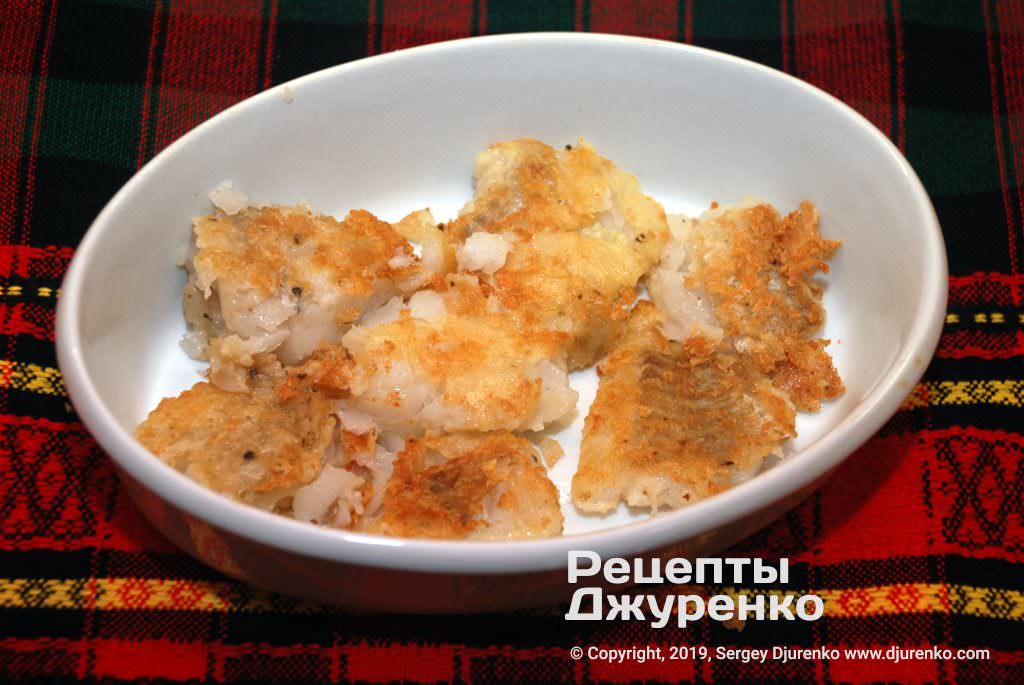
- If the pieces are still a bit raw inside, turn down the heat, cover the pan and cook the hake or pollock through. You'll need a baking dish big enough for all the pieces to cover the bottom completely. Lay the pieces in a single layer with a little space between them.
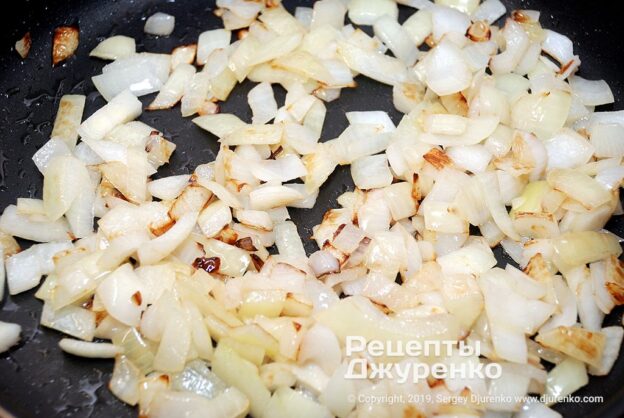
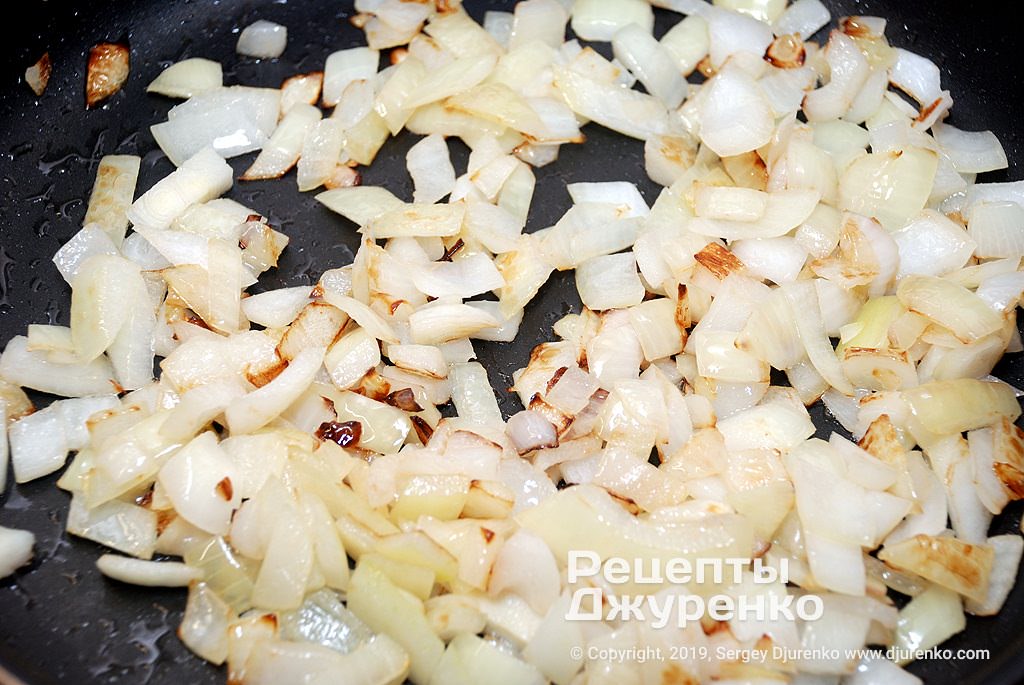
- Peel the onions and carrots. Dice the onions, not too large. Coarsely grate the carrots. Pour the rest of the unused oil into the pan with the oil left from frying the fish. Fry the onion in the oil until soft. It should turn lightly golden; that's when it gets a pleasant sweetish taste.
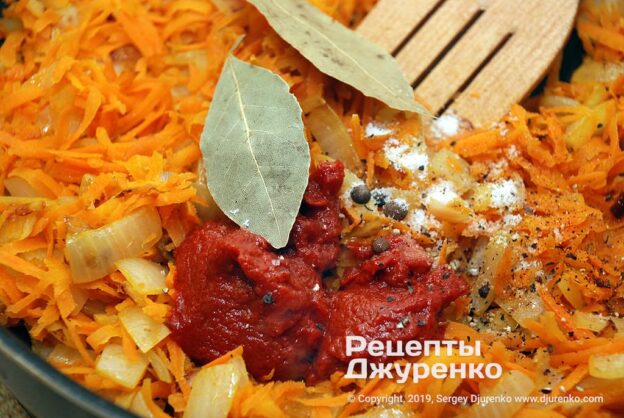
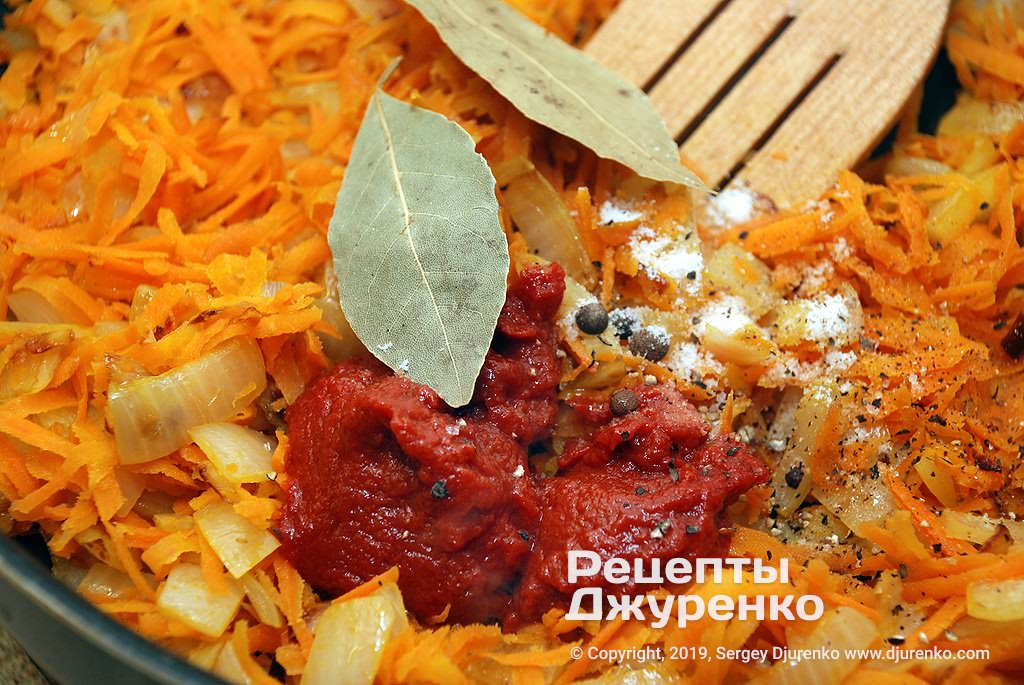
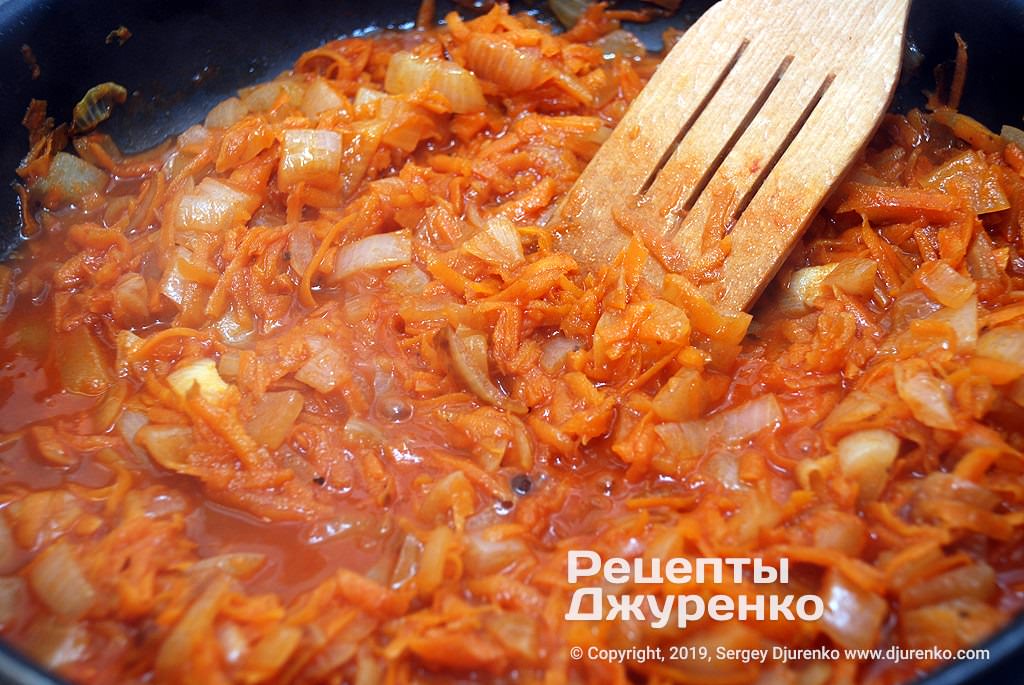
- Add the grated carrot. Fry the vegetables until the oil starts turning slightly orange from the carrot. Then add the tomato paste, season with salt and pepper, and add 1-2 bay leaves and 2-3 allspice berries. Stir the vegetables and spices well and fry for 3-4 minutes, stirring constantly.
- In a cup, mix half a cup of water with the vinegar. Go carefully with the vinegar: it's the main flavor of the dish. Too much acid and the fish will be inedible. As a rule, stores sell 9% distilled vinegar. For this amount of ingredients, 1-2 tbsp is enough. See for yourself; it's all to taste. Pour the water and vinegar into the vegetables and stir. As soon as the liquid starts to boil, turn down the heat and stew the vegetables until soft. This usually takes 25-30 minutes.
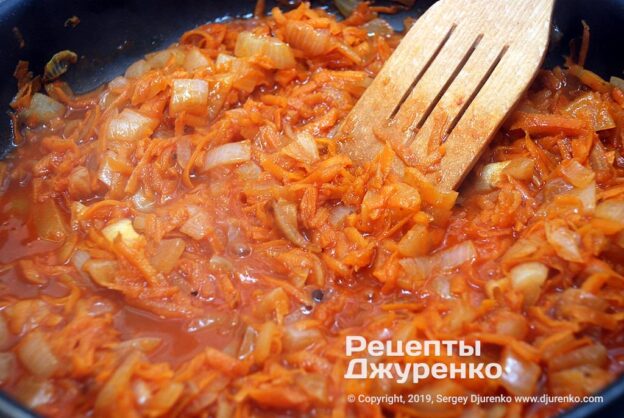
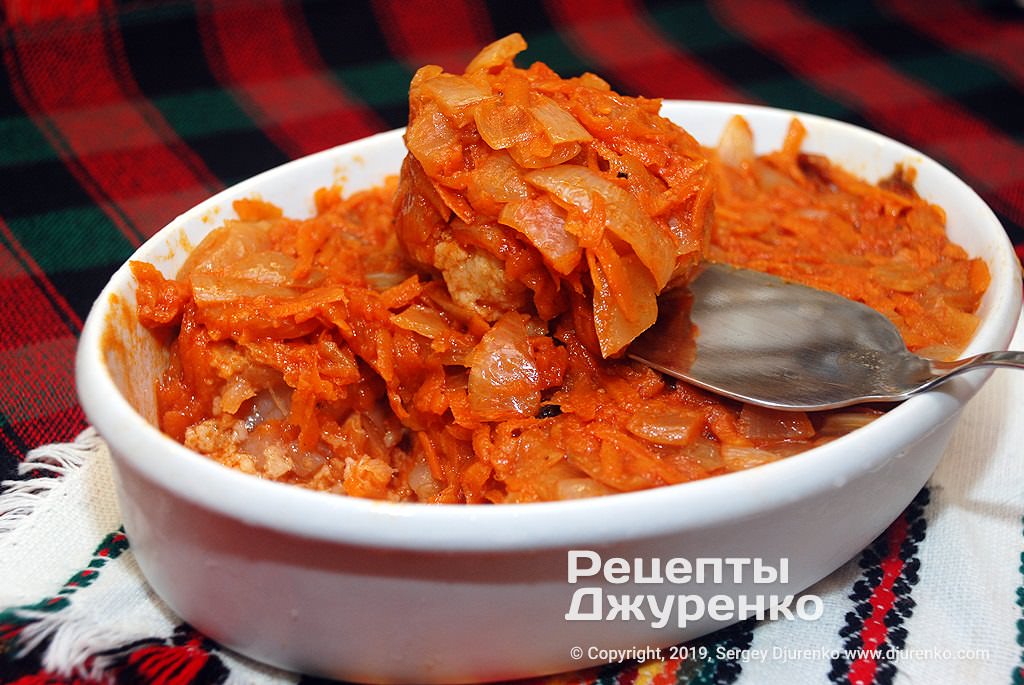
- The vegetables will absorb all the liquid, and there'll be almost none left in the pan. Remove the bay leaves and allspice. Spoon all the vegetables over the fish, pressing lightly and smoothing the top. If there's a little liquid left in the pan, pour it over the vegetables. Let it cool a little.
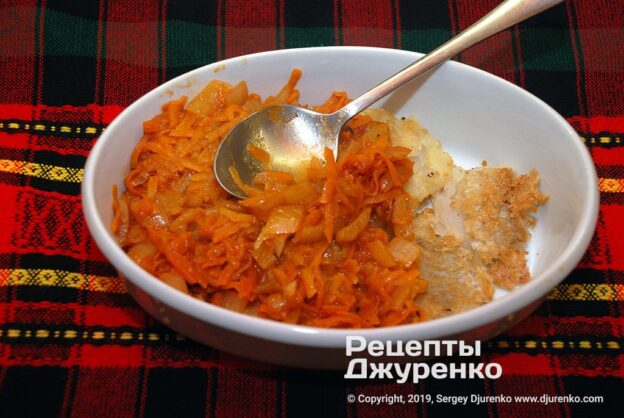
- Cover the dish with plastic wrap or a lid and put it in the fridge. 3-4 hours is enough, but it's better to let the fish sit in the cold overnight. The vegetable marinade will soak into the fish and make it juicy and tasty. But, once again, don't overdo the vinegar.
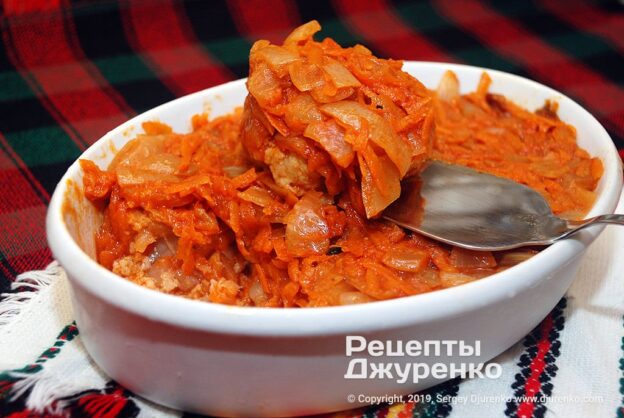
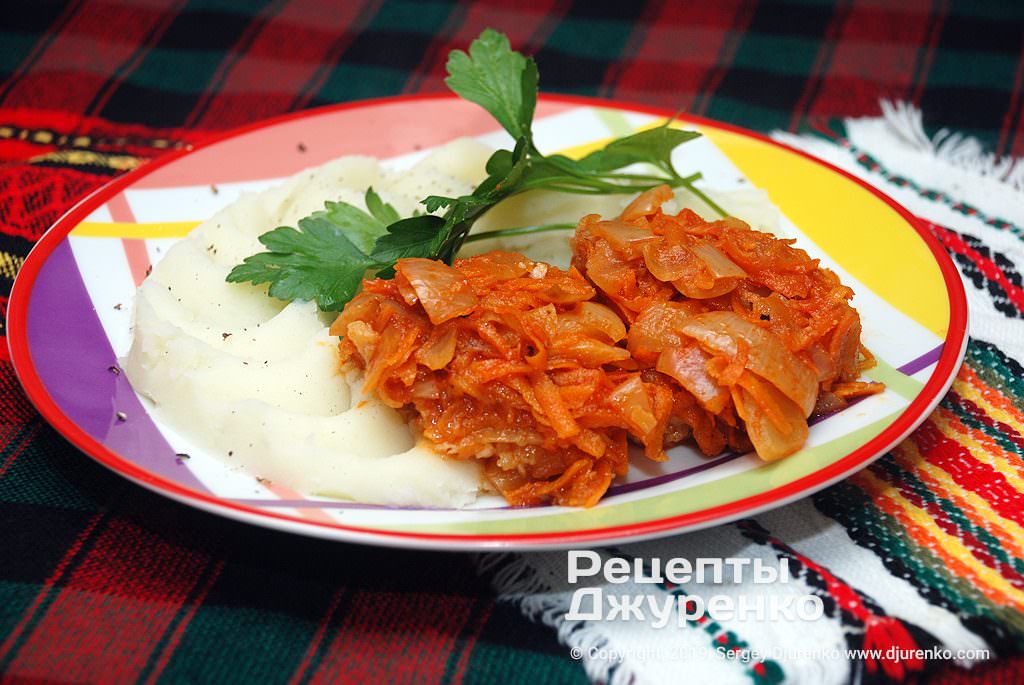
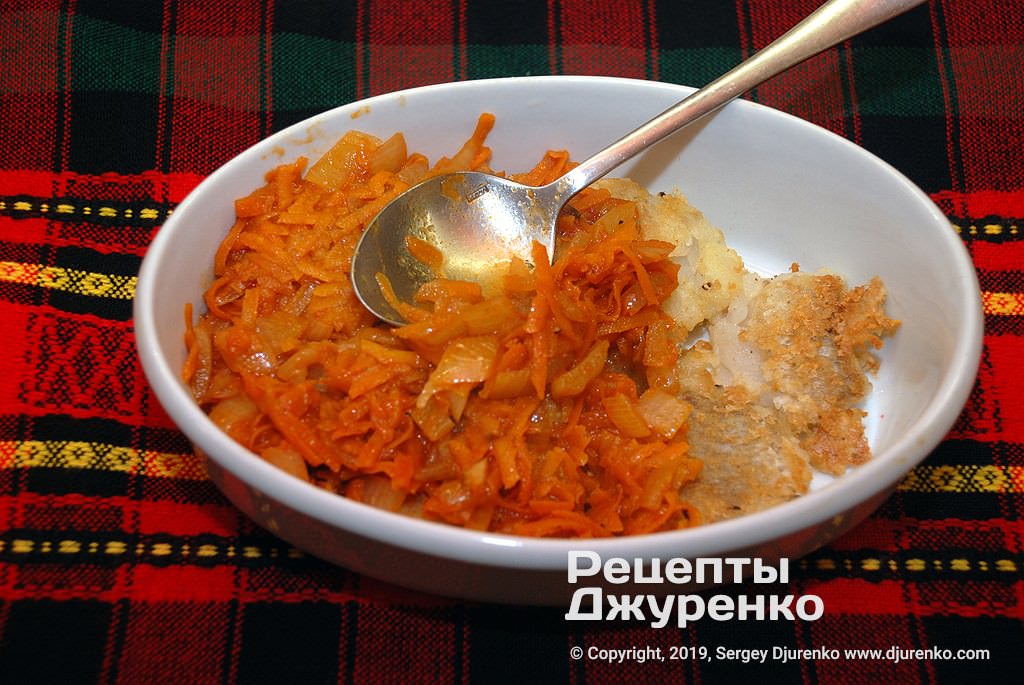
- Soft mashed potatoes are the ideal side. That's how I like it best, a perfect combination of flavors. With a spoon or spatula, cut the fish and vegetables into portions right in the dish. Put mashed potatoes on a plate and sprinkle with pepper. Add some herbs if you like. Add 2-3 pieces of the fish under marinade, trying to keep the layers intact.
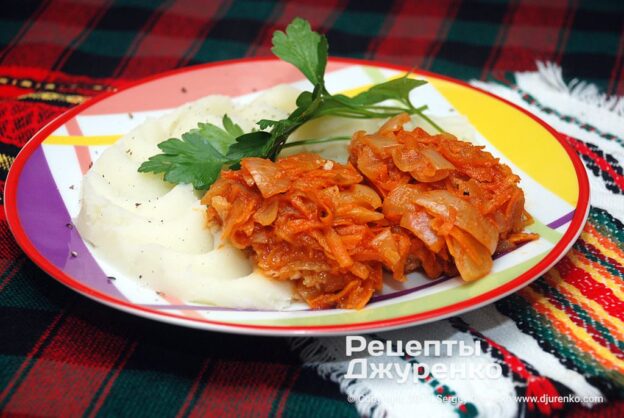
- Serve right away, while the mashed potatoes are still hot. You can add nutmeg and coriander seeds to the vegetables while cooking, though that was hardly done back then, since those spices were hard to come by. Nowadays bell peppers and ripe tomatoes are sometimes added to the vegetables, and fish stock is used instead of water.
| Serves: | 4 servings |
| Calories: | 110 |
| Prep: | 15 mins |
| Cook: | 45 mins |
| Total: | 1 h |
| Category: | Main Dishes |
| Cuisine: | European |
| Rating: |
⭐
⭐
⭐
⭐
⭐
4.4
(1)
|