
Pasta with Tomatoes and Olives
Along with pizza and risotto, pasta is considered the most Italian food of all. Pasta is generally understood to be any product made from dried dough that is boiled until done and served with a variety of sauces. Homemade pasta, however, isn’t dried but cooked right away.
The variety of pasta saucesis striking. They can be complicated, but they are very inventive. To my taste, the best pasta sauce is amatriciana. It’s a complex sauce that takes a long time and many ingredients, but the flavor makes up for all the time spent.
Pesto is also a very good sauce. It works almost all year round, even though it contains fresh green basil. It has a light taste of garlic, pine nuts and Parmesan. In fact, the simplest way to serve pasta is just to sprinkle it with grated Parmesan.
The vast majority of pasta sauces are made with olive oil. In Italian cooking olive oil goes into just about everything, except perhaps tea. Olive oil is the foundation of Italian and Mediterranean cuisines. People have used it widely since ancient times, and the earliest evidence dates back to Ancient Egypt and Ancient Greece. In the chronicles and texts of the ancient world, whatever the country, the olive, the tree that bears olives and gives us olive oil, was a gift to people from the gods.
Interestingly, only 100-150 years ago the term “olive oil” wasn’t used here. In everyday speech it was called “Provence oil”.
Italian pasta with a simple sauce of tomatoes and olive oil, pasta with tomatoes and olives, doesn’t take long. The most important thing is to use the highest quality pasta, natural, best-quality olive oil and other good ingredients. This is not the place to economize.


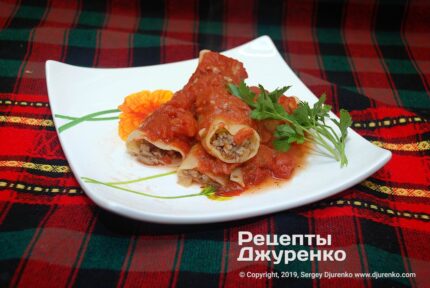


Ingredients
4 servings
- Pasta 500 g
- Water for cooking the pasta 4–5 l
- Salt for the pasta water 5 g per 1 l of water
- Canned peeled tomatoes in their own juice 400 g
- Garlic 2-3 cloves
- Black olives 15 olives
- Olive oil 50 ml
- Parmesan 50 g
- Fresh basil 1-2 sprigs
- Black pepper, dried aromatic herbs (savory, oregano, basil), salt, sugar to taste
Step-by-step recipe
For this recipe I decided to use very good De Cecco olive oil, along with their penne pasta and tomatoes. These products are now easy to find and can even be delivered to your door.

By and large, whether to use penne or another type of pasta is up to you. Still, I recommend a short shape such as fusilli or tortiglioni. The sauce is fairly thin, and shaped pasta holds sauce better thanks to its surface.
Black olives are preferable, and of course pitted. Pitting canned olives yourself is a tiresome job, so it’s better to buy them already pitted, and then the pasta will turn out just right.
Natural olive oil has a distinctive taste, so it’s worth flavoring it for pasta. Pour the olive oil into a frying pan or saucepan. Heat the oil until it gives off a light white haze and a faint characteristic smell. Peel the garlic cloves and flatten them slightly with the flat of a knife. Fry the garlic in the oil until it starts to darken. Then remove the garlic from the oil and throw it away. It has already done its job.

Now comes an important point: turn the heat down to the minimum so the oil cools a little, or even take the saucepan off the heat for a few minutes. Why does it matter? The next step is adding the tomatoes, and adding any liquid to very hot oil sends out a cloud of scalding spatter. You need to be very careful.
So add a can (400 g) of canned tomatoes, or use ripe fresh tomatoes, peeled, seeded and cut into wedges. Simmer the tomatoes with the olive oil for 10 minutes over low heat under a lid.

Add 0.5-1 tsp sugar (2–5 g), 2-3 pinches of dried aromatic herbs, and salt and pepper to taste.
Cut the pitted black olives in half and add them to the tomatoes. Simmer everything under a lid for 15 minutes.

While the sauce is cooking, boil the pasta. Pasta is usually cooked in plenty of water: for half a kilo of dry pasta (250 g), which is usually one pack, you need 4-5 liters. The water should be fairly salty, 5 g of salt per liter. By the way, 1 tbsp holds 30 g of salt. Add the pasta to well-boiling water and cook for the time given on the package. By our standards, pasta cooked for that time may seem a bit underdone, though Italians consider this the right doneness and call it al dente (“to the tooth”). It’s hard to advise anything here. It’s a matter of habit.
Drain the cooked pasta in a colander and combine it with the sauce. If the sauce seems too thin, keep it on the heat for a few minutes with the lid off.

Mix the sauce and pasta thoroughly and divide among plates.
The dish is especially good sprinkled with grated Parmesan and fresh basil leaves.

Serve the pasta right away, while it’s hot.


Calories and macros
650 kcal
Serving ≈ 400 g
- Protein22 g14% of kcal
- Fat18 g27% of kcal
- Carbs92 g59% of kcal
100 g164 kcalProtein 5.5 gFat 4.6 gCarbs 23.3 g
Calculated from the recipe ingredients, excluding salt and spices. Data: USDA and Matvaretabellen.
 Pull chopper for garlic and onionAliExpress
 Oil sprayerAliExpress
 Kitchen scale up to 5 kgAliExpress
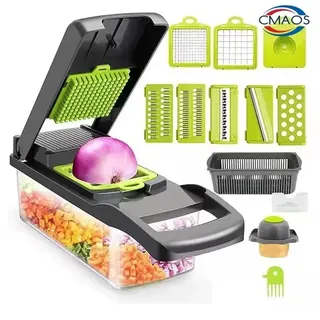 Vegetable chopper with handleAliExpress
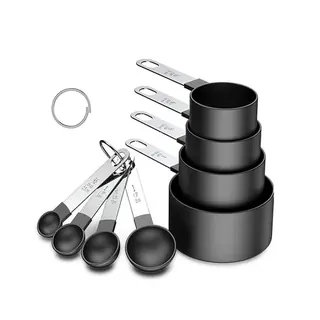 Measuring cups and spoonsAliExpress
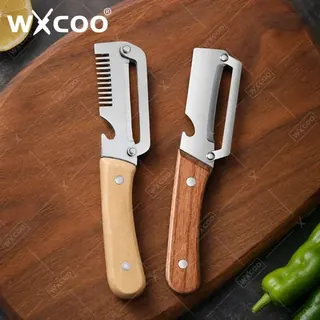 Peeler with wooden handleAliExpress