
Creamy Pasta with Canned Salmon or Tuna


Ingredients
2 servings
- Pasta (penne, fusilli, paccheri) 200 g
- Water for boiling the pasta 2 l
- Salt for boiling the pasta 14 g (7 g per 1 l of water)
- Canned fish (salmon, tuna) 1 can
- Shallot 1-2
- Cream (20-25%) 200 ml
- Parmesan (grated) 2-3 tbsp (14–20 g)
- Butter 1 tbsp
- Salt, black pepper to taste
Step-by-step recipe
Pasta
The best pasta with canned fish is made with salmon or pink salmon in its own juice. Fish with a strong smell of its own is a poor fit, because the whole dish ends up tasting of it. Skip fish packed in oil too: extra calories and a very different flavor. It is best to use large, short pasta such as paccheri, rigatoni or penne. Cream gives the sauce its special taste, and it pairs wonderfully with canned fish. Many people avoid this combination for some reason; to see that they are wrong, try the kakavia soup.
First, put a pot with 2 l of water and 14 g of salt (7 g per 1 l of water) on high heat, so the water is ready in time to cook the pasta.
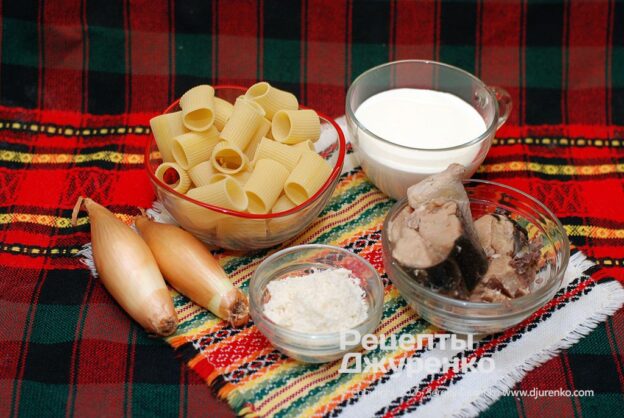
When the water boils, add the pasta and cook until al dente; the cooking time is on the package. While the water heats up and the pasta cooks, make the sauce.

Sauce
Peel the shallot and chop it finely. If you can’t find shallots, use a regular or red onion.
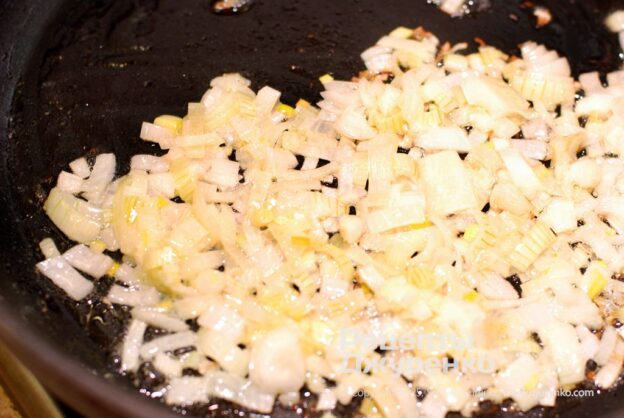
Melt 1 tbsp of butter in a skillet. Fry the onion in the butter until lightly golden. Cook over above-medium heat so the surface of the onion caramelizes quickly while the middle of the pieces stays slightly firm.
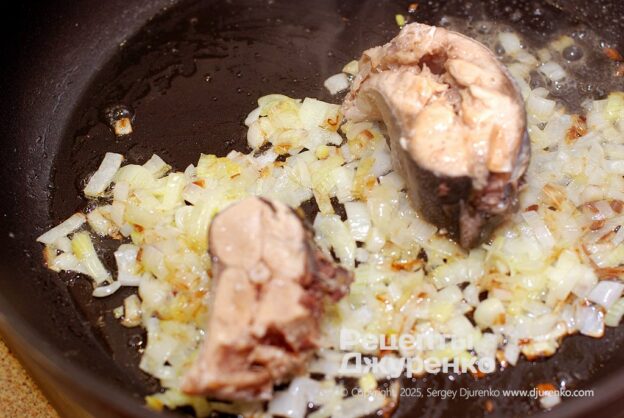
Open the can of fish and drain the liquid. Mash the fish with a fork, either in the can or in the skillet, it makes no difference.
Canned fish almost always contains bones. That’s normal and even good for you. I read somewhere that they are a very good source of calcium. Besides, the bones soften during the heat treatment and are practically unnoticeable.
Combine the fish with the onion, add a little salt and season with ground black pepper. Fry the fish with the onion for 1-2 minutes.
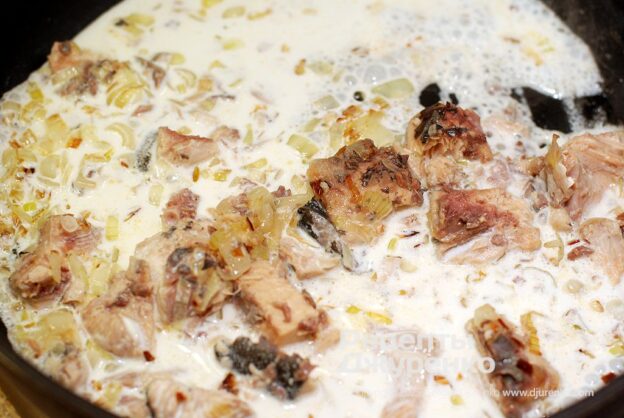
Pour the cream into the skillet, stir the sauce until smooth and reduce the heat to low.
We use natural 20% cream. It is thick enough to make a glossy sauce with a thick consistency. Richer cream has more calories, and lighter cream is runny.
Once it starts to simmer, add 1 tbsp of finely grated Parmesan (7 g). The cheese quickly blends with the cream into a smooth sauce, about as thick as sour cream. There is no need to overheat the sauce: in 1-2 minutes it is ready.


Combining
By now the pasta is ready. Set aside a little of the hot pasta water, as you may need it. Drain the pasta in a colander.
Combine the pasta and the sauce and mix well. If the sauce is too thick, add just a little of the reserved pasta water.
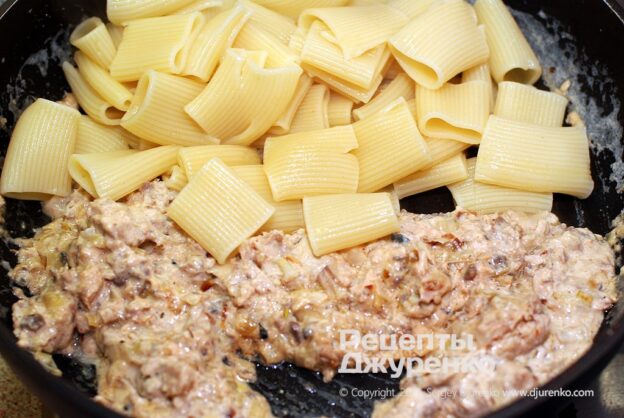

Serving
Divide the pasta among plates and sprinkle with the remaining Parmesan. Cream and cheese quickly turn stiff as they cool, so serve the dish very hot. By the way, many people like to add a bit more black pepper before serving. Don’t add any herbs.
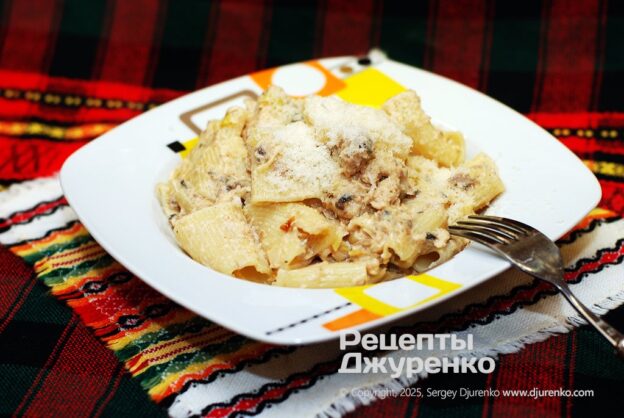
A note on strong-smelling fish: mackerel or saury, as a rule, overpower any flavor and aroma in the dish, so be careful with them. Still, if you like it and are in no rush, give it a try. If you use regular milk in the sauce, make up for its thinner consistency with a larger portion of Parmesan or, as a last resort, thicken it with flour or starch.

Calories and macros
825 kcal
Serving ≈ 490 g
- Protein47 g23% of kcal
- Fat34 g38% of kcal
- Carbs77 g38% of kcal
100 g170 kcalProtein 9.7 gFat 7.1 gCarbs 16 g
Calculated from the recipe ingredients, excluding salt and spices. Data: USDA and Matvaretabellen.
 Fish scaler with lidAliExpress
 Fish bone tweezersAliExpress
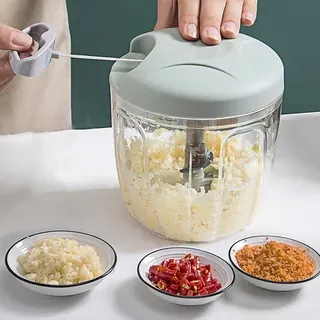 Pull chopper for garlic and onionAliExpress
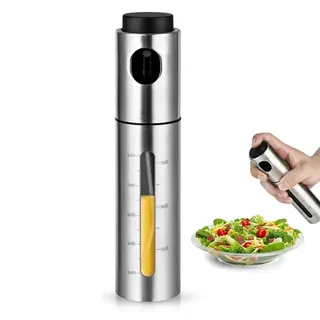 Oil sprayerAliExpress
 Kitchen scale up to 5 kgAliExpress
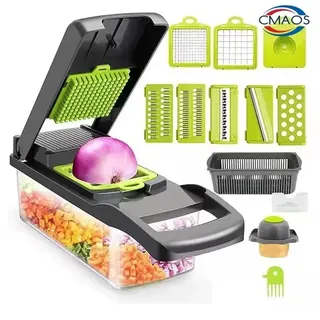 Vegetable chopper with handleAliExpress