
Homemade Pesto Lasagna with Fresh Pasta
Ingredients
3-4 servings
For the lasagna pasta
- Durum wheat flour 1 cup (130 g)
- Soft wheat flour 1 cup (and a little extra for kneading) (130 g)
- Eggs 2
- Water 1–2 tbsp


For the pesto sauce
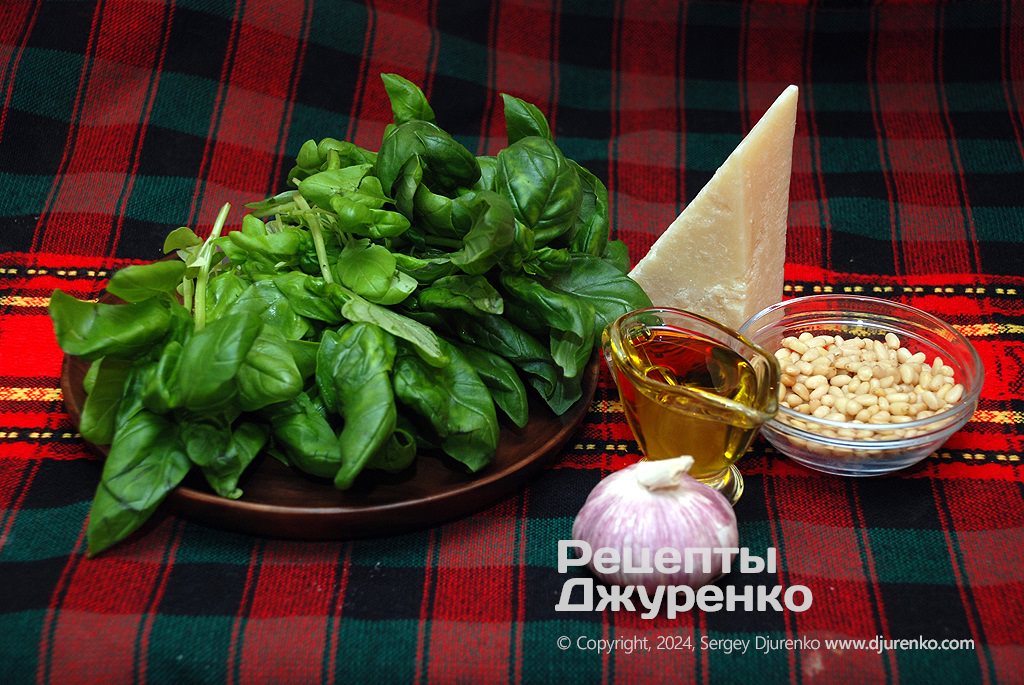
- Green basil 1 bunch
- Pecorino or Parmesan 100 g
- Olive oil 4 tbsp
- Garlic 2-3 cloves
- Pine nuts 50 g
- Salt to taste


For the béchamel sauce
- Butter 1 tbsp
- Wheat flour 1 heaped tbsp (15 g)
- Milk (2.5–3.2%) 3-4 cups (600–800 ml)
- Salt, nutmeg to taste


For assembling the lasagna
- Butter 1 tsp (to grease the dish)
- Parmesan 50 g
- Tomato 1
- Basil, soured milk or thick yogurt for serving

Step-by-step recipe
Pesto and béchamel sauces
At first glance, pesto lasagna may seem rather difficult to make. Preparing the basil sauce, the béchamel and the pasta dough does take time and some effort, of course. But as a rule these are quite simple processes that can be done at the same time. You can also use a store-bought sauce and dry lasagna sheets. Take the kind that needs no preparation and goes into the baking dish dry.
Pesto is one of the best and tastiest sauces of Italian cuisine, and it needs no cooking. What matters is plenty of fresh green basil and all the right ingredients. Quite often recipes do not follow the classic ingredients for the sauce. For example, pine nuts are replaced with cedar nuts or left out altogether. Instead of Pecorino, the cheaper Parmesan or Grana Padano is used.
Make the pesto sauce. Grate the cheese into a deep bowl, add the chopped basil, garlic and nuts, then add salt. Blend the ingredients with a hand blender and, gradually adding the best olive oil you have, work it until the pesto is thick and slightly viscous.

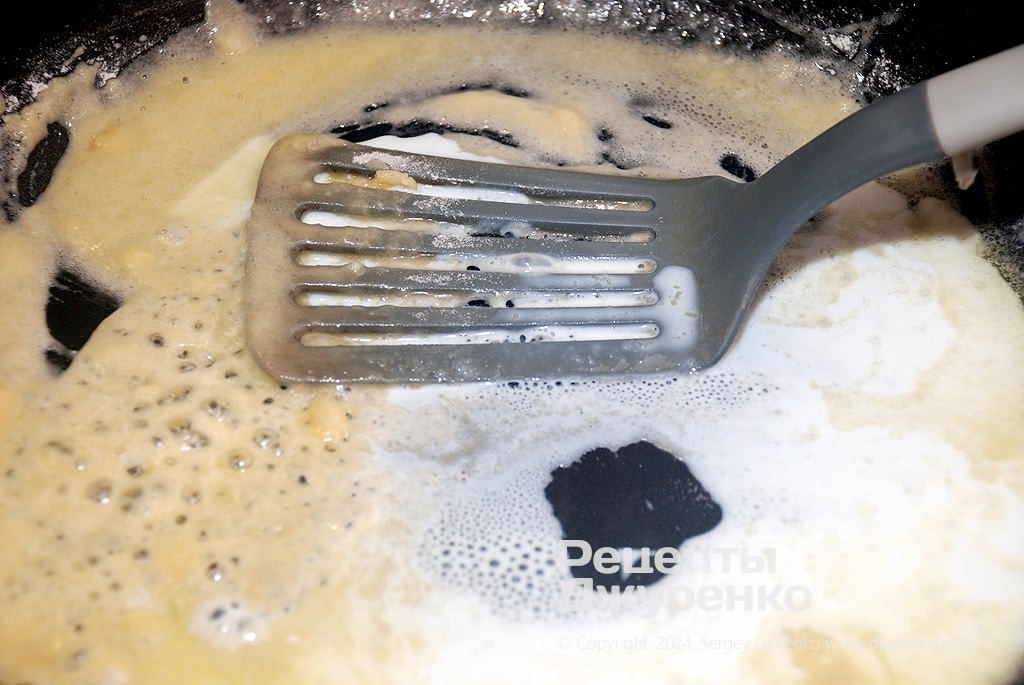
Make the béchamel sauce. Melt a piece of butter in a frying pan over medium heat and add a heaped spoonful of soft wheat flour. Mix the fat and flour with a spatula; what you get is called a roux. The milk must be cold, straight from the fridge. Stirring the sauce constantly, pour in the milk in a thin stream to avoid lumps. The consistency of the béchamel for pesto lasagna should be that of thick kefir. Salt the sauce, add a pinch of grated nutmeg, then simmer over low heat for 2-3 mins. The sauce should cool down.

Milk-based béchamel is the main component of lasagna. It gives the dish its softness and pleasant delicate flavor.
Dough for the lasagna sheets
You will need durum wheat flour, labeled semola di grano duro. It looks like fine semolina, with a slightly coarse grind. You will also need ordinary soft, finely milled flour, called farina in Italy.
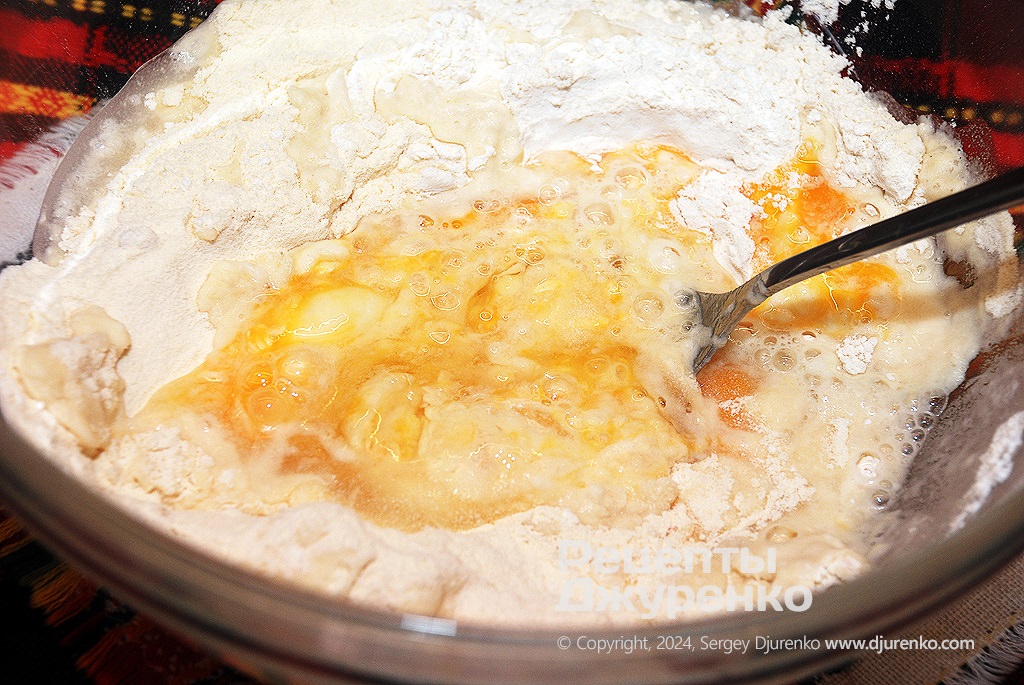
Mix the flour with the eggs. Mix both kinds of flour in a bowl or on the table, make a well and break two eggs into it. Usually, when making pasta dough, I take a few more eggs. Lasagna needs a slightly softer dough, so I add a little water, literally 1-2 tbsp.

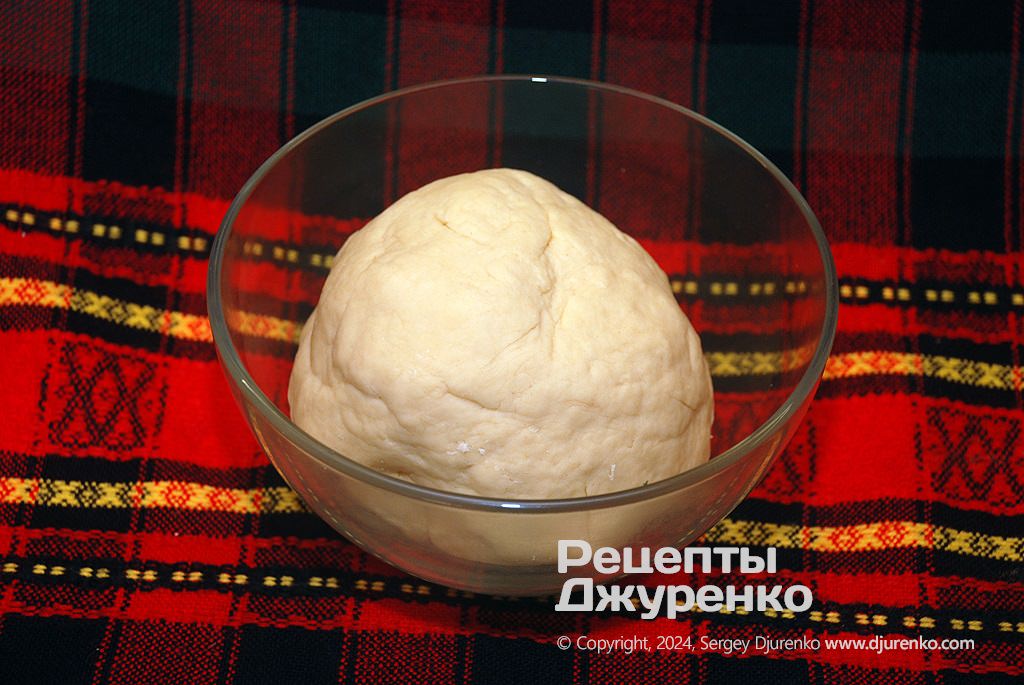
Knead a soft dough and let it rest. You can add soft flour in small portions to make the dough elastic and soft and to keep it from sticking to your hands. Roll the dough into a ball and put it in a bowl, covered with a cloth, for about 15 minutes. While the dough rests, the gluten swells and the dough becomes even more elastic.

Assembling the pesto lasagna
Use a glass or ceramic baking dish. In an ordinary oven, metal dishes overbake the bottom and sides of the lasagna. The dough is easy to roll with a hand pasta machine, an extremely useful kitchen gadget.
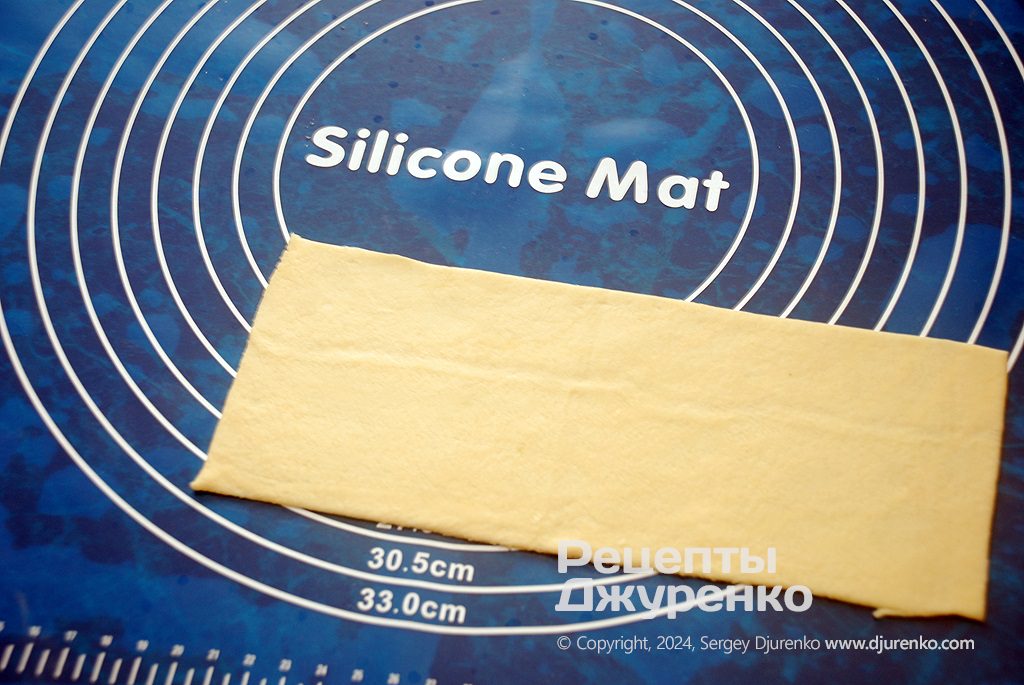
Grease the dish and roll out the sheets. Grease the dish with a small piece of butter. Pinch off pieces of dough the size of a hen’s egg and roll each into a ribbon as wide and long as your dish. The excess can be trimmed with a pizza cutter and reused. A thickness of 1.5–2 mm is enough. The sheets do not need to be boiled beforehand. They go into the dish raw and cook through in the sauce.

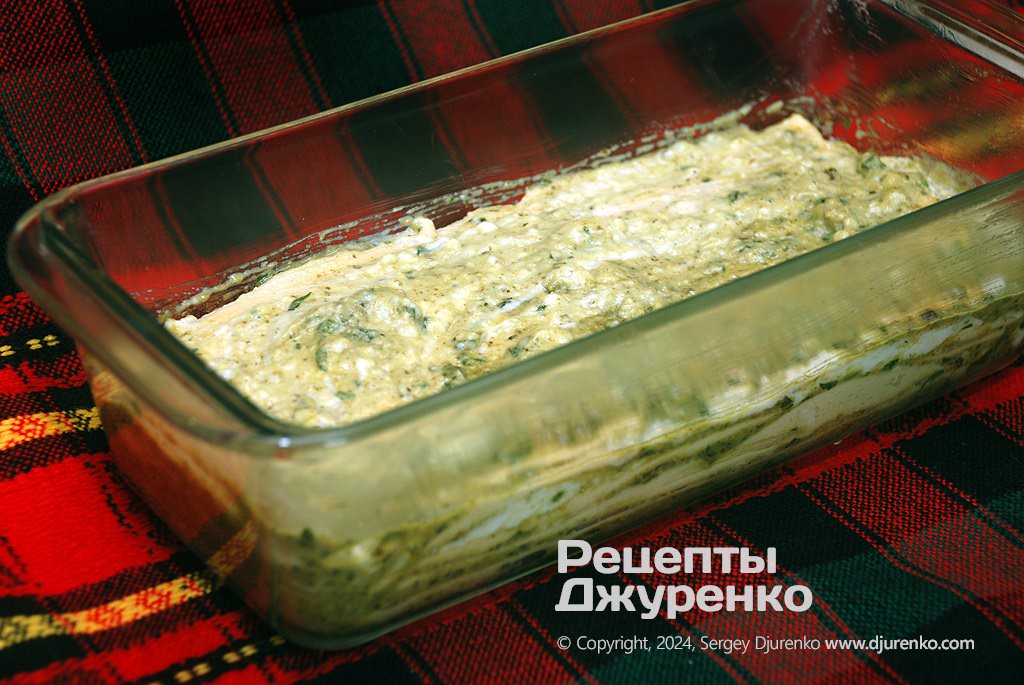
Lay the layers. Divide the pesto roughly by the number of lasagna layers; we ended up with six. Spread 1 tbsp each of pesto and béchamel, mixed together, on the bottom of the dish. Cover the sauce with a strip of lasagna. Brush the pasta with béchamel, spreading it evenly. Spread pesto over the white sauce, leaving no gaps. Then cover the sauces with a second strip of pasta. Repeat until all the layers are laid.

While layering, you can add fresh basil leaves between the pesto and the béchamel. It is better not to do this on the top layer, as it will darken during baking. If you like, you can add ricotta and any vegetable sauce as an extra layer.
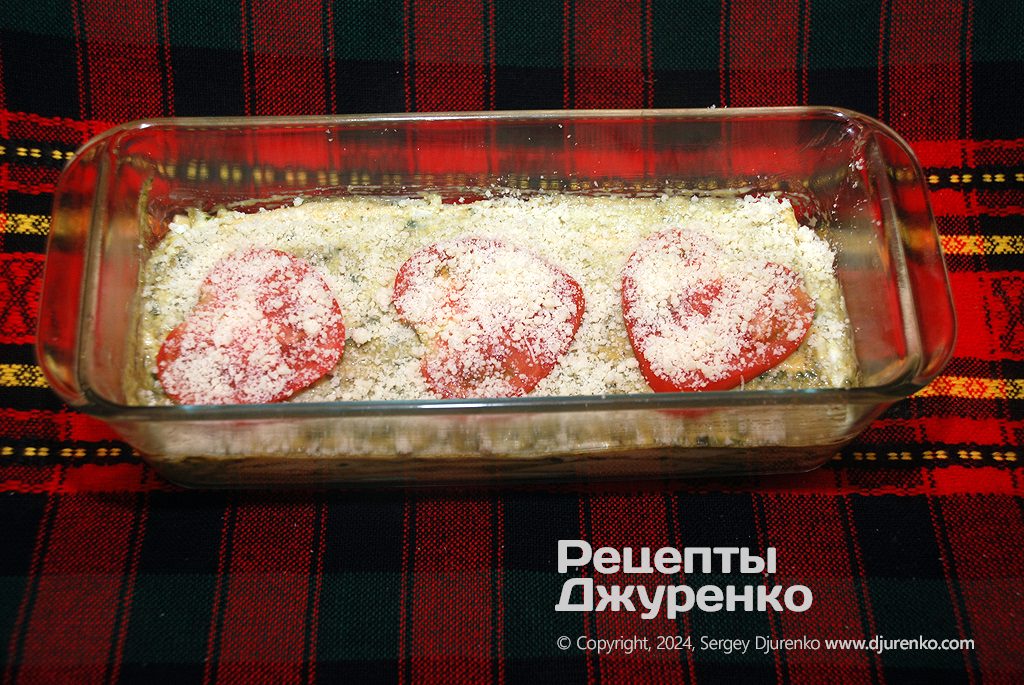
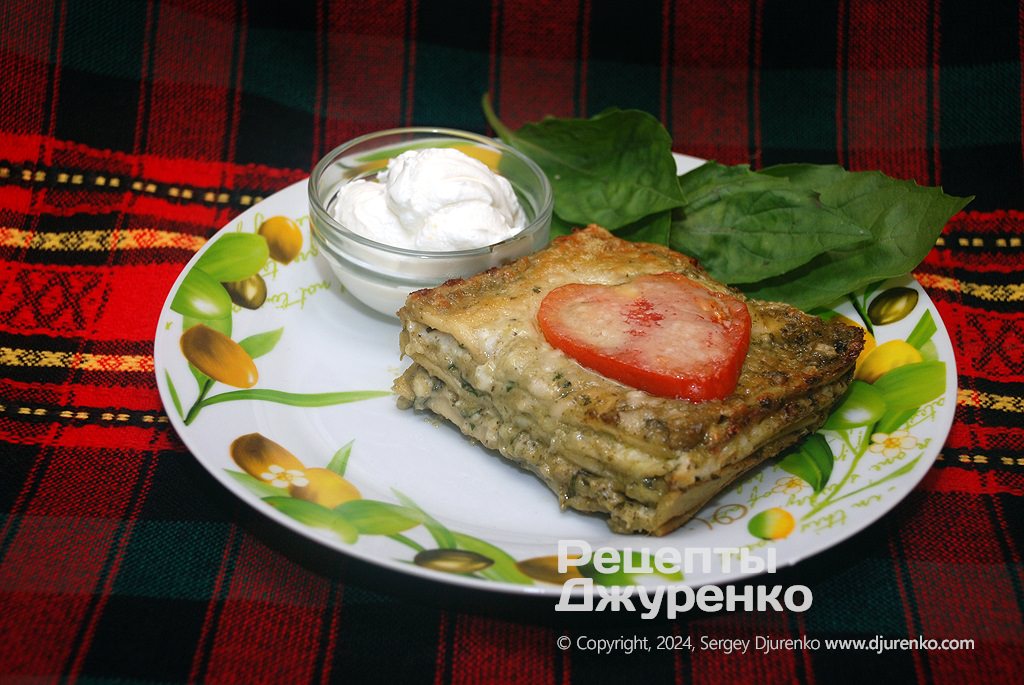
Finish the top of the lasagna. Brush the very top of the lasagna with béchamel and pesto mixed together. Usually all the leftover sauce goes on top, and there may be more of it than in the inner layers. To decorate, we use a ripe red tomato sliced thinly and laid over the sauce. Then sprinkle the lasagna generously with grated Parmesan.

Baking the lasagna
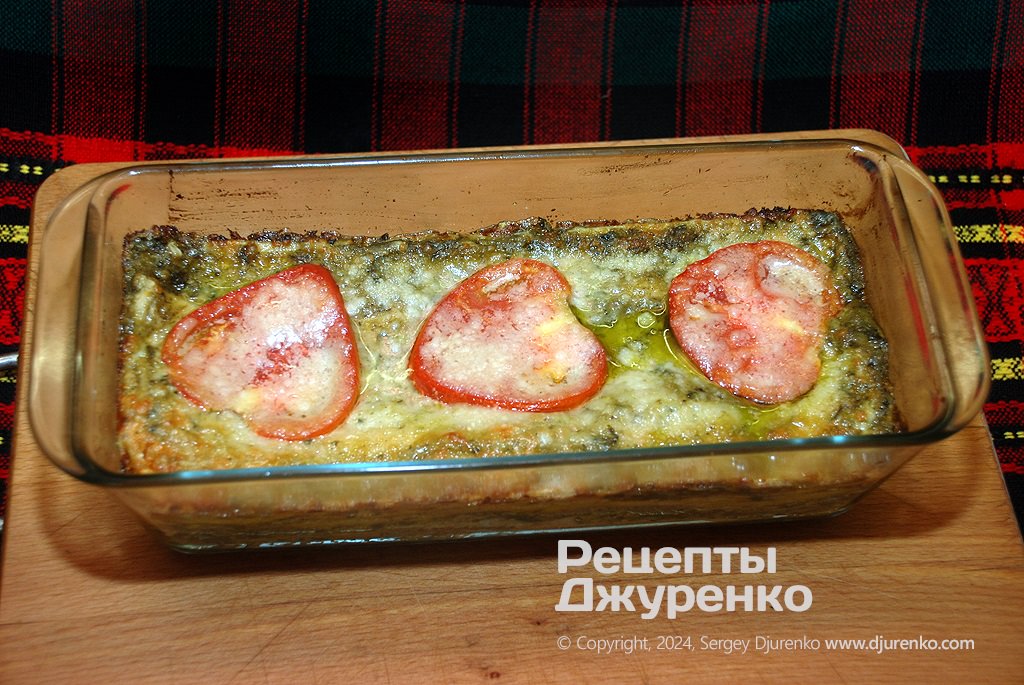
Bake the lasagna for 30-40 mins. Preheat the oven to 180-190°C and put in the dish with the prepared lasagna. You can judge doneness by eye: the cheese on top has melted and the sauce is bubbling. If necessary, the baking time can be extended slightly. Remember that the top layer of sauce partly consists of pesto, and the basil may start to darken during baking. So don’t extend the time too much.

Serving
Slice and plate. Take the finished lasagna out of the oven, carefully, as olive oil gets very hot. Use a knife to separate the bake from the sides of the dish and cut it into pieces. Transfer the lasagna to plates with a spatula. To serve, we add a little green basil to the plate and put soured milk or thick yogurt in a separate sauce bowl.

Serve the dish hot only, and don’t save it for reheating.

How did you like this recipe?
I really want to know how the recipe turned out for you.
Calories and macros
975 kcal
Serving ≈ 460 g
- Protein35 g14% of kcal
- Fat54 g51% of kcal
- Carbs83 g35% of kcal
100 g211 kcalProtein 7.5 gFat 11.7 gCarbs 18 g
Calculated from the recipe ingredients, excluding salt and spices. Data: USDA and Matvaretabellen.