
Pumpkin Lasagna
Ingredients
6 servings
- Lasagna dough 300 g
- Semi-hard cheese (for the top) 100 g


For the pumpkin sauce
- Ripe pumpkin 1 kg
- Mozzarella (soft) 100 g
- Olive oil 1-2 tbsp
- Garlic 1-2 cloves
- Fresh rosemary 1 sprig
- Water 0.5 cup (100 ml)
- Salt, pepper to taste
- Chili, nutmeg optional


For the béchamel sauce
- Butter 50 g (plus a little for greasing the dish)
- Wheat flour 1-1.5 tbsp (10–15 g)
- Milk as needed (to the consistency of thick kefir)
- Salt to taste
- Nutmeg on the tip of a knife


For serving (optional)
- Mint, nuts for garnish
- Soured milk (prostokvasha) or low-fat sour cream as a sauce


Step-by-step recipe
Pumpkin sauce
If the pumpkin is ripe and sweet, the pumpkin lasagna will turn out very tasty. Don’t use unripe pumpkin: it is slightly astringent and not tasty at all. Pumpkins usually grow huge, so buy a piece at the market and you will see right away what the pumpkin is like inside. After peeling, you can also collect the seeds and roast them for another treat. And one more thing: don’t keep a cut pumpkin in the refrigerator for several days, it wilts and turns mushy.
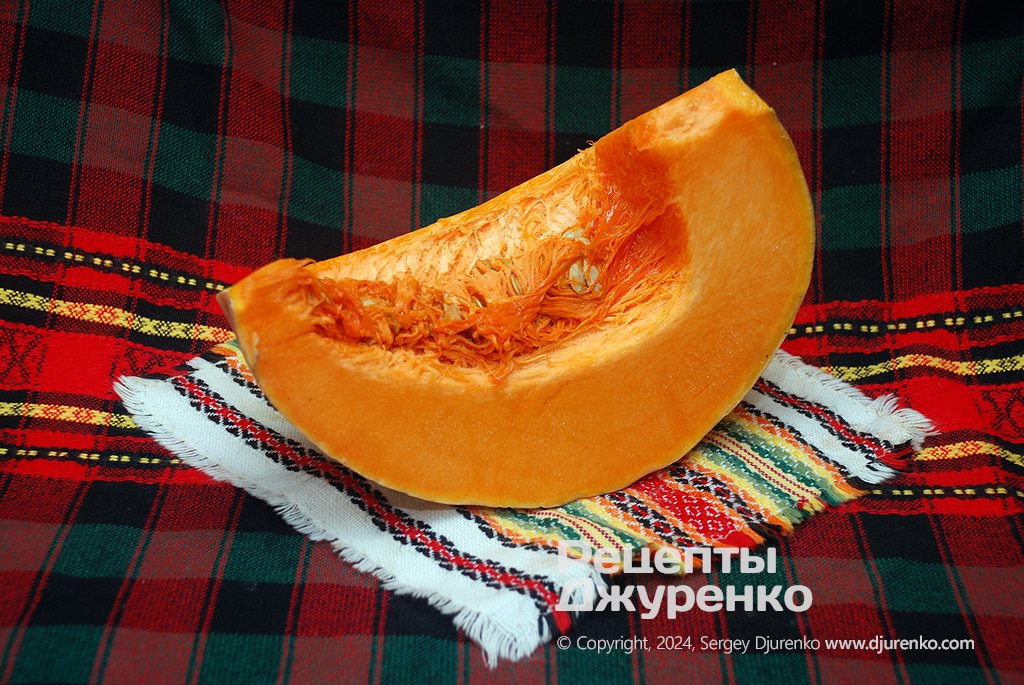
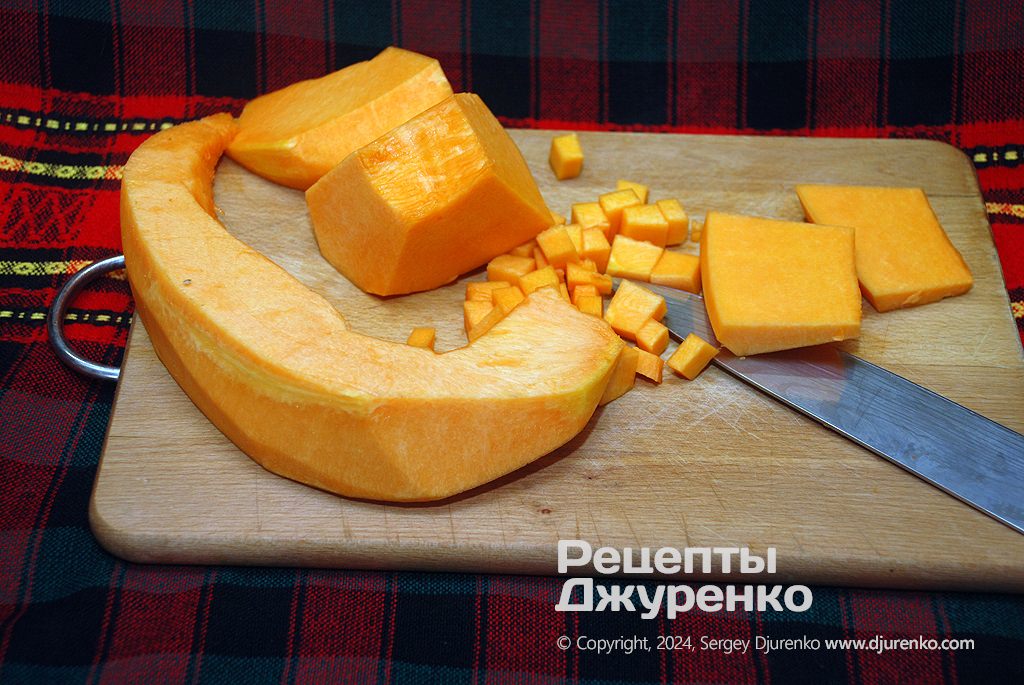
Remove the inner layer with the seeds and the outer rind from a piece of pumpkin and cut the flesh into 1.5-2 cm cubes. By the way, don’t use ceramic knives: you will most likely break them, as the flesh is hard as a rock. The cubes need no preliminary treatment.

Flavor the oil. In a pan over medium heat, heat 1-2 tbsp of olive oil and fry one or two crushed cloves of garlic and a sprig of fresh rosemary in it. When the garlic starts to darken, discard it along with the rosemary.
Instead of rosemary, sage, basil or thyme work great. You can also fry a fresh chili in the oil to add a light heat to the dish.
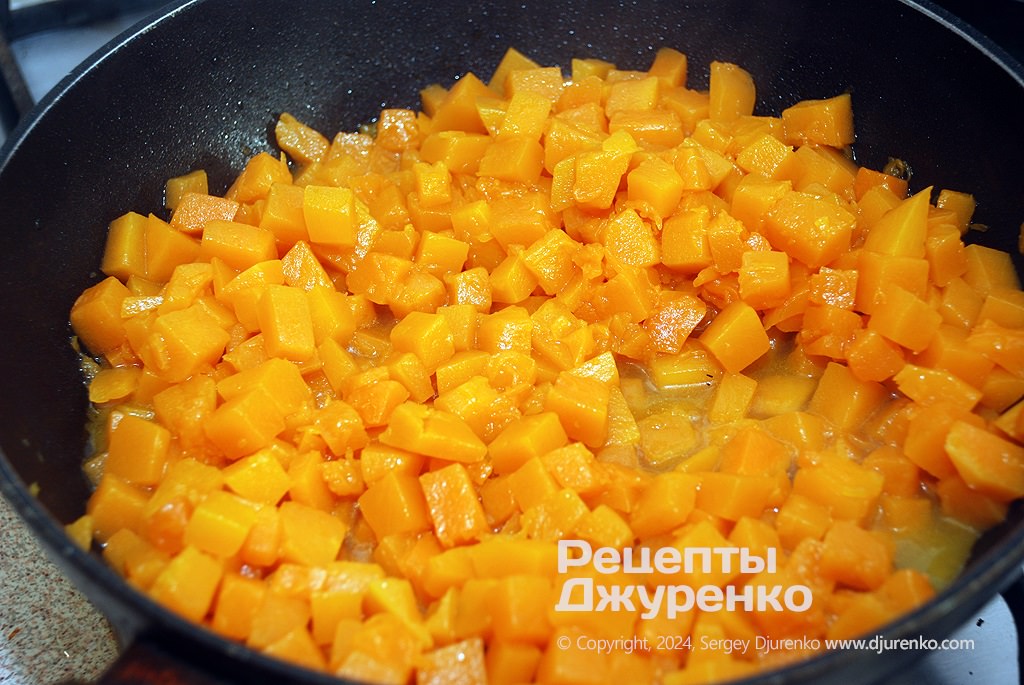
Fry and stew the pumpkin. Fry the cubes in the flavored oil until lightly browned and tender. Add 0.5 cup of water (100 ml) to the pan and simmer over low heat, covered, for 15 mins until completely soft.

You can add the rosemary not before frying but during stewing. Strip the leaves from the stem and, so they don’t float around in the sauce, tie them up with a thread. The pumpkin lasagna will have a more distinct rosemary taste and aroma, which many people like.
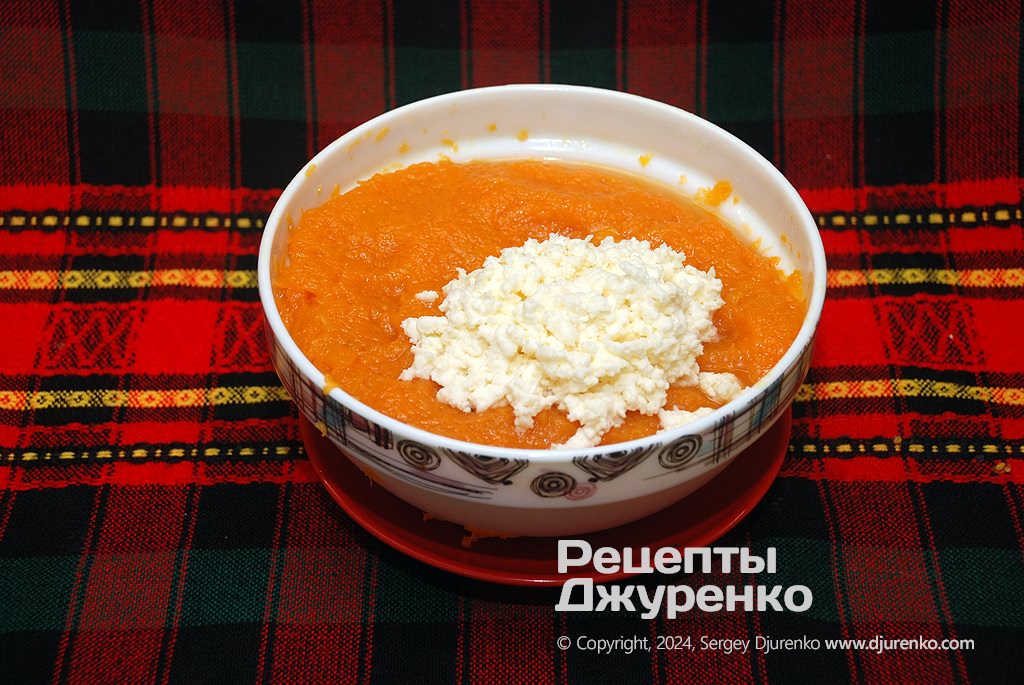
Blend the pumpkin into a puree. Let the pumpkin cool to room temperature, as it can be noticeably warm. Blend it into a smooth puree with a blender. If you like, you can make the sauce chunkier by mashing the pumpkin the way you mash potatoes. Season the puree with salt and pepper and mix well. Chili and nutmeg are often added to pumpkin sauce, optionally.
Add the mozzarella. Take the mozzarella out of its liquid, grate it, add it to the pumpkin and stir: the sauce is ready. If liquid appears after a while, it is better to drain it. Instead of soft mozzarella, you can add another soft cheese that melts when heated.

Béchamel sauce
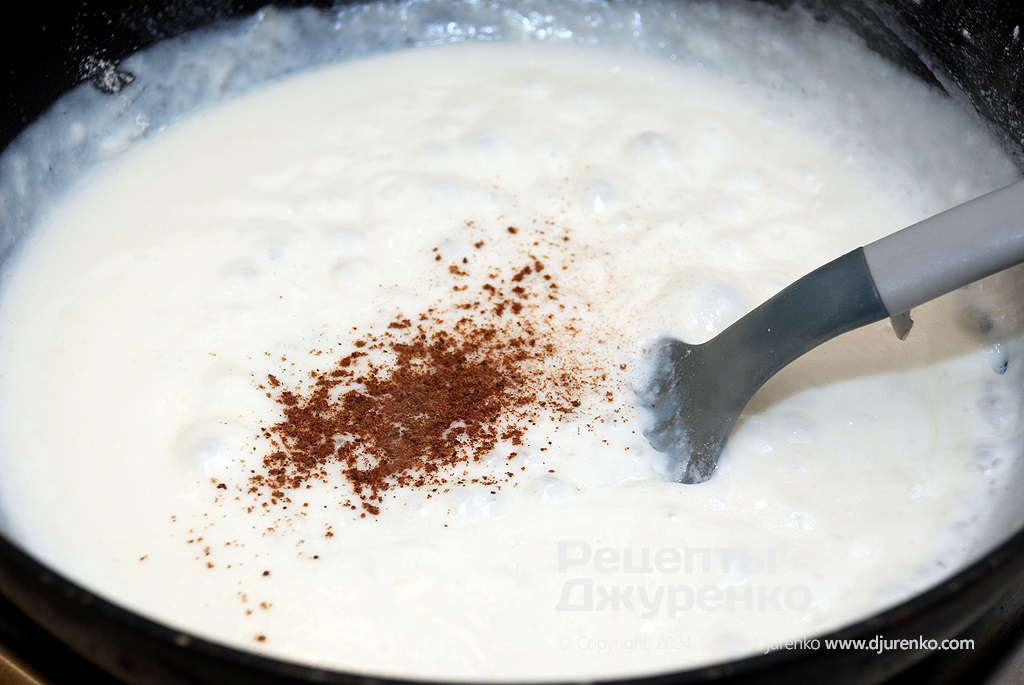
Make the béchamel sauce. In a pan over low heat, melt 50 g of butter and add 1 tbsp of wheat flour (10 g). Fry the flour with the butter, then, stirring constantly, pour in cold milk in a thin stream. The béchamel should not be very thick, close in consistency to thick kefir. If needed, you can add 1-2 pinches of flour or a little more butter to get the consistency you want. Add salt and a pinch of nutmeg on the tip of a knife. Let the sauce cool, it should not be hot.

Assembling the lasagna
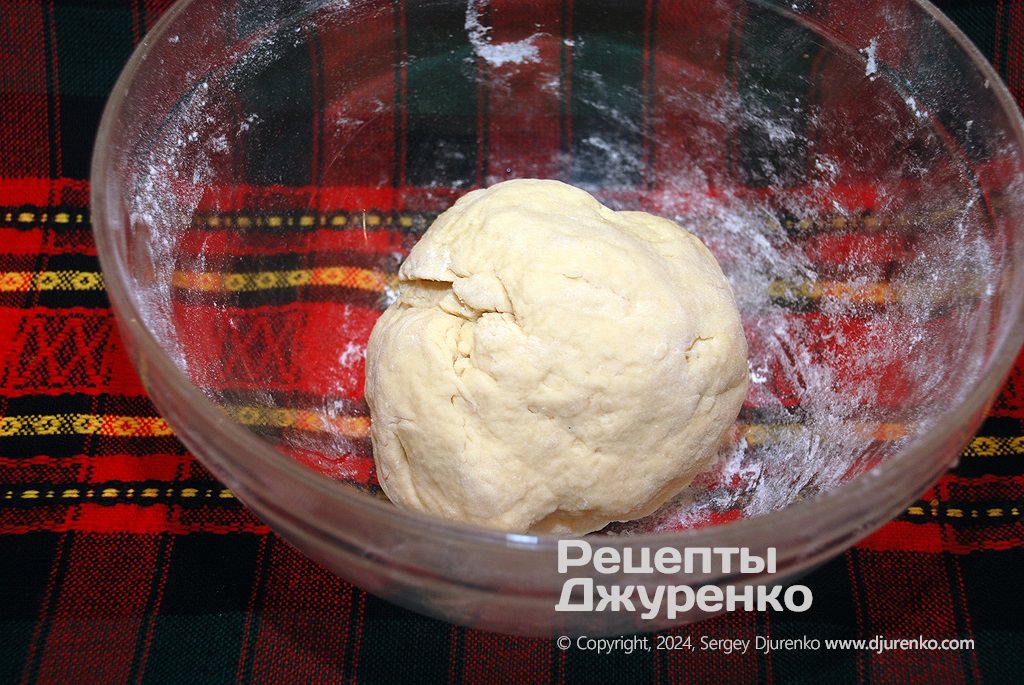
Make the dough for egg lasagna. Usually it is a mixture of soft flour and durum wheat flour with eggs. The dough is firm and rolls out perfectly into thin sheets with a rolling pin or a pasta machine. It is better not to roll out all the sheets at once but as you lay them in the dish. Don’t boil them beforehand: the pasta will cook right in the dish.

A pasta machine is a fantastic kitchen helper. It makes any kind of flat pasta (tagliatelle, fettuccine, linguine, pappardelle and so on), and the dough for any dumplings and khinkali.
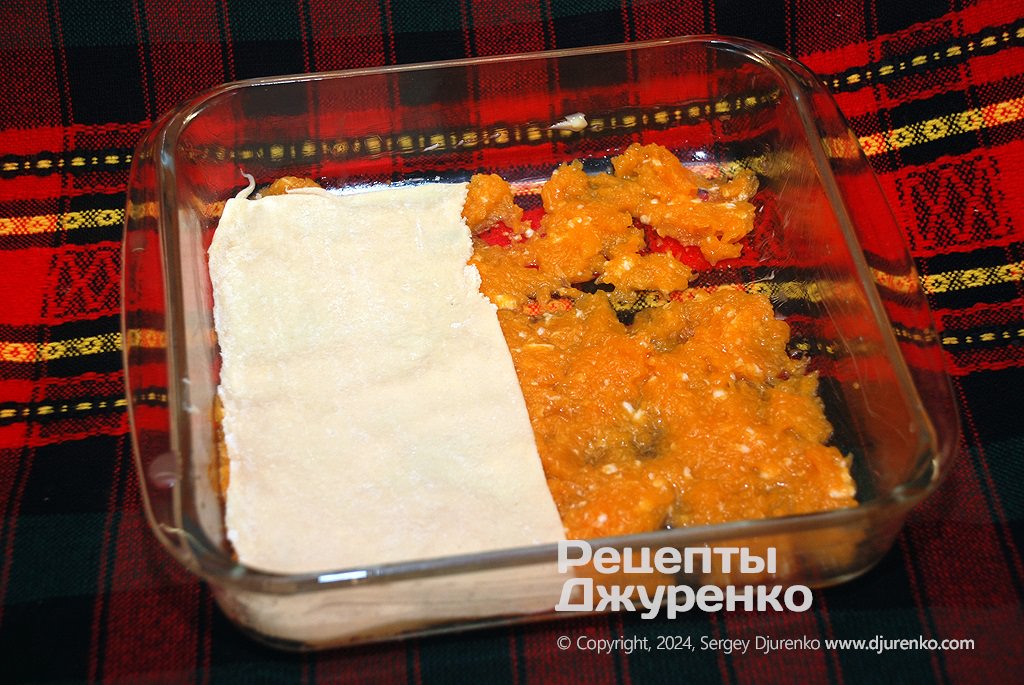
Lay the first layer. The amount of ingredients given is enough for a 20×20 cm lasagna with 5-6 layers of dough. Grease a suitable dish with a piece of butter and spread 2-3 tbsp of pumpkin puree in it. Cover with sheets of dough: I usually get strips 10 cm wide, and two strips per layer cover the dish nicely. Brush the top of the dough with béchamel sauce and spread it out carefully.

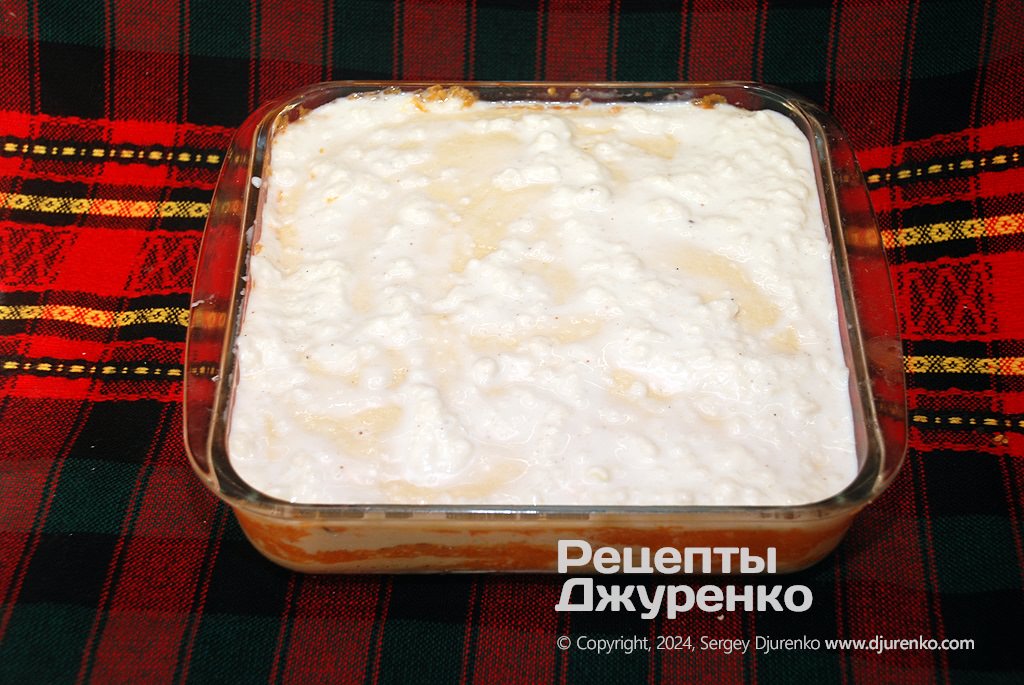
Build the remaining layers. On top of the béchamel, spread the pumpkin puree, smooth it out and cover with the next layer of dough. And so on in turn: dough, béchamel and pumpkin puree. The layers should be packed tightly and reach from one side of the dish to the other. If liquid collects from the pumpkin, you can drain it. Still, it doesn’t get in the way. The very last layer is béchamel, so spread it generously.

Baking
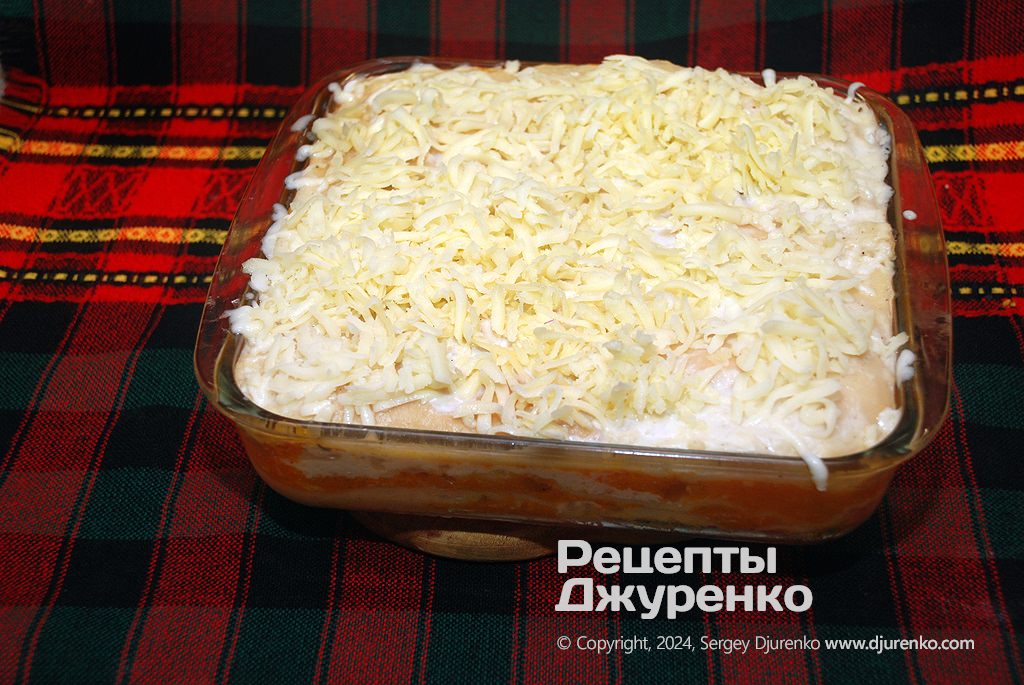
Sprinkle the top with grated cheese so that a golden crust forms during baking. We use grated dried mozzarella, which is quite firm, close to semi-hard cheeses. You can also use Emmental, pecorino, Gruyère or even Grana Padano. Spread the cheese evenly and press it down lightly.

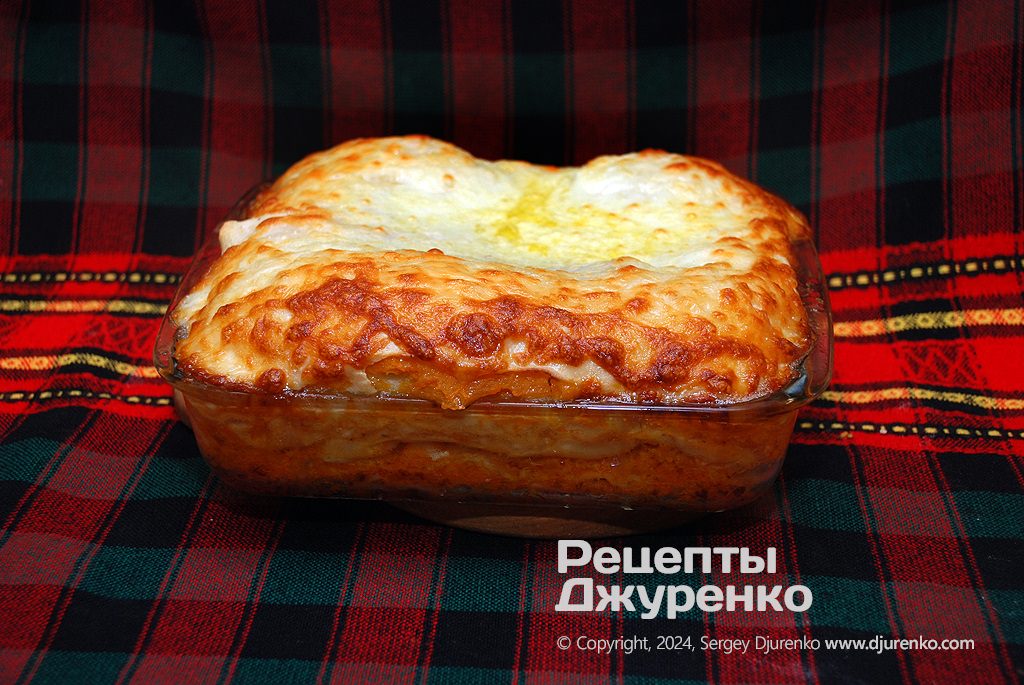
Bake the lasagna in an oven preheated to 180 °C for about half an hour, going by the browning of the surface and the signs of bubbling liquid in the dish, which are easy to see. Because of the steam, the surface may rise slightly, which is normal. Once it bubbles, the pasta is guaranteed to be done, as it cooks in just a few minutes. It is also worth turning the dish from time to time so that it bakes evenly.

Serving
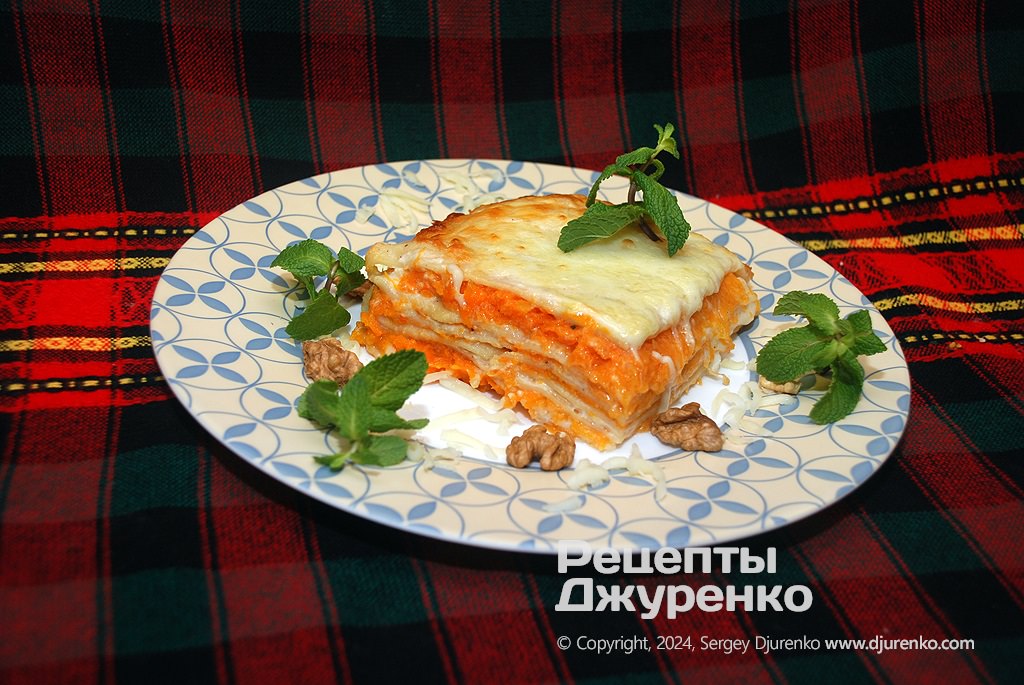
Cut the finished lasagna into portions after letting it stand for about 10 mins. Use a very sharp small knife. So that the crust doesn’t get crushed, cut straight down. You also need to separate the crust from the edge of the dish. Transfer the portions to plates with a spatula. Before serving, you can garnish with sprigs of mint and nuts. Many people like to serve the dish with soured milk or low-fat sour cream as a sauce.


How did you like this recipe?
I really want to know how the recipe turned out for you.
Calories and macros
365 kcal
Serving ≈ 180 g
- Protein13 g14% of kcal
- Fat21 g51% of kcal
- Carbs32 g35% of kcal
100 g202 kcalProtein 6.9 gFat 11.5 gCarbs 17.8 g
Calculated from the recipe ingredients, excluding salt and spices. Data: USDA and Matvaretabellen.