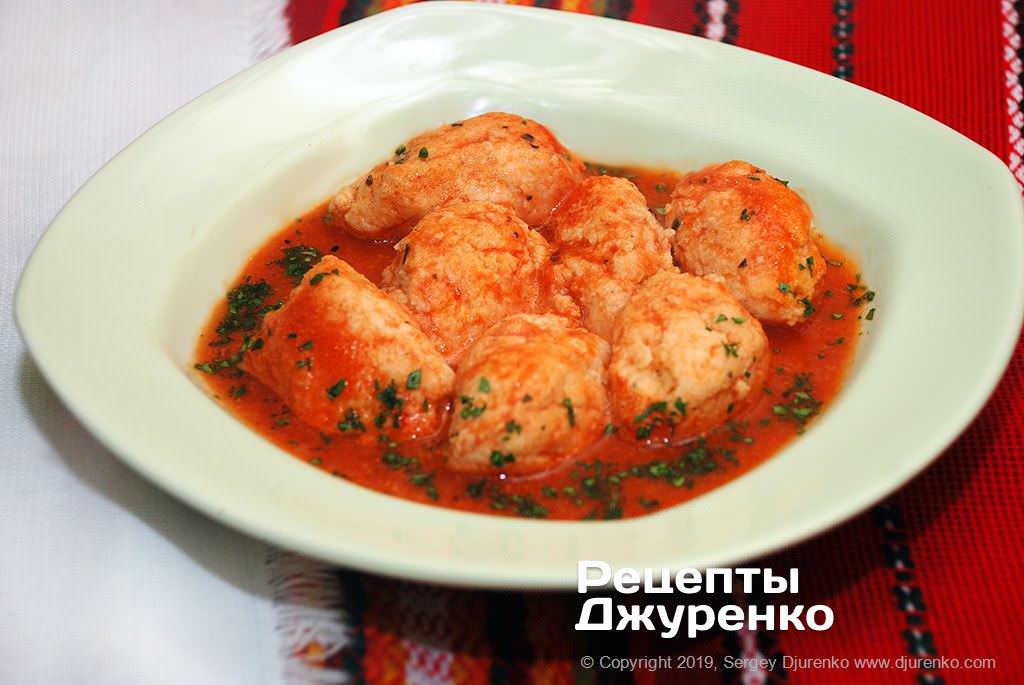
Pike Quenelles in Tomato Sauce
Ingredients
4 servings
For the quenelles
- Pike or zander fillet 500 g
- White bread, roll 100 g (crumb only, no crust)
- Cream (10-15%) 200 ml (rich milk works for soaking)
- Salt, white pepper to taste
- Water for poaching
For the sauce
- Tomato juice 1 cup (200 ml)
- Cream (10-15%) 50 ml
- Sugar 1 tsp (5 g)
- Salt, pepper, sweet paprika, ground coriander to taste
For serving
- Herbs optional
Step-by-step recipe
How to make the fish mixture
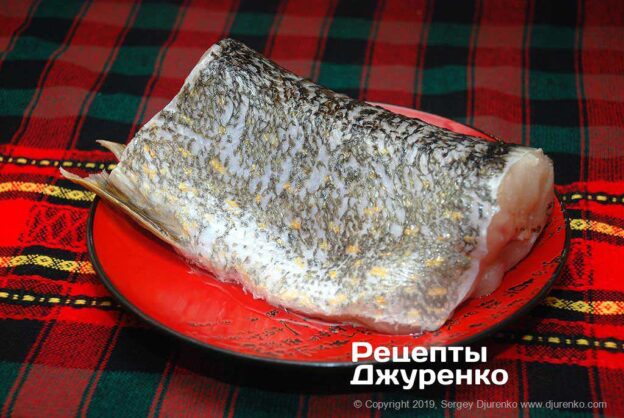
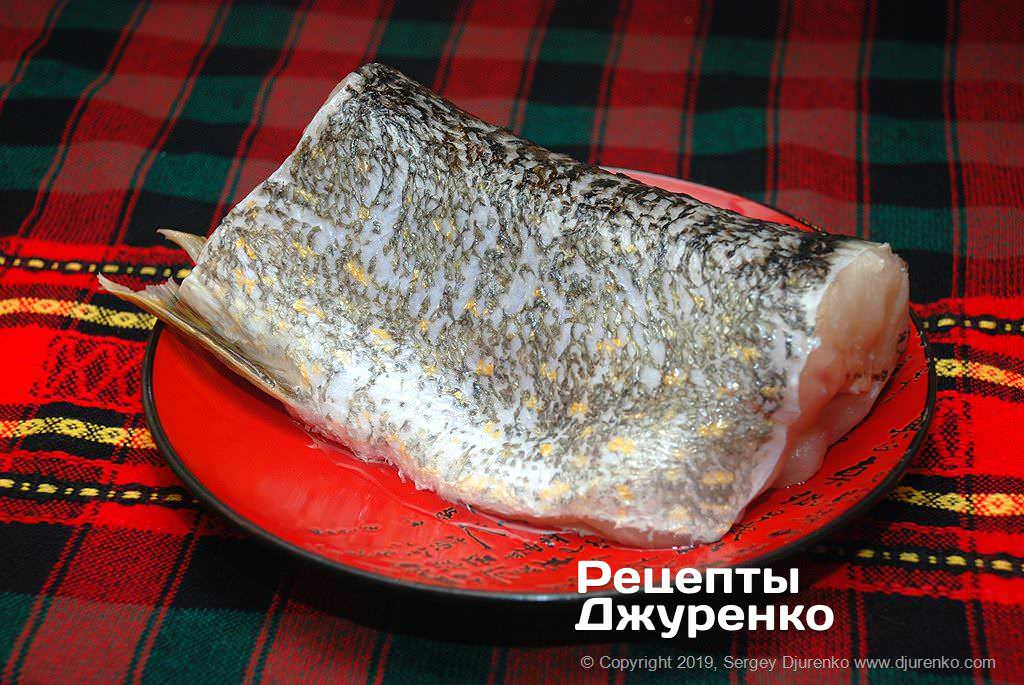
For the mixture you need fillet of lean fish, best of all pike or zander. This fish has few bones, which are easy to remove while cleaning it and preparing the mixture. There is also little waste: skin, fins, bones. The mixture for quenelles can be made not from a whole fish but from a part of a large one.
Prepare the fish. If the fish was frozen, move it from the freezer to the fridge beforehand and do not rush the thawing, so less liquid is released.
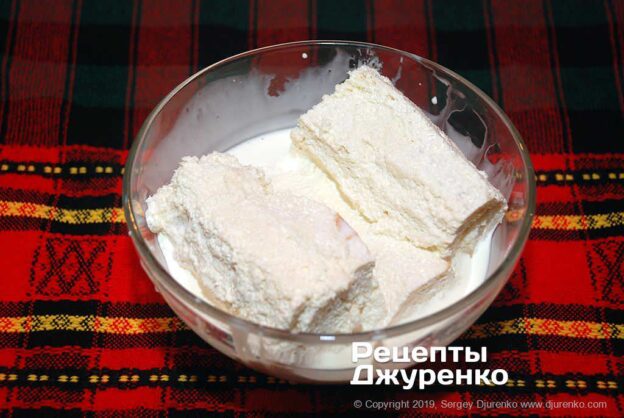
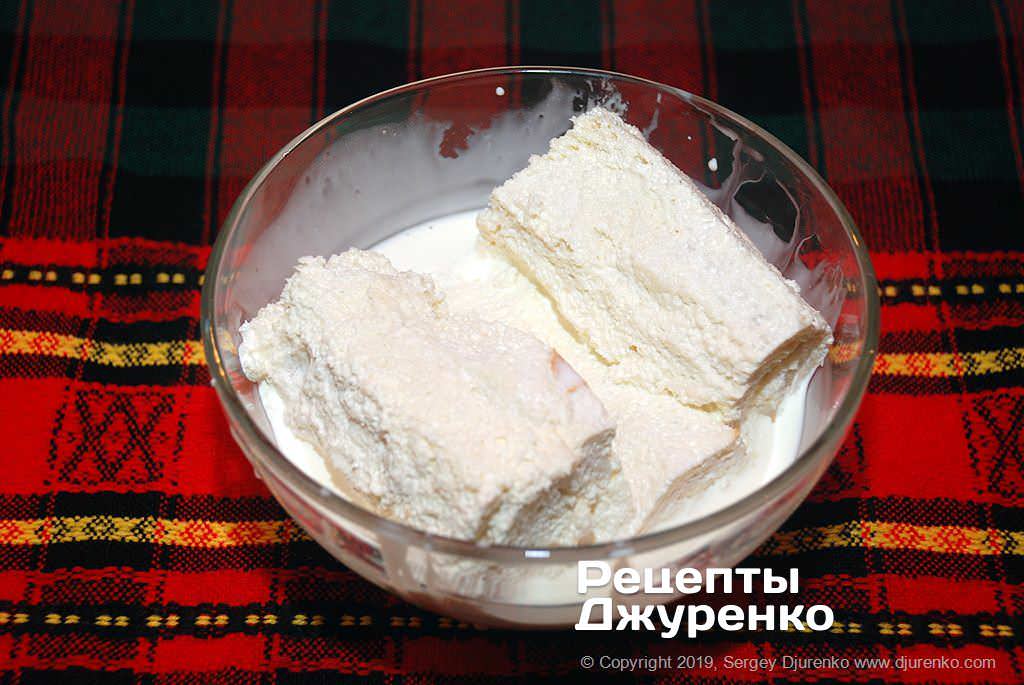
Before you start cutting up the fish, soak the white bread in cream or rich milk. I used a French baguette and cut off the crust with a knife. You need only the crumb. Put the bread in a bowl and pour the cream over it, leaving about 50 ml for the sauce. The cream will not completely cover the bread, but it will soak in nicely.
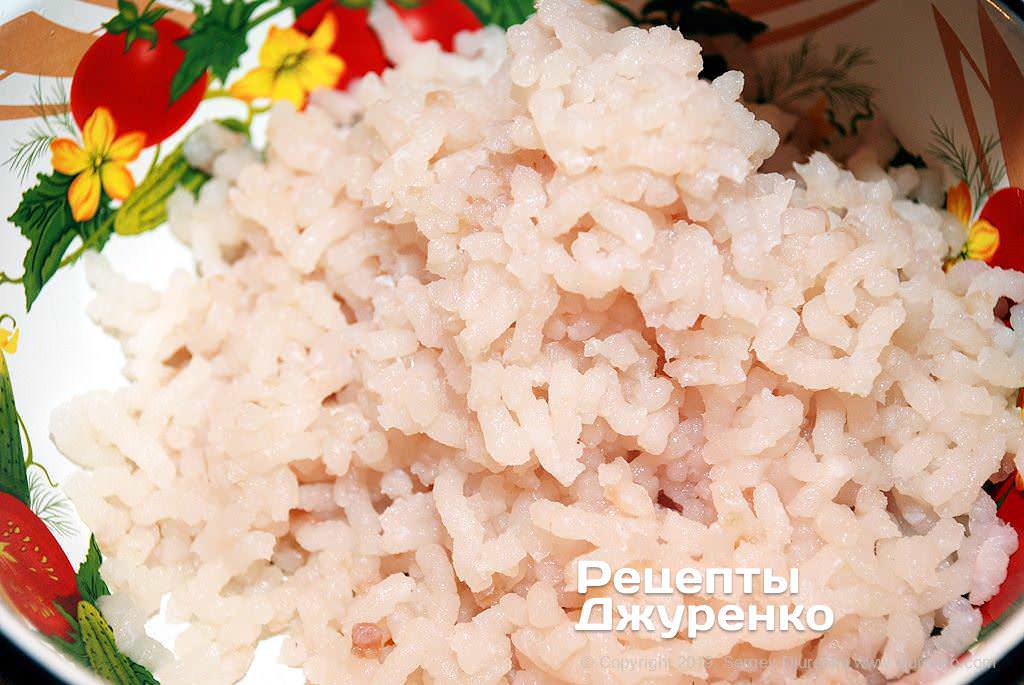
Cut up the fish and grind the fillet into a mixture. With a knife remove the fins and backbone and pick out all the visible bones. Cut the fillet off the skin. If small bones are visible where the fins were, it is better to cut them out. Then grind the fillet through an ordinary meat grinder. A home meat grinder with a plate has one great property: the fish bones are not ground up but collect in front of the plate and are easily removed.
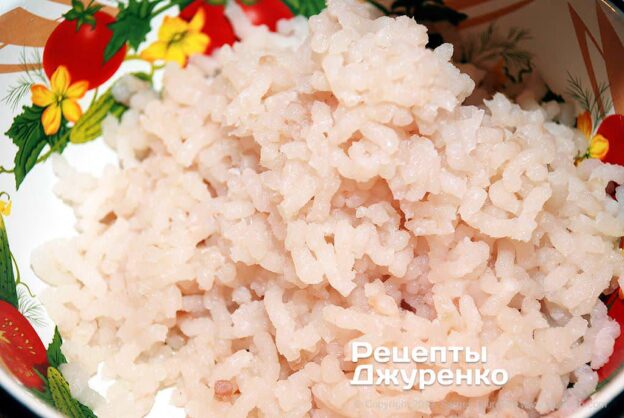
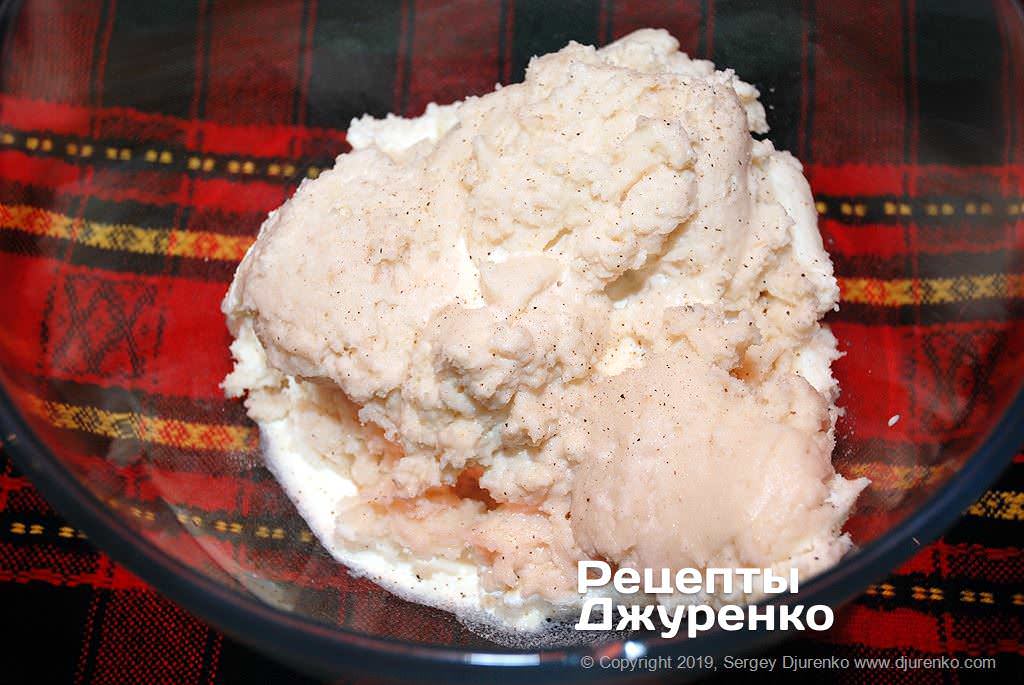
Grind the mixture with the bread and thin it with cream. Squeeze the cream out of the white bread and pour the cream into a cup, since you will need it again. Add the squeezed bread to the fish mixture and grind it as “finely” as possible with a blender or chopper. This gives the most uniform mixture and grinds up any remaining tiny bones. If you can, it is worth pushing the mixture through a mesh strainer or sieve, since it is not nice when bones or lumps of unground bread get into fish quenelles.
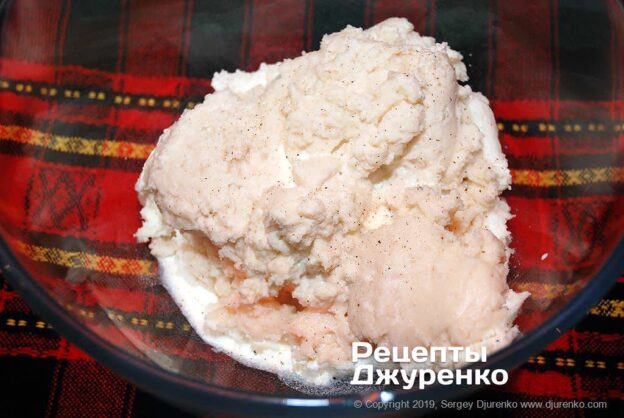
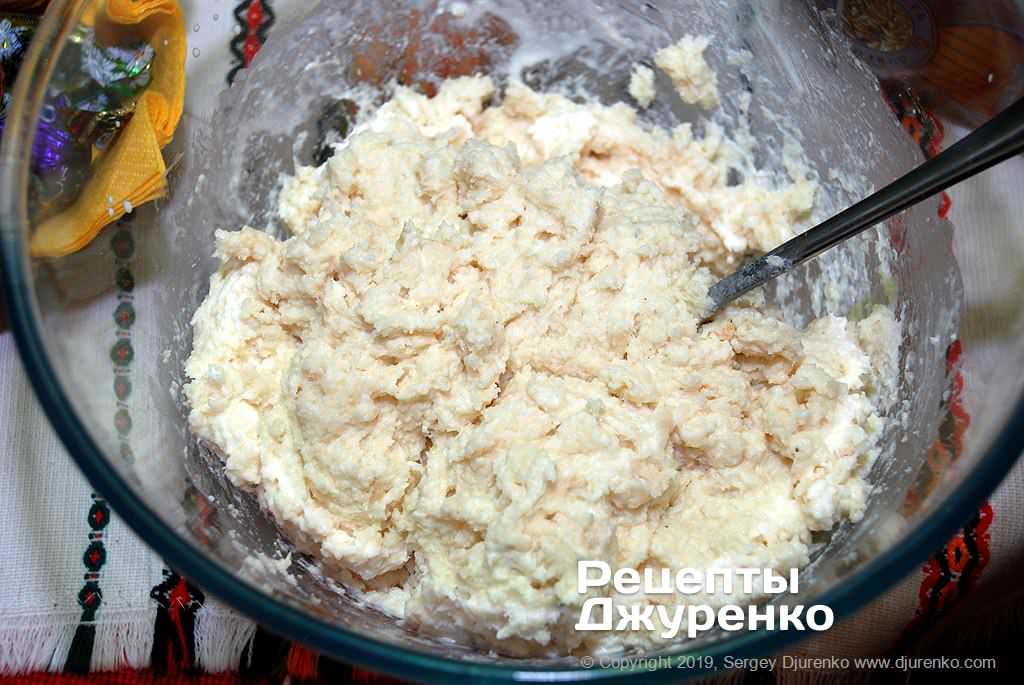
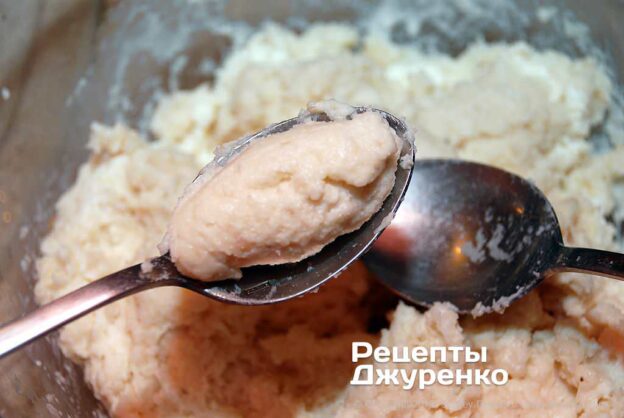
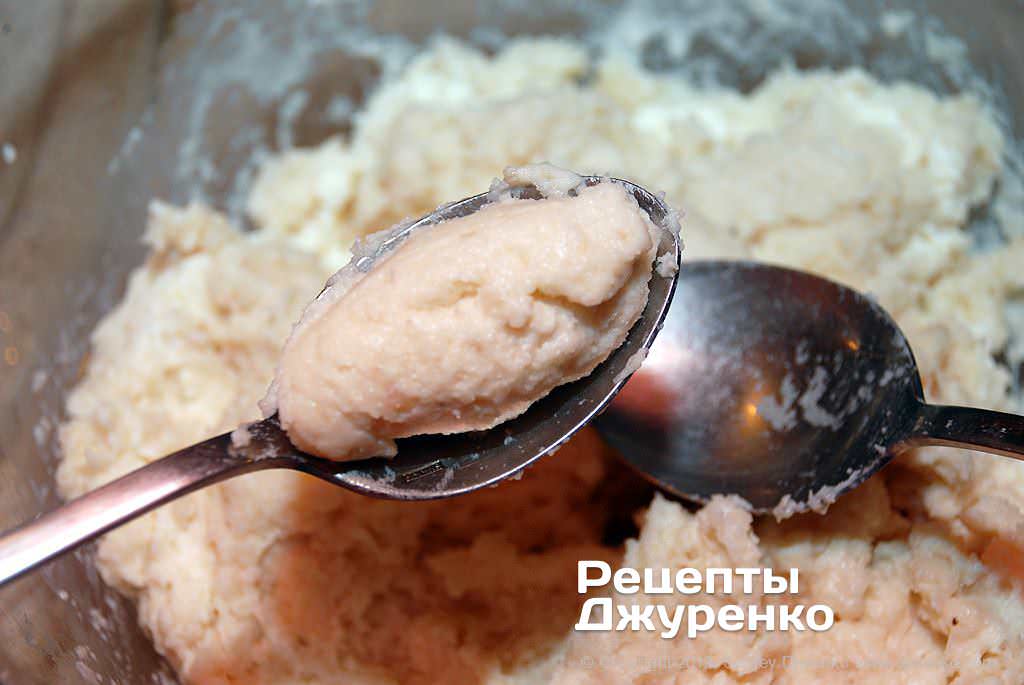
Salt and pepper the mixture. White pepper is better, as it is not so noticeable in a pale mixture. Thin the mixture with the cream left from soaking the bread, adding it little by little. The consistency should be like porridge, so that it can be scooped with a spoon. Quite often, though, the mixture is made quite runny.
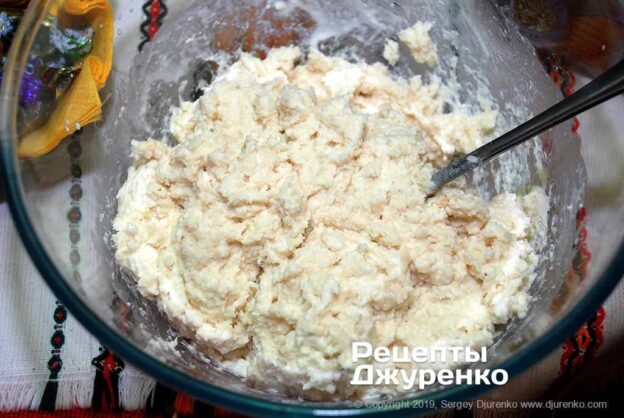
How to shape and poach the quenelles
Shaping the mixture is a creative process. You can use an oblong spoon, which lets you quickly form elongated pieces. If you do not have one, it is quite easy and even convenient to shape quenelles with two ordinary tablespoons.
Shape the quenelles with two spoons. Scoop up the mixture with one spoon, press it with the second and lift it out of the first with a turn around the axis of the spoon. You get egg-shaped pieces. Learning to shape quenelles with two spoons is extremely simple: a few minutes and the skill sticks.
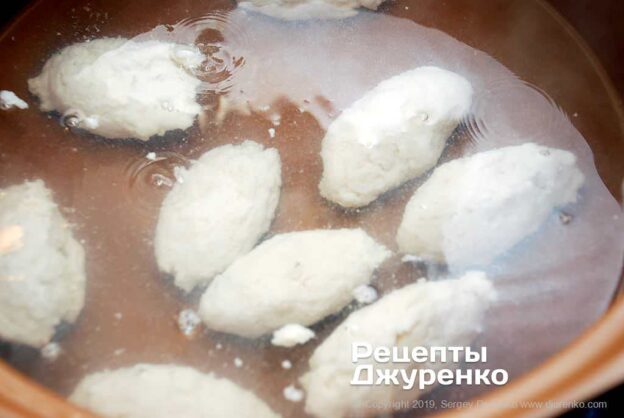
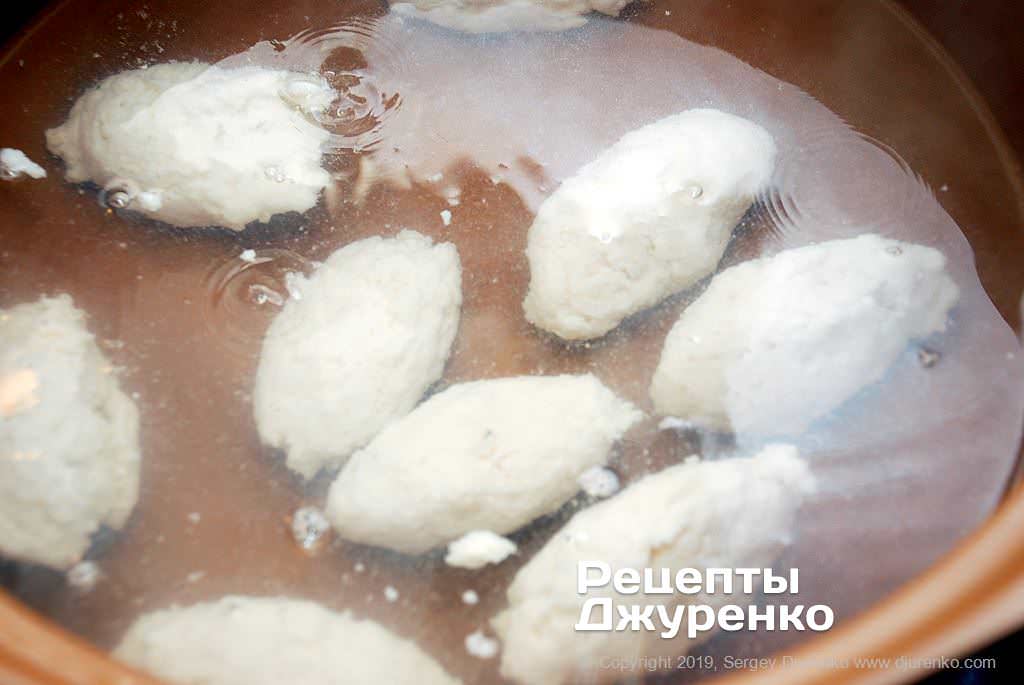
Poach the quenelles in one of two ways. Put them in a deep frying pan or pot, cover with cold water, bring to a boil and cook for 4-5 mins over low heat, without a rolling boil. Or simply dip the ready balls into boiling water for the same time. The quenelles should become firm and hold their shape. After that they are practically ready to eat: lift them out of the boiling water with a slotted spoon and move them to another pot or pan.
How to braise the quenelles in tomato sauce
The quenelles then need to be braised in sauce for a while. A creamy béchamel sauce works well. We decided to make a simple tomato sauce.
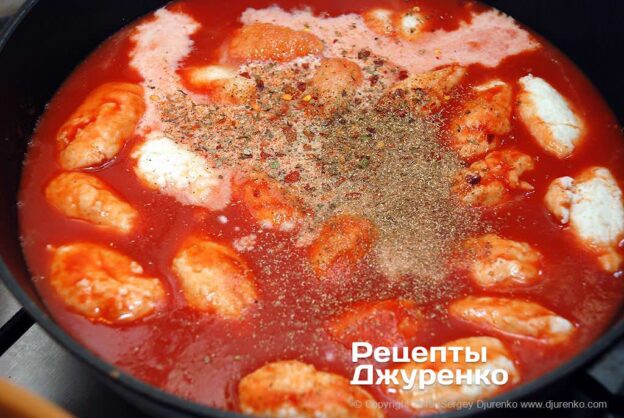
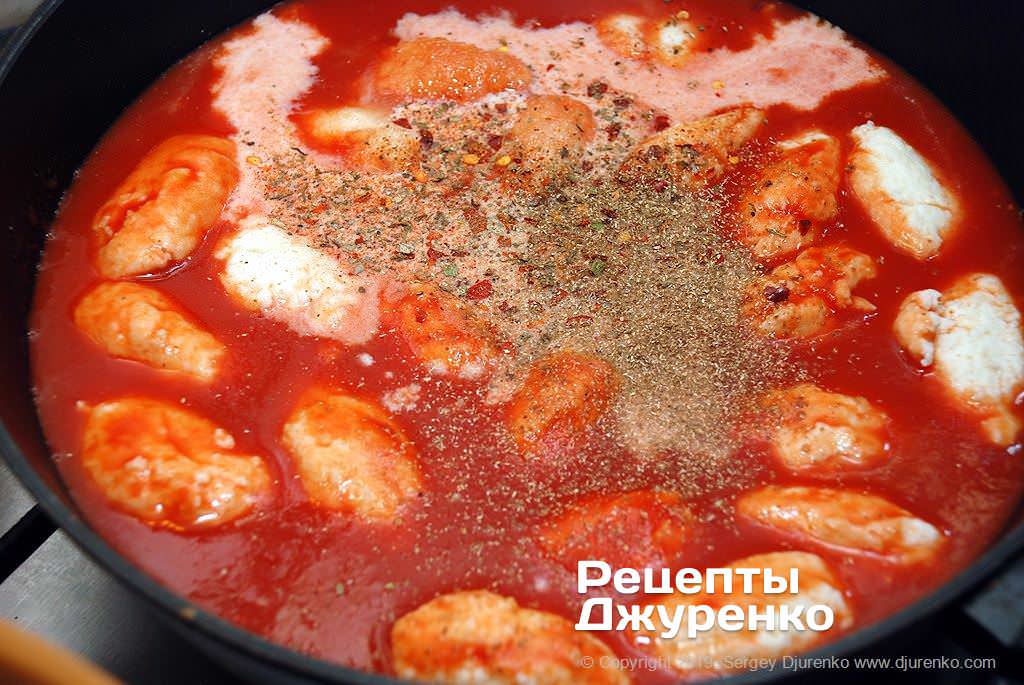
Pour the sauce over the quenelles and braise covered. Pour good homemade tomato juice into the pan with the balls, add a little salt and pepper, 1 tsp of sugar (5 g), a little sweet paprika and ground coriander. Add the remaining 50 ml of cream. Bring the sauce to a boil, reduce the heat to low and braise the dish covered for 10-15 mins.
Serving
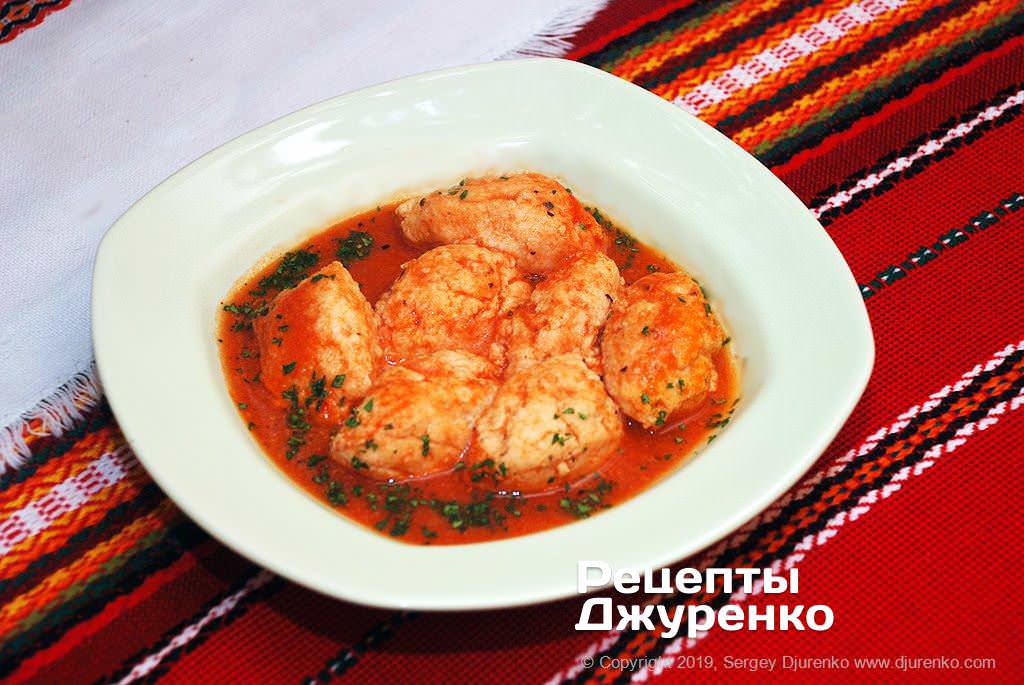
Put the quenelles in a soup plate and spoon the sauce over them. You can sprinkle with a pinch of very finely chopped herbs, but not too aromatic ones.
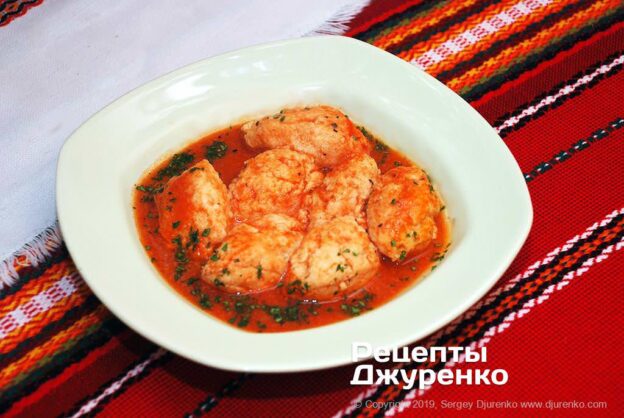
The dish has an unusually delicate creamy flavor that goes superbly with tomato. It is a self-sufficient fish main course. Still, mashed potatoes as a side will not hurt.
Calories and macros
310 kcal
Serving ≈ 200 g
- Protein29 g37% of kcal
- Fat14 g41% of kcal
- Carbs17 g22% of kcal
100 g157 kcalProtein 14.4 gFat 6.9 gCarbs 8.4 g
Calculated from the recipe ingredients, excluding salt and spices. Data: USDA and Matvaretabellen.