
Pasta alla Norma with Tomatoes and Eggplant
The recipe for the Sicilian dish pasta alla Norma has a history of its own. It is a culinary symbol of the city of Catania, made in countless variations with personal touches, and there are even festivals devoted to it. In essence, it is pasta with a sauce of tomatoes and eggplant. It is often called “pasta Bellini,” and the dish is believed to have been created in honor of the composer’s lyrical opera Norma, first performed at La Scala.
Traditionally this dish calls for short pasta shapes: rigatoni, tortiglioni, penne, fusilli, or more exotic ones such as garganelli and casarecce. What matters is that the pasta holds the sauce well and has a “complex” surface.
The peculiarity of the sauce is that the tomato part and the eggplant are cooked separately. They are combined either right with the pasta or at the very end of cooking. The tomato sauce is made from ripe tomatoes or canned tomato pulp, garlic, spices, and plenty of basil. Before serving, the dish is sprinkled with grated salted ricotta, which is very often also added to the sauce just before the end of cooking.


Ingredients
4 servings
- Pasta (short) 350 g
- Water for cooking the pasta 3.5 l
- Salt for the pasta water 7 g per 1 l of water
- Eggplant 2
- Ripe tomatoes or canned tomato pulp 0.5 kg
- Fresh basil 1 bunch
- Garlic to taste
- Salted ricotta to taste
- Olive oil for frying
- Salt, black pepper, sugar to taste
Step-by-step recipe
Since pasta alla Norma was created especially to welcome a great composer, ad hoc (for a special occasion) as they say, the recipe has most likely hardly changed since then. And it is quite simple. Prepare ripe tomatoes or one can of tomato pulp (even better), or use both at once. You need young eggplants, fragrant fresh basil, garlic, and a little firm salted ricotta for serving.

Before the pasta starts cooking, fry the eggplant. If the seeds in the eggplant have ripened, they will stand out clearly in the dish. The fruit sometimes tastes bitter: sprinkle the cut flesh with salt for 15-20 minutes, then rinse and squeeze it dry. If the eggplants are young, there will be no problem. Simply cut them with the skin on into large cubes or sticks, as you prefer. Pour oil into a frying pan: olive oil or any other (sunflower, peanut, corn, etc.).

By the way, eggplant soaks up oil like a sponge, so by the end of frying the pan will be almost dry. Stir often and fry the eggplant until it turns a pleasant golden color. Don’t overfry the pieces; ideally they should be slightly crunchy. Transfer the fried eggplant to a separate plate and set it aside for now. Next, prepare the tomato sauce.

Peel the garlic and chop it with a knife. Garlic is usually used just to flavor the olive oil, but pasta alla Norma is made with a sauce in which it is better to leave the garlic in. Peel the ripe tomatoes, remove the seeds, and chop the flesh with a knife. Chop the canned pulp a little and mix it with the fresh tomatoes. Lightly fry the garlic in 2 tbsp of olive oil and add all the prepared tomato.

Salt the sauce well, bearing in mind that the fried eggplant and the pasta are not salted. Add 0.5 tsp of sugar (2 g) and season with freshly ground black pepper. Stir the sauce, and while it heats up, pick the leaves off the basil and tear them with your fingers into large pieces. Add half of the prepared basil leaves to the sauce. Put a pot with a few liters of salted water on the heat. When the water boils, add the pasta and cook for the time given on the package, which guarantees it will be al dente.

Simmer the sauce covered over medium heat for 8-10 minutes, then remove the lid and increase the heat to evaporate the moisture. The sauce should be as thick as store-bought ketchup. Add part of the fried eggplant to the tomato sauce, leaving some for serving. Often at this stage 1-2 tbsp of grated salted (18–36 g) ricotta is added to the sauce. This is optional; I prefer to use it only for serving.

By the time the sauce is ready, the pasta is already cooked. Drain the water from the pot, but keep half a cup, as you may need it. Drain the pasta in a colander. Add all the remaining basil to the tomato sauce, then the pasta. Gently toss the sauce with the pasta. If the sauce is thick and doesn’t coat the pasta well, add a little of the reserved pasta water.

While the pasta alla Norma is hot, divide it among plates; small hemispherical soup bowls work well. Top with the cubes of fried eggplant you kept for garnish and serving. Coarsely grate a piece of ricotta over the top. Quite often there is a lot of ricotta on the dish, so that when served it looks like a Shopska salad, literally a “cap” of white cheese.

By the way, the grated ricotta can be served on a separate plate alongside the pasta. Garnish the pasta with a sprig of basil. The dish is incredibly tasty, and it’s no wonder music connoisseurs of the time compared it to Norma, after the disappointment of the Milan audience and the risotto. Today the term is often applied to dishes made with masterful execution that become a kind of “benchmark.”


Calories and macros
585 kcal
Serving ≈ 420 g
- Protein15 g11% of kcal
- Fat23 g38% of kcal
- Carbs71 g51% of kcal
100 g140 kcalProtein 3.7 gFat 5.6 gCarbs 17.1 g
Calculated from the recipe ingredients, excluding salt and spices. Data: USDA and Matvaretabellen.
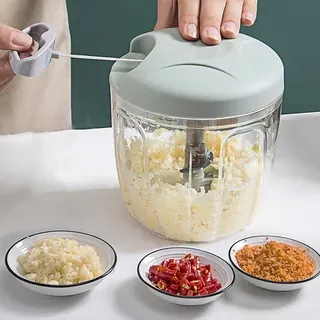 Pull chopper for garlic and onionAliExpress
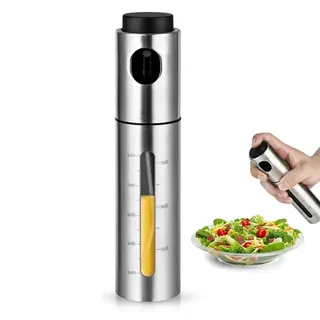 Oil sprayerAliExpress
 Kitchen scale up to 5 kgAliExpress
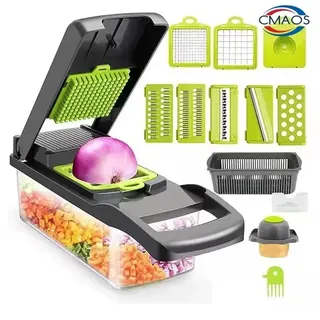 Vegetable chopper with handleAliExpress
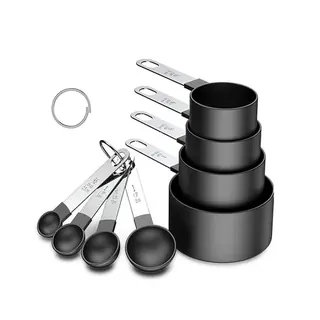 Measuring cups and spoonsAliExpress
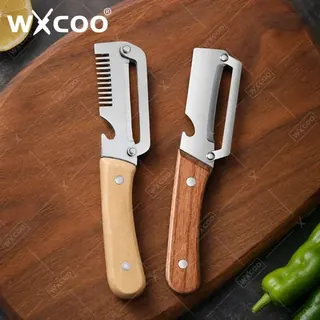 Peeler with wooden handleAliExpress